
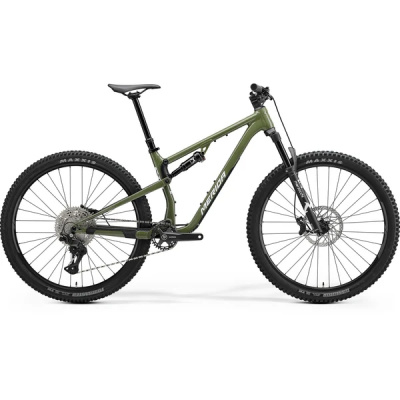
Merida ONE-TWENTY 600
Balanced trail fun that climbs without complaint and descends with confidence you'll want to repeat.
- P-FLEX flexstay: pivot-less rear for clean lines, low faff
- 130 mm travel front and rear: proper trail capability
- Shimano Deore 1×12: reliable shifting, 10 - 51T range
- Agilometer sizing: pick your frame by handling feel
- Wire Port routing: rattle-free cables through the headset
- 29 mm internal rim width: tubeless-ready, stable platform
Merida ONE-TWENTY 600 Deals
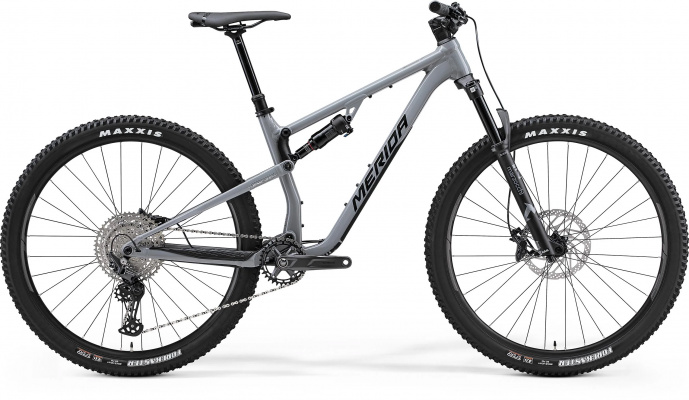
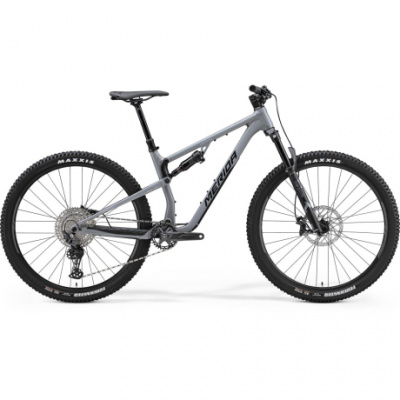

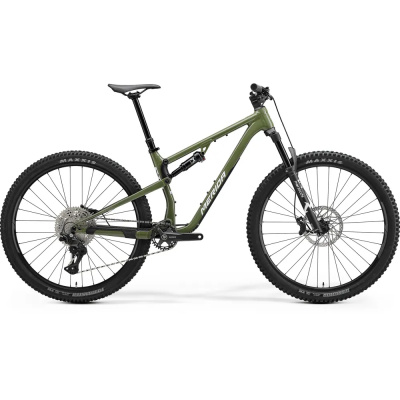
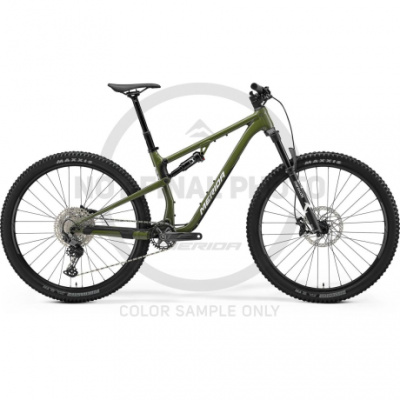
Prices and availability can change quickly. Delivery charges are not always included in listed prices.
Final price, stock status and delivery terms are set by retailer. We may receive a commission on purchases made.
Bikesy's Verdict
The Merida ONE-TWENTY 600 is the trail bike you buy when you want to ride more and faff less. It climbs without complaint, descends with the kind of confidence that makes you hunt out the rough lines rather than avoid them, and does so with a spec that's reliable, well sorted, and priced so you've still got money left for adventures. The P-FLEX rear end is clever without being gimmicky, the Agilometer sizing system lets you tailor the bike to how you actually ride, and the whole package feels like it's been designed by people who spend their weekends on trails rather than in marketing meetings.
You're not getting the lightest bike on the market, and the stock tyres could be grippier, but those are easy fixes if they bother you. What you are getting is a bike that'll handle the vast majority of trail riding with a grin-inducing blend of capability and fun, backed by a lifetime frame warranty and components that won't let you down. If you want a versatile, dependable trail bike that rewards effort without punishing mistakes, the ONE-TWENTY 600 is an outstanding choice.
Pros
- Exceptional value: well-specced, reliable components at a sensible price
- Versatile trail performance: climbs efficiently, descends with confidence
- P-FLEX rear end: low-maintenance, clean design, no pivot bearings
- Agilometer sizing: choose your frame by handling feel, not just height
- Shimano Deore 1×12 and four-piston brakes: dependable, easy to live with
Cons
- Heavier than racier XC options if you're chasing Strava times
- Maxxis Forekaster tyres can feel vague in wet or loose conditions; a grippier front tyre sharpens things up
- Tubeless tape and valves not included, so budget for those if you're going tubeless from the start
About the Merida ONE-TWENTY 600
The Merida ONE-TWENTY 600 lands squarely in the sweet spot where trail bikes earn their keep: capable enough to make you grin on the downs, efficient enough that you won't curse it on the ups, and priced so you've got money left for tyres, trips, and the occasional post-ride pint. Built around a hydroformed, triple-butted aluminium frame with Merida's P-FLEX flexstay design - a pivot-less rear end that drives a horizontally mounted shock - it pairs 130 mm of travel front and rear with progressive geometry that's neither skittish nor sluggish. You're looking at a bike that wants to be ridden, not admired in the shed.
Merida calls it a mountain bike made for mountain biking, and that's more than marketing waffle. The ONE-TWENTY 600 doesn't chase niche categories or demand you commit to a single style of riding. Instead, it offers the kind of versatility that lets you tackle your local singletrack on a Tuesday evening, then head out for a longer, rougher ride at the weekend without feeling like you've brought the wrong tool. The Marzocchi Z2 fork and RockShox Deluxe Select+ shock are custom-tuned to work with the frame's kinematics, delivering a ride that's active over chatter yet composed when you're pushing hard into corners or loading up compressions. Shimano Deore 1×12 gearing and four-piston front brakes round out a spec that's sensible, reliable, and surprisingly well sorted for the money.
What really sets this bike apart is Merida's Agilometer sizing system. Rather than forcing you into a frame based purely on height, it lets you choose by handling preference - pick a shorter reach if you want snappy, playful steering, or size up for stability and planted confidence. It's a rider-first approach that acknowledges not everyone of the same height rides the same way, and it makes the ONE-TWENTY 600 feel like it's been tailored to you rather than a one-size-fits-most compromise.
Merida ONE-TWENTY 600 geometry
The geometry here is modern without being extreme. You sit in a position that's upright enough to breathe on climbs but forward enough to weight the front wheel when the trail tilts down. The head angle is slack enough to inspire confidence at speed, yet steep enough that tight switchbacks don't become a wrestling match. Reach grows sensibly across the size range, and the Agilometer system means you can fine-tune your cockpit length to match how you like to move on the bike - shorter for quick, reactive handling or longer for a more planted, stable feel when the terrain gets rough or fast.
Chainstays are kept tidy, which helps the bike feel nimble in tight sections and keeps the rear wheel tracking cleanly through technical climbs. The bottom bracket sits low enough to give you a stable, grounded feel in corners without dragging on roots or rocks in typical trail riding. Stack height is generous across the range, so taller riders won't feel cramped and shorter riders can still get the bars low enough without a stem that looks like it's been borrowed from a road bike. The overall package is balanced: you're not fighting the geometry to make it work, and that's exactly what you want from a trail bike that's meant to do a bit of everything.
Component choices & upgrades
The stock build on the ONE-TWENTY 600 is already well judged. Shimano Deore 1×12 gearing offers a 10 - 51T cassette that'll get you up most climbs without resorting to a dismount, and the Deore shifter and rear mech are robust, precise, and easy to live with. The four-piston Deore brake up front hauls you down with authority, while the two-piston rear keeps things tidy without being grabby. Marzocchi's Z2 fork is a solid workhorse - air-sprung, with platform damping that's simple to set up and doesn't wallow when you're pumping through rollers or sprinting out of corners. The RockShox Deluxe Select+ shock is equally unfussy, with a lockout that's handy for fire-road slogs or smooth climbs where you'd rather not waste energy bobbing up and down.
That said, if you're the sort of rider who's already eyeing upgrades, there are a few sensible paths. The Maxxis Forekaster tyres are decent all-rounders, but they can feel a bit vague in wet roots or loose-over-hard conditions. Swapping the front for a Maxxis Dissector or Assegai in a stickier compound will sharpen up cornering grip and give you more confidence when the trail gets rowdy. If you're spending a lot of time on rougher, faster descents, a coil shock conversion can add a touch more suppleness and mid-stroke support, though the stock air shock is more than adequate for most riders. Beyond that, a wider bar - say, 800 mm if you've got the shoulders and the trails to match - can improve leverage and control, and a shorter stem will quicken steering response if you've sized up for stability but want a bit more playfulness. The frame takes two bottles in the front triangle, and there are bosses for an accessory mount under the top tube, so you've got options for carrying tools, spares, or snacks without resorting to a rucksack.
Where the Merida ONE-TWENTY 600 excels
This bike is outstanding at the kind of trail riding that mixes sustained climbs with technical, varied descents - think loamy singletrack, rooty woodland sections, and rocky trails that demand both composure and agility. It's the bike you want when your local loop throws a bit of everything at you and you don't fancy swapping bikes halfway through. The suspension is active enough to keep the rear wheel glued down over rough ground, yet efficient enough that you're not wasting watts when you're grinding up a long fire road. The geometry puts you in a position where you can settle into a rhythm on the climbs without feeling like you're perched on the nose of the saddle, and when the trail tips down, you've got the stability and travel to let off the brakes and let it run.
It also does well on longer rides where comfort and reliability matter as much as outright performance. The P-FLEX rear end is low-maintenance - no pivot bearings to service or seize - and the Shimano Deore drivetrain is the kind of kit that just works, ride after ride, with minimal fuss. If you're the sort of rider who wants to spend more time riding and less time wrenching, that's a real benefit. The bike's weight - around fifteen and a half kilos without pedals - means it's not going to win any XC sprint finishes, but it's not a boat anchor either, and the extra heft translates into a planted, confidence-inspiring feel when you're charging through rough sections or holding speed on fast, open trails.
Where it's less ideal is at the extremes. If you're chasing podiums in cross-country races or obsessing over Strava segments on smooth, flowing trails, you'll find lighter, more race-focused bikes that climb faster and accelerate harder. Equally, if you're spending most of your time on steep, gnarly enduro tracks or bike-park runs, you'll want more travel and burlier components. The ONE-TWENTY 600 is a generalist, and that's its strength: it's the bike that'll handle ninety per cent of what most riders throw at it, and do so with a grin-inducing blend of fun and capability.
Merida ONE-TWENTY 600 FAQs
What is the Merida ONE-TWENTY 600 best suited for?
It's best suited for all-around trail riding - the kind of riding that mixes climbs, descents, and varied terrain without committing to a single niche. If your typical ride involves singletrack, forest trails, and the odd rocky or rooty section, this bike will feel right at home. It's versatile enough to handle longer rides and technical trails without feeling out of its depth.
Is the Merida ONE-TWENTY 600 a good beginner mountain bike?
Yes, it's an excellent choice for a first full-suspension trail bike. The geometry is forgiving, the components are reliable and easy to maintain, and the bike's balanced character means you won't outgrow it quickly. It's also well priced, so you're not overspending on your first serious mountain bike, and the frame's lifetime warranty adds peace of mind.
How much travel does the Merida ONE-TWENTY 600 have?
It has 130 mm of travel front and rear. That's enough to handle rough trails and technical descents with confidence, while still being efficient enough for climbing and longer rides. It's a sweet spot for trail riding that doesn't demand enduro-level travel but offers more capability than a short-travel XC bike.
What are the pros and cons of the Merida ONE-TWENTY 600?
Pros include excellent value, versatile performance across varied terrain, modern progressive geometry, reliable Shimano Deore components, and low-maintenance P-FLEX suspension. Cons are that it's a bit heavier than racier options, the stock Maxxis Forekaster tyres can lack grip in wet or loose conditions, and tubeless tape and valves aren't included, so you'll need to budget for those if you want to run tubeless from the start.
How does the Merida ONE-TWENTY 600 compare to other trail bikes in its price range?
It punches above its weight in terms of spec and performance. The frame design, progressive geometry, and well-chosen components make it competitive with bikes that cost more, and the Agilometer sizing system offers a level of personalisation you don't often see at this price. It's a strong contender against bikes like the Giant Trance or Trek Fuel EX in similar builds, and it holds its own in terms of ride quality and versatility.
What upgrades are recommended for the Merida ONE-TWENTY 600?
The stock build is solid, but if you're looking to improve performance, start with tyres - a grippier front tyre like a Maxxis Dissector or Assegai will sharpen handling and confidence. If you're riding rougher, faster descents regularly, a coil shock can add suppleness. A wider bar or shorter stem can tweak handling to suit your preference, and if you're running tubeless, you'll need to add tape and valves since they're not included.
Is the Merida ONE-TWENTY 600 good for climbing?
Yes, it climbs competently. The geometry puts you in a comfortable, efficient position, the 1×12 Shimano Deore drivetrain offers a wide range with a 10 - 51T cassette, and the suspension kinematics minimise pedal bob. The lockout on the shock is handy for smoother climbs, and the bike's weight is reasonable for a trail bike, so you're not hauling a boat anchor uphill.
What is the maximum tyre size for the Merida ONE-TWENTY 600?
The frame clears up to 29×2.5" tyres, and the fork can take up to 29×2.6". That gives you room to fit wider, more aggressive rubber if you want extra grip or cushioning, though the stock 2.4" Forekasters are a sensible middle ground for most trail riding.
What kind of riding is the Agilometer Sizing System for?
The Agilometer system is for riders who want to choose their frame size based on handling preference rather than just height. If you like quick, playful steering and tight, technical trails, you can size down for a shorter reach. If you prefer stability, confidence at speed, and longer, rougher descents, you can size up. It's a rider-first approach that acknowledges different styles and preferences, and it makes the bike feel more tailored to how you actually ride.
Key Features & Benefits
- P-FLEX flexstay suspension: Pivot-less rear end means fewer bearings to service, cleaner lines, and a suspension feel that's active yet efficient without the maintenance faff.
- Agilometer sizing system: Choose your frame by handling preference - shorter reach for playful agility or longer for planted stability - so the bike fits how you ride, not just your height.
- Shimano Deore 1×12 drivetrain with 10 - 51T cassette: Wide-range gearing gets you up steep climbs without a dismount, and the Deore mech is robust, precise, and low-fuss for ride-after-ride reliability.
- Marzocchi Z2 fork and RockShox Deluxe Select+ shock (130 mm travel): Custom-tuned suspension that's active over chatter and composed when you're pushing hard, with lockout for efficient climbing on smoother sections.
- Wire Port internal cable routing via Acros headset: Rattle-free, clean-looking cable runs that protect your lines from the elements and keep noise down when you're bouncing through rough sections.
Merida ONE-TWENTY 600 2025, 2024 & 2023 differences
The 2025, 2024, and 2023 model years share the same core platform: a hydroformed, triple-butted aluminium frame with P-FLEX flexstay suspension, 130 mm of travel front and rear, progressive geometry with the Agilometer sizing system, and Shimano Deore 1×12 gearing. Component choices remain largely consistent across these years, with the Marzocchi Z2 fork, RockShox Deluxe Select+ shock, and Shimano Deore four-piston front / two-piston rear brakes forming the backbone of the spec.
Minor variations appear in tyre choice - some 2025 specs list a Maxxis Dissector up front paired with a Forekaster rear, while earlier years typically ran Forekasters front and rear. Cockpit dimensions have seen small tweaks, with handlebar width shifting between 760 mm and 780 mm and stem length varying between 40 mm and 50 mm depending on the year and size. Seatpost travel options have also been refined, with the 2025 model offering 150 mm, 170 mm, or 200 mm depending on frame size, compared to slightly different configurations in earlier years.
The 2022 model year featured similar specifications but often listed 120 mm of rear travel rather than the 130 mm now standard, and some builds included a mix of Shimano XT and Deore components rather than the consistent Deore spec seen from 2023 onwards. Earlier generations from 2019 and 2020 ran less progressive geometry - head angles around 67.3 degrees and seat angles around 75.5 degrees on a large frame - along with 120 mm rear / 130 mm front travel and component groups like RockShox Sektor RL forks and SRAM NX Eagle drivetrains. The shift to the current platform from 2023 onwards brought slacker, more modern geometry, increased rear travel, and a more cohesive, trail-focused spec that's remained stable across the last three model years.
Alternatives to Consider
Within Merida's own range, the ONE-FORTY 600 steps up to 140 mm of travel and a slacker head angle, making it better suited to more aggressive trail riding and steeper descents, though you'll sacrifice a touch of climbing efficiency. If you want to stay nimble and save a bit of weight, the ONE-TWENTY 400 offers a similar frame with a slightly more budget-conscious spec - still capable, just with a few component downgrades that won't matter much if you're new to trail riding or planning your own upgrades anyway.
Cross-brand, the Giant Trance X 29 3 is a direct rival: similar travel, progressive geometry, and a reputation for punching above its price point. The Trek Fuel EX 5 offers a comparable blend of climbing efficiency and descending confidence, with Trek's ABP suspension and a slightly more XC-leaning character. The Specialized Stumpjumper Alloy brings a more refined feel and adjustable geometry, though it typically costs more for a similar spec. For something a bit different, the Norco Optic C3 leans slightly more towards the downcountry end of the spectrum - lighter, faster-climbing, but still capable on the downs - while the Cannondale Habit 4 offers Cannondale's Proportional Response suspension and a playful, poppy ride quality that some riders prefer over the ONE-TWENTY's more planted feel. All of these bikes sit in the same trail-bike sweet spot, so your choice will come down to fit, feel, and which brand's geometry and suspension philosophy suits your riding style best.
Reviews
Balanced handling and progressive geometry deliver a ride that feels planted at speed yet nimble enough for tight, technical sections. The P-FLEX rear end tracks cleanly through rough ground, keeping the rear wheel glued down without feeling dead or over-damped, and the horizontally mounted shock stays out of the way, leaving room for two bottles and a clean, uncluttered frame profile.
Climbs reveal a bike that doesn't fight you. The geometry puts weight forward enough to keep the front wheel honest on steep pitches, and the Shimano Deore 1×12 drivetrain shifts crisply through its 10 - 51T range without drama. Lockout on the RockShox Deluxe Select+ shock firms things up for fire-road slogs, though the suspension kinematics are efficient enough that you won't feel like you're bobbing away watts even with it open.
When the trail tips down, the Marzocchi Z2 fork and 130 mm of rear travel soak up chatter and bigger hits with equal composure. Four-piston Deore brakes up front haul you down with confidence, and the bike's weight - around fifteen and a half kilos - translates into stability rather than sluggishness. You can let off the brakes and trust the bike to hold a line through rough, fast sections without feeling like it's going to ping you off course.
Maxxis Forekaster tyres are decent all-rounders, though they can feel a bit vague in wet roots or loose-over-hard conditions; swapping the front for something grippier sharpens things up noticeably. The stock build is sensible and reliable, with components that just work rather than demanding constant attention. Because the frame's lifetime warranty and low-maintenance P-FLEX design mean you're spending more time riding and less time wrenching, the ONE-TWENTY 600 earns its reputation as a versatile, fun, and genuinely capable trail bike that punches well above its price.
Full Specification
| Spec | Value |
|---|---|
| Frame Material | LITE aluminium, hydroformed, triple-butted |
| Frame Design | Progressive trail geometry, FAST kinematic suspension, P-FLEX flexstay design, single-pivot suspension with horizontally oriented shock mount |
| Frame Features | Internal cable routing via ACROS headset system (Wire Port), water bottle bosses (×2 front triangle), accessory mount (top tube underside), V-mount (saddle) |
| Tyre Clearance | Max. 29×2.5" (frame), max. 29×2.6" (fork) |
| Available Sizes | XShort, Short, Mid, Long, XLong |
| Bottom Bracket | BSA threaded, Shimano BB-MT-501 24mm |
| Rear Axle | 148×12mm Boost |
| Fork | Marzocchi Z2 Air |
| Fork Travel | 130mm |
| Fork Offset | 44mm |
| Fork Adjustments | Air sprung, platform damping |
| Rear Shock | RockShox Deluxe Select+ |
| Rear Travel | 130mm |
| Rear Shock Adjustments | Lockout, custom-tuned |
| Suspension Platform | P-FLEX flexstay suspension platform, FAST kinematic suspension, Float Link suspension design |
| Drivetrain | 1×12 speed |
| Shifters | Shimano Deore M6100 |
| Rear Derailleur | Shimano Deore M6100 SGS |
| Crankset | Shimano Deore MT512, 32T, 170mm |
| Cassette | Shimano Deore M6100, 10 - 51T, 12-speed |
| Chain | KMC X12 |
| Brakes | Hydraulic disc |
| Brake Calipers (Front) | Shimano Deore M6120, 4-piston |
| Brake Calipers (Rear) | Shimano Deore M6100, 2-piston |
| Rotors (Front) | Shimano RT30, 203mm |
| Rotors (Rear) | Shimano RT30, 180mm |
| Rims | MERIDA COMP TR, 29mm internal width, aluminium, tubeless ready |
| Hubs (Front) | Shimano TC500-B, Boost 110×15mm |
| Hubs (Rear) | Shimano TC500-MS-B, 148×12mm |
| Spokes | Double butted black stainless |
| Tyres (Front) | Maxxis Forekaster 29×2.4" TR Dual EXO |
| Tyres (Rear) | Maxxis Forekaster 29×2.4" TR Dual EXO |
| Handlebar | MERIDA EXPERT TR II, 780mm width, 18mm rise |
| Stem | MERIDA EXPERT eTRII, aluminium, 35mm diameter, 40mm length, 0° rise |
| Grips | MERIDA COMP EC |
| Headset | Acros ICR MERIDA EXTERNAL neck, upper and lower IPS sealing |
| Seatpost | MERIDA EXPERT TR II, 34.9mm diameter, 0mm setback, telescopic dropper |
| Seatpost Travel | 150mm (XShort/Short), 170mm (Mid), 200mm (Long/XLong) |
| Saddle | MERIDA COMP SL |
| Weight (Approx) | 15.2 - 15.92 kg (without pedals) |