
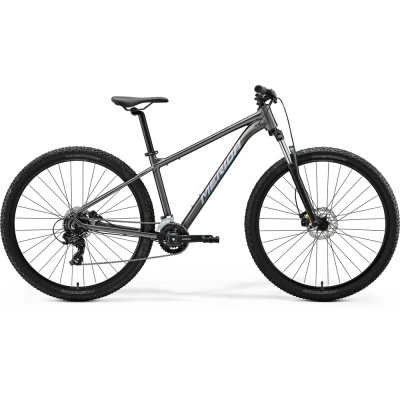
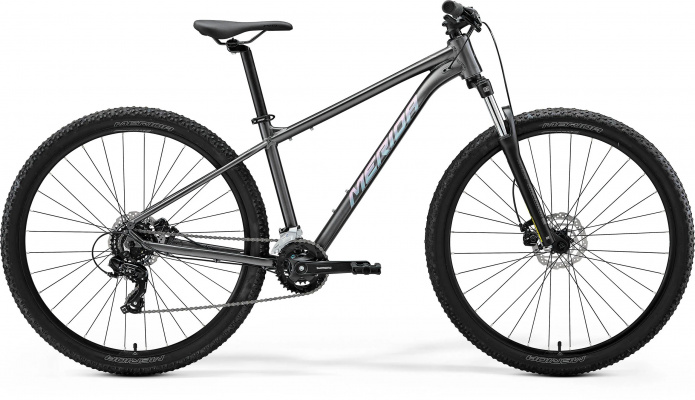
Merida BIG.NINE 15
A dependable 29er hardtail that makes trail riding accessible, comfortable, and enjoyable without demanding race-level skills or budget.
- TFS aluminium frame: proven durability without the price tag
- 29" wheels roll over roots and rocks with ease
- 100mm SR Suntour fork smooths out trail chatter
- Hydraulic disc brakes: confident stopping in all conditions
- Wide gear range tackles steep climbs and flat sections
- Rack, mudguard and dropper-post ready for versatile use
Merida BIG.NINE 15 Deals

Prices and availability can change quickly. Delivery charges are not always included in listed prices.
Final price, stock status and delivery terms are set by retailer. We may receive a commission on purchases made.
Bikesy's Verdict
The Merida BIG.NINE 15 is a hardtail that gets the fundamentals right. It's built around a proven aluminium frame, rolls on 29-inch wheels that smooth out rough trails, and stops with hydraulic disc brakes that inspire confidence from the first ride. The geometry is stable without being sluggish, the riding position is comfortable without sacrificing efficiency, and the component package is functional without pretending to be something it's not. For newer mountain bikers or those who want a versatile, practical machine that'll handle forest trails, bridleways, and the occasional commute, it's a smart choice.
You're not getting race-level performance or boutique components, but you are getting a bike that'll take you further into off-road riding without demanding a steep learning curve or a hefty investment. The mounts for racks and mudguards, the dropper-post routing, and the wide tyre clearance all signal that Merida understands how people actually use bikes like this. It's a machine that'll grow with your skills, tolerate upgrades when you're ready, and still be enjoyable to ride years down the line. If you're looking for a dependable hardtail that balances capability, comfort, and value, the BIG.NINE 15 deserves serious consideration.
Pros
- Excellent value for money with hydraulic disc brakes and 29" wheels at this price point
- Stable, confidence-inspiring geometry with upright riding position for comfort and trail visibility
- Versatile frame with mounts for mudguards, rack, kickstand, and dropper-post routing
- Wide gear range tackles steep climbs and varied terrain without fuss
- Durable TFS aluminium frame built to withstand trail knocks and everyday use
Cons
- Basic SR Suntour coil fork lacks the adjustability and small-bump sensitivity of air-sprung units
- Weight around 14 - 14.8kg is noticeable when accelerating or lifting the front wheel
- Entry-level drivetrain may feel less precise under heavy load compared to Deore or SLX
About the Merida BIG.NINE 15
Merida's BIG.NINE 15 sits squarely in the territory where weekend trail exploration meets weekday practicality. Built around the brand's TFS aluminium frame - a process that shapes tubes for strength without the premium price - this hardtail pairs 29-inch wheels with a 100mm coil fork and a geometry that's been nudged away from pure cross-country race tension towards something more forgiving. You're looking at a bike that won't punish you for choosing the rocky bridleway over the tarmac shortcut, yet still climbs with enough efficiency to make fire-road ascents feel worthwhile rather than a slog.
The frame itself is double-butted aluminium with internal cable routing, a tapered headtube, and clearance for tyres up to 2.4 inches. Merida has threaded in mounts for mudguards, a rear rack, and a kickstand, and there's dropper-post routing if you decide to add one later. The riding position is more upright than a pure XC racer, which translates to better visibility on technical sections and less lower-back fatigue when you're out for a few hours. It's a bike that acknowledges most riders want to enjoy the trail rather than race it, yet still delivers enough forward momentum to keep things interesting.
Component-wise, the BIG.NINE 15 leans on Shimano's entry-level drivetrain - either a 3x8 or 2x7 setup depending on the build - paired with hydraulic disc brakes that offer reliable stopping power in wet and dry conditions. The SR Suntour XCT30 coil fork handles the front-end damping duties, and while it's not adjustable beyond a lockout, it does enough to take the sting out of roots and rocks. The Kenda tyres are trail-ready out of the box, and the Shimano hubs spin on quick-release axles front and rear. It's a spec sheet that prioritises function over flash, and for riders stepping into proper off-road riding, that's exactly what you need.
Merida BIG.NINE 15 geometry
Merida has dialled the BIG.NINE geometry towards stability and comfort rather than twitchy race reflexes. The head angle sits around 70 degrees, which is slack enough to inspire confidence when the trail pitches downward but not so laid-back that you're wrestling the front end through tight switchbacks. The seat angle is steeper - around 73 degrees - which plants you over the bottom bracket and keeps your weight centred when you're grinding up loose climbs. Reach figures grow sensibly across the size range, from 382mm in small to 445mm in double-XL, so you're not stretched out like a time-triallist but you're not cramped either.
The longer wheelbase - over a metre even in the smaller sizes - adds composure at speed and helps the bike track straight through ruts and over loose gravel. Chainstays are a consistent 440mm across all sizes, which keeps the rear end snappy enough for quick direction changes without sacrificing traction on steep climbs. Bottom bracket drop is modest, so pedal strikes are less of a worry on rocky sections, and the overall stance feels planted rather than nervous. When you're threading through tree roots or picking a line over embedded stones, the geometry gives you time to think rather than forcing split-second corrections.
The upright riding position - a product of the stack-to-reach ratio - means you're looking ahead rather than down at your front tyre. That's a boon for newer riders who need to read the trail, and it also reduces fatigue on longer rides. The trade-off is a slightly less aggressive pedalling posture, but for the kind of riding this bike excels at, that's a sensible compromise. You'll feel balanced and in control, not hunched and tense.
Component choices & upgrades
The stock build on the BIG.NINE 15 is well-judged for its price point. The Shimano drivetrain - whether it's the 3x8 or 2x7 variant - offers a wide spread of gears that'll get you up most climbs without resorting to walking. Shifting isn't as crisp as Deore or SLX, but it's predictable and robust, and the MicroSHIFT or Shimano shifters are straightforward to operate. The hydraulic disc brakes are a genuine highlight at this level; the Shimano MT200 callipers paired with 160mm rotors deliver consistent bite and modulation, and they'll cope with long descents without fading. The SR Suntour XCT30 fork is basic - coil spring, limited adjustability - but it does smooth out trail chatter and adds a layer of comfort that a rigid fork wouldn't.
If you're planning to push the bike harder or tackle more technical terrain, a few targeted upgrades will make a noticeable difference. The fork is the obvious first candidate: swapping to an air-sprung unit like a RockShox Judy or a Manitou Markhor would give you adjustable preload, lighter weight, and better small-bump sensitivity. The tyres are next - while the Kenda K1080s are decent all-rounders, moving to something with more aggressive side knobs or a faster-rolling centre tread will sharpen the bike's character depending on your local trails. A dropper post is another worthwhile addition if you're riding varied terrain; the frame is already routed for one, and the ability to drop your saddle on descents transforms how confidently you can move around the bike.
Beyond that, consider a wider handlebar if you're on the larger sizes - an extra 20mm of width can improve leverage and control - and perhaps a shorter stem if you want a more playful feel. The saddle is comfort-oriented, which suits the bike's ethos, but if you're spending hours in the saddle, a model that matches your sit-bone width will pay dividends. The key is not to dismiss the stock kit out of hand; it's functional and reliable, and for many riders it'll be more than adequate. Upgrades should be driven by your own riding demands, not by a sense that the bike is incomplete as it arrives.
Where the Merida BIG.NINE 15 excels
This bike is outstanding at making off-road riding accessible and enjoyable for newer mountain bikers or those who want a versatile hardtail without the complexity or cost of higher-end models. The 29-inch wheels and 100mm of front suspension smooth out rough trails enough that you're not getting beaten up, yet the hardtail rear end keeps things efficient when you're pedalling. It's a bike that'll happily tackle forest fire roads, bridleways with embedded rocks, and singletrack that weaves through trees, all without feeling out of its depth. The upright riding position and stable geometry mean you can focus on reading the trail rather than fighting the bike, and the hydraulic brakes give you the confidence to carry speed into corners and technical sections.
It also does well as a practical, year-round machine. The mounts for mudguards and a rear rack mean you can turn it into a capable commuter or bikepacking rig, and the dropper-post routing future-proofs it for when you're ready to add that upgrade. The wide gear range is genuinely useful - whether you're grinding up a steep climb or spinning along a flat canal path - and the robust aluminium frame will shrug off the inevitable knocks and scrapes that come with trail riding.
Where it's not ideal is on genuinely technical descents or aggressive trail riding. The basic coil fork and entry-level drivetrain will start to show their limits if you're charging down rocky descents or hammering through root gardens at speed. The weight - around 14 to 14.8 kilograms - is noticeable when you're trying to accelerate or lift the front wheel over obstacles, and the quick-release axles don't offer the same stiffness as thru-axles. If you're chasing podium finishes in XC races or planning to ride bike-park trails every weekend, you'll want something with more refined suspension and lighter components. But for the vast majority of riders who want a dependable, capable hardtail that'll grow with their skills and handle a wide range of riding, the BIG.NINE 15 hits the mark.
Merida BIG.NINE 15 FAQs
What is the best Merida BIG.NINE 15 size for my height?
Merida offers six sizes, from extra-small through to double-XL, and the size chart suggests small for riders around 158 - 168cm, medium for 168 - 178cm, large for 178 - 185cm, extra-large for 185 - 193cm, and double-XL for 193 - 198cm. If you're between sizes, consider whether you prefer a more compact, manoeuvrable feel (size down) or a more stretched-out, stable position (size up). A test ride is always the best way to confirm fit.
Is the Merida BIG.NINE 15 good for trail riding?
Yes, it's well-suited to trail riding that mixes climbs, descents, and varied terrain. The 29-inch wheels and 100mm fork handle roots, rocks, and loose surfaces with composure, and the geometry is stable enough to inspire confidence on technical sections. It's not designed for aggressive downhill or bike-park riding, but for typical forest trails and bridleways, it's a capable and enjoyable machine.
What upgrades are recommended for the Merida BIG.NINE 15?
The most impactful upgrades are an air-sprung fork for better small-bump sensitivity and adjustability, a dropper post to improve descending confidence, and tyres tailored to your local terrain. A wider handlebar or shorter stem can also refine the handling to suit your preferences. The stock components are functional, so only upgrade when your riding demands more or when parts wear out.
How does the Merida BIG.NINE 15 compare to the Trek Marlin?
Both bikes target entry-level mountain bikers with aluminium frames, 29-inch wheels, and reliable component packages. The BIG.NINE 15 tends to offer a slightly more upright riding position and practical mounts for racks and mudguards, while the Marlin range often features slightly more aggressive geometry on higher-spec models. Component specs vary by exact model and year, so compare the specific builds you're considering.
What is the weight of the Merida BIG.NINE 15?
The complete bike weighs around 14 to 14.8 kilograms, depending on the size and exact build. That's typical for an entry-level aluminium hardtail with a coil fork and robust components. It's not the lightest bike in its class, but the weight contributes to durability and stability on rough trails.
Can I fit wider tyres on the Merida BIG.NINE 15?
The frame has clearance for tyres up to 2.4 inches wide, which gives you room to experiment with more aggressive tread patterns or plus-sized rubber for extra grip and comfort. That's plenty of width for most trail riding, and it means you can tailor the bike's character to suit your local terrain without worrying about clearance issues.
Is the Merida BIG.NINE 15 suitable for a beginner cyclist?
Absolutely. The stable geometry, upright riding position, and wide gear range make it forgiving and confidence-inspiring for riders who are new to mountain biking. The hydraulic disc brakes are easy to modulate, and the 29-inch wheels roll over obstacles smoothly, which reduces the need for precise line choice. It's a bike that'll help you build skills without punishing mistakes, and it's versatile enough to grow with you as your riding progresses.
Key Features & Benefits
- TFS aluminium frame with double-butted tubes: Delivers proven durability and strength without the premium price tag, ideal for riders building skills
- 29-inch wheels with 2.4" tyre clearance: Roll over roots and rocks with ease, maintain momentum, and offer room to tailor tread for your terrain
- Hydraulic disc brakes with 160mm rotors: Provide confident, consistent stopping power in wet and dry conditions, with easy modulation for newer riders
- Upright geometry with 70° head angle and 73° seat angle: Balances stability on descents with efficient climbing posture, reducing fatigue and inspiring confidence
- Mounts for mudguards, rack, and dropper-post routing: Transforms the bike into a year-round commuter or bikepacking rig, and future-proofs for upgrades
Merida BIG.NINE 15 2024 and 2023 differences
The 2024 model carried over the core specification from 2023, with both years featuring the TFS aluminium frame, 100mm SR Suntour fork, and hydraulic disc brakes. The 2023 iteration ran a 24-speed (3x8) Shimano Tourney/Altus drivetrain with Shimano MT2 hydraulic disc brakes, while the 2024 and 2025 models show some variation in exact component choices - either a 3x8 or 2x7 setup depending on the build - and a shift to Shimano MT200 callipers in some markets. Geometry remained consistent across these years, with the focus on a stable, upright riding position and practical mounts for accessories. Earlier models from 2020 and 2021 shared similar specifications, though Merida slimmed down the overall BIG.NINE range in 2020, with top models receiving Manitou forks and 1x12 drivetrains while entry-level bikes like the 15 retained double or triple chainsets and SR Suntour suspension. The 2026 model year has seen updates to higher-spec BIG.NINE models (400, 200, and 40) with revised geometry, 120mm forks, and increased tyre clearance, but no confirmed changes to the BIG.NINE 15 itself have been announced at the time of writing.
Alternatives to Consider
Within Merida's own range, the BIG.NINE 40 steps up with a Shimano Deore drivetrain, a better fork, and thru-axles, making it a worthwhile upgrade if your budget stretches and you're planning more technical riding. For a more playful, agile feel, the BIG.SEVEN 15 shares the same frame technology and component level but swaps to 27.5-inch wheels, which can suit smaller riders or those who prefer quicker acceleration over outright momentum. If you're chasing higher performance, the BIG.NINE 600 brings a Manitou Markhor fork, Shimano XT and Deore components, and thru-axles front and rear, though it commands a significantly higher price.
Cross-brand, the Trek Marlin 6 offers a similar aluminium frame, 29-inch wheels, and hydraulic disc brakes, with a slightly more race-oriented geometry on some builds. The Specialized Rockhopper Sport 29 is another direct rival, featuring a capable aluminium frame, reliable Shimano drivetrain, and a geometry that's been refined for trail confidence. Giant's Talon 2 delivers excellent value with a robust ALUXX-grade aluminium frame, SR Suntour fork, and Shimano components, while the Cube Aim Race brings German build quality and competitive pricing with a similar spec level. The Vitus Nucleus 29 VR is worth considering if you want a slightly more aggressive trail-ready geometry and a well-chosen component package at a keen price. Each of these bikes targets the same entry-level hardtail market, so your choice will come down to local availability, fit, and which brand's geometry suits your riding style best.
Reviews
Hydraulic disc brakes stand out as a genuine highlight at this price point, delivering consistent bite and modulation that newer riders will appreciate when the trail gets steep or loose. The 29-inch wheels roll over obstacles with a composure that makes technical sections feel less intimidating, and the momentum they carry on flat or rolling terrain is noticeable. When you're threading through tree roots or picking a line over embedded stones, the stable geometry gives you time to read the trail rather than forcing split-second corrections.
Climbing with the wide gear range is straightforward, and the steeper seat angle keeps your weight centred over the bottom bracket so traction holds even on loose surfaces. Descending reveals the limits of the basic coil fork - it smooths out the bigger hits but lacks the small-bump sensitivity and adjustability of an air-sprung unit - yet the overall composure of the chassis means you're not getting bounced around. The upright riding position reduces lower-back fatigue on longer rides and improves visibility, which is a real asset when you're learning to read terrain or navigating unfamiliar trails.
We appreciate the practical touches: mounts for mudguards and a rear rack mean the bike can pull double duty as a commuter or light tourer, and the dropper-post routing future-proofs it for when skills and ambition grow. The entry-level Shimano drivetrain shifts predictably if not crisply, and while the weight is noticeable when you're trying to accelerate or lift the front wheel, the robust build inspires confidence that the bike will shrug off the inevitable knocks and scrapes. For riders stepping into proper off-road riding, the BIG.NINE 15 delivers exactly what's needed: a dependable, capable platform that won't punish mistakes and will grow with your skills.
Full Specification
| Spec | Value |
|---|---|
| Frame Material | TFS Aluminum (Techno Forming System) |
| Frame Construction | Double butted |
| Frame Features | Internal cable routing, tapered headtube, inboard disc brake mounts, dropper post ready |
| Tyre Clearance | Up to 2.4 inches |
| Standards (Bottom Bracket) | BSA threaded |
| Standards (Rear Axle) | 135x9mm Quick Release |
| Fork | SR Suntour XCT30 Coil |
| Fork Travel | 100mm |
| Drivetrain | 24-speed (3x8) |
| Shifters | MicroSHIFT TS39 |
| Front Derailleur | Shimano FD-TY700 |
| Rear Derailleur | Shimano RD-M310 |
| Crankset | Shimano TY301, 42-34-24 teeth |
| Crank Length | 170mm (S), 175mm (M/XXL) |
| Bottom Bracket | FSA TH-7420ST, Cartridge Bearing |
| Cassette | Sunrace CSM558AU, 11-32 teeth, 7-speed |
| Chain | Sunrace M84 |
| Brakes | Hydraulic Disc |
| Brake Levers | Shimano ST-EF505 |
| Brake Calipers | Shimano BR-MT200 |
| Rotors (Front) | 160mm |
| Rotors (Rear) | 160mm |
| Rims (Internal Width) | MERIDA CC, 17mm, aluminum |
| Hubs (Front) | Shimano TX505, 100x9mm, Centerlock |
| Hubs (Rear) | Shimano TX505, 135x9mm, Centerlock |
| Spokes | Black steel |
| Tyres (Front) | Kenda K1080, 29x2.2 inches |
| Tyres (Rear) | Kenda K1080, 29x2.2 inches |
| Handlebar Width | S: 720mm, M/L: 740mm, XL/XXL: 760mm |
| Handlebar Rise | 15mm |
| Handlebar Material | MERIDA CC, aluminum |
| Stem Length | S: 50mm, M/L: 60mm, XL/XXL: 70mm |
| Stem Angle | 7° |
| Headset | FSA NO.55R/57SC/57B |
| Seatpost Diameter | 30.9mm |
| Seatpost Setback | 15mm |
| Saddle | MERIDA Sport |
| Pedals | VP VPE-891 |
| Weight (Approx) | 14 - 14.8 kg |
| Available Sizes | XS, SM, MD, LG, XL, XXL |