
Pendleton E-Bikes
Pendleton E-Bikes occupy a genuinely useful corner of the market - designed in collaboration with Olympic champion Victoria Pendleton, they pair vintage Dutch styling with modern pedal-assist technology in a way that makes obvious sense for everyday British riding. These aren't bikes that demand Lycra or a spreadsheet of Strava data. They're built for the school run, the station commute, the Sunday canal path - anywhere you want to arrive looking like a person rather than a contestant.
The lineup centres on accessible step-through alloy frames, upright geometry that keeps your back comfortable and your sightlines high in traffic, and rear hub motors that quietly take the edge off headwinds and awkward inclines. The assist is there when you need it; it stays out of the way when you don't. That balance is harder to get right than it sounds, and Pendleton electric bikes manage it without the intimidating complexity of higher-end systems.
For UK riders weighing up options in the commuter and leisure bracket, these sit alongside Carrera E-Bikes and Elops E-Bikes as credible, no-fuss choices - but Pendleton's aesthetic sets them apart from either.
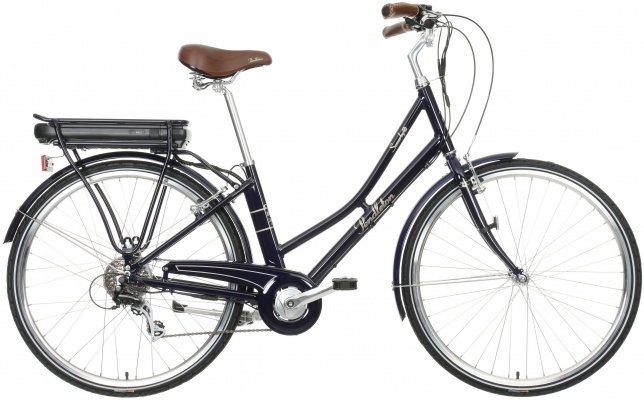
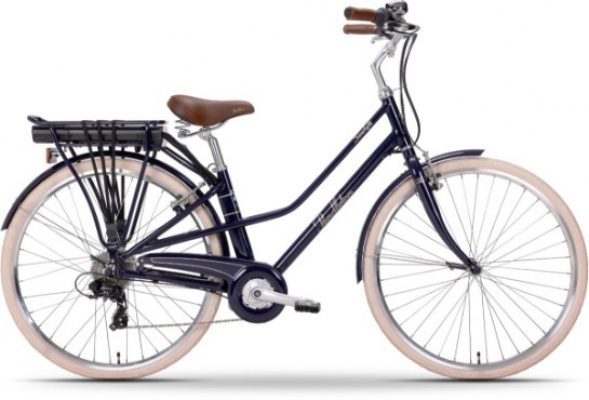
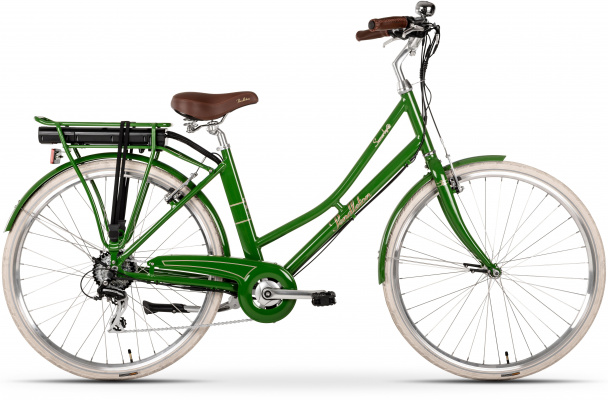
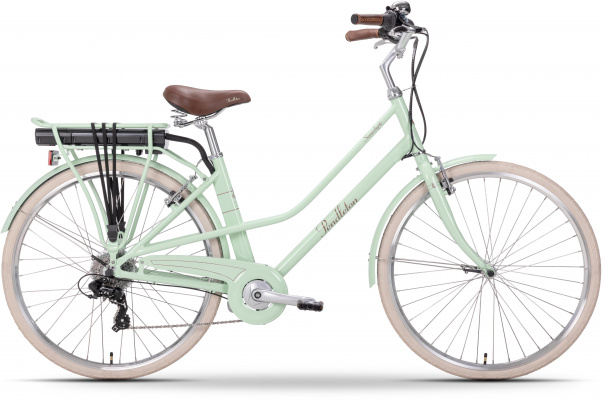
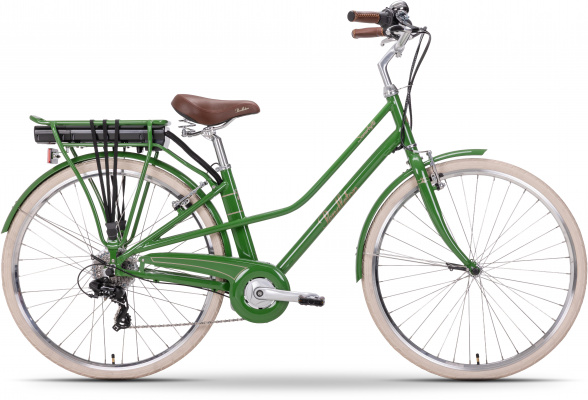
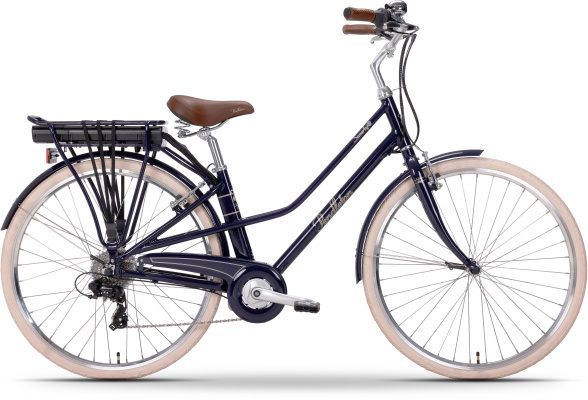
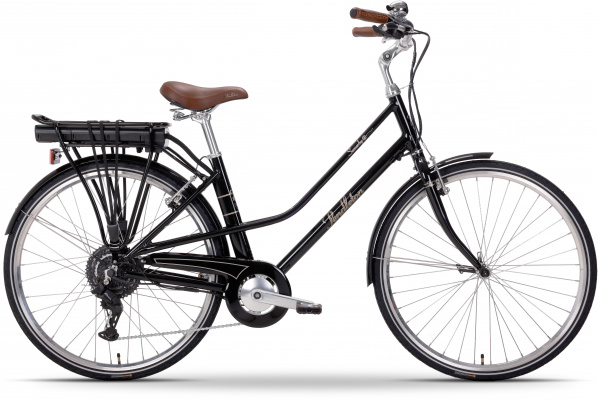
Prices and availability can change quickly. Delivery charges are not always included in listed prices.
Final price, stock status and delivery terms are set by retailer. We may receive a commission on purchases made.
Decoding the Pendleton E-Bike Lineup
Two models carry most of the weight here. The Somerby-E is the flagship - a classic step-through with a low, swept frame that you can mount and dismount in a coat, work trousers, or a dress without a second thought. That step-through frame geometry isn't just a nod to Dutch cycling tradition; it's a practical decision that makes a real difference if you're stopping and starting in city traffic all day, or if hip flexibility isn't quite what it used to be. No swinging your leg over a top tube in a rush.
The Ashwell-E offers a slightly different visual character - a touch more refined in its finish and detailing - while keeping the same accessible, upright riding position. Both sit within the leisure and commuter bracket, and both are aimed squarely at riders who want reliable, low-maintenance electric assistance rather than a performance machine. If you're already exploring Pendleton's non-assisted range, their Pendleton hybrid bikes give you a useful point of comparison for geometry and spec level.
Worth knowing: neither model is trying to compete with mid-drive commuter systems in the £2,000-plus bracket. They're honest about what they are - well-priced, well-styled bikes for people who want the assist to work and the bike to look good doing it. That clarity of purpose is part of the appeal.
The Pendleton Tech Philosophy: Simple, Reliable Assist
Both the Somerby-E and Ashwell-E use a Bafang rear hub motor - a name you'll see across a lot of sensibly priced commuter e-bikes, and for good reason. Bafang motors are robust, quiet in operation, and don't require much fettling to keep running. The rear hub placement keeps the front end light and predictable, which matters on wet roundabouts and slippery painted road markings. It's not the instantaneous, centred-feel of a mid-drive system, but for flat-to-rolling urban riding, the difference is minimal.
Control comes through a 3-power level LED pedal assist display - low, medium, high, clearly indicated, zero fuss. You pick your level, you pedal, the motor pitches in proportionally. There's no app to configure, no firmware to update mid-commute. Riders switching from Apollo E-Bikes or Boardman E-Bikes will notice the system is deliberately simplified - and for a lot of people, that's exactly the right call.
The frame geometry reinforces the same philosophy. Upright, relaxed, with handlebar height prioritising comfort over aerodynamics. You're not folding yourself into a tuck; you're sitting up and seeing what's coming. It suits the riding these bikes are actually used for.
Looking to maximise your range or replace an aging power unit? Head over to our dedicated Pendleton E-Bike Batteries page for full specifications and replacements.
Living with a Pendleton in the UK
Factory-fitted full-length mudguards aren't glamorous, but they're one of those details that matter enormously once you've ridden a commuter bike without them in October. Both Pendleton models come with them as standard, along with a chainguard that keeps your trousers clean and the drivetrain shielded from the worst of the road spray. For nine months of British weather, that's not optional kit - it's the whole point.
The wide tyres and sprung saddle work together to take the sting out of potholed city streets. Urban roads in most UK towns and cities are rough; suspending your entire budget on suspension forks doesn't make sense at this price level, but a compliant saddle and generous tyre volume do a reasonable job of smoothing out the worst of it. Keep the tyres pumped to the lower end of their recommended range in winter - it broadens the contact patch and helps with grip on wet tarmac.
Cold weather does affect battery range. This isn't unique to Pendleton - lithium cells lose capacity when they're cold, sometimes noticeably so. The practical answer is straightforward: unlock the battery with the key, bring it indoors overnight, and refit it in the morning. You'll get noticeably better range in January doing this than if you leave it out on the bike in a cold garage.
The integrated rear luggage rack is a genuine commuter asset - it takes a standard pannier without needing adapters or zip ties. A set of Pendleton pannier bags slots straight on and handles a laptop, change of clothes, and lunch without drama. For smaller loads or a weekend ride, a Pendleton bar bag keeps essentials accessible without you having to stop and dig through a rucksack. Both are worth having if you're actually using this bike daily.
One honest trade-off: these bikes aren't light. The motor, battery, mudguards, and rack all add up. If you need to carry the bike up several flights of stairs regularly, factor that in. It's less of an issue if you have a ground-floor flat, a shed, or a secure bike store at work.
Pendleton E-Bikes FAQs
How far can a Pendleton electric bike go on a single charge?
The Pendleton Somerby-E can cover up to around 50 miles on a single charge, though your actual range depends on which assist level you're using, your weight, and the gradient. Cold weather and sustained hill climbing will both trim that figure, so factor in some buffer if you're planning longer rides in winter.
How do you charge a Pendleton e-bike battery?
You can charge the battery directly on the bike, or unlock it with the key and take it indoors to charge - which is the smarter move in cold weather. It uses a standard UK plug and takes roughly four to five hours to go from flat to full.
Are Pendleton e-bikes waterproof?
They're well water-resistant and perfectly fine to ride through typical British rain. What you want to avoid is jet-washing the motor or electrical connections directly - a gentle rinse and wipe-down is all it needs after a wet commute.