
Specialized Gravel Bikes
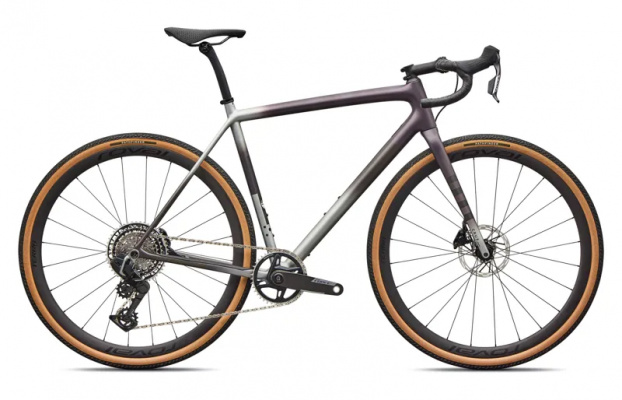
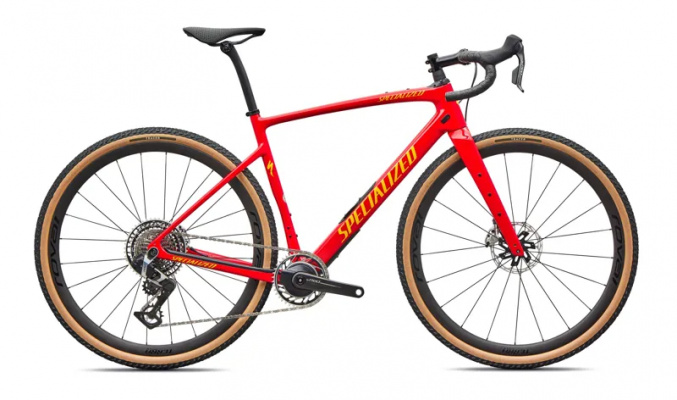
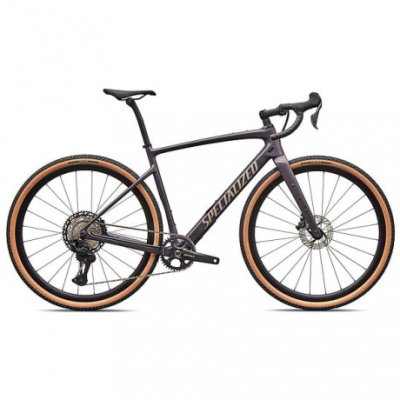
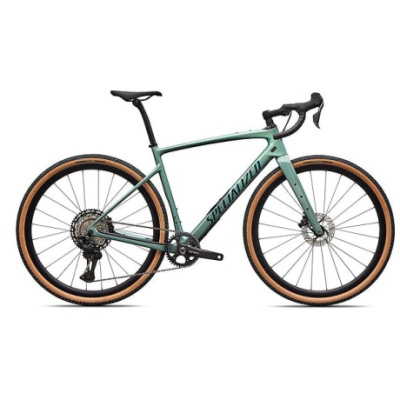
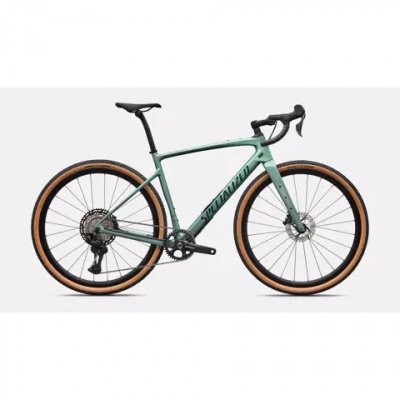
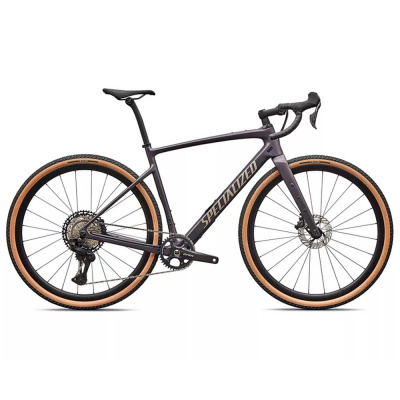
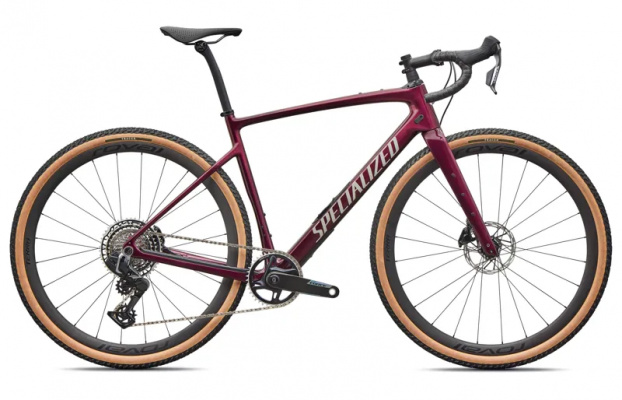
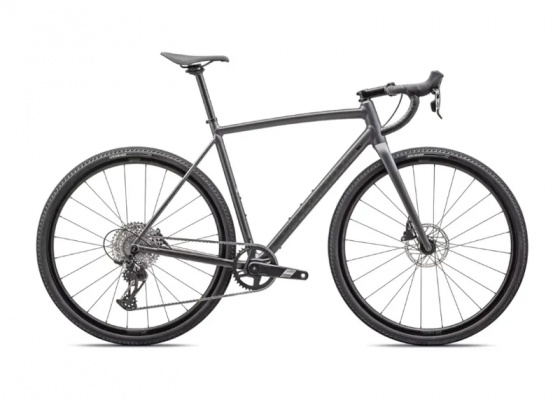
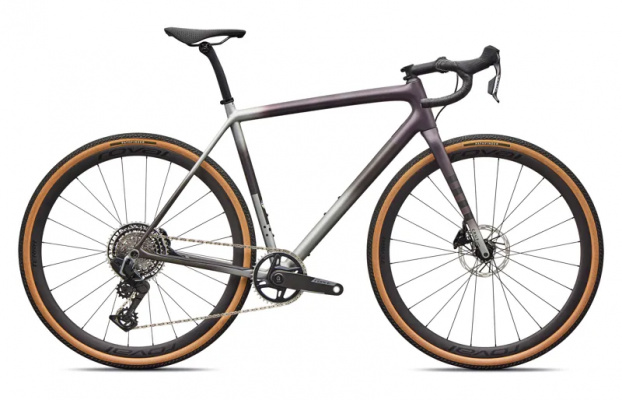
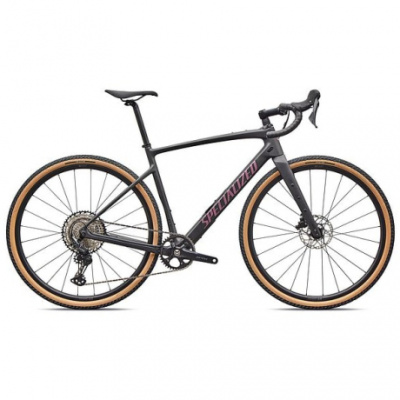
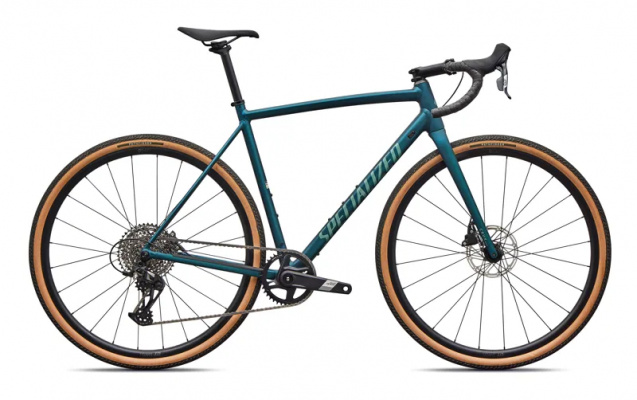
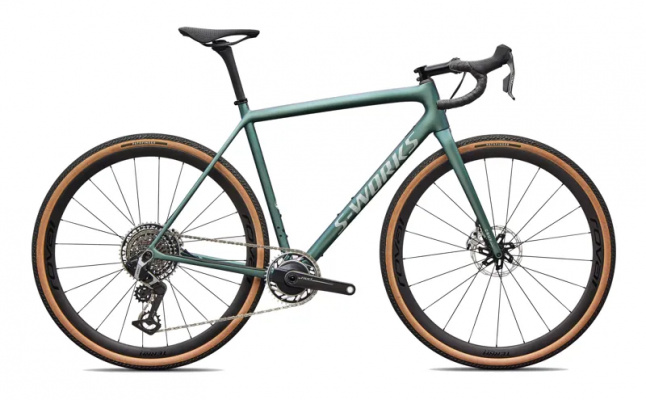
Specialized gravel bikes have done something few brands manage cleanly: split their lineup into two genuinely different philosophies rather than hedging everything into one vague middle ground. At one end sits the Crux - stripped back, featherlight, built for riders who want to race. At the other, the Diverge family brings progressive geometry, integrated storage, and suspension tech that makes long days in the saddle far less punishing. Both families clear 47mm tyres, which matters the moment you hit a British bridleway in November.
The range runs from accessible alloy builds right up to full FACT carbon S-Works spec, so there's a sensible entry point whether you're committing to your first proper gravel bike or upgrading from something that's been gathering workshop dust. The Future Shock system - available across several Diverge builds - is one of the more genuinely useful bits of suspension engineering in gravel cycling, absorbing road buzz and rough tracks without turning the handling to mush. Then there's the Diverge STR, which adds rear suspension into the mix for riders tackling rougher ground regularly. Explore the full range below and we'll help you work out which chassis fits what you actually ride.
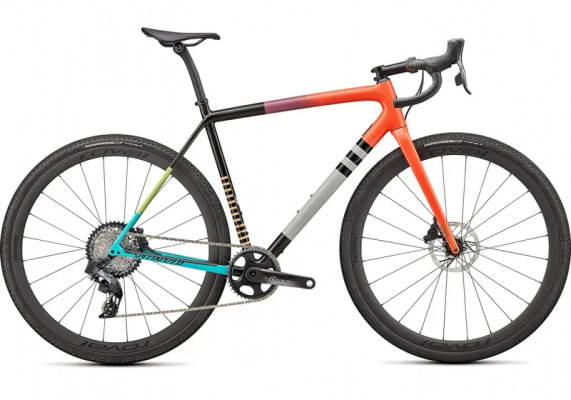
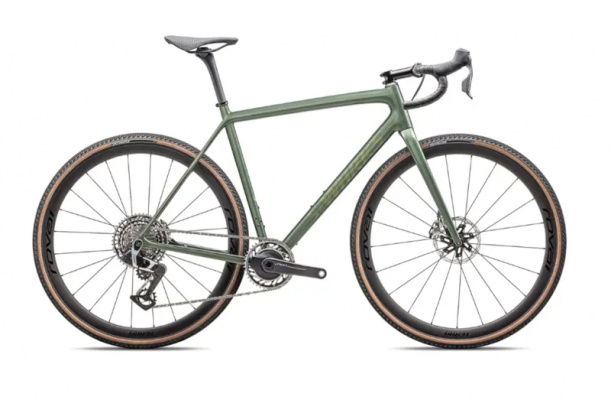
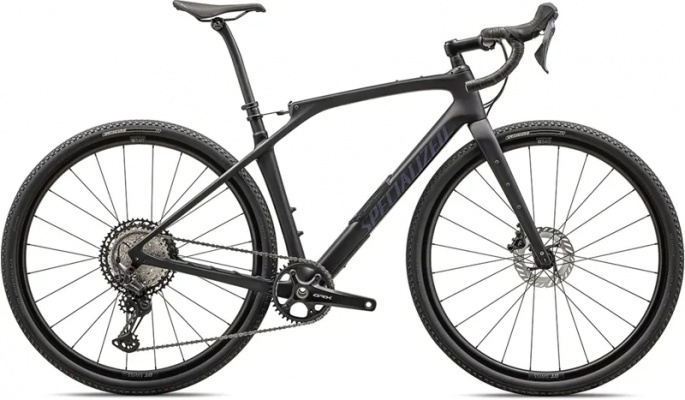
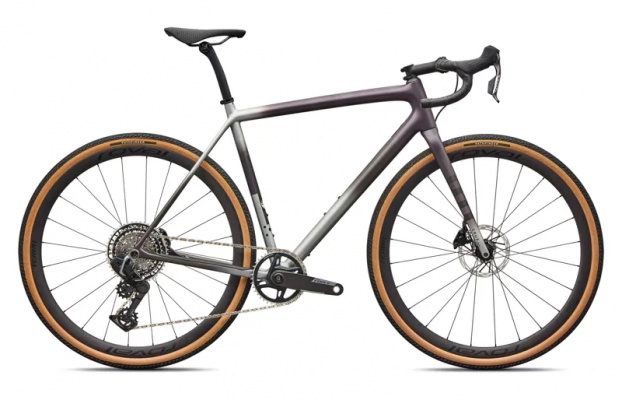
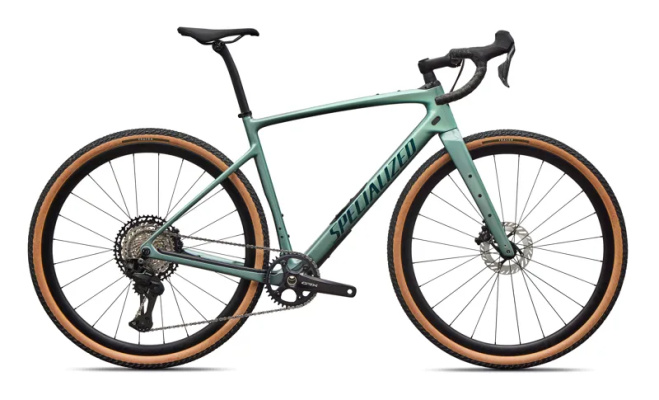
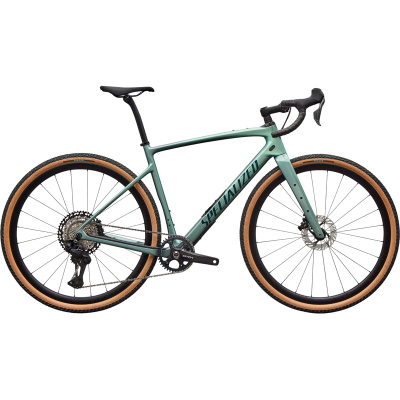
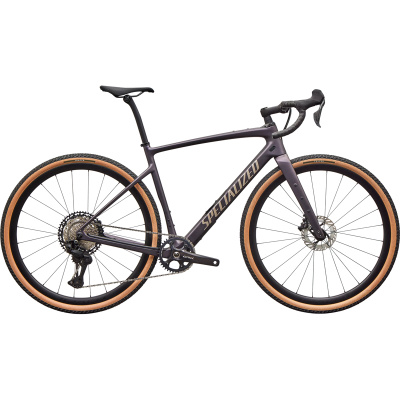
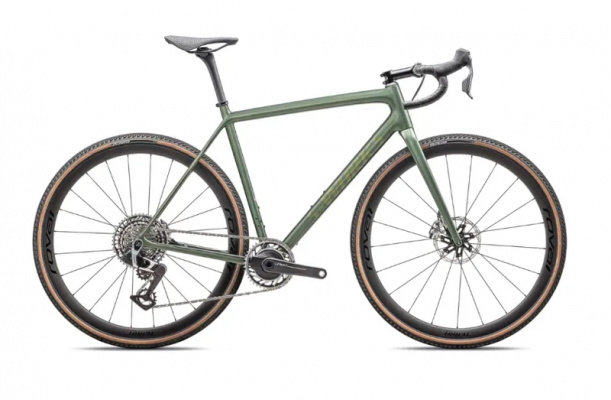
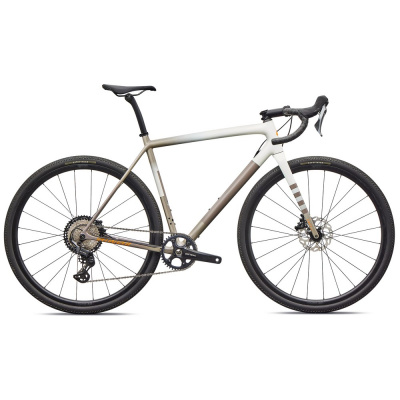
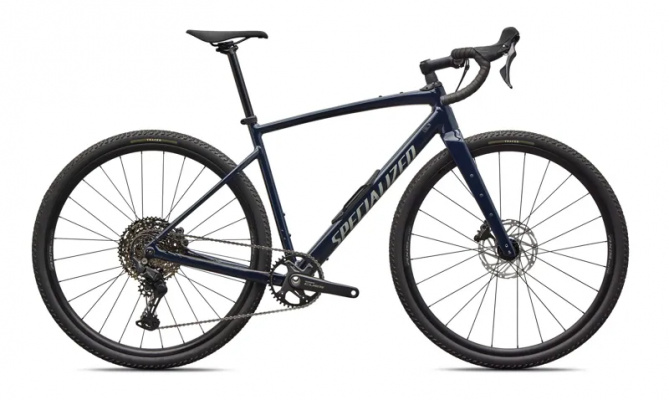
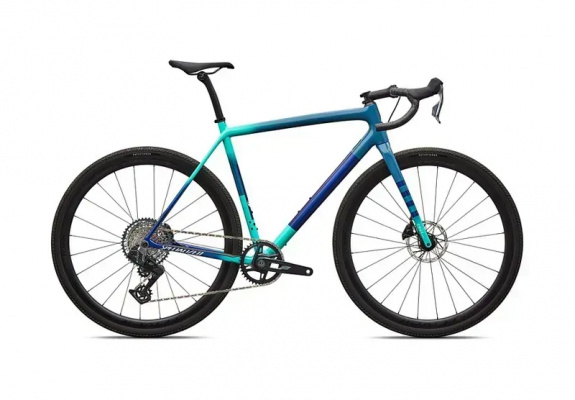
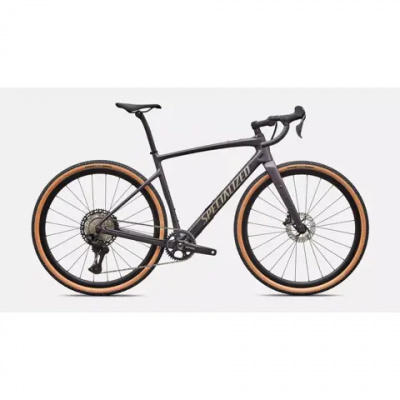
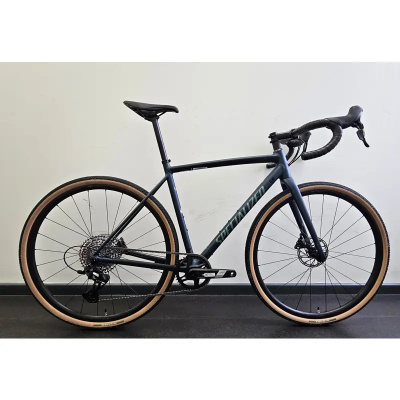
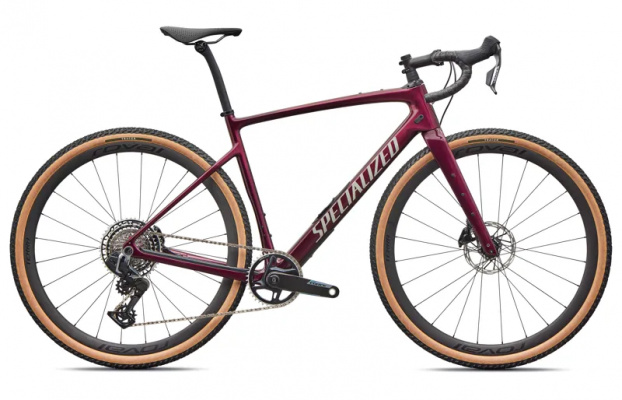
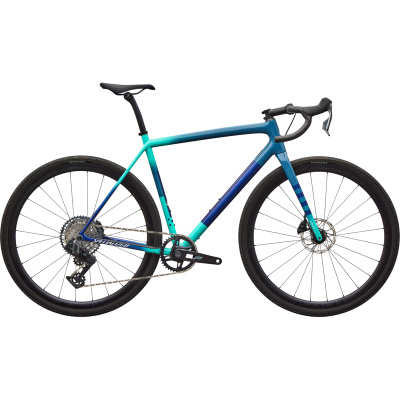
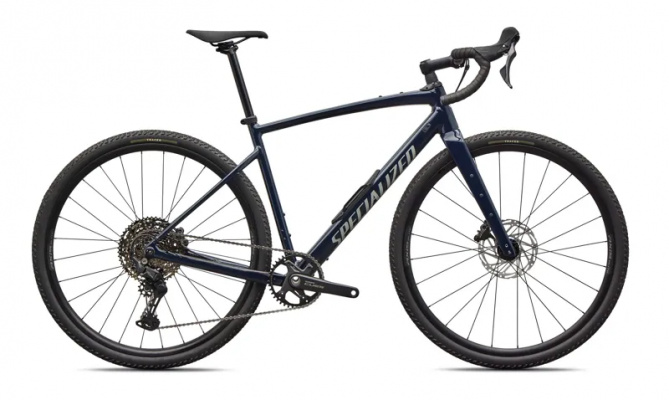
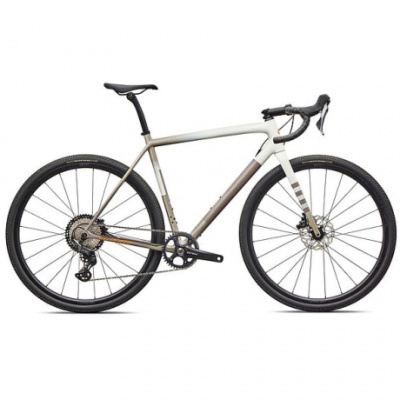
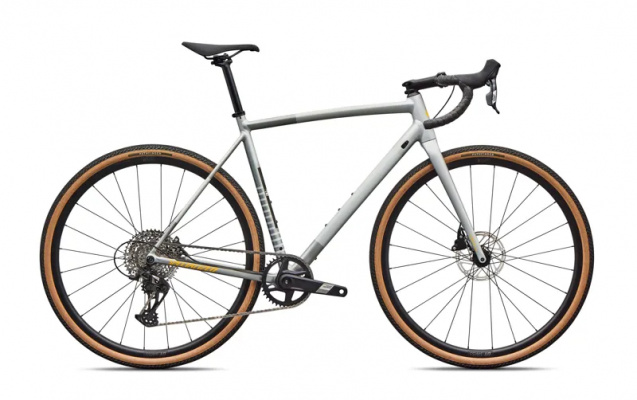
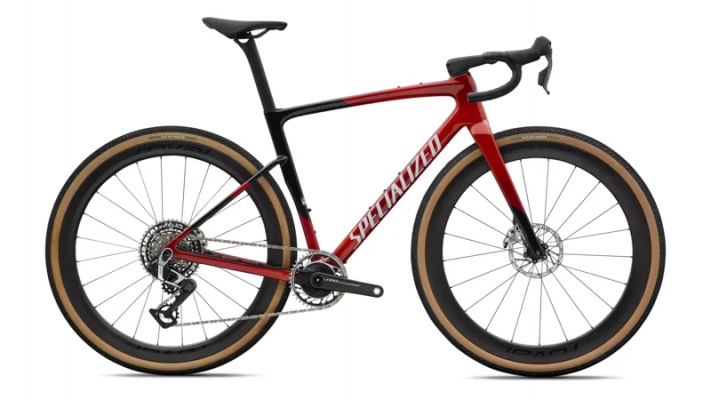
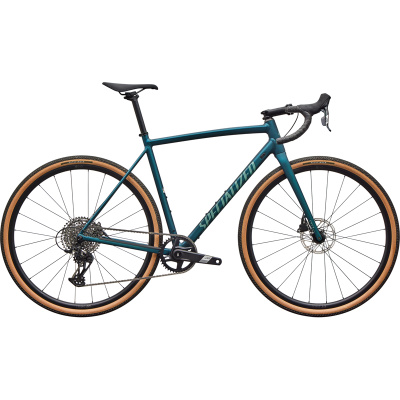
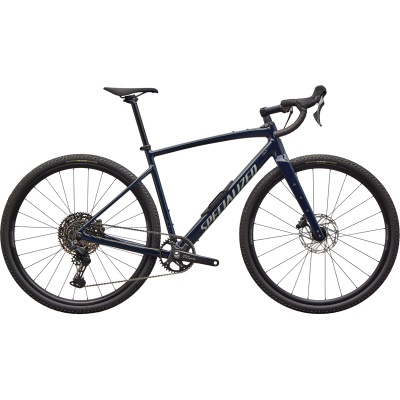
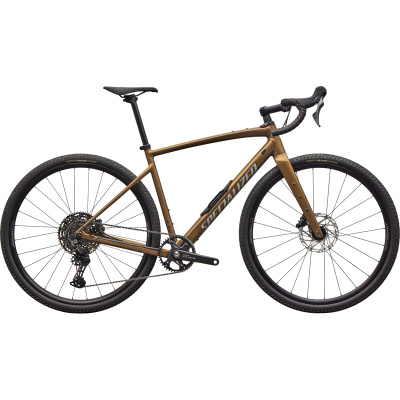
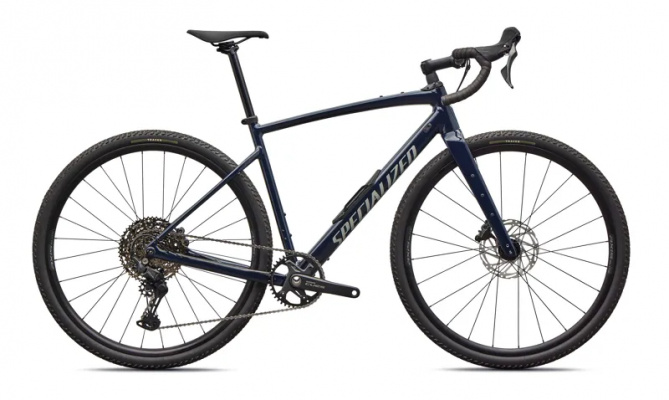
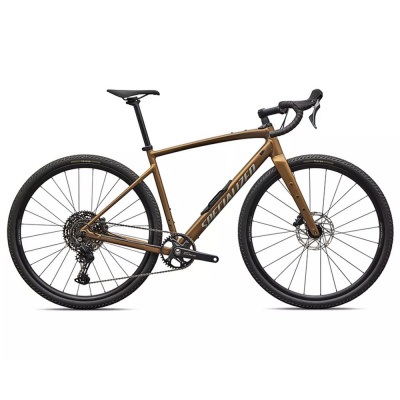
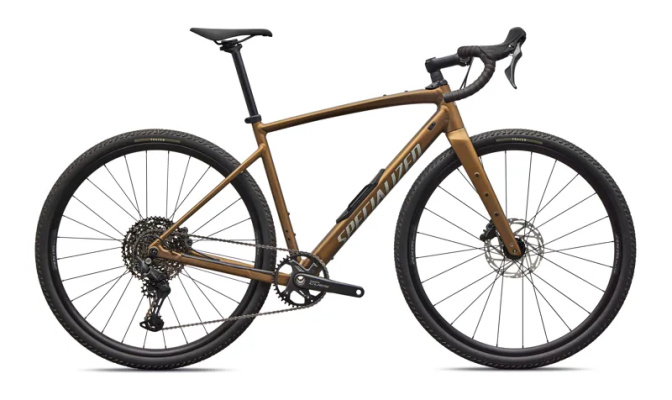
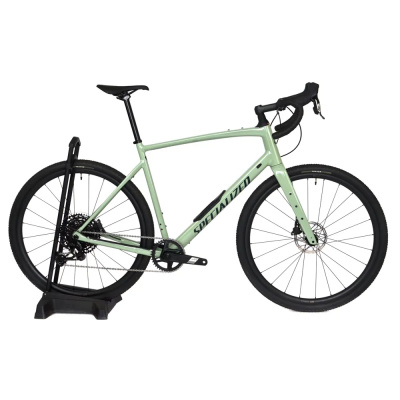
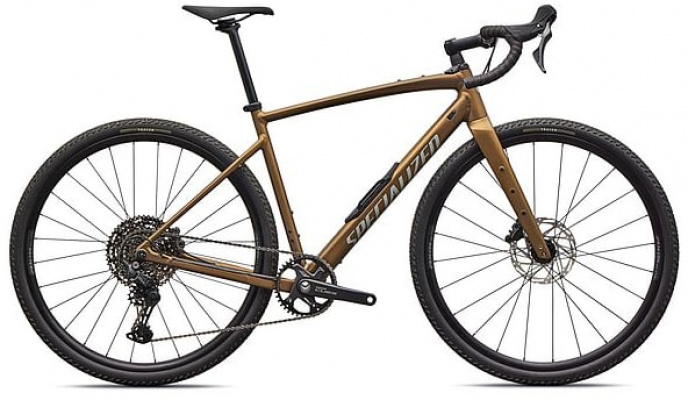
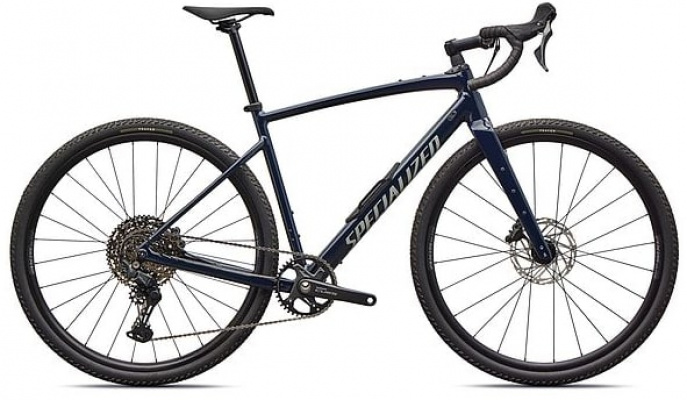
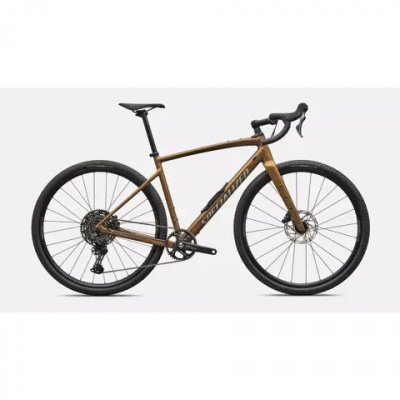
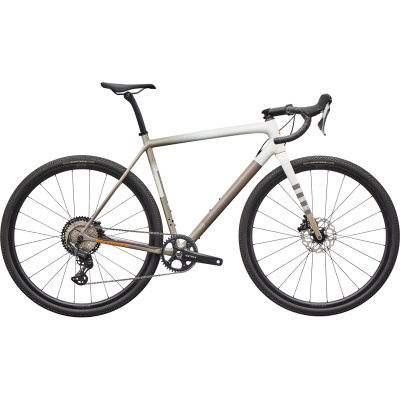
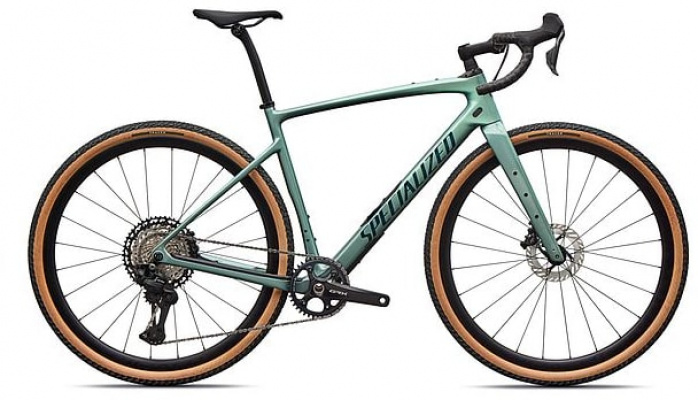
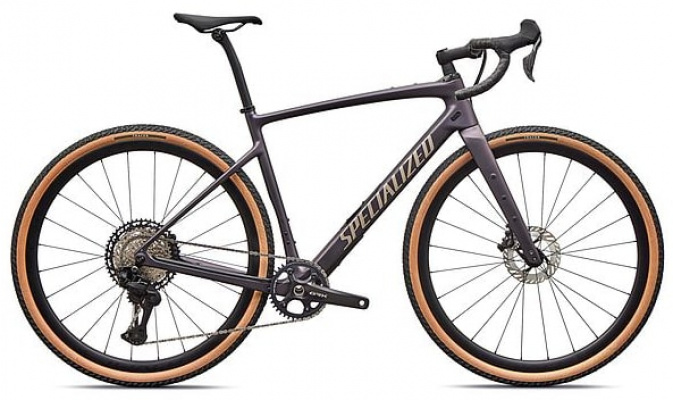
Prices and availability can change quickly. Delivery charges are not always included in listed prices.
Final price, stock status and delivery terms are set by retailer. We may receive a commission on purchases made.
Decoding the Specialized Gravel Lineup
Two families. Meaningfully different purposes. The Crux started life as a cyclocross frame and Specialized have leaned hard into that heritage - it's aggressive, light, and carries no suspension whatsoever. The geometry is sharper than the Diverge, the weight penalty for going carbon is minimal, and if you're lining up at a gravel race or chasing fast mixed-surface rides where every gram counts, it's the obvious starting point. Think of it as the track tool rather than the Swiss Army knife.
The Diverge is the opposite argument. Slacker head angle, more relaxed stack, Future Shock up front, SWAT box storage built into the downtube, and geometry that rewards confidence over long days rather than aggression over short ones. If you're planning a point-to-point across Scotland or grinding through the Peaks over a weekend, the Diverge is the conversation to be having. The Diverge STR then takes that further, adding rear suspension via Specialized's proprietary system - more on that below.
Trim levels follow a logical ladder. E5 aluminium builds offer a premium alloy option that keeps the same geometry as the carbon frames - genuinely underrated for riders who'd rather spend money on wheels or tyres than the frame itself. Above that, Sport, Comp, Expert, Pro, and S-Works trim levels step through progressively stiffer and lighter FACT carbon layups. Specialized use their own fibre ratings - 8r, 9r, 11r, and 12r - with higher numbers indicating more refined layups, better power transfer, and reduced weight. The jump from 9r to 11r is where most riders will notice the difference in stiffness-to-weight. S-Works 12r is the top of the tree: noticeably lighter, noticeably stiffer, and priced accordingly. Worth comparing the carbon Diverge Expert against something like a Canyon gravel bike at a similar price point before committing - the spec sheets tell an interesting story.
The Specialized Tech Philosophy
The Future Shock system is the headline act across the Diverge range and it works differently to what most people expect from suspension. Rather than a conventional fork with telescoping legs, Future Shock sits above the headtube as an in-line unit providing 20mm of axial travel. The front wheel tracks over rough ground, the frame follows - but your hands don't take the full hit. Critically, it doesn't create the vague, wandering steering that comes with suspension forks on gravel bikes. Handling stays direct. The system has evolved through versions 1.5, 2.0, and 3.0, with the latest offering a hydraulic damper for more controlled rebound rather than just a spring. Higher-spec Diverge models include a lockout, so you can firm it up on smooth tarmac and not lose pedalling efficiency.
The Diverge STR - STR standing for Suspend the Rider - goes further. The rear triangle is designed to flex in a controlled way, delivering up to 30mm of travel at the saddle rather than at a pivot point. It's not a conventional rear suspension system; there's no linkage or shock absorber. Instead, Specialized have engineered the carbon layup of the seatstays and toptube to move vertically under load. The result is compliance where it counts - absorbing chunk and vibration - without the weight, complexity, or power loss of a full rear suspension system. On long gravel days, the difference in fatigue is real, even if the mechanism sounds deceptively simple.
The SWAT box - Storage, Water, Air, Tools - is built into the downtube on Diverge models and is one of those features that sounds gimmicky until you use it. Flip it open mid-ride and you've got a dry cavity for a tube, a multi-tool, and a couple of gels. No saddle bag rattling, no zip-tie bodge on the top tube. It's tidy. Worth pairing it with dedicated Specialized frame bags when you need more capacity for overnight trips.
Living With a Specialized in the UK
Both the Crux and Diverge clear 47mm tyres on 700c wheels, and both can run 650b wheels with 2.1-inch rubber if you want more float on rough ground. That 47mm clearance is the practical minimum for winter bridleway riding in the UK - you need that mud gap. Running anything narrower and you'll be stopping to dig clay out of your fork legs before you've reached the first gate. Fitting quality tubeless gravel tyres from the start and keeping tubeless sealant fresh makes a tangible difference on the flinty South Downs tracks that eat through sidewalls.
The Future Shock rubber boot deserves attention. It's the protective sleeve around the suspension unit and UK riding - wet lanes, grit spray, general winter grimness - accelerates wear on it faster than drier climates would. Check it every few months. A cracked or perished boot lets moisture into the mechanism and shortens its working life considerably. It's not an expensive replacement, but it's easy to overlook until the damper starts feeling gritty and inconsistent.
The SWAT box earns its keep on British rides year-round. There's enough room for a packable gilet or a light rain layer alongside your toolkit - genuinely useful when you've left home in sun and returned in a proper Pennine downpour. It's the kind of practical detail that Cannondale and Giant don't offer on their gravel platforms, and it adds up over a season's riding. Rounding out the cockpit with quality bar tape - particularly a thicker, vibration-damping option - works alongside the Future Shock to reduce hand fatigue on longer rough-surface days.
One honest trade-off: the Diverge STR's rear compliance system adds a small amount of weight over a standard Diverge, and the frame isn't user-serviceable in the same way a conventional rear shock would be. It's a passive system, so there's nothing to tune or adjust - which most riders will appreciate - but if the frame ever develops issues outside warranty, your options are limited. For the vast majority of riders doing normal gravel mileage, that's a non-issue. For the ultra-endurance crowd doing back-to-back 200km days, it's worth factoring in.
Related searches:
Specialized Gravel Bikes FAQs
What is the difference between Specialized Diverge and Crux?
The Crux is a lightweight race machine - sharp geometry, no suspension, minimal weight. The Diverge is built around comfort and versatility, with slacker geometry, Future Shock front suspension, SWAT downtube storage, and optional rear suspension on the STR. If you're racing or chasing fast times, the Crux. If you're riding long and rough, the Diverge.
Is the Specialized Diverge good for road riding?
It's more than capable on tarmac. Fit a faster, slicker tyre and it rolls efficiently. On higher-spec models the Future Shock has a lockout, so you can firm up the front end and keep pedalling effort where it belongs. It's not a road racer, but for mixed rides with tarmac linking sections, it handles it well.
What does STR mean on Specialized Diverge?
STR stands for Suspend the Rider. Rather than a conventional shock, Specialized have engineered the rear carbon layup to flex vertically, delivering up to 30mm of travel at the saddle. It smooths out rough surfaces and reduces fatigue on long days without adding the weight or complexity of a standard rear suspension system.