
Apollo Mountain Bikes
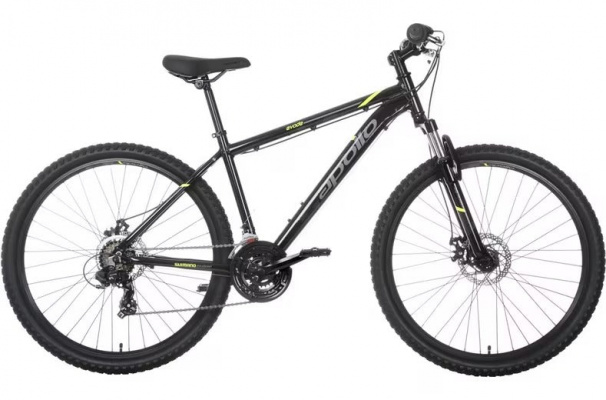
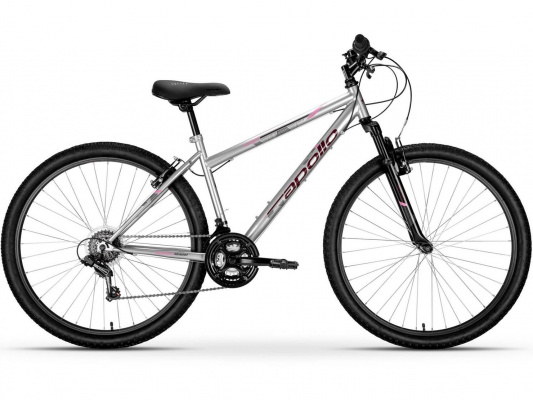
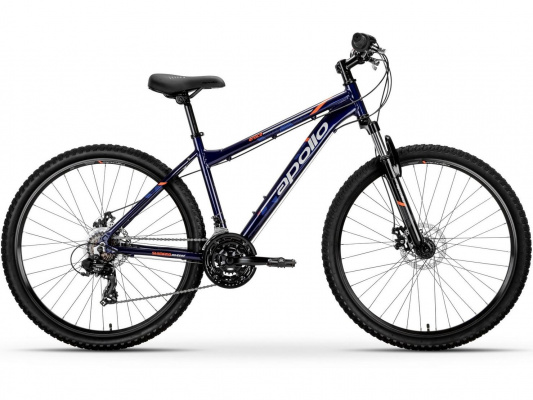
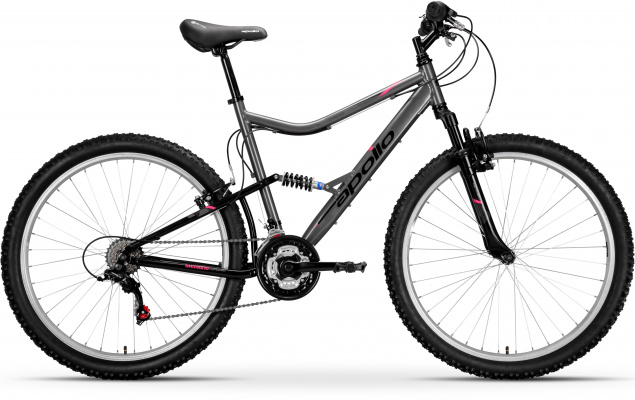
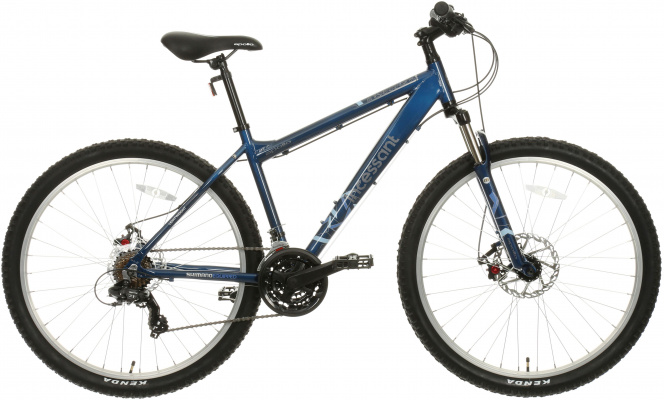
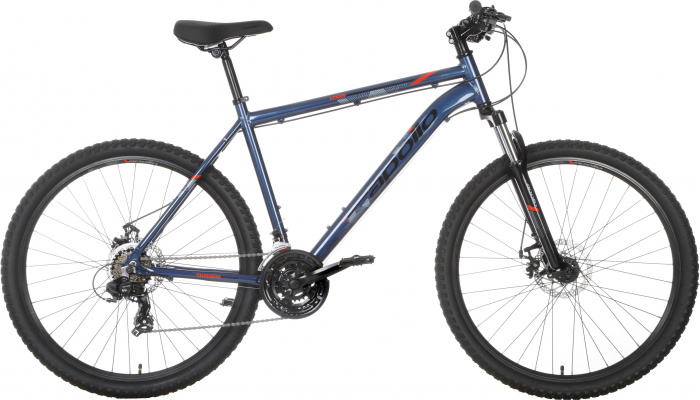
Apollo mountain bikes have long been one of the most accessible routes into off-road riding in the UK - and for good reason. The range is built around solid, no-nonsense hardtails that won't leave your wallet hollowed out before you've even hit the first climb. You get robust frames, front suspension that actually does a job on roots and potholes, and dependable Shimano gearing - all without the premium price tag that comes with the bigger MTB names.
Whether you're planning Sunday morning laps of Swinley Forest with the family, commuting along a muddy canal towpath, or just testing the water before committing to a more serious bike, there's an Apollo that fits the brief. The range covers men's and women's specific geometry, multiple frame materials, and a handful of distinct model families - so picking the right one matters.
Worth knowing before you browse: if you want motor assistance on your rides, our Apollo E-Bikes page is where to head. And if you're kitting out a younger rider, Apollo Kids Bikes has that covered separately.
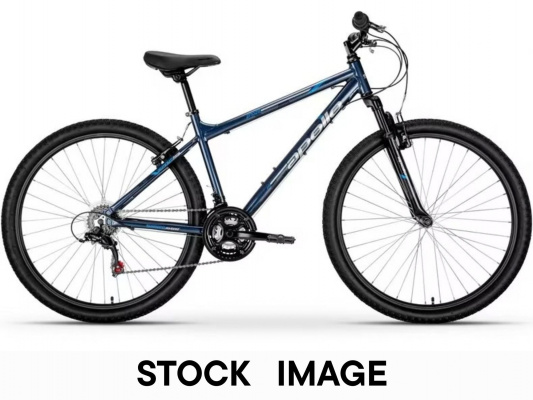
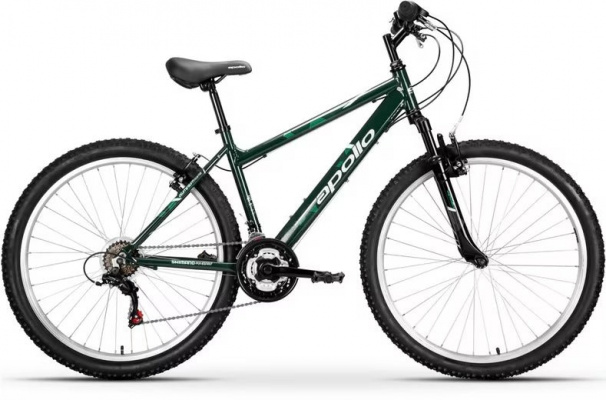
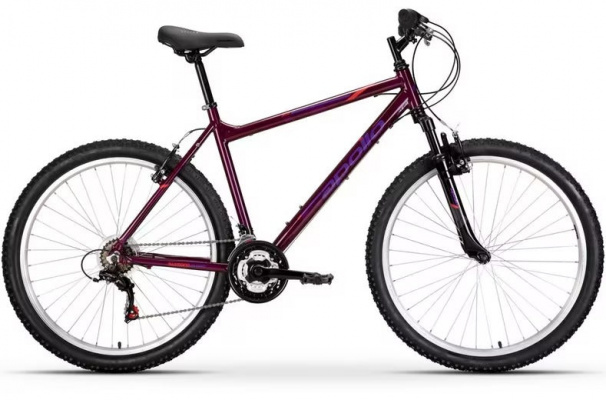
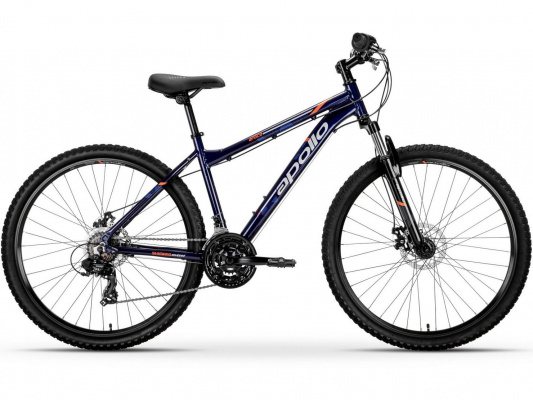
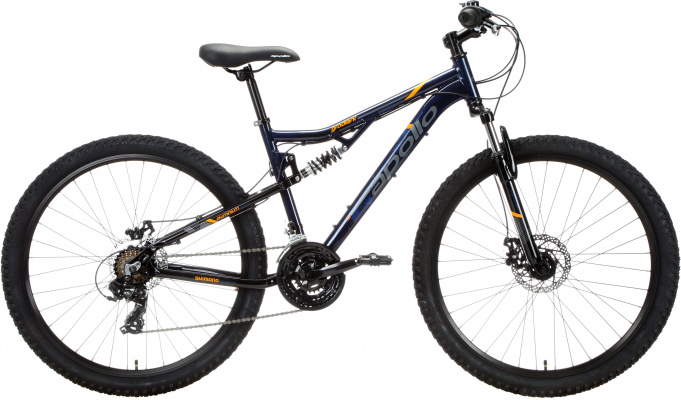
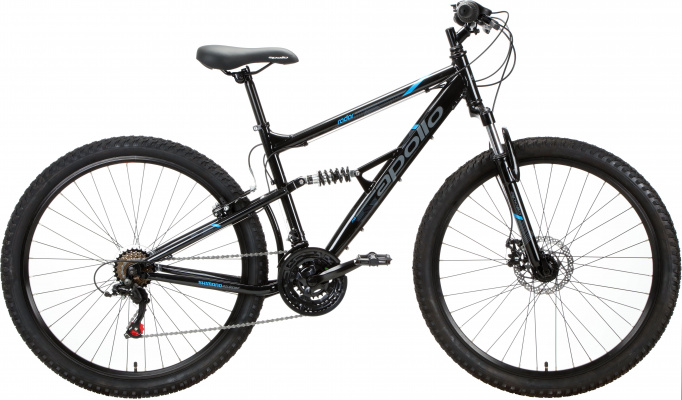
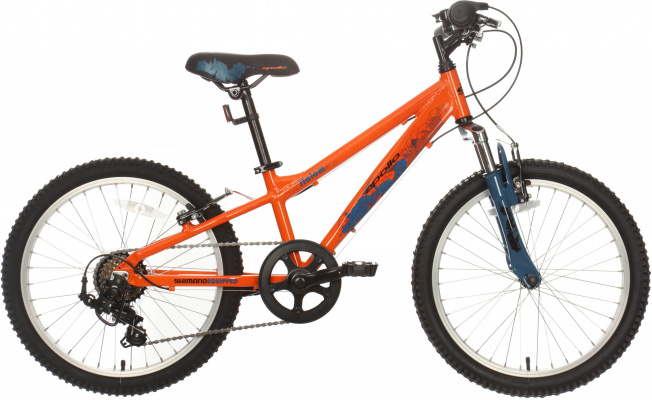

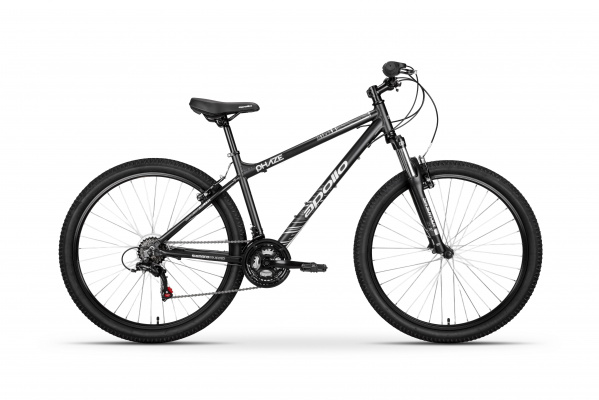
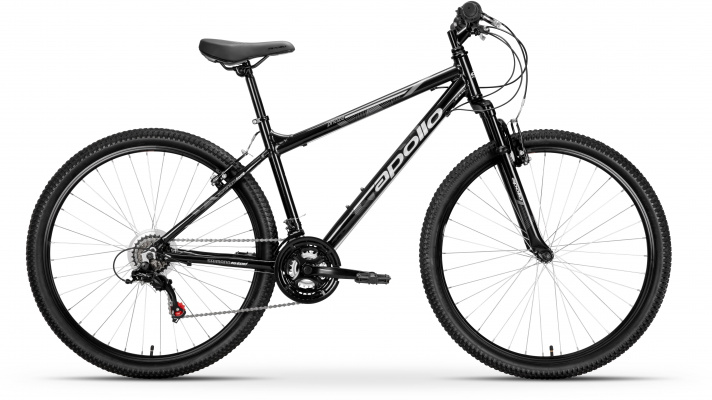
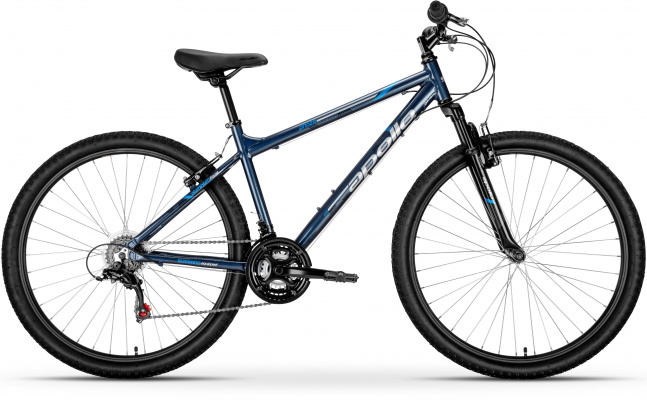
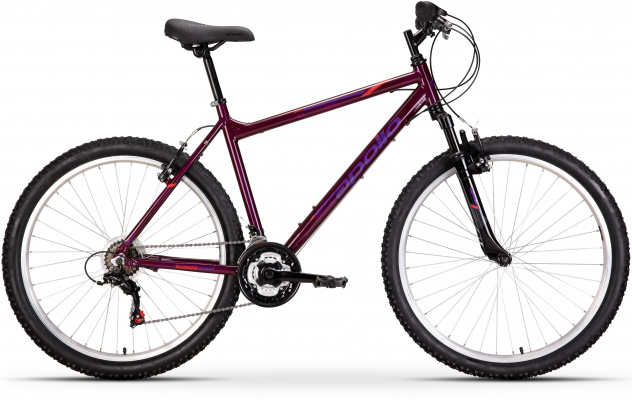
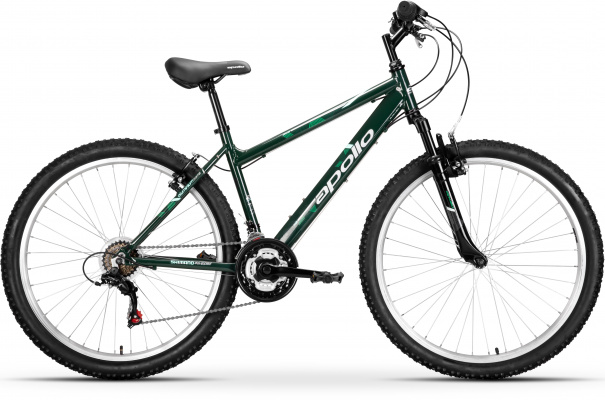
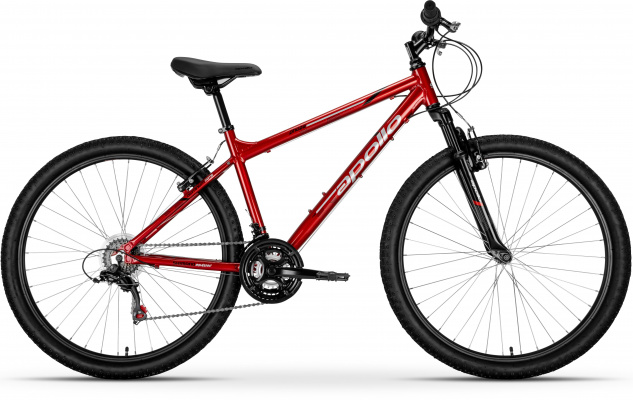
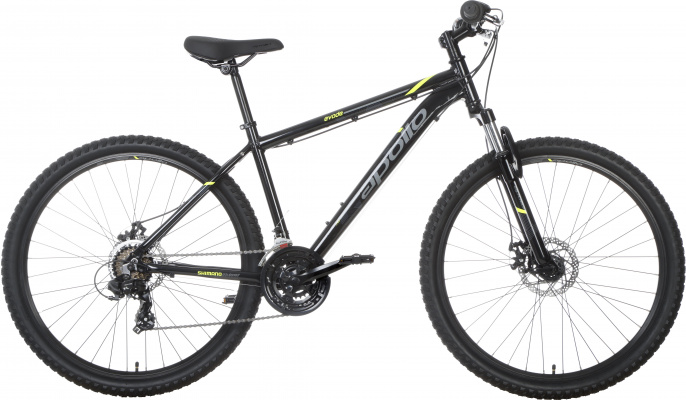
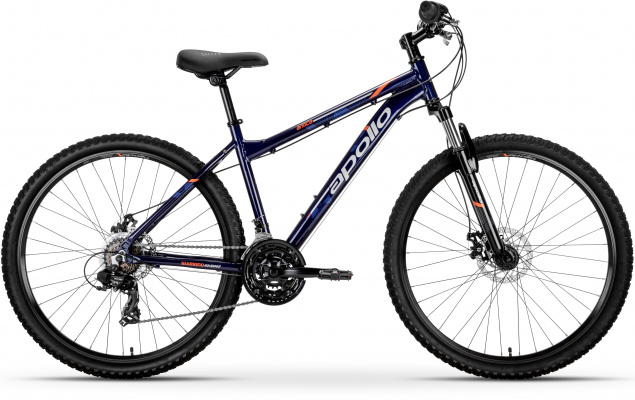
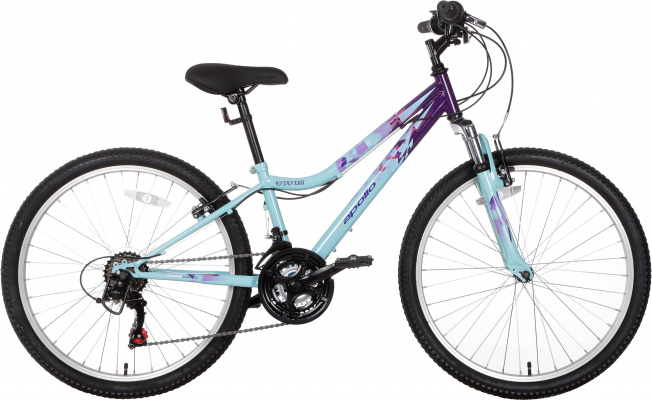
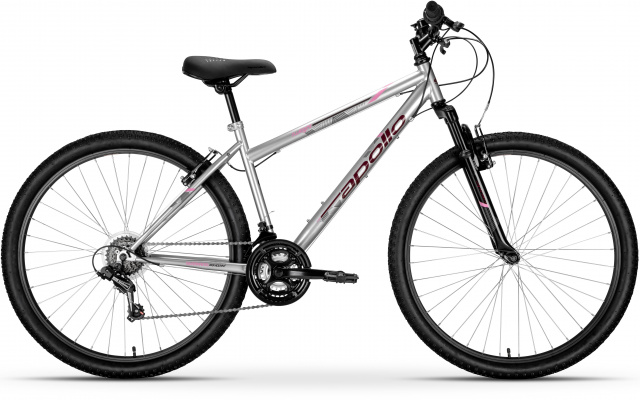
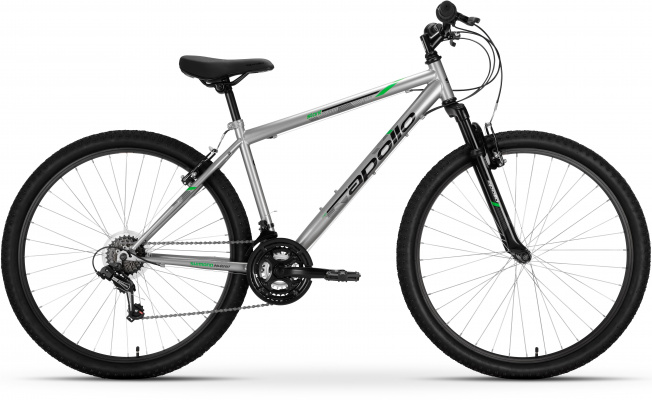
Prices and availability can change quickly. Delivery charges are not always included in listed prices.
Final price, stock status and delivery terms are set by retailer. We may receive a commission on purchases made.
Decoding the Apollo Mountain Bike Lineup
Apollo's MTB range isn't a single bike with a colour swap - there are genuinely different models aimed at different riders, and the frame material alone changes the character of the ride quite a bit.
The Apollo Phaze is the alloy option. The lightweight aluminium frame keeps the overall weight down, which you'll appreciate on anything with a climb in it. Less dead weight to haul up a fire road makes a real difference when you're building fitness or riding with kids who set the pace. It's the model most riders should start with if they plan to ride regularly.
The Apollo Slant runs a high-tensile steel frame. Steel is heavier, but it's also very forgiving to knock about - useful if the bike's going to be stored in a shed, chucked in a car boot regularly, or ridden hard by someone who isn't fussed about gentle handling. It's tough in a no-drama way. Just know you'll feel that extra heft on the way uphill.
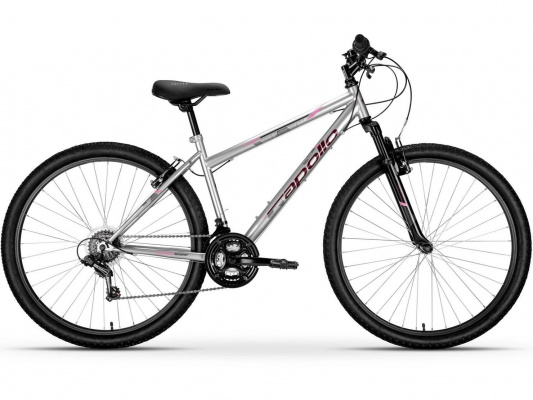
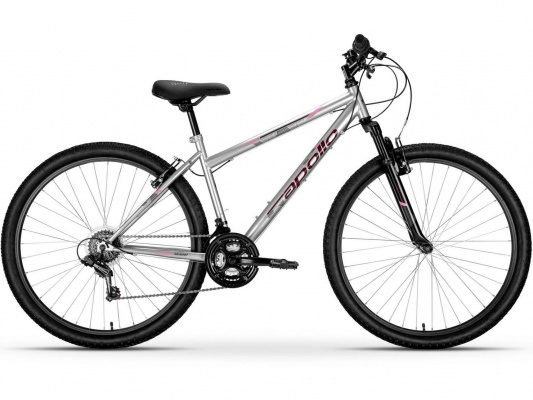
For women's geometry, the Apollo Twilight offers a frame shaped around a lower standover height and adjusted reach - small changes that make a noticeable difference to comfort and confidence on the bike. The Apollo Valour sits in the men's range as a solid mid-point option. Both share the same core componentry philosophy as the rest of the lineup.
If none of these scratch the itch and you want something more road-biased for mixed riding, it's worth a look at Apollo Hybrid Bikes - a different category altogether but one that suits a lot of the same riders.
The Apollo Tech Philosophy: Built for Value
Apollo isn't chasing marginal gains with carbon layups and bespoke dropper posts. The focus is on getting reliable, functional components on the bike at a price that makes sense for the rider who's just getting started - or who simply doesn't need a race-ready build.
The Zoom front suspension forks fitted across the range are a coil-sprung unit designed to take the edge off rough ground. They won't perform like a RockShox or Fox unit, but that's not the point - they smooth out potholes, tree roots, and the general choppiness of a UK bridleway well enough that you're not rattling your fillings loose. Keep the stanchions lightly lubed and they'll keep doing the job.
Gearing comes via Shimano Revoshift grip-shifters driving an 18-speed drivetrain - typically a Shimano Tourney groupset. Grip-shift is genuinely intuitive for riders who are new to indexed gearing; you twist, it changes, job done. There's no paddle to hunt for mid-corner. The gear range is wide enough for most recreational riding, covering the flat towpath and the short punchy climbs you'll find on beginner trail routes.
Braking is handled by V-brakes rather than hydraulic discs. They're lighter, easier to adjust, and perfectly adequate for the speeds most Apollo riders will be carrying. The trade-off is that they're more affected by mud and water than disc brakes - but a quick wipe of the rim and pad before a descent and they're back to full function. Compared to something like a Carrera mountain bike at a similar price, the stopping power is broadly comparable on dry days.
One thing to bear in mind: if you're eyeing up a step up in componentry without jumping brands, Boss mountain bikes sit in a similar bracket and are worth comparing side by side before you decide.
Living with an Apollo MTB in the UK
A few practical things worth knowing before you commit.
Sizing on Apollo frames generally runs true, but the steel Slant models sit a little taller in the standover - if you're between sizes, go down rather than up, especially if you're planning any technical riding where you need to get your weight off the saddle quickly. It's not a deal-breaker, just worth checking the standover measurement against your inside leg before ordering.
British winters are hard on budget bikes. The V-brake pads pick up grit from wet rims, which turns into a grinding paste that eats through braking surfaces faster than you'd expect. Wipe the rims and pads down after muddy rides - it takes two minutes and extends the life of both significantly. Same logic applies to the fork stanchions: a light wipe and a dot of suspension fluid after winter rides keeps the seals from drying out and the fork moving freely.
Most Apollo MTBs come with frame eyelets for mudguard fitment, which is genuinely useful for canal towpath riding or a winter commute. Full-length mudguards rather than clip-ons are worth the small extra outlay - they keep spray off your back and out of the drivetrain, which cuts down on cleaning time considerably. If you're planning to use the bike year-round on mixed surfaces, it's one of the first things to sort.
On the 27.5-inch wheels fitted to most of the range - they roll over obstacles more confidently than 26-inch wheels do, and they're easier to find tyres for than 29ers at the budget end of the market. If you're riding soft, muddy ground regularly, fitting a more aggressive tread pattern later is a straightforward swap that noticeably improves grip.
Related searches:
Apollo Mountain Bikes FAQs
Are Apollo mountain bikes any good for beginners?
For light trails, canal paths, and family weekend rides, Apollo mountain bikes are a genuinely solid starting point. You get a dependable alloy or steel hardtail, front suspension that handles everyday rough ground, and Shimano gearing that's intuitive from day one - all at a price that makes sense before you've worked out exactly how much riding you'll actually do.
What is the difference between the Apollo Phaze and Apollo Slant?
The key difference is the frame material. The Apollo Phaze uses a lightweight aluminium frame, which makes it noticeably easier to pedal uphill and more lively overall. The Apollo Slant runs a heavier high-tensile steel frame - more robust and better suited to riders who need something that can take a knock. Both come with front suspension forks and 18-speed Shimano gearing, so the ride experience is similar on flat ground.
Can I fit mudguards to an Apollo mountain bike?
Most Apollo mountain bikes have standard mounting eyelets on the frame and fork, so fitting full-length mudguards is straightforward. For regular wet-weather riding - commutes, canal towpaths, that sort of thing - full-length guards are worth it over clip-ons; they keep far more spray off the drivetrain and off your back.