
Orbea E-Bikes
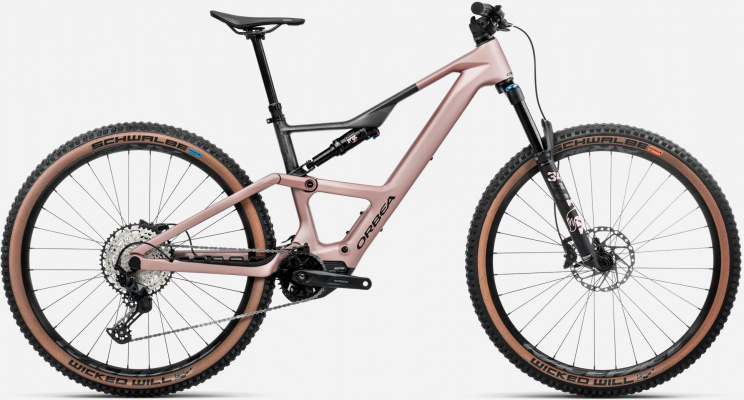
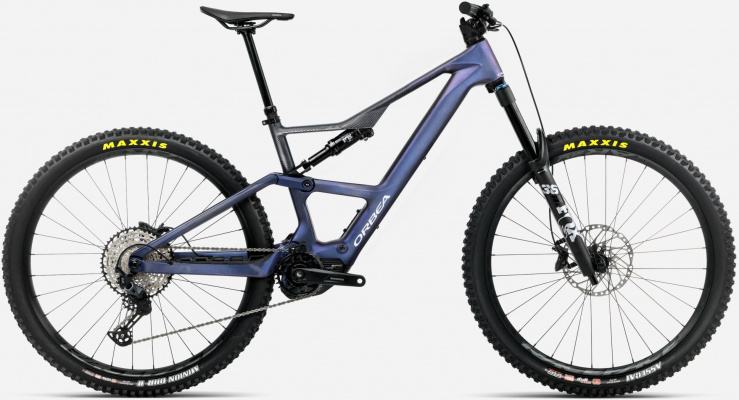
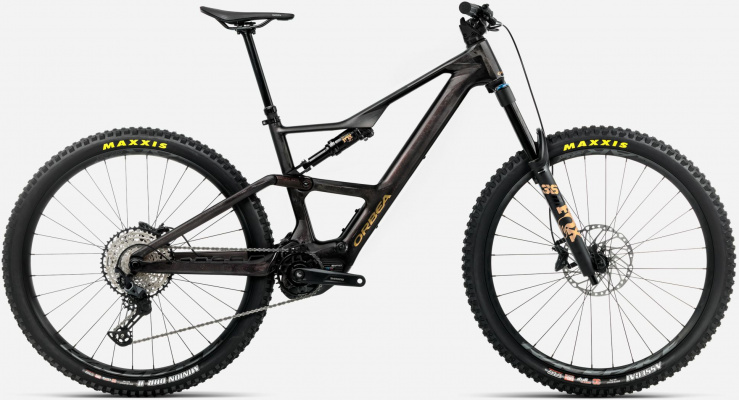
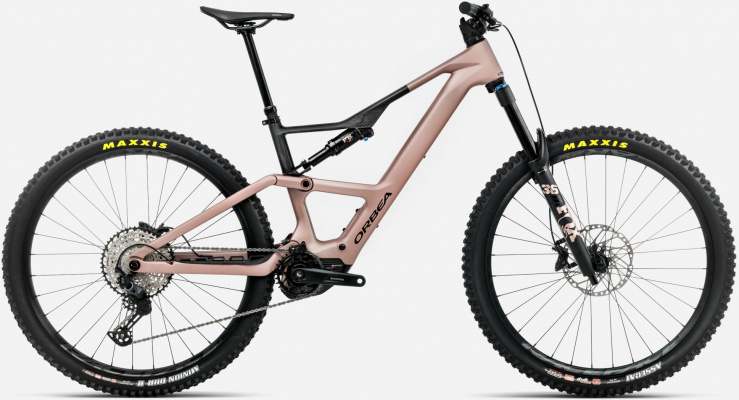
Orbea E-Bikes have built a genuine reputation for doing something most manufacturers still struggle with: making an electric bike that actually feels like riding a bike. The whole range is shaped around their proprietary Rider Synergy (RS) concept - a philosophy that puts natural pedal feel and manageable weight ahead of headline motor figures. The result is a lineup that spans disciplined categories without feeling like a compromise in any of them.
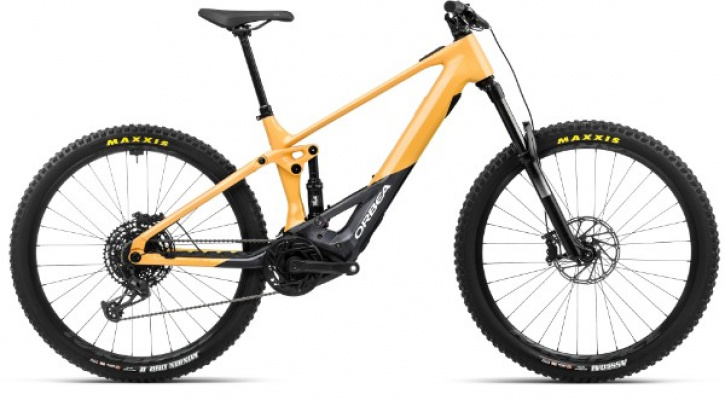
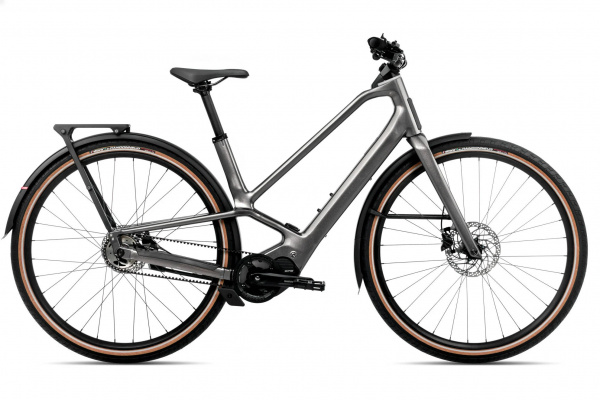
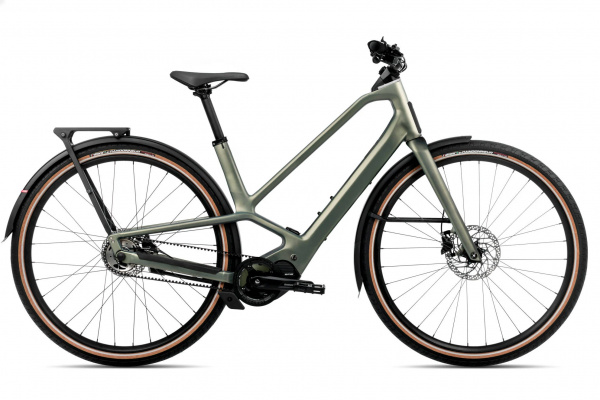
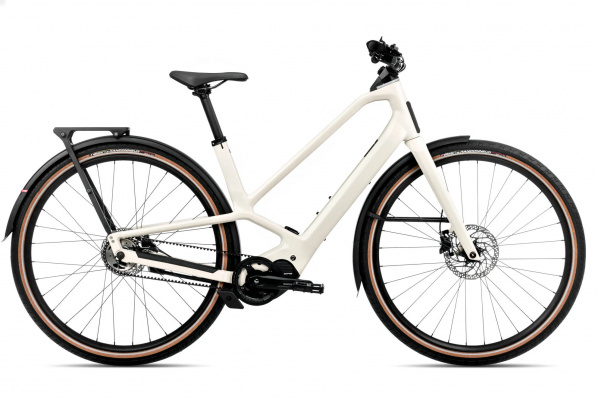
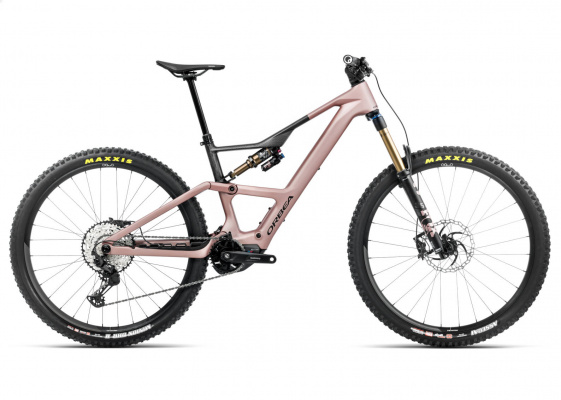
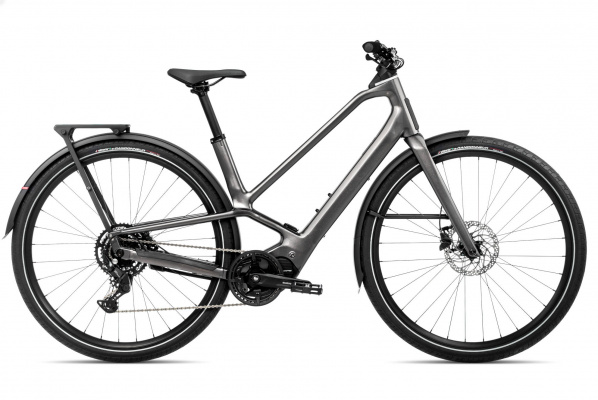
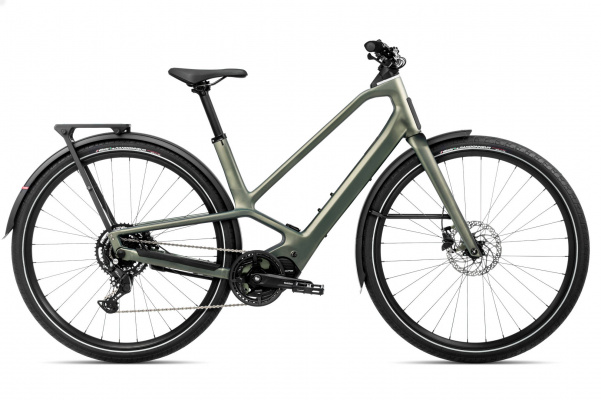
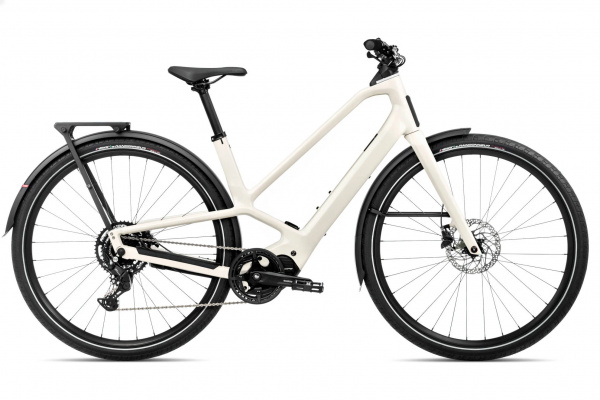
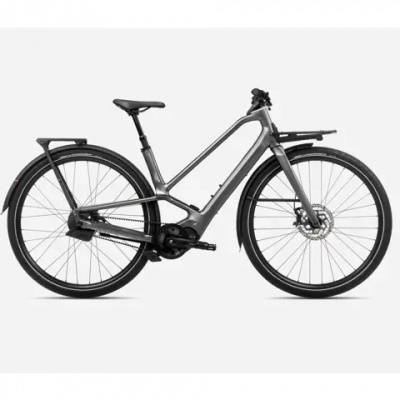
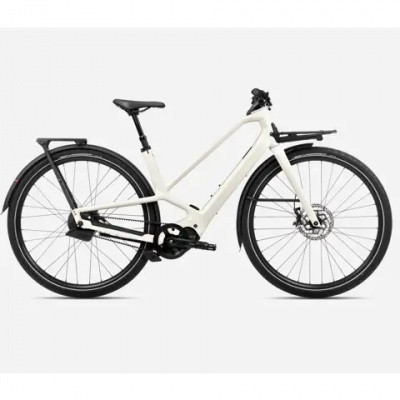
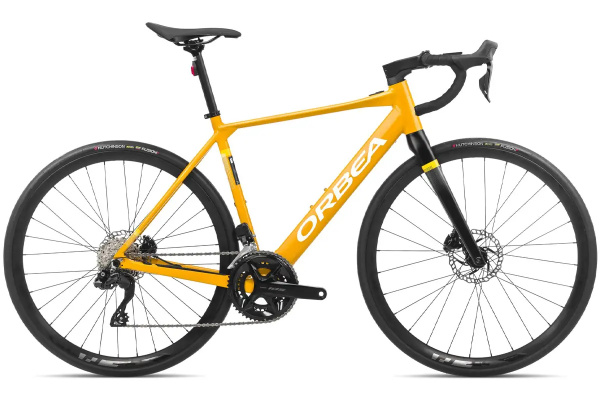
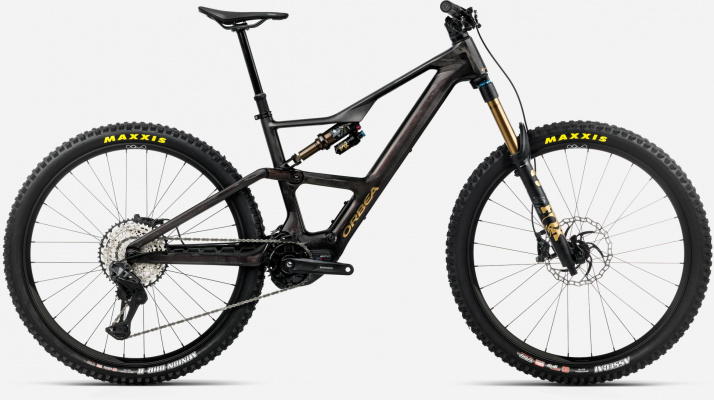
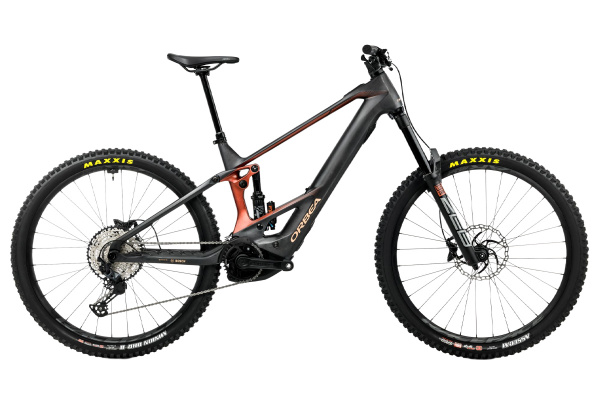
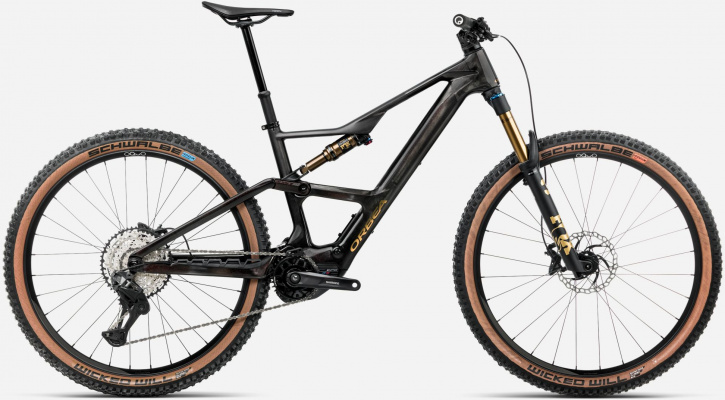
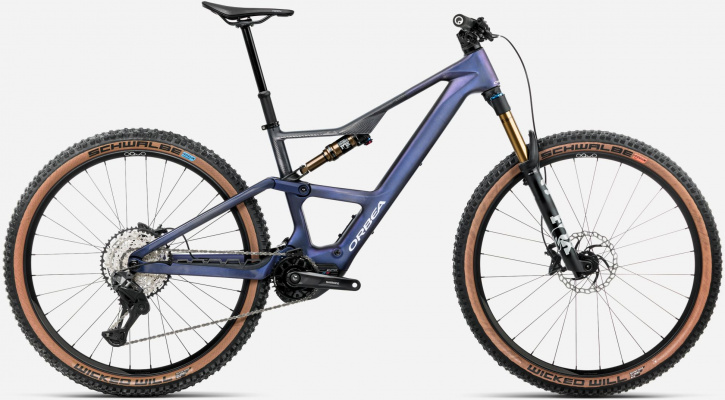
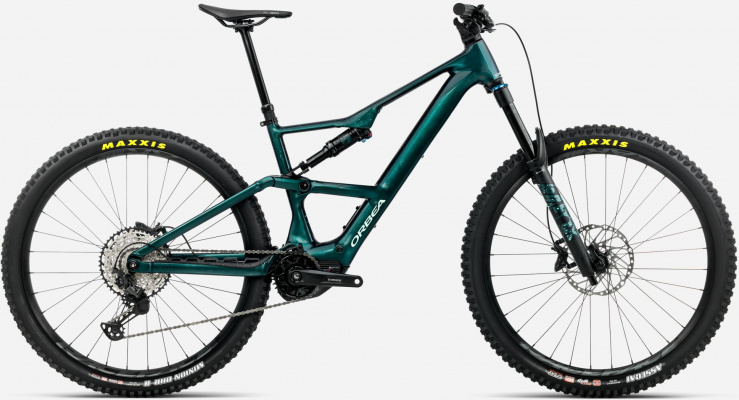
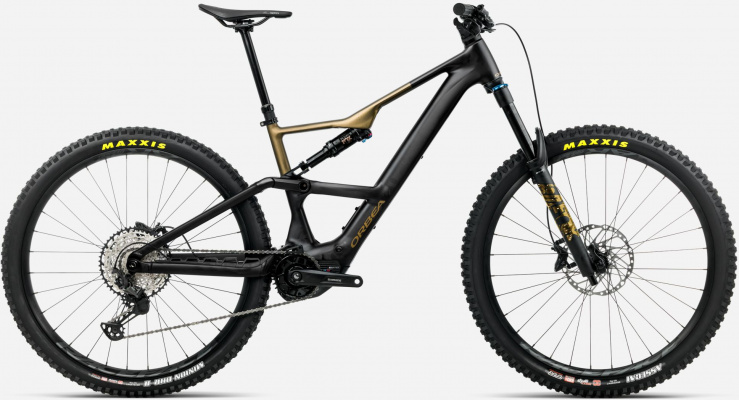
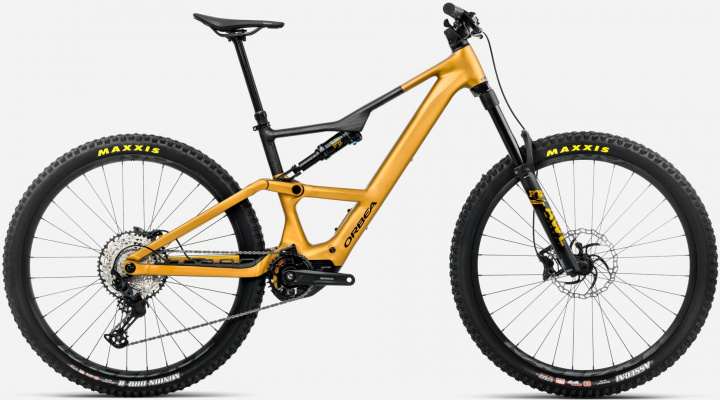
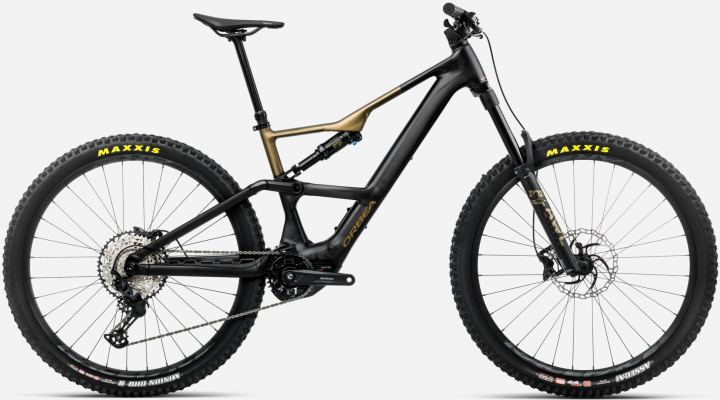
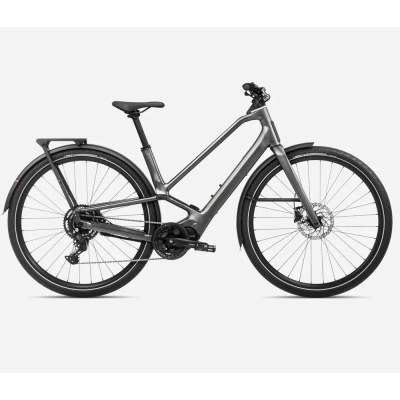
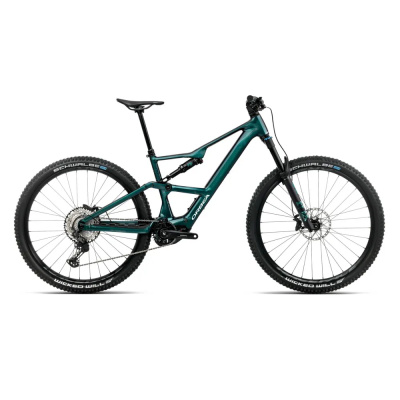
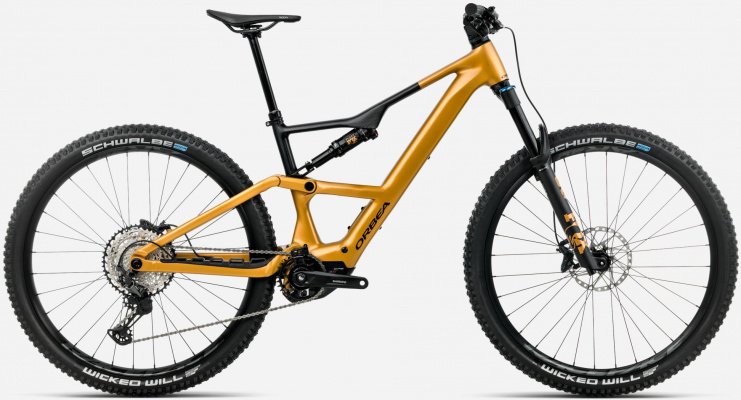
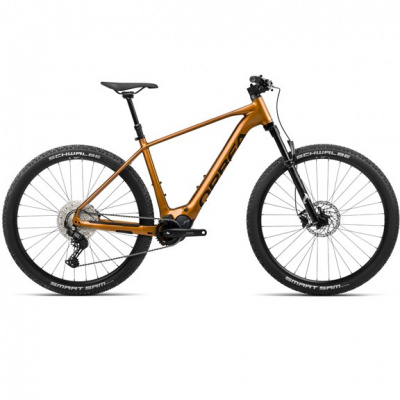
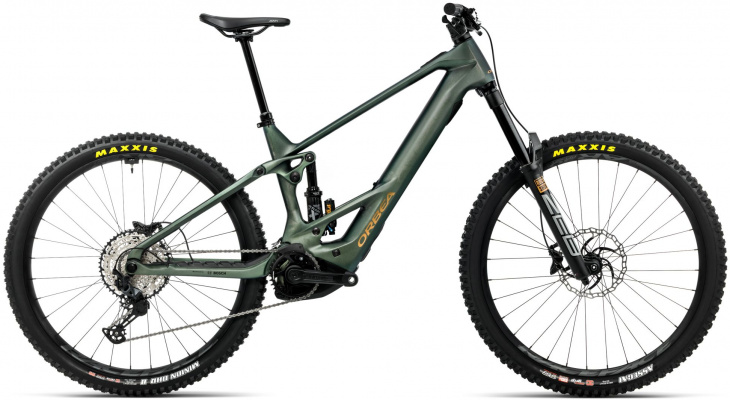
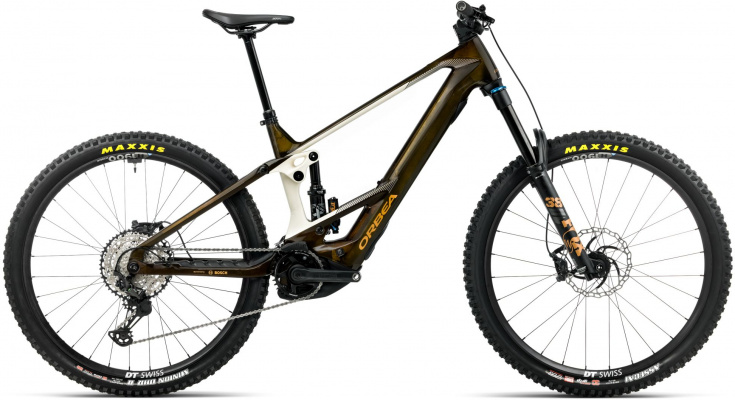
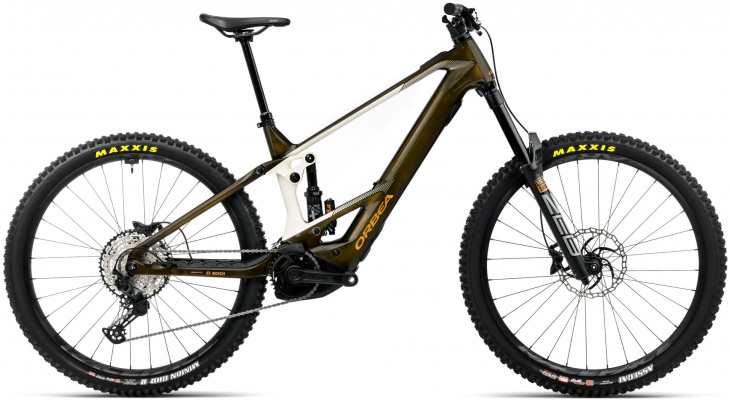
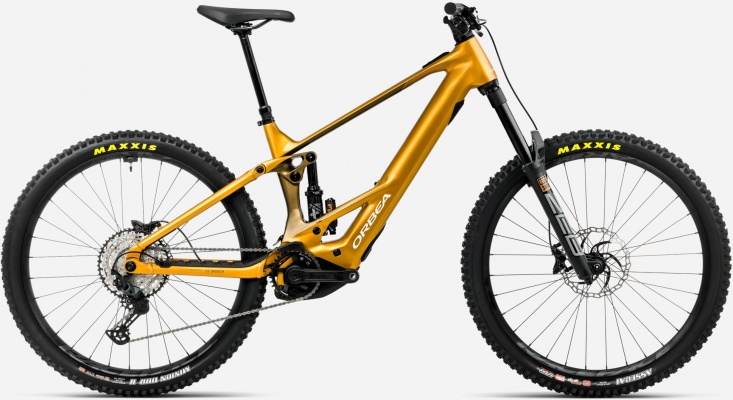
At one end you've got the Rise, a lightweight trail e-MTB that's become a reference point for how little an assisted bike needs to weigh. Then there's the Wild, a full-power enduro machine for when the descents get serious. The Gain covers electric road and gravel riding with a hub-drive system so discreet you'd barely clock it at a café stop. Rounding things out, the Vibe and Optima handle urban and commuter duties with the same considered build quality.
Frames come in either OMX or OMR carbon layups, or hydroformed alloy depending on your budget and priorities - and Orbea's MyO customisation program means you can spec colours and components before it leaves the factory. If you need to sort batteries, chargers, or displays separately, we've got dedicated pages for Orbea E-Bike Batteries, Orbea E-Bike Chargers, and displays to keep you rolling.
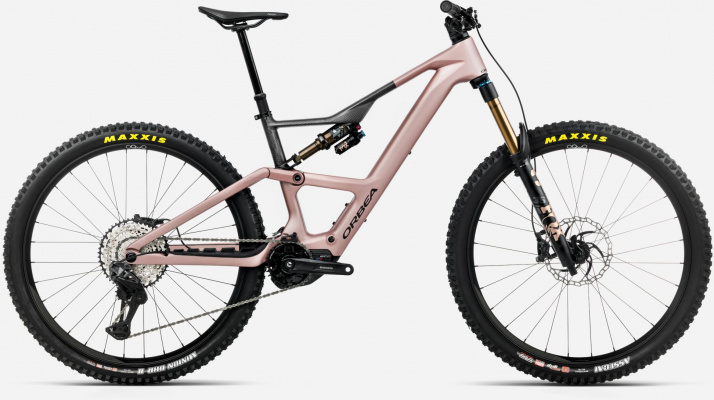
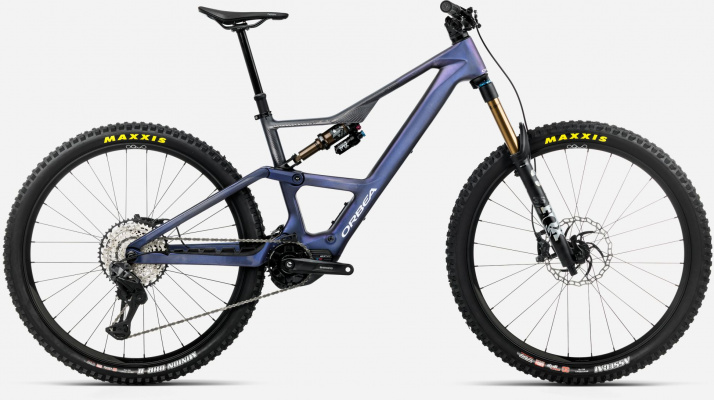
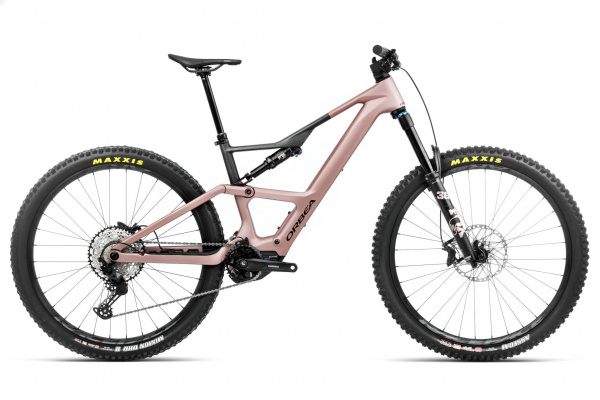
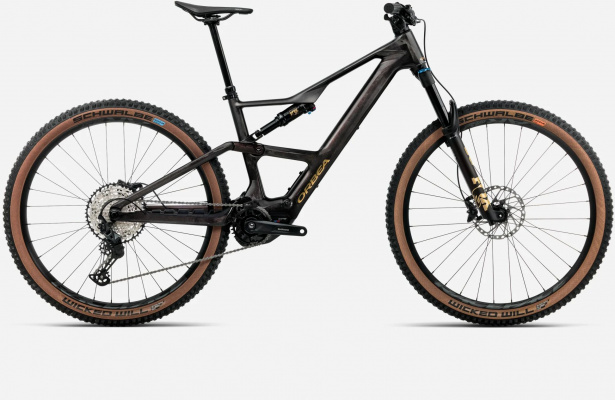
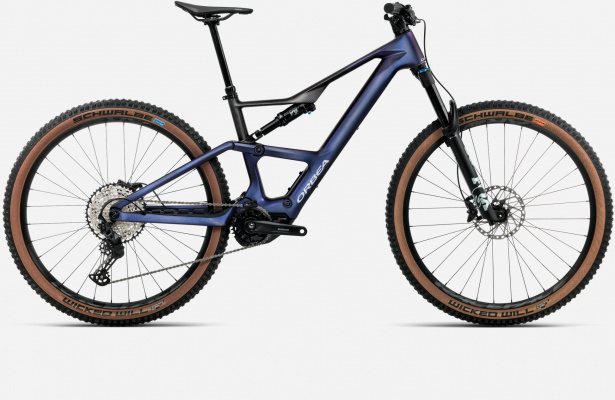
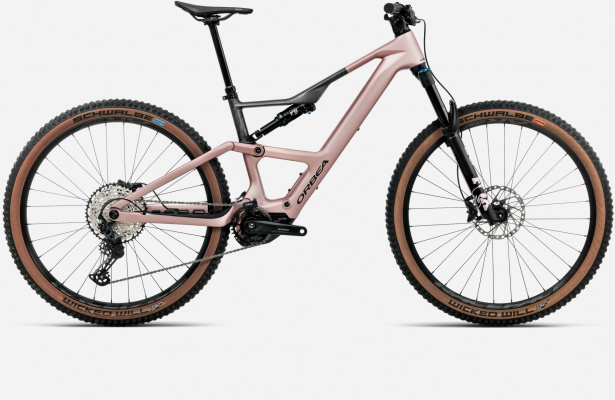
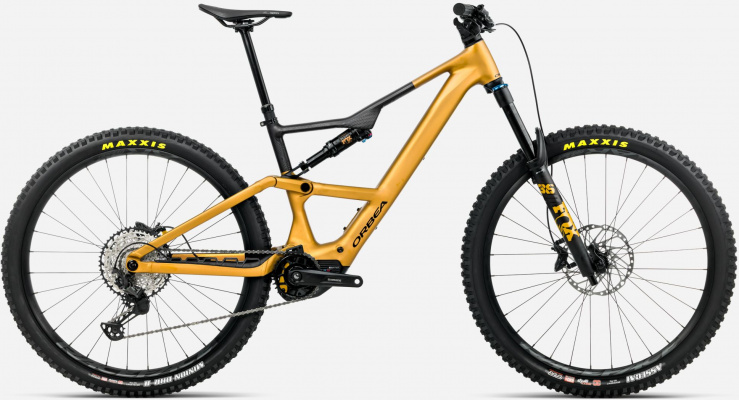
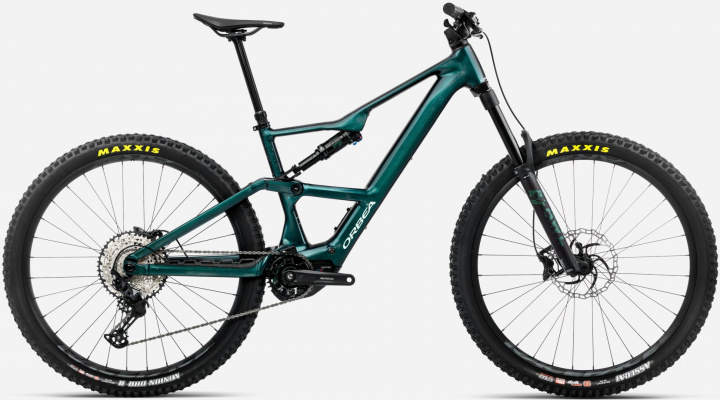
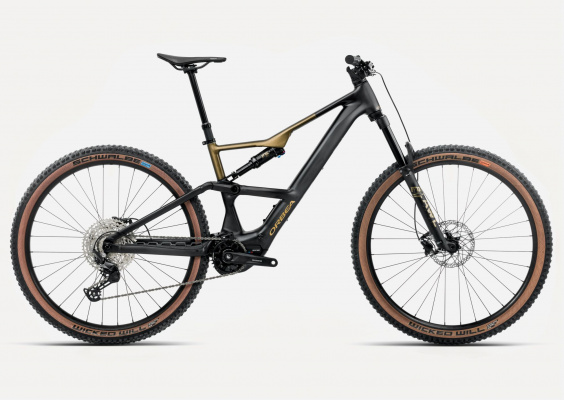
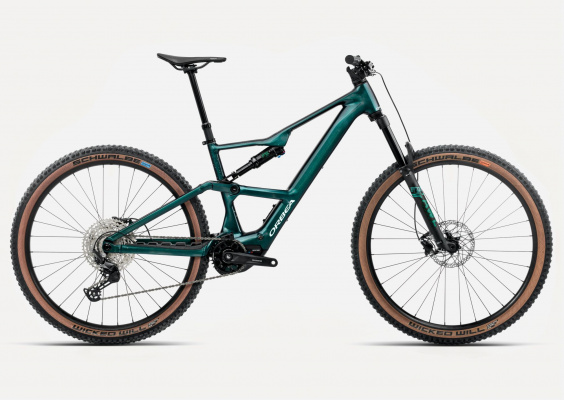
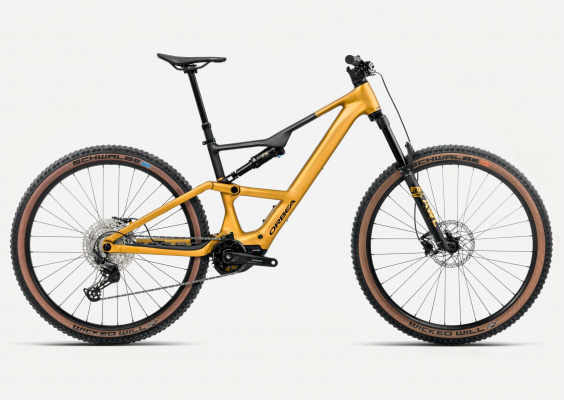
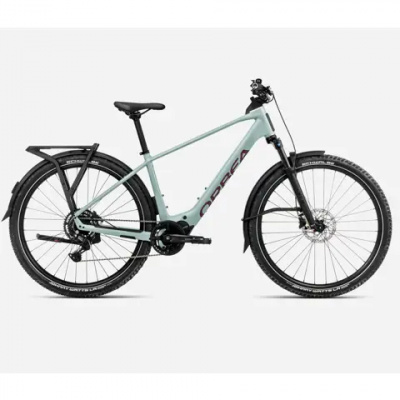
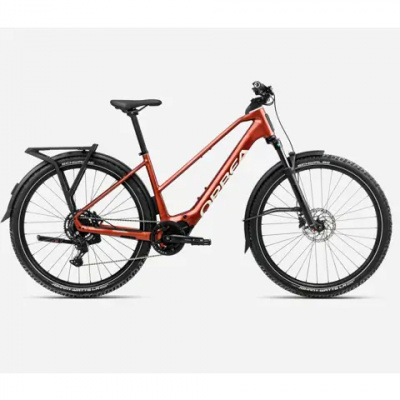
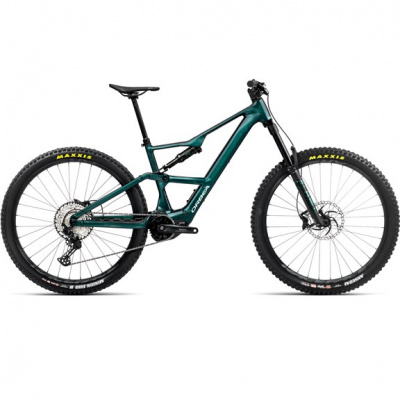
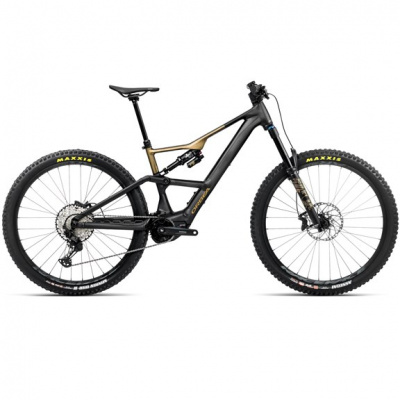
Prices and availability can change quickly. Delivery charges are not always included in listed prices.
Final price, stock status and delivery terms are set by retailer. We may receive a commission on purchases made.
Decoding the Orbea E-Bike Lineup
Orbea's naming system rewards a couple of minutes of attention. Across the e-MTB and road ranges, the letter prefix tells you the frame material: M means carbon (as in M-Team or M-LTD), while H means hydroformed alloy (H10, H30, and so on). Lower numbers signal higher-spec components - so an H10 sits above an H30 in the build kit hierarchy. It's a logical system once you've clocked it, and it makes comparing models across a price range much more straightforward.
The Rise is Orbea's lightweight trail e-MTB, and it's the model that put the brand on the map for riders who didn't want to feel like they were wrestling a motorbike up a climb. It uses a compact Shimano EP801 RS or EP6 RS motor with a modest internal battery, keeping the overall weight down to the point where the sub-16kg M-LTD becomes a serious conversation. If you want more power and a bigger battery for longer, rougher days, the Wild is the answer - full-power Shimano EP801 motor, burlier geometry, and the kind of suspension travel that makes sense on proper enduro courses or chewed-up winter singletrack.
The Gain takes a different path entirely, using a Mahle X35 or X20 hub drive that sits inside the rear wheel. It's practically invisible on the bike and keeps the weight low enough that you're not giving much away on a group road ride. Orbea also produces it in a gravel configuration - worth comparing alongside their broader Orbea gravel bikes range if you're weighing up assisted versus acoustic options. For urban riders, the Vibe and Optima slot in as practical, well-built city bikes that don't ask you to think too hard about the tech underneath.
The Orbea Tech Philosophy: Rider Synergy and Carbon Mastery
The Rider Synergy (RS) concept is the thread that runs through Orbea's more performance-focused electric bikes. In plain terms, Orbea worked directly with Shimano to develop a custom firmware tune for the EP801 and EP6 motors - one that deliberately caps peak torque rather than chasing the biggest number on the spec sheet. What that gives you in practice is assistance that builds smoothly with your own pedalling effort rather than kicking in with a lurch the moment you apply pressure. It's the difference between a motor that helps and one that takes over.
The trade-off is that you're not getting the raw shove of a Bosch CX or a Fazua Ride 60, and if you regularly need to haul heavy loads up steep fire roads, that's worth knowing. But for trail riding and road use where rhythm and handling precision matter, the RS tune is genuinely hard to fault. Range also benefits - capped torque means the battery works less hard, which adds up over longer days.
On the frame side, OMX carbon is Orbea's lightest layup, prioritising stiffness-to-weight for XC and lightweight trail applications. OMR (Orbea Monocoque Race) carbon is tuned for compliance as much as stiffness - it takes the edge off chatter on rough surfaces without sacrificing the power transfer you need on climbs. It's a meaningful distinction, not just a marketing tier. The Concentric Boost 2 suspension linkage, used on the Rise and Wild, keeps braking forces isolated from the suspension's active travel. In practical terms, that means the bike stays composed and active under braking rather than diving and stiffening - something you'll notice on technical descents where you're trail-braking into corners.
Orbea's MyO personalisation program is worth flagging if you're buying new. It lets you choose frame colours, component upgrades, and certain build options before the bike is assembled. It's not unique in the industry, but Orbea's execution is among the cleaner ones - you're not locked into arbitrary packages. Brands like Cube e-bikes and Cannondale e-bikes offer comparable ranges at similar price points, but neither matches Orbea's factory customisation depth at this level.
Living with an Orbea E-Bike in the UK
A few things are worth knowing before your first wet Welsh winter on a Rise or Wild. The Concentric Boost 2 linkage keeps a relatively low bottom bracket area, and while the mud clearance is reasonable, the pivot bearings around the linkage are the first thing to check after a sloppy session in the Brecon Beacons or the Dark Peak. Wet grit is what kills sealed bearings prematurely - a thorough rinse and a quick inspection of the pivot areas after muddy rides will add months to their service life. It's five minutes in the garden with a hose, not a workshop job.
Cold-weather battery care matters more than most riders account for. Both the internal Shimano units on the Rise and Wild and the Mahle hub drive on the Gain will lose a noticeable chunk of range when temperatures drop below five degrees. Storing the bike indoors overnight before a cold ride and starting with a warm battery makes a measurable difference. Don't charge to 100% if the bike's sitting unused for more than a few days - keeping it between 30% and 80% preserves cell health over time.
If you're running an alloy Wild H-series on gritty moorland or coastal trails, the frame cleans up easily enough, but keep an eye on the motor seals around the crank area. Shimano's EP801 is well-sealed by motor standards, but prolonged pressure washing directly at the motor housing is still worth avoiding. For riders thinking about component upgrades down the line, Orbea's dropper posts and the wider Orbea mountain bikes range are worth a look if you want to keep parts within the same ecosystem. And if you're coming from an acoustic road background, the Orbea road bikes range sits alongside the Gain as a useful reference for how the assisted and unassisted builds compare in geometry and fit.
Related searches:
Orbea E-Bikes FAQs
Are Orbea e-bikes any good?
Orbea is well-regarded across the industry, particularly for lightweight e-bikes that ride with more natural feel than most assisted bikes manage. Their Rider Synergy (RS) tuning - a custom Shimano firmware - delivers smooth, elastic assistance rather than an intrusive shove, which is a meaningful difference on technical trail riding or longer road days.
What motor does the Orbea Rise use?
The Rise uses a custom-tuned Shimano EP801 RS or EP6 RS motor, depending on the build. Orbea's proprietary RS firmware deliberately caps peak torque to keep the power delivery natural and extend battery range. It's not the highest-output motor on the market, but that's an intentional trade-off in favour of ride feel and efficiency.
How much does an Orbea e-bike weigh?
It varies considerably by model and material. The Rise M-LTD in OMX carbon comes in at around 15.9kg - genuinely light for a full-suspension e-MTB. Alloy-framed full-power models like the Wild H-series sit more in the 23 - 25kg range. The Gain road and gravel builds land somewhere in the middle, depending on wheel size and build spec.