
Orbea Mountain Bikes
Orbea mountain bikes sit in a genuinely interesting spot in the market - Basque-engineered, seriously refined, and available with a level of factory customisation that most brands simply don't offer. The lineup runs from razor-sharp cross-country racers through to slack, capable enduro rigs, and the carbon work across the range is some of the most considered you'll find at these price points.
The standout feature for many buyers is MyO - Orbea's in-house programme that lets you choose your paint finish and dial in component specifications straight from the factory. It's not a gimmick. For riders who've always wanted something that feels genuinely theirs without going custom, it changes the conversation. You're also getting frames built around Advanced Dynamics suspension software, which means the kinematics are engineered rather than estimated - relevant whether you're chasing lap times or just want a bike that tracks predictably on loose Welsh slate.
Worth noting: if you're here for the Rise or Wild, we cover Orbea's electric mountain bikes in a separate category. This page focuses on acoustic bikes only - the full range from the Alma hardtail through to the Rallon enduro machine.
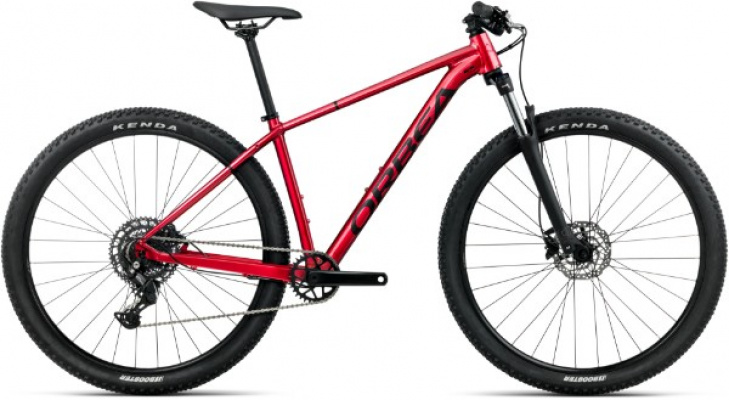
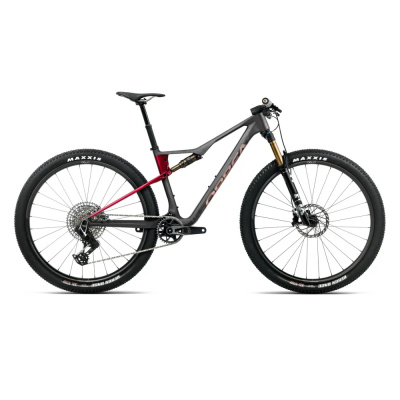
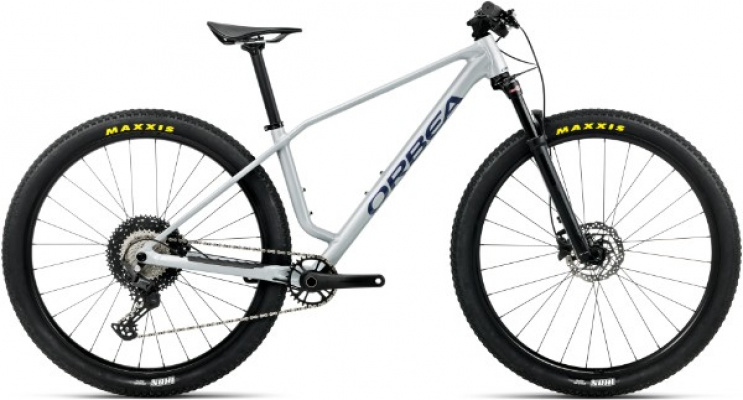
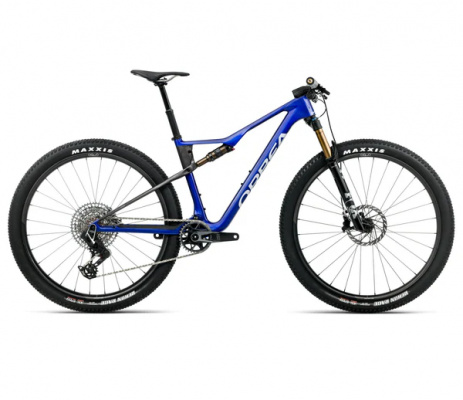
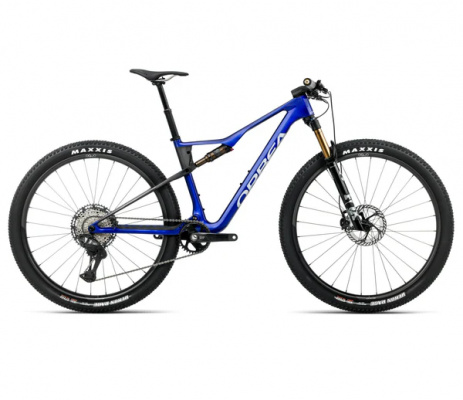
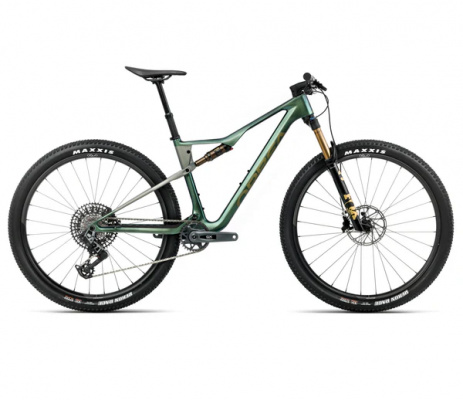
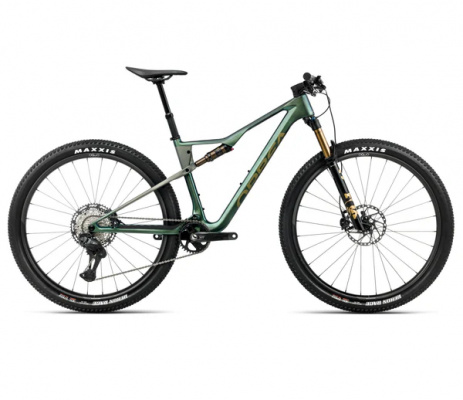
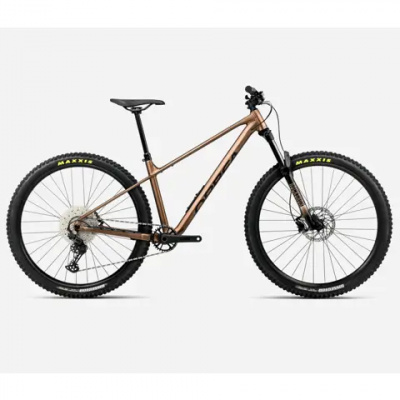
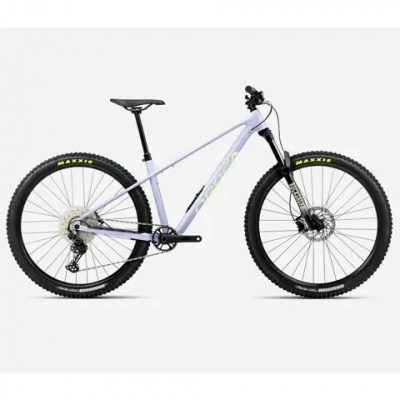
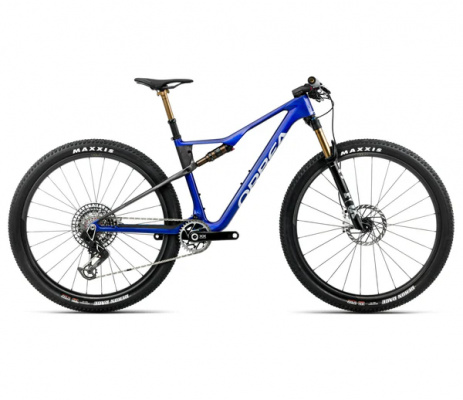
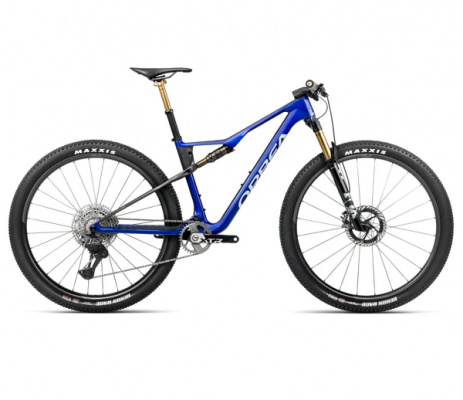
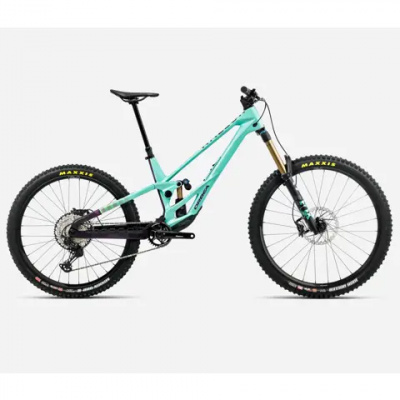
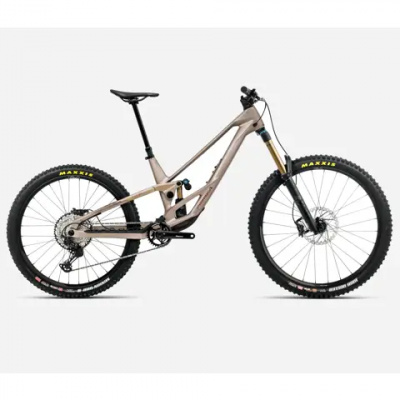
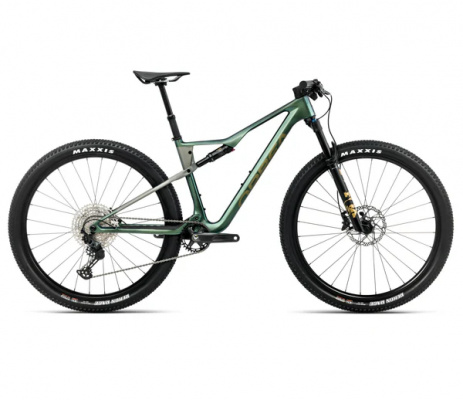
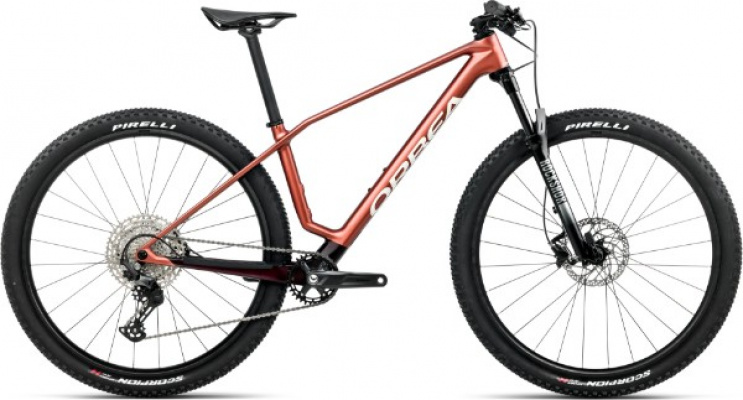
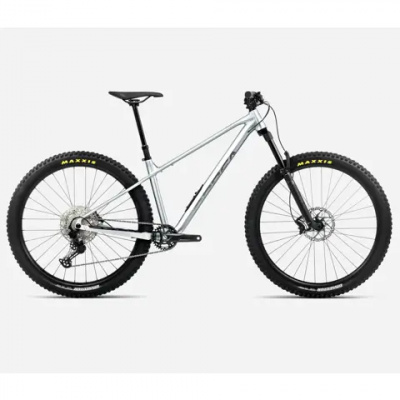
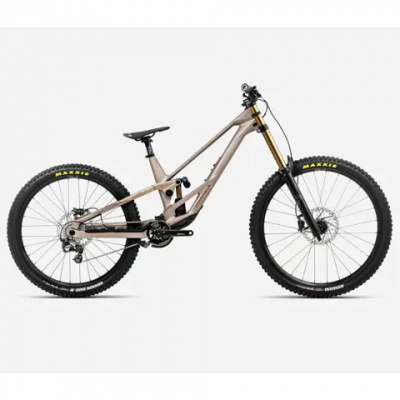
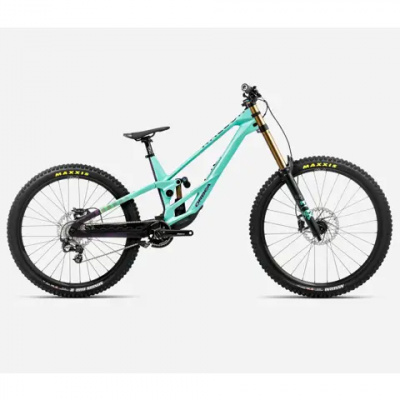
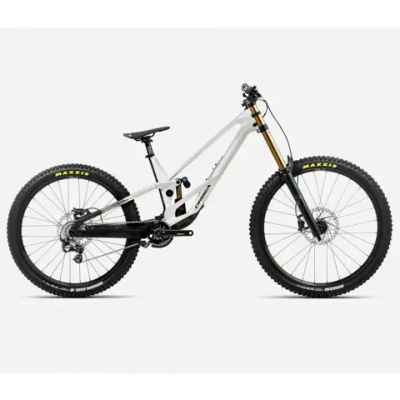
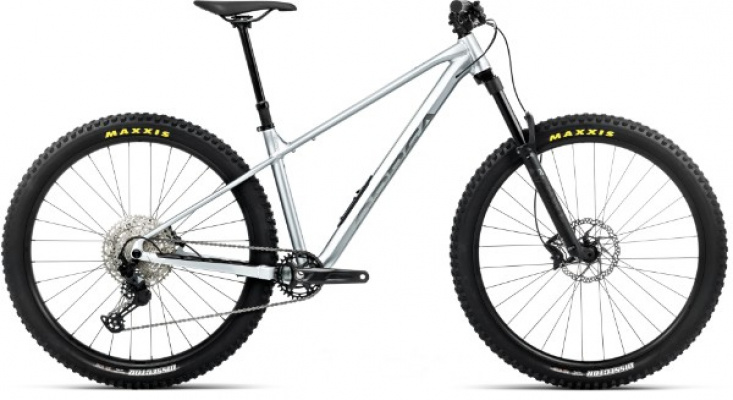
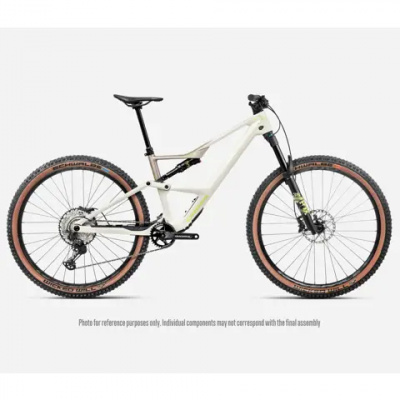
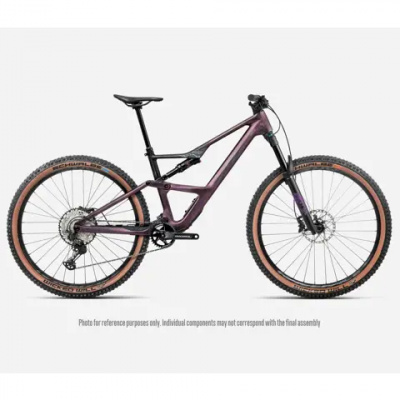
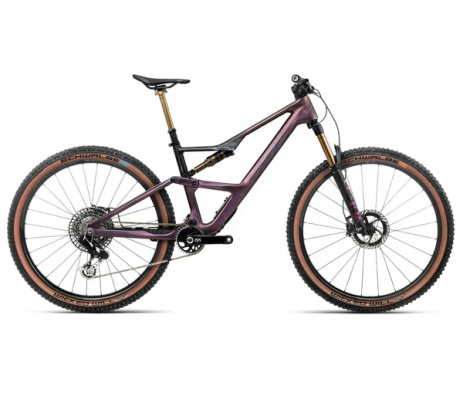
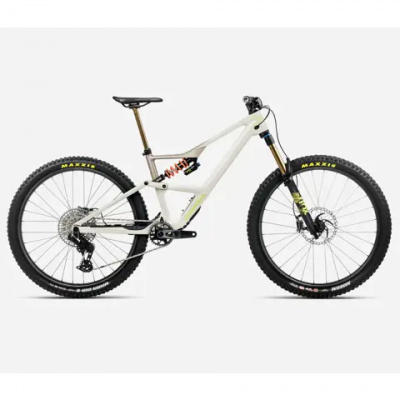
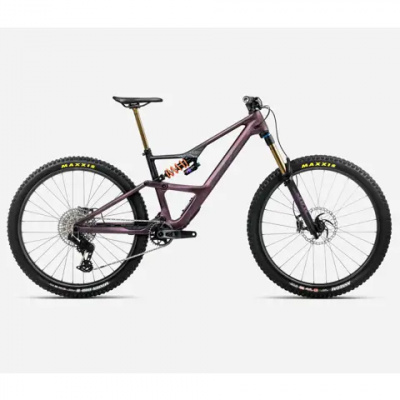
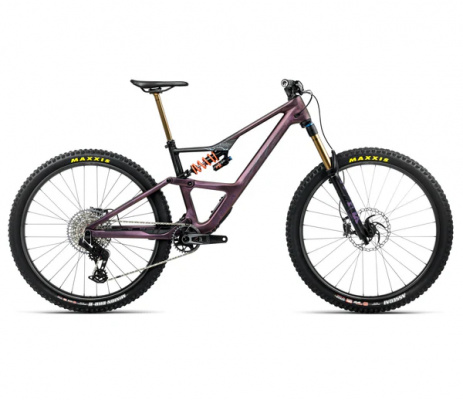
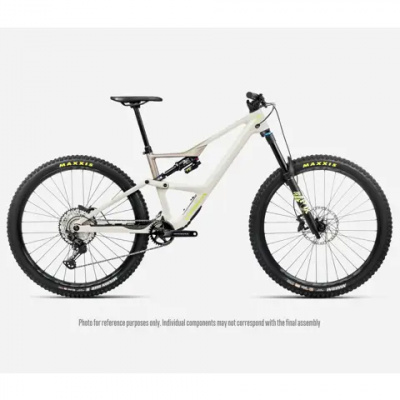
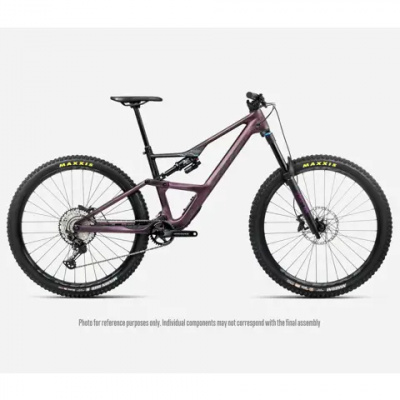
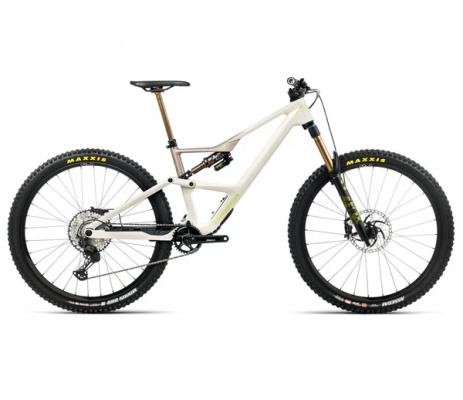
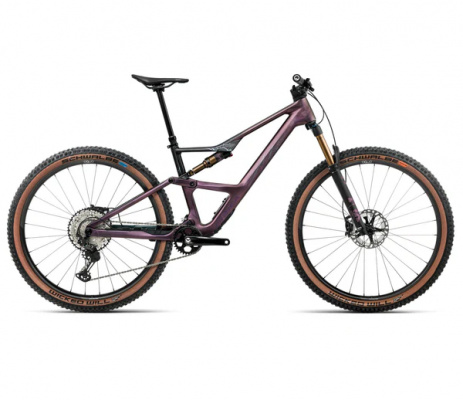
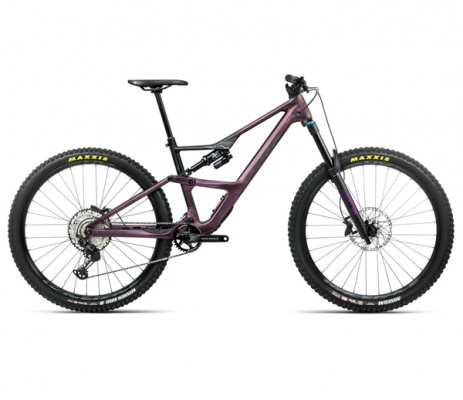
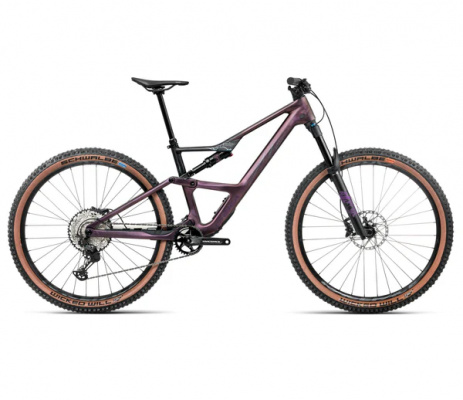
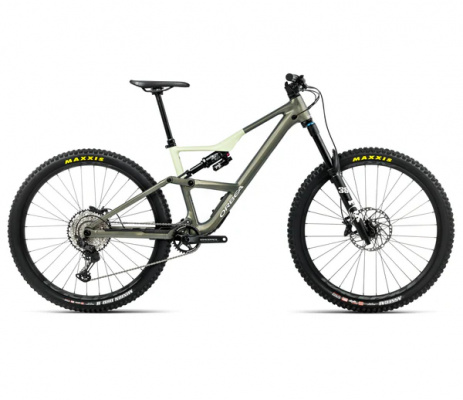
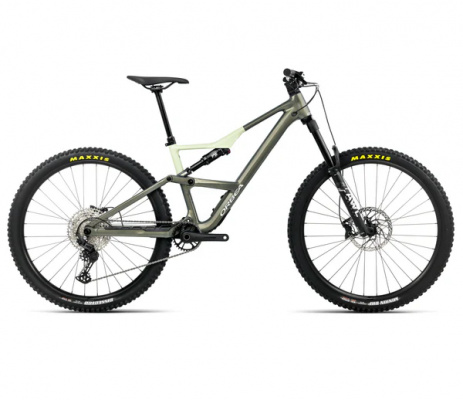
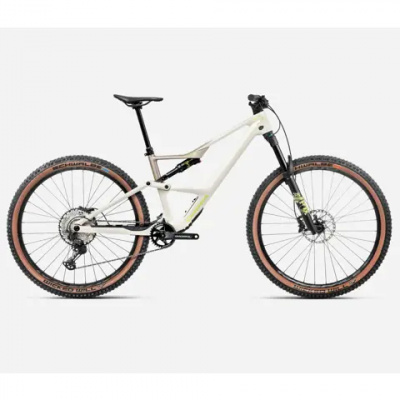
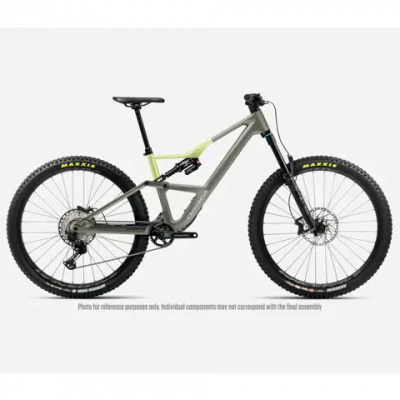
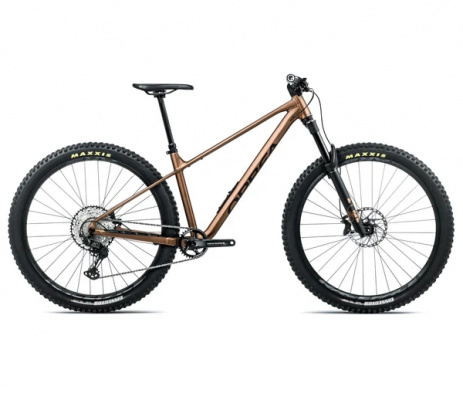
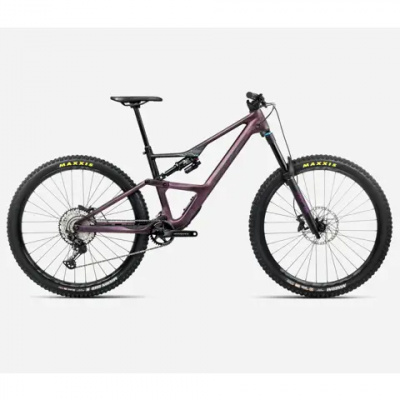
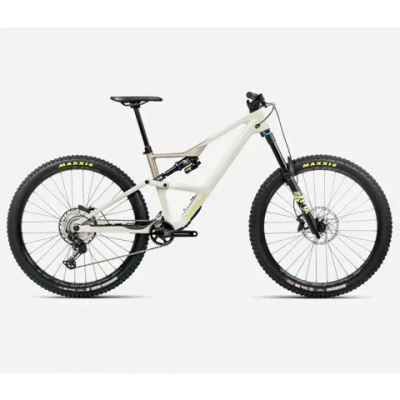
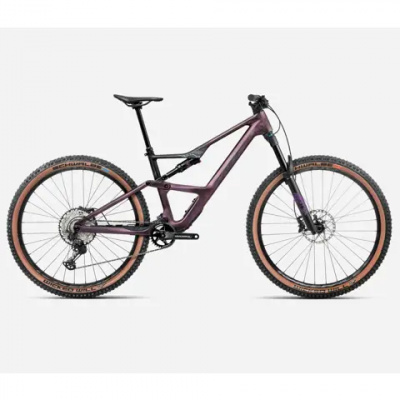
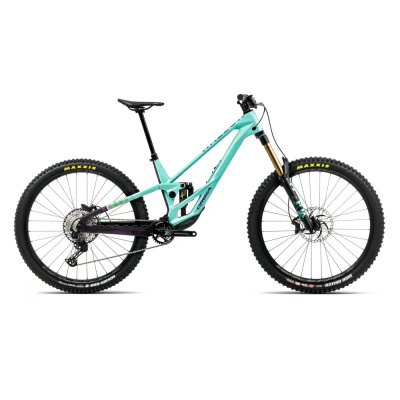
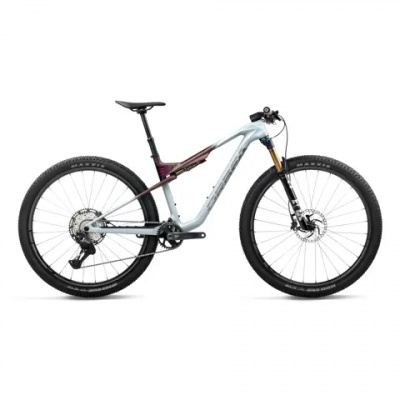
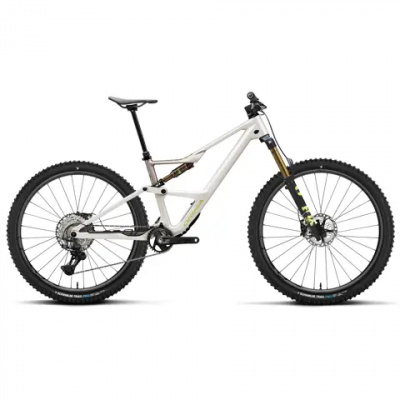
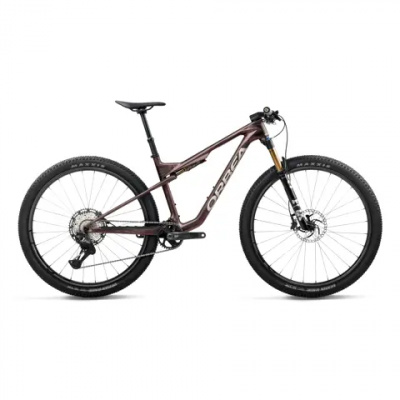
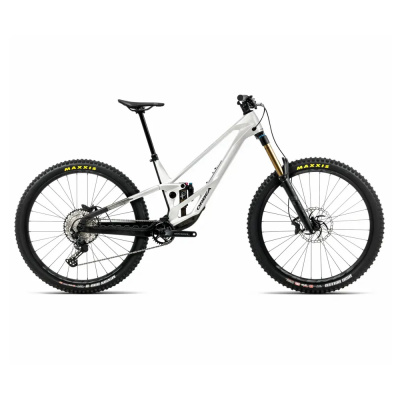
Prices and availability can change quickly. Delivery charges are not always included in listed prices.
Final price, stock status and delivery terms are set by retailer. We may receive a commission on purchases made.
Decoding the Orbea Mountain Bike Lineup
Orbea keeps things logical once you know the system. The acoustic MTB family breaks into four distinct models: the Alma (cross-country hardtail), the Oiz (full-suspension XC), the Occam (trail, offered in SL and LT variants), and the Rallon (enduro). Each has a clear job. The Alma is for riders who want efficiency and low weight on XC circuits or fast singletrack. The Oiz is where Orbea's World Cup programme lives - short-travel, stiff, and obsessed with speed. The Occam SL is a 29er trail bike tuned for playful, all-day riding, while the LT variant adds travel and slacker geometry for rougher days out. The Rallon is the full enduro geometry option - long, low, designed for riders who point downhill first and worry about the climb later.
Spec tiers follow a consistent naming logic. An 'M' prefix - M-Team, M-Pro, M10, M20, M30 - signals a carbon frame. An 'H' prefix (H10, H20, H30) means hydroformed alloy. The number tells you where in the range you sit: lower numbers mean higher spec. So an M10 sits above an M20, and an H10 is better equipped than an H30. It sounds obvious once you know it, but it does make navigating the range much easier. If you're considering something from a different angle - Cannondale mountain bikes use a broadly similar tiering approach - though Orbea's MyO option across much of the carbon range is a genuine differentiator.
The Engineering Behind the Frames
The carbon story at Orbea splits into two distinct layups. OMX (Orbea Monocoque eXtreme) is the top-tier option - ultra-light, maximum stiffness, used where race performance is the priority. It's the layup you'll find on the Oiz M-Team and the top Rallon builds. OMR (Orbea Monocoque Race) is a step down in weight terms but introduces a degree of compliance that makes it genuinely more comfortable over long days. Think of OMX as a track surface optimised for pure speed, and OMR as one that also absorbs the bumps - both are premium, just tuned differently. For most UK trail riders, OMR carbon hits a more usable balance.
The Advanced Dynamics suspension platform is worth understanding properly. It's proprietary software Orbea uses to model and optimise suspension kinematics specific to each frame's intended use - not a universal platform fitted across the range. The Occam and Rallon both run asymmetrical frame designs as part of this, balancing stiffness on the driveside against a more flex-tolerant non-drive layout. It's subtle, but the result is a frame that handles pedalling loads and lateral forces more cleanly than a purely symmetrical design would.
The Concentric Boost 2 (CB2) pivot assembly tidies up the main pivot area significantly. By centralising the pivot bearing, Orbea reduces the leverage that mud and grit can exert on the bearing housing - relevant if you're riding anywhere that actually gets wet, which in the UK is most places most of the time. Paired with SIC (Sealed Internal Cables) routing, which fully encases cable and hose runs within the frame, you get a setup that looks clean and resists ingress better than a standard port-and-grommet system.
For storage, the Lockr system - a dedicated compartment built into the downtube - takes tools, a tube, and a Co2 without bolting anything to the outside of the bike. Practical, tidy, and worth factoring in if you prefer to ride without a pack. Rounding it out, the MyO customisation programme lets you configure paint and component spec at the factory level, which is genuinely unusual at this price point. It's not just colour swatches - you can make meaningful component choices that would otherwise require post-purchase upgrades. If you're already thinking about swapping parts, check what Orbea dropper posts are available through the MyO spec process before you commit.
Riding an Orbea in UK Conditions
A few things are worth flagging before you buy, particularly if you're riding through winter rather than around it. The CB2 pivot does a solid job of managing bearing exposure, but the Occam and Rallon's asymmetrical strut layout creates some tight clearance zones that pack with mud on anything resembling a sloppy day in Afan or the Peak District. Carrying a small brush - the kind that fits in your pack or the Lockr - makes post-ride cleaning faster and keeps the pivot area clear.
The SIC cable routing is genuinely well-sealed and holds up to pressure washing better than most, but headset bearing replacements do require a bit more mechanical patience than on bikes with external routing. It's not a dealbreaker, and most good independent workshops won't blink at it - just factor it in if you're the type who does your own servicing. Standard bearing kits fit fine; it's the access that takes a few extra minutes.
Frame protection on the asymmetrical chainstay is worth sorting early, particularly on the non-drive side where heel rub can mark the carbon. Most aftermarket protection kits cut to fit; Orbea's own protection film is worth considering if you're speccing via MyO. Compared to something like Giant mountain bikes, which tend to use simpler symmetrical layouts, Orbea's frames reward a bit more attention at this point - but the handling payoff is real. Pair the bike with appropriate Orbea handlebars and stems if you want to keep the fit dialled through the same programme, or explore the Orbea gravel range if your riding leans more towards mixed-surface days. Either way, Cube mountain bikes are a reasonable comparison point at similar price brackets if you want an alternative spec-for-spec.
Related searches:
Orbea Mountain Bikes FAQs
Are Orbea mountain bikes any good?
Yes, genuinely. Orbea is a serious Basque brand with World Cup XC results and well-regarded enduro bikes behind it. The build quality is strong across the carbon range, and the MyO programme - which lets you configure paint and components at the factory - adds real value that most brands at this level don't offer.
Where are Orbea mountain bikes made?
Carbon frames are manufactured in Asia, which is standard practice across the premium MTB industry. What sets Orbea apart is that painting, final assembly, and quality control all take place at their headquarters in Mallabia, in the Basque Country of Spain - including all MyO custom builds.
What is the difference between Orbea OMR and OMX carbon?
OMX is Orbea's lightest, stiffest carbon layup - built for racing where every gram counts. OMR is marginally heavier but introduces a degree of compliance that suits longer, rougher rides. For most trail riders in the UK, OMR hits a more practical balance; OMX is the choice if you're chasing podiums or lap times.