
Trek Mountain Bikes
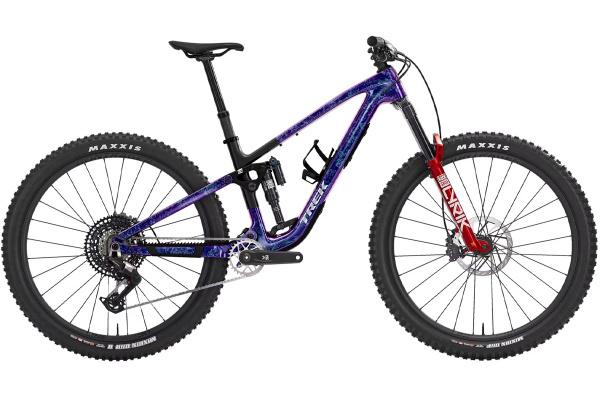
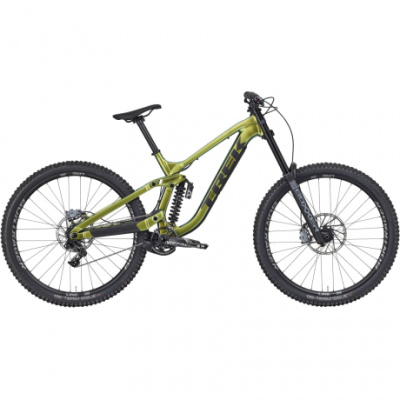
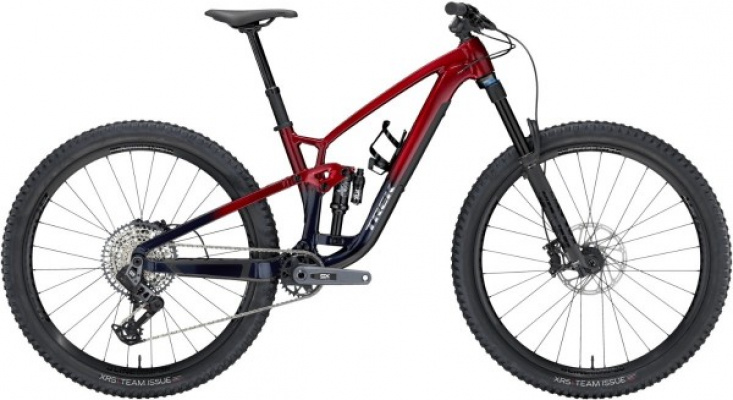
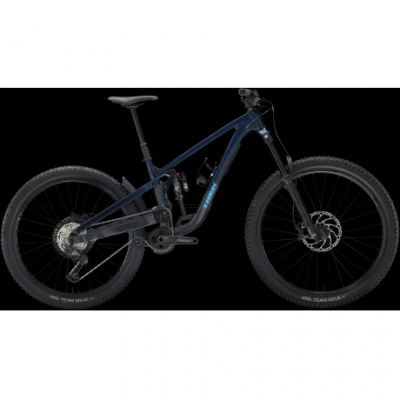
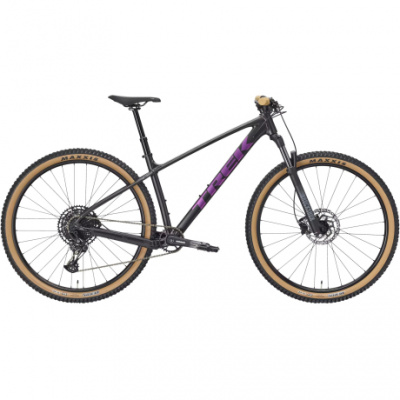
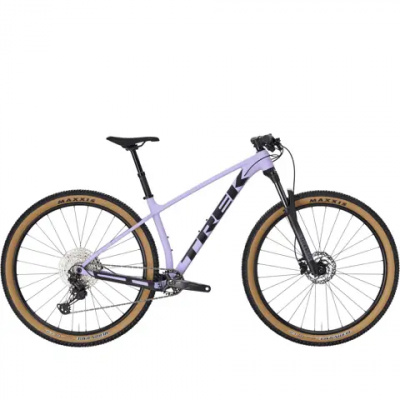
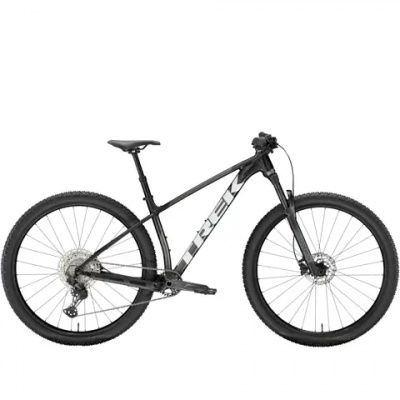
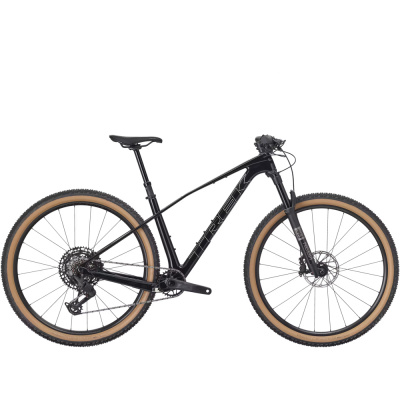
Trek Mountain Bikes cover more ground than almost any other brand in the game - from the entry-level Marlin hardtail you'd grab for your first blast around a local trail centre, to the World Cup-grade carbon full-suspension rigs that proper racers actually race. That breadth is genuinely useful when you're trying to find the right bike rather than just the right price point.
The range splits cleanly into hardtails and full-suspension, with frames built from either Alpha Platinum Aluminium or Trek's off-road-specific OCLV Mountain Carbon layup. Across the full-suspension lineup, you'll find proprietary tech like the Active Braking Pivot (ABP) and Mino Link geometry adjustment built into bikes at surprisingly accessible spec levels - not just the flagship stuff.
A quick note on scope: if you're after pedal-assist power - the Trek Rail or Powerfly territory - that's covered on our dedicated Trek E-Bikes page. Younger riders are sorted on our Trek Kids Bikes page. What follows is purely the human-powered MTB lineup, mapped out so you can make a straight call on which family suits your riding.
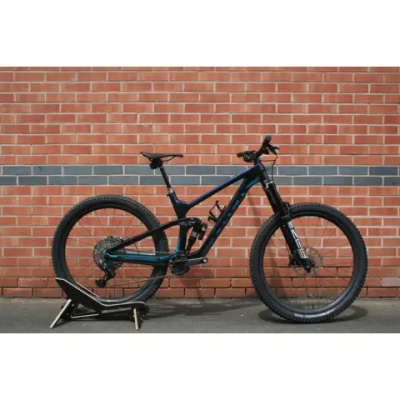
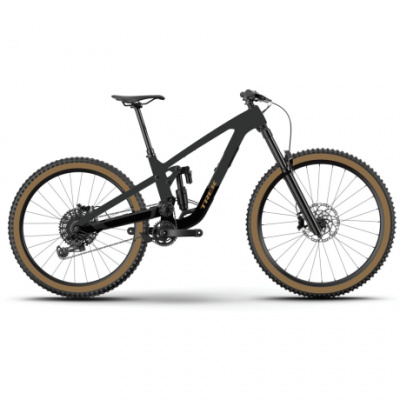
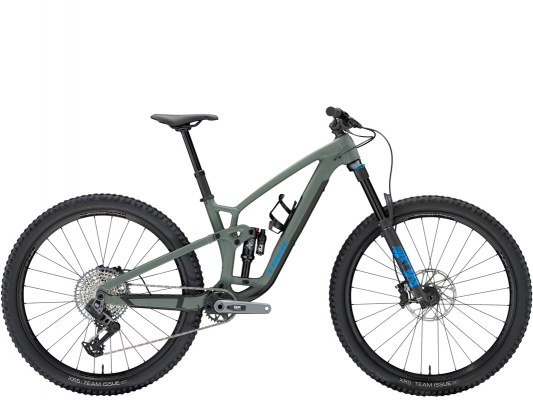
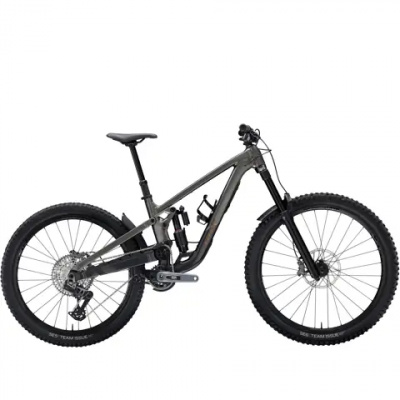
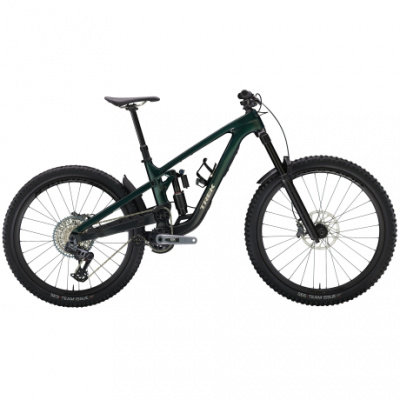
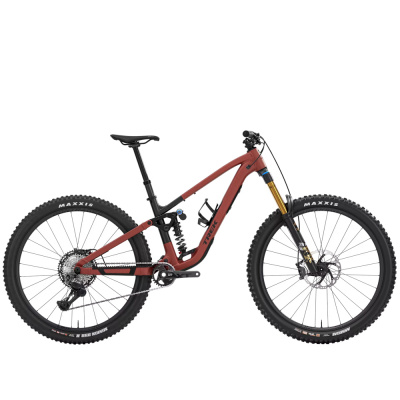
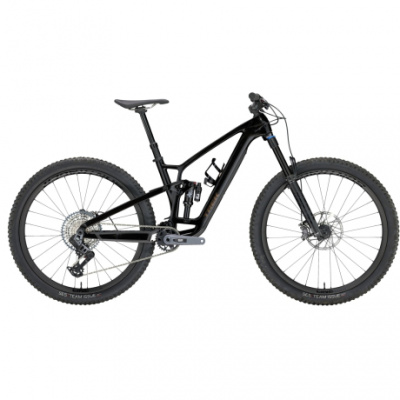
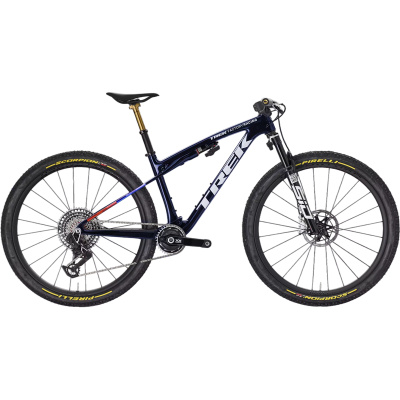
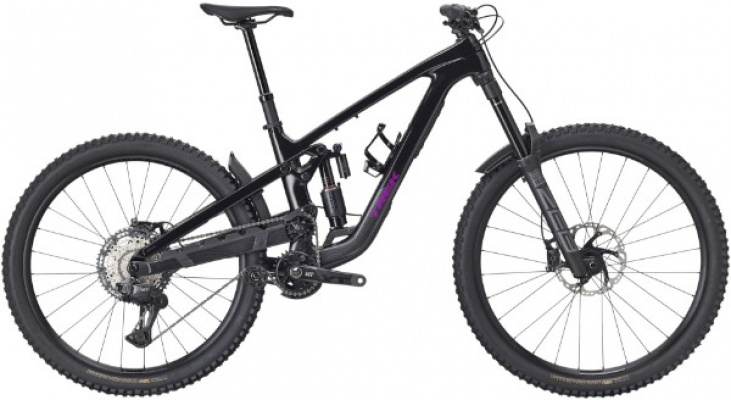
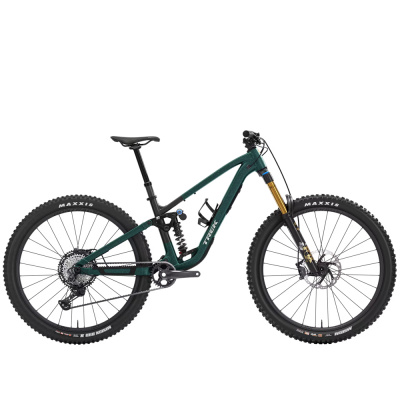
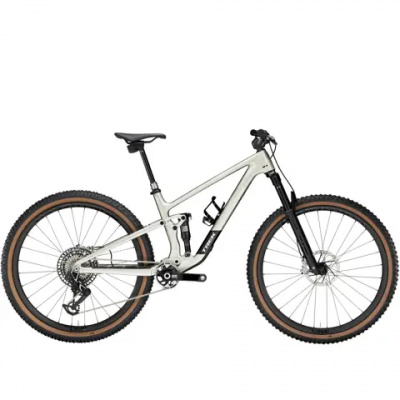
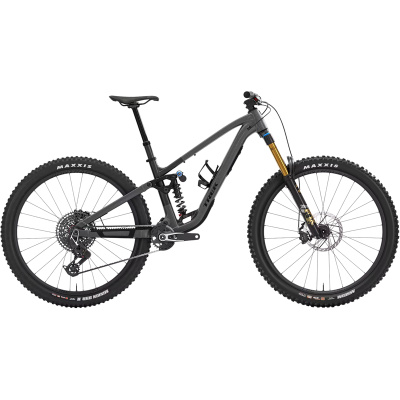
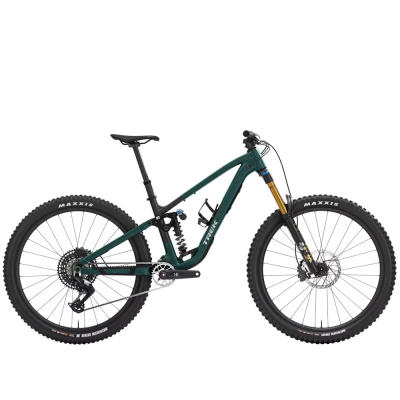
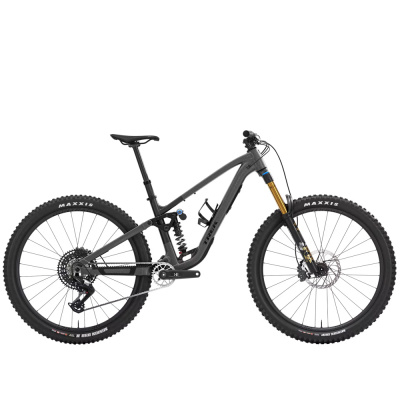
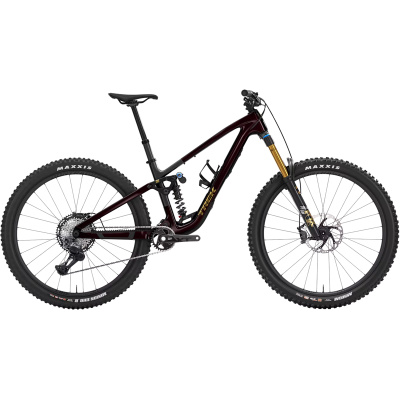
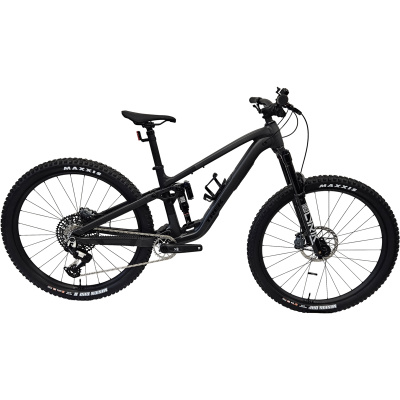
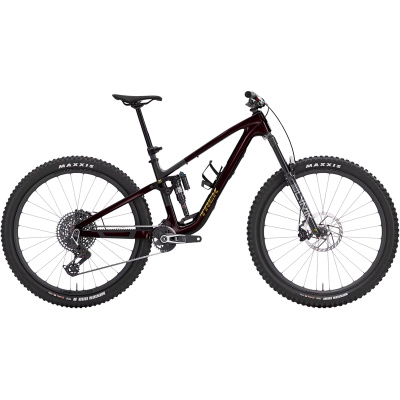
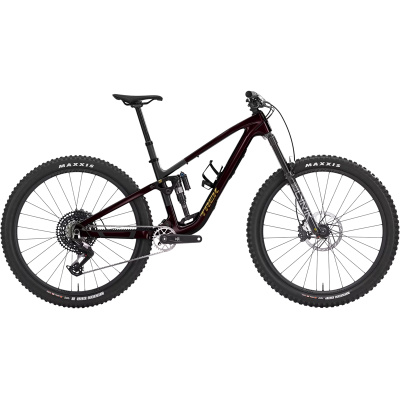
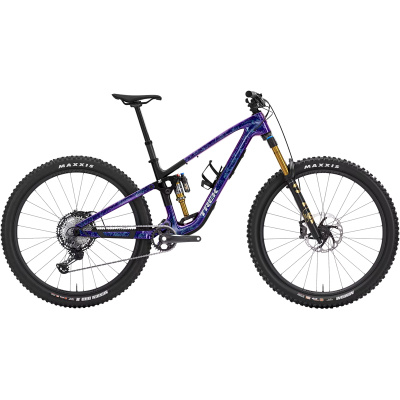
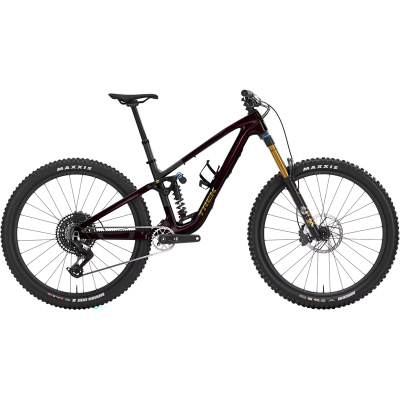
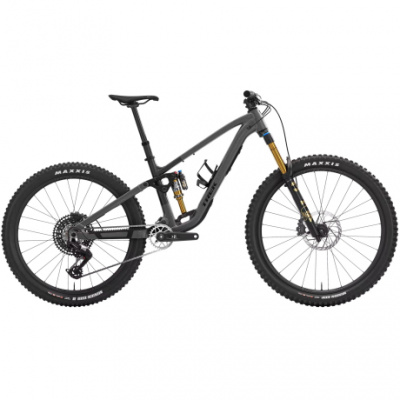
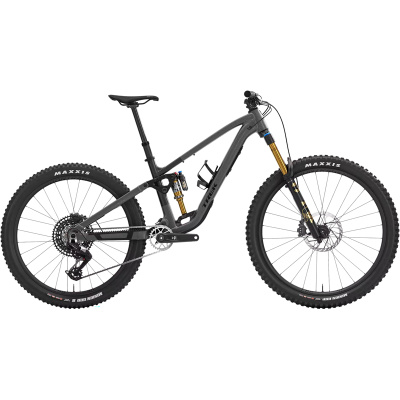
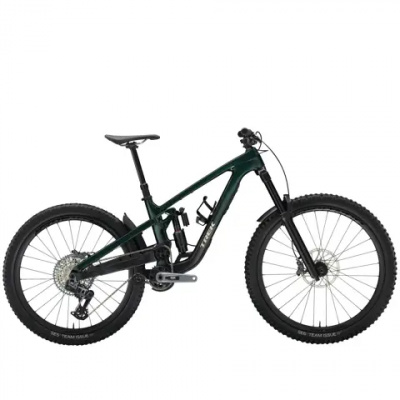
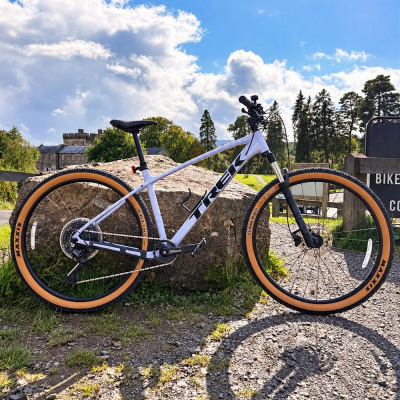
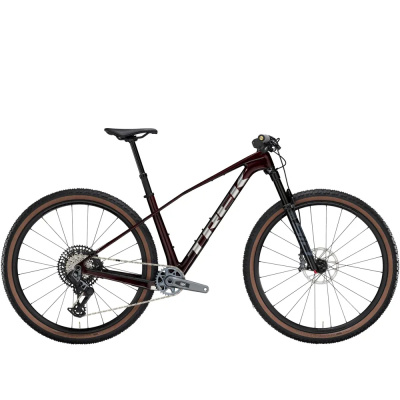
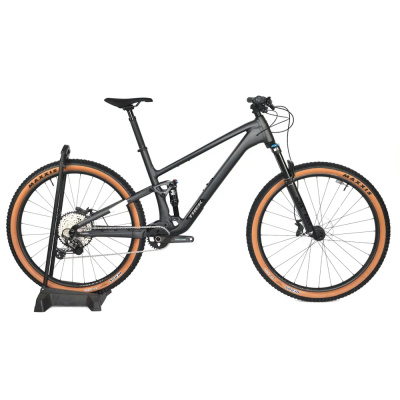
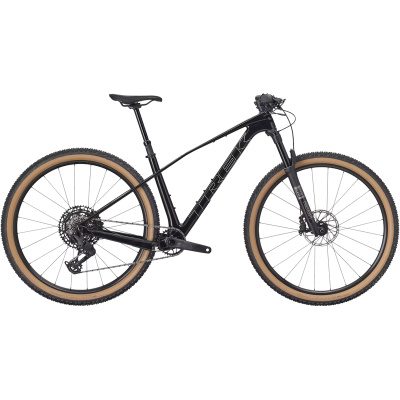
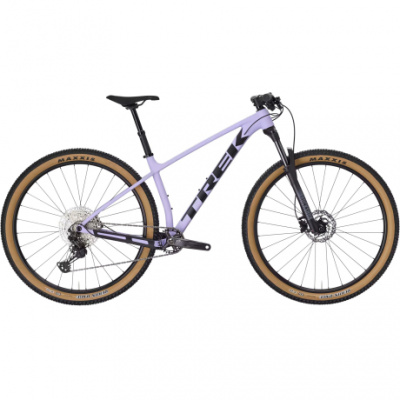
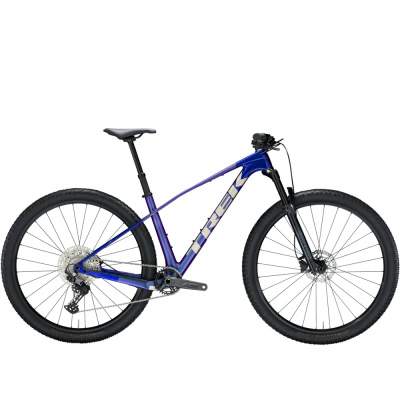
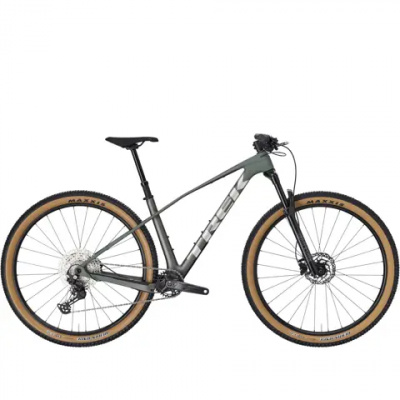
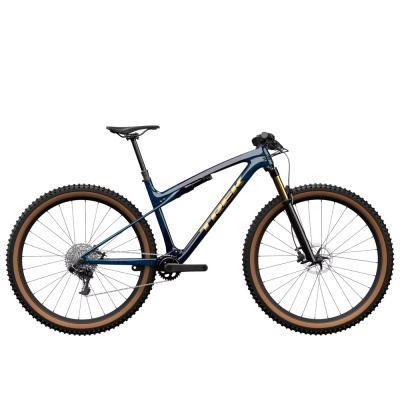
Prices and availability can change quickly. Delivery charges are not always included in listed prices.
Final price, stock status and delivery terms are set by retailer. We may receive a commission on purchases made.
Decoding the Trek Mountain Bike Lineup
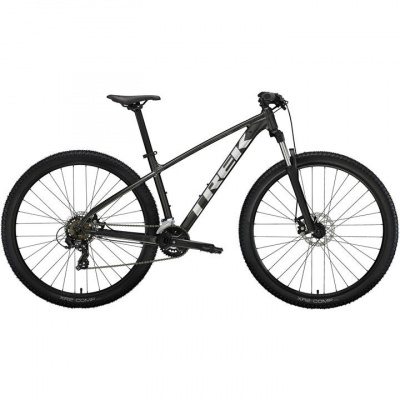
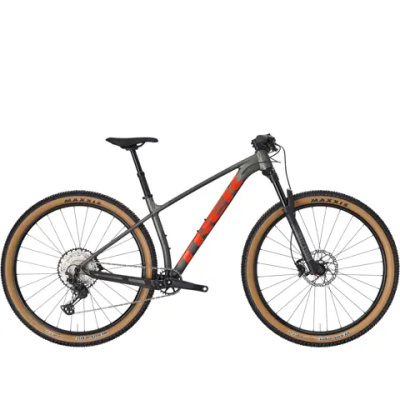
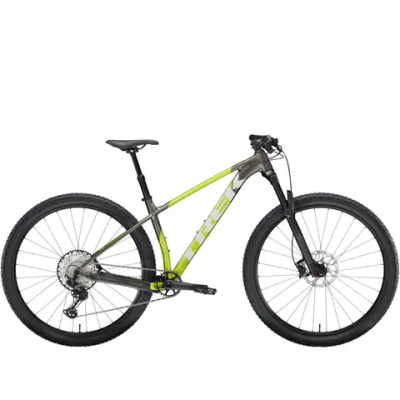
Trek Mountain Bikes are organised into clearly defined families, and once you understand the logic, picking a direction gets a lot simpler. On the hardtail side, the Marlin is the entry point - a cross-country oriented bike that handles light singletrack, gravel paths, and the occasional commute without complaint. It's not built for aggression; it's built for versatility and getting you riding. The Roscoe sits alongside it but is a different animal entirely: slacker geometry, more suspension travel, and wider rubber make it a proper trail hardtail for riders who want to push things on technical ground. Think of the Marlin as your all-rounder and the Roscoe as your first step into genuinely aggressive off-road riding.
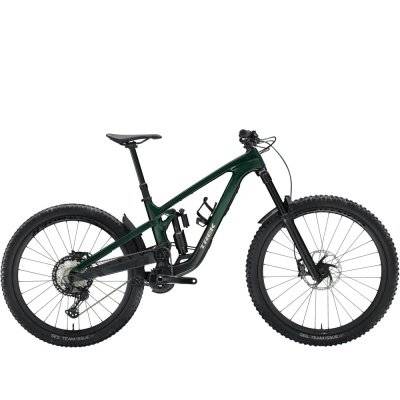
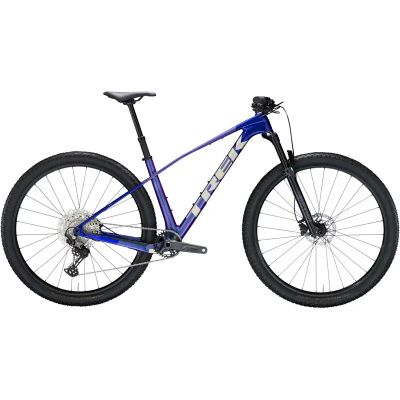
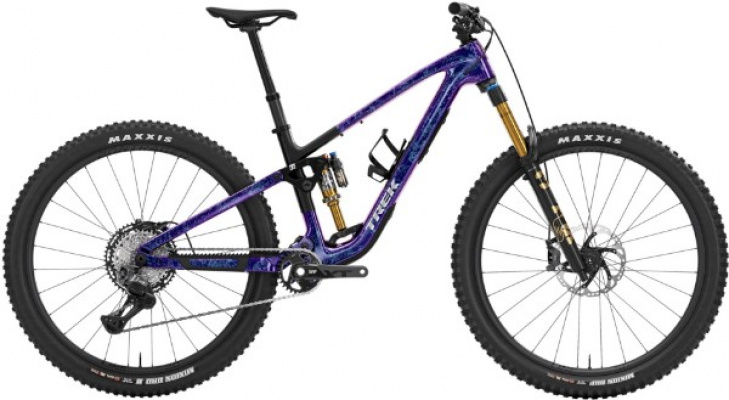
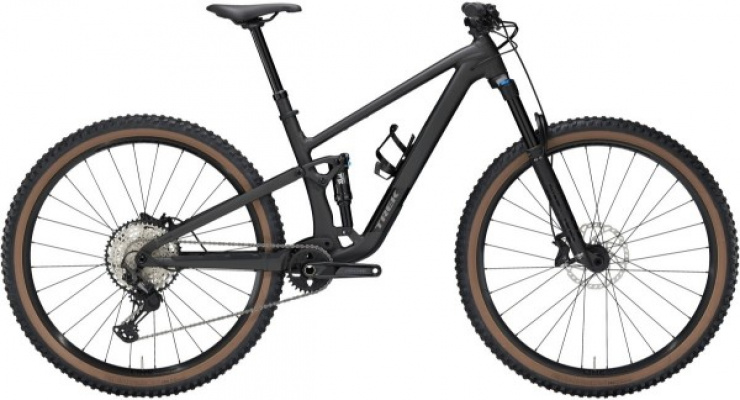
On the full-suspension side, three families handle three distinct jobs. The Top Fuel is Trek's downcountry and XC racing option - light, fast, and built for riders who want full-suspension comfort without dragging extra weight uphill. The Fuel EX is the do-it-all trail bike that most UK riders will find themselves drawn to: capable on descents, efficient enough to climb, and versatile across everything from Surrey Hills flowy singletrack to proper Welsh trail centre blacks. Then there's the Slash, which is the long-travel enduro sled for riders who prioritise descent performance above all else and don't mind working a bit harder on the climbs.
The numbering system is worth decoding too. Models numbered 5 through 8 use Alpha Platinum Aluminium frames with ascending component specifications as the number climbs. Once you hit 9.7, 9.8, and 9.9, you're into OCLV Mountain Carbon frames paired with elite-tier groupsets and suspension. That carbon jump makes a meaningful difference in weight and ride quality - but the aluminium bikes are no afterthought, and many riders find the mid-range aluminium Fuel EX hits the most sensible price-to-performance ratio for British trail riding.
If you're weighing Trek against alternatives, Giant mountain bikes and Cube mountain bikes occupy similar territory and are worth a look for direct comparison.
The Tech Behind the Bikes
Trek's proprietary suspension and frame technology is more than badge engineering - most of it solves real problems that show up on actual rides. The standout piece is Active Braking Pivot (ABP), which places the rear suspension pivot concentric with the rear axle. What that means practically: when you grab a fistful of brake on a technical descent, the rear suspension doesn't stiffen and kick. It stays active, tracking the ground rather than locking up and deflecting. On rough, rooty British descents where you're often braking and absorbing bumps at the same time, that's a tangible advantage.
The Mino Link flip-chip is one of Trek's most rider-friendly bits of design. It's a reversible pivot nut built into the rear linkage that, when flipped, slackens the head tube angle by 0.5 degrees and drops the bottom bracket height by up to 10mm. In practical terms, you're choosing between a slightly more aggressive, confident descending position and a snappier, more efficient climbing setup. It takes minutes to switch with basic tools, and it's the kind of adjustment that can genuinely change how a bike feels on your local loop without spending anything.
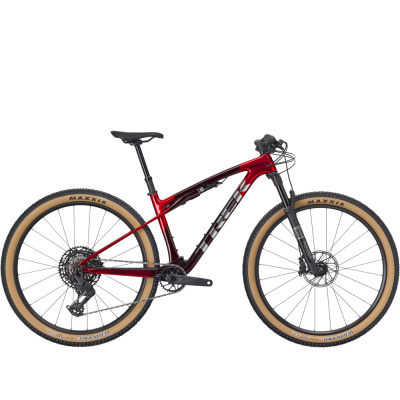
For XC racers eyeing the Supercaliber, IsoStrut is the piece of tech to understand. Rather than a conventional rear shock and linkage, IsoStrut integrates the shock structurally into the seatstay, keeping the rear end incredibly stiff and light while still offering compliance. It's a very specific solution for a very specific rider - if you're chasing lap times rather than line choice, it makes sense.
The Knock Block headset system is easy to overlook but earns its place. It's a mechanical steering stop built into the headset that prevents the fork crown from slamming into the downtube if you go over the bars or the front wheel gets kicked sideways in a crash. Frame protection on the top tube is smart, too - worth pairing with Trek frame protection if you're riding in rocky or technical conditions.
Living with a Trek MTB in the UK
British riding conditions put specific demands on any bike, and Trek's lineup handles most of them well - with a few things worth knowing before you commit. Modern Trek trail bikes, particularly the Fuel EX range, offer generous tyre clearance for 2.5 and 2.6-inch rubber. That's not a small detail when you're dealing with Peak District grit or Welsh winter clay that packs into narrower clearances and turns your wheel into a deadweight. Running a proper mud tyre without fighting the frame is something you'll appreciate by November. Check out the options on our Trek MTB tyres page when you're speccing up.
The ABP pivot is robust, but it sits directly in the path of rear-wheel spray - which in UK winter conditions means a steady diet of grit and silt. Get into the habit of cleaning and regreasing those bearings regularly, particularly if you're riding Peak District gravel tracks or anything that stays wet from October through March. It's not a weakness, just maintenance that pays off.
The Knock Block system does its job well, but if you regularly ride ultra-tight, slow-speed switchbacks - the kind you find on some natural woodland trails in the Lake District or on classic Welsh bridleways - it's worth being aware that it can occasionally limit extreme steering lock at very low speeds. In practice, most riders never notice it, but it's the sort of thing that's better to know about than discover mid-manoeuvre.
Away from the bike itself, getting the controls sorted early makes a difference. Good grips and a set of mudguards - front at minimum - transform a Trek trail bike for year-round UK use. And if you're also weighing up a gravel setup, Trek's range extends there too: Trek gravel bikes are worth a look once you've sorted your MTB choice.
Related searches:
Trek Mountain Bikes FAQs
Are Trek mountain bikes good?
Trek sit firmly at the top end of the global market. Their frames go through rigorous testing, they back everything with a lifetime warranty on the frame, and the range spans from dependable entry-level hardtails to carbon race machines that win at World Cup level. You're not paying for the badge - the engineering is genuinely there.
What is the difference between Trek Marlin and Roscoe?
The Marlin is a cross-country hardtail - great for mixed-use riding, light trails, and getting into mountain biking without overcomplicating things. The Roscoe is built specifically for aggressive trail riding: slacker head angle, longer travel fork, and wider tyres. If you're planning to ride anything technical or steep, the Roscoe is the more capable tool.
How does Trek Mino Link work?
Mino Link is a reversible flip-chip built into the rear suspension linkage. Flip it one way and you get a slacker head angle and lower bottom bracket - better for confident descending. Flip it back and the geometry tightens up for climbing efficiency. It shifts the head tube angle by 0.5 degrees and bottom bracket height by up to 10mm. Basic tools, a few minutes, done.