
Giant E-Bikes
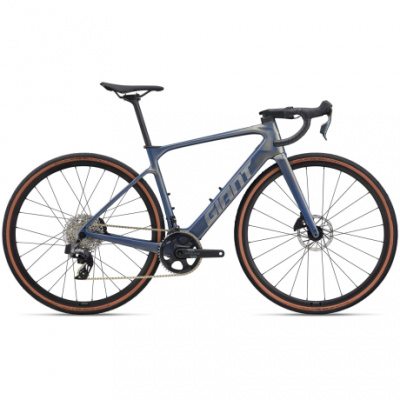
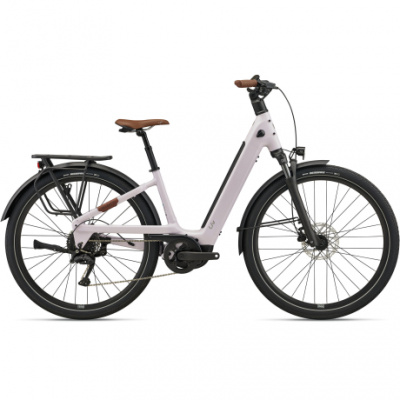
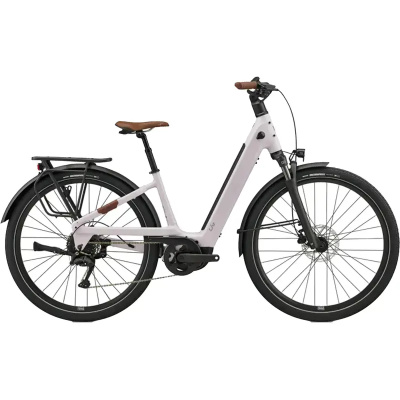
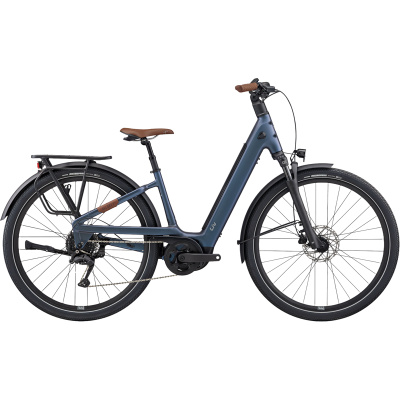
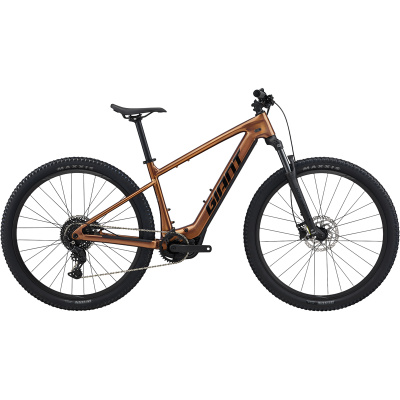
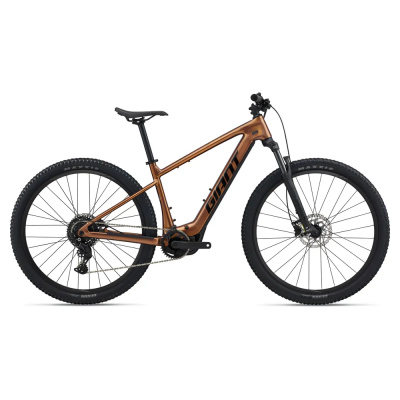
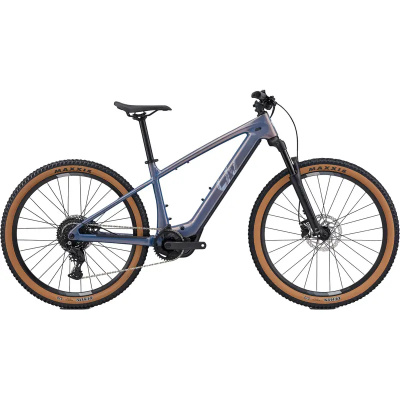
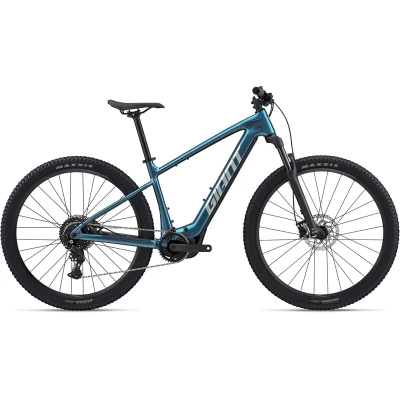
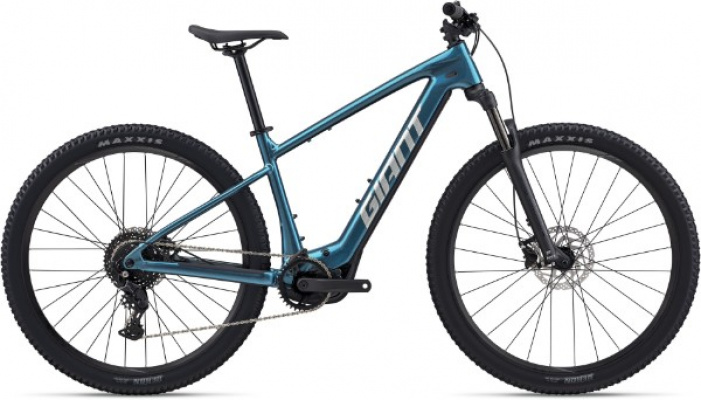
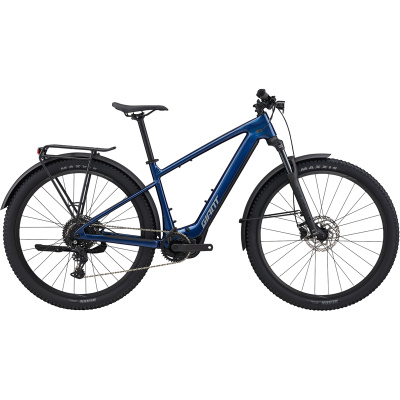
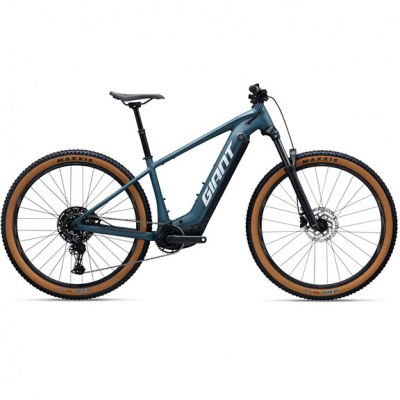
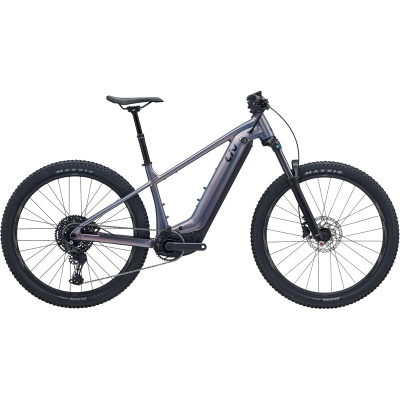
Giant E-Bikes sit at a rare intersection: world-class frame manufacturing, motors co-developed with Yamaha, and suspension kinematics that actually account for the extra mass an electric drivetrain brings. That's not marketing copy - it's why Giant consistently appears at the sharper end of e-bike conversations, from trail centre car parks to urban cycle routes. The range splits cleanly between trail-focused machines and road or hybrid commuters, with each family using Giant's own SyncDrive motor platform rather than bolting on an off-the-shelf unit. On the e-MTB side, the Maestro suspension geometry is tuned specifically for e-bike weight distribution, so the bike feels composed rather than wallowy when you're pushing hard through rough ground. For commuters, the Explore E+ brings integrated practicality - mudguards, lighting mounts, a stable riding position - to the daily grind of wet British roads. Frames are built from either ALUXX SL aluminum or Advanced-grade composite depending on the model, keeping weight in check without compromising stiffness where it counts. If you want an electric bike that feels considered rather than cobbled together, Giant's lineup deserves serious attention.
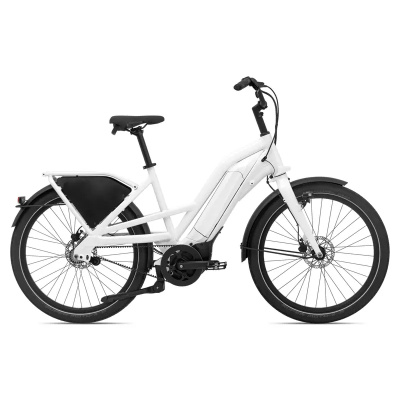
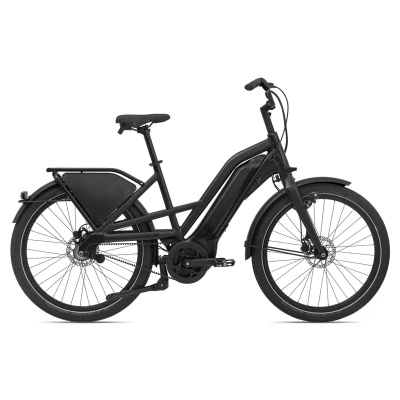
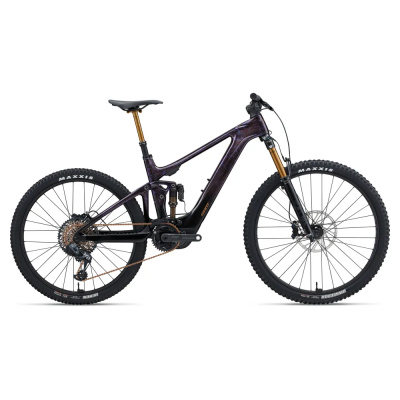
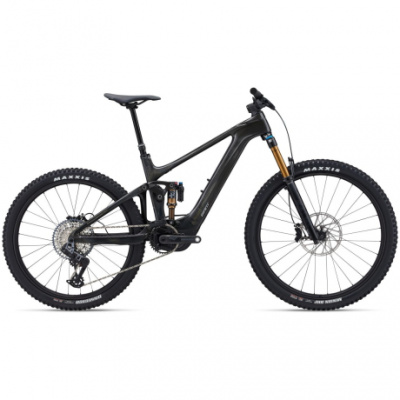
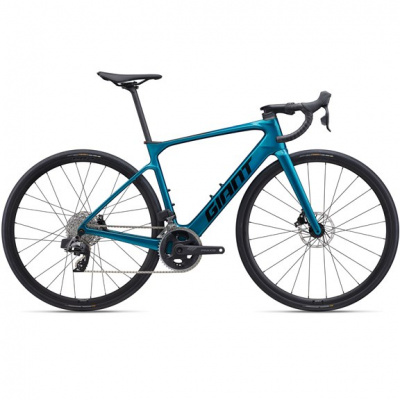
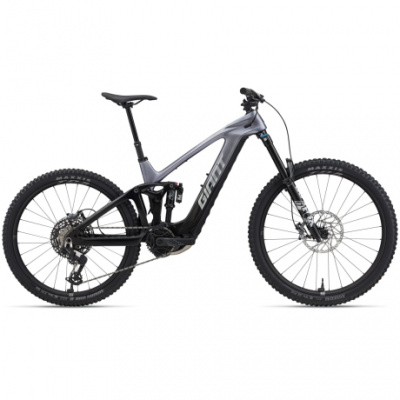
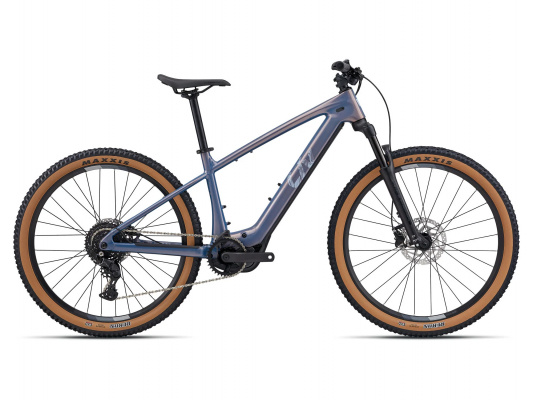
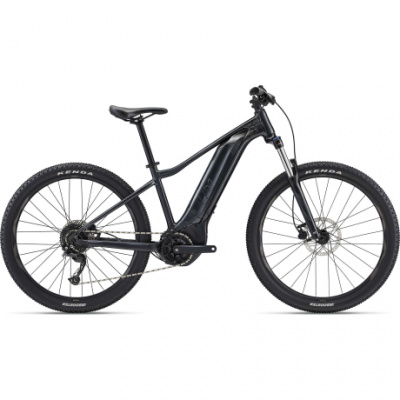
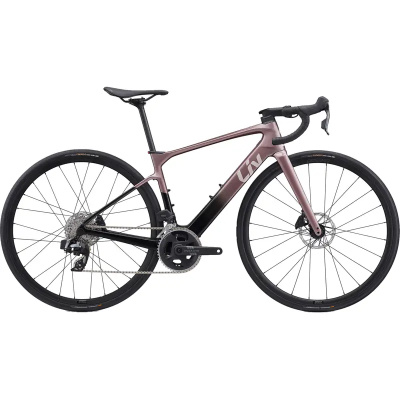
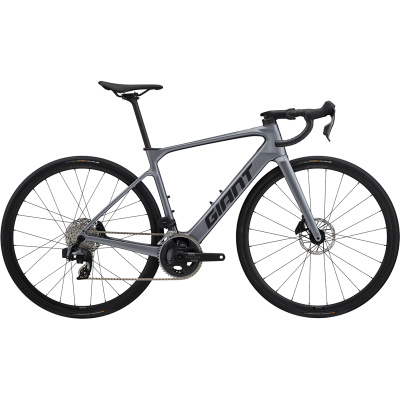
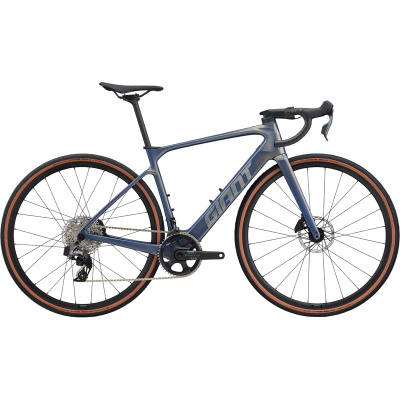
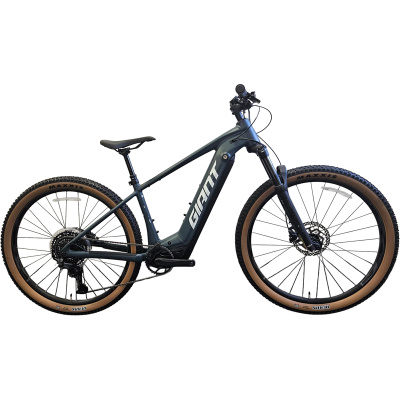
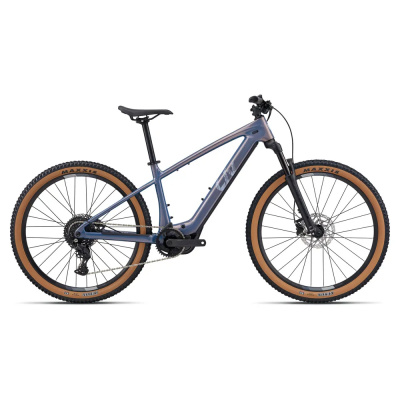
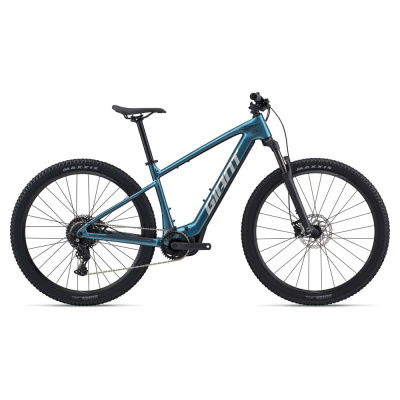
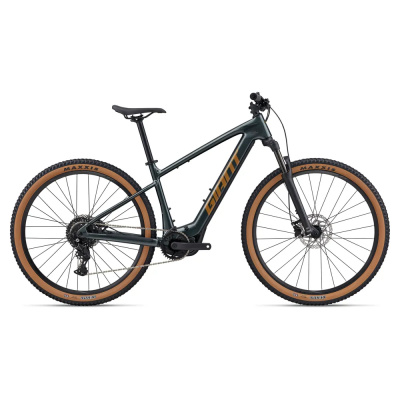

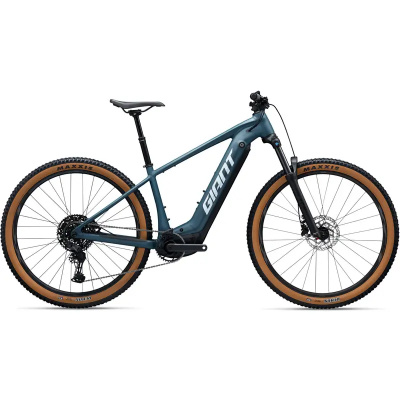
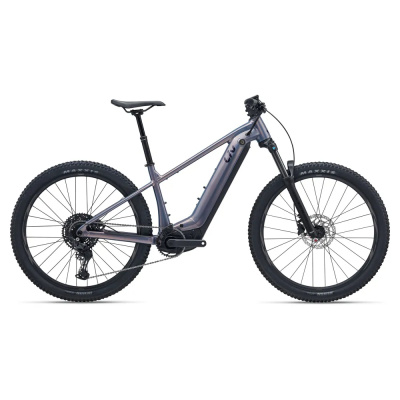

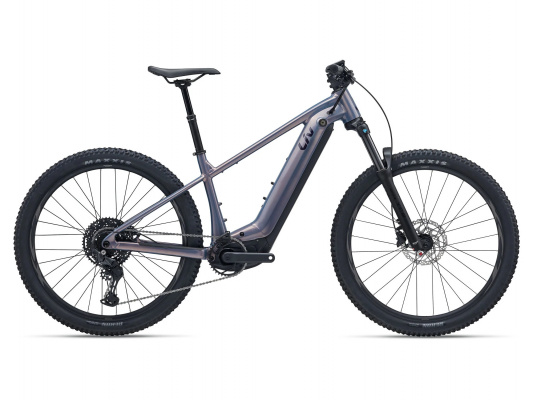
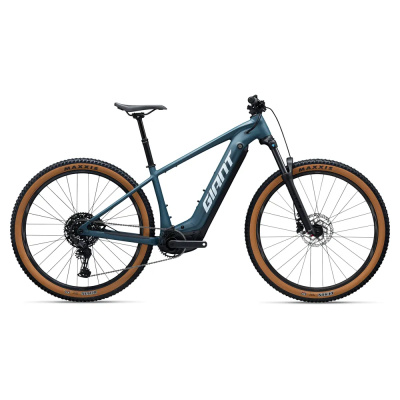
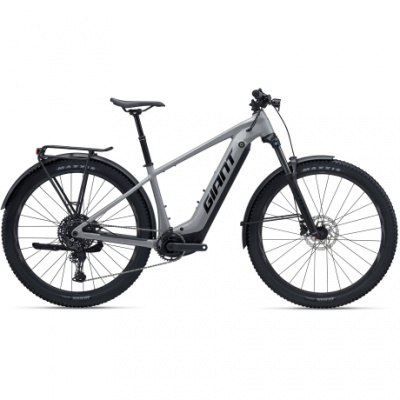
Prices and availability can change quickly. Delivery charges are not always included in listed prices.
Final price, stock status and delivery terms are set by retailer. We may receive a commission on purchases made.
Decoding the Giant E-Bike Lineup
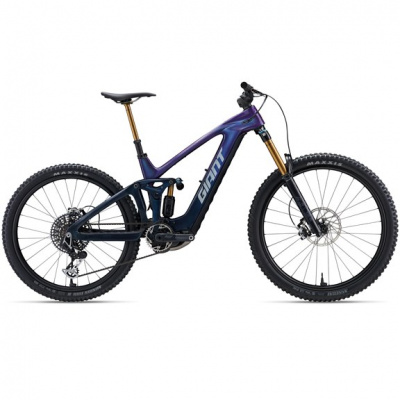
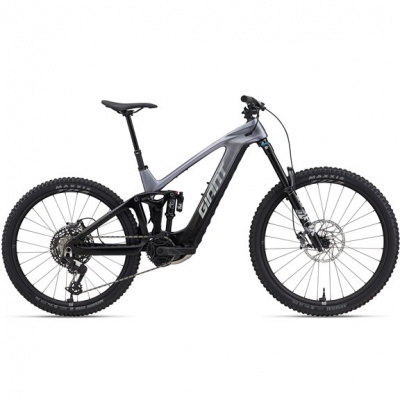
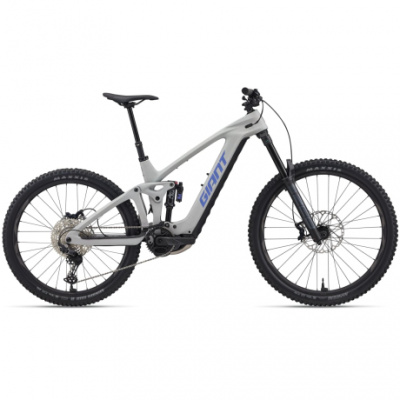
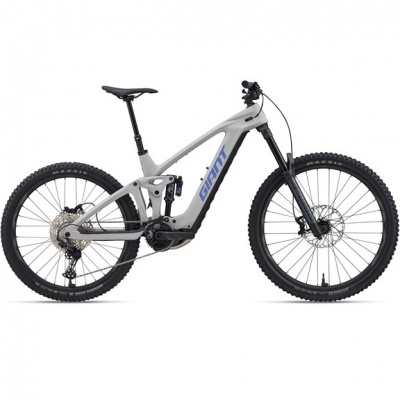
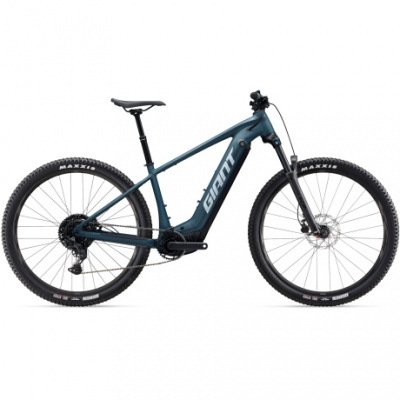
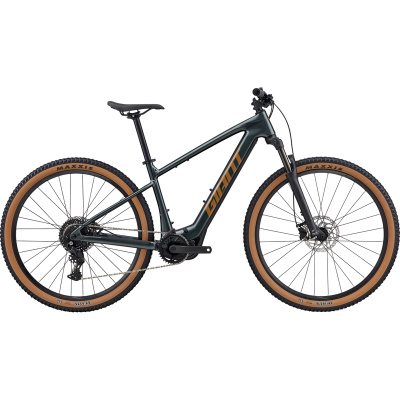
Giant electric bikes UK riders will encounter broadly fall into two camps: off-road and on-road. Within the e-MTB world, the hierarchy runs from the Reign E+ at the enduro end - slack geometry, big travel, built for consequence - down through the Trance X E+ for all-day trail riding, and the Stance E+ as the more accessible entry point into full-suspension electric mountain biking. The Stance E+ uses a simpler suspension layout to keep costs down, which makes it a sensible first step, but riders who spend serious time on technical ground will feel the difference in mid-stroke composure compared to the Trance X E+.
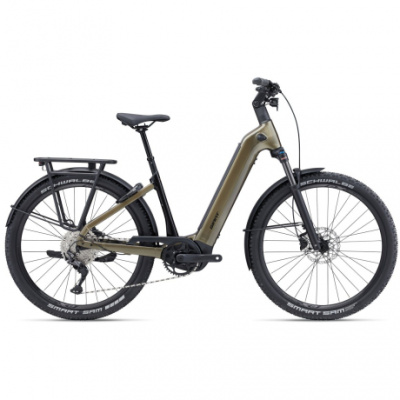
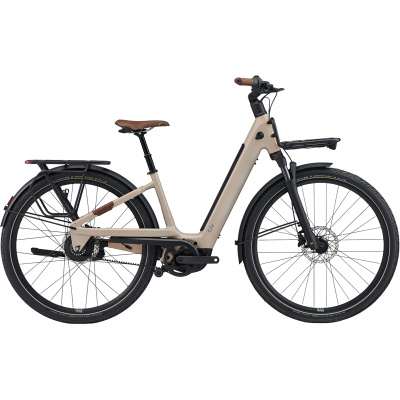
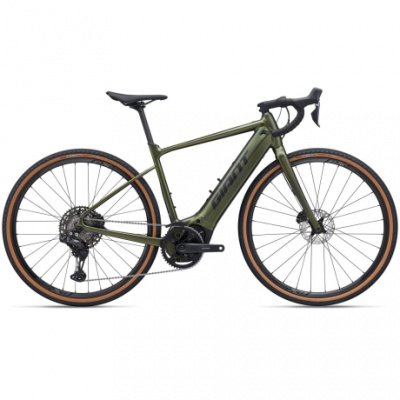
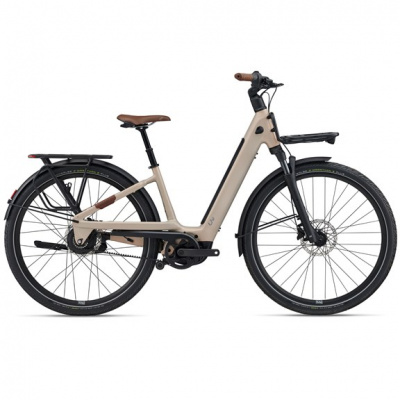
On the hybrid and commuter side, the Explore E+ is Giant's answer to the practical daily rider: a stable, upright machine with mounts for mudguards, racks, and lights, designed to handle wet commutes rather than podium finishes. The FastRoad E+ takes a sportier line, with a more aggressive position and lighter build for riders who want pace on tarmac without going full road bike.
Motor trim levels follow a clear pattern. The SyncDrive Pro is the performance unit - 85Nm torque, sharper power delivery, tuned for riders who want genuine assistance on steep climbs and technical ground. SyncDrive Sport and SyncDrive Core step down in output and are smoother, better suited to mixed-use riding and longer, flatter routes where a more measured power curve feels natural rather than intrusive. Matching the motor tier to how you actually ride matters more than most people realise; running a SyncDrive Pro on a flat canal path feels like using a sledgehammer to crack a nut. Comparing Giant's motor options to the broader market, brands like Cube E-Bikes and Cannondale E-Bikes use third-party Bosch or Shimano EP8 systems - both excellent, but without the same level of frame-to-motor integration Giant achieves through the Yamaha co-development programme.
The Giant Tech Philosophy: SyncDrive & Maestro
Giant's SyncDrive motors are co-developed with Yamaha, which means the hardware is shaped to Giant's own specifications rather than shared wholesale across dozens of other brands. The result is a motor that feels more directly connected to the frame's character - power delivery that matches the geometry rather than fighting it. At 85Nm torque on the Pro variant, it's strong enough to make the Peak District's steeper technical climbs feel manageable without the motor sensation overwhelming the ride. The cadence and torque sensors work together to keep pedal assist feeling progressive rather than on-off, which is the difference between a bike that's enjoyable to ride and one that just moves you forward.
Maestro suspension, used across the full-suspension e-MTB range, uses dual-link kinematics that Giant has specifically retuned for e-bike weight distribution. A standard Maestro frame designed for an analogue trail bike would feel under-damped and prone to bob when loaded with a motor and battery. Giant's e-bike-specific calibration adds mid-stroke support without killing small-bump sensitivity - you don't have to choose between pedalling efficiency and descending composure. It's a meaningful distinction, and one worth understanding if you're comparing the Trance X E+ to something like a Boardman electric bike with a simpler linkage setup.
On battery and display systems: Giant uses proprietary EnergyPak Smart batteries integrated into the downtube, and RideControl units for on-bike control and app connectivity. These are detailed technologies in their own right - for replacement EnergyPak units, chargers, and RideControl display upgrades, head to our dedicated Giant E-Bike Batteries, Giant E-Bike Chargers, and Giant E-Bike Displays pages.
Living with a Giant E-Bike in the UK
A Giant electric mountain bike in a Welsh winter is going to collect mud in places you didn't know existed. The Maestro linkage bearings are a specific point to watch - the dual-link design has more pivot points than a simple single-pivot layout, and UK grit combined with regular wet riding will accelerate wear if you're not greasing them on a reasonable schedule. It's not a flaw, it's just physics. Keep a bearing service in your seasonal maintenance plan and the linkage will stay tight and creak-free.
Mud clearance on the Stance E+ is adequate for most trail conditions but can get sticky in genuinely heavy going - chunky mud that builds up around the stays. If you're regularly riding claggy ground rather than hardpack, it's worth checking tyre clearance and being realistic about what the bike is designed for. The Trance X E+ handles dirtier conditions more confidently, partly due to geometry and partly because higher-spec builds typically come with more aggressive rubber fitted from the factory.
For commuters on the Explore E+, the integrated mounting points for kickstands and mudguards are genuinely useful rather than token additions - British commuting infrastructure rarely offers the clean surfaces that make unguarded bikes bearable. If your bike arrives without full mudguard coverage, fit them. A wet back is annoying; a wet back on a twenty-mile commute is a different conversation entirely.
One sizing note worth flagging: Giant frames can run slightly generous in reach, particularly in the mid-sizes. If you're between sizes, especially on the trail bikes, it's worth checking reach numbers against your current fit before committing. A 5mm difference in stem length can resolve it, but it's easier to know going in than to puzzle it out later.
Giant E-Bikes FAQs
Are Giant e-bikes any good?
Genuinely, yes. Giant's reputation comes from tight integration between frame, motor, and suspension - not just bolting a motor onto an existing design. The ALUXX SL and Advanced Composite frames are well-built, the SyncDrive motors deliver natural pedal assist, and the range covers both trail riding and daily commuting with real competence. They're consistently rated highly in the UK market for reliability and value.
What motor does Giant use on their e-bikes?
Giant uses their own SyncDrive motors, co-developed with Yamaha. They're not off-the-shelf units - they're tuned to Giant's specific frame and geometry requirements. The SyncDrive Pro delivers up to 85Nm torque for technical and steep riding, while the SyncDrive Sport and Core are calibrated for smoother, more everyday use.
How long does a Giant e-bike battery last?
On a single charge, a Giant EnergyPak Smart battery typically covers 40 to 80 miles depending on assist mode, rider weight, and how hilly your route is. Over time, the batteries are rated for more than 1,000 charge cycles before meaningful capacity loss kicks in - so for most riders, the battery will outlast several sets of tyres and drivetrain components.