
Voodoo Mountain Bikes
Voodoo mountain bikes have earned a reputation as one of the most capable, no-nonsense choices in the UK's entry-to-mid-level trail market - and it's not hard to see why. Rooted in the geometry principles of Mountain Bike Hall of Fame designer Joe Murray, Voodoo has always prioritised how a bike actually rides over how it looks on a spec sheet. Slack head angles, steep seat tubes, and proper 1x drivetrains on frames that cost a fraction of what the big brands charge. That's the deal.
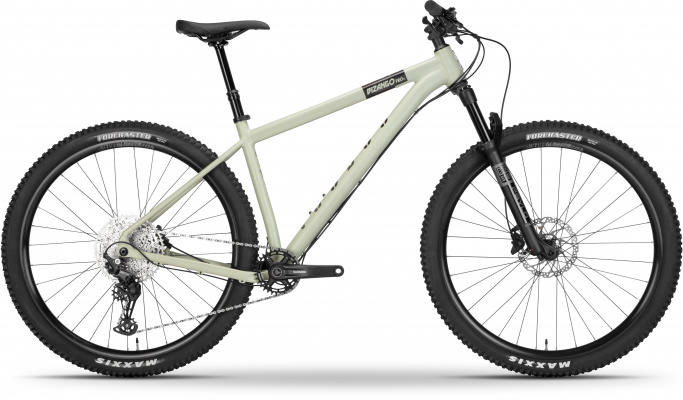
The range is headlined by the Bizango, a 29er hardtail that has collected more awards in its price bracket than most bikes twice the price. But there's more to Voodoo than one model. From the approachable Braag - a solid first trail bike - through to the Canzo full-suspension, the lineup covers a decent spread of riding styles and budgets. Whether you're planning your first trip to Coed y Brenin or just want a reliable hardtail that won't dissolve in a Yorkshire winter, Voodoo puts genuinely modern geometry and dependable components within reach. We've dug into the range so you can cut through the noise and find the right bike for your riding.
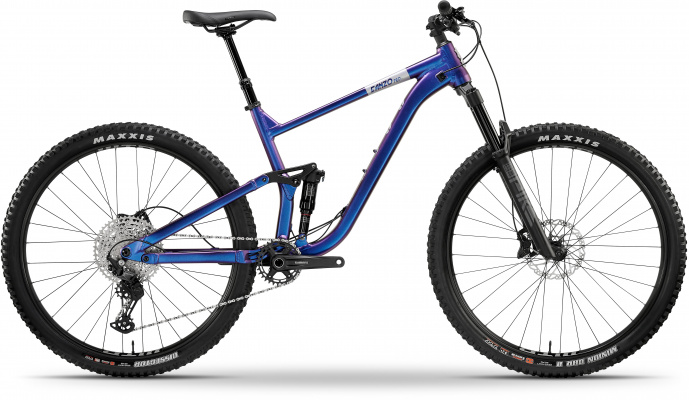
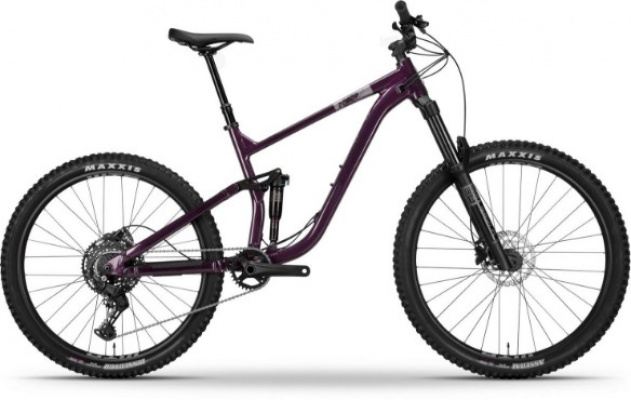
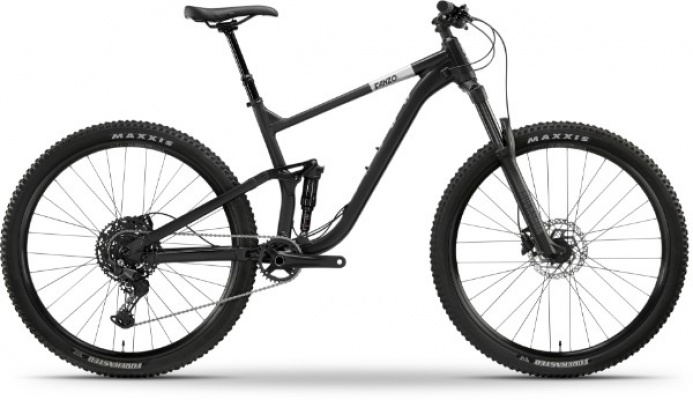
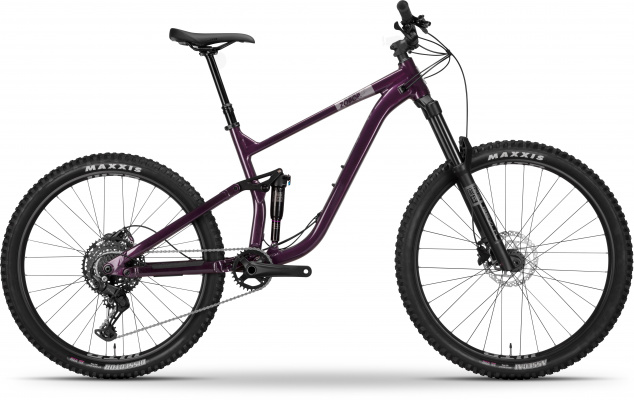
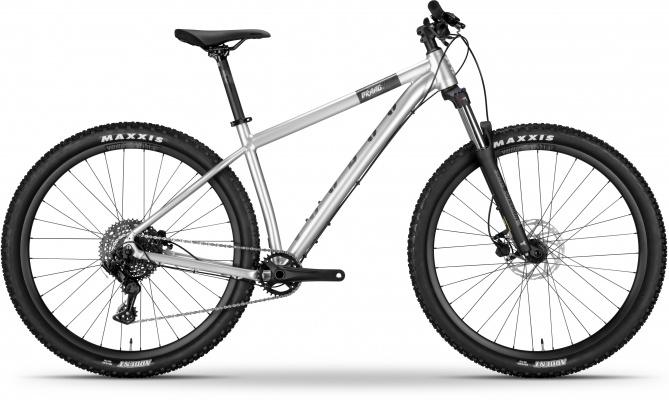
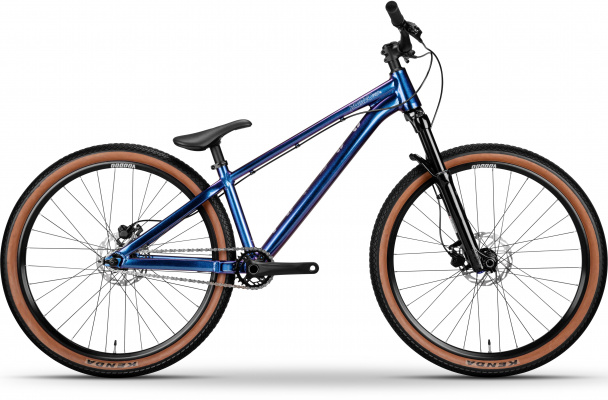
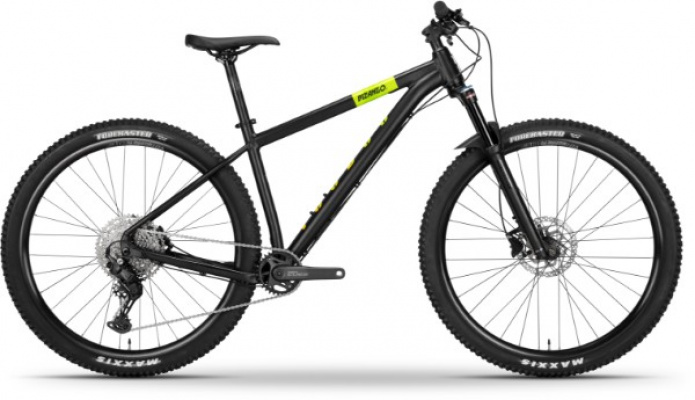
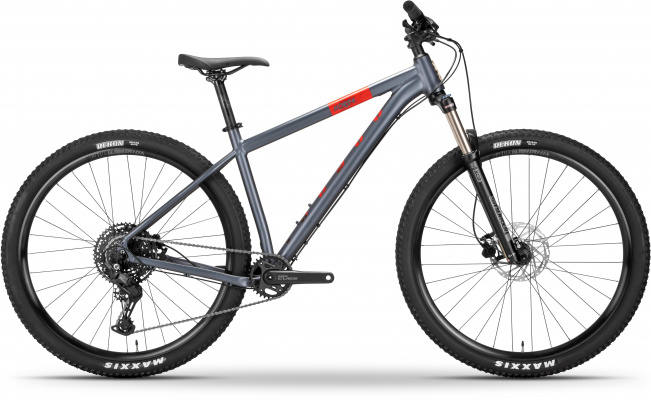
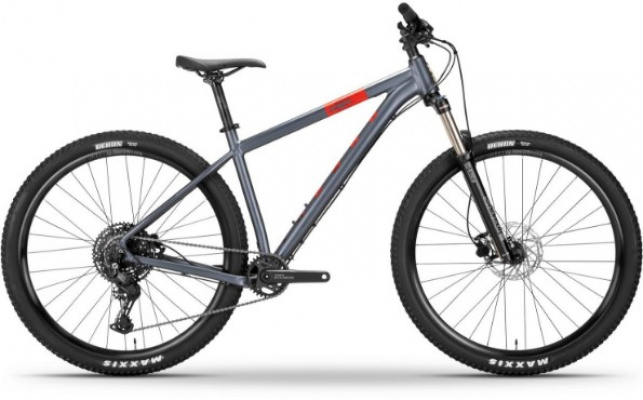
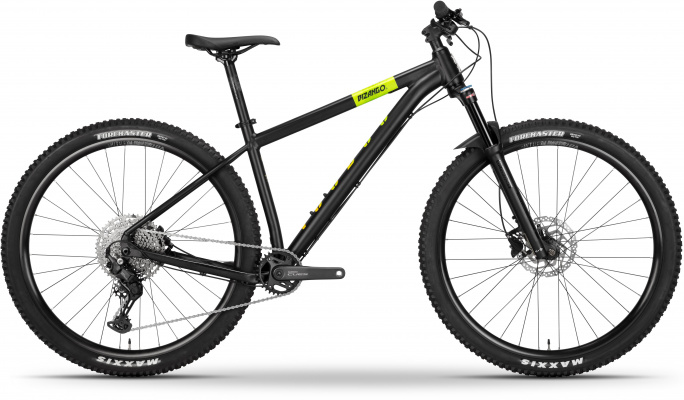
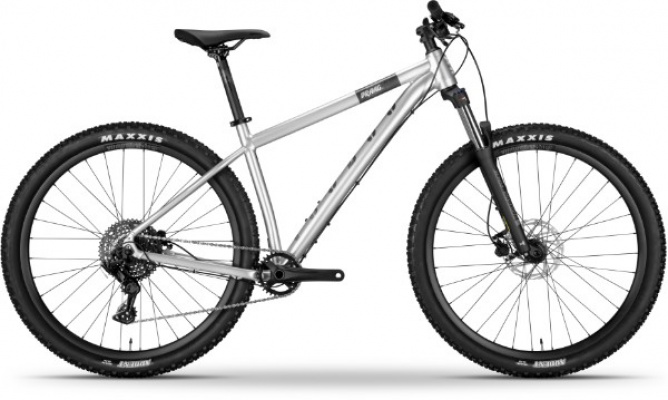
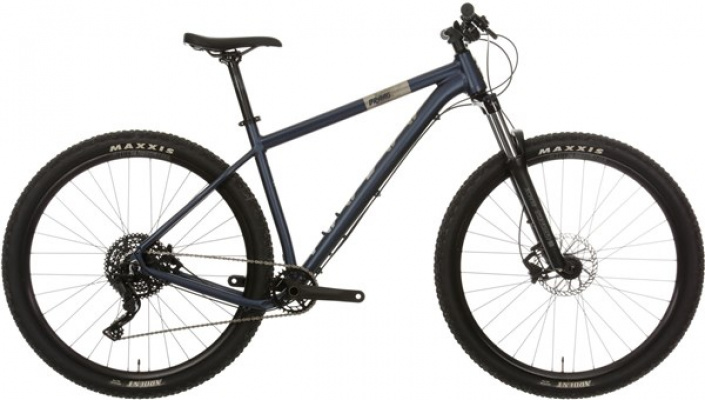
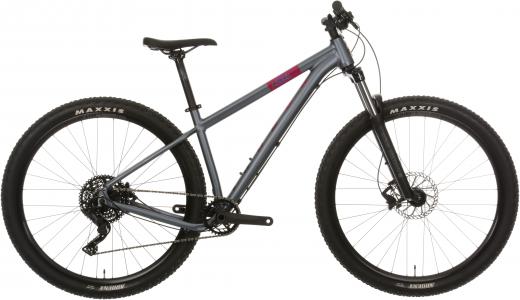
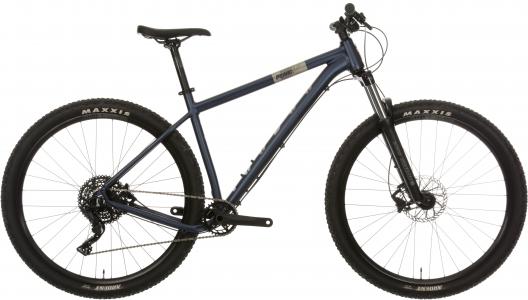
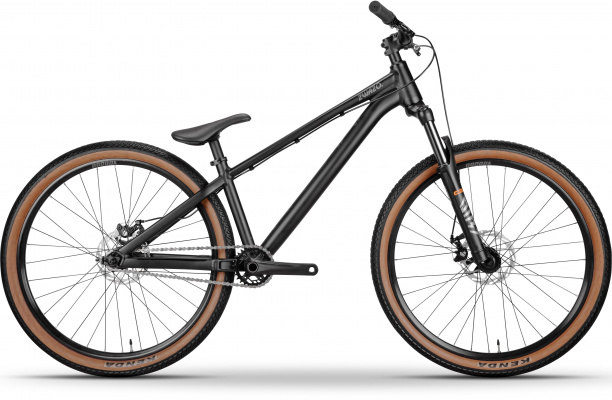
Prices and availability can change quickly. Delivery charges are not always included in listed prices.
Final price, stock status and delivery terms are set by retailer. We may receive a commission on purchases made.
Decoding the Voodoo Mountain Bike Lineup
Voodoo's range splits cleanly into hardtails and full-suspension, and knowing where each model sits saves you a lot of head-scratching on the product page. The hardtail hierarchy runs from the Braag at the entry level, through the Hoodoo in the middle, up to the Bizango and Bizango Pro as the flagship 29ers. Each step up brings a meaningful improvement - not just a badge change.
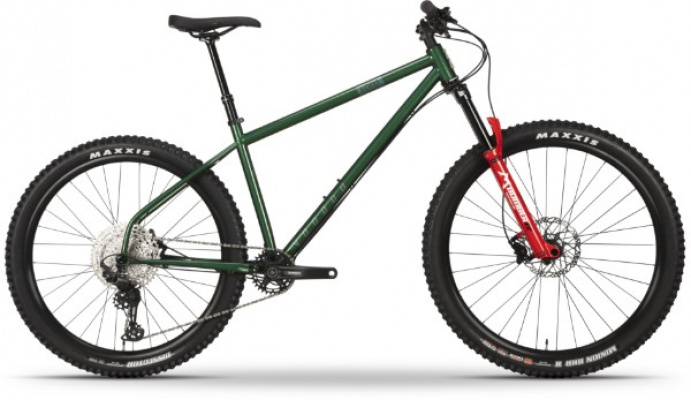
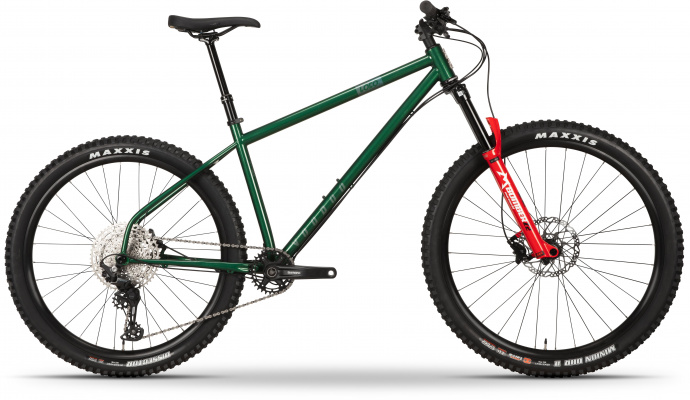
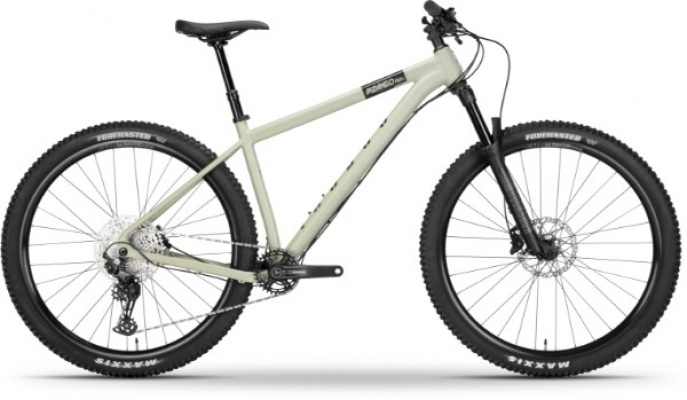
The Braag is the starting point: a capable trail bike with a coil-sprung fork and a 9-speed drivetrain. It's well-suited to riders getting to grips with singletrack for the first time, and the geometry is already more progressive than you'd expect at this price. The Hoodoo bridges the gap with a slightly more refined spec, giving you a smoother entry into 1x territory. Then there's the Bizango - the one that keeps winning things. It runs an air sprung fork for proper damping adjustment, an 11-speed 1x drivetrain, and that custom-butted alloy frame with a slack head angle that gives you real confidence on the drops. The Bizango Pro pushes further still, typically upgrading to a RockShox air fork and Shimano Deore shifting, which tightens up the overall package considerably.
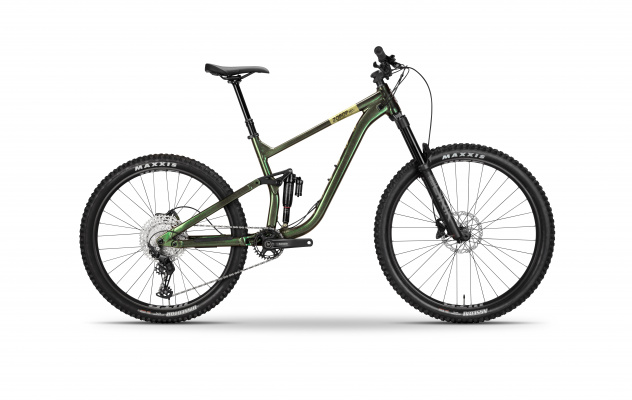
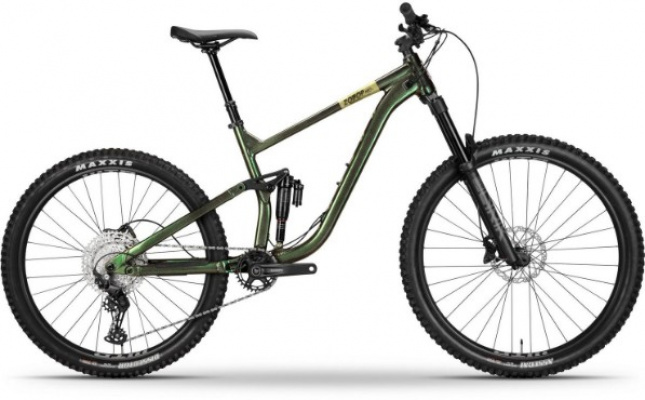
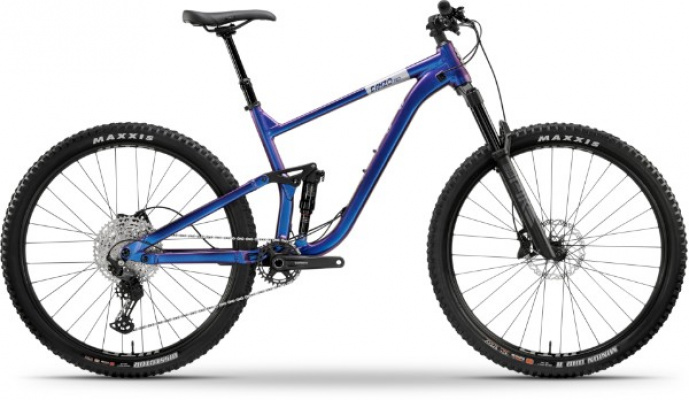
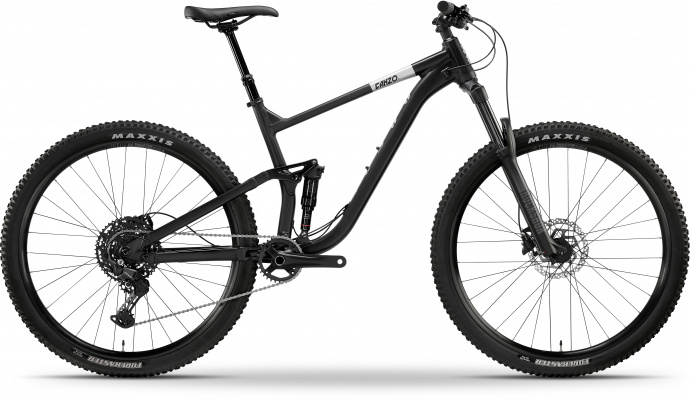
On the full-suspension side, the Minustor handles budget trail duties - accessible and forgiving, particularly good for riders stepping off a hardtail for the first time. The Canzo is built for more aggressive riding, with geometry and suspension travel that suits chunkier lines. If you're weighing up the Voodoo Canzo vs Minustor, think of it as the difference between a trail bike and something that's genuinely at home on a red or black graded descent. For riders curious about Voodoo beyond dirt, the brand also produces Voodoo gravel bikes that share the same value-first approach.
The Voodoo Tech Philosophy: Premium Geometry on a Budget
The most interesting thing about Voodoo isn't what's bolted on - it's what's built in. The geometry on the Bizango in particular reflects a genuine trickle-down from the kind of numbers you'd find on bikes costing two or three times as much. A slacker head angle means the front wheel is further out in front of you, which translates directly to stability when the trail gets steep and loose. Pair that with a steep seat tube angle and you're sitting over the pedals properly on climbs rather than being dragged off the back. That balance matters on a bike you're going to ride all day on mixed ground.
Voodoo's custom-butted 6061 aluminium frames are worth a mention here. Butting - varying the wall thickness of the tube along its length - keeps weight down while maintaining stiffness where the frame actually needs it, and adds a degree of compliance that a straight-gauge tube just doesn't have. It's the same principle used on frames at much higher price points. The result is a bike that doesn't feel dead or harsh on rough ground, which matters a lot on a long day out on the Peak District's rocky descents.
Almost every Voodoo model runs a 1x drivetrain, and that's a deliberate choice rather than a cost-cutting measure. Single chainring setups are simpler to maintain, less likely to drop a chain in the wet, and perfectly adequate for the vast majority of UK trail riding. Dropper post routing is built into the frame across the range too, so adding a dropper later is straightforward rather than an afterthought. Reflective frame decals are a small but practical touch for the kind of low-light rides that are unavoidable from October through March. When you're comparing Voodoo to brands like Calibre or Carrera at similar price points, the geometry and frame spec usually tip the balance in Voodoo's favour.
Living with a Voodoo MTB in the UK
Buying the bike is the easy part. Knowing what to expect from it twelve months into regular UK riding is where things get more useful. The Bizango's rear triangle has generous spacing for 2.25-inch-plus tyres, which means it handles Welsh winter mud without packing up solid - a more important spec than most people realise until they're pushing out of Afan on a February afternoon with a back wheel that's turned into a clay sculpture.
The stock tyres that ship with most Voodoo models are wire-bead rather than tubeless-ready. They're fine for getting started, but swapping them out for a tubeless-ready tyre - Maxxis Ardent or Rekon are solid choices - makes a noticeable difference on wet roots and loose rock. You can run lower pressures without the pinch flat risk, and grip improves meaningfully. It's usually the first upgrade worth making, well before touching any of the components.
On the brakes: entry-level Voodoo models often ship with Clarks hydraulic discs. They work, but they do need more attention in gritty conditions than Shimano equivalents. Bleed them at the start of autumn, keep the rotors clean, and they'll see you through. If you're looking at the Bizango Pro, Shimano Deore brakes are a meaningful improvement in feel and consistency, and worth factoring into your decision if you're riding technical ground regularly. For riders who want to build out a complete setup, Voodoo hybrid bikes are worth a look if your riding skews more commute than trail, and there's a Voodoo kids' bikes range if you're equipping the whole family.
The Voodoo Bizango vs Braag question comes up a lot, and the honest answer is that the air fork alone justifies the step up if you're riding anything beyond green-graded trails. A coil fork on a budget bike is a fixed rate spring - you get what you get. An air sprung fork lets you dial in sag properly for your weight and riding style, which changes how the bike feels front-to-back on technical ground. If budget is tight, the Braag is a good start. But save up for the Bizango if you can. Brands like Boardman and Cube compete in a similar space, but Voodoo's geometry specification at equivalent prices is consistently hard to match.
Related searches:
Voodoo Mountain Bikes FAQs
Are Voodoo mountain bikes any good?
Yes - consistently. Models like the Bizango have taken 'Bike of the Year' awards in their price bracket more than once, thanks to genuinely modern trail geometry and reliable components. For the money, very few bikes in the UK market match what Voodoo puts into the frame spec and riding position.
Who makes Voodoo bikes?
Voodoo was founded by Joe Murray, a Mountain Bike Hall of Fame designer known for progressive geometry work. The brand is now sold exclusively through Halfords in the UK, but the geometry principles Murray established - slack head angles, steep seat tubes - remain central to how the bikes are specced.
What is the difference between Voodoo Bizango and Braag?
The Braag is an entry-level trail bike with a coil-sprung fork and 9-speed drivetrain - solid for beginners but limited in adjustability. The Bizango is a step up in every meaningful way: a lighter custom-butted frame, an air sprung fork you can tune to your weight, and an 11-speed 1x drivetrain for more technical riding.