
Scott Mountain Bikes
Scott mountain bikes have spent decades at the sharp end of cross-country racing, and that obsession with performance shows in every model they make. What sets Scott apart isn't just the palmares - it's the engineering philosophy. They hide the rear shock inside the frame, run a proprietary remote that controls both ends of the suspension simultaneously, and wrap it all in some of the lightest carbon layups in the business. That's not styling; it's a considered system designed to make the bike faster, more balanced, and more responsive.
The range stretches from the featherlight Scale hardtail through to the slack, burly Ransom enduro machine, so whether you're threading singletrack in the Peak District or racing a local XC league on a Saturday morning, there's a Scott that fits the brief. The Spark and Genius sit in the middle ground and get most of the attention - rightly so. We'll break down exactly what each model is for and what the tech actually does in practice. If you're after assisted riding, our Scott E-Bikes page covers that side of the range, and younger riders are well served on our Scott Kids Bikes page.
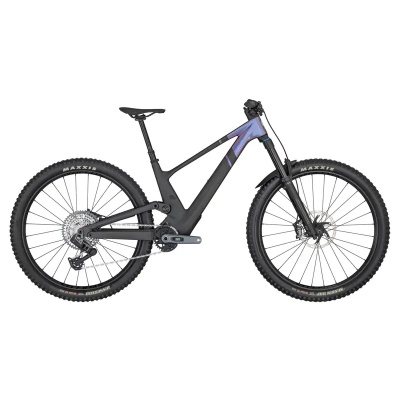
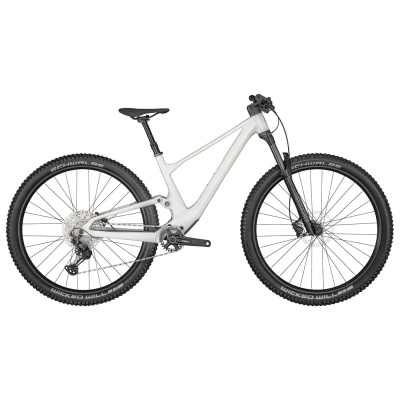
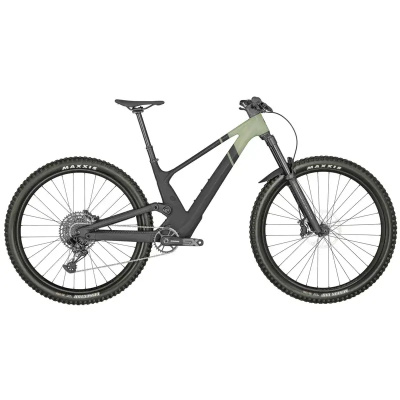
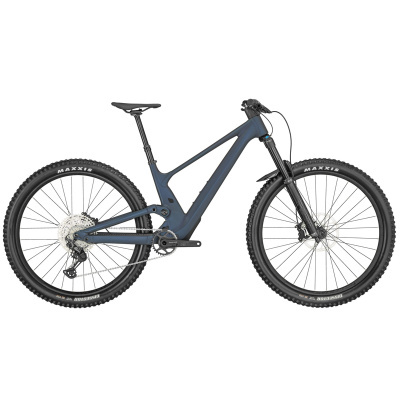
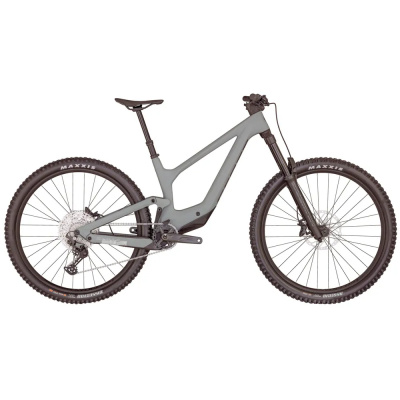
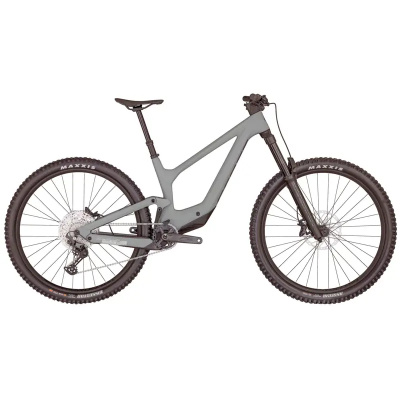
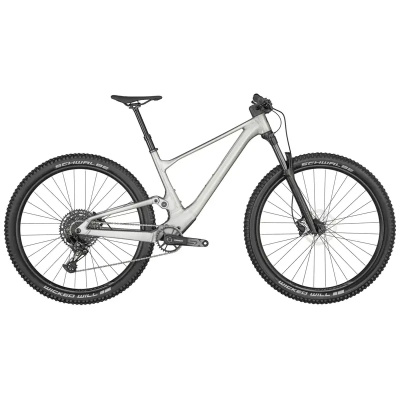
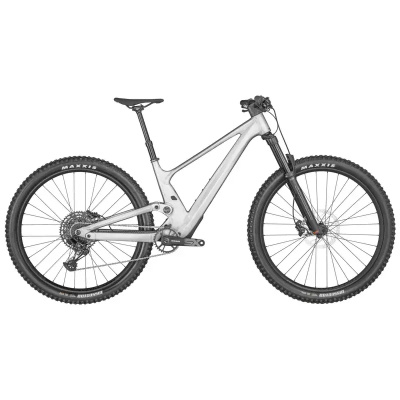
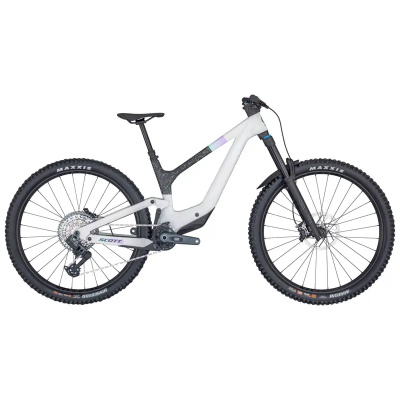
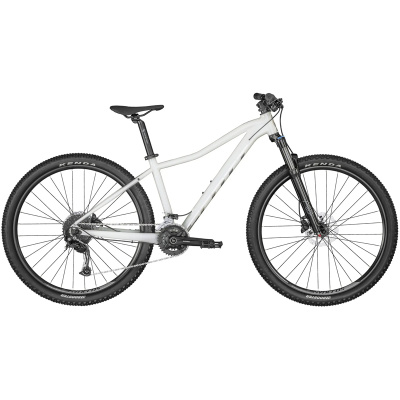
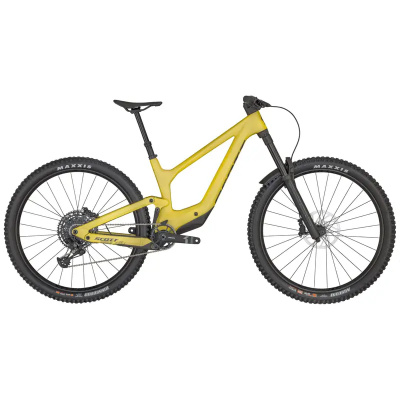
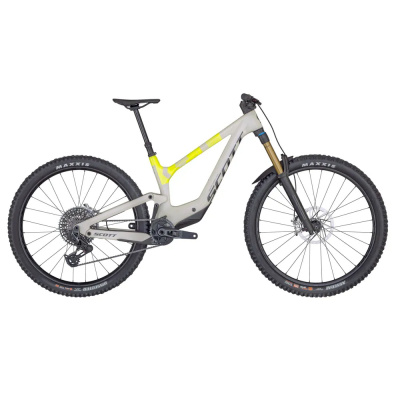
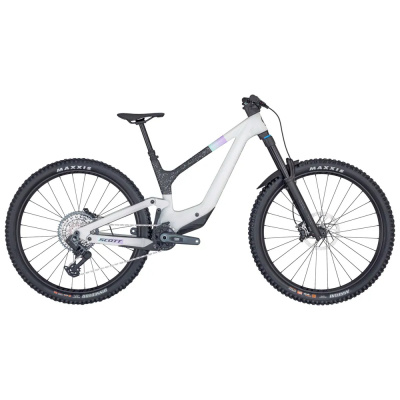
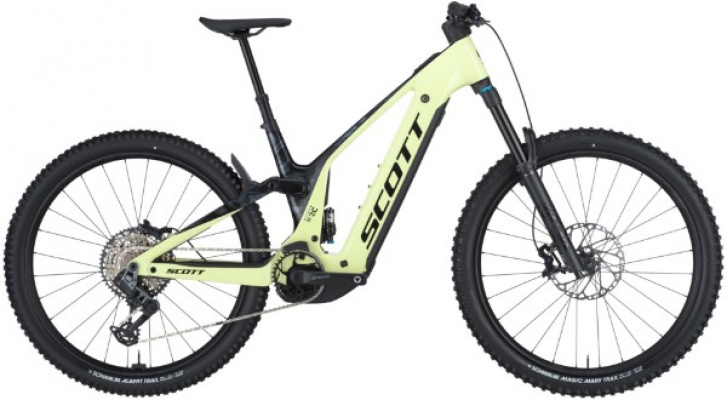
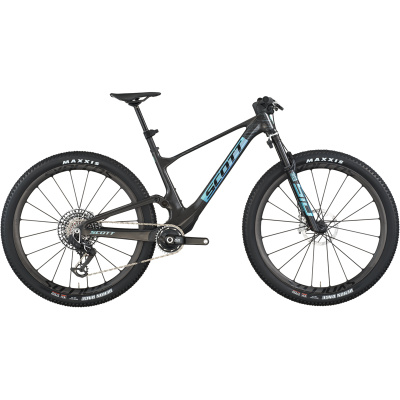
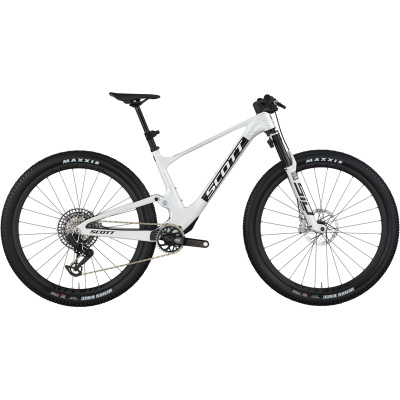
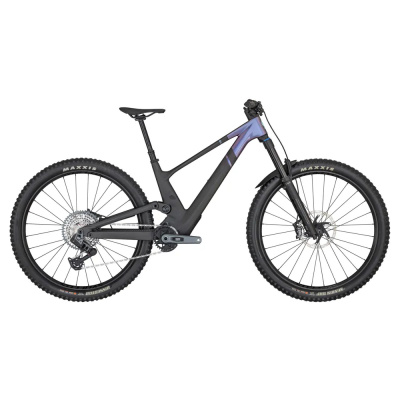
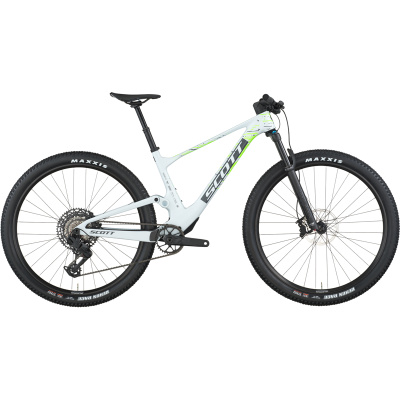
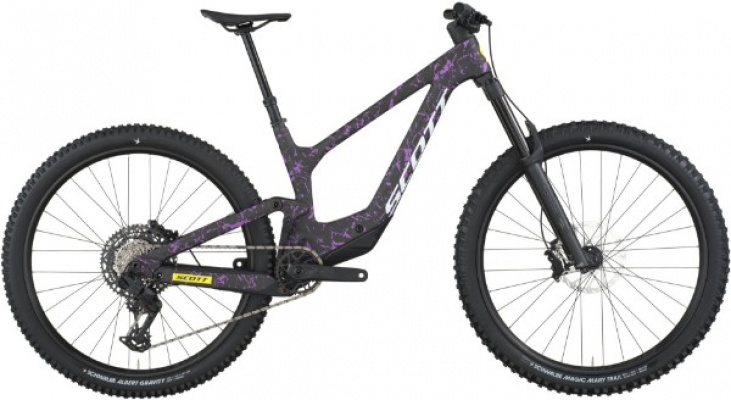
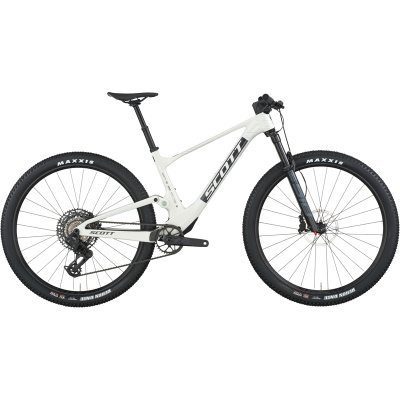
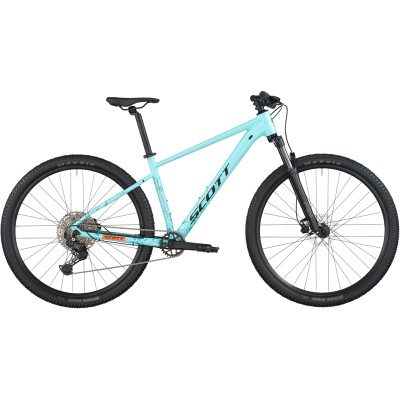
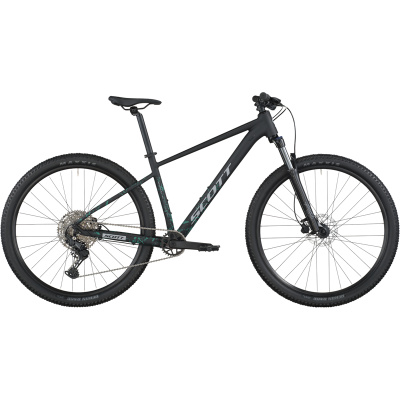
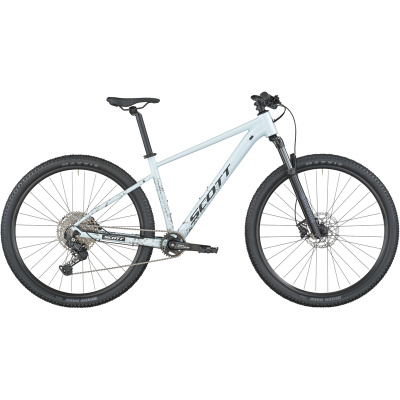
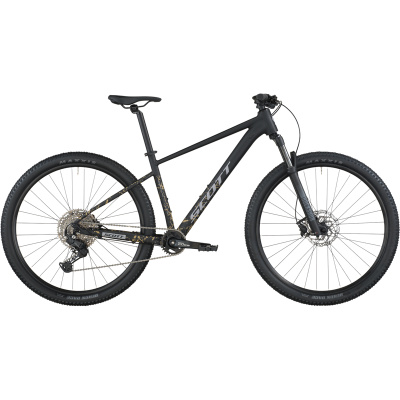
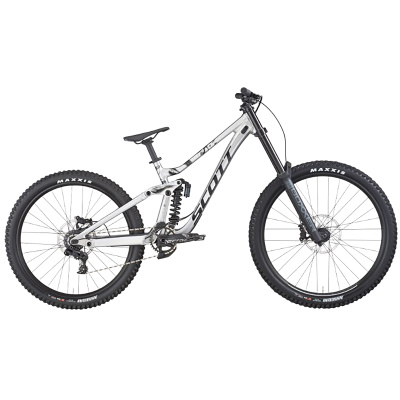
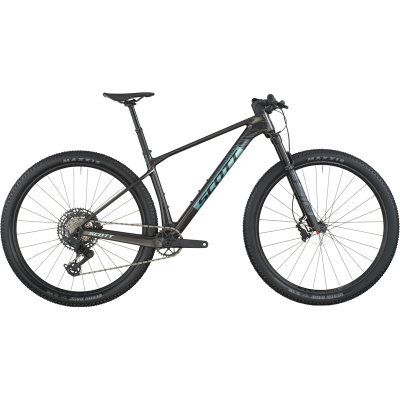
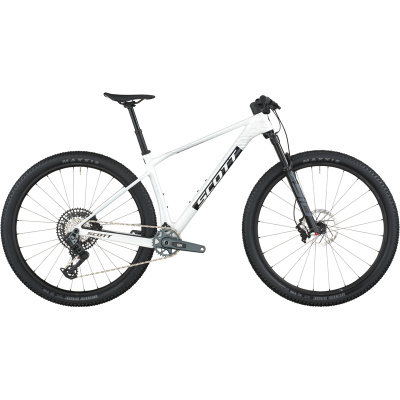
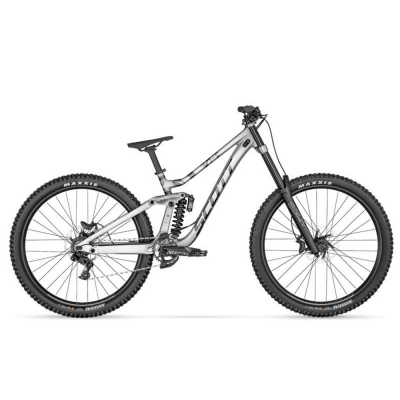
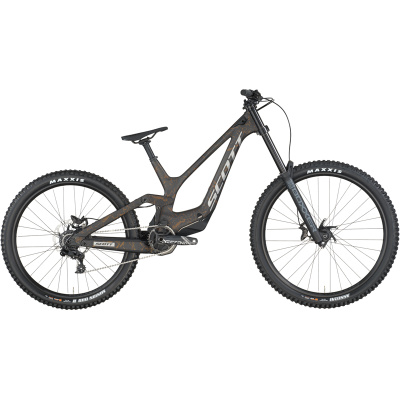
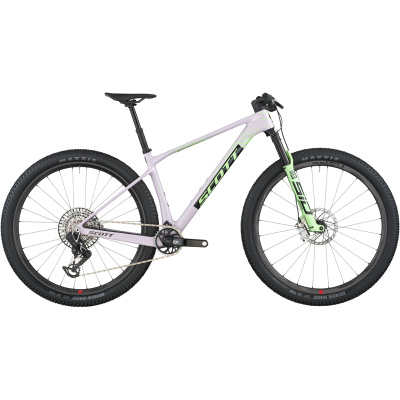
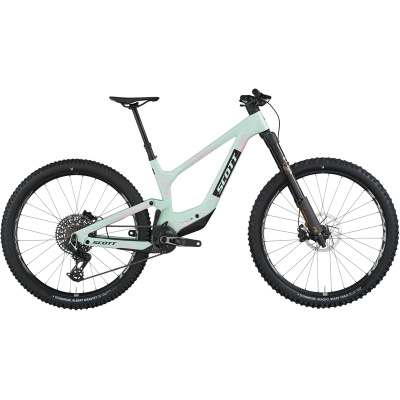
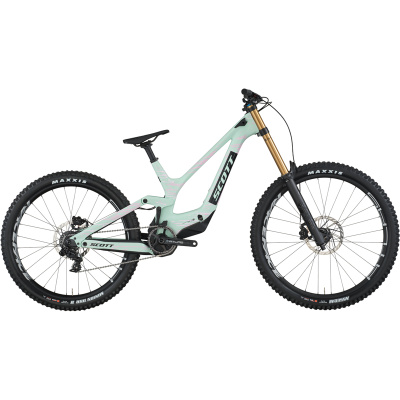
Prices and availability can change quickly. Delivery charges are not always included in listed prices.
Final price, stock status and delivery terms are set by retailer. We may receive a commission on purchases made.
Decoding the Scott Mountain Bike Lineup
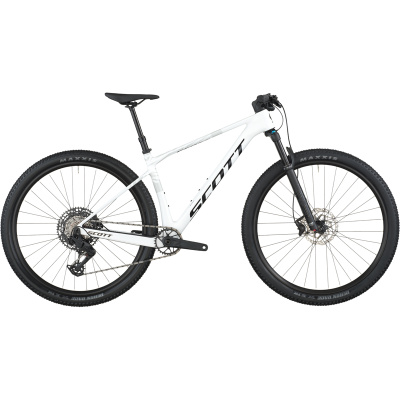
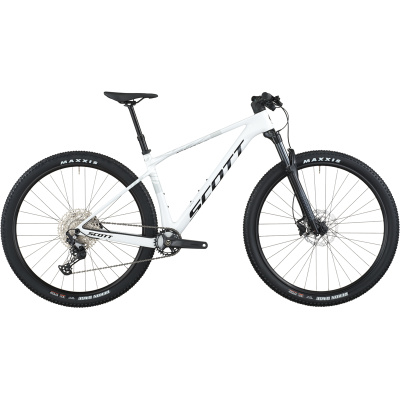
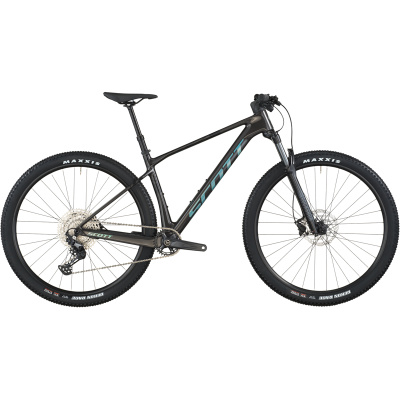
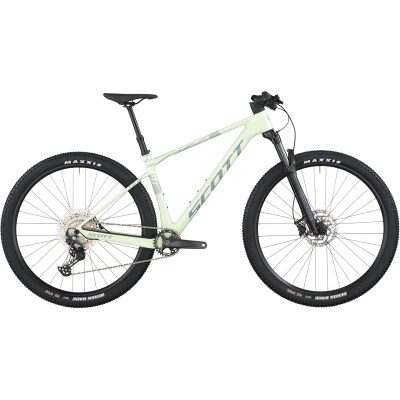
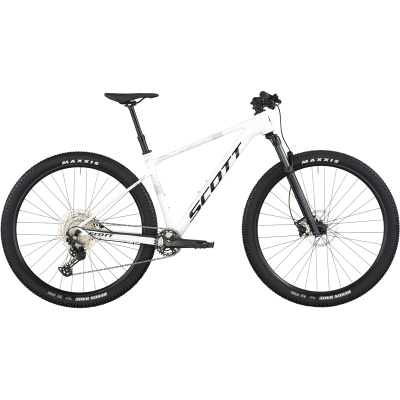
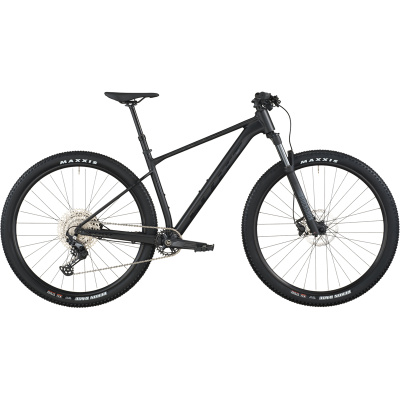
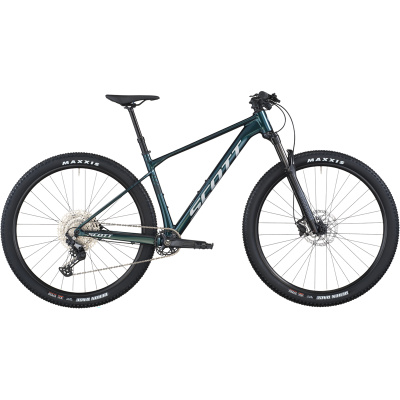
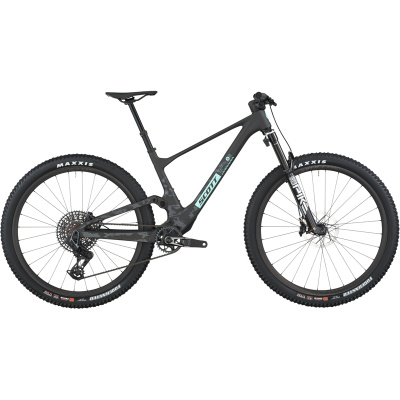
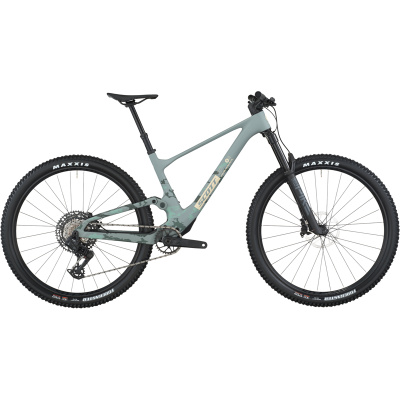
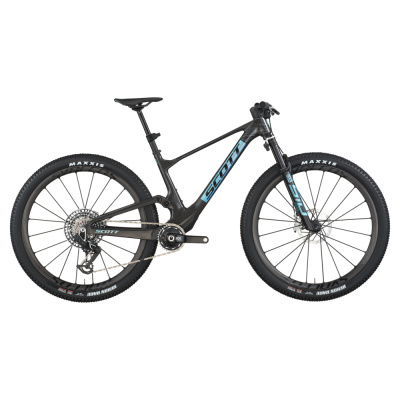
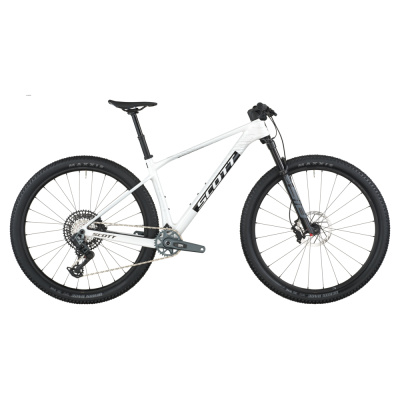
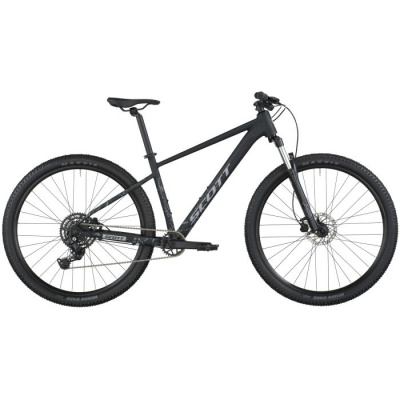
Scott keeps the naming tidy once you know the logic. The Scale is their cross-country hardtail - no rear suspension, all efficiency, and the go-to if you want a race bike that won't punish your wallet or your watts on long climbs. Above that sits the Spark, Scott's XC and downcountry full-suspension platform running 120mm of travel. It's a 29er geometry bike built around speed: quick to accelerate, efficient on the pedals, and genuinely capable on descents that would have scared a race bike a decade ago. Think of it as the bike that blurs the line between cross-country racing and proper trail riding.
Step up to the Genius and you're into 150mm trail territory. The geometry gets slacker, the kinematics are tuned for rougher, more committing descents, and it handles the kind of rooty, rocky singletrack that defines a good day out in the Tweed Valley or on the North York Moors. It's still efficient enough to climb well - Scott wouldn't have it any other way - but descending is clearly the priority. Then there's the Ransom, Scott's enduro kinematics platform with 170mm of travel and a head angle that means business. If you're racing enduro stages or spending your weekends on the steepest stuff Wales has to offer, that's your bike.
The suffix system matters too. RC stands for Racing Concept - pure XC intent, no compromises. Tuned marks the top-tier trail and enduro builds. And the 900 series confirms 29-inch wheels throughout. If you're cross-shopping against other brands, Cube mountain bikes and Cannondale mountain bikes offer strong alternatives at various price points, though neither matches Scott's level of frame-level integration.
The Tech That Makes Scott Different
Scott's Integrated Suspension Technology is the headline feature across the Spark, Genius, and Ransom. Rather than mounting the rear shock externally where it's exposed to every spray of mud and grit, Scott tucks it inside the frame. The practical benefits are real: the shock runs cleaner, it's protected from direct roost and standing water, and - perhaps more importantly - it drops the centre of gravity by moving mass lower and more centrally in the chassis. The bike simply feels more planted through corners as a result.
The TwinLoc suspension system is what makes riding a Scott feel genuinely different on the trail. It's a single handlebar remote that simultaneously controls both the fork and the rear shock. But it goes beyond a simple lockout. In Descend mode, you get full suspension travel - the bike is open and active. Flick to Traction Control and you get a firmer platform for climbing. Switch to full Lockout and here's the clever bit: TwinLoc actually changes the air volume in the shock, which subtly raises the bottom bracket and firms up the ride for technical fireroad climbs. You're not just stiffening the bike; you're changing its geometry in real time. That's the kind of thing that earns Scott Spark its reputation in cross-country racing.
On the carbon side, Scott uses two distinct layups. HMX carbon is their premium grade - higher modulus fibres that produce stiffer, lighter frames and appear on top-end Spark RC and Ransom builds. HMF carbon is their mid-tier layup: still genuinely light and stiff, but with a slightly more forgiving fibre structure that suits trail riding well. Both are used across the full suspension mountain bikes range depending on model level. The Syncros Fraser iC SL integrated cockpit appears on top-spec builds, combining bars, stem, and internal cable routing into a single unit that saves weight and gives the front end an exceptionally clean look - though it does limit your fit adjustment compared to a traditional setup, so check your preferred bar width before committing.
Living With a Scott MTB on UK Trails
The integrated shock is brilliant in theory, and it genuinely works well in practice - but UK winters will test it. The access hatch that lets you get to the shock for servicing is a clever solution, though mud and grit will find their way around it after a sloppy ride in the Brecon Beacons or a winter blast around Cannock Chase. Get into the habit of flushing that area with clean water after every muddy session. Pivot bearing durability is the other thing to keep an eye on: Scott's linkage bearings are good quality, but constant wet-weather riding means you'll want to inspect them every few months and replace them before they develop play. A set of Scott tools and some dedicated bearing grease go a long way here.
The TwinLoc system adds an extra set of cables to an already busy cockpit. In clean summer conditions it works flawlessly and the remote action stays light. In gritty Welsh trail centre mud or Scottish winter slop, those cables can stiffen up and the remote starts to feel sluggish. Keep the cable outers clean, replace the inners more frequently than you think necessary, and the system stays snappy. It's not a deal-breaker - it's just the cost of having genuinely useful on-the-fly control. A Scott hip pack is a sensible companion for carrying spares on longer days out, and wrapping the frame with Scott frame protection before you ride will save the downtube from the worst of the stone chips. Don't skip the gloves either - the Syncros cockpit transmits trail feedback efficiently, which is great for feel but less forgiving on cold hands.
Scott full suspension mountain bikes reward riders who stay on top of maintenance. They're not high-maintenance bikes by any means, but they're precision instruments and they respond well to being looked after. Get that right and you've got one of the most capable and cohesive packages available at any price point in the UK market.
Related searches:
Scott Mountain Bikes FAQs
Are Scott mountain bikes good?
Yes, and emphatically so at the performance end of the market. Scott has won at World Cup level on the Spark for years, and that engineering focus filters down through the range. The integrated suspension technology, HMX carbon frames, and TwinLoc system are genuinely innovative - not marketing fluff. They're premium bikes that reward riders who maintain them properly.
What is the difference between the Scott Spark and Genius?
The Spark is a 120mm XC and downcountry bike - fast, efficient, and designed to be quick in both directions. The Genius runs 150mm of travel with slacker 29er geometry that prioritises descending confidence on rougher, steeper trails. Both use the TwinLoc system and integrated shock, but the Genius is the one you want if descending performance matters more than outright climbing speed.
How does the Scott TwinLoc system work?
TwinLoc is a single handlebar remote that adjusts both the fork and rear shock simultaneously. It offers three modes: Descend (full travel, fully active), Traction Control (firmer platform for climbing), and Lockout. In Lockout, it doesn't just stiffen the suspension - it alters the shock's air volume, raising the bottom bracket slightly and changing the bike's geometry for efficient climbing.