
Boardman Mountain Bikes
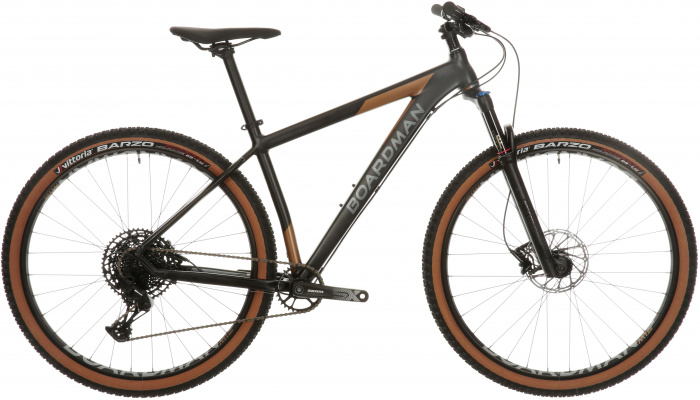
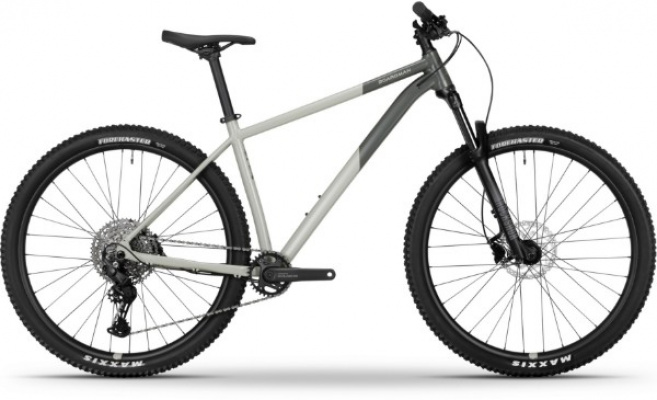
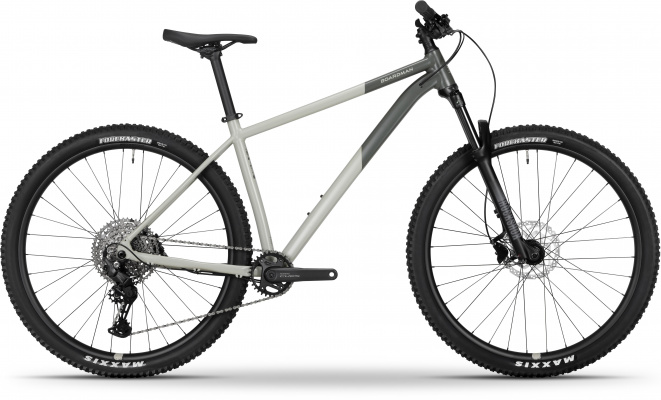
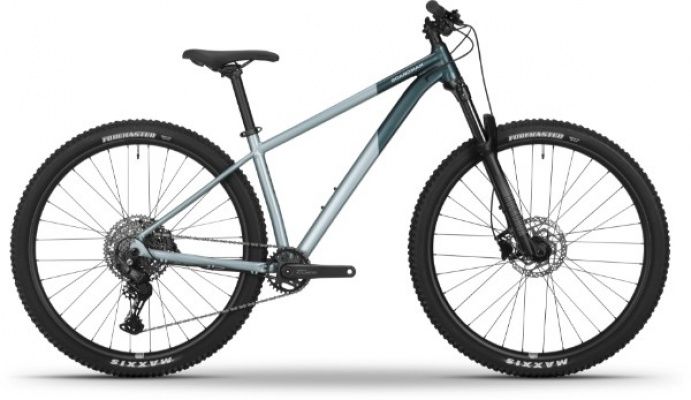
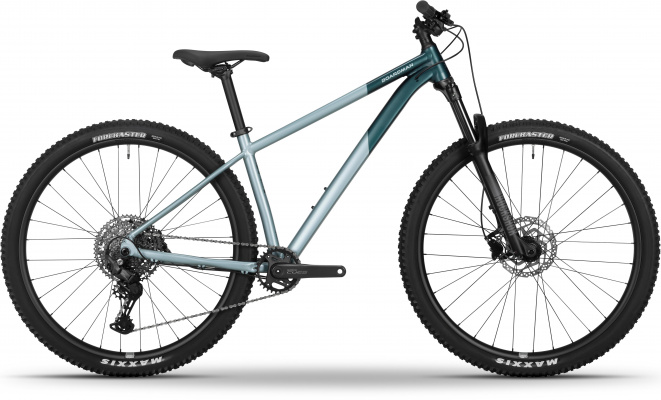
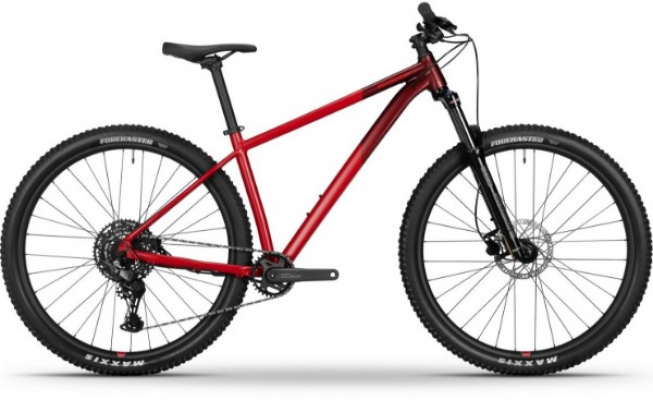
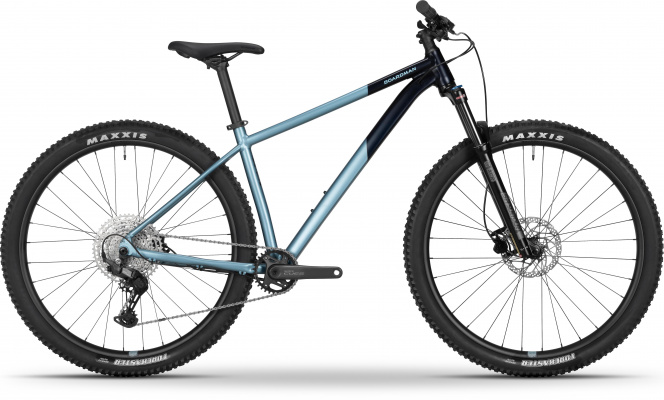
Boardman mountain bikes have long been the worst-kept secret in UK trail riding - consistently matching bikes that cost significantly more and leaving a few boutique names looking overpriced in the process. Built with British riding conditions firmly in mind, the range pairs progressive trail geometry with reliable 1x drivetrains and quality suspension components, without the inflated price tag that usually comes with that combination.
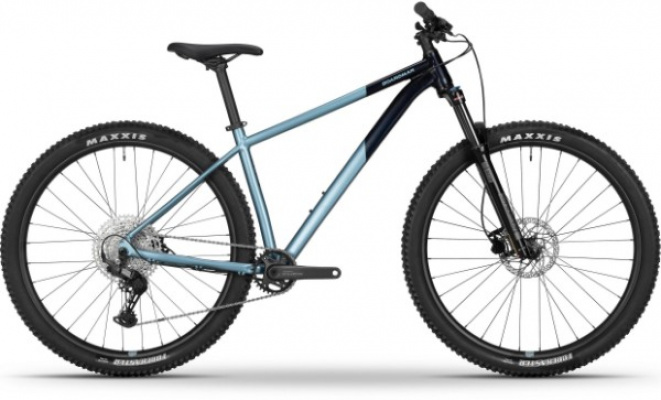
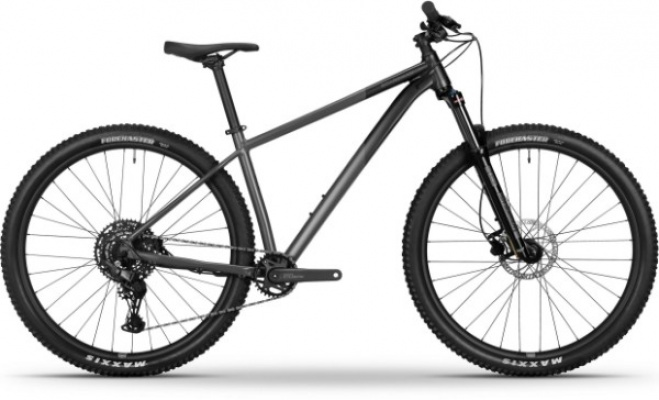
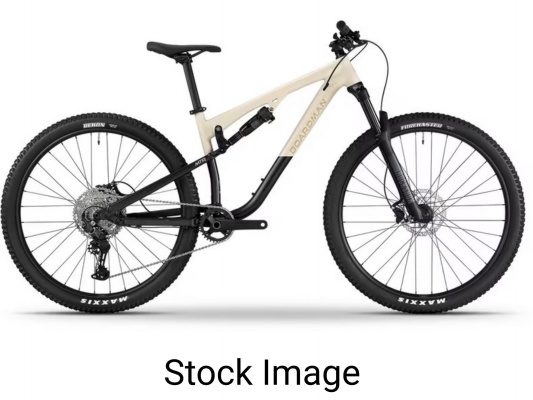
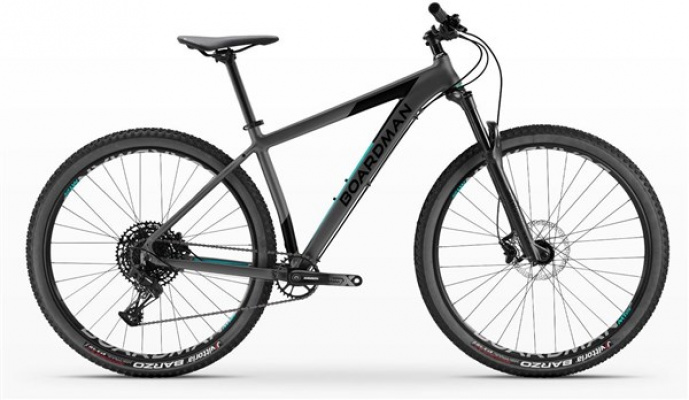
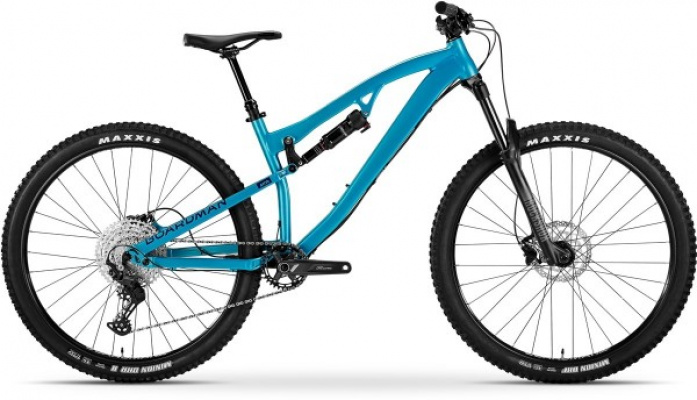
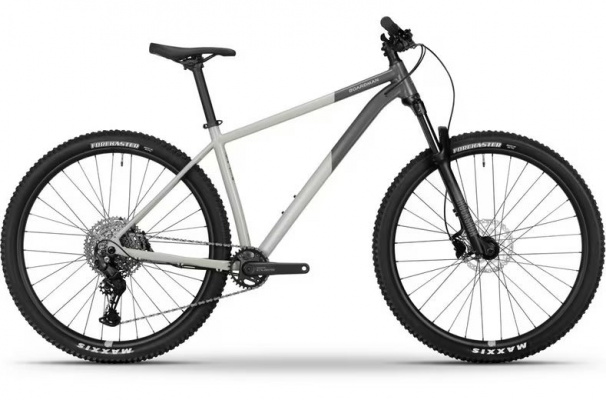
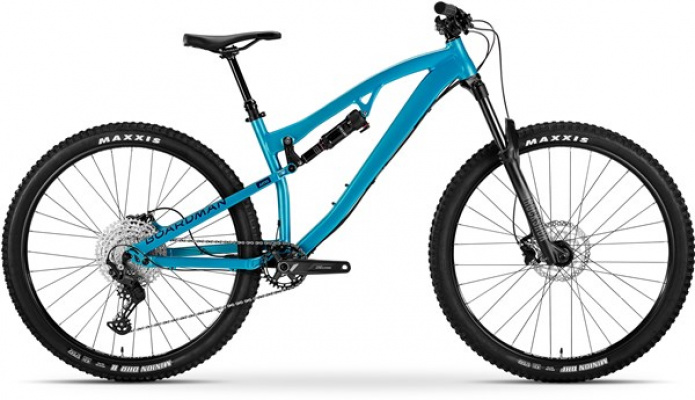
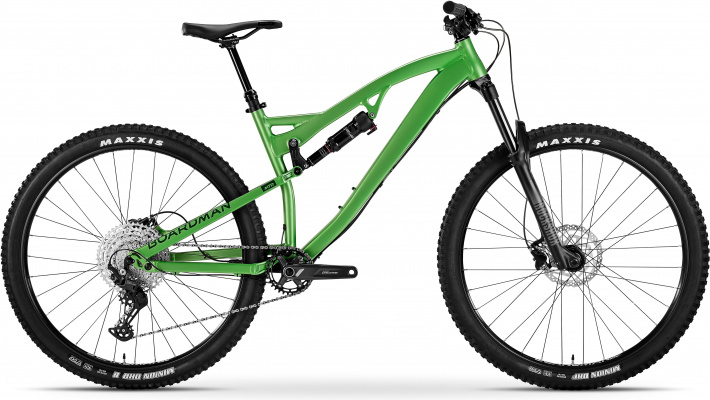
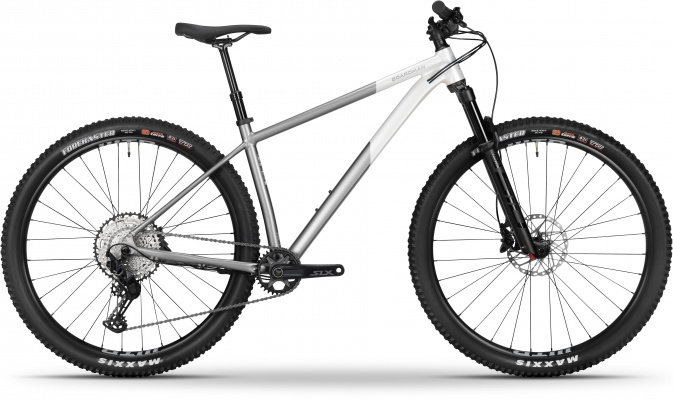
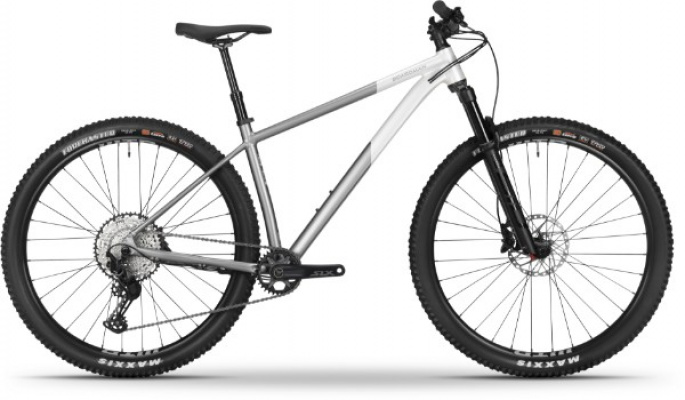
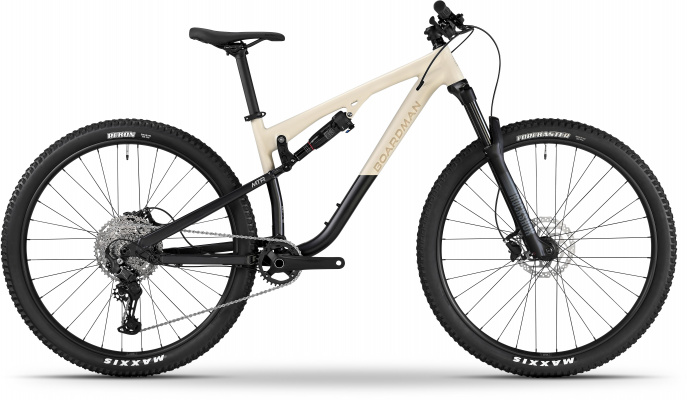
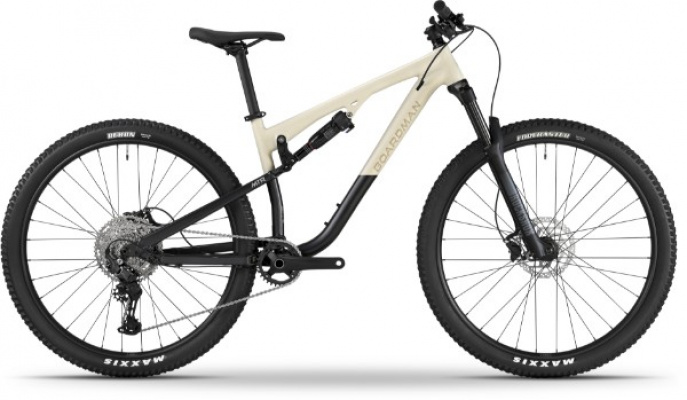
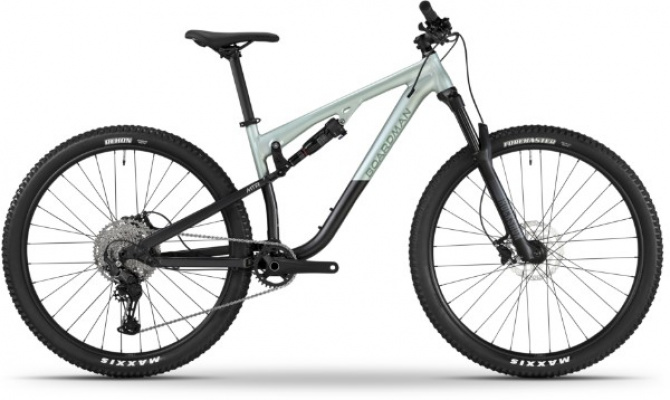
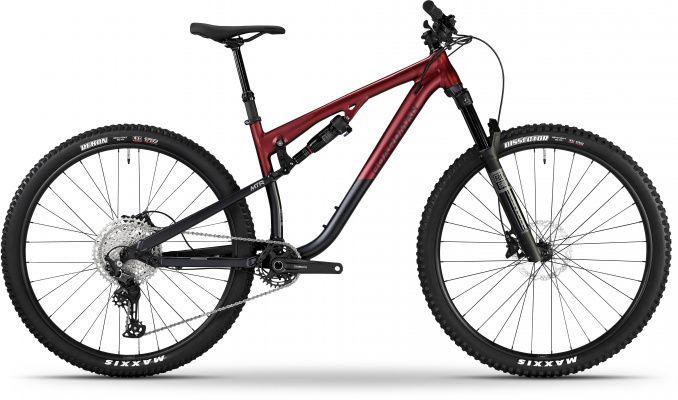
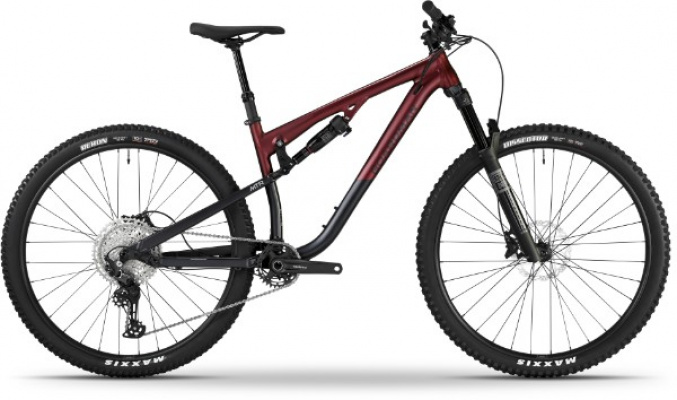
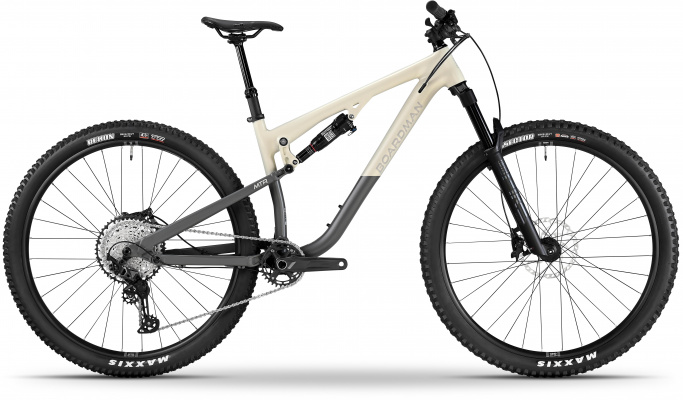
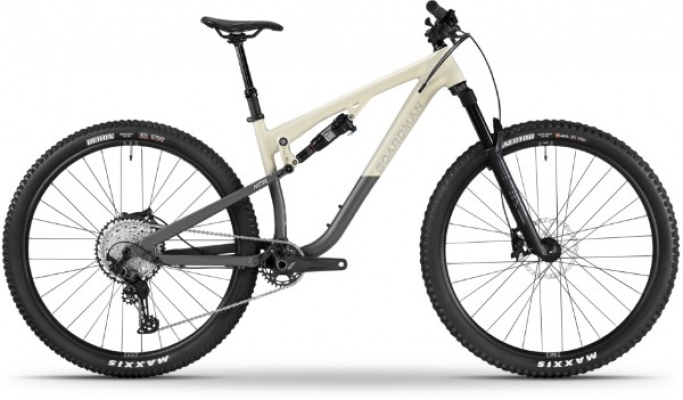
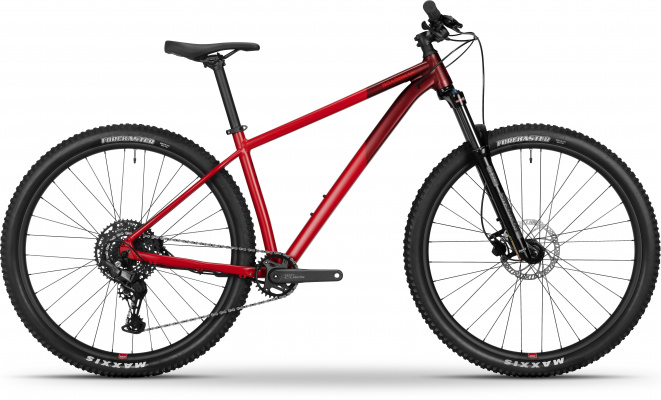
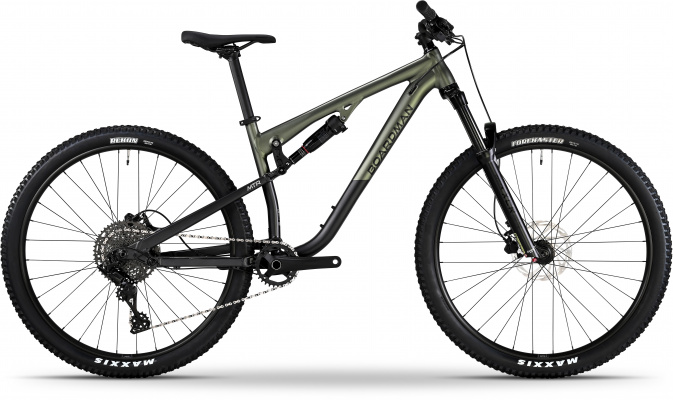
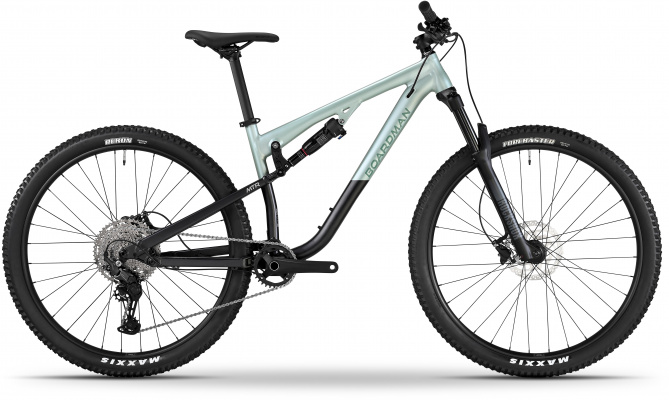
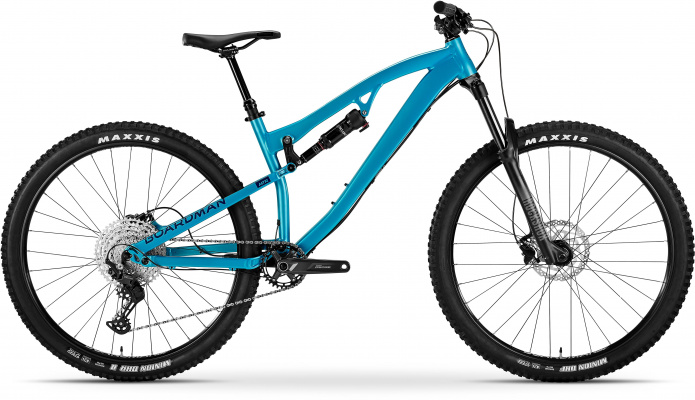
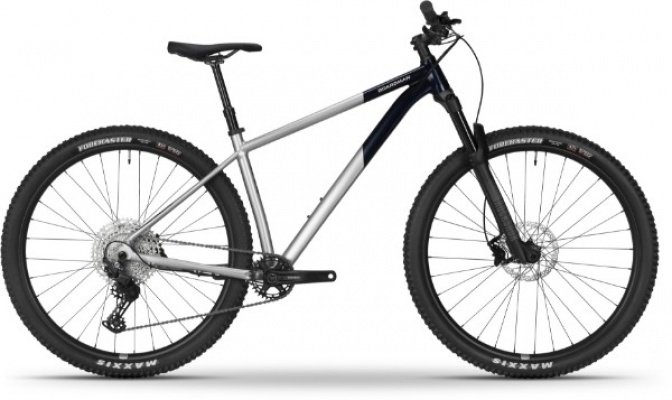
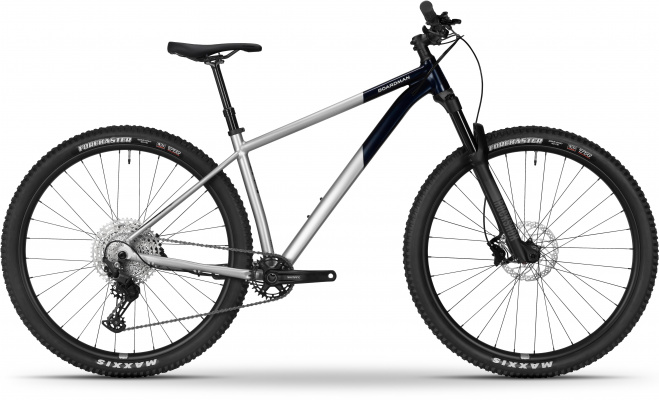
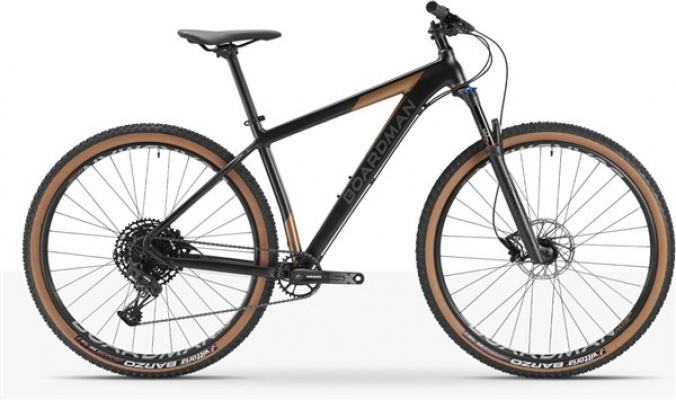
The lineup splits into two distinct families. The MHT (Mountain Hardtail) covers fast, efficient trail riding and is the sharper tool for cross-country and smoother singletrack. The MTR (Mountain Trail, full-suspension) steps in when the descents get technical and the trail centres get rowdy. Both families run numbered trim levels - think 8.6 through to 8.9 - so you can pick your spec without second-guessing what you're actually getting.
Want pedal-assist to take the sting out of the climbs? We've got a dedicated Boardman E-Bikes page covering the MTR-E range. Or if you're planning a custom build, head straight to our Boardman Frames section.
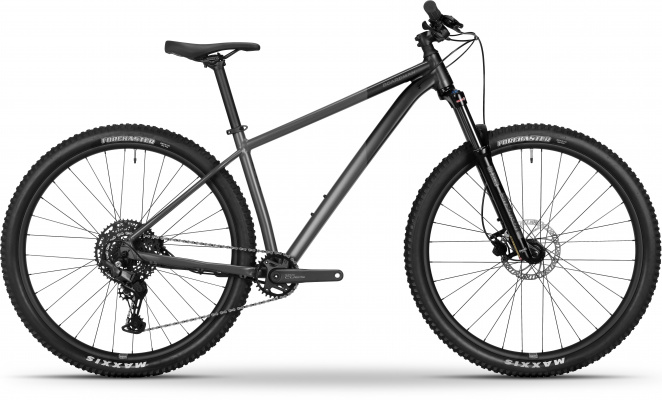
Prices and availability can change quickly. Delivery charges are not always included in listed prices.
Final price, stock status and delivery terms are set by retailer. We may receive a commission on purchases made.
Decoding the Boardman Mountain Bike Lineup
Two families, one clear logic. The MHT hardtail range is where most riders start - stiff rear end, efficient power transfer, and a geometry that's moved well beyond the old XC-race crouch. These are proper trail bikes with clearance for chunky rubber and the kind of slack head angle that actually lets you point downhill with confidence. If your riding is mostly flowing singletrack, the odd red run, and a fair bit of pedalling to get there, the MHT is the more direct choice.
The MTR full suspension range is for when the trail gets genuinely rough. Think loose-over-rock Welsh descents, rooty forest floors, or anything where a rigid rear end starts chattering your fillings loose. The trim level numbering tells you exactly where you sit on the spec ladder. Entry-level 8.6 models run capable coil or basic air forks and Shimano's reliable lower-tier groupsets - more than enough to find out whether trail riding is your thing. Step to the 8.8 and you're into enthusiast territory: better air forks, cleaner components, and the kind of spec that doesn't need apologising for on a group ride. The 8.9 sits at the top, built around RockShox Pike or Reba forks, Shimano 12-speed drivetrains, and a contact points package that means you're not immediately hunting for upgrades.
For riders coming from Boardman gravel bikes, the jump to the MHT is less dramatic than you'd think - similar efficiency philosophy, just pointed at singletrack instead of gravel lanes. If you're weighing up alternatives, brands like Trek and Vitus compete in overlapping price brackets, but Boardman's spec-per-pound ratio consistently holds up under scrutiny.
What's Actually Going On Under the Paint
Boardman's X7 Triple-Butted Alloy frame construction is the starting point for understanding why these bikes feel the way they do. Triple-butting means the tube walls vary in thickness - thicker where stress concentrates, thinner elsewhere - which keeps weight down without sacrificing integrity. The welds are unusually smooth for the price point; more than one rider has done a double-take assuming they're looking at carbon. They're not, but the finish is genuinely impressive.
On the MTR models, the suspension platform is a 4-bar linkage design. The practical upside is that the rear end stays active when you're on the brakes - so scrubbing speed into a corner doesn't suddenly make the bike feel wooden. It's a more sophisticated arrangement than a simple single-pivot, and it's noticeable on technical descents where you need the rear wheel tracking the ground rather than skipping over it.
Geometry is where Boardman has made the sharpest decisions. Slack head angles across both families mean the front wheel is further out ahead of you, giving you more time to react at speed. Steeper seat tube angles put you over the pedals properly on climbs rather than fighting the bike up switchbacks. Longer reach figures match what you'd find on bikes from dedicated trail brands. Internal dropper post routing is standard - no external cable housing flapping around on your legs mid-descent. These aren't small details; they're the geometry choices that separate a bike you'll grow out of quickly from one that keeps pace with your riding as it improves.
Running a Boardman Through a British Winter
A few things are worth knowing before you head out in November. The rear triangles on both MHT and MTR models have generous mud clearance - enough to keep things moving when Peak District clay starts building up around your tyre. That said, no amount of clearance replaces a hose-down after a wet one. Keep it brief, keep it low-pressure near the bearings, and dry it off before it goes back in the garage.
The MTR's pivot bearings are sealed cartridge units, which handles most of what UK grit can throw at them, but they're not maintenance-free forever. A bearing check and re-grease at the start of the season - and after any particularly grim rides - keeps things moving smoothly and heads off the kind of creaking that makes every ride sound like a haunted house. If you're new to suspension maintenance, most good local shops will do a pivot service for a reasonable fee.
On sizing: Boardman's modern trail geometry runs longer in the reach than older models you might have ridden. If you're sitting between sizes, going up gives you more planted, high-speed stability - better for fast, committed riding. Going down makes the bike feel more agile and playful, which suits tighter, more technical loops. Neither is wrong; it depends on the riding you're actually doing, not the riding you imagine you'll be doing. For reference, the Boardman hybrid range follows a more conventional fit, so don't assume your size there translates directly to the MTB lineup.
Stock rubber on most models tends toward aggressive compound choices - Maxxis and Vittoria tyres feature regularly - which suits the slippery roots and wet rock you'll find across most UK trail centres. Worth checking tyre pressure before every ride rather than just topping up monthly; the difference between 25psi and 22psi on a wet root section is not subtle.
Round out the build with a look at Boardman stems if you want to fine-tune your cockpit position, and Boardman jerseys to match the bike without spending a second mortgage on kit.
Related searches:
Boardman Mountain Bikes FAQs
Are Boardman mountain bikes any good?
Yes, genuinely. Boardman MTBs consistently turn up well in independent UK magazine tests, largely because the spec-to-price ratio is hard to fault. The geometry is properly modern, the component choices are sensible, and they don't pad margins with filler parts. You're getting a trail-ready bike, not a trail-shaped one.
What is the difference between Boardman MHT and MTR?
The MHT is a hardtail - rigid rear end, efficient pedalling platform, great for XC and flowing trail riding. The MTR is full-suspension, built around a 4-bar linkage rear end that keeps the wheel tracking properly on rough, technical ground. If your riding is mostly about covering distance efficiently, MHT. If the descents are the point, MTR.
Do Boardman mountain bikes run true to size?
Broadly yes, but the modern trail geometry means reach figures are longer than older Boardman models or more conservative brands. If you're between sizes, up gives you stability at speed; down gives you a more nimble, flickable feel. Check the reach number against your current bike rather than relying on S/M/L alone.