
Boardman Frames
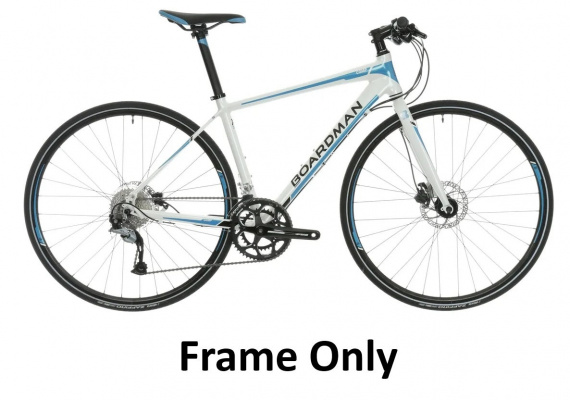
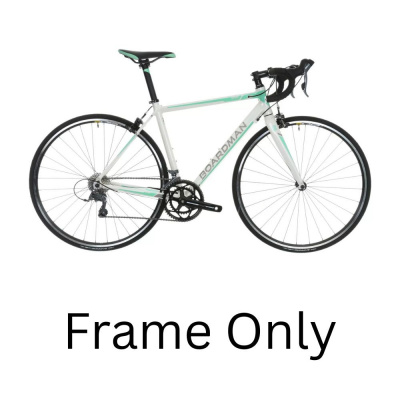
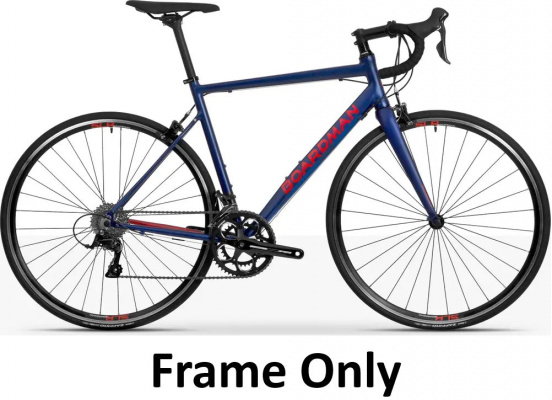
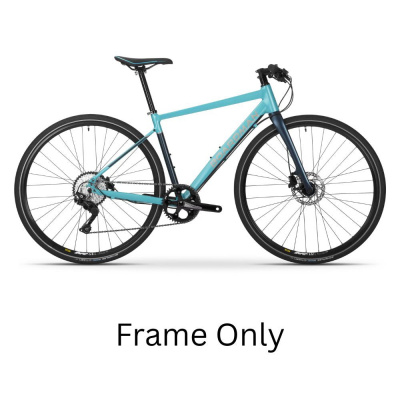
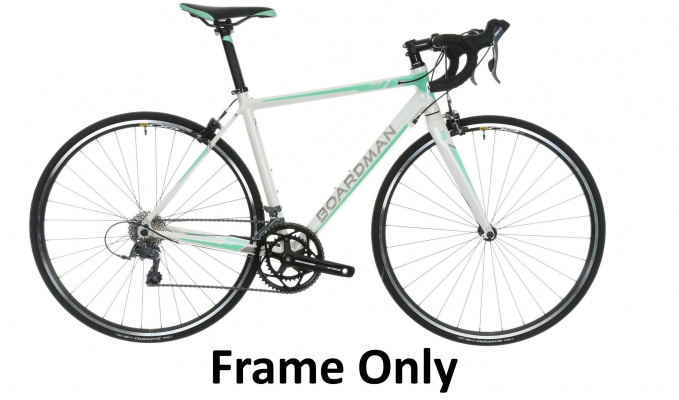
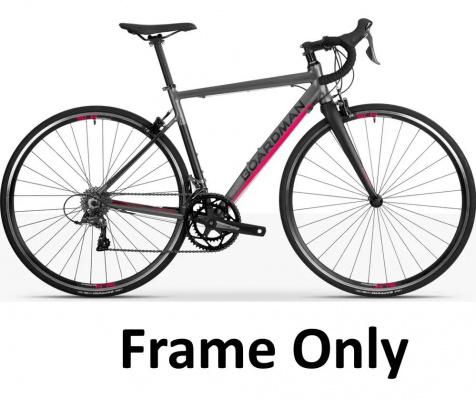
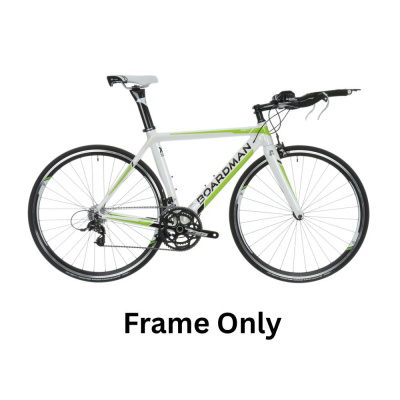
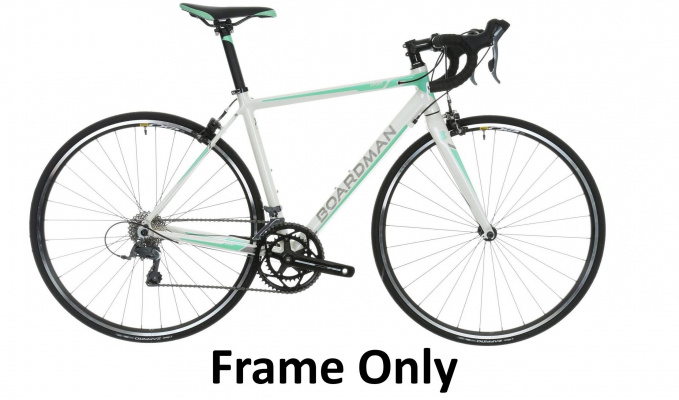
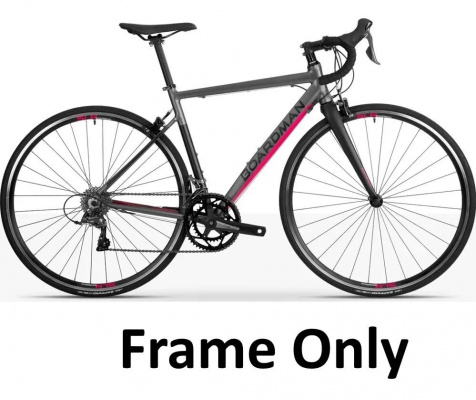
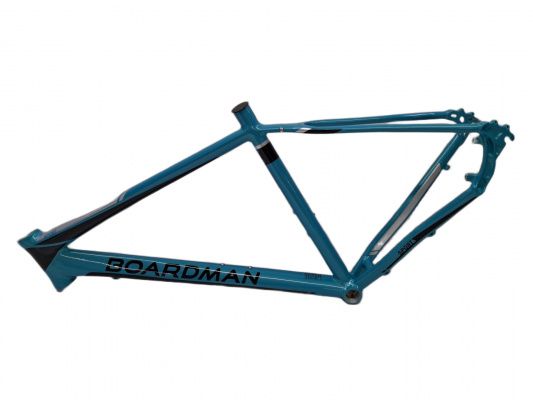
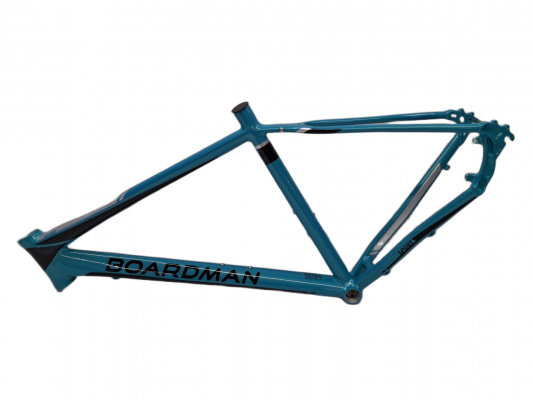
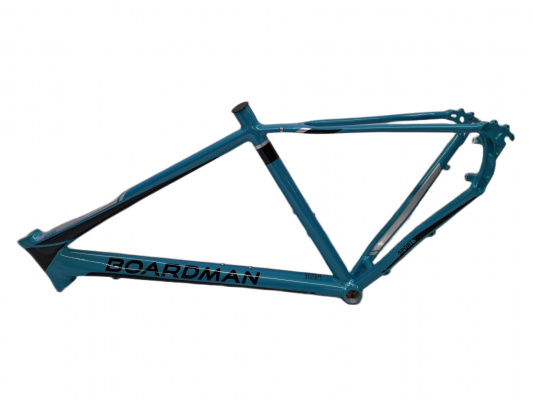
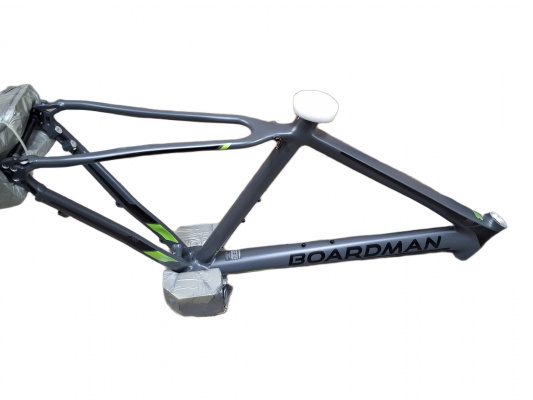
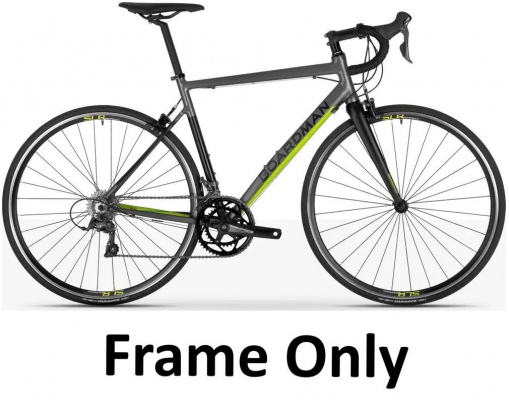
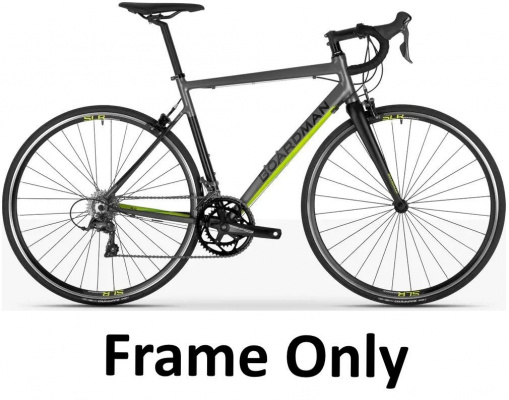
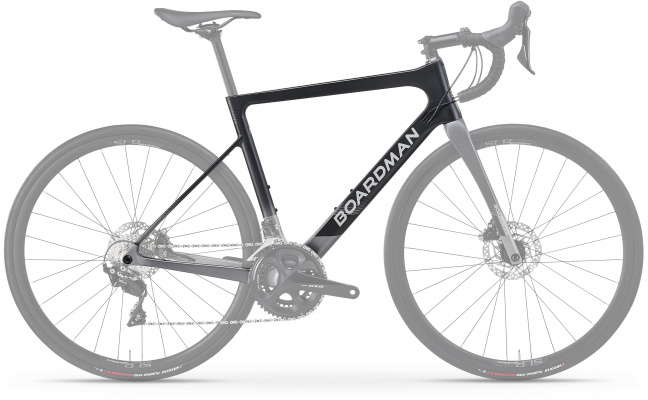
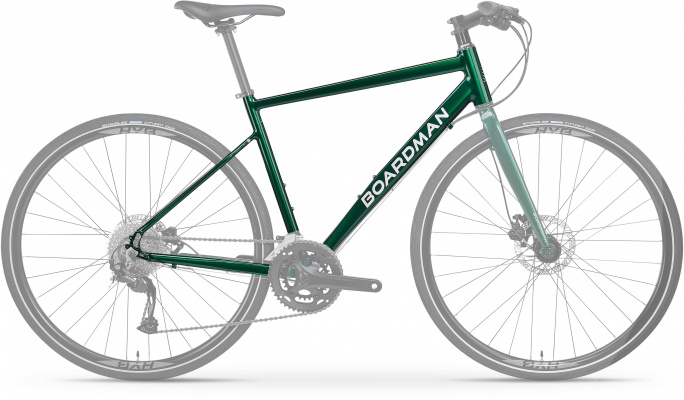
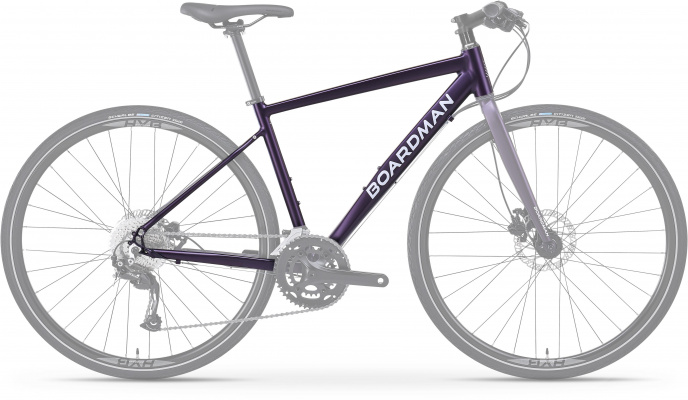
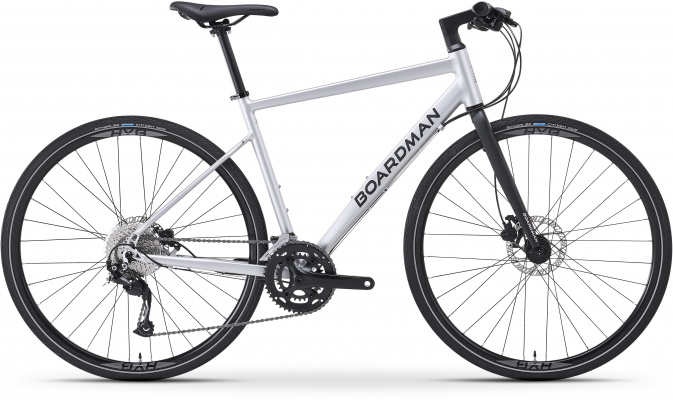
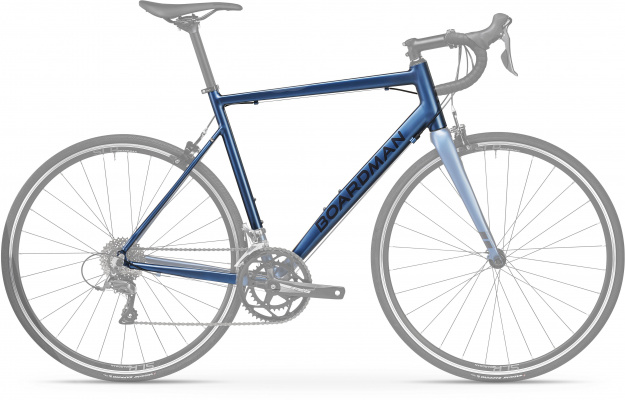
Boardman frames give you a serious foundation to build on - whether you're chasing a lightweight road racer or a capable gravel machine that won't flinch at a grim January morning in the Pennines. The range spans aerodynamic road geometries, endurance-focused builds, and adventure-ready framesets, all developed with the kind of wind-tunnel rigour you'd expect from a brand with Chris Boardman's name above the door.
What makes going bare-frame worthwhile here is the carbon quality relative to what you're spending. Boardman framesets use two distinct composite layups - C7 for durability and road-smoothing compliance, C9 high-modulus for race-sharp stiffness - so you're not just picking a shape, you're choosing how the bike behaves under load. Internal cable routing, flat mount disc standards, and thru-axle dropouts are standard across the performance tiers, meaning your component choices stay current.
Not planning a custom build? You can skip straight to Boardman Road Bikes, Boardman Gravel Bikes, or Boardman Mountain Bikes for complete, ready-to-ride options. But if you want to spec every component yourself, read on.
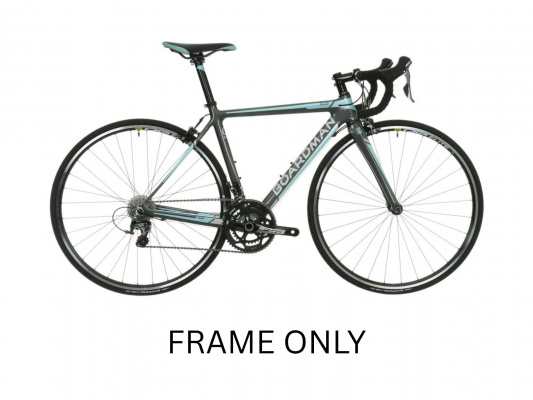
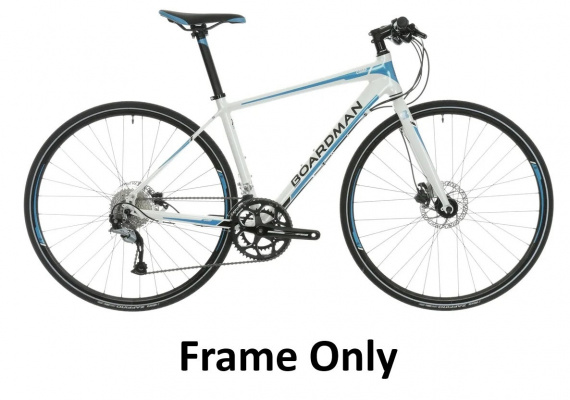
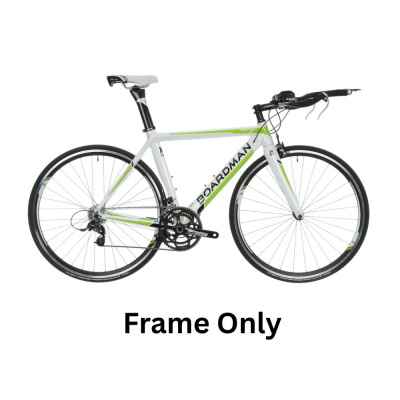
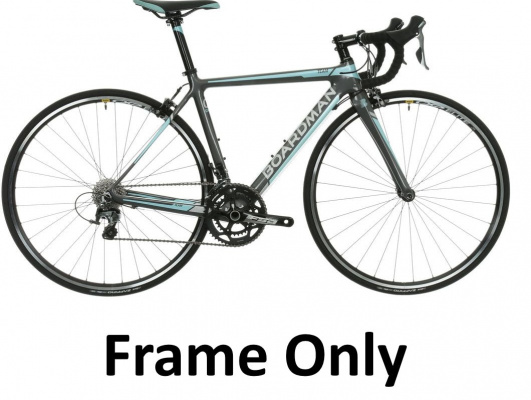
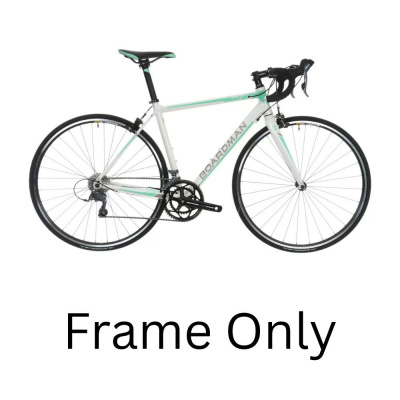
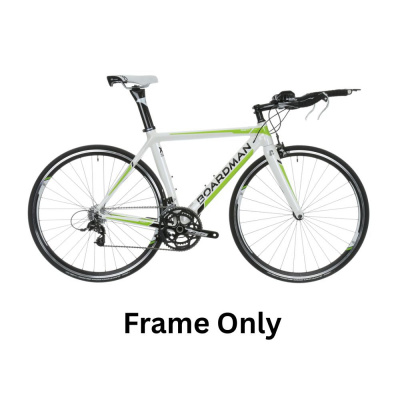
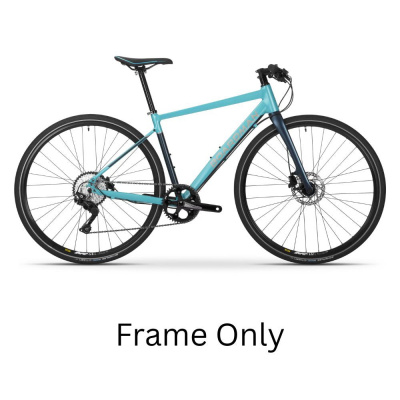
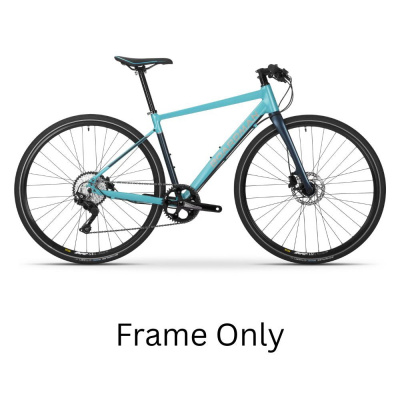
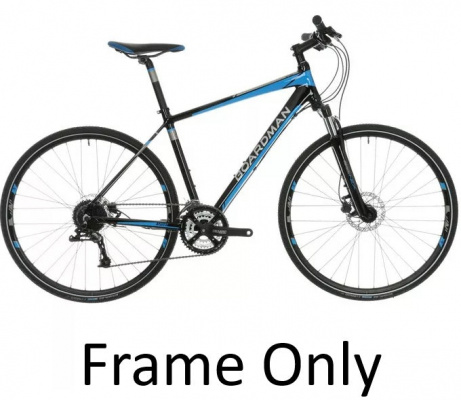
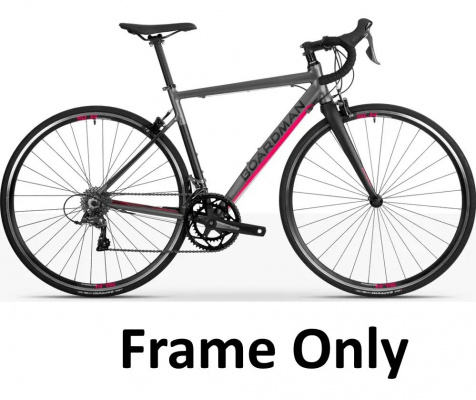
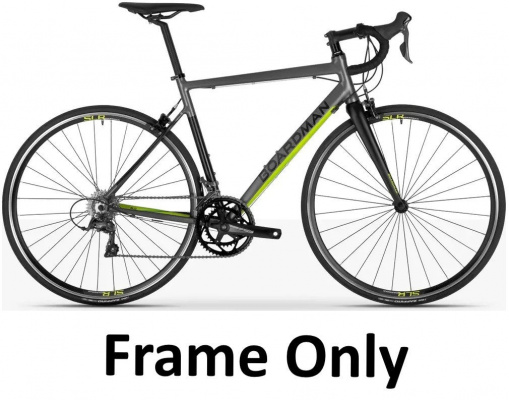
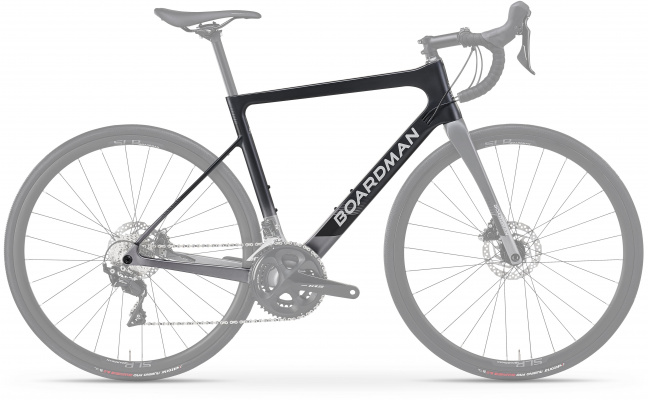
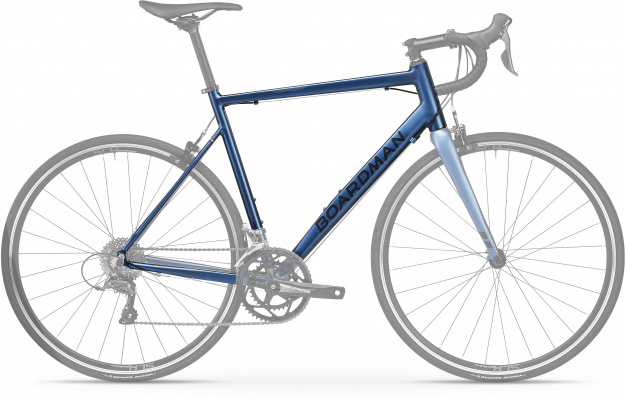
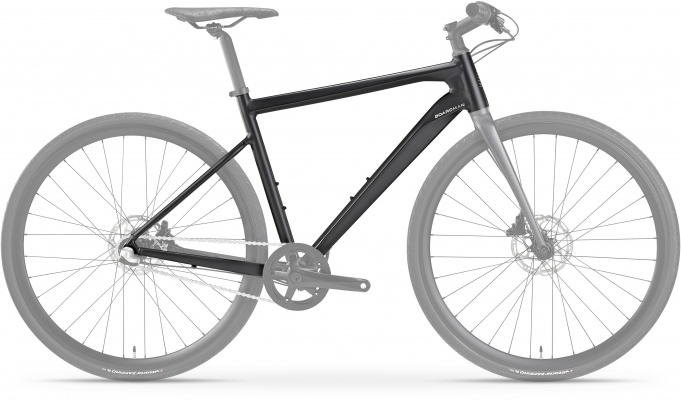
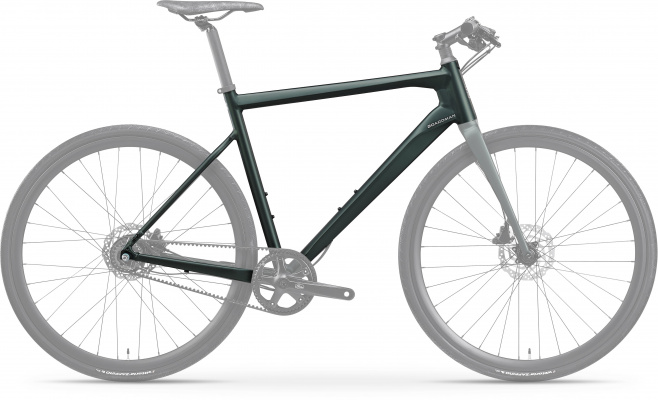
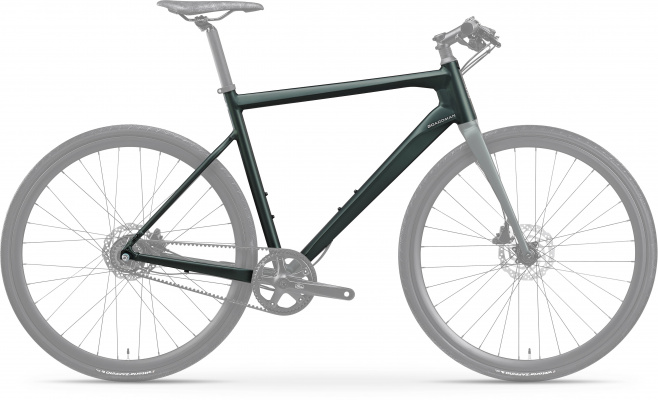
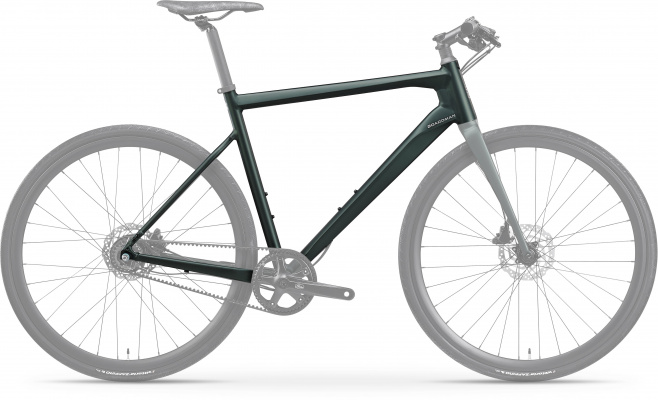
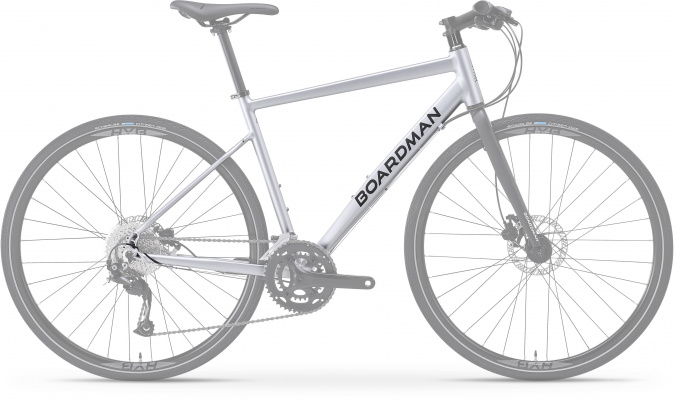
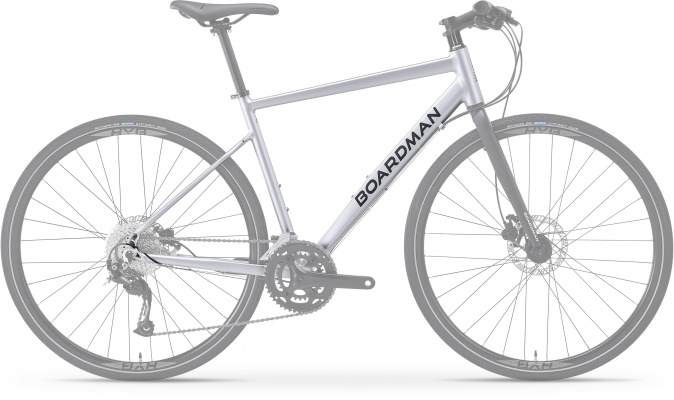
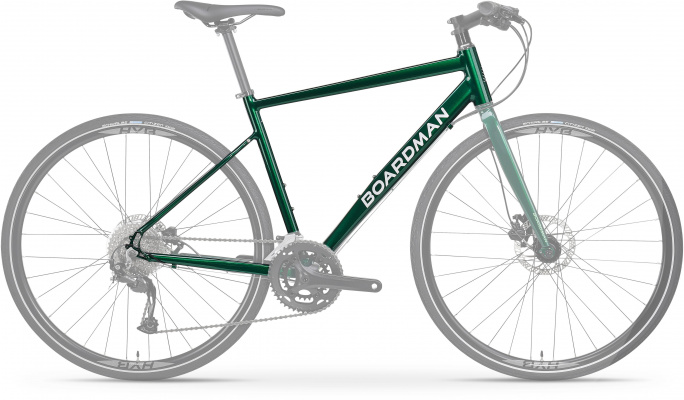
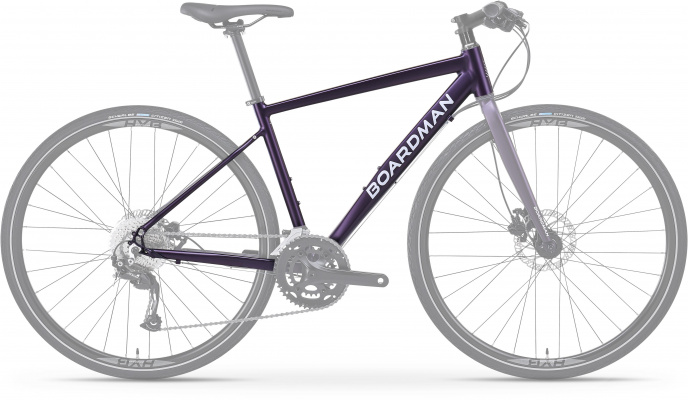
Prices and availability can change quickly. Delivery charges are not always included in listed prices.
Final price, stock status and delivery terms are set by retailer. We may receive a commission on purchases made.
Decoding the Boardman Frame Lineup
Boardman organises its Boardman framesets into three distinct families, and understanding which one fits your riding makes the choice straightforward. The SLR (Super Light Racing) series is the road-focused range - tight geometries, aerodynamic tube profiles, and a bias towards power transfer over plush compliance. These are the frames you'd pick if your weekends involve chasing PRs on exposed moorland roads or lining up at a local crit. The AIR series pushes aerodynamics further still, with tube shapes dialled specifically to cut drag at race pace, trading a little all-day comfort for outright speed.
Then there's the Boardman ADV frameset line. Longer wheelbase, slacker angles, generous mud clearance - these are built for lanes that stop being lanes halfway up a chalk ridge, or a loaded bikepacking route through the Scottish Borders. Tyre clearance on ADV frames accommodates wider rubber, which matters when you're dealing with sticky clay trails or loose gravel descents.
The material naming is worth getting straight before you buy. C7 carbon is Boardman's workhorse composite - it's compliant, durable, and handles the repetitive load of daily riding without complaint. Think of it as the sensible choice for riders who want carbon performance without treating the frame like museum glass. The Boardman C9 carbon frame sits at the top of the stack: a high-modulus composite blend that prioritises an exceptional stiffness-to-weight ratio for riders who need every watt to count. It's noticeably stiffer under sprint loads and measurably lighter, but it's also less forgiving on rough surfaces - that's the trade-off you're accepting.
The Engineering Behind the Tube Shapes
The aerodynamic tube profiles on Boardman's road frames aren't just for show. Truncated aerofoil cross-sections - where the trailing edge of the tube is cut flat rather than tapered to a full point - deliver most of the drag reduction of a true aerofoil shape while staying stable when a crosswind catches you broadside on an exposed ridge. It's a practical compromise that works for real UK riding conditions, not just controlled tunnel tests.
Further down the frame, dropped seatstays do two jobs simultaneously. They shift the flex point in the rear triangle, letting the frame absorb road buzz through the seatstays rather than sending it straight into your lower back - useful on the rougher B-roads that make up most UK cycling routes. Structurally, this design also keeps the rear end laterally stiff where it matters for sprinting, without the seatstays fighting your lower back on longer efforts.
At the bottom bracket junction, Boardman uses an oversized shell - typically BB386EVO format - to maximise the surface area bonding the chainstays, seat tube, and down tube. In practical terms, that means less flex between your pedal stroke and the rear wheel. Press-fit standards divide opinion among home mechanics, but the BB386EVO shell's larger diameter gives manufacturers more room to design proper weather sealing into the interface, which is relevant if your bike spends winters in the wet. More on that shortly.
The Boardman SLR frame geometry concept applies a reach and stack that suits riders who want an aggressive position for speed but haven't fully committed to a race-only setup. It sits between a pure race geometry and a dedicated endurance geometry - close enough to flat-back for aerodynamics, with enough stack height that a three-hour ride doesn't end in a physio appointment.
Building and Running One in the Real World
A few practical things worth knowing before you start ordering parts. Internal cable routing on these frames looks clean once it's done, but route your cables and housing before you press in the bottom bracket - trying to feed housing past a freshly installed BB shell is the kind of job that tests your patience at 9pm in a cold garage. Most Boardman frames use guided internal routing with ports rather than fully unguided channels, so it's manageable, just plan the order of assembly.
On the bottom bracket: use a quality press-fit unit with a reputation for weather resistance. UK winters mean repeated wet rides, and a poorly sealed BB interface will start creaking by February. Ceramic-bearing units with tight-tolerance outer races are worth the extra spend here - they seat more consistently and stay quieter across a wider range of temperatures and moisture levels.
Tyre clearance on the SLR road frames is worth checking against your actual tyre choices before you buy. Many riders running UK roads will want at least 28mm clearance to take the edge off potholed tarmac, and some SLR frames sit closer to that limit than you'd expect from the spec sheet alone. The ADV frameset is more generous - it handles the kind of chunky gravel tyres that make sense for mixed-surface riding without the drama. If you're building an ADV and plan to use it on rougher trails, check the mud clearance with your intended tyre mounted, rather than assuming the rated width tells the whole story.
Once it's built, pairing the frame with the right components makes a real difference. Matching Boardman stems keeps the front-end geometry consistent with the frame's intended fit, and it's worth having a look at Boardman jerseys if you're building out a complete setup - practical kit that fits the same riding philosophy as the frames. For broader comparisons across the custom build market, we track pricing across the full Boardman range alongside competing framesets so you can see where the value sits at any given time.
Related searches:
Boardman Frames FAQs
Are Boardman frames good quality?
Yes. Boardman frames offer strong performance relative to their price, with wind-tunnel-tested tube profiles and pro-level carbon layups on the C9 models. They're a credible choice whether you're building a fast road bike or an adventure frameset, and they hold their own against rivals at significantly higher price points.
What is the difference between Boardman C7 and C9 carbon?
C7 is Boardman's durable, compliant carbon - good for everyday riding, absorbs vibration well, and handles knocks without drama. C9 is a high-modulus blend that maximises stiffness and reduces weight, making it the better choice for competitive riding where you need immediate power transfer. The trade-off is a firmer, less forgiving ride on rougher surfaces.
Do Boardman frames come with a warranty?
Boardman offers a lifetime warranty on frames and rigid forks for the original owner, covering manufacturing defects. That's a meaningful commitment for a custom build - it means you're not taking on hidden risk by going bare-frame rather than buying a complete bike.