
Carrera Mountain Bikes
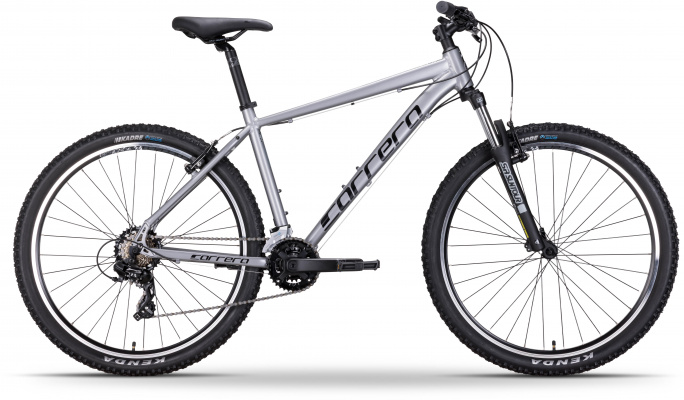
Carrera mountain bikes sit at the sharp end of the UK's entry-level hardtail market - robust enough to handle a proper Welsh trail centre, sensible enough not to terrify your bank balance. Built around lightweight 6061 alloy frames and equipped with reliable Shimano drivetrains, the range is squarely aimed at riders who want to get out on real trails without spending a fortune on a first bike.
Every model in the lineup runs disc brakes - mechanical on the entry models, hydraulic disc brakes on the step-up Vulcan - which makes a genuine difference when you're braking late into a muddy corner on a damp bridleway. SR Suntour forks take the edge off rough ground, and the geometry is confidence-inspiring without being twitchy. These aren't race bikes, but that's not the point. They're practical, durable, and built to be ridden hard from day one.
Looking for an electric boost on the climbs? Head over to our Carrera E-Bikes page. Shopping for a younger rider? Check out the dedicated Carrera Kids Bikes collection.
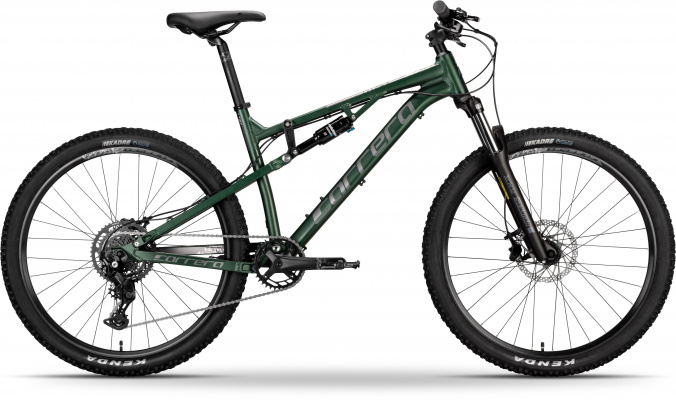
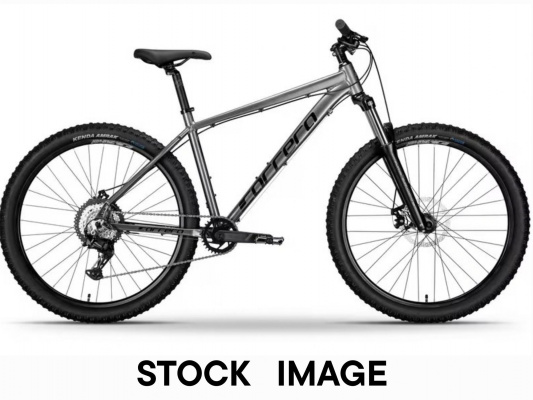
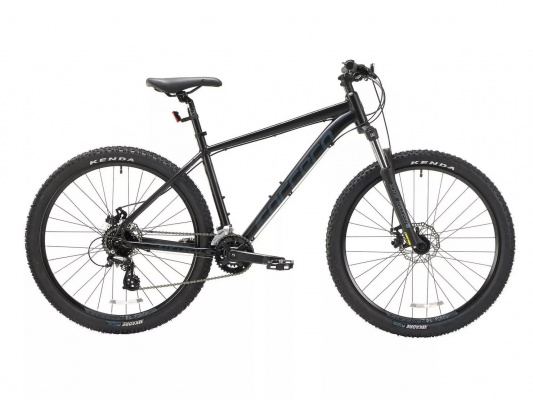
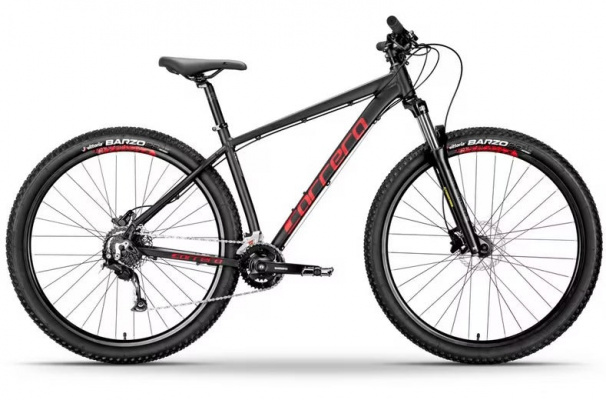
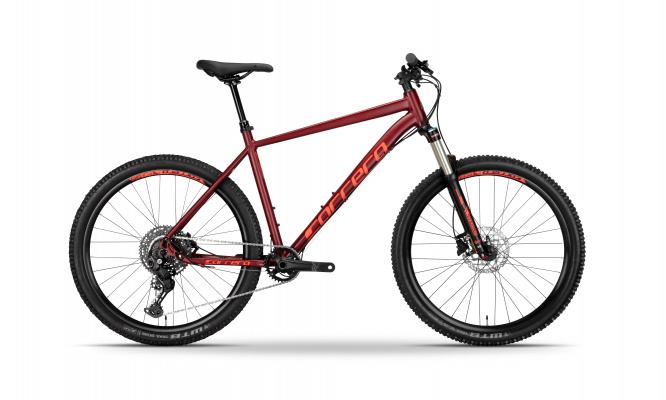
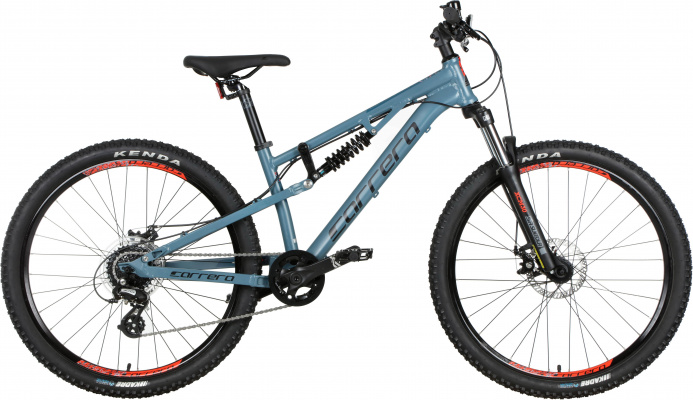
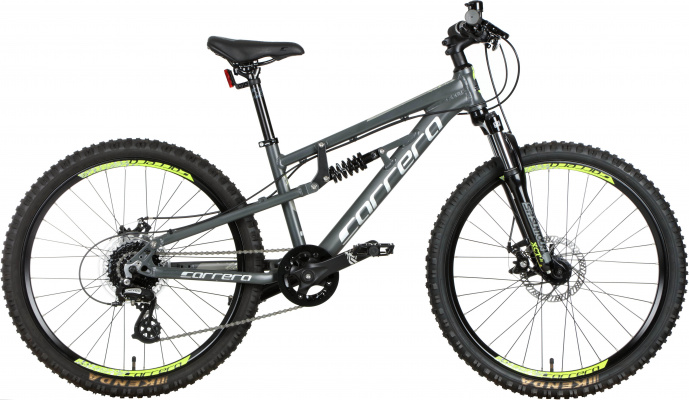
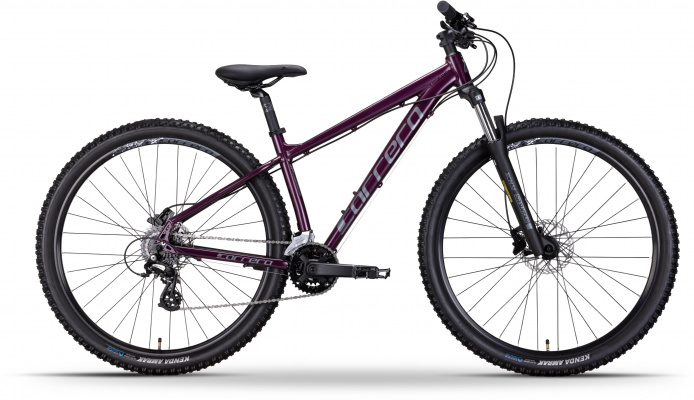
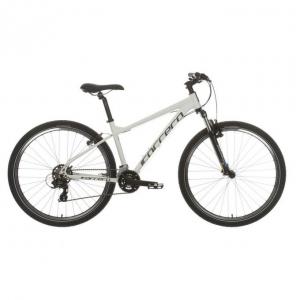
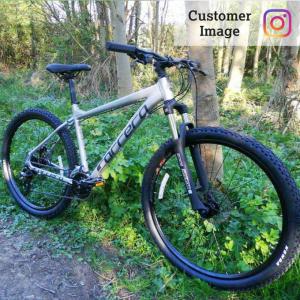
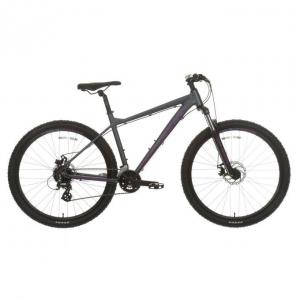
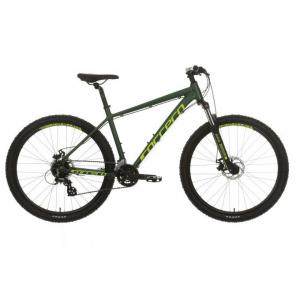
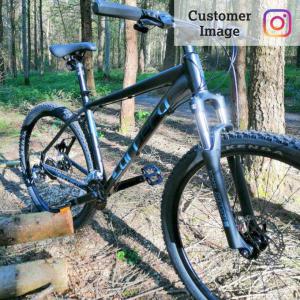
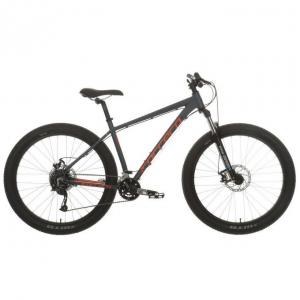
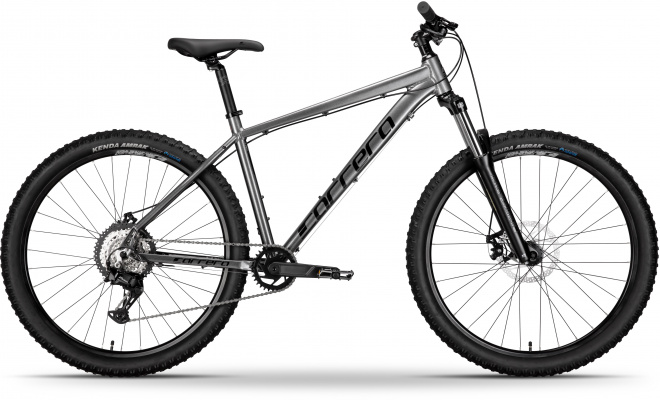
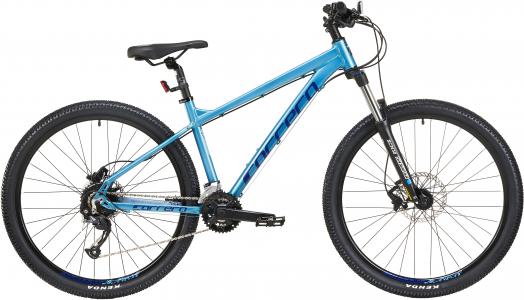
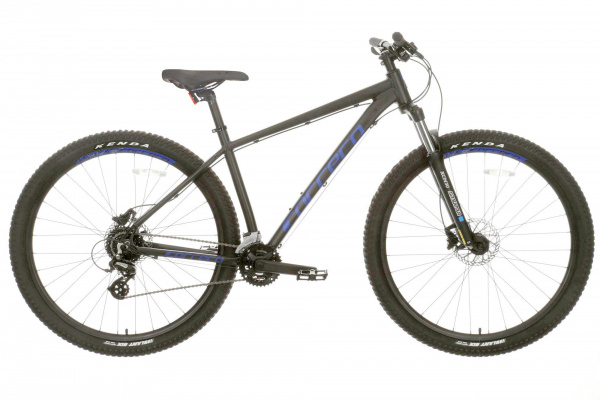
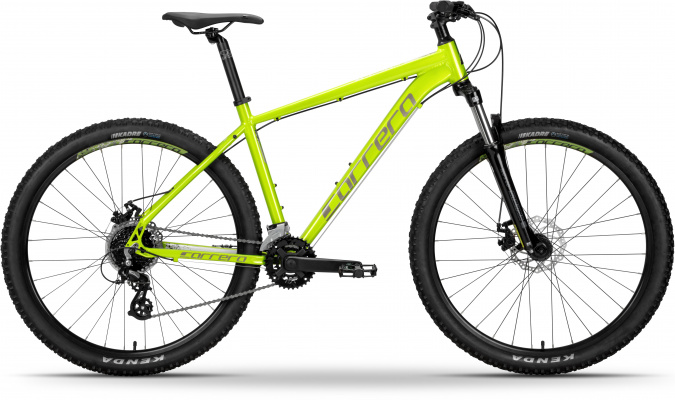
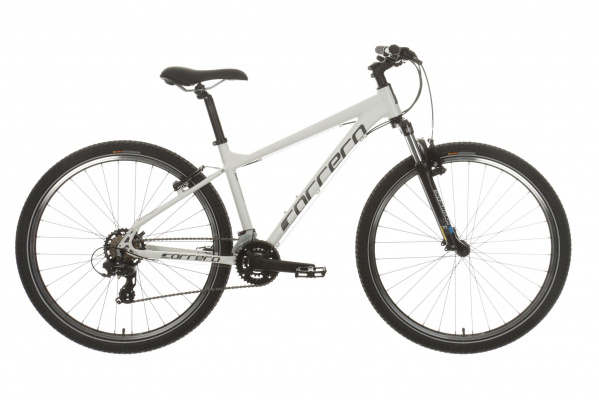
Prices and availability can change quickly. Delivery charges are not always included in listed prices.
Final price, stock status and delivery terms are set by retailer. We may receive a commission on purchases made.
Decoding the Carrera Mountain Bike Lineup
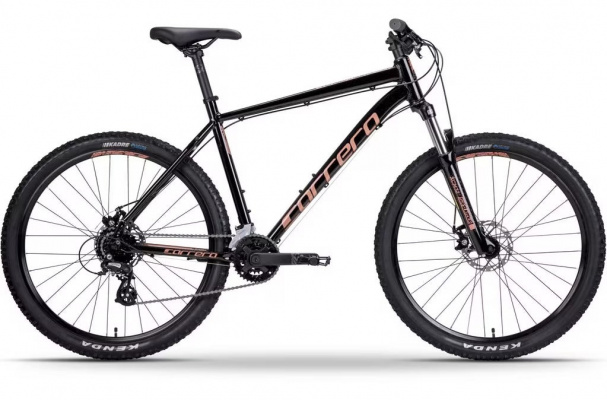
The core of the Carrera mountain bike range is four hardtails, each aimed at a slightly different rider. Start with the Vengeance - the most popular model in the lineup and a genuine all-rounder. It runs 27.5-inch wheels, which keep the handling nimble and reactive, making it a natural fit for tighter, rooty singletrack or the kind of rolling blue-grade loops you'd find at Grizedale or Cannock Chase. It's the one most riders end up on, and for good reason.
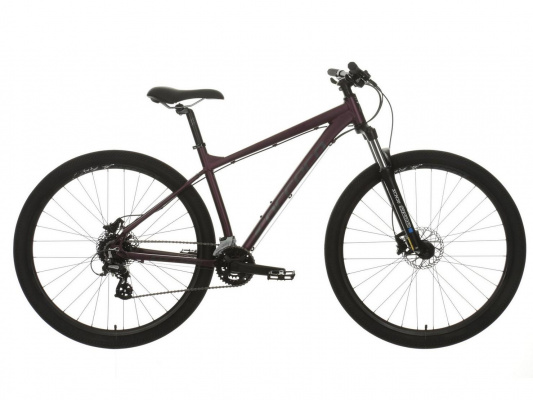
Step across to the Hellcat and the key difference is immediately obvious: it's a 29er. Bigger wheels roll over roots and rocks with less fuss, maintaining momentum where a smaller wheel would stutter. If you're riding longer distances or tackling more open, flowing routes, the Hellcat's extra rollover ability pays dividends. Both models share the same lightweight alloy construction and Shimano Altus-level gearing, so the choice really does come down to wheel size and riding style.
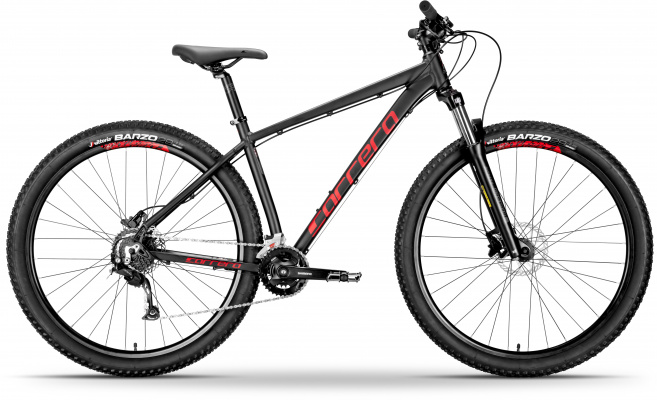
The Vulcan is where things get more serious. It steps up to hydraulic disc brakes - a meaningful upgrade over the mechanical stoppers on the base models - and benefits from better fork damping. If you're planning to ride anything beyond packed gravel and easy blue trails, the Vulcan's extra stopping confidence in the wet is worth the jump. Compared to similarly priced rivals like Calibre mountain bikes or Apollo mountain bikes, the Vulcan holds its own on spec for the money.
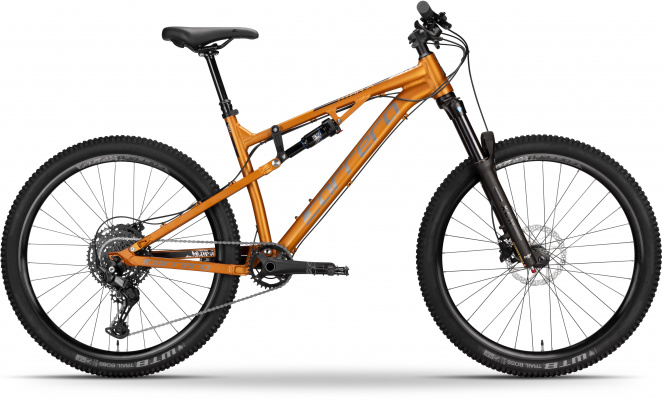
Carrera also offers the Titan - their entry into full-suspension territory. It's worth knowing about, but the hardtails are where Carrera's value proposition is strongest. A decent hardtail will teach you more about riding than a budget full-suspension bike, and the Vengeance, Hellcat, and Vulcan all deliver that.
The Engineering Behind the Price Tag
6061 aluminium is the frame material throughout the Carrera mountain bike range, and it's a sensible choice at this price point. It's stiff enough to transfer your pedalling effort efficiently, tough enough to take repeated knocks on trail, and light enough that the bikes don't feel like pushing a fridge uphill. Most Carrera hardtails come in between 14.5kg and 15.5kg depending on frame size and model - standard for the class, and honest.
The shift to disc brakes across the entire range reflects what UK riders actually need. Rim brakes lose bite fast in wet conditions; discs don't. Mechanical disc brakes, as found on the Vengeance and Hellcat, are perfectly capable and easy to adjust with a roadside multitool. Hydraulic discs on the Vulcan are self-adjusting and deliver more progressive feel at the lever - once you've ridden hydraulic, going back feels like a step backwards. For winter riding on clay-heavy North Downs bridleways or Peak District grit, it's not a trivial difference.
SR Suntour coil forks are fitted throughout the range. They're not the lightest units on the market, but coil springs are consistent - they don't lose sensitivity in cold weather the way some air forks can. For the conditions most Carrera riders are riding in, that consistency matters more than saving a few hundred grams. Gearing is handled by Shimano - Tourney on the entry models, Altus on the mid-range - and both are widely available at any decent bike shop if you need to replace a mech or cassette. That ease of sourcing parts is quietly one of the best things about Shimano's lower tiers.
Carrera also fits their own memory foam saddles across the range, designed to add comfort for riders who are new to spending extended time in the saddle. It's a practical touch. You can always swap to something more performance-oriented as your riding develops, but out of the box it removes one early barrier.
On sizing, Carrera scales wheel size to frame size on certain models - smaller frames get 27.5-inch wheels, larger sizes move to 29-inch wheels. It sounds like a minor detail, but it genuinely improves how the bike handles for riders at each end of the size range. A tall rider on a 27.5 can feel cramped; a smaller rider on a 29er can struggle to get the front wheel to turn in. Getting this right at the design stage matters. If you want to explore a broader comparison with brands pushing the geometry further, Boardman mountain bikes and Cube mountain bikes are worth a look further up the budget.
Living with a Carrera MTB Through a British Winter
The SR Suntour fork stanchions need attention if you're riding through winter. Mud and grit work into the lower legs and, left unchecked, will score the seals. Wipe the stanchions down after every muddy ride - takes thirty seconds and adds months to the fork's life. It's the kind of thing that gets mentioned in passing and then ignored until the fork starts weeping oil.
Stock tyres on Carrera hardtails are decent for hardpack and dry trails. Come November, when the trail surface at your local blue route turns to churned clay, you'll want more grip. Swapping to a mud-specific tyre - something like a Maxxis Shorty or a Schwalbe Magic Mary in a narrower width - transforms how the bike handles in conditions that would otherwise have you sliding wide on every corner. It's the single most cost-effective upgrade you can make.
Carrera offers specific Carrera mens mountain bike and Carrera womens mountain bike versions across the range, with geometry adjusted for different proportions rather than just colour changes. Worth checking when you're sizing up. And if you're already in the Carrera ecosystem and want something for mixed-surface commuting between trail days, their Carrera hybrid bikes are a logical companion.
One more thing: keep the chain clean and lubed. A dry chain on a Shimano Tourney drivetrain will skip and ghost-shift within a few rides. A bottle of wet lube and five minutes after each outing keeps everything running crisply. Basic, but it's what separates a bike that rides well for three years from one that starts rattling by Christmas.
Related searches:
Carrera Mountain Bikes FAQs
Are Carrera mountain bikes any good for trails?
Yes - Carrera mountain bikes are a solid choice for UK trail centres and blue-grade routes. The Vulcan in particular, with its hydraulic disc brakes and capable geometry, gives newer riders genuine confidence off-road. The Vengeance and Hellcat handle well on easier singletrack and bridleways too, especially once you've fitted a grippier tyre for wetter conditions.
What is the difference between the Carrera Vengeance and Hellcat?
The Vengeance runs 27.5-inch wheels for nimble, responsive handling - it suits tighter trails and riders who prefer a more agile feel. The Hellcat is a 29er, rolling faster and more smoothly over roots and rocks. Both use lightweight 6061 alloy frames and Shimano gearing; the choice comes down to wheel size preference and the type of riding you're planning.
How heavy is a Carrera mountain bike?
Most Carrera hardtails come in between 14.5kg and 15.5kg, varying slightly by model and frame size. That's a standard and honest weight for entry-level alloy bikes with coil-sprung SR Suntour forks. It's not featherlight, but it's durable - and for trail riding, durability counts for more than saving a few hundred grams.