
Van Rysel Road Bikes
Van Rysel road bikes have made a serious case for themselves - from Decathlon's in-house premium tier to bikes racing at WorldTour level, all without the price tag that usually comes with that sentence. Designed in Flanders and wind-tunnel developed alongside ONERA, the French aerospace research lab, these are not rebranded catalogue bikes. There's genuine engineering behind them.
The lineup splits into three clear families. The RCR is the aero race machine - tube shapes honed in a wind tunnel, stiff where it counts. The EDR is the climber and long-haul companion, built around a high-modulus carbon layup that keeps weight down without sacrificing stiffness. The NCR plays it broader, with relaxed geometry and room for 35mm tyres - useful when your Sunday loop takes in some agricultural B-road grime. Each family runs across multiple trim levels, from aluminium-framed entry points to full carbon builds with Ultegra Di2 and integrated cockpits.
Whether you're chasing a local KOM, grinding out a 200km audax, or just want a properly fast bike that won't bankrupt you, there's a Van Rysel that fits the brief. Compare the latest UK prices across the full range below.
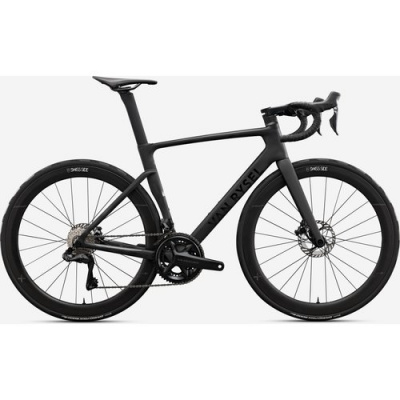
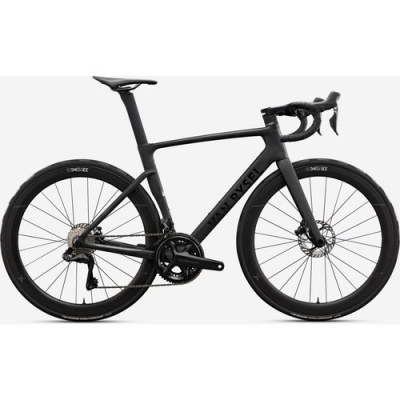
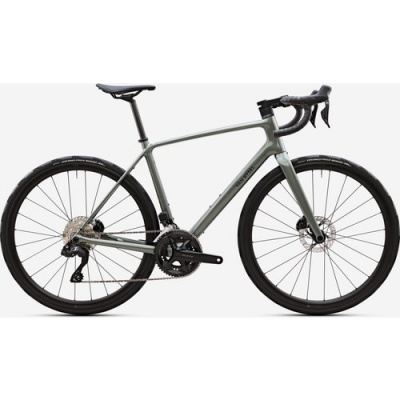
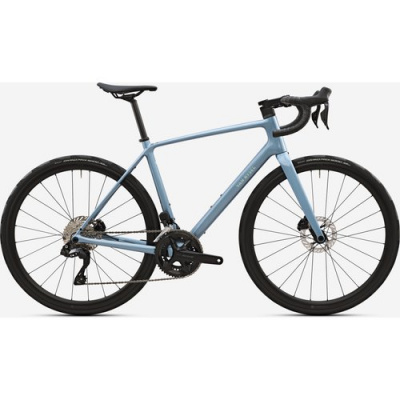
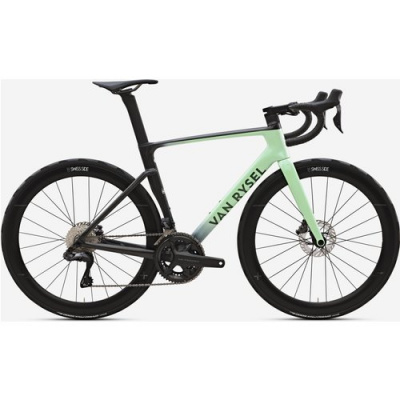
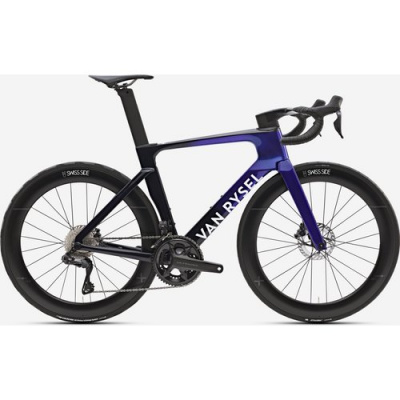
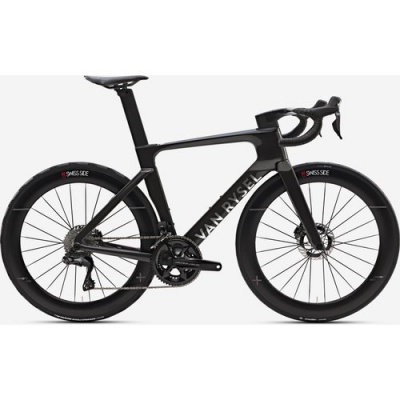
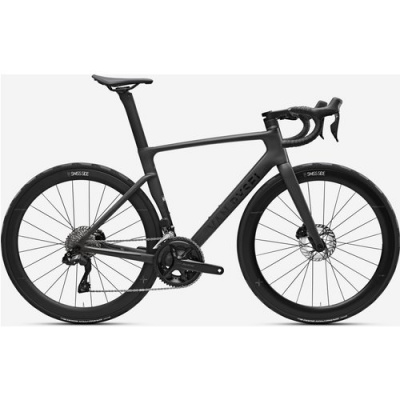
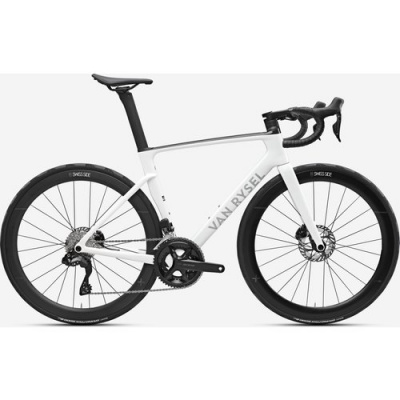
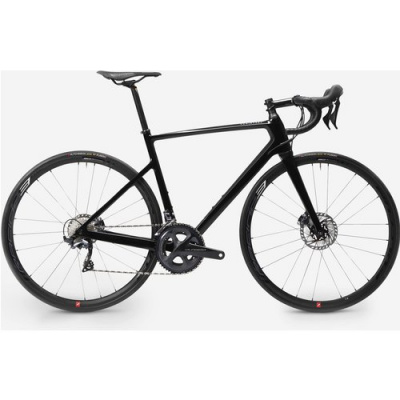
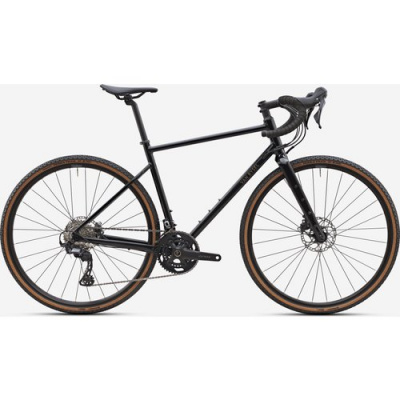
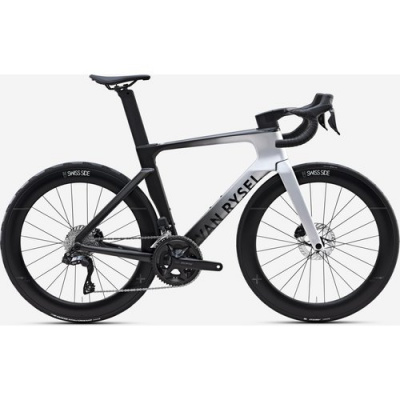
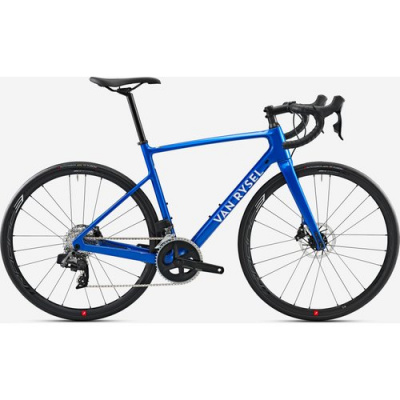
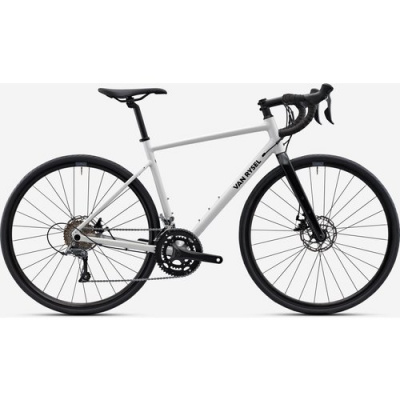
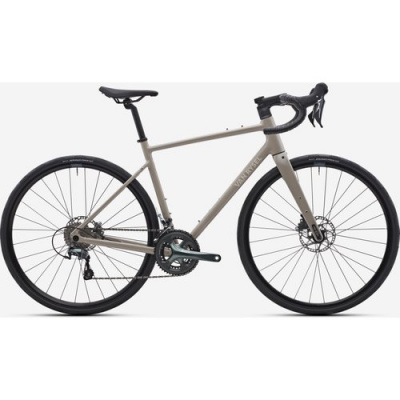
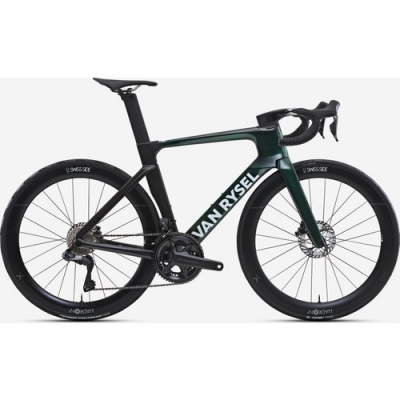
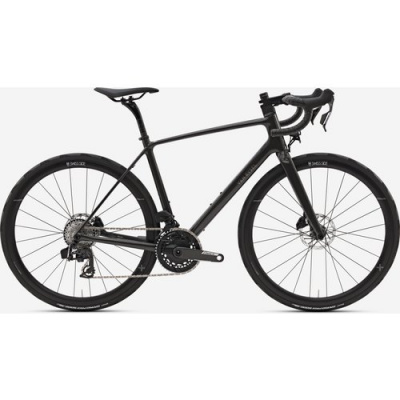
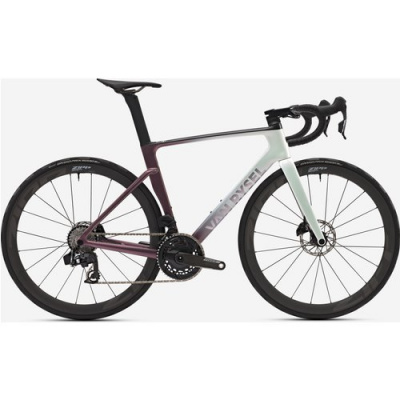
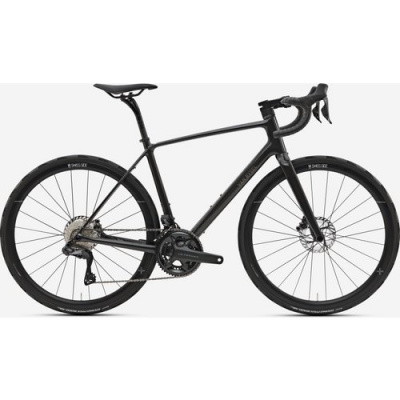
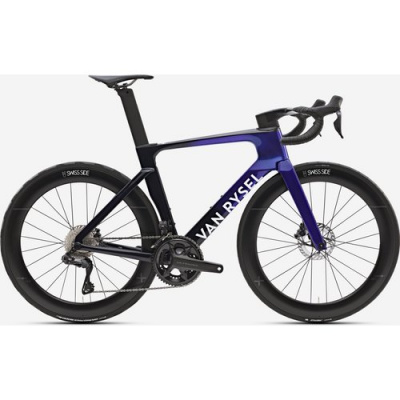
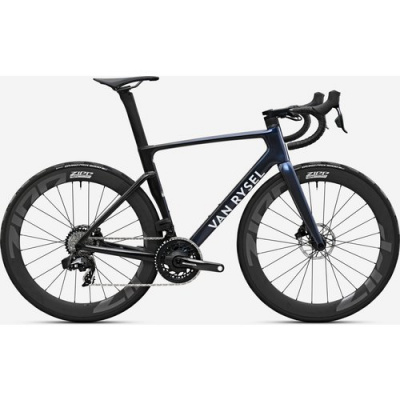
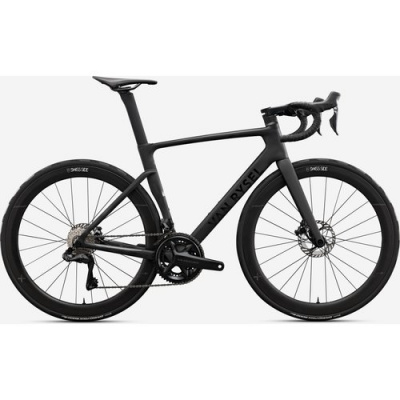
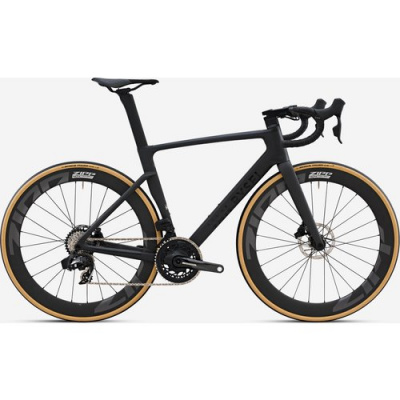
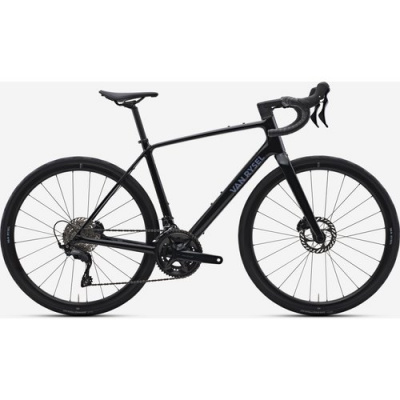
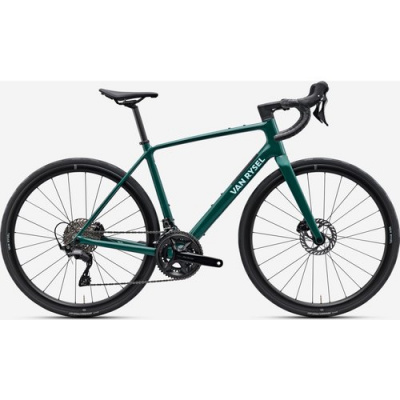
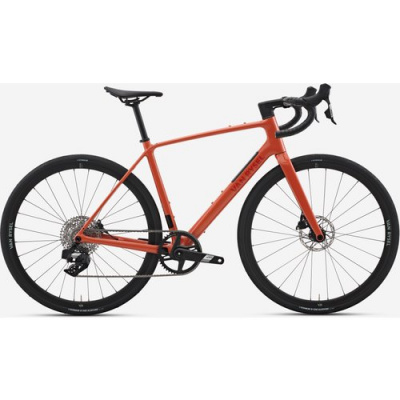
Prices and availability can change quickly. Delivery charges are not always included in listed prices.
Final price, stock status and delivery terms are set by retailer. We may receive a commission on purchases made.
Decoding the Van Rysel Road Lineup
Van Rysel organises its road range around three model families, and it's worth understanding what each is actually for before you start filtering by price. The RCR (Racing Carbon Road) is the race-focused end of the range - aggressive geometry, aerodynamic tube profiles, and builds that run from Shimano 105 up to Ultegra Di2. If you want to go fast on flat or rolling roads and you're comfortable in a stretched-out position, this is where to look. It shares its development lineage with the bikes used by the Cofidis WorldTour squad, which tells you something about the intent.
The EDR (EnDuRance) sits at the other end of the performance dial. Its high-modulus carbon layup prioritises low weight and vertical compliance, with dropped seatstays that take the edge off road buzz over longer miles. Think sportive riding, alpine cols, or just the kind of all-day pace where your lower back has opinions. Trim levels carry the CF (Carbon Frame) suffix on the upper builds and AF (Aluminium Frame) on the more accessible entry points - a practical distinction if budget is the primary filter.
The NCR (Neo Carbon Racer) occupies the middle ground. Versatile geometry, tyre clearance up to 35mm, and a frame that doesn't punish you for running wider rubber. It's the one that makes most sense if your riding is mixed - some fast bunch rides, some rougher lanes, maybe the odd gravel detour. It's not a gravel bike, though. For Van Rysel's dedicated off-road options, head to the Van Rysel gravel bikes page. And if you're after a time trial or triathlon-specific build, those sit separately on the Van Rysel time trial and triathlon bikes page.
The Engineering Behind the Frames
The headline story with the RCR is the ONERA partnership. ONERA is the same French aerospace lab that works on aircraft and satellite components - Van Rysel used their wind tunnel and computational fluid dynamics tools to shape the RCR's tube profiles. The result is an aerodynamic profile that competes with bikes from brands charging considerably more. It's not just marketing copy; the Cofidis team ran these frames in race conditions, which is a harder test than any wind tunnel session.
Across the EDR, the high-modulus carbon story is about fibre orientation and layup precision rather than sheer material cost. Van Rysel's engineers use a higher-grade carbon weave in the main triangle to keep the frame stiff under power, then tune the chainstays and seatstays separately for compliance. Those dropped seatstays - where the stays connect lower on the seat tube rather than at the top - are a well-proven way to let the rear end flex slightly without the frame feeling vague. You feel it on broken tarmac after an hour in the saddle.
Cockpit integration varies by build. Upper-tier RCR and EDR models ship with fully integrated cockpit systems - often Deda or FSA units - with internal cable routing that keeps the front end clean and cuts aerodynamic drag. That matters if you're racing or just want the bike to look the part. It does add a layer of complexity to bar tape changes and cable replacements, so factor that in if you're planning to service the bike yourself at home.
Component spec across the range leans heavily on Shimano 105 at mid-tier and Ultegra Di2 at the top, with some builds specced with SRAM Rival AXS. All solid, well-supported groupset choices with good UK availability for spares and service.
Owning One on British Roads
The NCR's 35mm tyre clearance deserves a specific mention here. British B-roads are their own category of rough - patched, cracked, occasionally more pothole than road - and most race-geometry bikes with 25mm clearance make those stretches genuinely unpleasant. Running a 32mm tyre on the NCR changes the character of the ride noticeably. You lose a little outright speed but gain the kind of confidence that keeps you off the brakes and actually enjoying the bike. It's a practical consideration that Canyon road bikes and Boardman road bikes at similar price points don't always match at this clearance level.
Winter and wet-weather riding brings its own maintenance reality. The fully integrated cable routing on higher-spec models looks great, but grit and water find their way into headset bearings over a damp British winter. It's worth pulling the headset for a clean and regrease at the end of the season - not a difficult job, but one that's easy to forget. Disc brakes across the range make wet descents on Dartmoor or the Trough of Bowland considerably less exciting in the right way. Hydraulic systems need a bleed check once a year; that's true of any disc-equipped bike.
The Decathlon warranty and service network is a genuine practical asset. With stores across the UK and a central online returns process, getting warranty work done on a Van Rysel is less friction than dealing with some smaller direct-to-consumer brands. Spare parts availability through Decathlon's supply chain is another underrated plus. If you're building the complete setup, Van Rysel's own road wheels and bib shorts are worth a look alongside the bike - the shorts in particular have a strong following among UK club riders. You might also want to browse their jerseys while you're at it.
One honest trade-off: the integrated cockpits on premium builds look purposeful but aren't ideal if you're still dialling in your fit. Make sure your reach and stack are sorted before committing to a fully integrated bar and stem combo - swapping it out later costs more than a conventional setup would. If you want the aero benefits without that constraint, the mid-tier 105-specced builds with conventional handlebars give you more flexibility while you find your position. Giant road bikes offer a similar mix at comparable prices if you want a direct comparison point.
Related searches:
Van Rysel Road Bikes FAQs
Are Van Rysel road bikes any good?
Yes, genuinely. Van Rysel now supplies bikes to the Cofidis WorldTour team, which is a credible benchmark. The frames are wind-tunnel developed with aerospace input, and the component specs - Shimano 105, Ultegra Di2, SRAM Rival AXS - are proper race-ready kit. You're getting more engineering per pound here than most comparably priced brands offer.
What is the difference between Van Rysel EDR and NCR?
The EDR is a lightweight endurance and climbing bike - high-modulus carbon, dropped seatstays, and a geometry that works for long days in the saddle. The NCR is broader in scope: relaxed geometry, clearance for up to 35mm tyres, and a ride character that suits mixed road conditions. If your rides stay on smooth tarmac, EDR. If they don't always, NCR.
Is Van Rysel the same as B'Twin?
Not exactly. Van Rysel is Decathlon's performance-focused brand, taking over from the higher-end B'Twin road models as the range became more serious. B'Twin now covers entry-level, urban, and children's bikes. Think of Van Rysel as Decathlon's answer to a proper cycling brand rather than a sports retailer's own label.