
Carrera E-Bikes
Carrera E-Bikes have carved out a genuinely strong position in the UK market by doing something simple well: delivering reliable, UK legal 250w pedal assist at a price that doesn't require a rethink of your finances. These aren't bikes that promise the world and underdeliver - they're practical, well-specced machines aimed squarely at everyday riders who want to get somewhere, or just enjoy the weekend, without fuss.
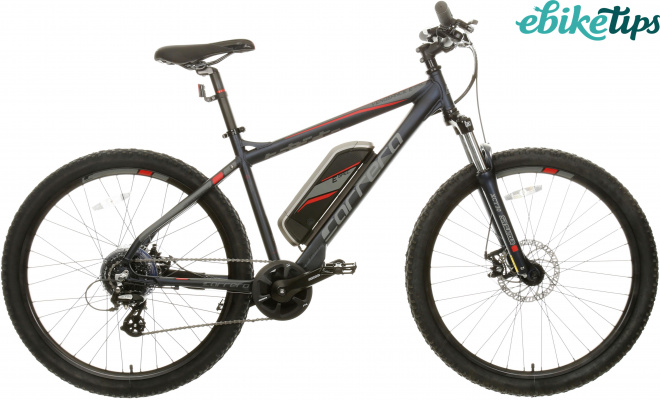
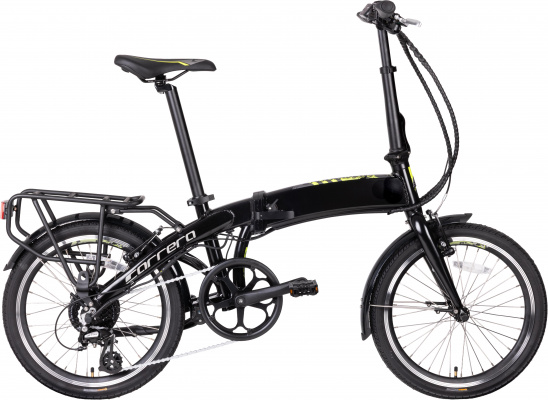
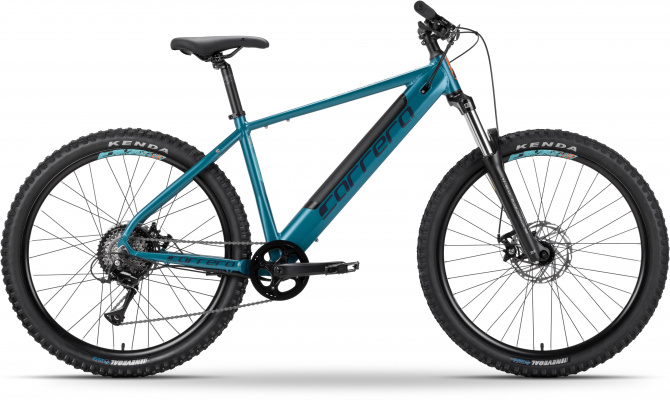
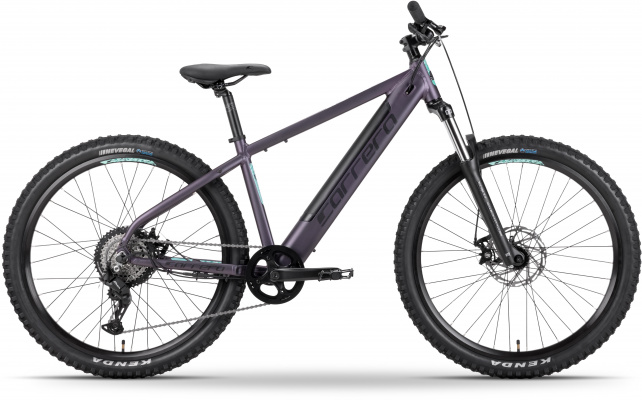
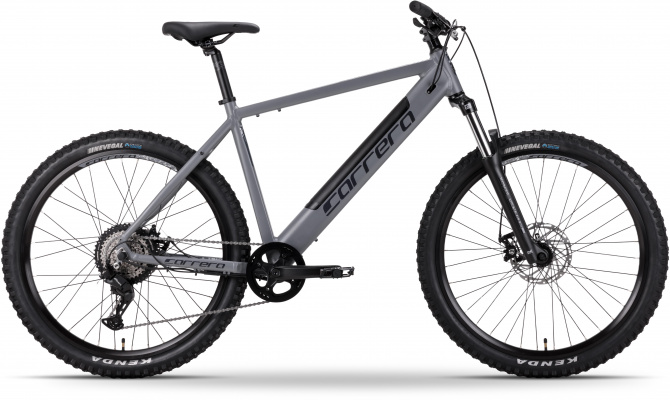
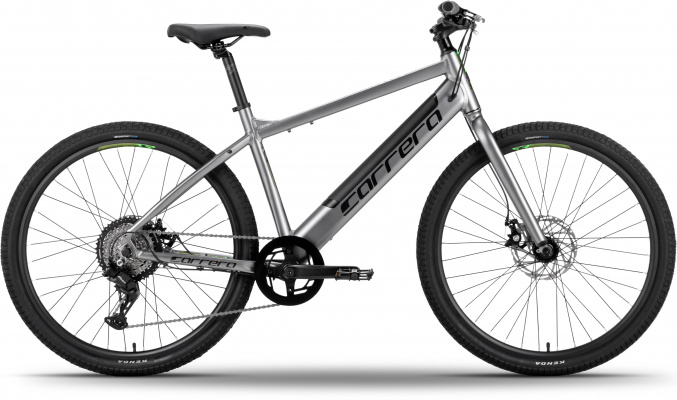
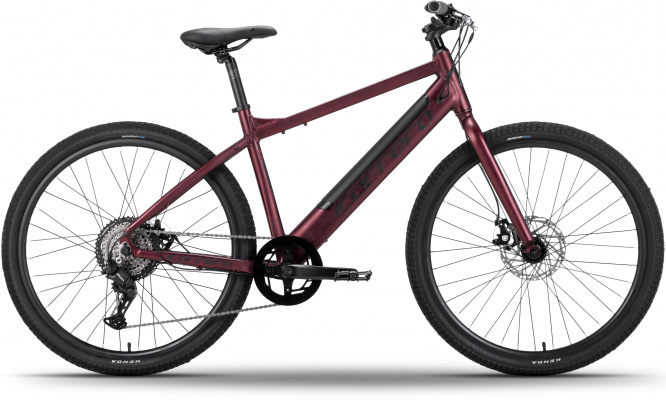
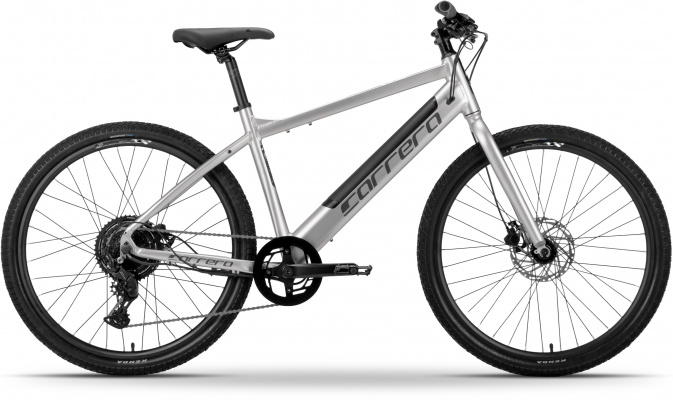
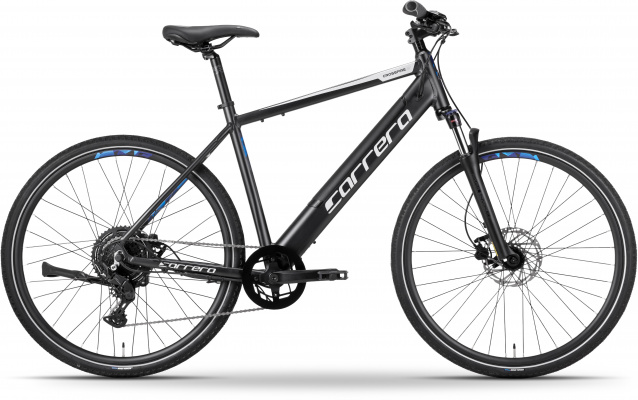
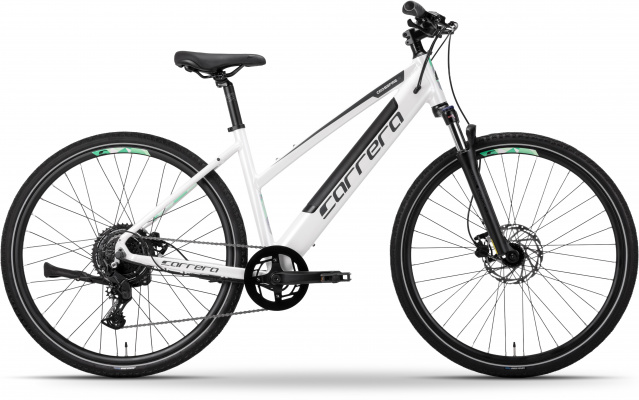
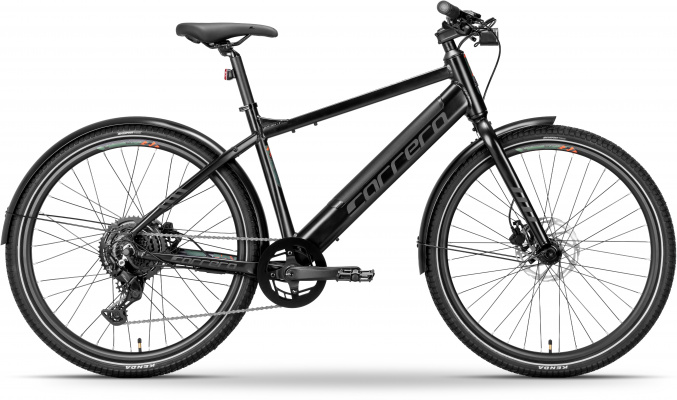
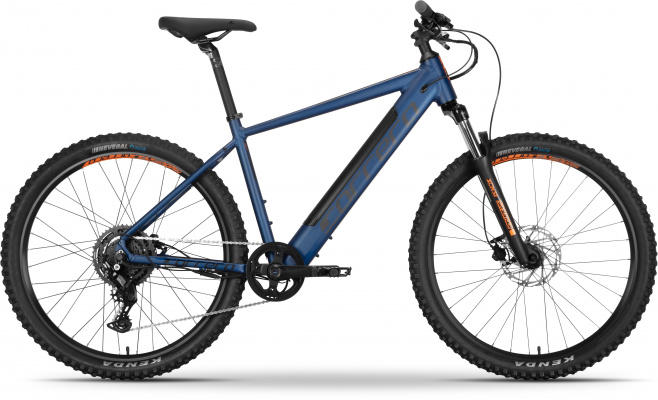
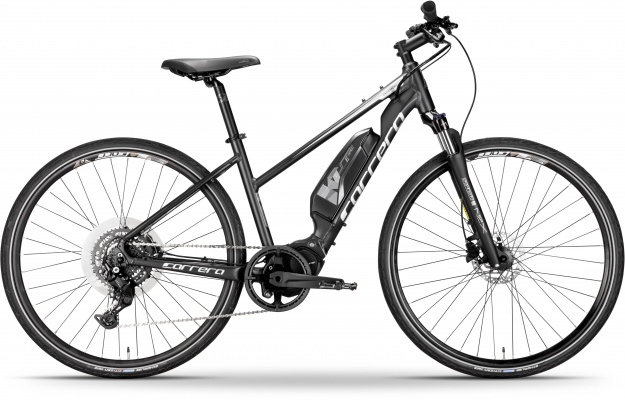
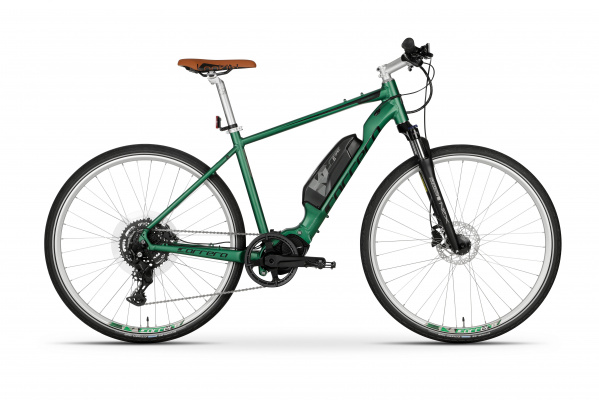
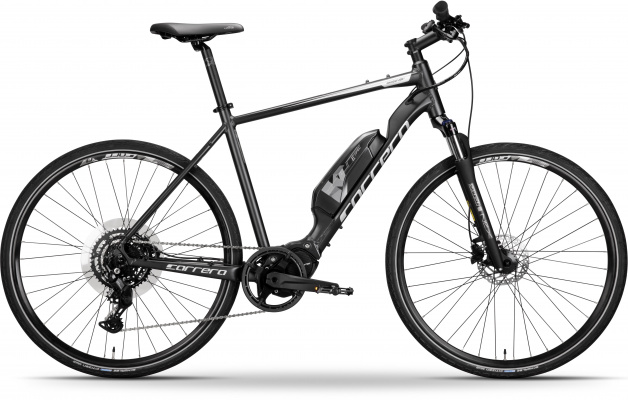
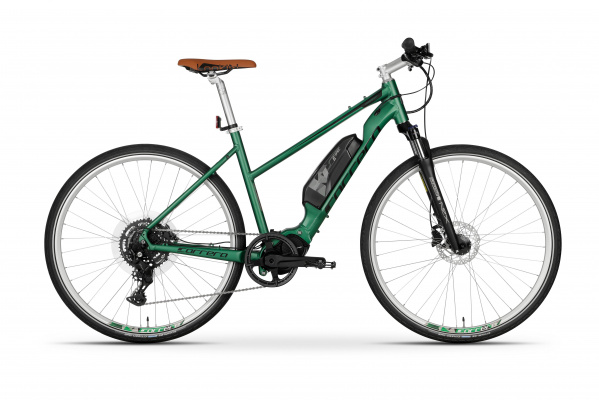
The range splits into three clear families. The Vengeance E and Vulcan E handle light off-road duties on an alloy hardtail frame. The Crossfire E sits in hybrid territory, equally at home on canal towpaths or the school run. And the Impel is a focused urban commuter, built around commuter geometry for riders who just want to get in and get on with it.
Power comes from Hyena pedal assist and Suntour rear hub motor systems depending on the model - both proven, both sensibly specced for urban and light-trail use. The semi-integrated battery designs keep the silhouette tidy without hiding the pack somewhere impossible to remove. Practical, honest, and genuinely good value. That's the Carrera approach.
Prices and availability can change quickly. Delivery charges are not always included in listed prices.
Final price, stock status and delivery terms are set by retailer. We may receive a commission on purchases made.
Decoding the Carrera E-Bike Lineup
Start with the Vengeance E and Vulcan E if you want something that can handle a bit more than smooth tarmac. Both run on alloy hardtail frames with front suspension forks, wide-volume tyres, and enough ground clearance to take on packed gravel, towpaths, and the kind of potholed back roads that would rattle a rigid commuter to pieces. The Vulcan E tends to run slightly bigger wheels and a more relaxed geometry - better for longer days in the saddle rather than technical riding.
The Crossfire E is the versatile option. It uses a hybrid-oriented frame with a geometry that works well for both longer commutes and weekend leisure miles. Mudguard mounts, rack compatibility, and a more road-leaning tyre setup make it practical in a way the Vengeance E isn't trying to be. If you're comparing it against something like Apollo e-bikes at a similar price point, the Crossfire E generally offers a more refined ride feel and cleaner battery integration.
The Impel range is the pure commuter play. The im-1 and im-2 trims differ mainly in battery capacity and motor torque output - the im-2 suits longer daily distances or hillier routes, while the im-1 is the leaner, lighter pick for shorter urban hops. Both use commuter geometry that puts you in a more upright, relaxed position compared to the Vengeance E's slightly more aggressive stance.
For spares and power upgrades, we've got dedicated pages covering Carrera e-bike batteries in full - including compatibility across model years - so head there rather than trying to cross-reference specs here. Charger options and replacement units are covered separately too, which keeps things cleaner when you're trying to find the right part fast.
The Tech Behind the Badge
Carrera's approach to e-bike tech is deliberately pragmatic. Older and more affordable models in the range use a cadence sensor - it detects when you're pedalling and switches the motor on accordingly. It works, but the power delivery can feel a touch on/off, particularly at low speeds or when you're trying to roll away smoothly on a hill. Newer iterations, including the updated Impel models, use a torque sensor instead. That measures how hard you're actually pushing on the pedals and adjusts the motor output to match, which gives a far more natural, proportional feel - less like flicking a switch, more like a tailwind that responds to your effort.
The Hyena pedal assist system and Suntour rear hub motor setups that Carrera uses are both well-established in this segment. Hub motors keep the mechanical complexity low and the maintenance costs down - there's no mid-drive system to service, and the drivetrain wears at a more manageable rate. The trade-off is that rear hub motors add a little unsprung weight at the back wheel and can make tyre changes slightly more involved, but for most urban and light-trail riding that's a minor consideration.
Frames are built from 6061 aluminium alloy throughout the range. It's not the lightest alloy spec available, but it's tough, weldable, and holds up well to the kind of daily punishment UK commuting dishes out. The semi-integrated down-tube battery designs keep things looking cleaner than older bolt-on pack designs, and crucially they're still easy to remove and charge indoors - which matters more than it sounds once November arrives.
The Carrera Smart Control displays are clear and functional without being overloaded with data. You get assist level, speed, and battery status at a glance. Nothing fancy, but nothing frustrating either - you won't be fiddling with menus at traffic lights.
If you're weighing Carrera against something with more tech at a higher price, Cube e-bikes and Boardman e-bikes both offer mid-drive options and more advanced sensor systems, but they sit in a noticeably higher bracket. Carrera's strength is in delivering a reliable, low-maintenance setup that doesn't ask too much of you.
Running a Carrera Through a UK Winter
Lithium-ion batteries don't love the cold. If your Carrera lives in an unheated garage or shed overnight, you'll notice the range shrinking once temperatures drop. The fix is simple: remove the semi-integrated battery and bring it inside before you go to bed. It takes thirty seconds and it makes a real difference to both daily range and long-term battery health. Aim to store it between 20 - 80% charge if it's sitting for more than a few days.
UK roads in winter are grim - grit, standing water, and potholes that appear overnight. The rear hub motor housings on Carrera bikes are sealed well enough for rain riding and road splash, but they're not designed for jet-washing or submersion. Keep a standard garden hose for cleaning and avoid blasting water directly into the battery mount area or the motor housing. A quick wipe-down after muddy rides will see you right.
Gritty wet conditions eat drivetrains. The cassette and chain on any e-bike wear faster than on a standard bike because the motor puts more consistent torque through the drivetrain. Check your chain wear monthly if you're commuting through winter - a worn chain will chew through a cassette quickly, and cassette replacement on a rear hub motor wheel is fiddly enough that you'd rather avoid it. Also worth checking spoke tension on the rear wheel periodically; hub motor torque can loosen spokes over time if it's not caught early.
Models like the Crossfire E are designed with mudguard and pannier rack mounts built in, which is exactly what you want for year-round commuting. Fitting full-length mudguards keeps the drivetrain cleaner and saves your back from the stripe. If you're also looking at Carrera's non-assisted range for comparison, the Carrera hybrid bikes and Carrera mountain bikes share similar frame architectures, which makes parts sourcing a bit more straightforward across the board.
Related searches:
Carrera E-Bikes FAQs
Are Carrera e-bikes waterproof?
Carrera e-bikes handle typical UK rain and road splash without issue - the motors and battery connections are sealed well enough for everyday wet riding. They're not waterproof, though. Avoid jet-washing around the battery mounts or motor housing, and don't ride through standing water deep enough to submerge the rear hub. A hose on a low setting is all you need for cleaning.
How long does a Carrera e-bike battery last?
Expect three to five years of good service, or somewhere between 500 and 1,000 charge cycles, before you notice a meaningful drop in capacity. Storing the battery indoors during cold snaps makes the biggest difference to long-term health. Avoid leaving it fully discharged for extended periods - storing at around 50 - 80% charge is the sweet spot for longevity.
Is the Carrera Vengeance E good for commuting?
It handles the job well, particularly on rougher routes with potholes or unmade paths. The front suspension and wide tyres absorb a lot of what UK roads throw at you. If your commute is purely tarmac, swapping the knobbly tyres for something smoother will noticeably improve your range and rolling speed - it's a straightforward upgrade that makes a real difference day to day.