
Assist E-Bikes
Assist E-Bikes make a straightforward case: you don't need to spend a fortune to get reliable, practical electric cycling into your daily routine. Stripped of unnecessary complexity, the range is built around accessible price points, upright riding positions, and dependable 250W front hub motors that do exactly what you need them to do on the morning commute. No fuss, no faff.
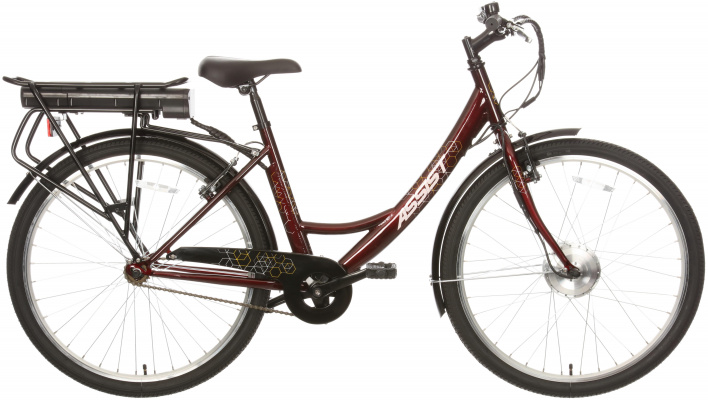
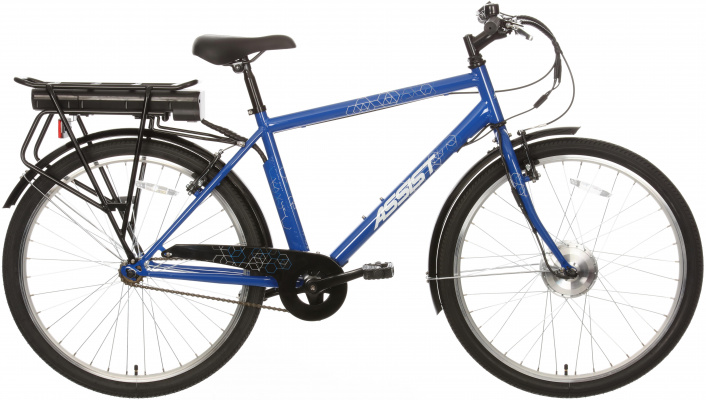
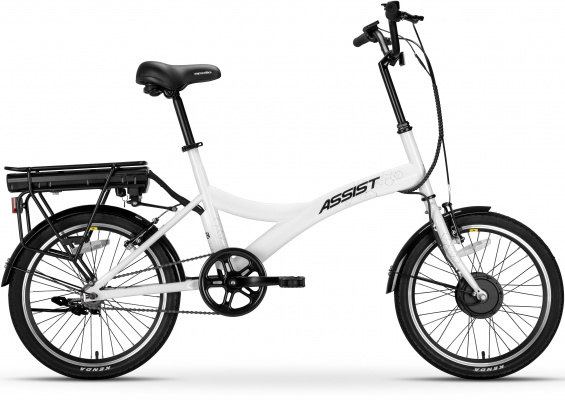
The lineup splits neatly into hybrid and step-through models, covering most practical needs - from hilly rides to the office to quick errands around town. The step-through frame in particular is worth noting if you're commuting in work clothes or find swinging a leg over a crossbar less than ideal first thing in the morning. Both variants lean on high-tensile steel and alloy construction to keep costs sensible without feeling flimsy under load.
What sets Assist apart at this end of the market is the focus on real-world usability: simple LED pedal-assist displays, integrated rear-rack battery mounting, and geometry that prioritises comfort over aggression. If you're new to pedal-assist cycling and want something that just works, this is a solid place to start. Browse current UK deals on Assist electric bikes using the grid below.
Prices and availability can change quickly. Delivery charges are not always included in listed prices.
Final price, stock status and delivery terms are set by retailer. We may receive a commission on purchases made.
Decoding the Assist E-Bike Lineup
Two frame families do the heavy lifting here. The Assist Hybrid uses a conventional crossbar frame - familiar, stiff enough for loaded commuting, and slightly more aggressive in its riding position. It suits riders who are comfortable with a standard bicycle geometry and want a bit more directness when threading through traffic. Think of it as your everyday workhorse with a motor bolted on.
The Assist Step-Through takes the open frame route, dropping the top tube entirely so you can mount and dismount without a gymnastic routine. That matters more than it sounds when you're stopping every 200 metres in stop-start city traffic, or if you're older, carrying an injury, or simply riding in a coat and bag. The step-through frame uses the same high-tensile steel and alloy construction as the hybrid, so there's no meaningful strength penalty - just a different shape that prioritises everyday practicality.
Both models share the same core commuter e-bike brief: upright position, wide commuter tyres, mudguard clearance, and a rear rack ready for panniers. If you're weighing them against similarly priced alternatives, Apollo E-Bikes and Carrera E-Bikes occupy a comparable bracket - worth a look if you want to compare geometry and spec before deciding.
How the Assist Powertrain Actually Works
The 250W front hub motor sits in the front wheel and pulls you forward rather than pushing from the rear. It's a noticeable sensation if you're new to it - a gentle, consistent draw that takes the edge off hills and headwinds without making you feel like you're cheating. The pedal-assist sensor detects when you're turning the cranks and engages the motor almost immediately, which is exactly what you want when a set of lights goes green and traffic is already moving.
Control comes through a simplified LED pedal-assist display mounted on the bars. No touchscreens, no app pairing, no firmware updates - just a clear readout of your assist level and battery state. For most commuters, that's all you need. The trade-off is limited data: you won't get live power output or detailed range predictions, but that's consistent with what the Assist range is designed to be.
The integrated rear-rack battery mounting keeps the weight low and central, which helps handling stay predictable. It also means the battery is easy to remove and take indoors for charging - useful if you don't have outdoor power access. To keep your commute running smoothly, maintaining your power source is critical. For detailed specifications, replacement options, and range extenders, visit our dedicated Assist E-Bike Batteries page.
Living with an Assist E-Bike on UK Roads
British roads aren't exactly smooth. Potholed urban streets are the default in most cities, and the rigid steel frames on Assist bikes don't hide bumps the way a suspension fork would. Keep your tyre pressure at the lower end of the recommended range - it won't transform the ride, but it softens the edge off sharp impacts without sacrificing too much rolling efficiency. Worth doing before every week of commuting, not just when you remember.
Wet weather is a given. Assist's water-resistant electronics handle typical UK showers without drama, but winter road salt is a different story. The hub motor connections and battery contacts are the bits to watch - a quick wipe-down after a salty commute will save you grief later in the season. Avoid jet-washing the motor housing directly; a damp cloth does the job without forcing water into the bearings.
The V-brakes fitted to entry-level Assist models are functional and easy to adjust at home, but they need more frequent attention than disc brakes - particularly in the wet, where pad wear accelerates. Check the pad-to-rim clearance every few weeks if you're commuting daily. It takes two minutes and keeps stopping distances consistent. If that feels like more maintenance than you want, BTwin E-Bikes offer some disc-equipped options at a similar price point that might suit better.
One thing the Assist range does well in urban conditions is the pedal-assist engagement speed. In stop-start city traffic, a sluggish motor response makes you hesitate at junctions. The front hub system here picks up quickly from a standing start, which gives you enough confidence to pull away cleanly when the gap appears. Not rocket-fast, but responsive enough to feel natural.
For anyone considering the step-through as a first e-bike, the geometry also makes it easier to put a foot down without fully unclipping from the saddle position - handy on unfamiliar junctions or when the road surface looks less than trustworthy underfoot.
Related searches:
Assist E-Bikes FAQs
How fast does an Assist e-bike go?
UK law caps the pedal-assist motor at 15.5 mph (25 km/h), and Assist e-bikes comply with that limit - the motor cuts out automatically once you hit it. You can pedal beyond that speed under your own steam, but the motor won't help you past the legal ceiling.
What is the range of an Assist electric bike?
Most models in the Assist range will cover around 20 miles on a single charge, though that figure shifts depending on how hard you lean on the assist, your weight, and how hilly your route is. For a typical urban commute of five to ten miles each way, the battery range is more than adequate.
Can I ride my Assist e-bike in the rain?
Yes - the electronics are water-resistant and built to cope with ordinary UK rain without issue. That said, avoid riding through deep standing water that could submerge the motor or battery, and don't clean the bike with a pressure washer, which can force water into connections and bearings.