
Boardman E-Bikes
Boardman E-Bikes bring genuine pedal-assist performance to riders who want more miles without the weight penalty of a typical e-bike. Chris Boardman's geometric thinking runs through the entire range - from the upright, practical HYB-e hybrid to the drop-bar ADV-e adventure bike and the trail-ready MTR-e - and it shows in how predictably each one handles. These aren't bikes where the motor does the riding for you; they're tools that amplify your effort and let you push further into a hilly commute or a long bridleway loop without arriving wrecked.
The motor choices are deliberate. Lighter gravel and hybrid models use the Fazua Evation drive system - a removable, low-drag unit that keeps the bike lively when you want it quiet. The MTR-e gets high-torque Bosch power for the kind of steep, rooted climbs where you genuinely need grunt. Both approaches use smooth-weld X7 alloy frames that look cleaner than you'd expect at the price, carrying none of the welded-caterpillar look of cheaper alloy construction. Whether you're riding wet Lancashire lanes year-round or picking your way along gritty towpaths, there's a model in the range that fits the brief. If you need replacement power packs, head to our dedicated Boardman E-Bike Batteries page.
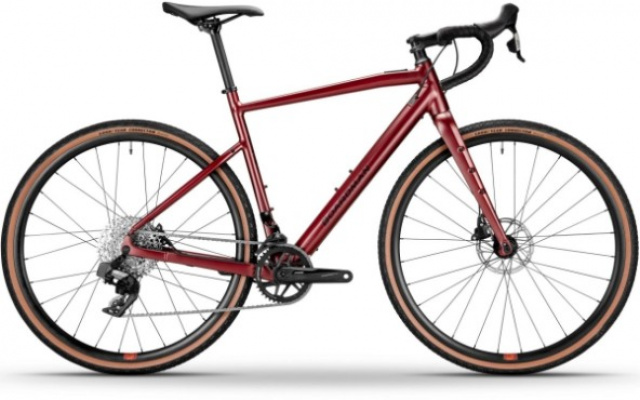
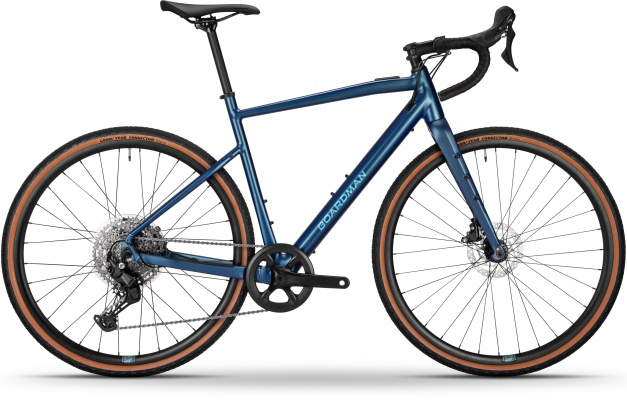
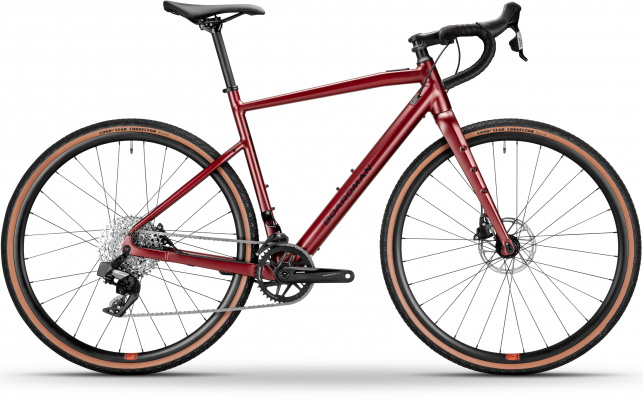
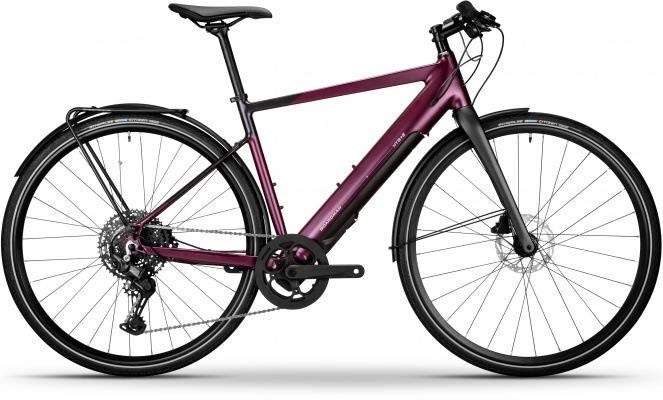
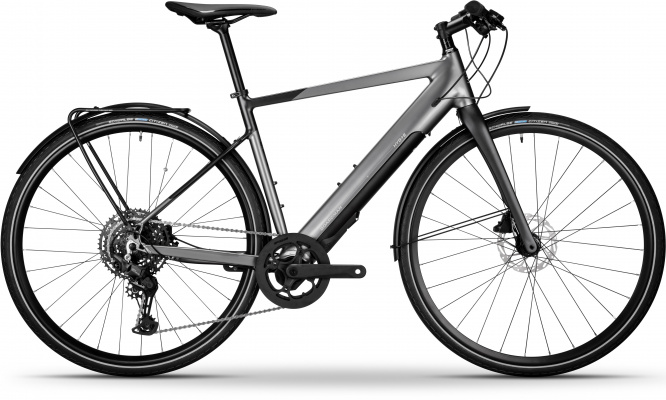
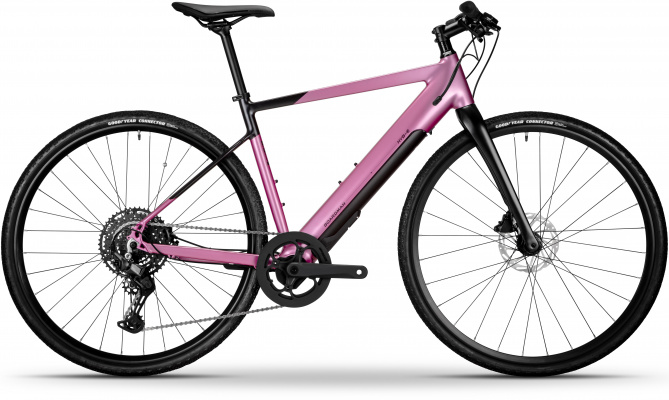
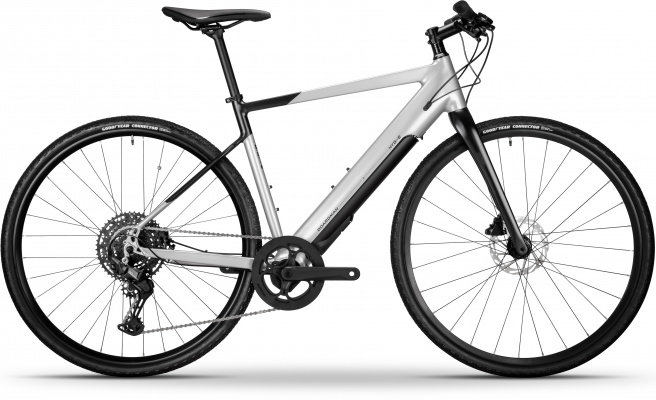
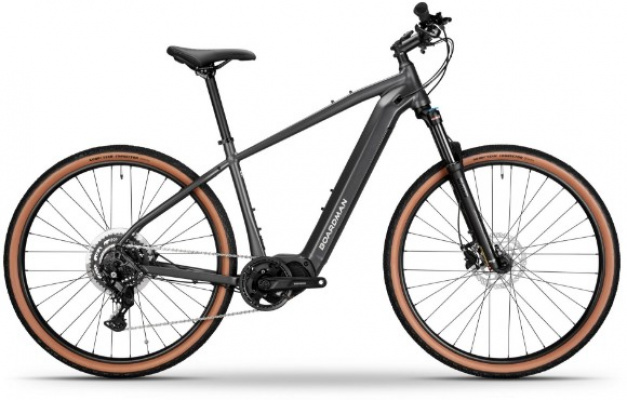
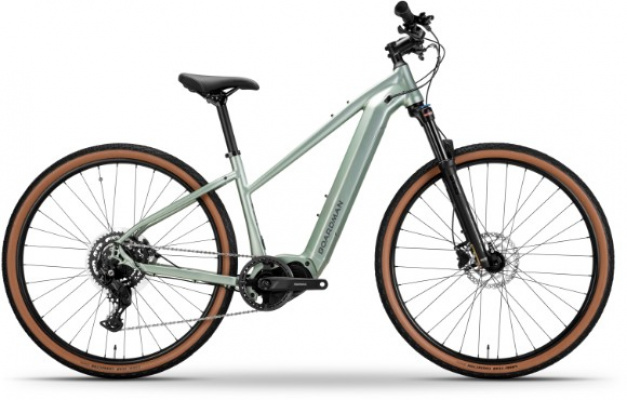

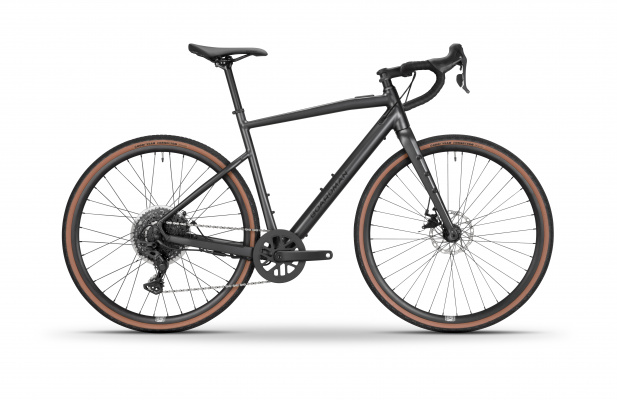
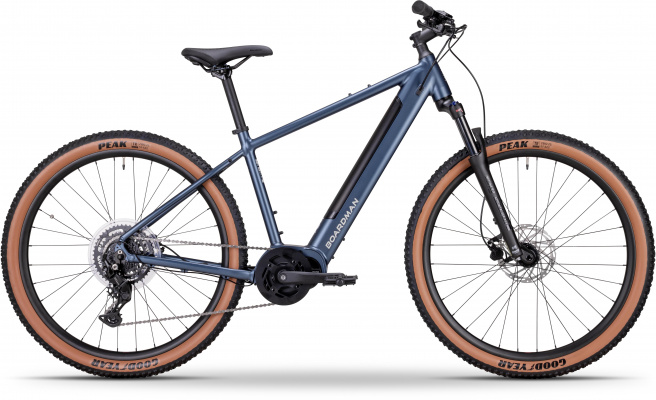
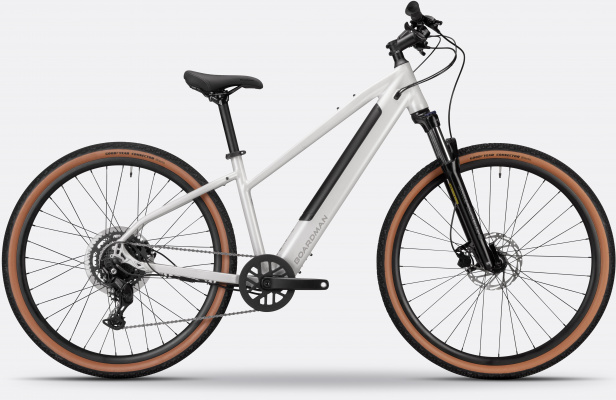
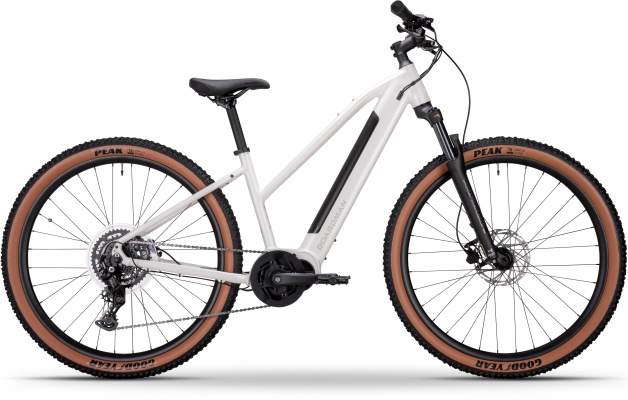
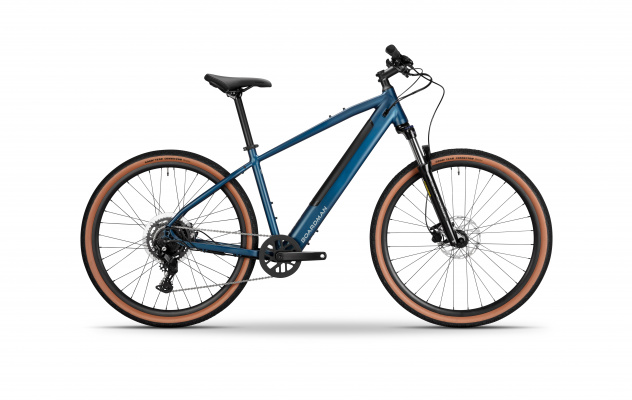
Prices and availability can change quickly. Delivery charges are not always included in listed prices.
Final price, stock status and delivery terms are set by retailer. We may receive a commission on purchases made.
Decoding the Boardman E-Bike Lineup
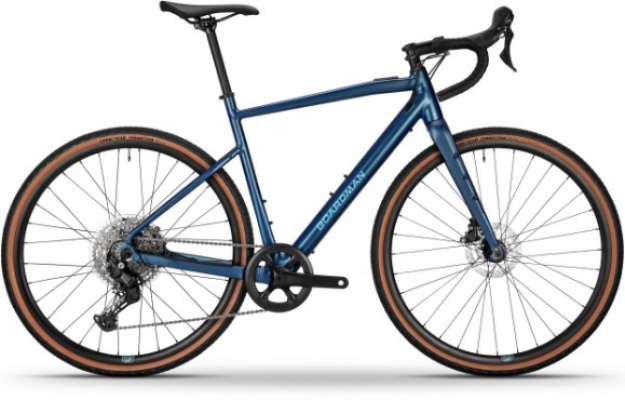
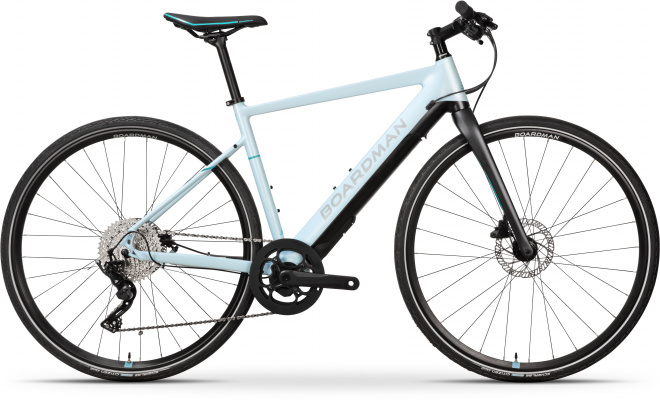
Boardman organises its Boardman electric bikes into three clear families, and once you understand the logic, picking the right one is straightforward. The HYB-e is the commuter and fitness hybrid - flat bars, mounts for mudguards and panniers, geometry that puts you in a comfortable, slightly upright position. The ADV-e is the drop-bar adventure and electric gravel bike option, built for longer mixed-surface days where you want road efficiency and enough tyre clearance for gravel tracks. The MTR-e is the electric mountain bike in the range, with suspension, more aggressive geometry, and the motor power to match.
Within each family, the trim-level numbering tells you where you sit in the hierarchy. A model badged 8.6 will typically run a Shimano Deore drivetrain; step up to an 8.9 and you're usually looking at SRAM NX or a higher-tier Shimano groupset. The motor and frame stay consistent within a family tier - what changes as you spend more is the drivetrain quality, the brake specification, and sometimes the wheel and tyre spec. It's a sensible approach: you're not paying a premium just for a fancier badge, you're getting tangible component upgrades that affect shifting feel and long-term durability. If you're already riding a Boardman hybrid and fancy the assisted version, the HYB-e geometry will feel immediately familiar.
What's Actually Going On Under the Hood
The motor split is the most interesting technical decision Boardman makes. On the ADV-e and HYB-e, they've gone with the Fazua Evation drive system - a mid-drive motor and integrated battery unit that slots into the down tube and bottom bracket area as a single removable package. Pull it out and the bike rides without meaningful drag, which matters if you want to use it occasionally unassisted or if you're worried about battery range on a long day. It's a genuinely clever system that keeps the overall weight down and gives the bike a silhouette much closer to a conventional bicycle than most commuter e-bikes manage.
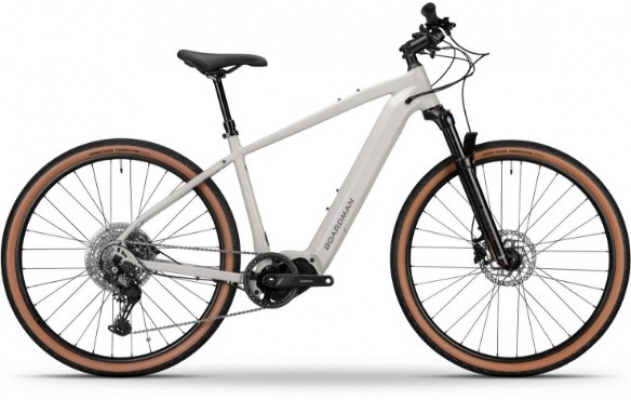
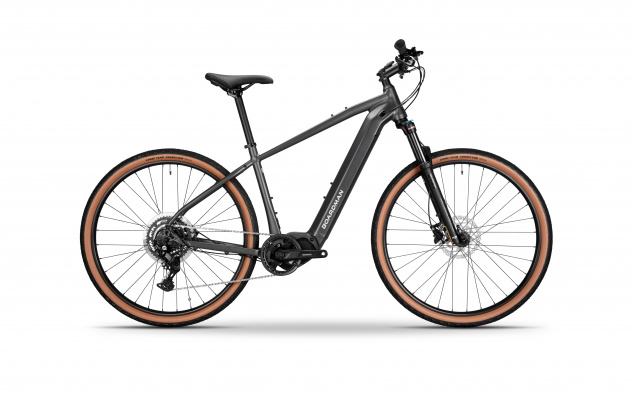
The MTR-e takes a different path. Trail riding - particularly on something like the North Wales trail centres or the steep bridleways cutting through the Brecon Beacons - demands torque, not just gentle assistance. That's why Boardman pairs the MTR-e with Bosch Performance Line CX integration, a motor that delivers significantly more grunt at low cadences and handles the kind of repeated, stop-start climbing that would make a lighter system hesitate. It's heavier than Fazua, but on technical singletrack, that trade-off is worth it. You can compare the broader Boardman gravel range if you're weighing up whether you actually need the motor on an adventure bike.
Across all models, the smooth-weld X7 alloy frames keep the finish looking composed. The internal cable routing and clean tube junctions come from the same Chris Boardman signature geometry principles that run through the non-assisted range - stack and reach numbers that put you in an efficient position without feeling cramped on longer rides. That's not marketing copy; it's the kind of detail that comes through in showroom comparisons against similarly priced alternatives.
Living With a Boardman E-Bike on British Roads and Trails
A few things are worth knowing before you buy. The Fazua system's connection point at the bottom bracket area is exposed to road spray and grit - a particular concern if you're commuting through winter in the kind of wet, salty conditions that UK roads serve up from November onwards. Keep that junction clean. A regular rinse and a check that the unit is fully seated after removal will save you from the intermittent connection gremlins that can otherwise appear. It takes thirty seconds; don't skip it.
The HYB-e models are genuinely set up for year-round UK commuting in a way that plenty of e-bikes aren't. Hidden mudguard mounts and pannier compatibility mean you're not bodging a rack onto a frame that was never designed for one. That matters when you're loading it up for a wet ride across town. Pair it with a decent set of guards and a rear rack and it works as a practical daily machine rather than a fair-weather option. Check out the Boardman jersey range if you're kitting out for commuting at the same time - layering for British autumn riding is its own project.
Battery care is straightforward but worth getting right. Cold temperatures knock range off any lithium battery, and UK winters will clip your real-world figures noticeably below the rated maximum. If you're storing the bike overnight in an unheated garage or shed, pull the Fazua unit out and bring it indoors. A battery that's been sitting at near-freezing all night will give you noticeably less range on your morning ride than one stored at room temperature. It's not a flaw unique to Boardman - it's just chemistry - but it's easy to manage once you know about it.
On the Boardman ADV-e vs HYB-e question that comes up regularly: the ADV-e suits riders who want longer days on mixed surfaces and are comfortable on drop bars; the HYB-e is the more versatile daily tool. Neither is a compromise - they're just aimed at different use cases, and being clear about how you actually ride will point you to the right one quickly.
Related searches:
Boardman E-Bikes FAQs
Are Boardman e-bikes any good?
They're well-regarded for what you get at the price. Boardman pairs smooth-weld alloy frames with motor systems - Fazua on gravel and hybrid models, Bosch on the mountain bikes - that you'd typically find on more expensive bikes. The geometry is thoughtful rather than generic, and the component specs at each trim level are honest rather than padded with cheap parts to hit a headline figure.
What motor do Boardman electric bikes use?
It depends on the model. The HYB-e and ADV-e use the Fazua Evation system - a lightweight, removable mid-drive unit that keeps the bike nimble and allows unassisted riding without drag. The MTR-e uses Bosch Performance Line motors, which deliver the higher torque output needed for steep, technical riding. Both are mid-drive systems, which gives better weight distribution than a hub motor.
How far can a Boardman e-bike go on a single charge?
Most models return somewhere between 40 and 60 miles on a charge, but that figure shifts depending on assist level, your weight, and how hilly your route is. Cold British winters will reduce it further - a battery stored overnight in a freezing shed will underperform one kept indoors. Riding in Eco mode and saving the higher assist settings for the climbs will stretch your range noticeably.