
Giant Hybrid Bikes
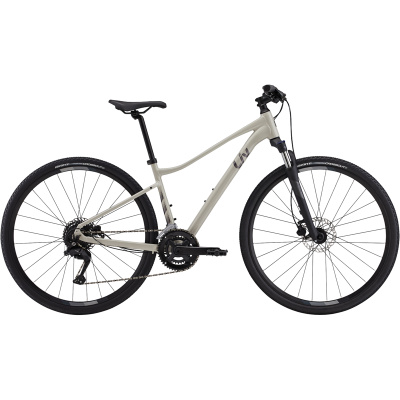
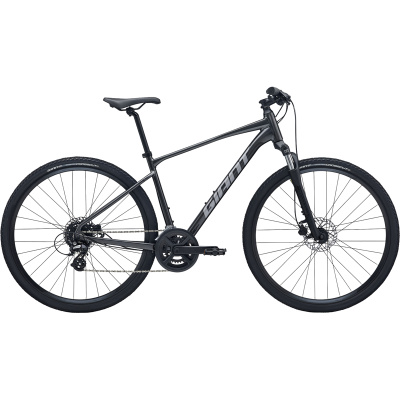
Giant hybrid bikes sit at the centre of one of the most coherent ranges in cycling - and that's not an accident when you're dealing with the world's largest bicycle manufacturer. Whether you're threading through morning traffic on wet city streets or spinning along a canal towpath on a Sunday, Giant has a hybrid that fits the job. Three distinct families cover the spectrum: the Escape for pavement-focused commuting, the Roam for riders who want a bit of front suspension under them on rougher paths, and the FastRoad for those who want a flat-bar road bike that doesn't hang about. All of them are built around Giant's ALUXX aluminum frame technology, which gives you a lighter, stiffer chassis than most rivals at the same price point. Geometry stays upright enough to keep you comfortable on longer hauls, hydraulic disc brakes handle the wet with confidence, and practically every model comes with pannier mounts and mudguard eyelets baked in - a genuine advantage if you're riding year-round in the UK. Trim levels run from 1 downward, so higher numbers mean entry-level spec; knowing that saves a lot of confusion when you're comparing models side by side.
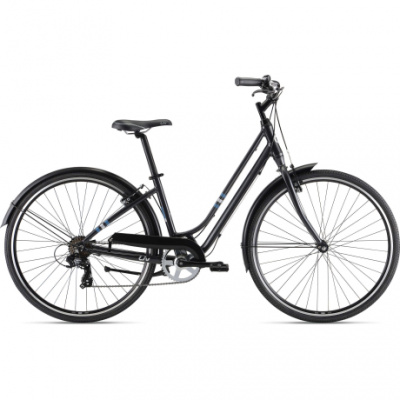
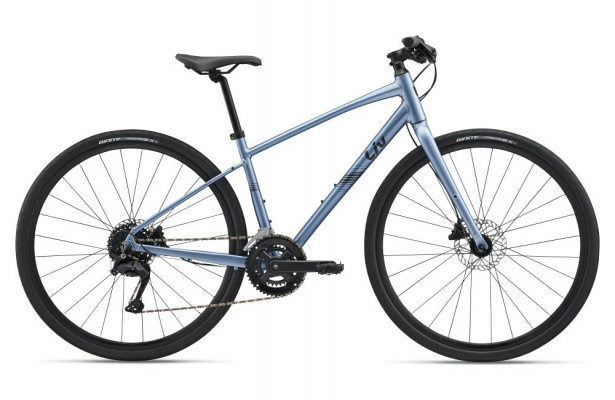

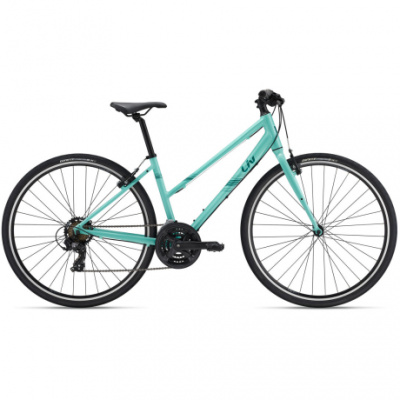
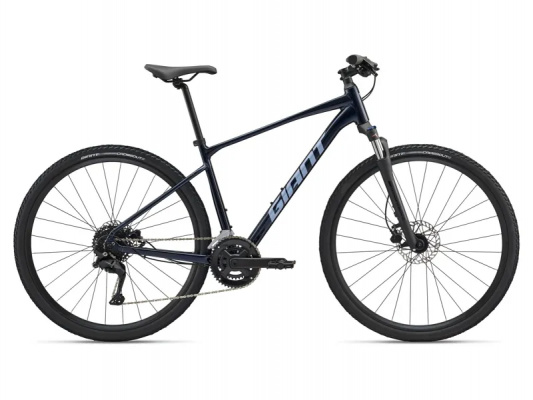
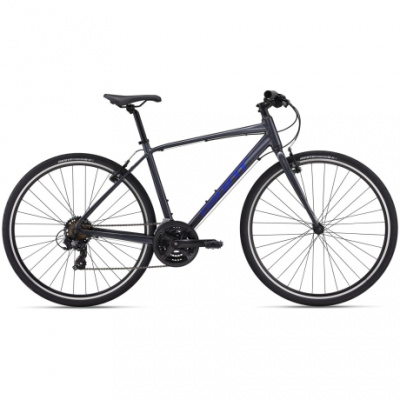
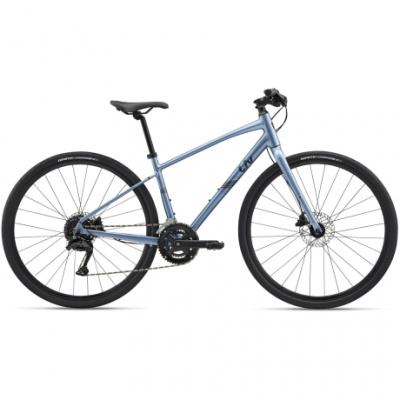

Prices and availability can change quickly. Delivery charges are not always included in listed prices.
Final price, stock status and delivery terms are set by retailer. We may receive a commission on purchases made.
Decoding the Giant Hybrid Lineup
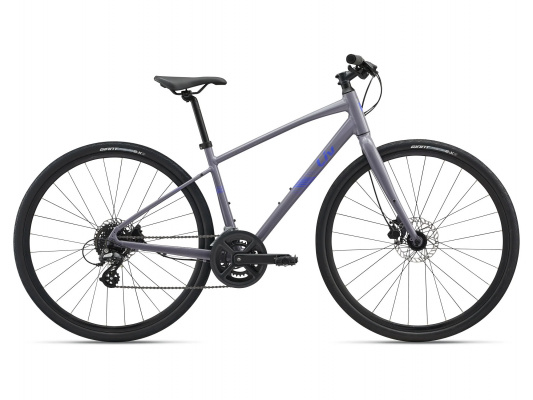
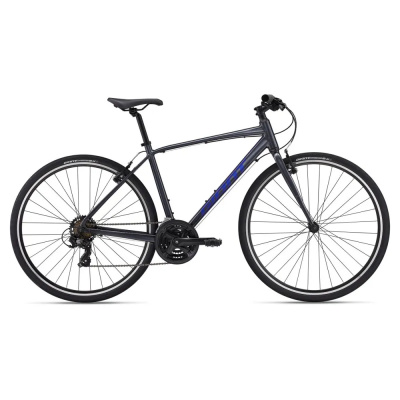
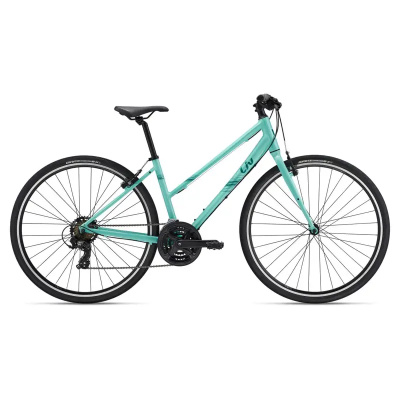
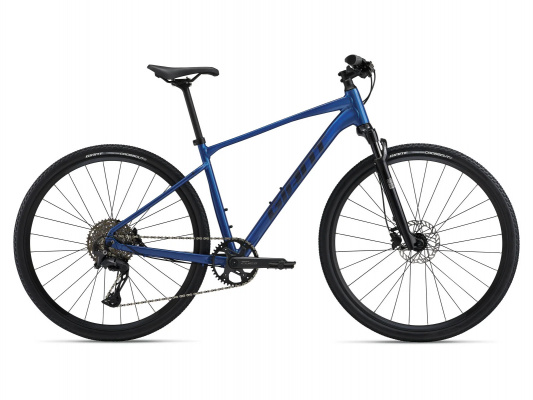
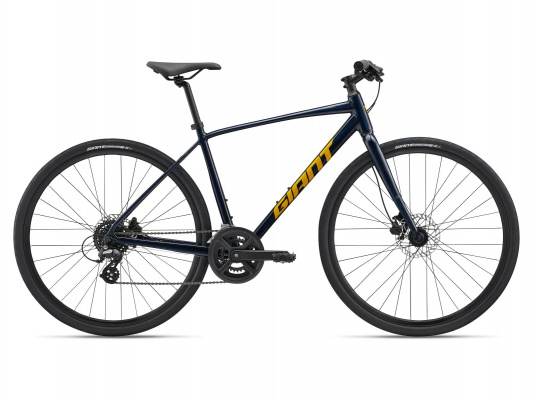
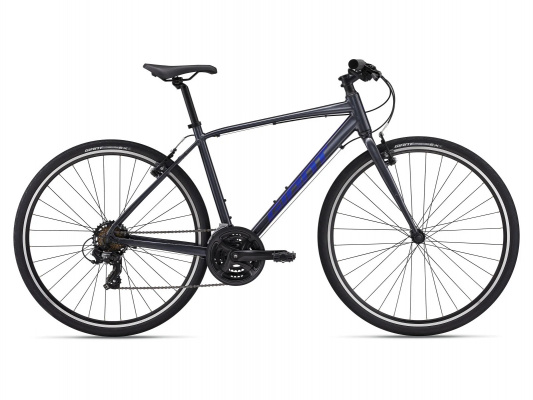
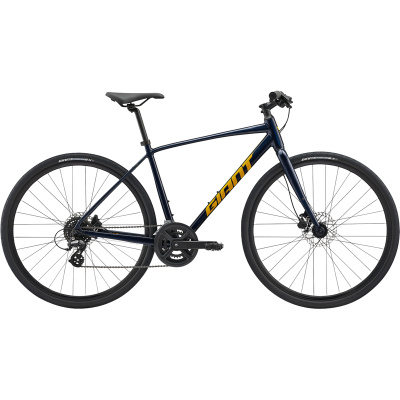
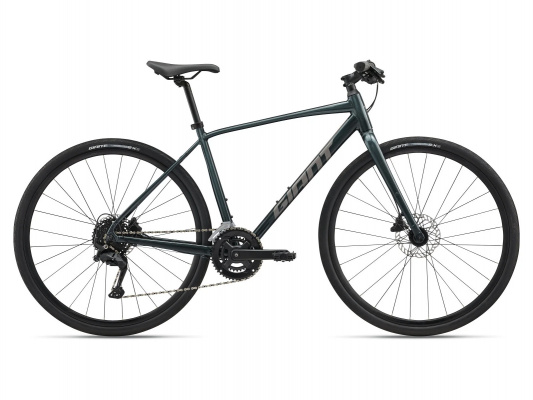
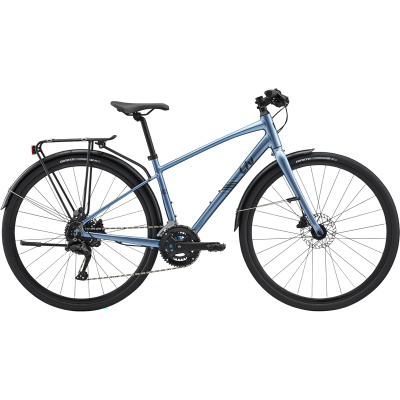
The Escape is Giant's bread-and-butter commuter. Rigid fork, 700c wheels, upright riding geometry - it's built to move efficiently on tarmac without asking you to crouch like you're chasing a KOM. The Escape 3 is the entry point, running mechanical disc brakes and a sensible gearing range for flat city riding, while the Escape 1 steps up to a cleaner build with hydraulic disc brakes and lighter components. If your route is mostly road with the odd bit of rough pavement, the Escape is almost certainly your bike.
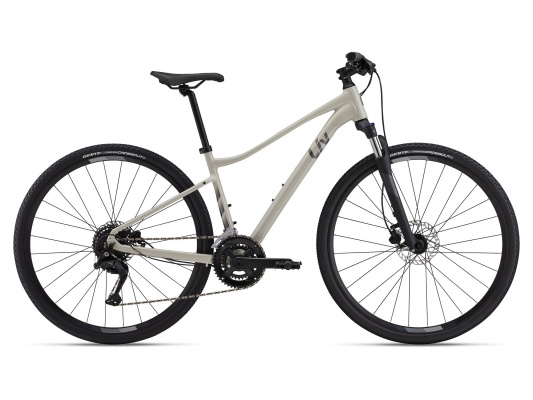
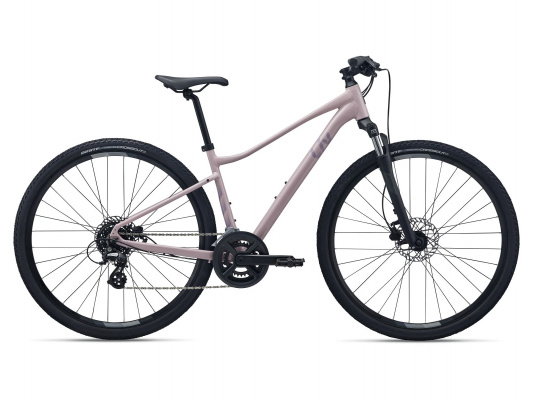
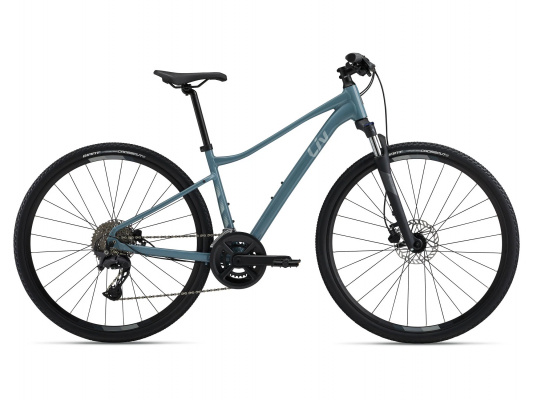
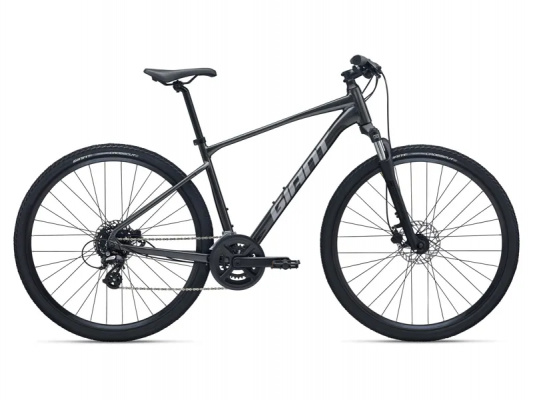
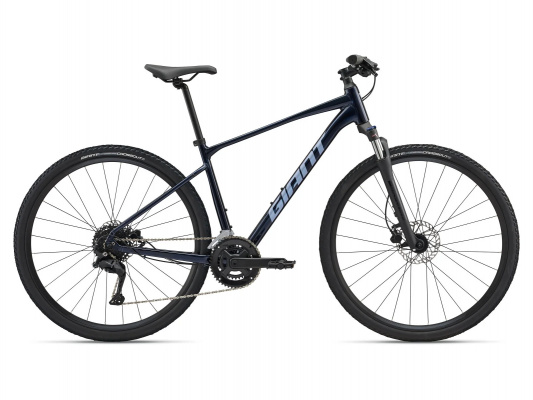
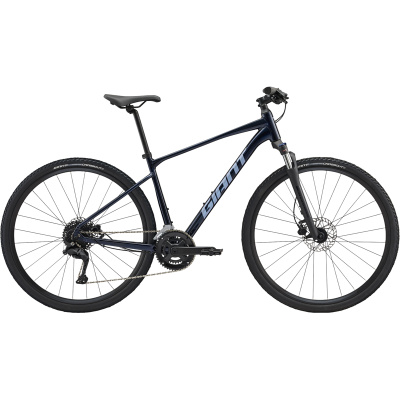
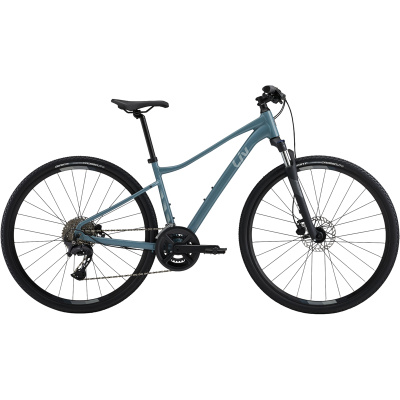
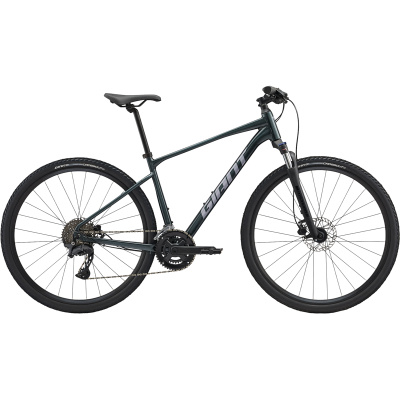
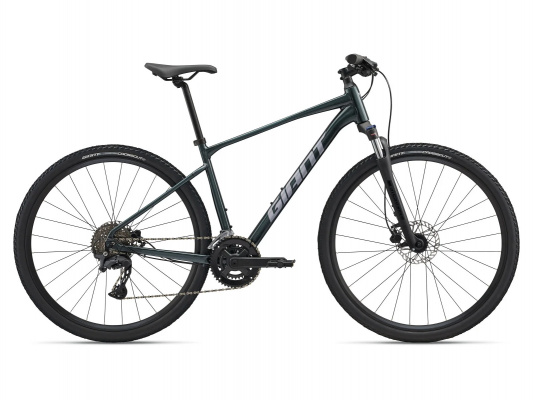
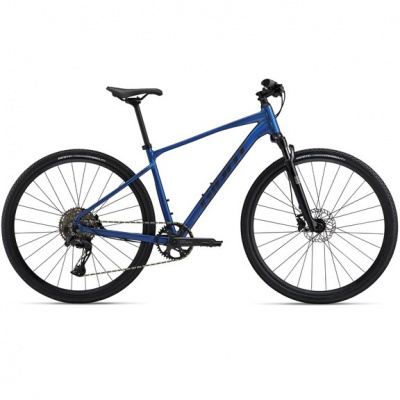
Step across to the Roam and things shift noticeably. It runs a short-travel front suspension fork - typically around 63mm - which takes the edge off potholed B-roads and gravel paths without turning the bike into a wallowy mess. Tyre clearance opens up too, letting you run wider rubber for muddy winter towpaths. The trade-off is a small weight penalty and slightly slower rolling on pure tarmac. Worth it if your route mixes surfaces; less so if you rarely leave the road.
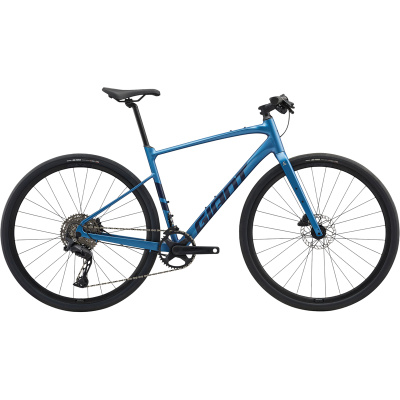
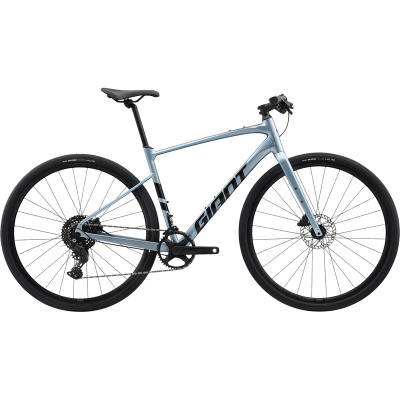
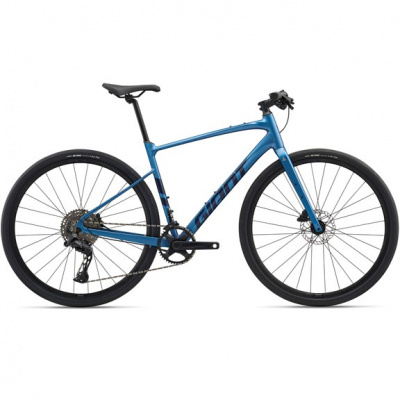
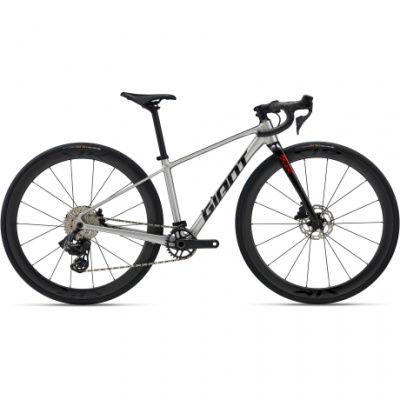
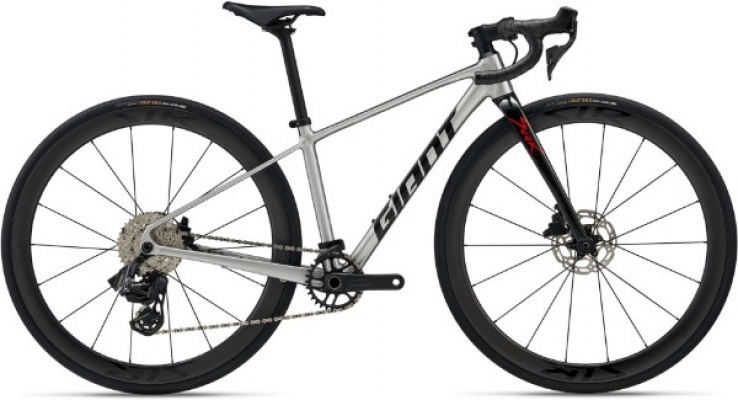
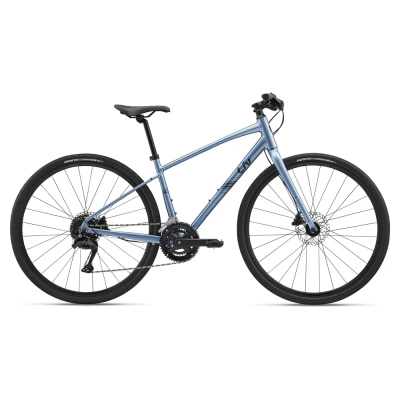
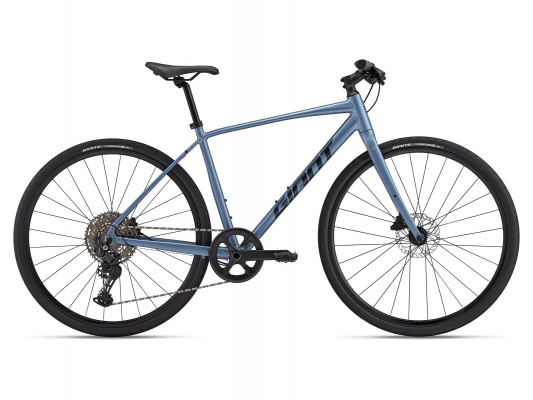
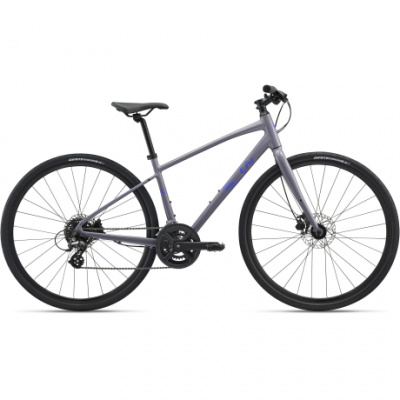
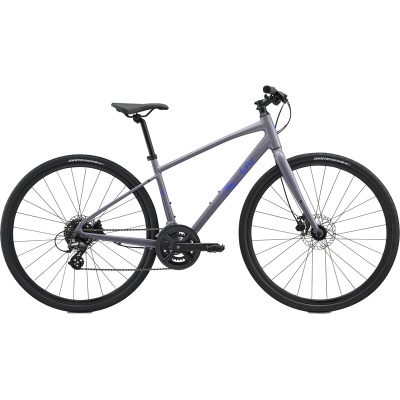
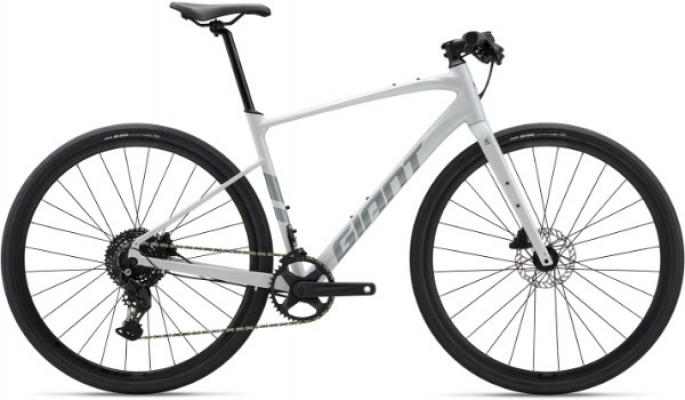
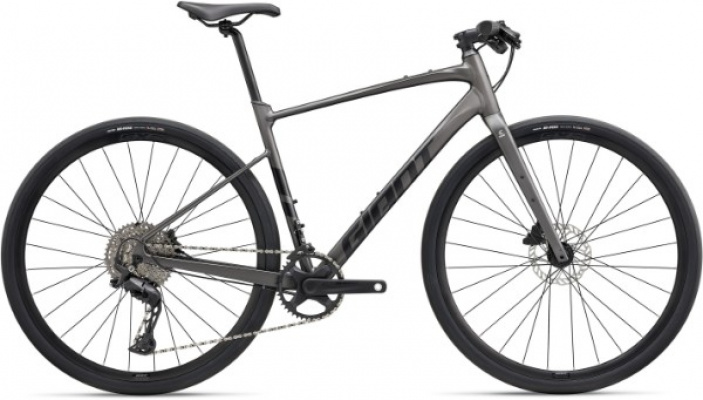
The FastRoad is the outlier. Think of it as a road bike that swapped its drop bars for flat ones and gained a slightly more relaxed fit. It's the one for fitness riders clocking big weekend miles or commuters who want to feel the effort they're putting in. Lighter build, faster geometry, less cargo-carrying focus - it suits a different kind of rider to the Escape or Roam.
Trim levels across all three families follow the same logic: lower numbers mean higher-spec components. A Roam 1 will have better brakes, lighter wheels and a nicer groupset than a Roam 3. That structure makes it straightforward to set your budget and find the right step on the ladder. If you're weighing up Giant against alternatives like Cube hybrid bikes or Boardman hybrid bikes, the consistent trim logic is one of Giant's genuine advantages - you always know what you're getting for the money.
One thing worth flagging: Giant also produces the Roam E+ and Explore E+, both excellent pedal-assist hybrids that share DNA with the acoustic range. We're not going into detail on those here - if you're interested in electric options, head over to our dedicated Giant E-Bikes page where you'll find full comparisons and pricing.
How Giant's Engineering Choices Pay Off in Practice
Giant owns its own aluminium foundries. That's not a throwaway fact - it means they control the entire process from alloy composition to tube butting to final weld, rather than buying in frames from a third-party supplier. The result is the ALUXX aluminum frame construction: tubes that are thinner-walled and lighter than the category average, with cleaner welds that don't need as much filler to hide inconsistencies. At the price points Giant operates at, that manufacturing control is genuinely difficult for competitors to match.
The D-Fuse Technology is the other piece of the puzzle worth understanding. On most hybrid bikes, the seatpost is a round tube - it transmits road vibration directly into your sit bones, which gets tiring fast on chip-seal or frost-damaged tarmac. Giant's D-Fuse posts and, on some models, handlebars use a D-shaped cross-section that allows a small amount of controlled fore-aft flex. It's not suspension - there's no spring or damper - but it absorbs enough road chatter that a two-hour commute feels noticeably less punishing than it would on a conventional post. On a UK B-road that hasn't seen resurfacing since the last government, that flex matters.
The OverDrive Steerer system rounds out the package on performance-oriented models. An oversized fork steerer tube stiffens the front end, so when you push into a corner or brake hard in traffic, the steering response is precise rather than vague. It's a detail borrowed from Giant's road range, and it's the reason the FastRoad in particular feels more composed than its flat-bar peers on fast descents.
Living with a Giant Hybrid Through a British Winter
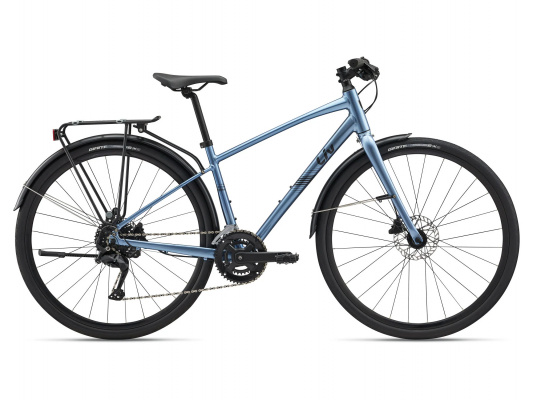
Here's where the practical detail matters most. The Escape's hidden rack eyelets and integrated mudguard mounts mean you can fit Giant mudguards and a pannier rack without jury-rigging anything or compromising the frame's clean lines. Full-length guards are non-negotiable for year-round urban commuting in Britain - half-guards look tidy in photos but leave you with a wet stripe up your back by October.
Tyre clearance on the Roam is worth paying attention to. Running 700x45c rubber handles the kind of muddy, leaf-covered towpaths you get on disused railway lines and canal paths through autumn and winter far better than the narrower tyres on a typical commuter. The front suspension helps too - not because towpaths are technically demanding, but because sustained vibration on rough compacted gravel builds fatigue over a long ride. Removing that background buzz keeps you fresher.
If you're running a Roam through winter, keep the suspension stanchions clean. Road grit and salt work into fork seals faster than most people expect, and once a seal starts weeping, the fork's performance drops quickly. A wipe-down after wet rides adds maybe two minutes to your routine and extends seal life considerably. Pair that with a decent lighting setup and a kickstand if you're locking up regularly, and you've got a bike that earns its keep twelve months a year.
For riders considering alternatives, Merida hybrid bikes and Cannondale hybrid bikes are worth a look at similar price points - both offer strong value - but Giant's integrated accessory ecosystem and consistent sizing across the range give it a practical edge for commuter use specifically. Giant commuter bikes UK buyers tend to return to the brand precisely because the ownership experience, not just the initial purchase, holds up.
Giant Hybrid Bikes FAQs
Which is better Giant Escape or Giant Roam?
They're built for different jobs. The Escape uses a rigid fork and rolls faster on tarmac - it's the commuter's commuter. The Roam adds short-travel front suspension and wider tyre clearance, which makes a real difference on gravel paths and rough canal towpaths. Stick with the Escape if your route is mostly road; go Roam if you regularly mix surfaces.
Are Giant hybrid bikes good for long distances?
Yes, particularly the FastRoad and Escape. Both use an upright endurance geometry that keeps you comfortable over longer hauls, and the D-Fuse seatpost absorbs enough road vibration to make a genuine difference on big mileage days. Neither bike will feel punishing after 50 miles in the way a budget hybrid might.
What size Giant hybrid bike do I need?
Giant sizing runs XS to XL, with a Medium typically suiting riders between 5'7" and 5'11". That said, always cross-reference Giant's geometry chart for the specific model - standover height and reach differ between the sportier FastRoad and the taller-stacked Roam, so the same rider might size differently across the two families.