
Giant Mountain Bikes
Giant Mountain Bikes come from the world's largest bicycle manufacturer, and that scale matters more than you might think. Giant doesn't buy frames from a third party and badge them up - they design and build their own carbon layups, develop their own aluminium alloys, and engineer their own suspension systems. That R&D investment filters down across every price point, which is why a mid-range Giant frequently outspec's rivals at the same money.
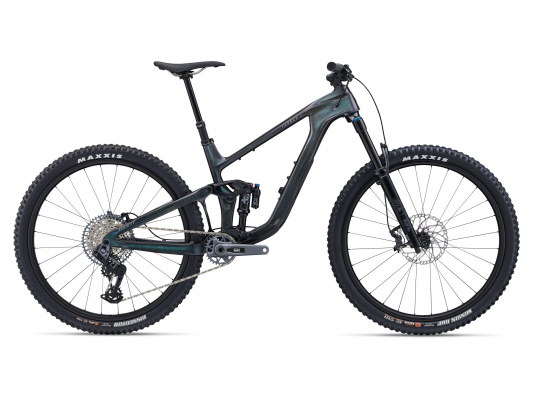
The range spans XC racers and aggressive enduro sleds, hardtails for first-timers and carbon full-suspension bikes for riders who know exactly what they want. Proprietary tech like Maestro suspension and in-house ALUXX aluminium and Advanced-Grade Composite carbon frames aren't just marketing labels - they reflect genuine engineering choices with real effects on how the bike rides. We'll break all of that down below.
One thing to flag before you dig in: this page covers pedal-only mountain bikes for adults. Looking for pedal-assist power or youth sizing? Head over to our dedicated Giant E-Bikes and Giant Kids Bikes collections for those.
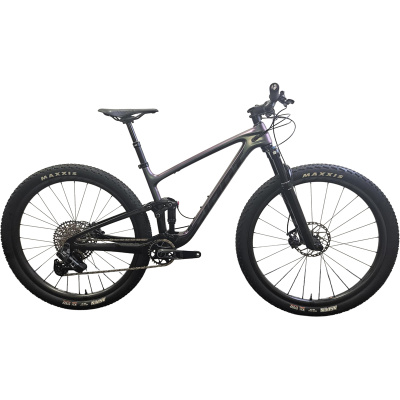
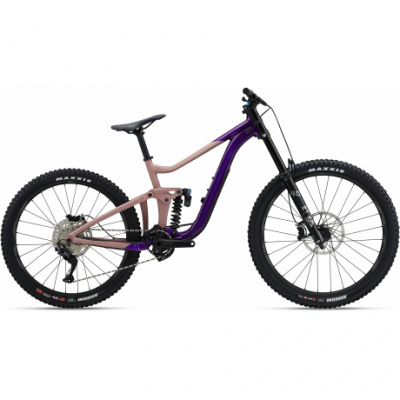
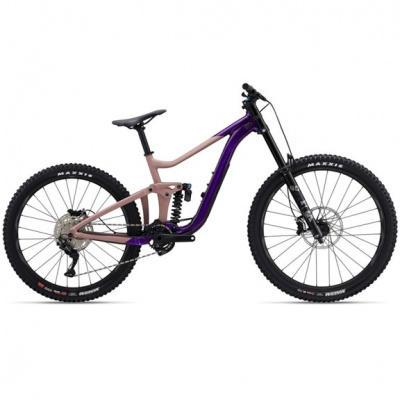
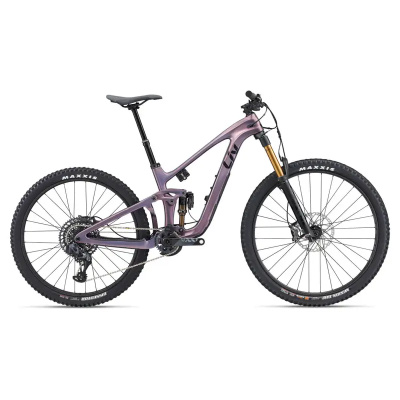
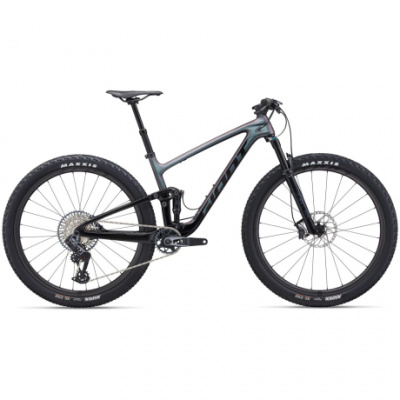
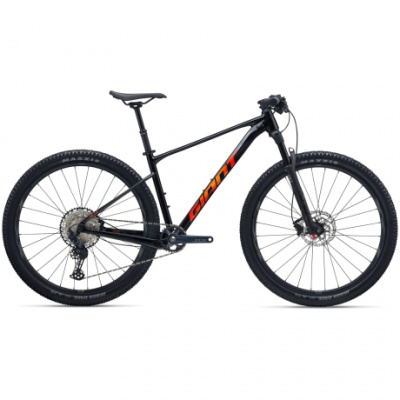
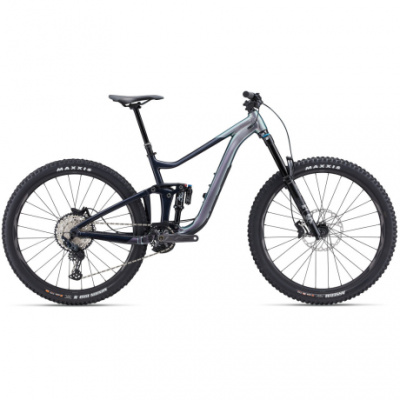
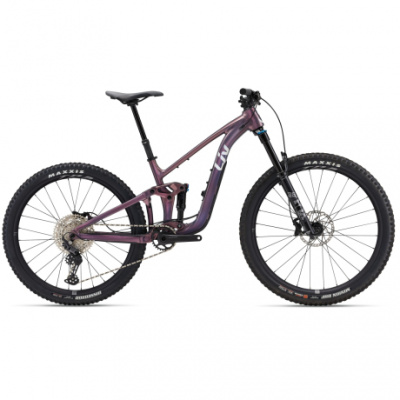
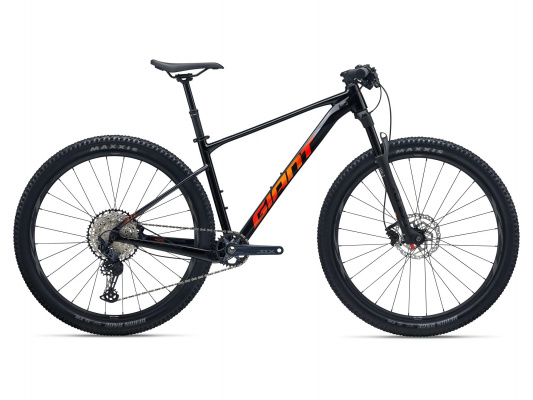
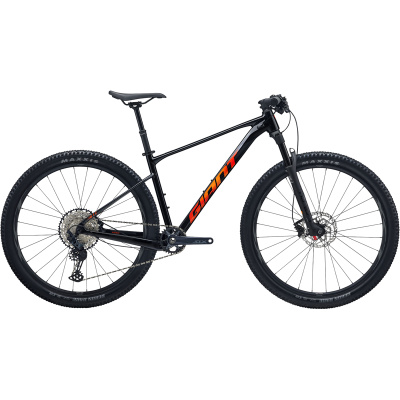
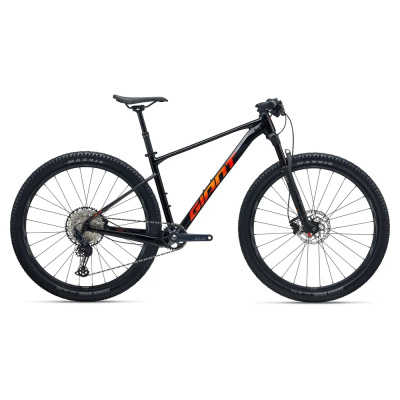
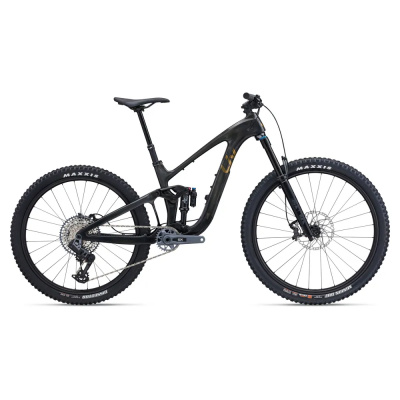
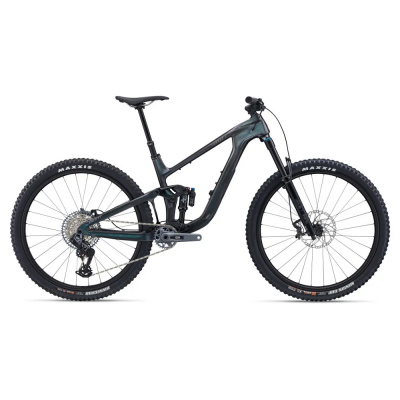
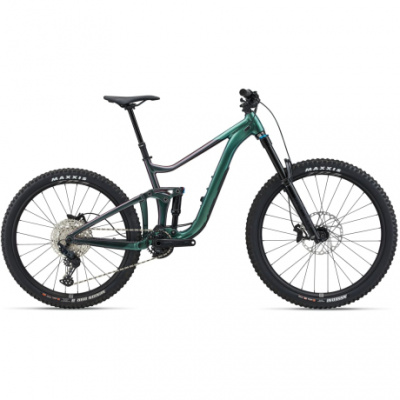
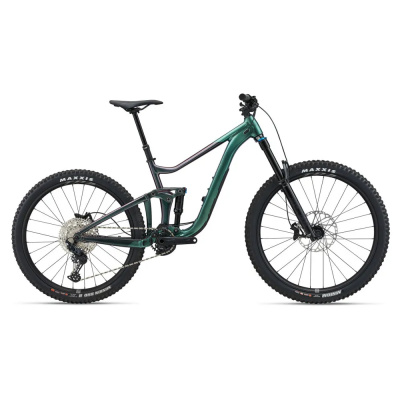
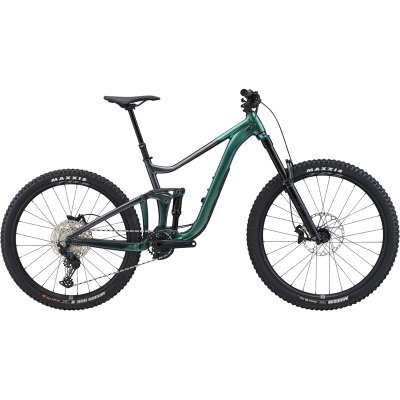
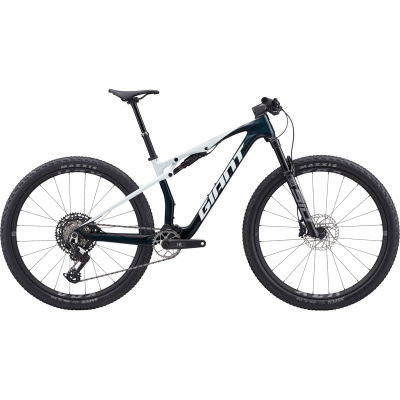
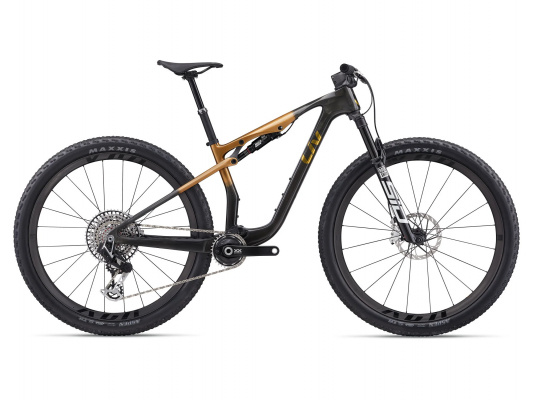
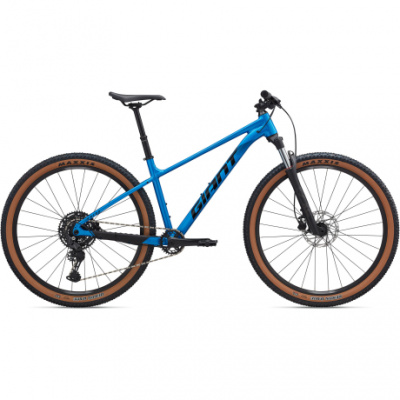
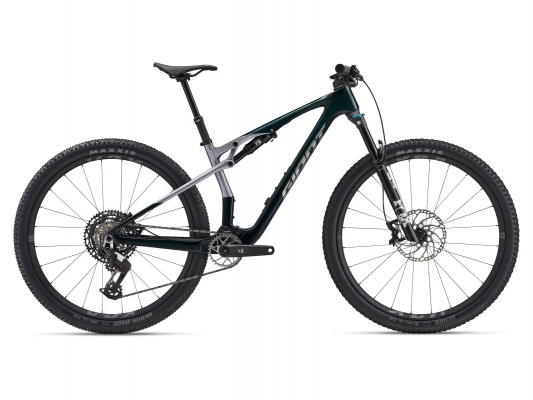
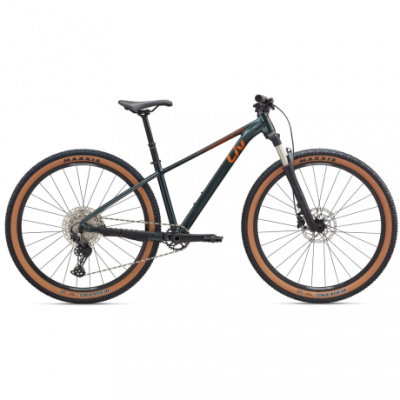
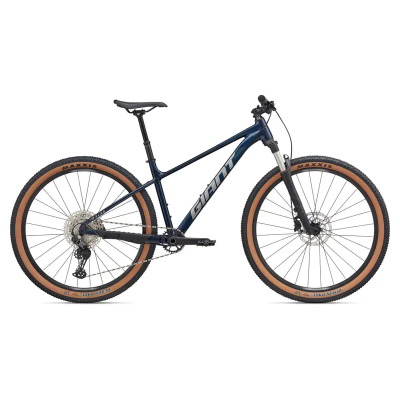
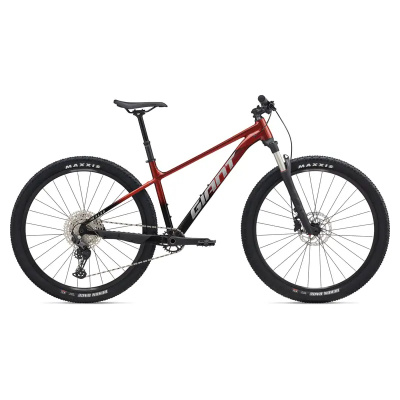
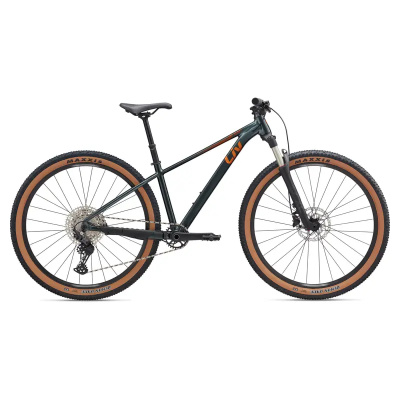
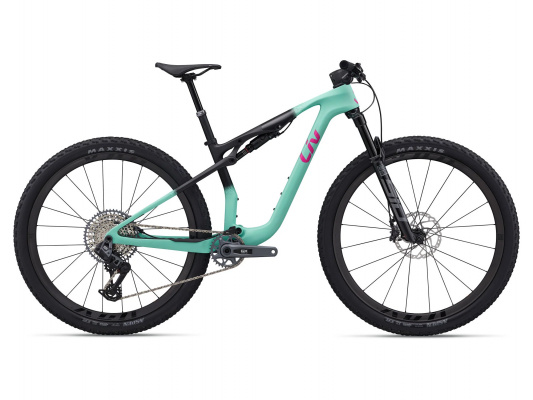
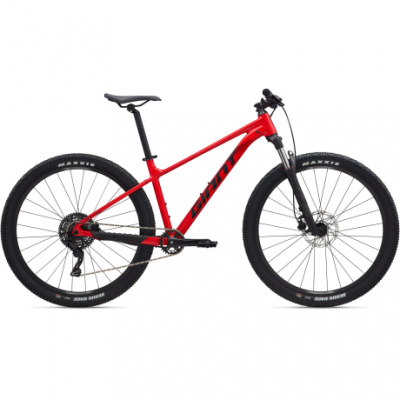
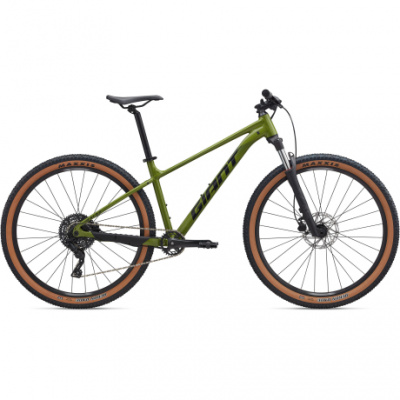
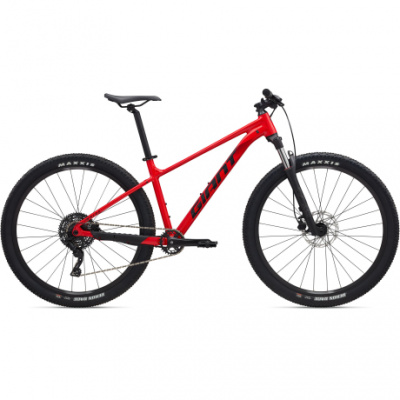
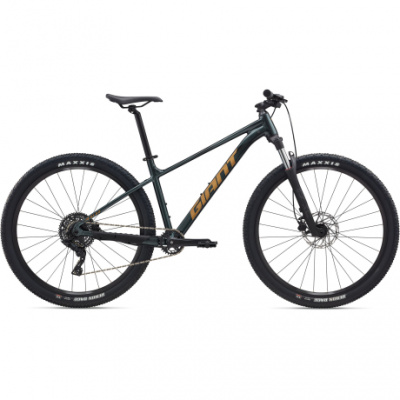
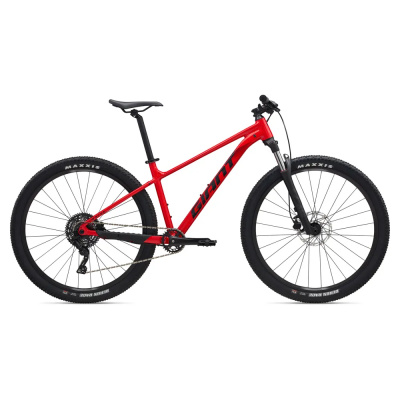
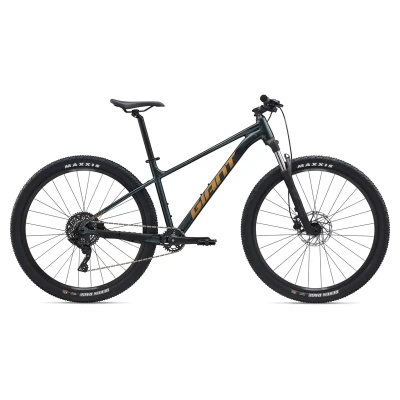
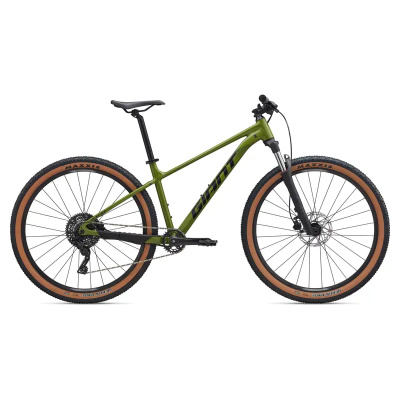
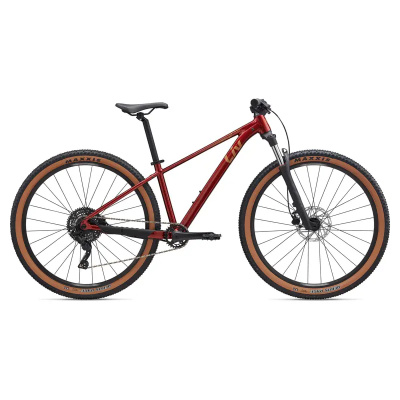
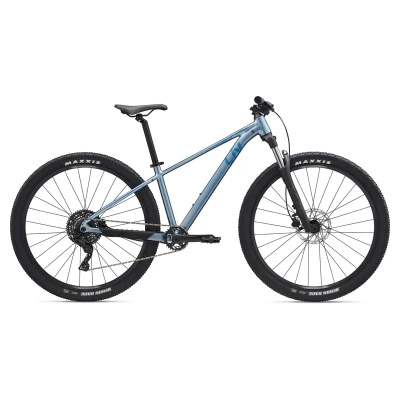
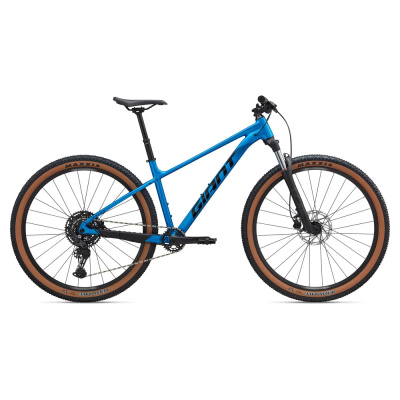
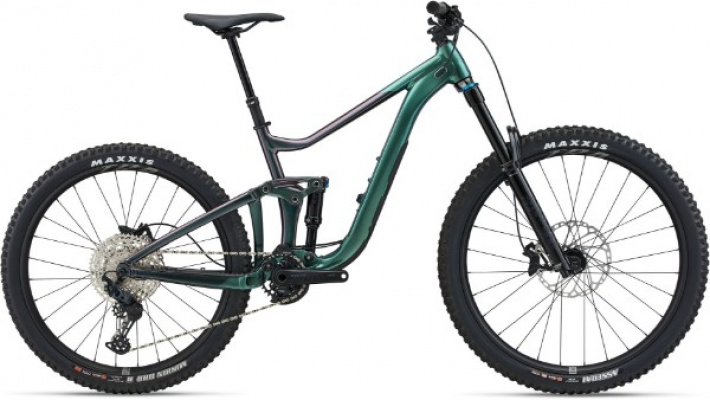
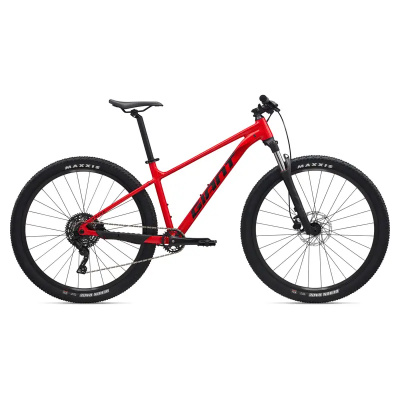
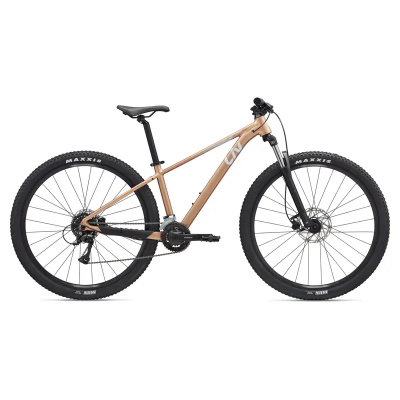
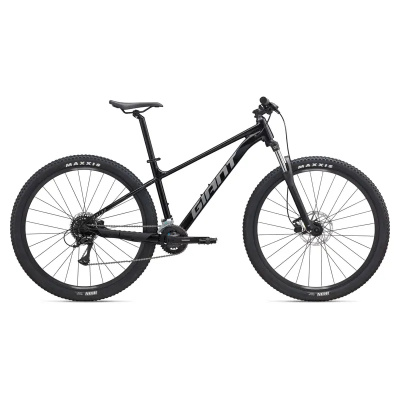
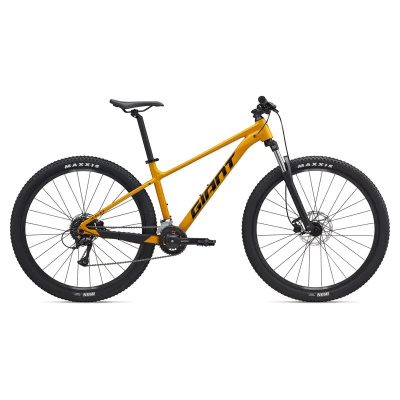
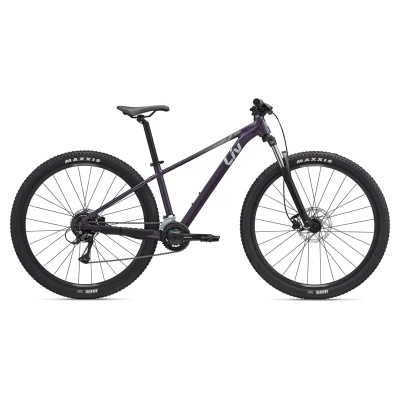
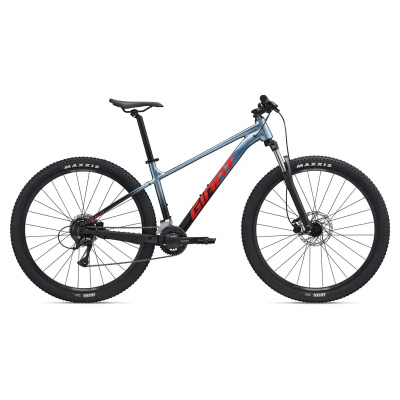
Prices and availability can change quickly. Delivery charges are not always included in listed prices.
Final price, stock status and delivery terms are set by retailer. We may receive a commission on purchases made.
Making Sense of the Giant MTB Family
Giant's mountain bike lineup is broader than it first appears, but the logic behind it is straightforward once you know the system. At the top of the trail and enduro pile sits the Reign - long-travel, slack, built for committing descents. The Trance is the versatile trail bike that most riders gravitate towards: enough suspension to handle proper rough ground, but efficient enough that you're not fighting the clock on the climbs. Then there's the Anthem, Giant's XC race platform - short travel, light, and focused almost entirely on speed and climbing efficiency.
On the hardtail side, the Talon is the entry point: honest geometry, durable components, and a price that doesn't sting. The Fathom steps things up for riders who want to push harder on technical trails without moving to a full-suspension setup. It runs more aggressive geometry and a dropper post as standard on most builds.
Naming conventions are worth getting straight. Numbers indicate spec level - a Trance 1 sits higher than a Trance 3, with better groupset, brakes and suspension components. The word Advanced in the model name signals a carbon frame using Giant's Advanced-Grade Composite process. If it's not listed as Advanced, you're on aluminium - which isn't a problem at all, but it's a useful distinction when you're comparing prices. If you're weighing up alternatives, Cannondale mountain bikes use a similar tiered approach, and Cube mountain bikes also number their builds in descending spec order.
How Giant's Suspension Systems Actually Work
Giant's headline full-suspension technology is Maestro suspension - and it genuinely deserves a closer look rather than a hand-wave. Most suspension designs use a single pivot or a relatively simple linkage that forces a compromise: the suspension either works well under pedalling load, or works well under braking, but rarely both. Maestro uses a four-pivot, two-linkage configuration that creates a floating virtual pivot point. In plain terms, the rear axle traces a path that keeps the suspension active regardless of whether you're putting power through the cranks or hauling on the brakes. Hit a rocky section mid-corner and the bike stays composed rather than kicking back at you.
The Flip Chip on modern Trance and Reign models adds another layer of adjustability. It's a small insert in the rocker link that lets you toggle between two geometry settings - steeper and higher for more efficient climbing, or slacker and lower if you're prioritising confidence on descents. Takes about ten minutes in the car park with an allen key.
On more affordable full-suspension bikes like the Stance, Giant uses a simpler FlexPoint suspension design - a single-pivot system that's lighter on maintenance and easier to understand, but doesn't offer the same pedalling efficiency or braking sensitivity as Maestro. That trade-off makes sense at the price; just don't expect the Stance to perform identically to a Trance back-to-back.
Frame material follows a clear hierarchy. ALUXX is Giant's entry-level proprietary aluminium - still a well-engineered alloy, not a generic spec. ALUXX SL and ALUXX SLR step up in grade, allowing thinner wall sections and lower weight while maintaining stiffness where it counts. Then there's Advanced-Grade Composite - Giant's own carbon fibre layup process, done in-house rather than outsourced, which lets them control fibre orientation and resin content precisely. The result is frames that are meaningfully lighter and stiffer than most third-party carbon builds at comparable price points. Worth knowing if you're debating whether "Advanced" justifies the extra spend.
Riding Giant MTBs Year-Round in the UK
The tubeless ready setup on most mid-to-high-end Giant mountain bikes is one of the genuinely practical spec choices that makes a difference in the UK. Thorn-heavy bridleways in the New Forest or loamy forest tracks in Wales chew through inner tubes - running sealant through a tubeless-compatible rim and tyre at lower pressure gives you better grip on wet roots and far fewer trail-side stops. Giant typically ships these bikes already set up with tubeless ready wheels and compatible tyres, so it's a sealant-and-valve job rather than a wheel-swap investment. Upgrading the rubber is still worth considering - check Giant MTB tyres if you want to tailor grip to your local conditions.
Maestro's lower linkage is positioned close to the bottom bracket, which is mechanically tidy but means it sits right in the firing line for Welsh clay and Peak District grit. After a muddy winter ride, that area collects debris faster than anywhere else on the bike. It's not a design flaw - it's a maintenance reality. Clean and lube the pivots after every proper wet ride and the double-sealed bearings will last well. Skip that for a few months and you'll be pressing bearings sooner than you'd like. A Giant mudguard on the downtube cuts the worst of the spray before it reaches the linkage.
Grips are another thing worth sorting early. Factory grips on lower-spec builds are adequate but tend to harden in cold weather - worth swapping for something tackier if you're riding through winter. Giant's own grip range fits straight on without modification. And keep a mini pump in your pack - tubeless isn't infallible, and a slash from a sharp rock still needs attention on the trail. Boardman mountain bikes are worth a look if you're after a UK-focused hardtail alternative at the entry level, though Giant's mid-range full-sus options offer noticeably more tech for the money.
For beginners, the Giant Talon answers the question before it's even asked: yes, it's a solid starting point. The ALUXX frame handles knocks without drama, the geometry is forgiving without being sloppy, and the component spec is reliable enough that you won't be replacing parts immediately. It won't flatter advanced technique, but it'll build it.
Giant Mountain Bikes FAQs
Are Giant mountain bikes good for beginners?
The Giant Talon is a strong entry point - the ALUXX frame is tough, the geometry is confidence-inspiring without being dull, and the component spec is reliable straight out of the box. You're not buying something you'll immediately want to upgrade; it gives you room to develop your riding before you start chasing marginal gains.
What is the difference between the Giant Trance and Anthem?
The Anthem is an XC race bike - short travel, light, built to go fast uphill and on smooth or flowing trails. The Trance runs more suspension travel and more relaxed geometry, making it the better choice for technical descents and variable trail conditions. If you're racing cross-country, look at the Anthem; if you're riding mixed UK trails, the Trance is the more practical tool.
What does 'Advanced' mean on a Giant mountain bike?
'Advanced' tells you the frame is built using Giant's Advanced-Grade Composite carbon process - done in-house, not outsourced. These frames are lighter and stiffer than the equivalent ALUXX aluminium models, and because Giant controls the layup themselves, the quality is consistent. It's a meaningful difference, not just a badge.