
Trek E-Bikes
Trek E-Bikes have done something most brands only talk about - they've made the motor and battery feel like they belong in the frame, not strapped to it. Rather than bolting a drive unit onto an existing design and calling it electric, Trek engineered these bikes from the ground up around their power systems. The result is a lineup that covers serious enduro, relaxed trail riding, road sportives, and daily commuting without feeling like a compromise in any direction.
At the heart of most models sits the Removable Integrated Battery (RIB) system - a side-entry design that lets you pull the battery without tools, charge it indoors on a freezing January morning, and slot it back in before you head out. Pair that with either a Bosch Performance Line CX motor for maximum torque or the featherweight TQ-HPR50 for stealthy, quiet assistance, and you've got Trek electric bikes UK riders can genuinely rely on year-round.
If you need replacement power units or head units, head to our dedicated Trek E-Bike Batteries page. For everyone else, the full Trek range is below - read on, then pick the one that fits your riding.
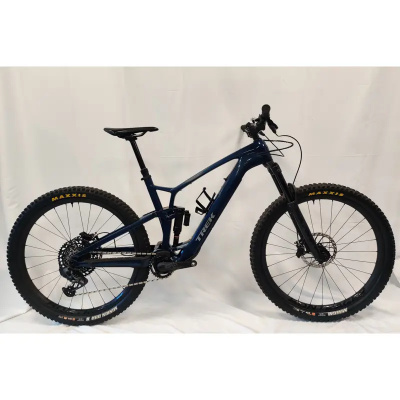
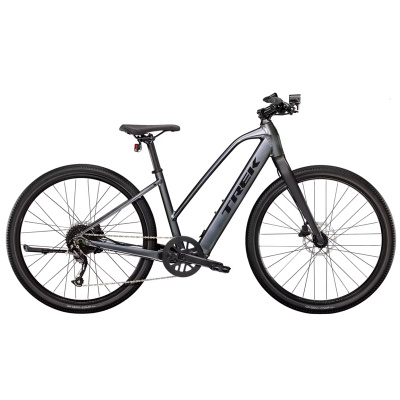
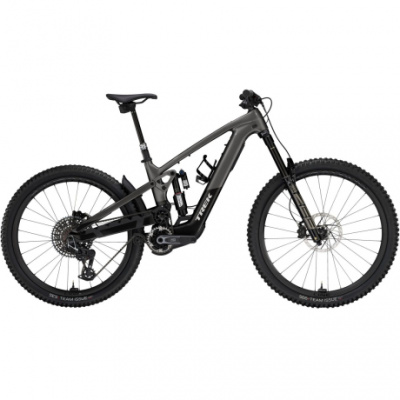
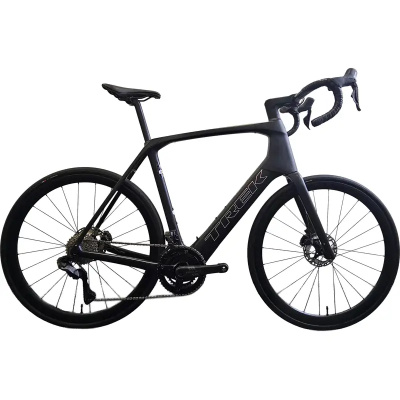
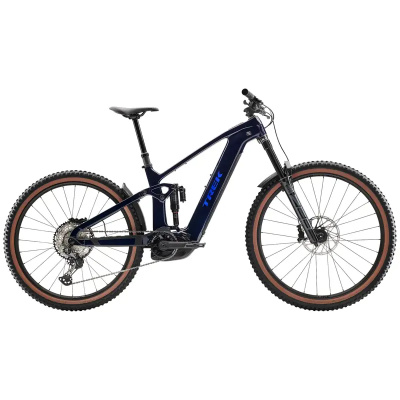
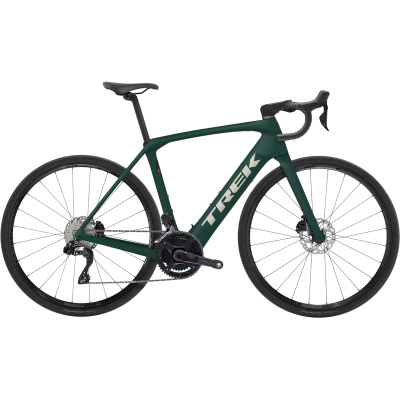
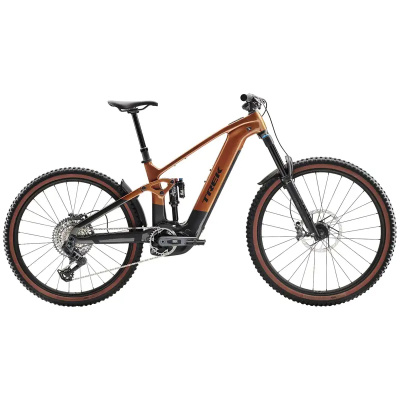
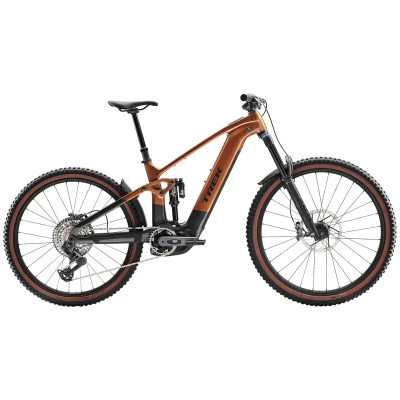
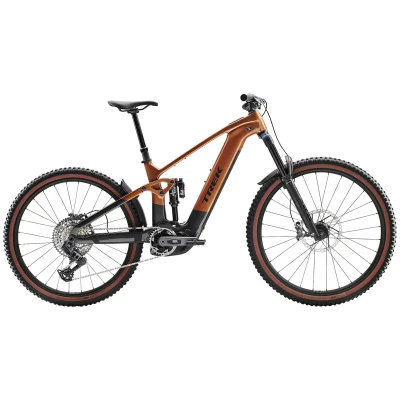
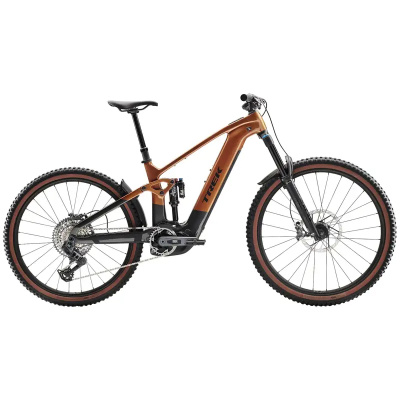
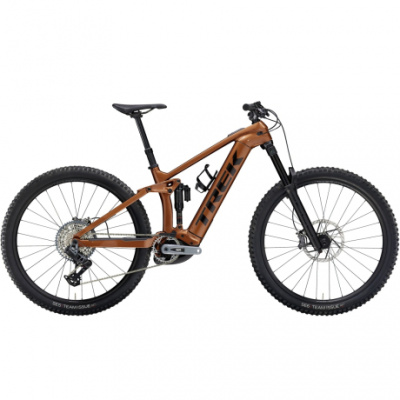
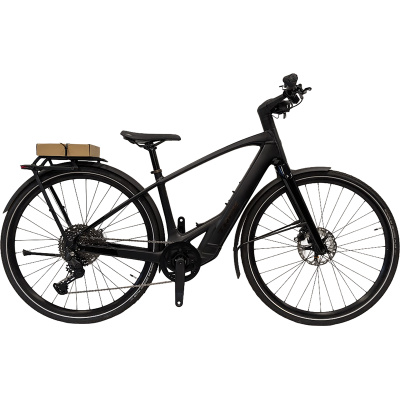
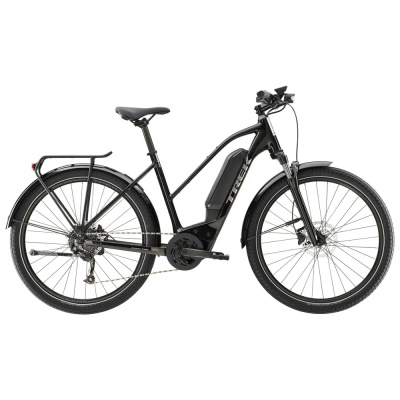
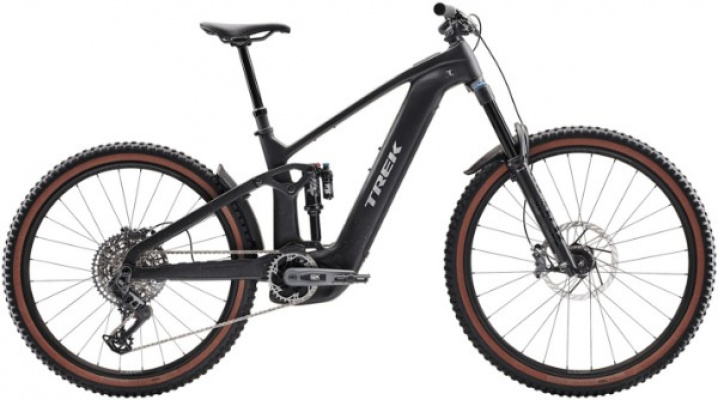
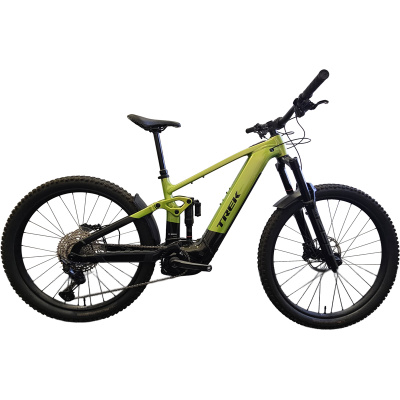
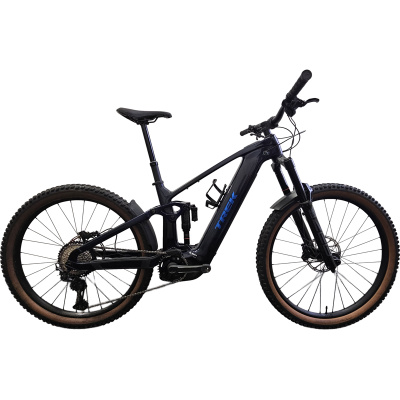
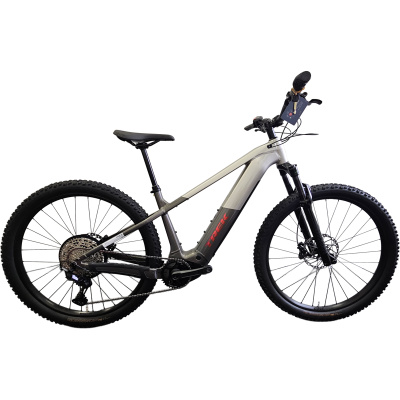
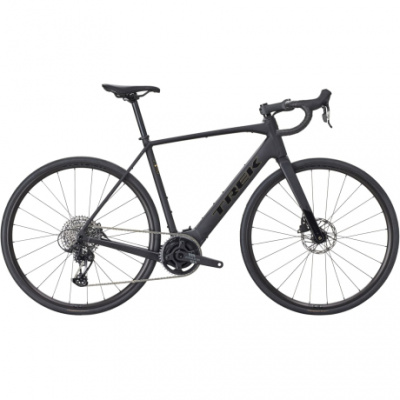
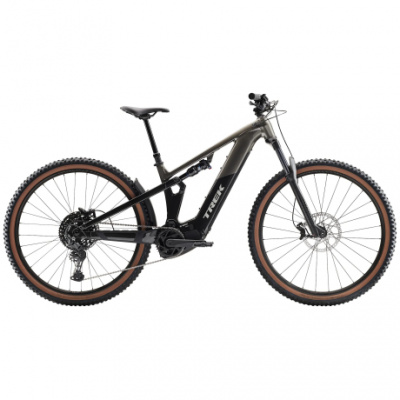
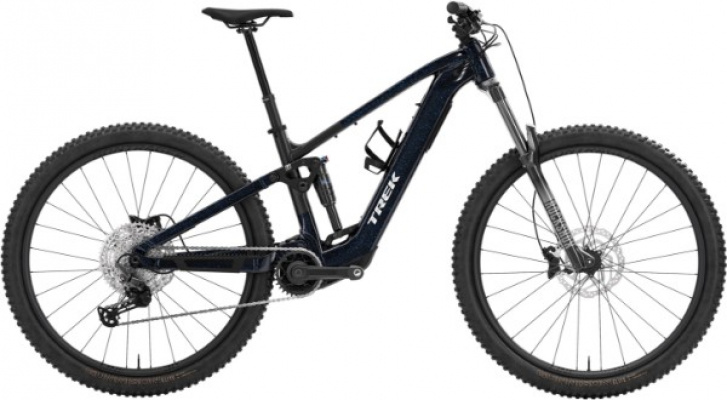
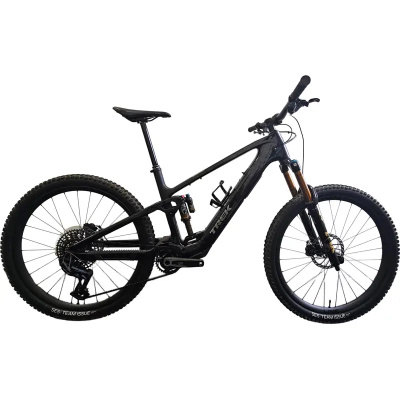
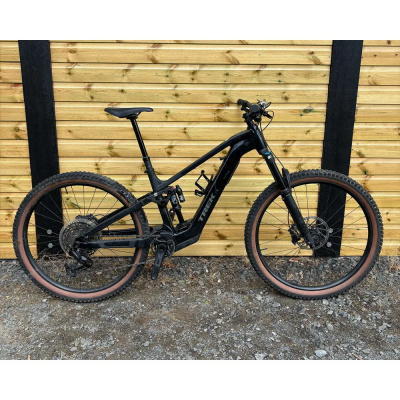
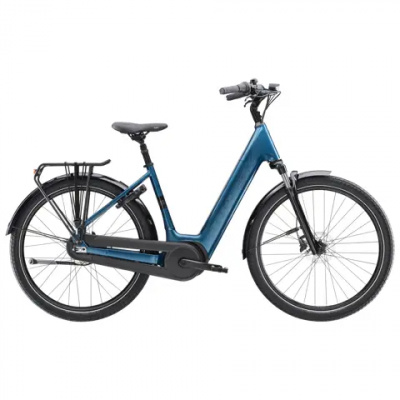
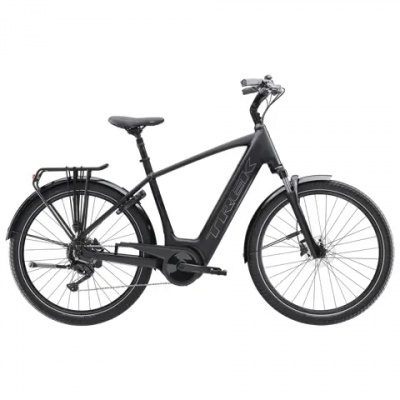
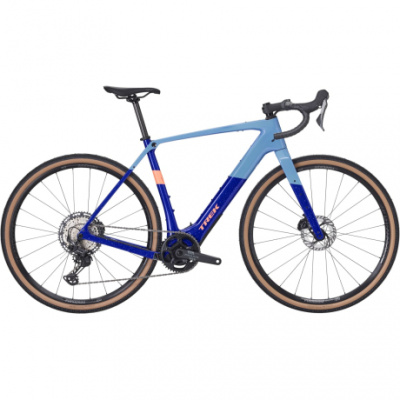
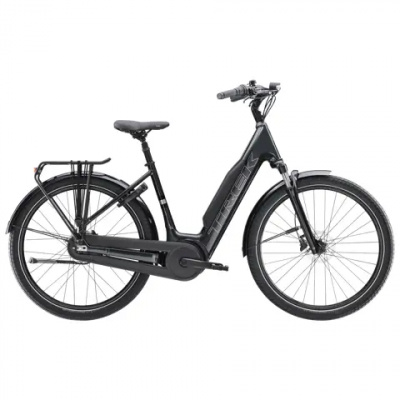
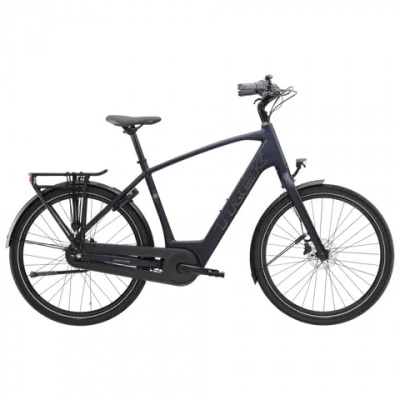
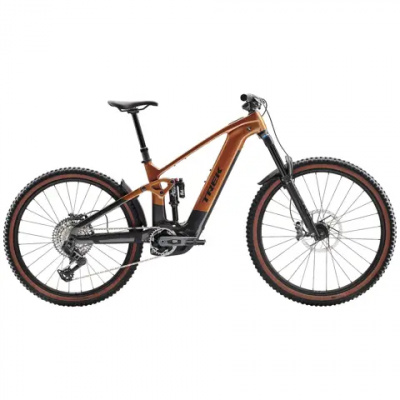
Prices and availability can change quickly. Delivery charges are not always included in listed prices.
Final price, stock status and delivery terms are set by retailer. We may receive a commission on purchases made.
Decoding the Trek E-Bike Lineup
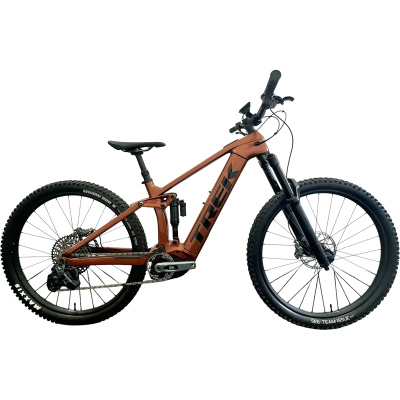
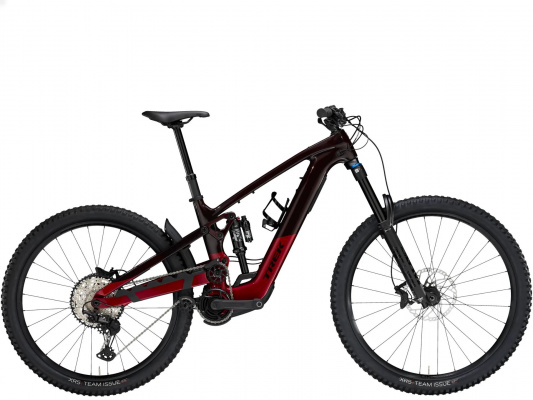
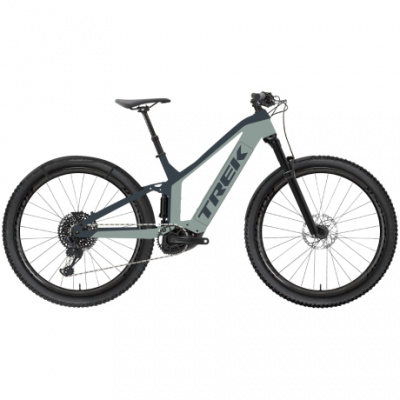
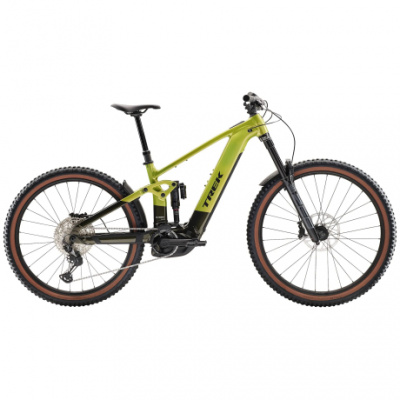
Trek e-bike models explained is exactly what this section is for, because the naming logic isn't immediately obvious. Get it straight once and the whole catalogue makes sense. The Rail is Trek's full-send e-enduro - long travel, aggressive geometry, built for chunky descents and the kind of Welsh trail centre runs where you want every last millimetre of suspension working. The Powerfly sits a rung down in aggression, functioning as a versatile trail and leisure bike that handles everything from Peak District bridleways to gravel-edged country lanes without drama.
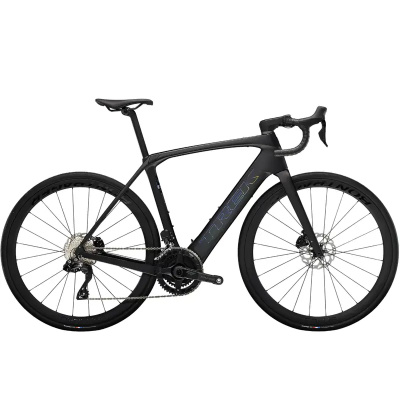
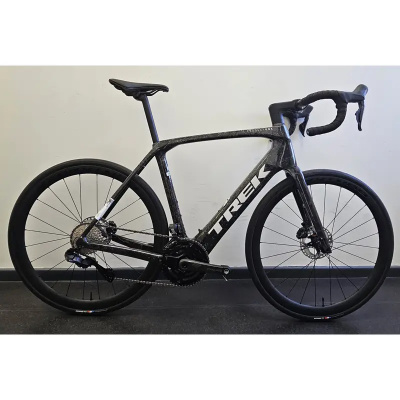
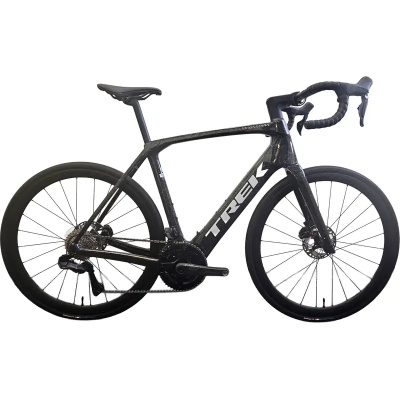
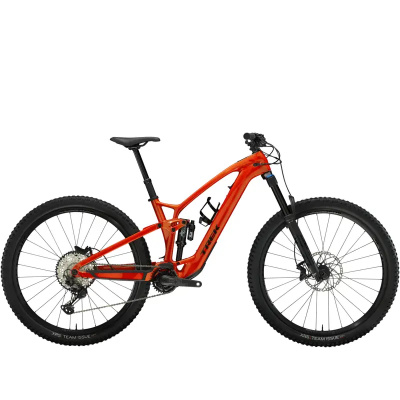
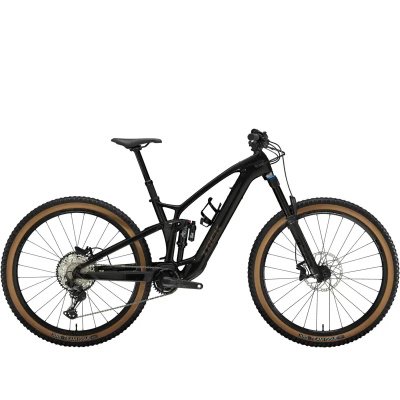
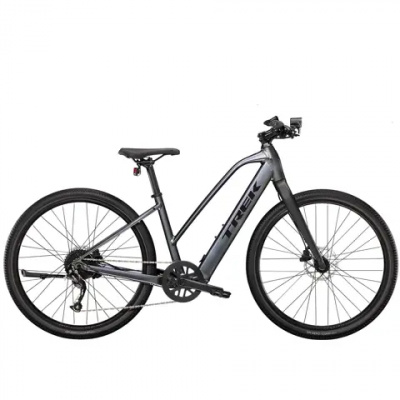
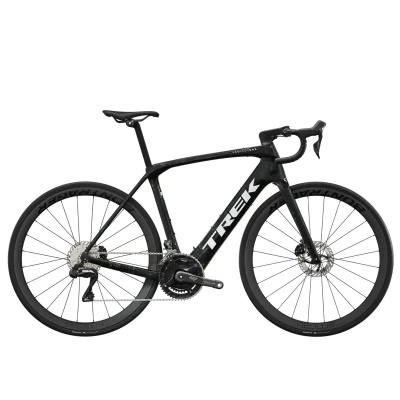
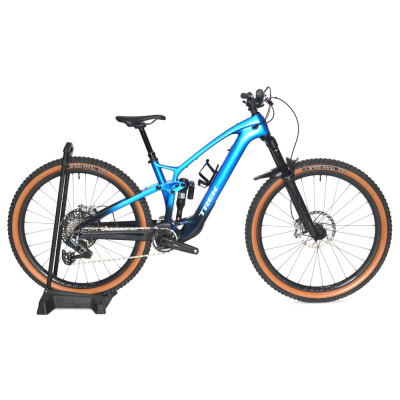
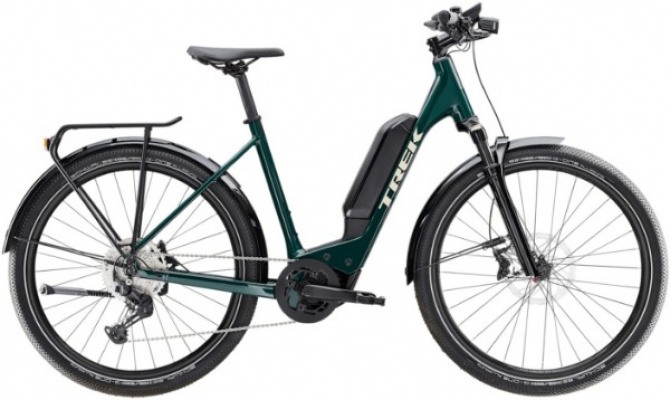
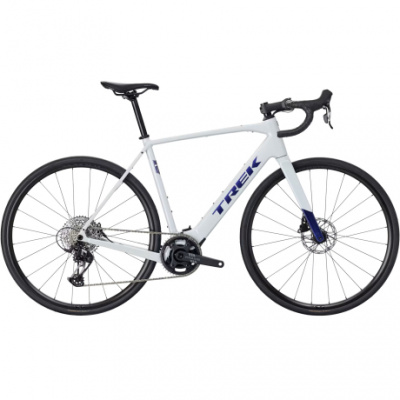
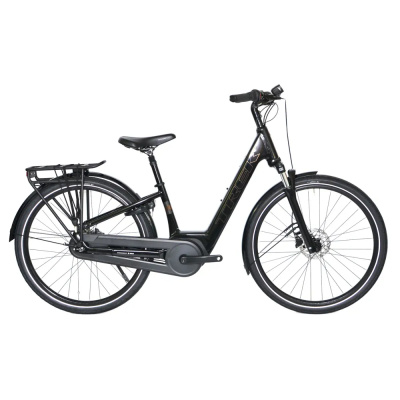
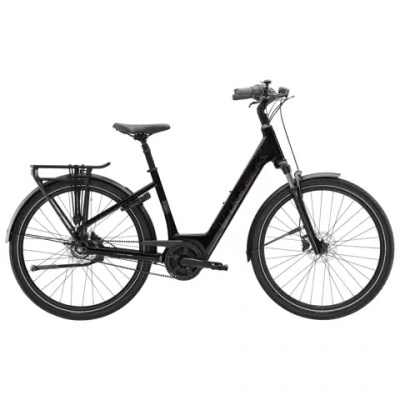
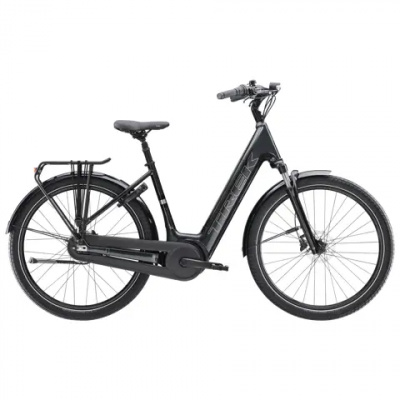
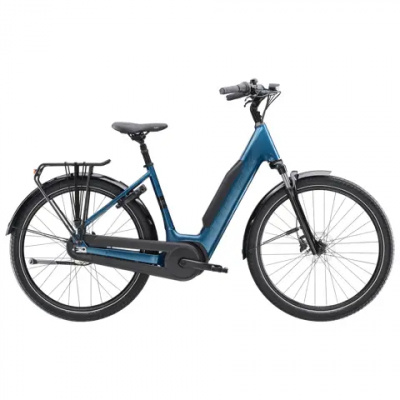
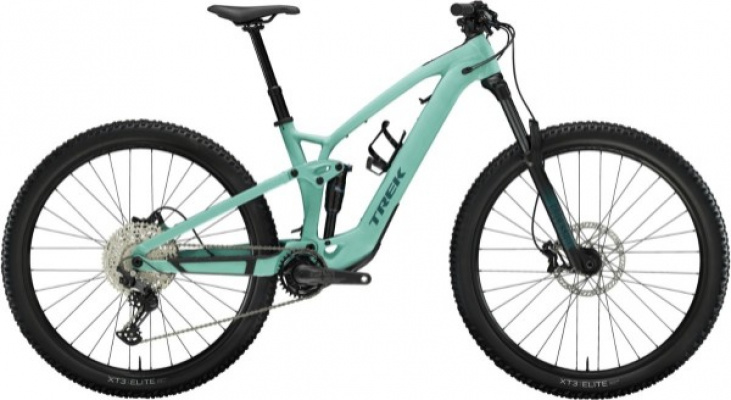
Then there's the Fuel EXe - Trek's lightweight e-MTB answer to riders who want pedal-assist without the bulk. It uses the TQ motor rather than Bosch, which keeps the weight down and the feel closer to an analogue trail bike. Prefer tarmac? The Domane+ brings road geometry and smooth assistance to longer road rides, while the Allant+ and Verve+ handle urban commuting and leisure cycling with rack mounts, integrated lighting options, and upright comfort.
Trim levels follow a straightforward pattern. Models numbered 5, 7, and 8 use alloy frames and progressively better drivetrains and suspension. Step to 9.5, 9.8, or 9.9 and you're into OCLV Mountain Carbon - Trek's own carbon layup process, specifically optimised for the extra weight and torque loads an e-bike motor introduces. At the top of that tree, you're looking at premium suspension, wireless drivetrains, and significantly reduced overall weight. Worth knowing before you start comparing prices.
The Tech Doing the Work: Bosch, TQ, and What Makes Trek Different
Trek's dual-motor strategy is one of the cleaner solutions in the category. The Bosch Performance Line CX delivers 85Nm of torque - that's the motor on the Rail and Powerfly platforms, and it's genuinely forceful on steep climbs. Think of it as a reliable workhorse: consistent, well-supported, with a mature software ecosystem and a wide range of battery sizes including a range extender option that can add meaningful distance on longer days out.
The TQ-HPR50 harmonic pin ring motor takes a different approach entirely. It's compact, nearly silent, and produces assistance that blends into your pedalling rather than announcing itself. On the Fuel EXe and Domane+, that translates to a bike that doesn't feel like it's fighting you when the assist cuts out, and doesn't draw stares in the car park. The trade-off versus Bosch CX is peak torque - the TQ is not the tool for grinding up 25% Welsh lanes with a full pack. But for riders who want range and a natural pedal feel, it's a compelling option.
Across both motor families, the RIB (Removable Integrated Battery) system earns its keep in everyday use. The side-entry design means you're not wrestling the bike into a charging position - pull it out, charge it on the kitchen counter, done. Keep the seal and the contact points clean, particularly after muddy winter rides, and it's genuinely low-maintenance.
On full-suspension models, ABP (Active Braking Pivot) is worth understanding before you ride. Most suspension designs stiffen up under braking because the braking forces and suspension forces share the same pivot - when you grab the lever hard into a corner, the rear end resists compressing. ABP decouples the brake caliper from the main pivot so the suspension stays active when you're braking hardest. On technical descents, that's the difference between the rear wheel tracking the ground and skipping over it. If you're comparing Trek against Cannondale e-bikes or Cube e-bikes, ABP is one of the details that gives Trek's full-suspension range a measurable edge in rough conditions.
The Mino Link adjustable geometry chip - fitted to Trail and enduro models - lets you toggle between a slacker, lower-BB aggressive position and a slightly steeper, more nimble setup. It's a two-bolt job and it does shift the character of the bike noticeably. Most UK riders running rail centres will want the slack setting; if you spend more time on cross-country loops, try the other.
Living with a Trek E-Bike in the UK
A few things are worth knowing before your first proper winter outing. Trek's M/L sizing is unusual - it bridges the gap for riders sitting between 5'9" and 5'11" who often find a standard Medium too cramped and a Large too stretched. It's not a quirk to work around; it's actually useful if you've always landed between sizes on other brands. Check the reach and stack figures rather than relying on the size name alone.
Cold weather hits battery range harder than most manufacturers like to admit. Lithium cells genuinely lose capacity below about 5°C, which in a British winter means most of the year from November onwards. The practical fix is simple: pull the RIB out and store it indoors overnight. Slip it back in before you ride and you'll have noticeably better range than leaving it in an unheated garage. That's one of the genuine everyday advantages of the tool-free RIB design.
The charge port seal on the RIB cover is worth keeping an eye on after gritty, muddy rides - Scottish gravel or Shropshire clay can pack into the edges and compromise the waterproofing over time. A wipe-down after each ride keeps it sorted. Speaking of waterproofing, Trek e-bikes are designed to handle heavy rain and deep puddles without issue, but don't point a jet washer at the motor housing, display connectors, or battery contacts. A hose on low pressure or a bucket is fine.
On the mechanical side, the main pivot bearings on full-suspension models take more load than on a standard bike - the motor torque adds stress that compounds over time, especially if you're riding heavy technical trails. Worth factoring into your service schedule. While you're at it, Trek mudguards are a sensible addition for winter commuting on the Allant+ or Verve+, and if you're running the bike in low light, dedicated Trek lights integrate cleanly with the existing wiring on many models.
If you're weighing up the Trek Powerfly vs Rail decision, the short version is this: the Rail is for riders who descend aggressively and want the bike to hold its line on steep, loose ground. The Powerfly is for riders who want a capable trail bike that also commutes sensibly. They're different answers to different questions. Both work well on British trails - the Rail just wants more of them to be pointing downhill. For a broader look at Trek's non-assisted off-road range, the Trek mountain bikes page is worth a look too, and if you're deciding between full electric assist and a lighter hybrid setup, compare across to our Trek hybrid bikes section.
Related searches:
Trek E-Bikes FAQs
How far can a Trek e-bike go on a single charge?
Range depends on battery capacity (500Wh vs 750Wh), rider weight, gradient, and assist mode. In real-world UK conditions you're looking at roughly 30 to 80 miles per charge. Sticking to Eco mode and adding a compatible range extender will push that figure further on longer days.
What motor does Trek use in their electric bikes?
Trek uses two motor platforms depending on the model. The Bosch Performance Line CX - producing 85Nm of torque - powers the Rail, Powerfly, and Allant+ range. The TQ-HPR50 harmonic pin ring motor, which is lighter and near-silent, is used on the Fuel EXe and Domane+ for a more natural pedal feel.
Are Trek e-bikes waterproof enough for UK weather?
Trek e-bikes are built to handle rain, puddles, and typical UK winter conditions without issue. The charge port seals and motor housing are water-resistant, but avoid jet-washing directly onto the motor, display connectors, or battery contacts - a low-pressure hose or cloth is the right tool after a muddy ride.