
Boardman Road Bikes
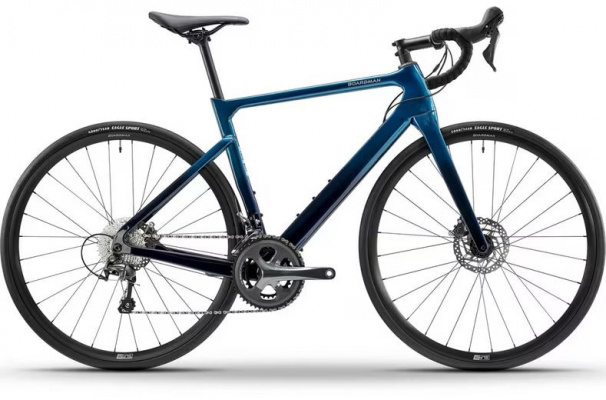
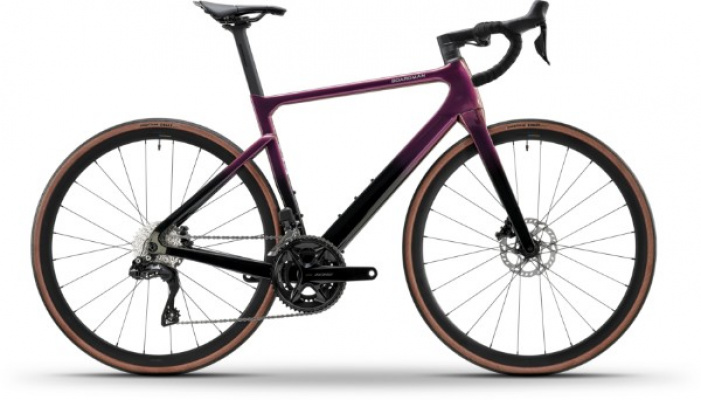
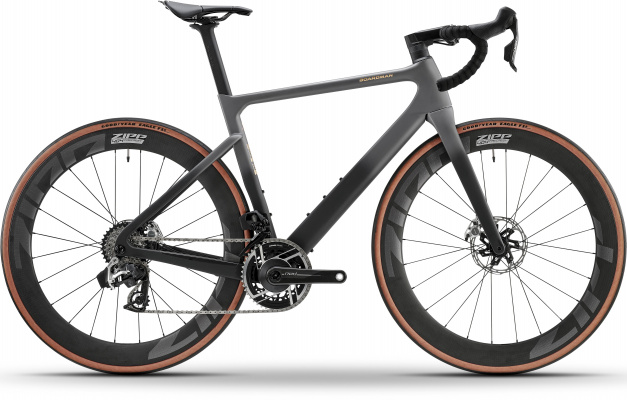
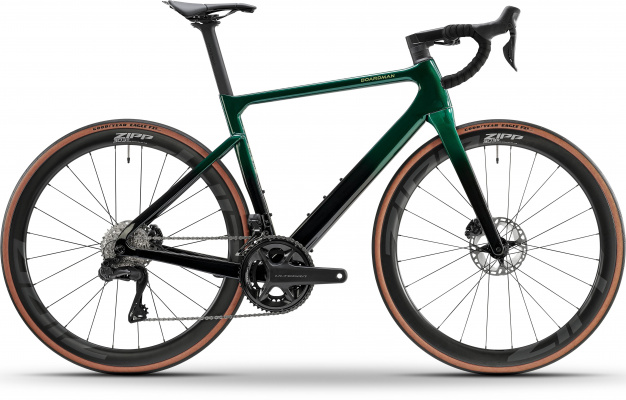
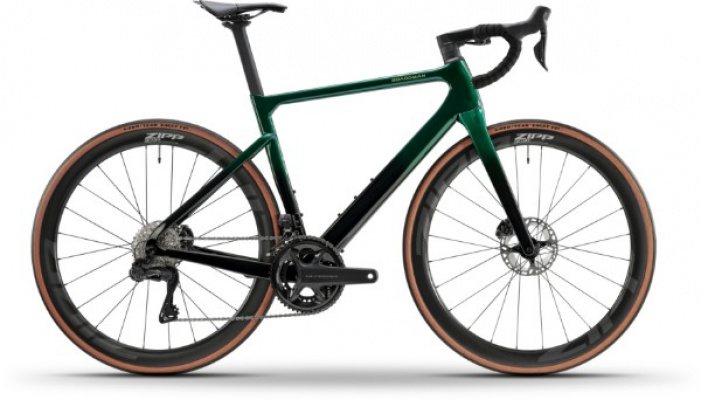
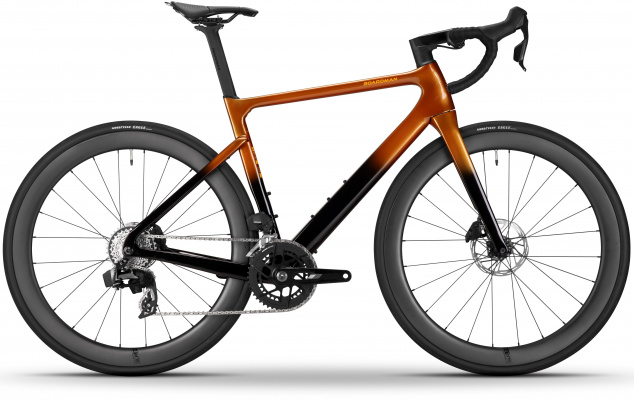
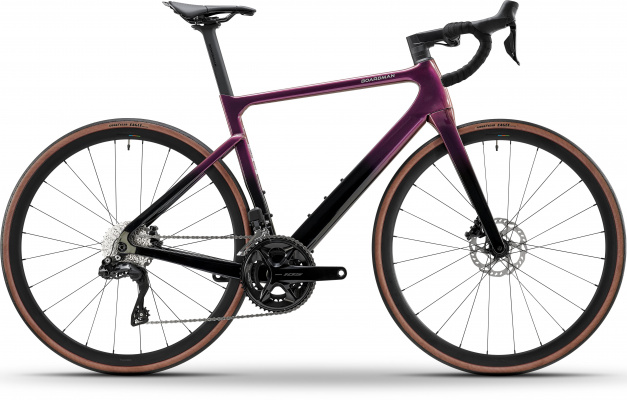
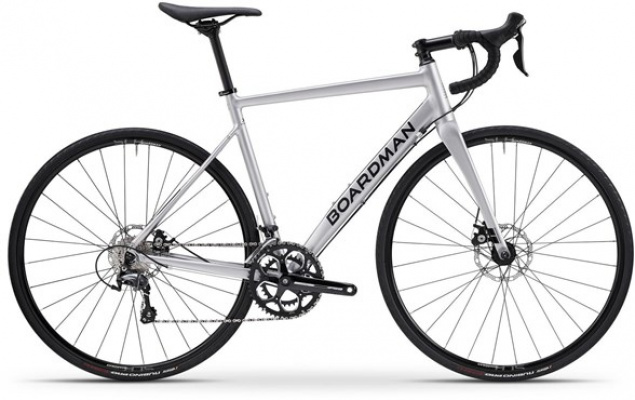
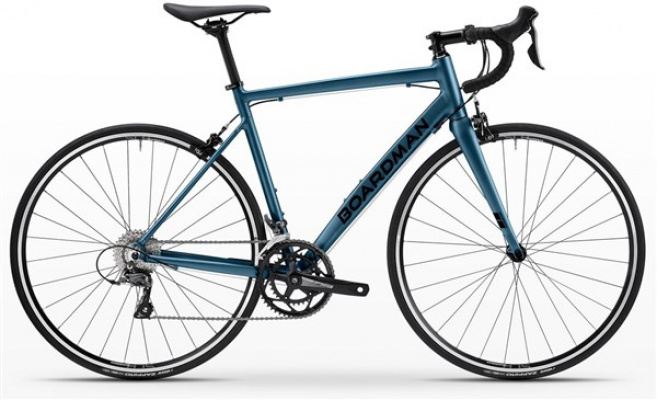
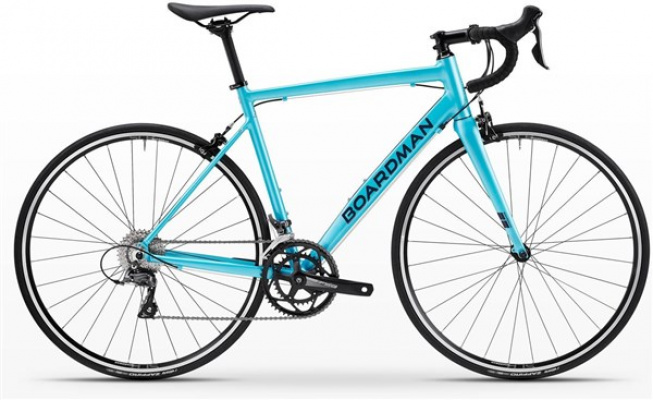
Boardman Road Bikes have quietly become one of the sharpest options in the UK road market - and it's no accident. Chris Boardman's obsession with aerodynamic efficiency runs through every tube profile and geometry decision the brand makes, right down to the entry-level alloy models. Whether you're lining up for your first sportive or chasing points in a local road race, the SLR (Super Light Racing) range brings genuine wind-tunnel thinking to a price bracket that doesn't require a second mortgage.
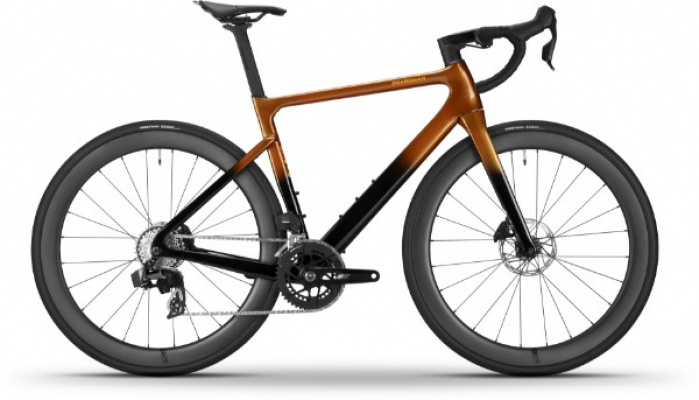
The range spans smooth-weld alloy trainers built to handle year-round British riding, through to stiff C9 carbon race machines that wouldn't look out of place in a UCI peloton. Disc brake models now sit at the heart of the lineup, though rim brake options remain for purists. The numbering system tells you a lot: 8.x bikes are the accessible end of the family, 9.x bikes are where things get properly serious.
Looking to take your drop-bar riding off-road? Check out our Boardman Gravel Bikes. Building a custom rig around a Boardman chassis? Browse our Boardman Frames.
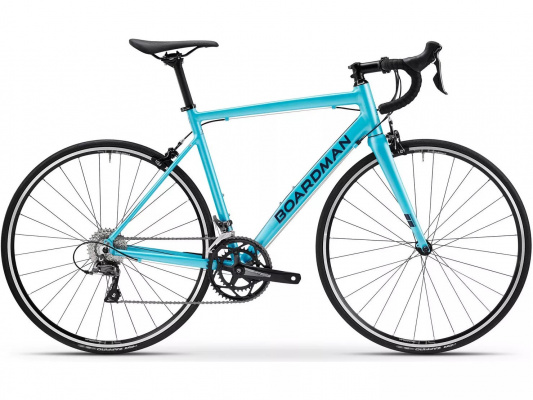
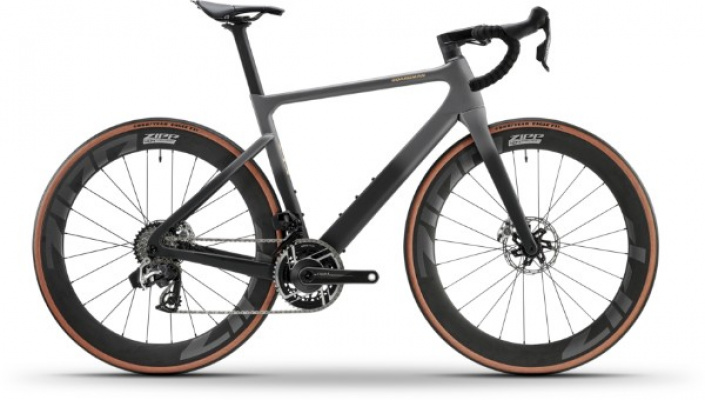
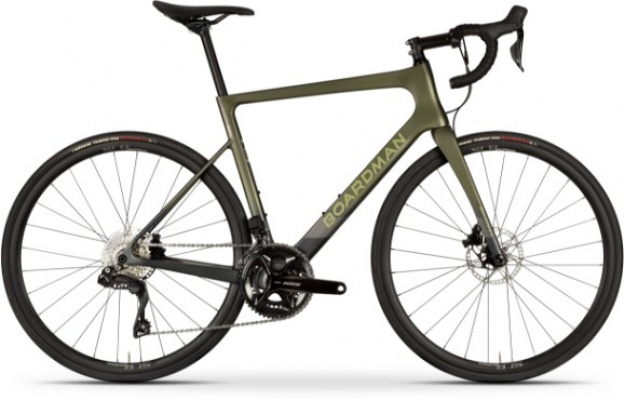
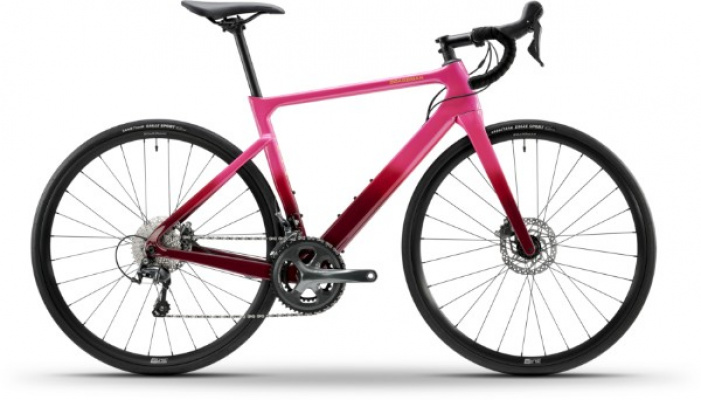
Prices and availability can change quickly. Delivery charges are not always included in listed prices.
Final price, stock status and delivery terms are set by retailer. We may receive a commission on purchases made.
Decoding the Boardman Road Lineup
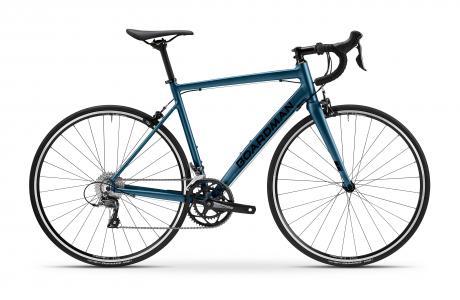
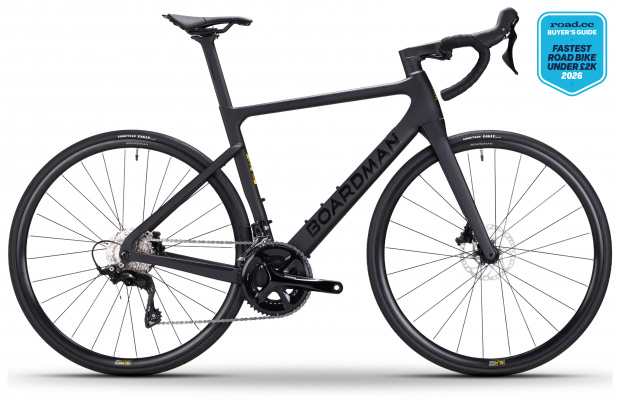
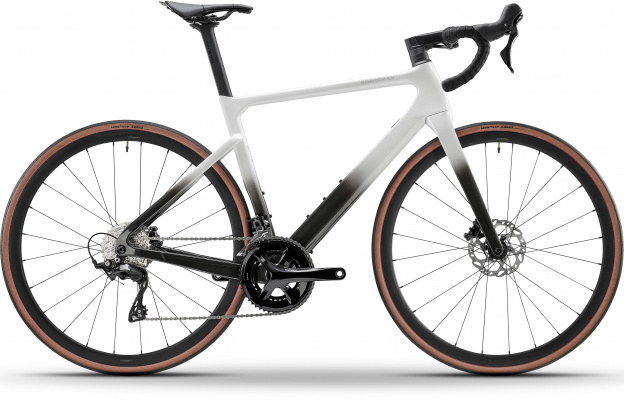
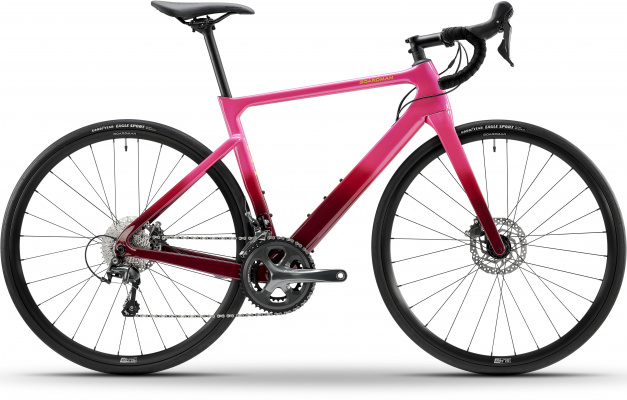
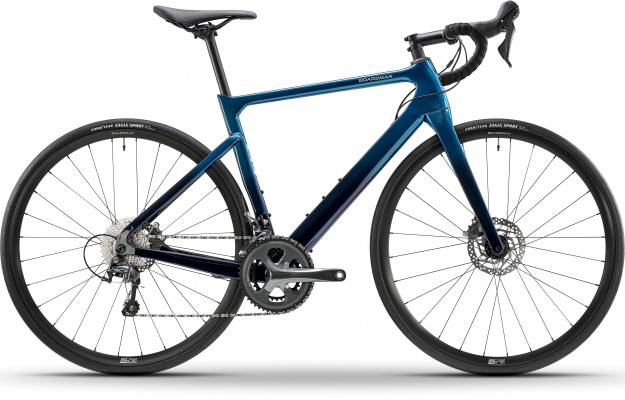
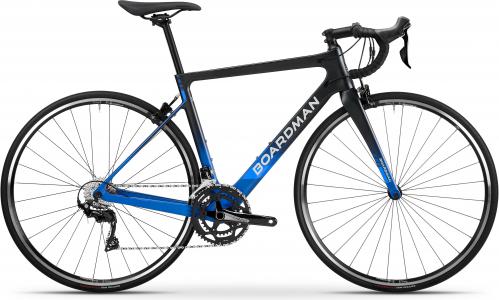
The SLR family is where most riders start, and the numbering does most of the work for you. The 8.x models - think SLR 8.6 and SLR 8.9 - cover the ground between beginner-friendly alloy builds and entry carbon with a proper groupset. The SLR 8.6 uses Boardman's smooth-weld aluminium frame and suits riders building fitness or looking for a dependable training partner. Step up to the SLR 8.9 and you're into C7 carbon territory with Shimano 105 shifting - a meaningful jump in feel and weight. The 9.x models take things further still, pairing C9 carbon frames with race-focused builds and geometry that rewards committed riding positions. Disc brake variants now dominate the current range, offering improved modulation in the wet and compatibility with wider rubber. Rim brake models still exist but are increasingly limited to specific builds - worth checking the current listings if you're set on keeping things old-school.
The Tech Behind the Tubes
Boardman's frame engineering is more considered than a lot of brands at similar price points. The C7 carbon layup is engineered for compliance and durability - it absorbs road chatter better than you'd expect, which makes it a capable companion for long sportive days rather than just a box-ticking lightweight exercise. The C9 carbon frame is a different conversation entirely: this is a high-modulus blend that prioritises stiffness and power transfer, the kind of material spec you'd associate with bikes costing considerably more. Power in, speed out - simple as that.
For riders not ready to commit to carbon, the smooth-weld aluminium technology on the alloy SLR models deserves attention. The joins between tubes are finished to a standard that mimics carbon aesthetics closely enough that most people at a café stop won't notice. It's not just cosmetic, either - the process produces a cleaner structure that contributes to the frame's overall rigidity. Then there are the truncated aerofoil tube profiles, developed through wind tunnel work and applied across multiple models in the range. These aren't full-depth aero sections, but the flattened, foil-shaped tubes do reduce drag at the speeds most club riders actually ride - something you'll appreciate when there's a headwind on the way home from a Peak District loop.
If you're comparing Boardman against other wind-tunnel-obsessed brands, the approach is genuinely competitive. The Boardman Jerseys follow the same aerodynamic thinking if you want to complete the picture, and pairing the right stem with your road bike geometry is worth a look at the Boardman Stems range too.
Running a Boardman on British Roads Year-Round
This is where the alloy models earn their place. The SLR 8.6 and similar alloy builds include hidden mudguard mounts - a detail that sounds minor until you're trying to justify keeping a second bike for winter. Clip a set of guards on and you've got a genuinely capable all-weather trainer that won't leave your back looking like a Jackson Pollock by the time you reach the café. Most riders underestimate how much difference that makes to long-term motivation through November and February.
28c tyre clearance on the disc SLR models is another practical win. British B-roads don't care about your carbon fibre aspirations - potholes, chip seal, and the occasional gravel wash-across-the-road are just facts of life. Running 28c tyres rather than 25c drops your rolling resistance on rough surfaces, reduces pinch-flat risk, and lets you run slightly lower pressures without the squirm. If your Boardman arrives with 25c stock rubber, a tyre swap to a quality 28c option is one of the better first upgrades you can make. Something like a Continental GP5000 or Pirelli P Zero in 28c will transform the feel on anything that isn't freshly tarmacked dual carriageway.
For riders thinking about an electric-assist option alongside a road bike - perhaps sharing a fleet with a partner or building out a quiver - it's worth knowing Boardman also has a solid e-bike range, and their hybrid bikes cover the commuting and leisure end of the spectrum if you need something more versatile day-to-day.
On the maintenance side, Boardman road bikes use standard threaded bottom brackets and conventional headset specs across most of the range - no proprietary nonsense to chase down when something needs replacing. Disc models are built around standard rotor sizes and common caliper standards, so servicing at any decent local shop is straightforward. Check the specific build spec before buying if you're planning a groupset upgrade down the line, as cable and hydraulic variants have different compatibility paths with newer Shimano systems.
Related searches:
Boardman Road Bikes FAQs
Are Boardman road bikes any good?
Boardman road bikes consistently punch above their price point. The aerodynamic tube profiles, carbon layup options, and reliable Shimano groupsets give you genuine performance without the inflated cost of a bigger badge. They've picked up multiple value-bike-of-the-year nods from the UK cycling press, and that reputation is well earned.
What is the difference between the Boardman SLR 8.6 and 8.9?
The SLR 8.6 uses a smooth-weld alloy frame with an entry-level groupset - solid for beginners, commuters, and winter training. The SLR 8.9 steps up to a C7 carbon frame and Shimano 105, which makes a noticeable difference in weight and shifting precision. If you're doing regular club runs or sportives, the 8.9 is worth the stretch.
Do Boardman road bikes take mudguards?
The alloy SLR models - including the 8.6 and 8.8 - have hidden mudguard mounts built in, making them genuinely practical for year-round British riding. Carbon SLR models generally drop those mounts to save weight and keep the aero profile clean, so if winter-proofing matters to you, the alloy builds are the more sensible choice.