
Compass E-Bikes
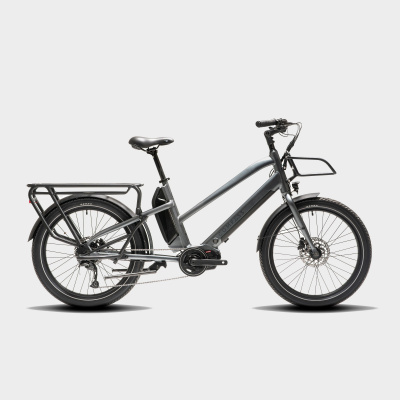
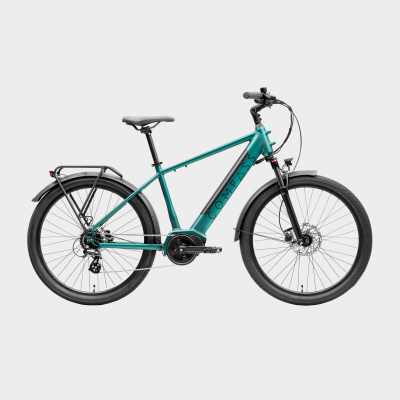
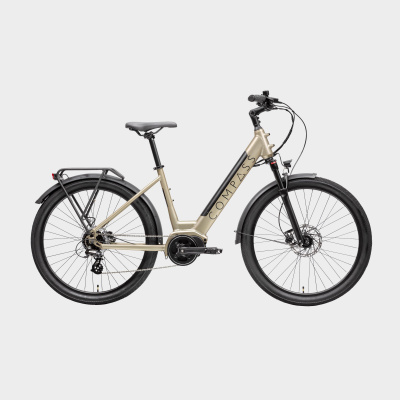
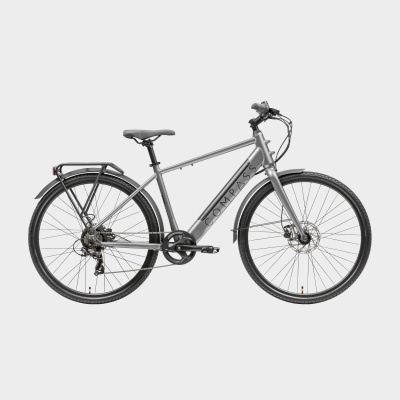
Compass E-Bikes are built around one clear idea: electric cycling shouldn't require a second mortgage or a degree in bicycle technology. Whether you're tired of arriving at the office damp and breathless, need something that slots neatly into a train vestibule, or just want a dependable ride for knocking around town, the Compass range covers it without fuss. These bikes lean on sturdy alloy frames, rear hub motors that deliver smooth, consistent pedal assist, and practical features that make sense for real commuters rather than weekend enthusiasts. You're not paying for carbon fibre you don't need or motor technology borrowed from a mountain bike race. What you get instead is honest, reliable hardware priced for everyday use. The lineup splits cleanly between upright urban hybrids - suited to longer point-to-point commutes where comfort matters - and compact folding models that disappear under a desk or into a car boot. Both use removable battery systems that you can charge at home or at work without wheeling the whole bike indoors. If you want straightforward electric commuter bike value in the UK, this is a sensible place to start looking.
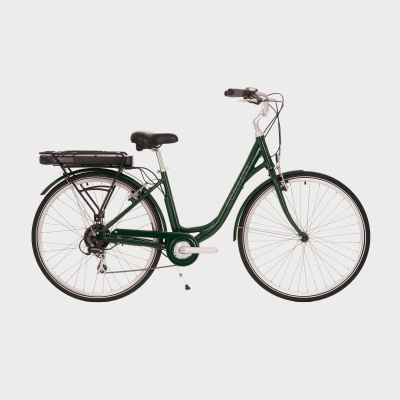
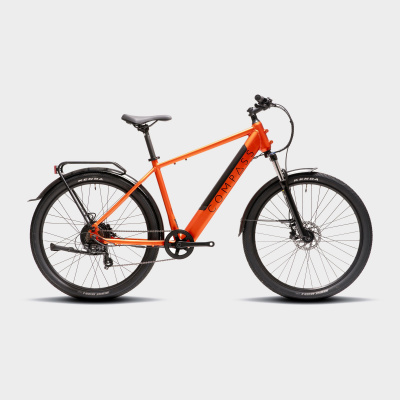
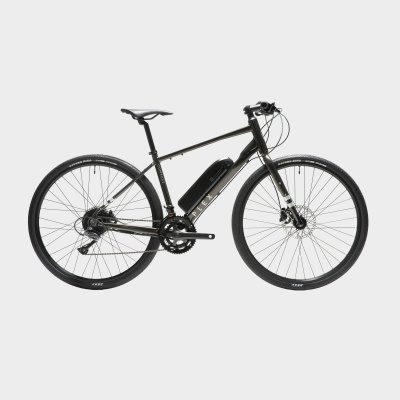
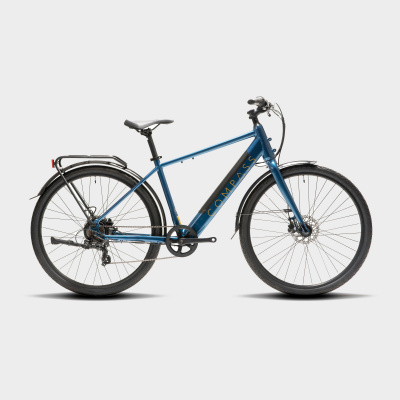
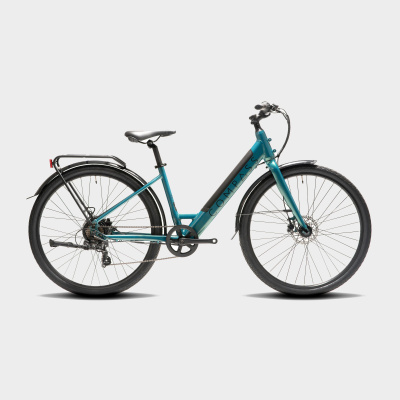
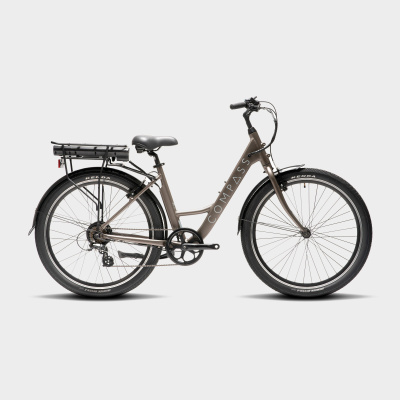
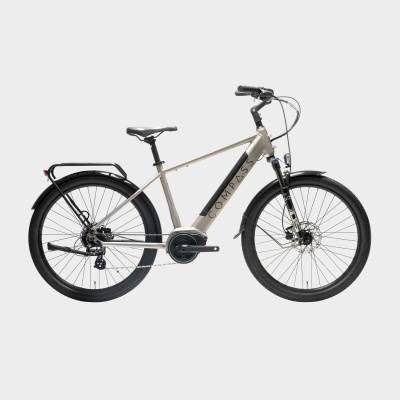
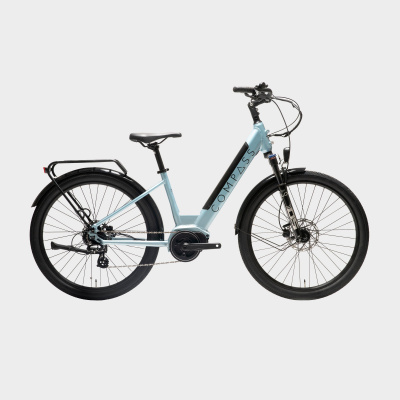
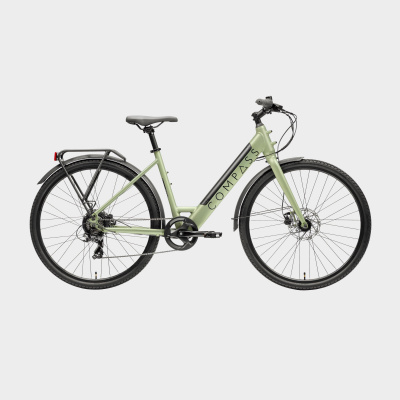
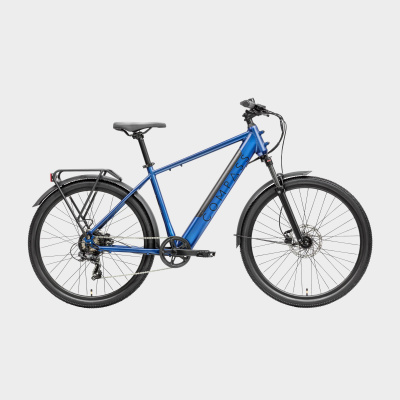
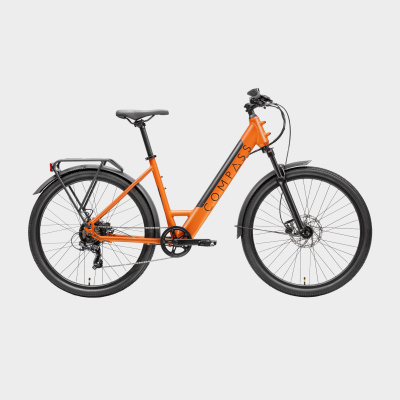
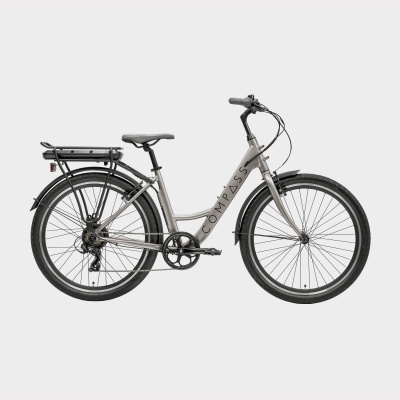
Prices and availability can change quickly. Delivery charges are not always included in listed prices.
Final price, stock status and delivery terms are set by retailer. We may receive a commission on purchases made.
Decoding the Compass E-Bike Lineup
Compass keeps things straightforward by offering two distinct families. The hybrid models are the workhorses here - longer wheelbases, more relaxed geometry, and a riding position that won't leave your lower back protesting after a 10-mile commute across town. They're designed for riders who want to cover meaningful distances comfortably, five days a week, without fiddling with the setup. Think of them as the sensible estate car of the range: not flashy, but dependable and practical in a way that matters when it's raining on a Tuesday morning in November.
The folding models trade some of that long-haul comfort for compact practicality. Smaller wheels and a folding mechanism mean you can combine cycling with a train journey or stash the bike in a flat with no hallway to speak of. If your commute involves a station platform or a shared office with zero storage, this is the format worth considering. Range and ride feel differ slightly from the hybrids, so it's worth thinking honestly about which half of your journey matters more.
If you're weighing up non-assisted options, our Compass Folding Bikes and Compass Hybrid Bikes pages are worth a look. And if you need a replacement charger, head straight to our Compass E-Bike Chargers page rather than hunting around.
The Tech That Actually Matters
Compass doesn't chase headline figures. Instead, the tech is chosen to be reliable over thousands of commuting miles rather than impressive on a spec sheet. The rear hub motor sits quietly in the back wheel and delivers power in a way that feels natural - you pedal, it helps, and the transition between the two is smooth enough that you stop noticing it after the first few minutes. Compared to mid-drive motors, hub motors have fewer moving parts interacting with your drivetrain, which means less wear on your chain and cassette over time. For a commuter bike, that's a genuinely useful advantage.
The rack-mounted removable battery system is similarly practical. Clipping the battery off and carrying it inside to charge takes about five seconds and means you're never hunting for a socket next to a bike rack. Battery range varies depending on how hard you lean on the assist and how hilly your route is, but Compass models typically offer somewhere between 20 and 40 miles on a full charge. Enough for most daily commutes with headroom to spare. It's also worth noting that the integrated rack battery doubles as a mounting point for panniers - pair it with a set of Compass pannier racks if you're carrying a change of clothes or a laptop.
The step-through geometry is worth a specific mention, particularly if you're commuting in work clothes. Throwing a leg over a traditional crossbar while wearing trousers or a skirt is one of those small daily irritations that adds up quickly. Step-through frames sidestep that entirely, and the alloy frame keeps weight reasonable without requiring any compromise on durability. Compared to something like a Carrera e-bike, Compass sits in a similar accessible bracket but with a focus on functional geometry over performance styling.
Running a Compass E-Bike Through a British Winter
Budget e-bikes and British weather are a combination that rewards a bit of forward planning. First, mudguards. Compass frames include mudguard mounts, and you should use them. A wet commute without guards means a stripe of road grime up your back before you've left the high street. Fit full-length guards that actually cover the tyre, not the decorative half-guards that look fine in a catalogue and do almost nothing when it's properly raining.
Cold temperatures hit lithium batteries harder than most manufacturers admit in their marketing. If you're leaving a Compass e-bike outside or in an unheated garage overnight in January, remove the battery and bring it indoors. Charging a cold battery accelerates cell degradation, which eats into your battery range permanently over time. A battery stored at room temperature and charged indoors will last noticeably longer - we're talking meaningful extra range over the bike's life, not a marginal gain. It takes ten seconds to clip the battery off. Do it.
Potholed urban roads are another practical consideration. The upright riding position on Compass hybrids helps here - you can read what's coming and shift your weight without needing to think about it. Wider tyres absorb more of the road's rough edges than a narrower commuter tyre would, so don't be tempted to swap for something faster-rolling unless your route is genuinely smooth. Adding a decent set of Compass lights front and rear is non-negotiable for winter riding - and pick up a Compass helmet if you haven't sorted one already. If you're also comparing options at a similar price point, Apollo e-bikes offer another angle worth checking before you decide.
Compass E-Bikes FAQs
Are Compass e-bikes any good for commuting?
For riders who want a reliable daily commuter without spending a lot, Compass e-bikes make a strong case. The hub motors are proven and low-maintenance, the alloy frames are built to last, and the step-through geometry suits everyday clothing. They're not performance machines, but they're genuinely well-suited to urban commuting on a budget.
How fast do Compass electric bikes go?
All road-legal UK e-bikes, including Compass models, provide pedal assistance up to 15.5 mph (25 km/h). Beyond that speed the motor cuts out automatically - you can still pedal faster under your own steam, but the electric assist won't kick back in until you drop below the limit again.
How long does a Compass e-bike battery last?
Expect somewhere between 20 and 40 miles from a full charge, depending on the assist level you're using, your weight, and how hilly your route is. To protect long-term battery health, remove the rack-mounted battery and charge it indoors at room temperature - particularly important during cold UK winters when leaving it outside degrades the cells faster.