
Cube E-Bikes
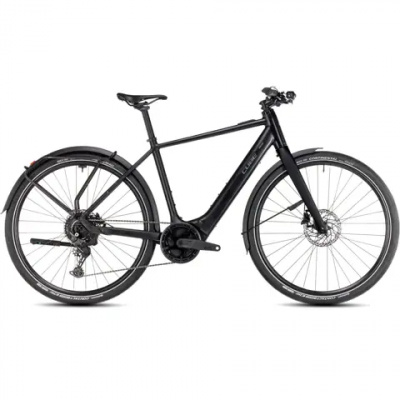
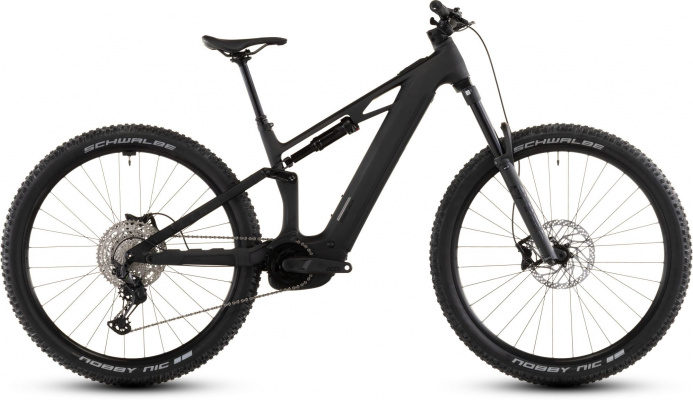
Cube E-Bikes have carved out a dominant position in the UK market by doing something deceptively simple: fitting class-leading Bosch drive systems into frames that are priced sharper than the competition dares to match. Whether you're grinding up a slick Welsh fire road on a full-suspension Stereo Hybrid or threading through pothole-strewn city streets on a Kathmandu, the integration is seamless and the performance is hard to argue with.
The secret isn't one single thing - it's the combination. Cube's Modular Battery System keeps the Powertube battery fully enclosed in the downtube, so the chassis stays tidy, the weight sits low, and the whole bike handles more like a bicycle than a heavy-footed e-bike. Agile Ride Geometry stops that extra motor weight from turning corners into a negotiation. And because Cube buys Bosch components at serious volume, you get better forks, better drivetrains, and better finishing kit at each price point than most rivals can manage.
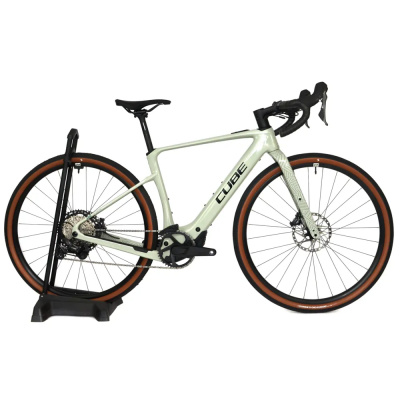
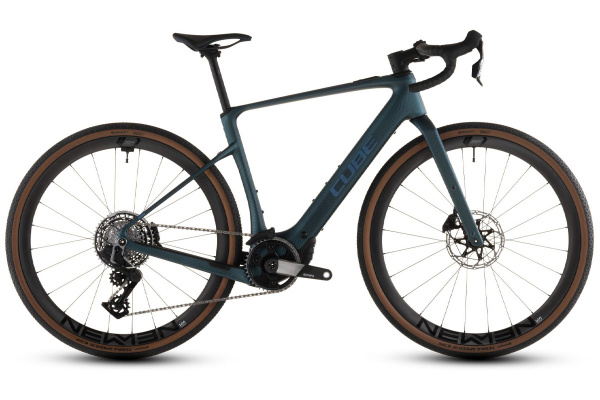
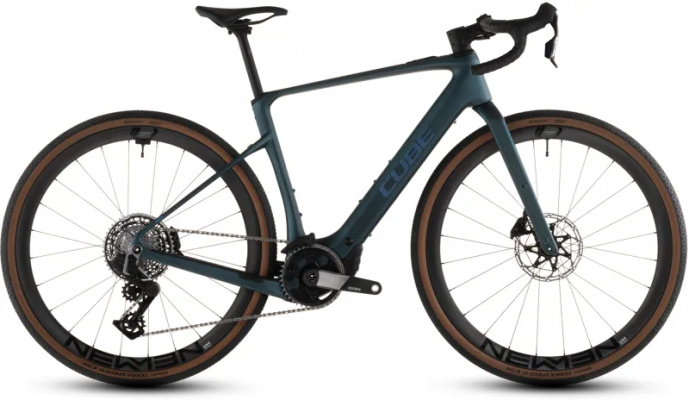
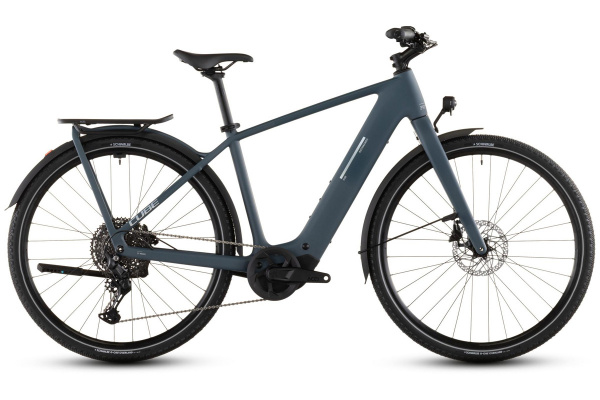
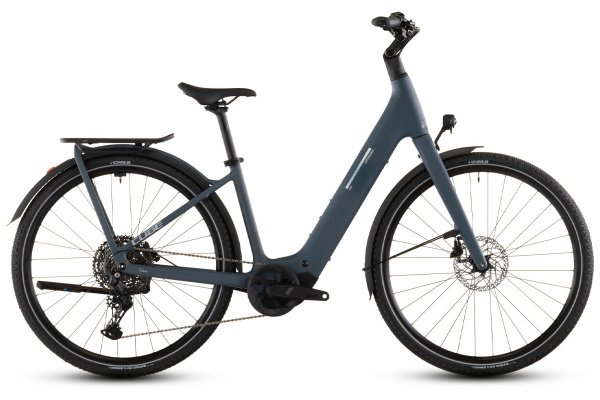
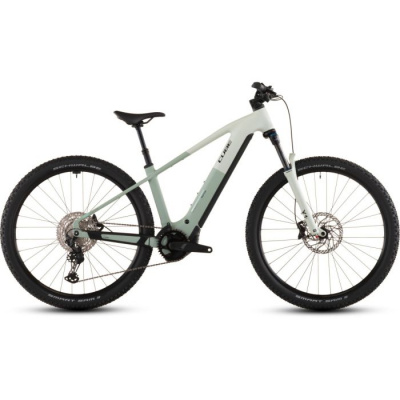
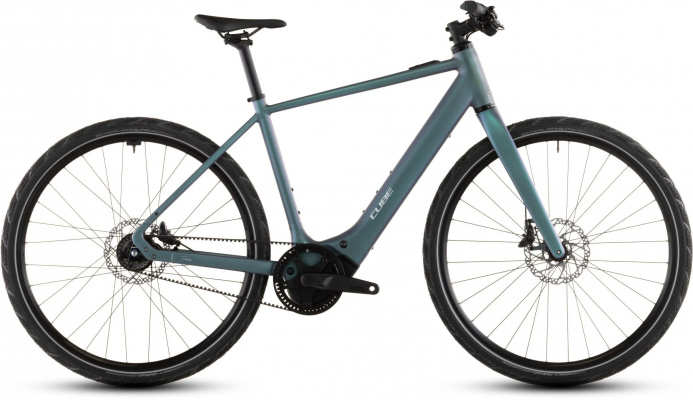
The range runs from hardtail and full-suspension eMTBs through to step-through urban commuters - there's a Cube for most riders. Use our comparison tools to match battery capacity and geometry to your riding style, and find the right model at the right price.
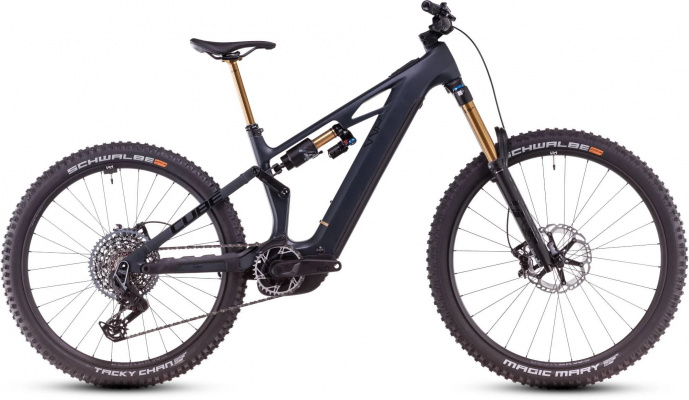
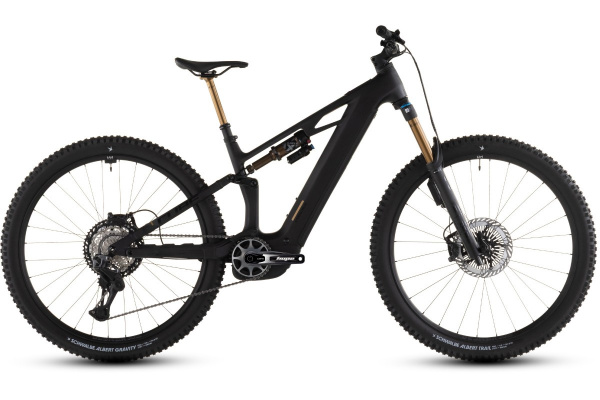
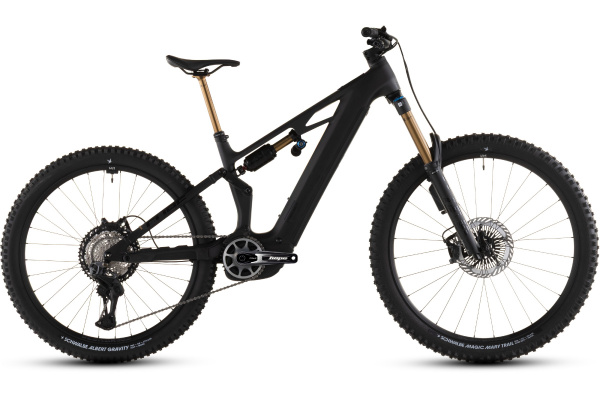
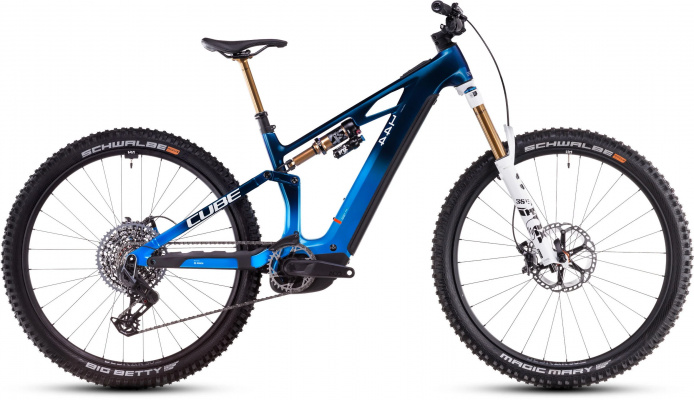
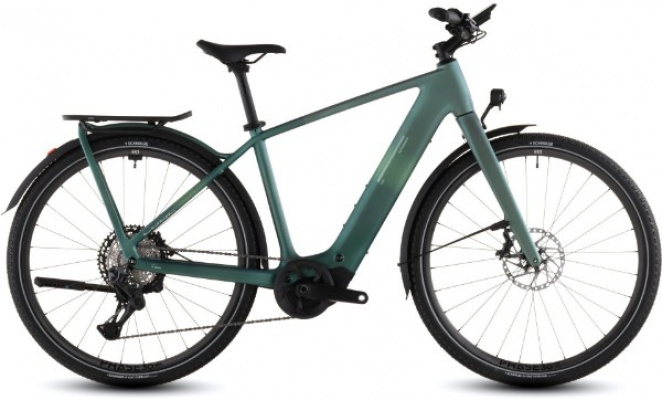
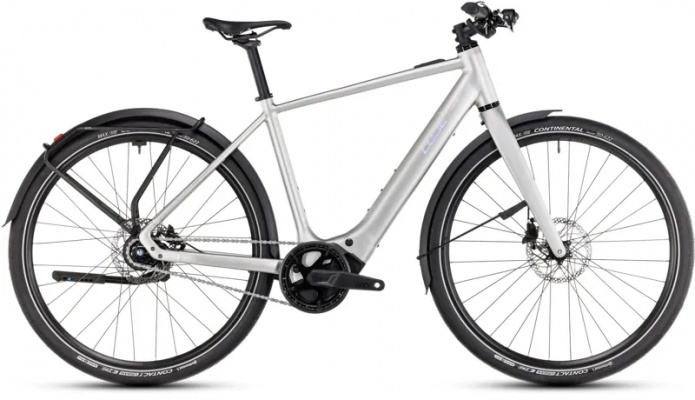
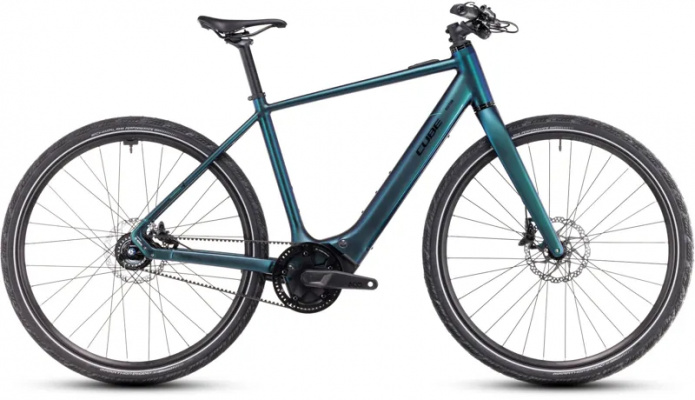
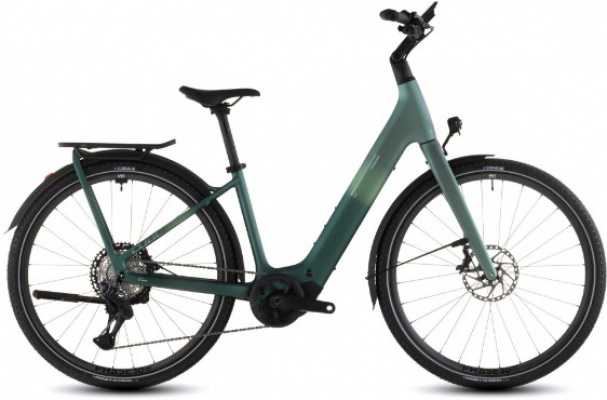
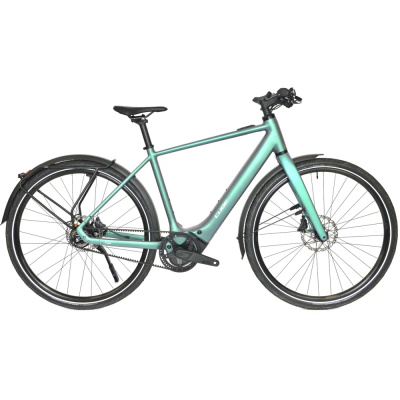
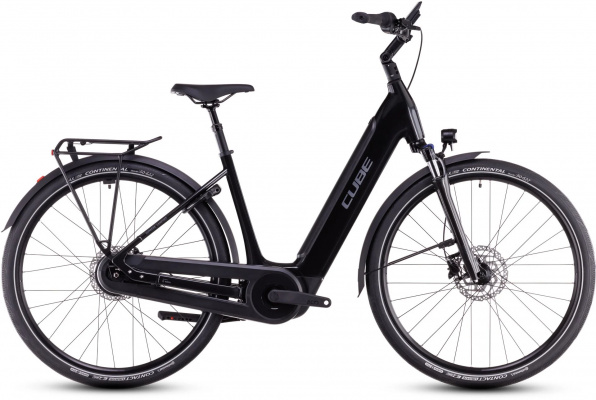
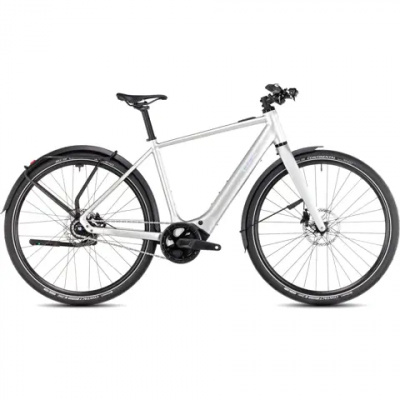
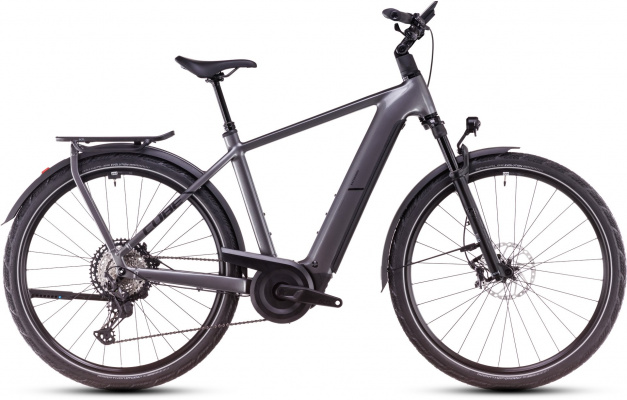
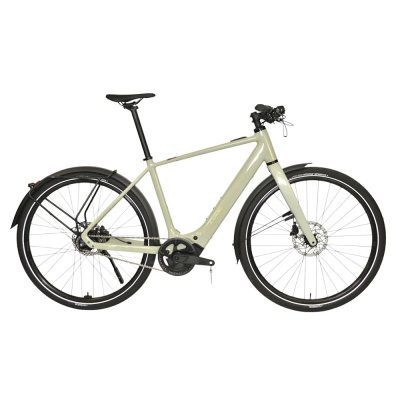
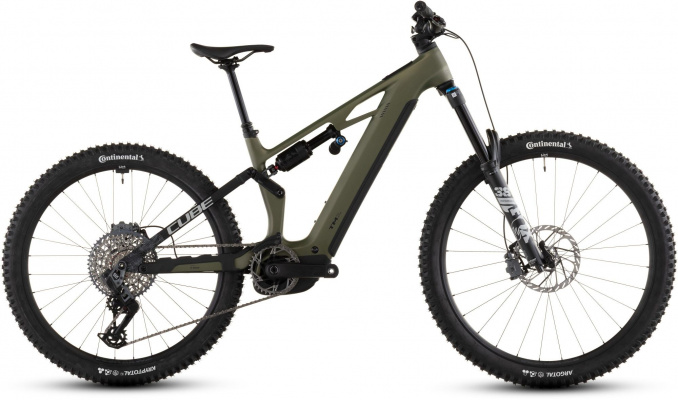
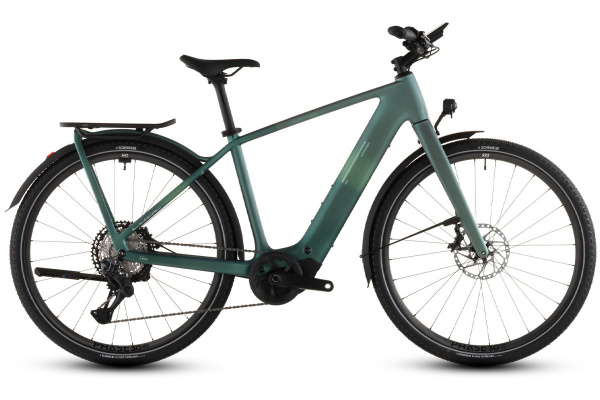
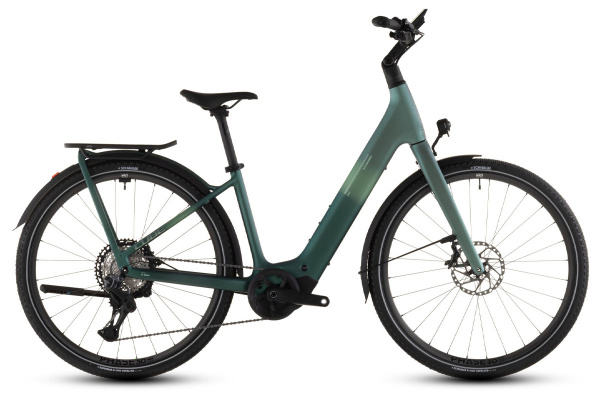
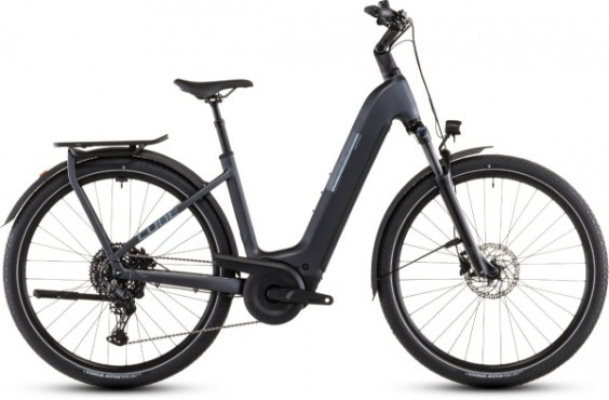
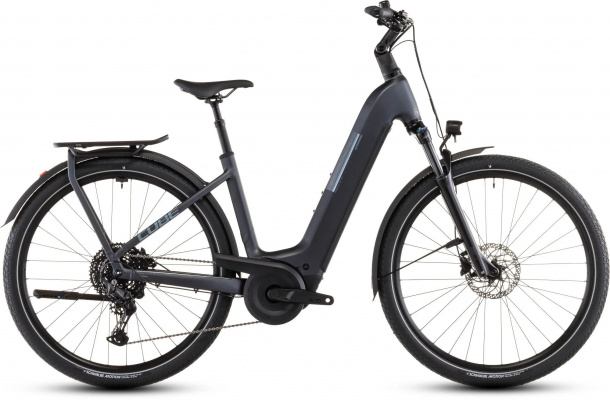
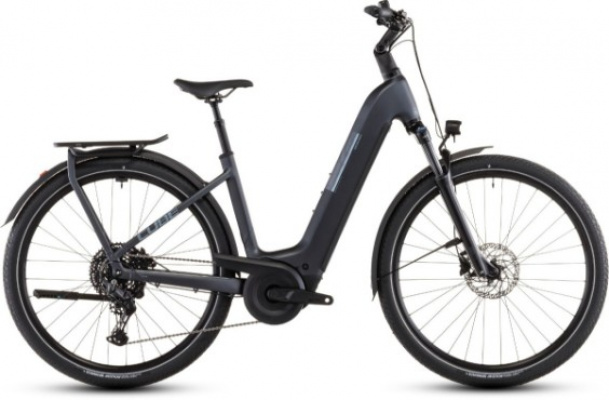
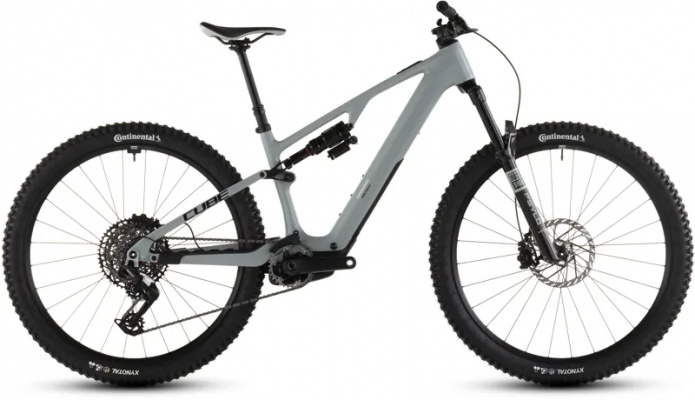
Prices and availability can change quickly. Delivery charges are not always included in listed prices.
Final price, stock status and delivery terms are set by retailer. We may receive a commission on purchases made.
Decoding the Cube E-Bike Lineup
First things first: when Cube says "Hybrid", they mean e-bike. Don't let that trip you up. The lineup breaks into four clear families, each aimed at a different kind of rider.
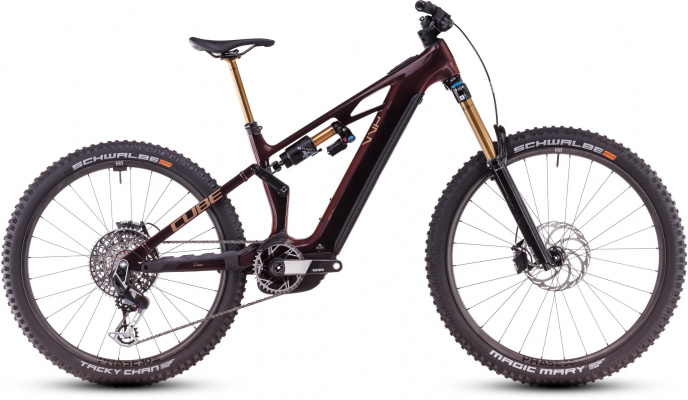
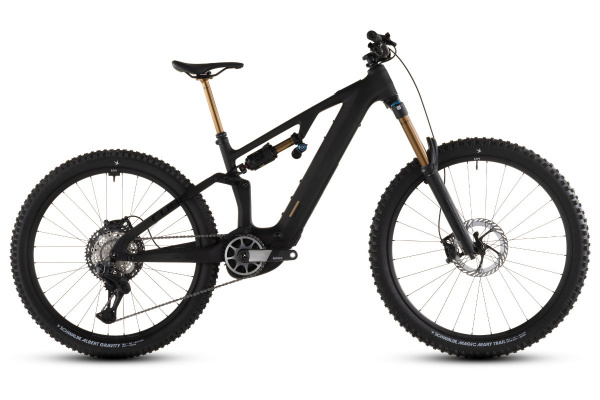
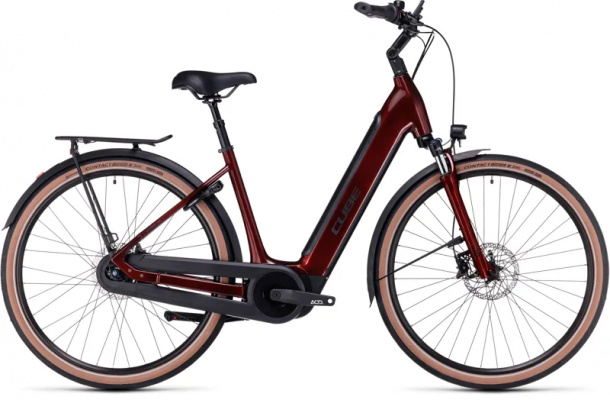
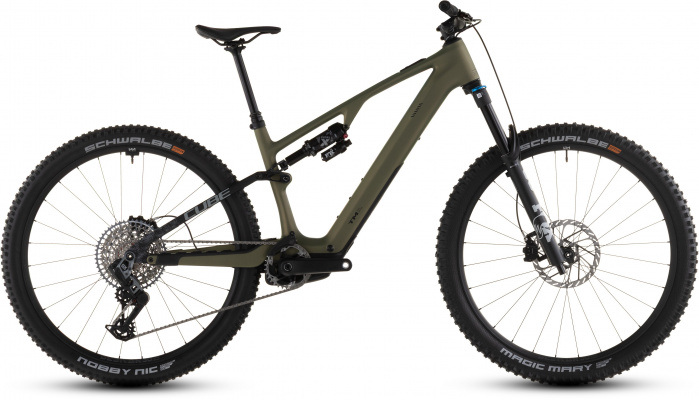
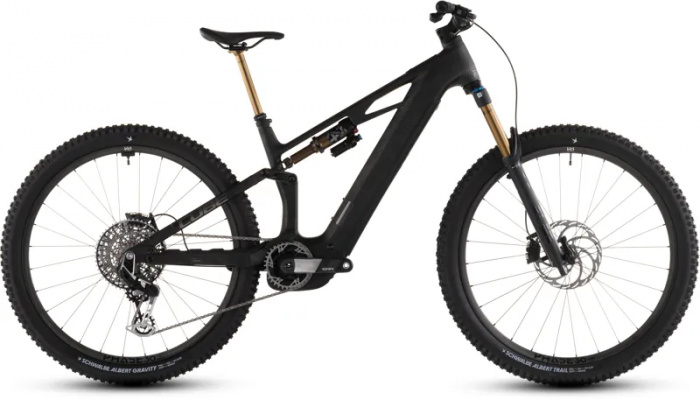
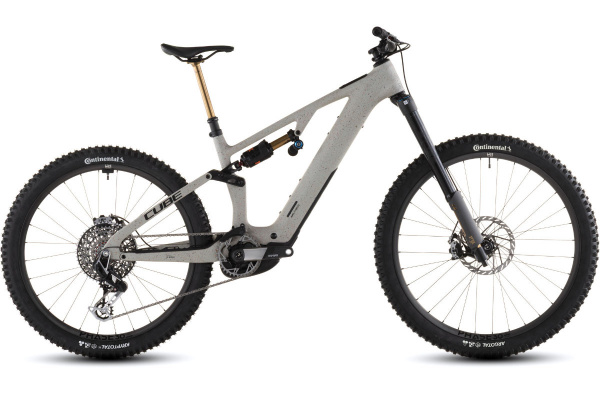
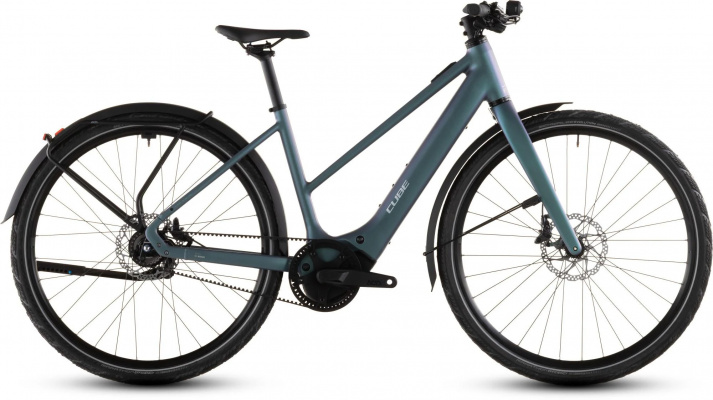
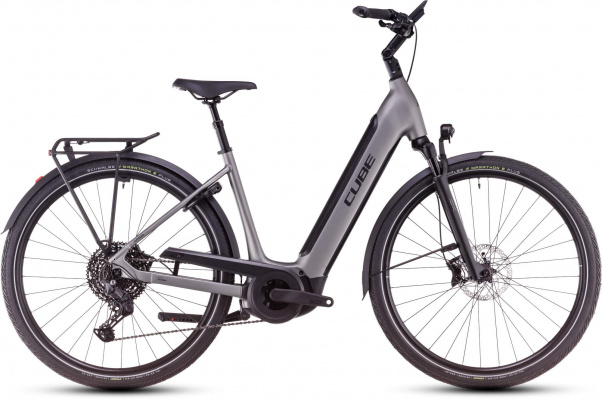
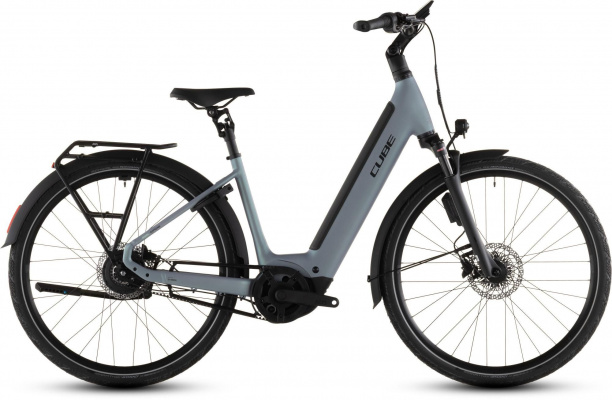
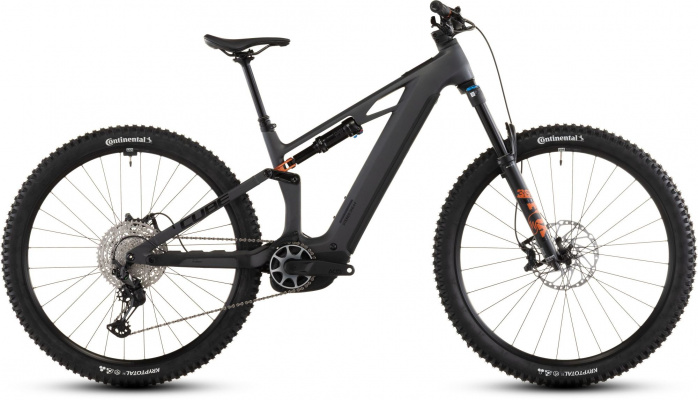
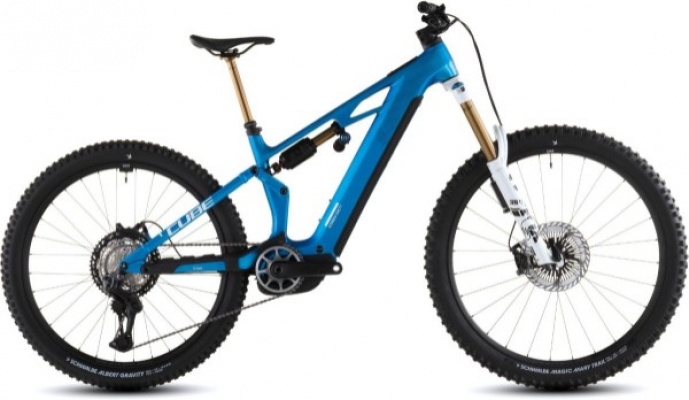
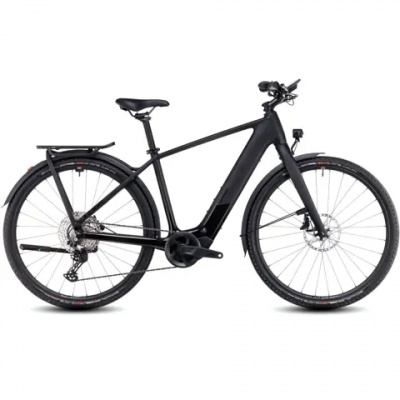
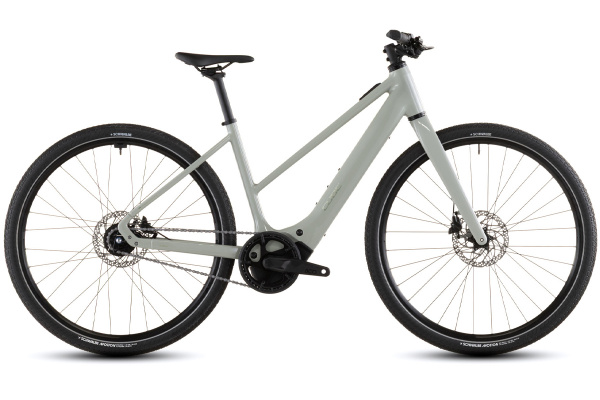
The Stereo Hybrid is Cube's full-suspension eMTB range, split by suspension travel - 120mm for trail days, 140mm for proper all-day efforts in the Peak District or Afan, and 160mm when you want to point downhill and commit. These are the bikes serious trail riders reach for. The Reaction Hybrid covers hardtail eMTBs and SUV-style crossover riding: lighter, simpler, and well suited to riders who split time between gravel tracks and tarmac. For commuting and loaded touring, the Kathmandu Hybrid and broader trekking range handle potholed urban routes with suspension forks and high-volume tyres that soak up the worst British roads can throw at them. Then there's the Supreme family - step-through urban bikes using an Easy Entry frame for riders who want simple, practical transport without swinging a leg over a high top tube.
Trim levels follow a consistent pattern: Pro sits at the entry point with solid components and no nonsense, EXC moves you into noticeably better suspension and drivetrain territory, SLX brings premium alloy builds, and Actionteam spec means the bike arrives ready for enduro-level riding straight out of the box. If you're after a Cube without a motor, our Cube Mountain Bikes and Cube Hybrid Bikes pages cover the unpowered side of the range.
The Cube Tech Philosophy: Bosch Integration and Chassis Design
Cube works exclusively with Bosch across the entire e-bike range - no mixing in other motor brands, no hedging. That consistency matters, because it means the frame design, the battery housing, and the display interface are all optimised around one system rather than retrofitted as an afterthought.
The Modular Battery System is central to how Cube builds their bikes. The Powertube battery - available in 500Wh, 625Wh, or 750Wh capacities - sits fully enclosed inside the downtube. It's not just for aesthetics. Keeping it in there drops the centre of gravity and keeps the bike handling predictably, while still allowing you to slide the battery out for charging without removing the whole bike from the garage. On most mid-to-high-end models you'll find the Bosch Performance Line CX motor, which delivers 85Nm of torque and supports eMTB mode - a setting that automatically scales assistance with your effort, so the motor responds more like an extension of your legs than a light switch. The Kiox 300 display keeps things clear without cluttering the cockpit.
Geometry is where Cube puts real thought in. Agile Ride Geometry (ARG) shortens the front-centre and tightens the handling compared to what you'd expect from a bike carrying motor weight. It stops the front end from washing wide in corners and keeps the steering feeling direct - important on tight singletrack where a sluggish front end becomes frustrating fast.
Frame materials split two ways. HPA (High Performance Aluminium) builds make up the bulk of the range: stiff, well-shaped, and genuinely competitive at the price. Step up to the top-tier models and you're into C:62 carbon or the stiffer C:68X carbon layup, which shaves meaningful weight and adds compliance where it counts on long days in the saddle. For most riders the HPA builds are the pragmatic choice; the carbon options are for those who want to notice the difference on the climbs. On trekking models, Efficient Comfort Control (ECC) geometry prioritises an upright riding position and stability over longer distances - useful when you're loaded up with panniers on a multi-day route.
Looking at the competition, Cannondale E-Bikes and Bergamont E-Bikes both offer credible alternatives, but neither matches Cube's consistency of spec across the range at equivalent price points.
Living with a Cube E-Bike in the UK
A few practical things worth knowing before you buy. Most Cube e-bikes land in the 25 - 28kg range depending on spec - that's a solid weight to wrestle onto a car rack, so if you're planning regular boot trips to trail centres, factor in a proper two-bike rack with a ramp, or at least recruit a mate for loading days. It's not a dealbreaker, but it's worth thinking about now rather than on a muddy car park at 8am.
Battery care in British winters is simple but important. Lithium cells don't like sitting in a cold garage at low charge. Bring the Powertube inside during freezing spells - it takes ten seconds to slide out - and store it at around 60 - 80% charge if the bike's sitting unused for weeks. You'll get noticeably better range and longer battery life over time.
The Stereo Hybrid 140 and 160 linkage designs leave generous mud clearance around the rear wheel, which makes a real difference when you're riding the kind of cloggy winter trails you find across the Brecon Beacons or the Yorkshire Dales. The Bosch motor sealing is robust enough that wet weather riding isn't a concern - these aren't bikes you need to coddle.
For the hardtail and trekking models, Cube's proprietary Acid accessory range is genuinely useful. Mudguards, kickstands, pannier racks, and integrated lights are all designed to mount cleanly on Cube frames without adapters or bodging. If you're building a Kathmandu into a proper commuter or touring bike, it means everything fits first time. Browse Cube mudguards to start putting the kit together.
Related searches:
Cube E-Bikes FAQs
Are Cube e-bikes any good?
Cube is consistently rated among the best-value e-bike brands in Europe. Their buying power with Bosch and component suppliers means you typically get better suspension and drivetrain spec at a given price than most direct competitors can offer. The frame quality is strong across both HPA alloy and carbon builds.
What motor do Cube electric bikes use?
Cube uses Bosch drive systems across the entire e-bike range. Most mid-to-high-end models run the Bosch Performance Line CX motor, which produces 85Nm of torque and works with the Bosch Smart System - including eMTB mode and the Kiox 300 display.
How far can a Cube e-bike go on a single charge?
Range varies with battery size, rider weight, and how hilly your route is. A Cube e-bike fitted with a 750Wh Powertube battery can comfortably exceed 60 miles on mixed riding in Eco or Tour mode. Expect shorter range in eMTB or Turbo mode, or on sustained climbs.