
Boardman Stems
Boardman stems are one of the quickest, most cost-effective ways to sort your cockpit fit - whether you're chasing a flatter, more stretched position on a Boardman road bike or dialling in sharper steering response on the trails. The stem sits right at the intersection of comfort and control, and getting the length and rise wrong means every ride feels slightly off, no matter how good the rest of the bike is.
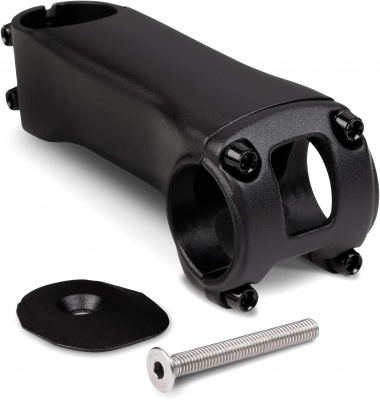
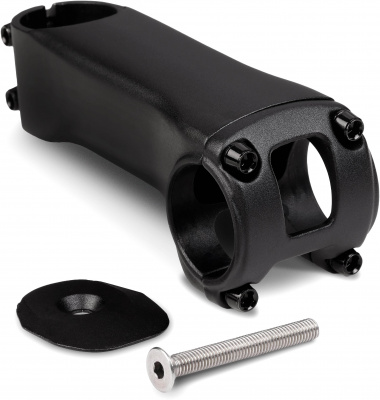
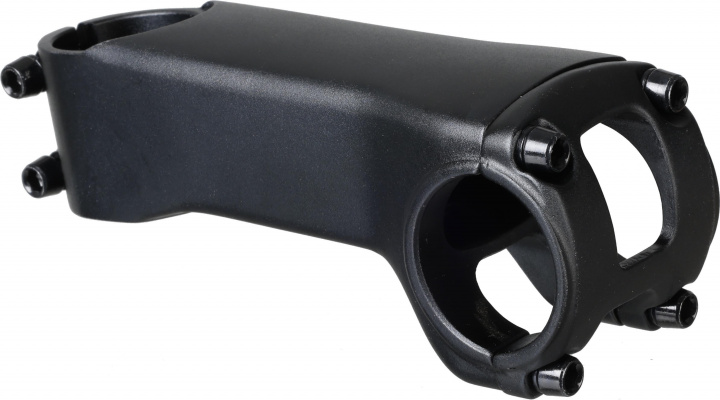
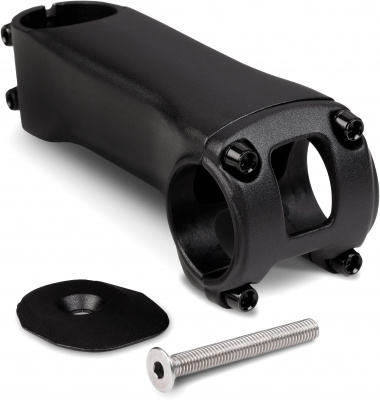
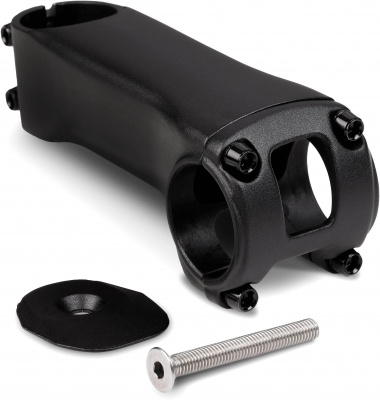
Boardman's stems are built from 3D forged aluminium - specifically 6061 and 7050 alloys depending on the tier - which keeps the interface between your steerer tube and handlebars stiff and dependable without piling on grams. The 4-bolt faceplate design distributes clamping pressure evenly across your bars, which matters a lot if you're running carbon handlebars that don't appreciate being pinched unevenly.
Reach too long and your lower back starts a conversation you don't want to have by mile thirty. Too short and the handling feels nervous and twitchy on fast descents. A stem swap is often the first thing a good bike fitter will suggest, and Boardman's range covers enough lengths and rise angles to get most riders into a genuinely comfortable, efficient position. Browse the selection below and use our price comparison to find the right spec at the right price.
Prices and availability can change quickly. Delivery charges are not always included in listed prices.
Final price, stock status and delivery terms are set by retailer. We may receive a commission on purchases made.
Will a Boardman Stem Fit Your Bike?
Most Boardman stems are built around two industry-standard measurements: a 1 1/8-inch steerer tube clamp and a 31.8mm handlebar clamp diameter. Those two figures cover the vast majority of road, gravel, and hardtail MTB set-ups sold in the UK over the last decade or so, which means a Boardman stem will slot straight onto most bikes without any adapters or faff.
The bit worth double-checking before you buy is your handlebar diameter. Older road bikes - particularly anything pre-2015 - may still run 25.4mm bars, and some modern trail and enduro-oriented MTBs have moved to 35mm clamp diameter bars for added stiffness. Neither will work with a standard 31.8mm stem without an adapter, so measure your bars at the clamp area before adding anything to your basket. A quick check with a tape measure or calipers saves a return trip.
Stack height is the other thing to consider. You need enough steerer tube protruding above the headset and headset spacers to give the stem something to clamp onto securely. As a rough guide, most stems need at least 20 - 25mm of exposed steerer. If you're already running your stack low or you've had a steerer cut close, check that figure before swapping. Boardman's stems are also fully compatible with other brands - if your fork steerer and bars match the 31.8mm and 1 1/8-inch standards, they'll fit regardless of what name is on the frame. That makes them a practical replacement stem for Boardman bike owners and riders on other makes alike.
Comp vs Pro: What the Different Tiers Actually Mean
Boardman splits its stem range along the same lines as the rest of the cockpit components - broadly Comp at the entry level and Pro or Elite at the top. It's not just badging; the differences are tangible if you know what to look for.
The Comp series uses 6061 aluminium throughout. It's a reliable, well-understood alloy - tough, corrosion-resistant, and more than stiff enough for the vast majority of riding. The manufacturing process is less complex, which keeps costs sensible, and the finished stem is slightly heavier than its higher-spec siblings. For sportive riding, commuting, or general road use on a Boardman gravel bike, it's genuinely all you need.
Step up to the Pro or Elite series and the alloy changes to 7050 aluminium, which is harder and stronger by volume, allowing material to be removed more aggressively during machining. The result is a lighter stem that doesn't sacrifice stiffness - and stiffness is where you actually feel the difference. Out of the saddle on a steep climb or putting down a sprint, a flexy stem feels like pedalling through carpet. A stiff one translates effort cleanly into forward movement. Some Pro-tier stems also use titanium hardware for the faceplate and steerer clamp bolts, which trims a few more grams and resists corrosion better than standard steel fasteners - a small but welcome detail given how much time UK bikes spend in the wet.
For most riders, the Comp stem is the sensible buy. If you're building up a race-focused Boardman frame and every gram counts, the Pro series justifies the extra spend. The stiffness gain under hard efforts is real, even if it's subtle in day-to-day riding.
Keeping Things Turning Through UK Winters
A stem installed dry and left to its own devices through a British winter is a stem that will fight you when you try to remove it. Road salt, rain, and grit work their way into every thread and contact surface, and steel faceplate bolts corroding into an alloy stem body is a surprisingly common workshop headache - particularly on bikes that get regular use from October through to March.
The fix is straightforward. Before you install any stem, put a small amount of anti-seize compound or marine-grade grease on the faceplate bolt threads and on the steerer clamp bolt threads. Not a lot - you're lubricating, not waterproofing. This keeps bolts moving freely and means you can actually undo them twelve months later without resorting to heat or snapped allen keys.
Grit ingress around the steerer tube is worth addressing too. Make sure your top cap and any headset spacers are seated properly, with no gaps that let debris in. A quick clean and re-grease of the headset every season keeps things running smoothly and prevents the kind of notchy steering that's easy to confuse with a handling problem.
When you're fitting the stem, use a torque wrench. The Nm limit is usually laser-etched onto the stem body next to the relevant bolts - most Boardman stems sit in the 5 - 6Nm range for both the steerer clamp and faceplate bolts. With the 4-bolt faceplate, tighten in a cross pattern rather than working around sequentially. Snug one bolt diagonally opposite, then the other pair. This keeps the gap even at the top and bottom of the faceplate and avoids putting uneven stress on your bars - critical if you're running carbon handlebars, which don't give you much warning before they fail under a pinch point.
If you're pairing a new stem with Boardman MTB bars for trail use, check the manufacturer's torque spec on the bars too - carbon bar specs can be lower than the stem's own limit, and the bar spec always takes priority. A £15 torque wrench pays for itself the first time it stops you from cracking a £80 bar.
Boardman Stems FAQs
How do I measure my Boardman stem length?
Stem length is measured centre-to-centre - from the middle of the steerer tube bore to the middle of the handlebar clamp. Use a ruler or, better, a pair of calipers for accuracy. The measurement is in millimetres, and most stems run from around 60mm up to 130mm for road use.
Are Boardman stems compatible with other bike brands?
Yes. Boardman stems use standard sizing - a 1 1/8-inch steerer clamp and a 31.8mm handlebar clamp - so they'll fit any bike that matches those two measurements, regardless of brand. Just confirm your bar diameter and check you have enough steerer tube exposed above the headset before ordering.
What torque setting should I use for a Boardman stem?
Most Boardman stems are rated at 5 - 6Nm, and the figure is usually marked on the stem itself. Always use a calibrated torque wrench rather than guessing by feel. Tighten the four faceplate bolts in a cross pattern to keep the gap even - this is especially important with carbon handlebars.