
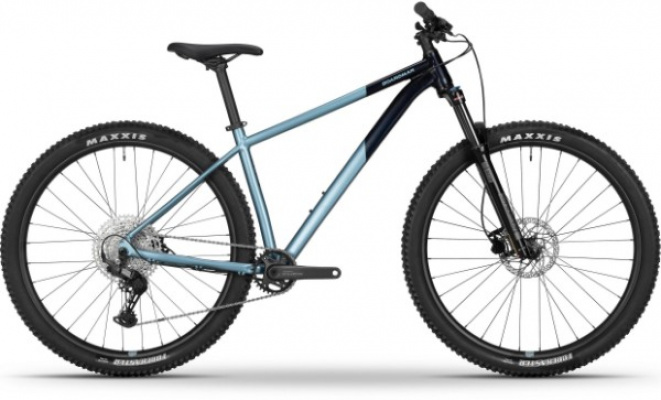
Boardman MHT 8.6
Trail-ready hardtail that balances UK singletrack confidence with proper climbing gears and everyday toughness.
- Trail geometry: longer, slacker for descending poise
- Suntour Raidon air fork: 120 mm, tunable
- Shimano Deore 1×10: wide 11 - 46T range
- Tubeless-ready wheels with 25 mm internal width
- Dropper-post routing for future upgrades
- Hidden welds for clean, premium look
Boardman MHT 8.6 Deals
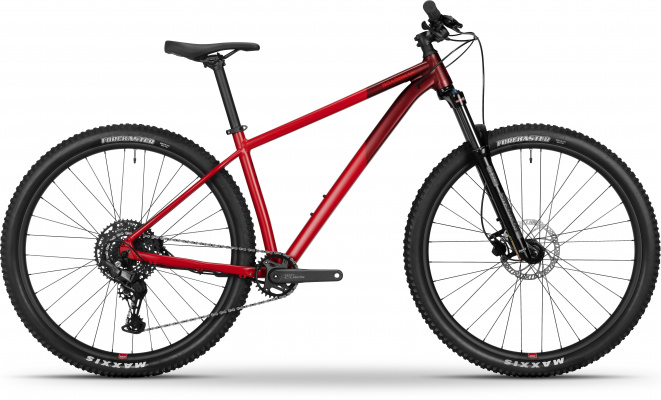
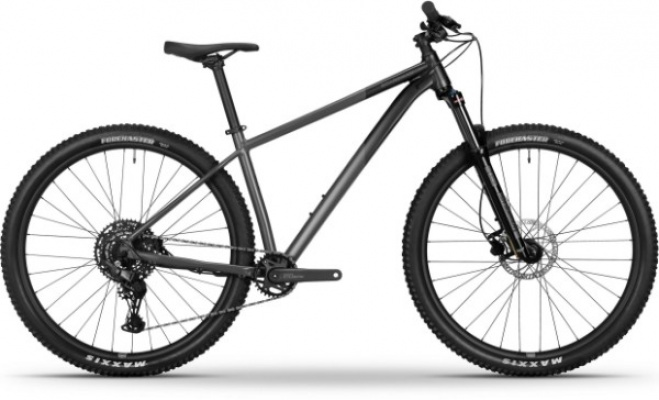
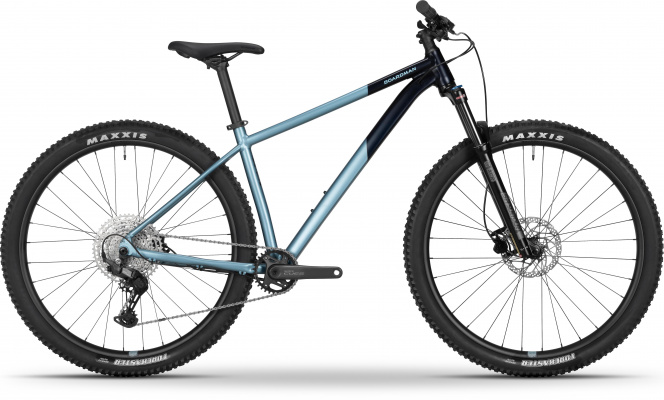
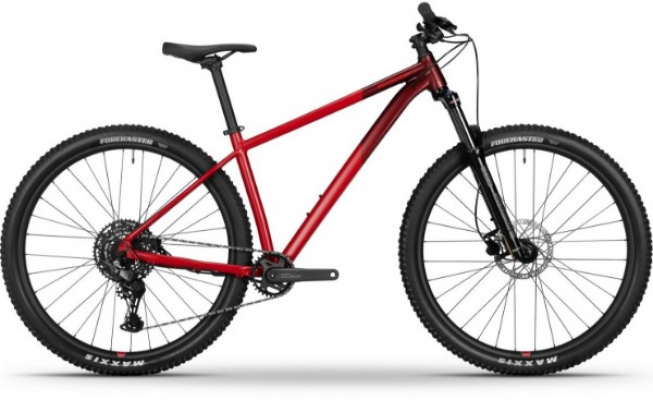

Prices and availability can change quickly. Delivery charges are not always included in listed prices.
Final price, stock status and delivery terms are set by retailer. We may receive a commission on purchases made.
Bikesy's Verdict
The Boardman MHT 8.6 is one of those bikes that makes you wonder why anyone spends twice as much. It's not the lightest, it's not dripping with boutique components, but it nails the fundamentals: geometry that inspires confidence, a fork you can actually tune, a drivetrain that shifts cleanly and keeps going, and a frame that's ready to grow with you. Whether you're stepping up from a basic trail bike or you want one dependable hardtail for everything from forest loops to muddy bridleways, this delivers.
The 2025 updates - longer, slacker geometry and the Shimano Deore 1×10 with its wide-range cassette - sharpen the MHT 8.6's trail focus without sacrificing everyday versatility. You get proper descending poise, enough travel to handle UK trail centres, and the sort of simple, robust spec that won't leave you stranded mid-ride. Add tubeless-ready wheels, dropper-post routing, and a clean aesthetic, and you've got a bike that punches well above its weight. If your riding mixes climbs with technical descents and you value reliability over cutting-edge spec, the MHT 8.6 is a brilliant choice.
Pros
- Trail geometry brings descending confidence and high-speed stability
- Shimano Deore 1×10 with 11 - 46T cassette: wide range, reliable shifting
- Suntour Raidon air fork: tunable, lockout-equipped, punches above price
- Tubeless-ready wheels with 25 mm internal width reduce flats, improve grip
- Dropper-post routing ready for easy upgrade
- Hidden welds and clean frame finish look premium
Cons
- Weight around 12.5 - 13 kg if you're chasing XC race times or KOMs
- Stock saddle may not suit all riders - budget a swap if comfort matters
- Formula QR hubs are entry-level; fine for most, but racers may want lighter
About the Boardman MHT 8.6
Boardman's MHT 8.6 sits squarely in the sweet spot where trail ambition meets sensible money. Built around a triple-butted 6061 X7 aluminium frame with hidden welds that give it a cleaner silhouette than most bikes at this price, it's designed to handle UK trail centres, weekend exploring, and the odd muddy bridleway without fuss. The 2025 iteration sharpens the geometry - longer and slacker than before - so you get more stability when the trail tilts down and roots multiply. Pair that with a Suntour Raidon air fork offering 120 mm of travel, a Shimano Deore 1×10 drivetrain with an 11 - 46T cassette, and tubeless-ready wheels, and you've got a hardtail that punches well above its weight.
This isn't a race-whippet XC machine, nor is it a mini-enduro bruiser. Instead, the MHT 8.6 threads the needle: capable enough to inspire confidence on technical descents, light enough to pedal all day, and simple enough that you won't spend your evenings wrenching. Whether you're a rider stepping up from a basic trail bike or someone who wants one dependable hardtail for everything from forest loops to summer bikepacking overnights, the MHT 8.6 makes a strong case. It's the sort of bike that rewards commitment - point it at a rooty chute and it'll hold a line - but forgives the occasional lapse in judgement, too.
Boardman has kept the spec practical: Tektro hydraulic brakes with reach-adjust levers, Formula hubs on tubeless-ready rims, and Vittoria Barzo rubber that grips in the wet. The frame is routed for a dropper post, so when your skills (or ambitions) outgrow the stock alloy post, you can slot in a remote-actuated dropper without drama. It's a bike built to grow with you, and that's a rare thing at this end of the market.
Boardman MHT 8.6 geometry
The 2025 geometry update brings the MHT 8.6 into line with modern trail thinking: longer front centres and a slacker head angle than older iterations. You sit a touch further back relative to the front axle, which plants the front wheel more firmly when the trail gets steep or loose. That extra wheelbase also calms high-speed chatter - think fire-road descents where ruts try to knock you off line - and gives you more room to shift your weight without feeling cramped. The slacker head angle (though exact figures aren't published, the shift is noticeable) means the fork doesn't dive as eagerly under braking, and you can lean into corners with more trust.
Reach and stack aren't quoted in the research, but the frame is offered in small, medium, and large, with rider-height recommendations spanning roughly 168 cm to 190 cm. If you're between sizes, consider how you ride: smaller frames feel snappier in tight switchbacks and easier to manual over obstacles; larger frames offer more stability at speed and a roomier cockpit for long days. The slightly taller head tube (relative to older hardtails) means you won't be folded over the bars, which is a blessing on climbs and keeps your weight centred when things get rowdy. The bottom bracket sits low enough to inspire confidence in corners without dragging on UK trail-centre rock gardens, and the chainstays are short enough that the rear wheel tracks predictably through ruts.
In practice, this geometry makes the MHT 8.6 feel planted rather than nervous. You'll notice it most on descents: the bike doesn't want to pitch you over the bars when you brake hard, and it holds momentum through rough sections instead of pinging you around. Climbing, the longer front centre means you need to stay forward on steep pitches to keep the front wheel grounded, but that's true of any modern trail hardtail. The trade-off - more descending confidence - is worth it unless you spend all your time on smooth XC loops.
Component choices & upgrades
The stock build is already well sorted for UK trail riding. Shimano's Deore M4100 rear derailleur brings a clutch mechanism that keeps the chain quiet and secure, even over roots and rocks, and the 1×10 setup with an 11 - 46T cassette gives you a proper bail-out gear for steep climbs without sacrificing top-end speed on flat sections. The Suntour Raidon air fork is a genuine highlight at this price: you can tune air pressure to match your weight and riding style, and the lockout lever lets you firm things up for road sections or smooth climbs. It's not as plush as a RockShox Pike, but it's leagues ahead of basic coil forks and responds well to a bit of setup time.
Tektro M285 hydraulic brakes offer solid stopping power with reach-adjust levers, so smaller hands or riders who prefer the lever closer to the bar can dial in comfort. The 180 mm front rotor gives you plenty of bite, and the 160 mm rear is adequate for a hardtail of this weight. Vittoria Barzo tyres in 2.25-inch width are a sensible all-rounder: they grip in the wet, roll reasonably fast, and the tread pattern sheds mud better than many budget options. The tubeless-ready wheels with 25 mm internal width mean you can ditch the inner tubes, drop pressures for better traction, and reduce the risk of pinch flats - though you'll need sealant, valves, and a bit of patience to set them up.
If you're chasing upgrades, start with the saddle if the stock Boardman perch doesn't suit your sit bones - saddle comfort is personal, and a £40 swap can transform long rides. A dropper post is the next logical step: the frame is already routed for one, and being able to drop the saddle on descents opens up a whole new level of confidence and control. Beyond that, consider tyres: if you ride mostly dry, hardpack trails, something like a Maxxis Rekon will roll faster; if you're in the mud all winter, a grippier rear like a Schwalbe Magic Mary makes sense. The Deore drivetrain and Tektro brakes are robust enough that you won't need to touch them unless your riding significantly outpaces the spec - and by then, you'll know exactly what you want.
Where the Boardman MHT 8.6 excels
This bike is outstanding at UK trail-centre riding: the sort of terrain where you climb fire roads, descend rooty singletrack, and encounter the odd rock step or log pile. The geometry gives you enough stability to commit to technical sections, the 120 mm fork soaks up the worst of the chatter, and the wide-range cassette means you can spin up steep climbs without blowing up. It's also excellent for riders who want one bike to do everything - weekend trail rides, commuting on rough lanes, even light bikepacking if you add a frame bag and some luggage. The tubeless-ready wheels and dropper routing mean it's ready to grow with your skills, and the simple 1×10 drivetrain is easy to maintain.
It handles cross-country loops well, especially if you're not racing: the 29-inch wheels (on the men's model) roll efficiently, and the relatively light frame doesn't punish you on long climbs. Gravel byways and bridleways are fair game, too - the Barzo tyres grip loose surfaces, and the fork compliance smooths out washboard ruts. Where the MHT 8.6 is less ideal is proper enduro or downhill terrain: 120 mm of travel and a hardtail rear end mean big drops and sustained rock gardens will rattle your fillings, and the geometry, while trail-capable, isn't as slack or long as a dedicated gravity bike. It's also not the lightest option if you're chasing XC race results or Strava KOMs - there are quicker-accelerating hardtails out there, but they cost more and sacrifice some of this bike's everyday versatility.
If your riding mixes long climbs with technical descents, stays mostly within UK trail centres, and you value reliability over cutting-edge spec, the MHT 8.6 is a brilliant choice. If you're planning to spend most of your time on smooth XC loops or you want a bike for bike-park laps and jump lines, look elsewhere.
Boardman MHT 8.6 FAQs
What is the Boardman MHT 8.6 good for?
The MHT 8.6 excels at UK trail-centre riding, weekend exploring, and general off-road adventures where you need a balance of climbing efficiency and descending confidence. It's also a solid choice for riders who want one versatile hardtail for everything from forest loops to rough commutes. The wide-range drivetrain and capable fork make it well suited to varied terrain.
Is the Boardman MHT 8.6 a good beginner mountain bike?
Yes, it's an excellent choice for beginners who want to progress quickly. The trail geometry inspires confidence without being intimidating, the Shimano Deore drivetrain is simple and reliable, and the dropper-post routing means you can upgrade as your skills develop. It's also forgiving enough that you won't be punished for the odd mistake, but capable enough that you won't outgrow it in a season.
What is the weight of the Boardman MHT 8.6?
Older models weighed around 12.5 - 13 kg, and the 2025 version is likely similar. That's competitive for a hardtail at this price with a capable spec, though lighter options exist if you're willing to spend significantly more or sacrifice durability.
What are the best tyres for the Boardman MHT 8.6?
The stock Vittoria Barzo tyres are a solid all-rounder, but if you ride mostly dry trails, consider a faster-rolling rear like a Maxxis Rekon or Schwalbe Racing Ralph. For wet, muddy UK winters, a grippier rear such as a Schwalbe Magic Mary or Maxxis Minion DHR II will give you more confidence. Keep the Barzo up front for versatility, or match the rear if conditions are extreme.
Can I fit a dropper post to the Boardman MHT 8.6?
Yes, the frame is routed for a dropper post, so installation is straightforward. You'll need a 31.6 mm diameter post and a remote lever, but the internal routing is already in place. A dropper transforms descending confidence and is one of the best upgrades you can make.
What is the difference between the Boardman MHT 8.6 and 8.8?
The MHT 8.8 sits higher in the range and typically features better suspension (likely a RockShox fork), a more advanced drivetrain (possibly Shimano Deore or SLX 1×11 or 1×12), and upgraded brakes. The frame geometry and overall capability are similar, but the 8.8 offers more refinement and performance if your budget stretches.
What are the recommended tyre pressures for Vittoria Barzo tyres on the MHT 8.6?
Start around 25 - 28 psi for tubeless setups, adjusting based on your weight, terrain, and riding style. Lighter riders or those on smoother trails can drop to 22 - 25 psi; heavier riders or rougher terrain may need 28 - 32 psi. Experiment to find the sweet spot between grip and rolling resistance, and check pressures regularly as tubeless setups can lose air slowly.
Is the Boardman MHT 8.6 suitable for cross-country riding?
Yes, especially if you're not racing. The 29-inch wheels roll efficiently, the wide-range cassette handles varied terrain, and the relatively light frame doesn't punish you on climbs. It's more trail-oriented than a pure XC race bike, so it's slightly heavier and the geometry is more relaxed, but for recreational XC loops and long rides, it's more than capable.
Key Features & Benefits
- Trail geometry (longer, slacker): Plants the front wheel on descents and keeps you stable at speed, so you can commit to technical sections with confidence.
- Suntour Raidon air fork with 120 mm travel and lockout: Tune air pressure to your weight, firm up for climbs, and soak up roots and rocks without the weight or maintenance of coil.
- Shimano Deore 1×10 drivetrain with 11 - 46T cassette: Wide gear range tackles steep climbs and fast descents; clutch derailleur keeps the chain quiet and secure over rough ground.
- Tubeless-ready wheels with 25 mm internal width: Drop pressures for better traction, reduce pinch flats, and improve compliance on rough trails - just add sealant and valves.
- Dropper-post routing built into the frame: Upgrade to a dropper when you're ready, transforming descending confidence and control without frame modifications.
Boardman MHT 8.6 2024 and 2021 differences
The 2025 model brings updated geometry - longer and slacker than the 2024 iteration - for improved descending stability and high-speed confidence. The drivetrain was refreshed to Shimano Deore M4100 1×10 with an 11 - 46T cassette, offering a wider gear range and a clutch derailleur for quieter, more secure shifting over rough ground. The 2024 men's model already featured 29-inch wheels, and the 2025 version continues that trend, while the women's model retained 27.5-inch wheels in 2024.
The 2021 model marked a significant shift when Boardman moved the MHT 8.6 to 29-inch wheels, aligning it with higher-end models in the range and improving rolling efficiency and stability. Earlier versions featured shorter, steeper geometry more typical of older XC hardtails, so the progression from 2021 through 2024 to 2025 has been one of steadily modernising the bike's trail capability and descending confidence. Component spec has remained broadly similar across these years - Suntour Raidon air fork, Tektro hydraulic brakes, tubeless-ready wheels - but the geometry updates are the most meaningful change for how the bike rides.
Alternatives to Consider
Within Boardman's own MHT range, the MHT 8.8 steps up with better suspension - likely a RockShox fork - and a more advanced drivetrain, possibly Shimano SLX 1×11 or 1×12, plus upgraded brakes. It's the natural choice if your budget stretches and you want more refinement without leaving the family. Stepping down, the MHT 8.5 (if still available) offers similar geometry but with a more basic fork and drivetrain, saving money if you're happy to upgrade components yourself later.
Cross-brand, the Vitus Nucleus 29 VR is a close peer: similar trail geometry, RockShox fork, and Shimano 1× drivetrain, often praised for its value and capability on UK trails. The Marin Bobcat Trail 4 offers a slightly more XC-leaning geometry with a RockShox Judy fork and Shimano Deore 1×10, making it a solid alternative if you prefer a more nimble feel. The GT Avalanche Comp brings a similar trail-hardtail ethos with a RockShox fork and wide-range gearing, though its geometry is a touch more conservative. Finally, the Carrera Vengeance sits at a similar price point with capable trail geometry and a Suntour fork, though the spec is often a step below the MHT 8.6's Deore drivetrain. Each offers a slightly different balance of geometry, spec, and ride character, so test-ride if you can to find the one that clicks.
Reviews
Riders consistently highlight the MHT 8.6 as a bike that inspires confidence beyond its price tag. Trail geometry that's longer and slacker than older hardtails brings poise on descents, holding a line through ruts and roots without the nervous ping of shorter-wheelbase designs. When the trail tilts down and rocks multiply, the front wheel stays planted, and you can lean into corners with trust. The Suntour Raidon air fork soaks up the worst of the chatter, and while it's not as plush as a RockShox Pike, it responds well to tuning and offers genuine adjustability at this price.
Shimano's Deore 1×10 drivetrain shifts cleanly and quietly, the clutch derailleur keeping the chain secure even over rough ground. Tektro hydraulic brakes deliver solid stopping power with reach-adjust levers that suit smaller hands or riders who prefer the lever closer to the bar. Vittoria Barzo tyres grip in the wet and shed mud better than many budget options, though some riders swap them for faster-rolling rubber if they spend more time on dry hardpack. Tubeless-ready wheels with 25 mm internal width make the conversion straightforward, and dropping pressures improves traction and compliance noticeably.
We appreciate the dropper-post routing - it's rare at this price and signals that Boardman expects riders to grow with the bike. The hidden welds and clean frame finish look premium, and the triple-butted aluminium strikes a good balance between stiffness and comfort. Stock saddle comfort divides opinion, but that's true of almost any bike, and a £40 swap is a small price for all-day comfort. Weight hovers around 12.5 - 13 kg, which is competitive for the spec, though lighter options exist if you're chasing race results. Overall, the MHT 8.6 delivers trail-ready capability, everyday toughness, and genuine upgrade potential - a rare combination at this end of the market.
Full Specification
| Spec | Value |
|---|---|
| Frame Material | Triple Butted 6061 X7 Aluminium |
| Frame Construction | Hidden welds |
| Frame Features | Dropper post routing |
| Available Sizes | S, M, L |
| Bottom Bracket | Shimano Threaded BB or Prowheel |
| Rear Axle | 141mm Boost QR |
| Fork | Suntour Raidon XC LO-R |
| Fork Travel | 120mm |
| Fork Adjustments | Air-sprung with lockout |
| Drivetrain | 1x10 speed |
| Shifters | Shimano Deore 10 speed |
| Rear Derailleur | Shimano Deore M4100 with clutch |
| Crankset | Shimano Deore 32T or Prowheel |
| Cassette | Shimano Deore 11-46T |
| Chain | KMC X10 |
| Brakes | Hydraulic Disc |
| Brake Calipers | Tektro M285 or M286 (women's) |
| Brake Levers | Tektro with reach adjustment |
| Rotors (Front) | 180 mm |
| Rotors (Rear) | 160 mm |
| Rims (Internal Width) | Boardman Tubeless Ready, 25mm IW |
| Hubs (Front) | Formula, 100mm QR |
| Hubs (Rear) | Formula, 141mm Boost QR |
| Tyres (Front) | Vittoria Barzo 29x2.25" (men's) or 27.5x2.25" (women's), wire bead |
| Tyres (Rear) | Vittoria Barzo 29x2.25" (men's) or 27.5x2.25" (women's), wire bead |
| Handlebar | Boardman Alloy, 15mm rise, 9-degree bend, 31.8mm clamp |
| Stem | Boardman Alloy, no rise, 31.8mm clamp |
| Grips | Boardman Lock-on |
| Headset | FSA no.10, 1 1/8", Semi Integrated |
| Seatpost | Boardman Alloy, 31.6mm |
| Saddle | Boardman MHT (men's) or Boardman MHT Womens (women's) |