
Scott E-Bikes
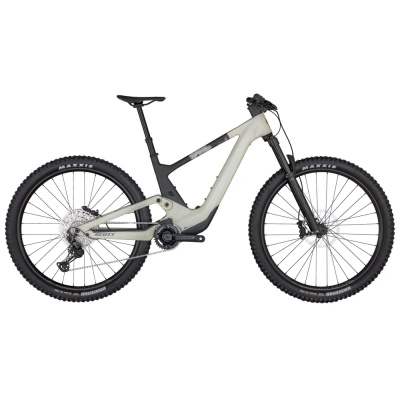
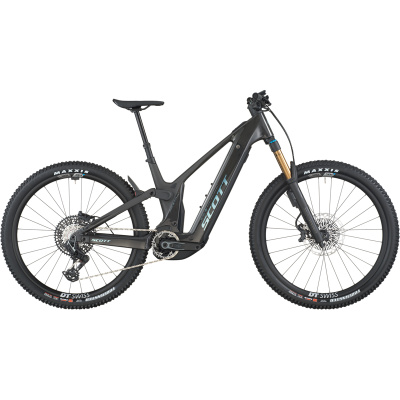
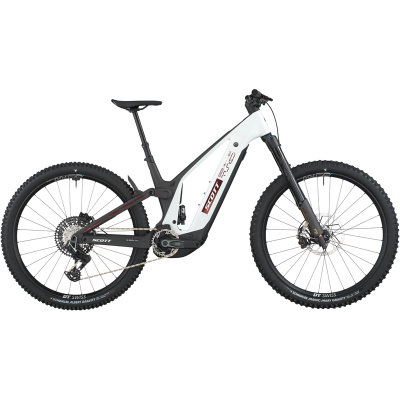
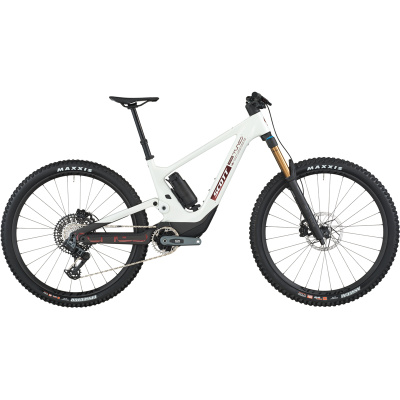
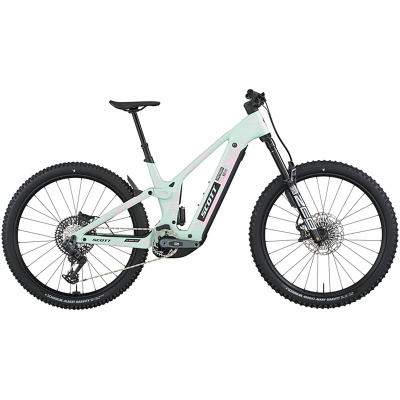
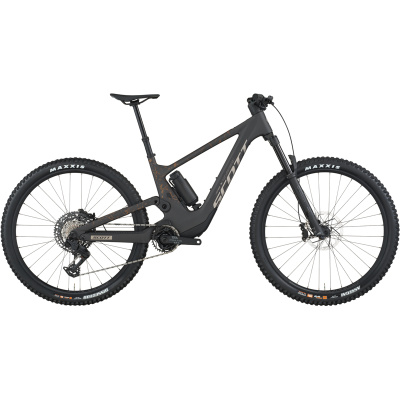
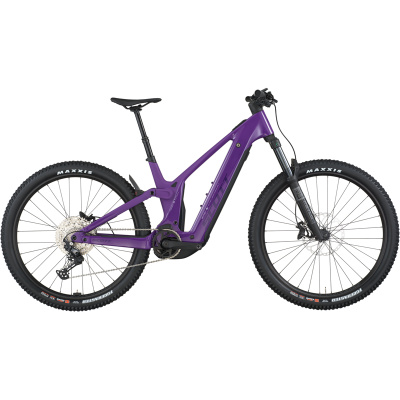
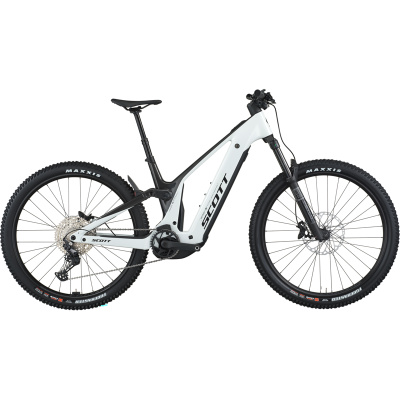
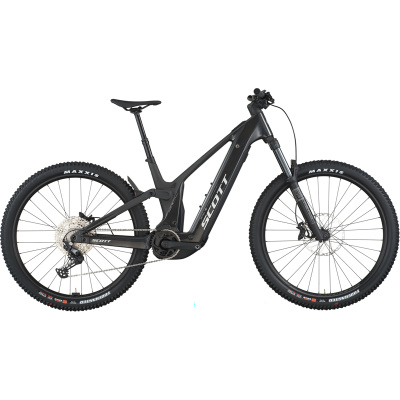
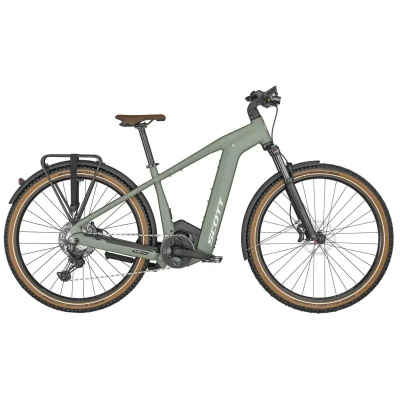
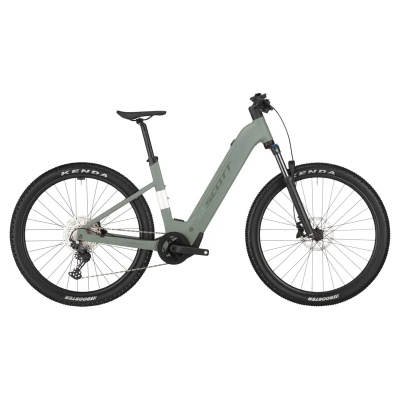
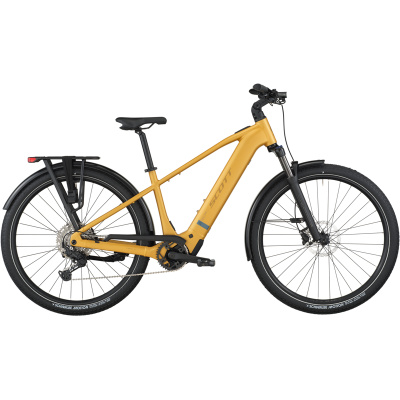
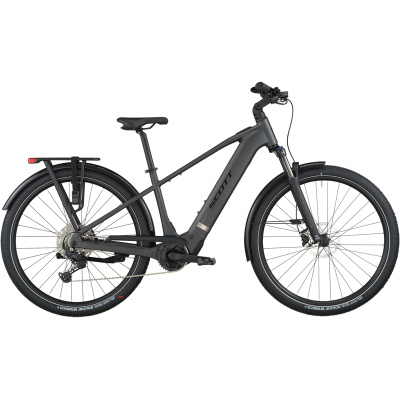
Scott E-Bikes sit at the sharper end of e-bike engineering - not because of bold claims, but because of what you can't see. The rear shock is hidden entirely inside the frame. Cables vanish into the cockpit. Batteries are sealed within the downtube. The whole eRIDE range is built around the idea that an e-bike shouldn't look like it's been retrofitted with a motor as an afterthought.
What that means for you is a bike that handles more like its unassisted equivalent than almost anything else out there. Scott achieve this through their Integrated Suspension Technology (IST), which tucks the rear shock into the front triangle - lowering the centre of gravity and freeing up space for a range extender or a second water bottle. Pair that with the TwinLoc Suspension System and you've got full control of fork, shock, and dropper from a single remote on the bar.
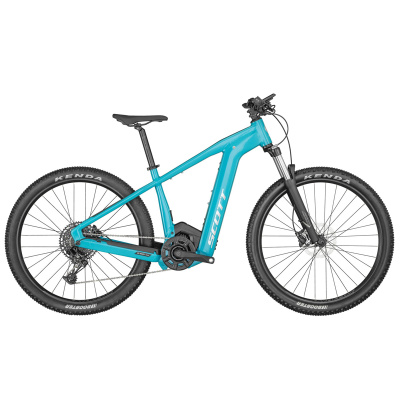
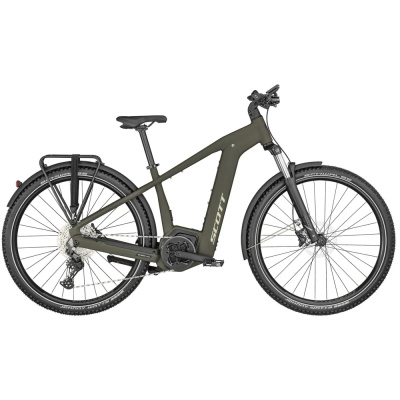
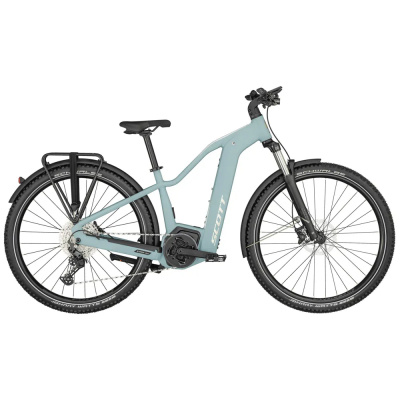
Whether you're after a trail-shredding Scott e-MTB, a featherweight cross-country machine, or something that handles the mixed-surface commute without fuss, there's a model aimed squarely at your riding. Looking for unassisted options? We've also got Scott Mountain Bikes and Scott Gravel Bikes worth a look.
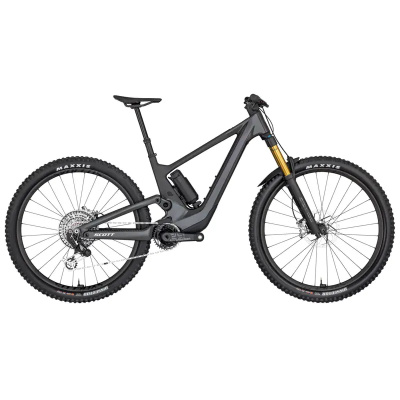
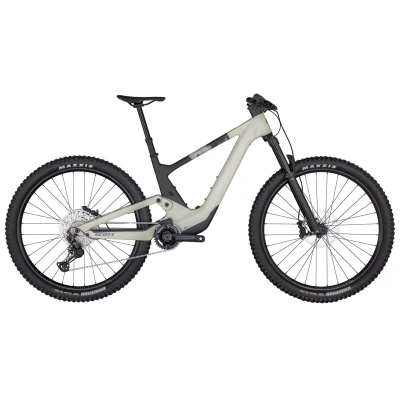
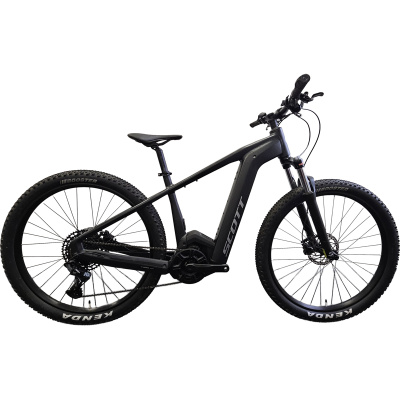
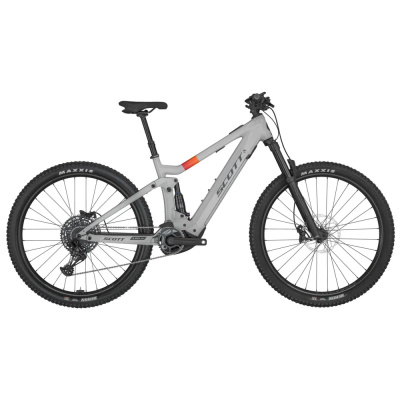
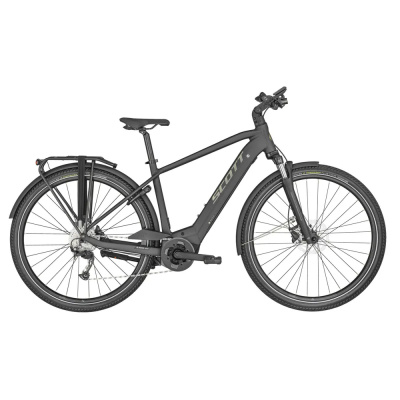
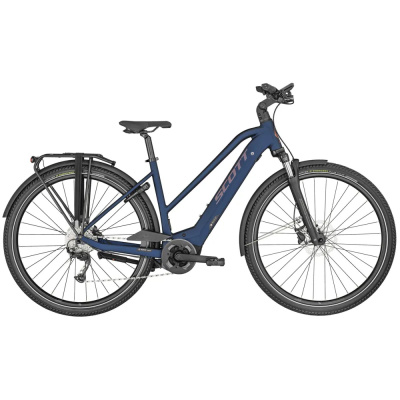
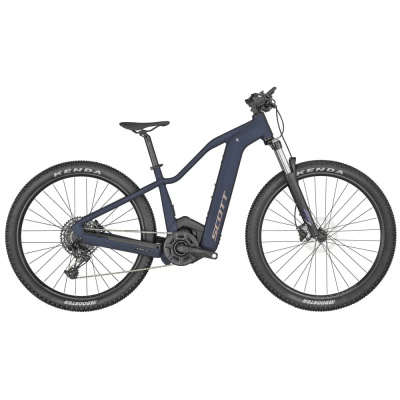

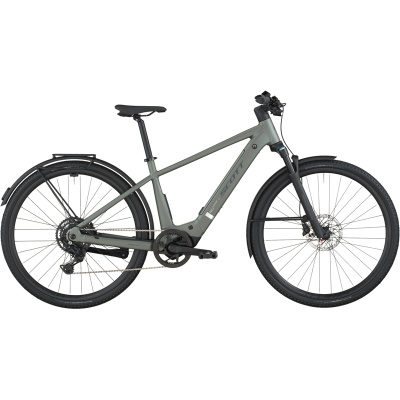
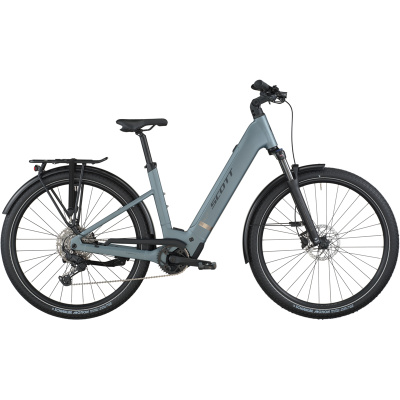
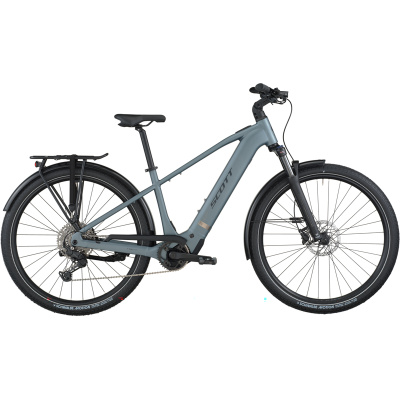
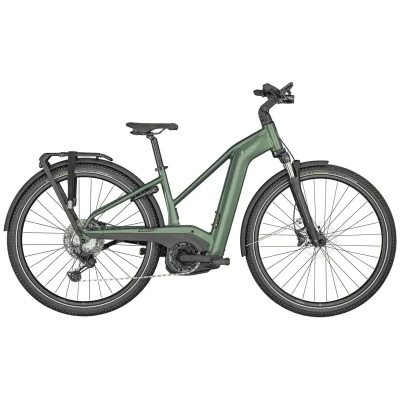
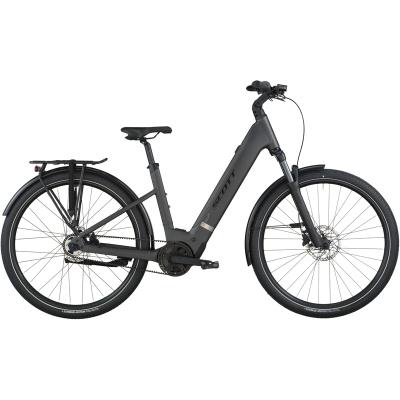
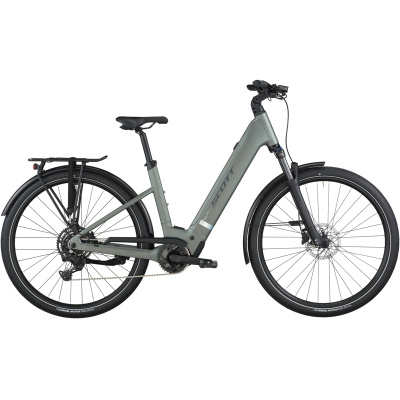
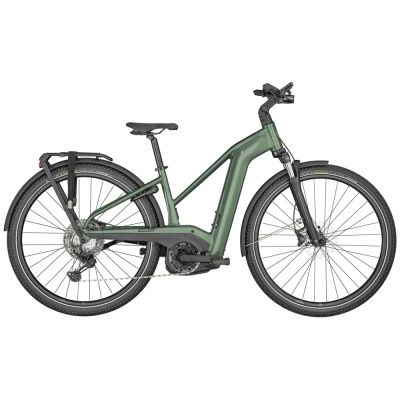
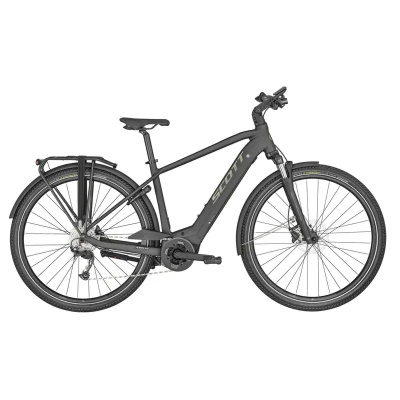
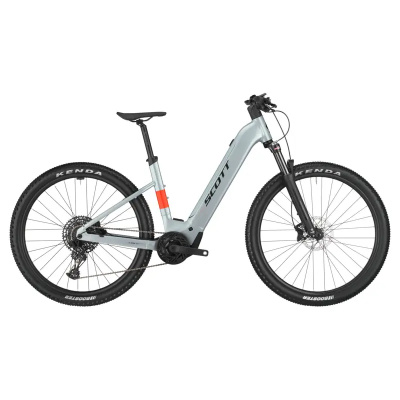
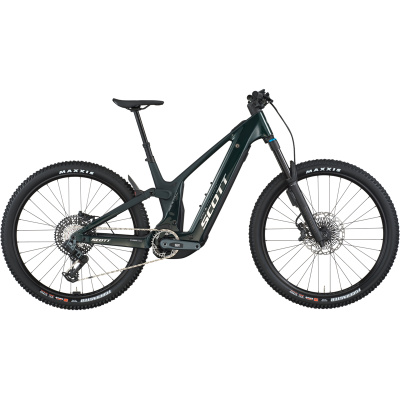
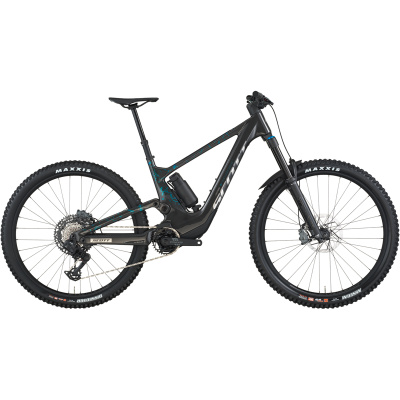
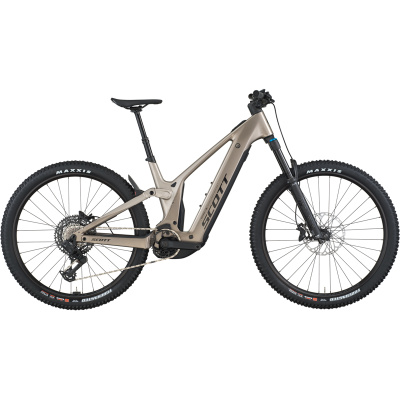
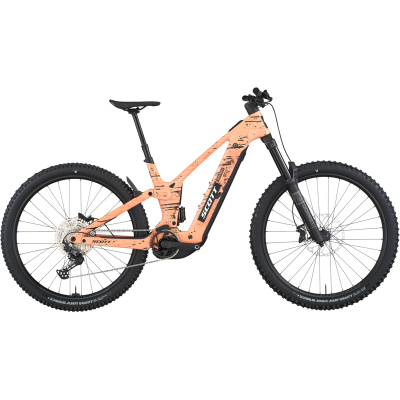
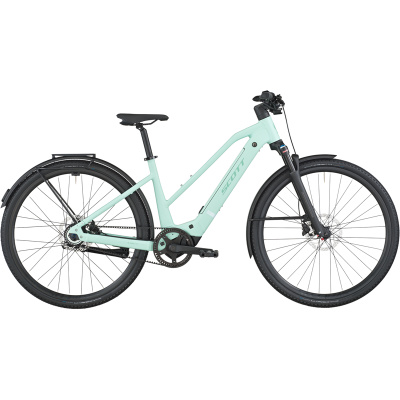
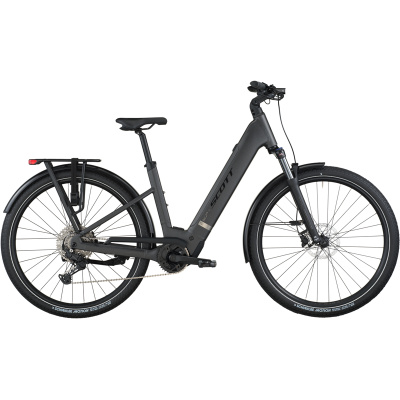
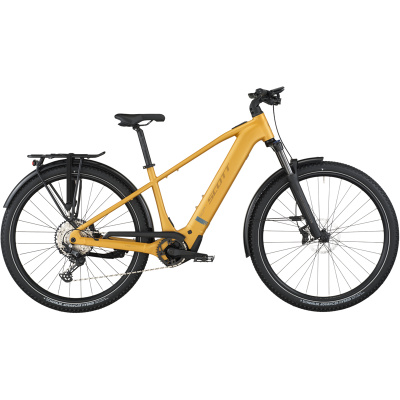
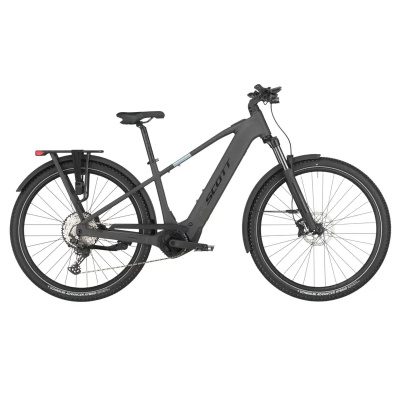
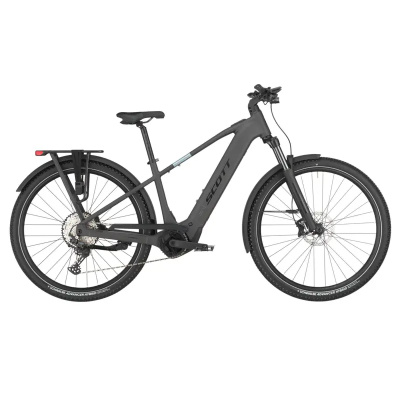
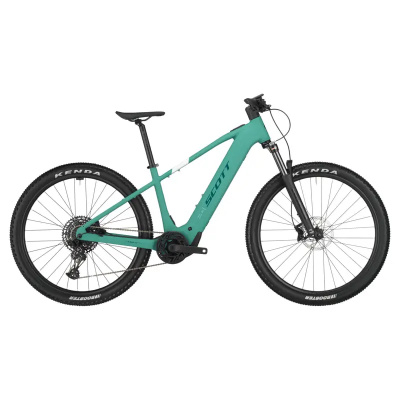
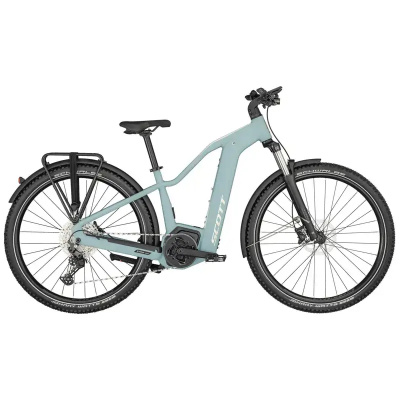
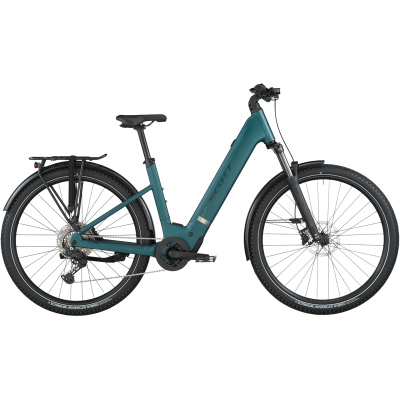
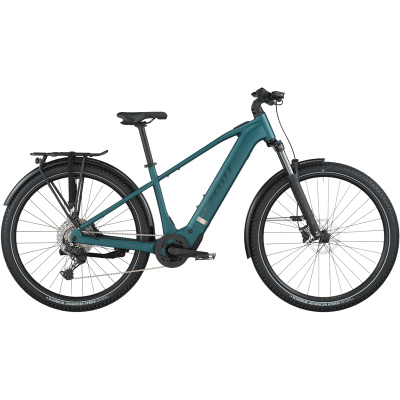
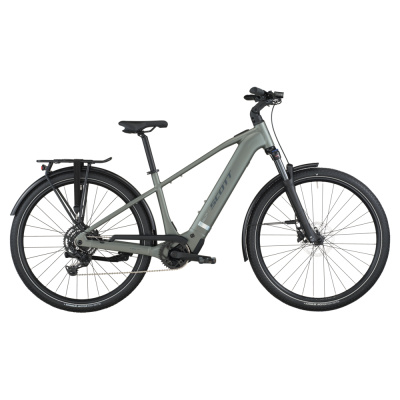
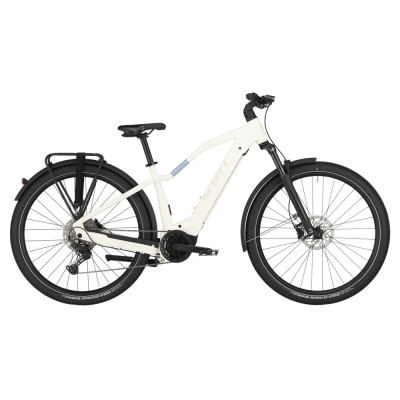
Prices and availability can change quickly. Delivery charges are not always included in listed prices.
Final price, stock status and delivery terms are set by retailer. We may receive a commission on purchases made.
Decoding the Scott eRIDE Lineup
Every Scott electric bike carries the eRIDE badge - it's their house name for anything with a motor, and it spans more ground than you might expect. At the aggressive end sits the Patron eRIDE, a 160mm travel enduro machine built for self-shuttling days and the kind of descents where you'd rather be over-biked than under. Think Welsh big-mountain riding or the rowdier Scottish trail networks. Below that is the Strike eRIDE at 140mm - still capable, but with a more composed, all-day trail character that suits riders who want to cover distance as well as get rowdy.
The one that gets the most attention, though, is the Lumen eRIDE. At 130mm of travel, it's Scott's lightweight SL eMTB - the bike that genuinely blurs the line between assisted and unassisted riding. It's the model you'd pick if you want the motor to take the edge off the climbs without making the bike feel like a different animal on the way back down.
Drop-bar riders aren't left out. The Solace eRIDE covers electric gravel and mixed-surface riding - Scott electric gravel bikes in everything but name - and handles the kind of UK bridleway-to-tarmac mix that makes a single-discipline machine a compromise. For urban use, the Sub eRIDE handles hybrid and commuter duties with a cleaner, more upright fit.
Trim levels follow a simple logic: 900 Tuned is the flagship build with top-shelf components, while 910, 920, and 930 represent descending spec with progressively friendlier price points. Higher number, lower spec - once you know that, the range makes sense quickly.
The Scott Tech Philosophy: Integration and TwinLoc
The headline piece of kit is Integrated Suspension Technology. Hiding the rear shock inside the frame isn't just a styling choice - it protects a precision component from the grit and water ingress that a British winter throws at bikes relentlessly. If you've ever seen a linkage shock covered in Peak District clay after a wet October ride, you'll appreciate why this matters. The IST layout also drops the centre of gravity noticeably, which makes the bike feel more planted mid-corner than a conventional shock position allows.
The TwinLoc Suspension System is where Scott's engineering gets genuinely clever. A single bar-mounted remote cycles through three modes: Descend, Traction Control, and Lockout. But it's not just a basic lockout - switching modes actually changes the air volume inside the shock, which alters the bike's dynamic geometry. Traction Control mode stiffens things up and steepens the effective seat angle, raising the bottom bracket slightly to reduce pedal strikes on steep, technical climbs. On something like a punchy Peak District ascent with roots across the trail, that's a meaningful difference.
On the motor side, Scott runs a dual-strategy approach. The Bosch Performance Line CX powers the Patron and Strike - full torque, full assistance, the kind of motor that makes short work of Snowdonian switchbacks. The TQ HPR50 goes into the Lumen and Solace, where the priority is near-silent running and minimal weight penalty. The TQ is a fundamentally different experience: quieter, more natural-feeling under pedal load, and compact enough to keep the frame's proportions close to a conventional bike. It's a motor you forget is there until a climb suddenly becomes manageable.
Frame material plays into all of this too. The top-tier models use HMX carbon layups - Scott's highest-grade carbon, prioritising stiffness and low weight. Mid-range builds use HMF carbon, which offers a sensible balance of durability and weight without the premium cost. The Syncros Fraser iC SL integrated cockpit completes the picture at the front end: cables route internally through the bar and stem as a single unit, which looks surgical but does mean you'll want a competent mechanic if you're swapping components. Factor that in before you decide to self-service.
If your riding regularly takes you beyond the base battery's range, it's worth knowing that the IST layout frees up the front triangle for a range extender - something that's genuinely useful on longer Scottish days where topping up at a café isn't an option. Scott hydration packs pair well here for covering bigger days on the trail.
Living with a Scott E-Bike in the UK
The hidden shock is one of the Patron and Lumen's strongest practical features in a UK context. Welsh and Scottish winter mud is abrasive, and a conventional externally-mounted shock takes a beating from road grit and water spray over a season. With IST, the shock is sealed away from all of that. Setting sag does require a slightly different approach, though - you'll use an external indicator on the linkage rather than eyeballing the shock body directly. It's not complicated, but it's worth knowing before your first setup session in the car park.
The internal cable routing through the Syncros cockpit looks exceptional. It also means that bearing replacement after a wet British winter - and UK headsets do need attention regularly - will require someone who knows what they're doing. This isn't a criticism so much as honest advice: budget for professional servicing if you're not a confident home mechanic, and keep the headset area clean and dry after muddy rides.
Battery care matters more in winter. The fully enclosed downtube battery on Scott eRIDE models does a better job of maintaining operating temperature in cold conditions than many exposed designs, but you'll still lose some Wh capacity when it's genuinely freezing. Store the bike indoors overnight before an early-morning winter ride, and keep the battery contacts clean with a dry cloth - corrosion there is a quiet killer for electrical connections. A set of Scott gloves and some frame protection round out the ownership kit worth having from the start.
Compared to something like a Cube e-bike or a Cannondale e-bike at a similar price point, Scott's integration is measurably deeper - but it does mean the bikes reward ownership by riders who engage with setup rather than leaving everything on the default. Spend twenty minutes dialling in TwinLoc and suspension sag on day one, and it pays back every ride after that. If you're coming from Scott hybrid bikes and stepping up to an eRIDE model, the jump in complexity is real but so is the jump in capability.
Related searches:
Scott E-Bikes FAQs
Are Scott e-bikes any good?
Scott e-bikes rank among the most technically considered options available, particularly for riders who want an assisted bike that doesn't ride like one. The Integrated Suspension Technology and TwinLoc system set them apart from most of the competition, and the eRIDE range has consistently drawn strong coverage from the specialist cycling press for blending genuine trail capability with reliable motor assistance.
What motor does Scott use in their e-bikes?
It depends on the model. The Patron eRIDE and Strike eRIDE use the Bosch Performance Line CX - a high-torque motor suited to demanding trail riding. The Lumen eRIDE and Solace eRIDE use the TQ HPR50, a quieter, lighter unit that prioritises a natural pedal feel and minimal weight addition over outright power.
How much does the Scott Lumen eRIDE weigh?
The top-spec Scott Lumen eRIDE 900 SL comes in at around 15.5kg - genuinely lightweight for a full-suspension eMTB. At that weight, the gap between riding it and an unassisted trail bike narrows considerably, which is exactly the point of the Lumen's design brief.