
Scott Gloves
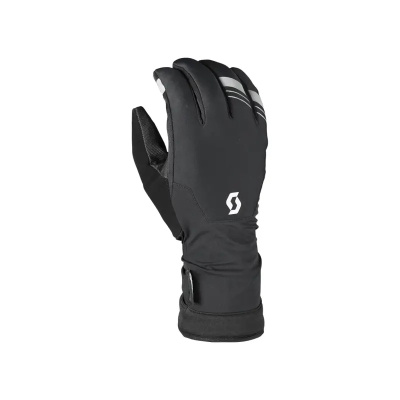
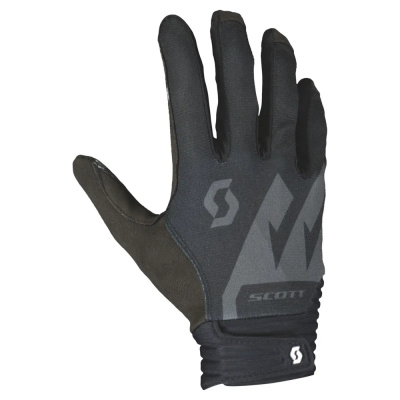
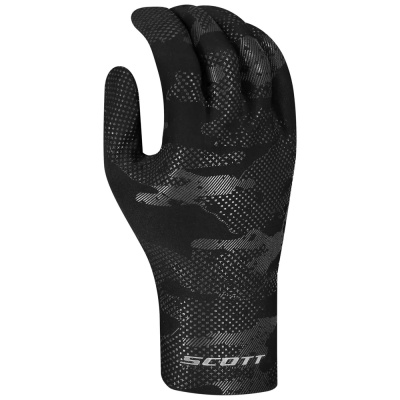
Scott cycling gloves are built around a straightforward idea: your hands are the connection point between you and the bike, so they deserve proper engineering. The full-finger range covers everything from frozen January road miles to muddy enduro laps in the Peaks, with fabrics and protection levels that match the conditions rather than just the season. Gore-Tex Infinium membranes keep icy headwinds out, D3O knuckle armour absorbs trail impacts without adding bulk, and Second Skin padding preserves the kind of tactile bar feel that actually matters when you're picking a line at speed. DWR coatings handle the relentless UK drizzle that doesn't quite count as rain but soaks you just the same. Scott's 3D articulated construction means the gloves move with your hand rather than against it - no bunching in the palm, no restricted grip when you need it most. Conductive index finger threads let you ping your Garmin or check your phone without peeling a glove off in a layby. If you're after lightweight, fingerless summer options, head over to our Scott Mitts page instead - this range is firmly focused on full-finger protection for riders who need it.
Prices and availability can change quickly. Delivery charges are not always included in listed prices.
Final price, stock status and delivery terms are set by retailer. We may receive a commission on purchases made.
Fabric Tech and Weather Performance
Scott's full-finger winter gloves lean heavily on Gore-Tex Infinium for the conditions that define UK riding - not full monsoon, but that persistent, sideways-drizzle cold that creeps into your fingers on a long descent. Gore-Tex Infinium sits in a useful middle ground: windproof and water-resistant enough for most British winters, without the clammy feeling you get from fully sealed membranes on a hard climb. Pair that with Windstopper panels on the back of the hand and you've got a glove that handles an exposed Peak District ridge or a Scottish Highlands descent without your knuckles going numb by the bottom.
The DWR coating on the outer fabric is what buys you time when the drizzle starts. It's not a substitute for a Gore-Tex membrane on a properly wet day, but it means light rain beads off rather than soaking straight through. Worth noting: DWR degrades with washing and general use, so reactivating it periodically with a low-heat tumble dry (after washing, not instead of it) keeps the coating doing its job. On the MTB side, gravity and enduro-focused models integrate D3O knuckle protection - a material that stays pliable and light in normal use but stiffens on impact. It's genuinely unobtrusive until you need it, which is exactly the point. Compared to hard-shell knuckle guards, D3O lets you forget the protection is there until a rock or handlebar reminds you why it matters. For riders weighing up alternatives, Fox gloves and Endura gloves cover similar ground, but Scott's integration of D3O alongside weather-resistant fabrics in a single glove is a less common combination at this level.
Understanding the Scott Fit and Range
Scott splits their full-finger gloves across a fairly clear hierarchy. At the performance road end, the RC Pro line is cut close and thin - designed for aerodynamic efficiency and maximum bar feel, with minimal padding that keeps your hands honest on the hoods. These are gloves for riders who want to feel every texture through the bar tape. Go too heavy on padding and you lose that direct connection; Scott's Second Skin padding philosophy is about strategic placement rather than coverage, putting gel or foam exactly where your palm loads under braking and climbing, not blanketing the whole hand.
The MTB-oriented Traction and Defend series are a different proposition. More structured, with reinforced palms, silicone grip panels that actually work when wet and muddy, and the D3O knuckle armour mentioned above. The 3D articulated fit on both road and MTB models pre-curves the fingers slightly so the glove follows your natural grip position. It sounds minor, but on a long day in the saddle it genuinely reduces the fatigue that comes from fighting fabric that wants to straighten when your hand wants to curl. Are Scott cycling gloves true to size? Generally, yes - the fit is snug and shaped, which prevents bunching. However, if you're buying a heavier winter model and plan to run a thin silk liner underneath for extra warmth on genuinely cold mornings, size up. The articulated cut doesn't leave much slack for an added layer.
Scott MTB gloves, and the majority of their road models, feature conductive index finger threads - so you can operate a GPS computer or tap a phone screen without exposing your hand to the cold. It works reliably enough for a quick button press on a Wahoo or Garmin, though heavy-duty touchscreen swiping is still easier with a bare finger if you can spare the seconds.
Layering and Care for UK Riding
Getting your gloves to work as part of a system matters as much as the gloves themselves. Tuck the cuff of your Scott winter gloves under your jacket sleeve rather than over it - water runs down your arm and straight into an exposed cuff the moment you stop pedalling and your sleeve drops. A Scott jacket with a snug wrist closure makes this seamless, and it's worth checking cuff compatibility before buying if you're building a layered kit. A Scott base layer with longer cuffs also helps bridge the gap on really cold days. The neoprene cuff construction on some winter models gives a tighter seal around the wrist that helps here too.
On washing: machine wash on a gentle, cool cycle with a technical gear cleaner - something designed for waterproof fabrics. Avoid fabric softeners entirely. They coat the fibres in a way that actively destroys the DWR coating, which is the last thing you want mid-January. Skip the tumble dryer for anything with silicone grip panels or neoprene cuffs; both materials degrade with sustained heat. Air dry at room temperature, away from radiators. It's less convenient, yes, but your gloves will last considerably longer for it. How you wash Scott winter cycling gloves matters more than most riders expect - treat them like your waterproof jacket, not your jersey.
If you want to compare Scott's care requirements against other brands in the category, Gore Bike Wear gloves follow similar protocols given their shared use of Gore membranes. Worth keeping in mind when you're picking what goes in the wash together. Rounding out your kit with a matching Scott jersey that uses compatible technical fabrics makes the care routine simpler across the board.
Scott Gloves FAQs
Are Scott cycling gloves true to size?
Scott gloves fit true to size in most cases, with a snug, articulated profile that cuts down on palm bunching. If you're buying a heavier winter model and want to layer a thin liner glove underneath, go up one size to keep the fit comfortable without restricting your grip.
How do I wash Scott winter cycling gloves?
Hand wash or use a gentle, cool machine cycle with a technical fabric cleaner - never fabric softener, as it strips the DWR coating that sheds water. Air dry away from radiators and direct heat to protect the waterproof membranes, neoprene cuffs, and silicone grip panels from degrading prematurely.
Are Scott MTB gloves touchscreen compatible?
Yes. Most modern Scott MTB and road full-finger gloves have conductive threads on the index finger, letting you use a GPS computer or smartphone without removing the glove. It handles quick button presses reliably - useful when you don't want to stop and faff mid-ride.