
Cannondale Mountain Bikes
Cannondale mountain bikes have been doing things differently since the early days of the sport - oversized aluminium tubes when everyone else was playing it safe, a single-legged fork that still turns heads on every trail centre car park. That restless engineering instinct runs through every bike in the current range, from lean XC racers to burly trail rigs built for British muck and mileage.
The Scalpel is Cannondale's XC weapon - light, fast, and genuinely competitive at race pace. The Habit sits in the all-day trail bracket, comfortable on steep singletrack and forgiving when the line gets scrappy. The Jekyll goes longer and slacker for riders who want to push enduro-style descents. And the Trail hardtail range brings the brand's alloy know-how to riders just getting started on dirt. There's a logical progression across those families, and we'll map it out clearly below.
After an electric mountain bike? The Cannondale e-bikes range covers the Moterra and Monterra Neo separately. Building up a custom rig? Browse Cannondale frames on their own page.
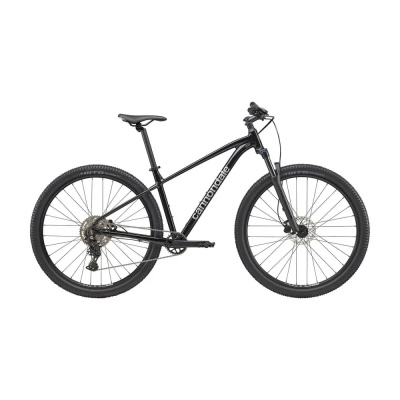
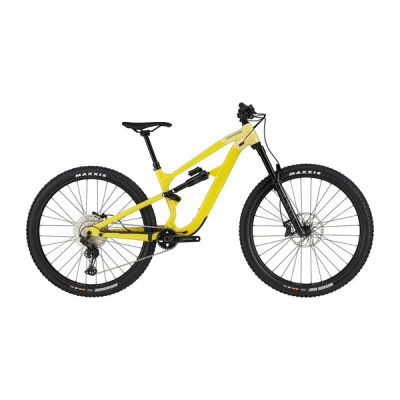
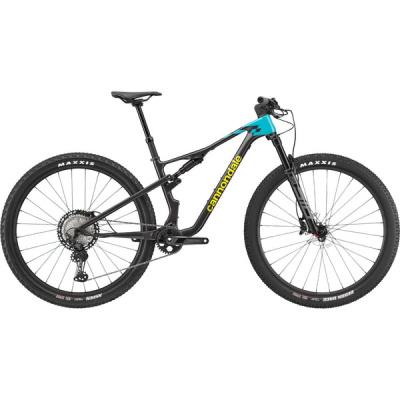
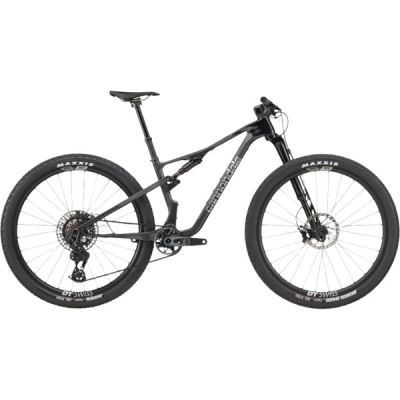
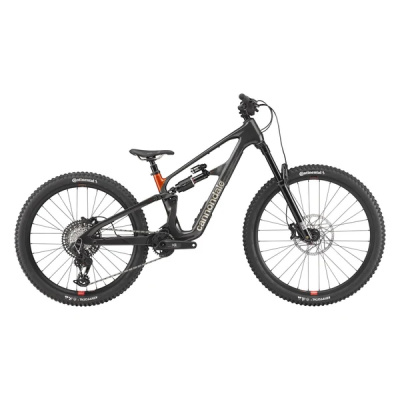
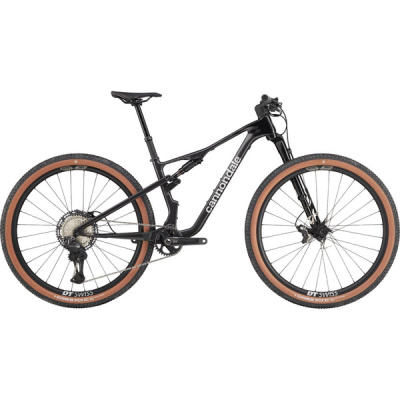
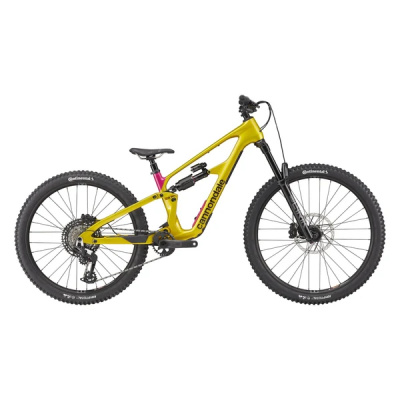
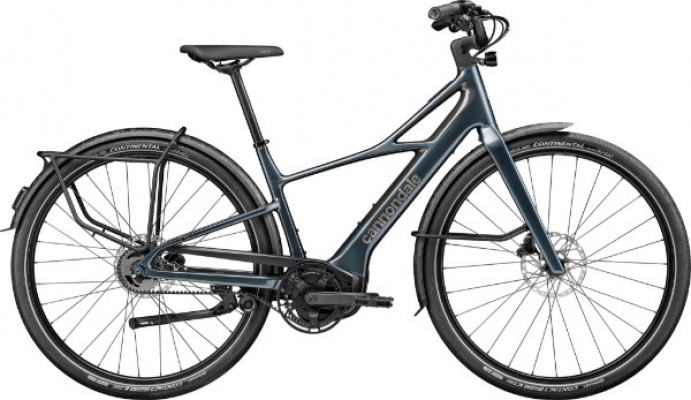
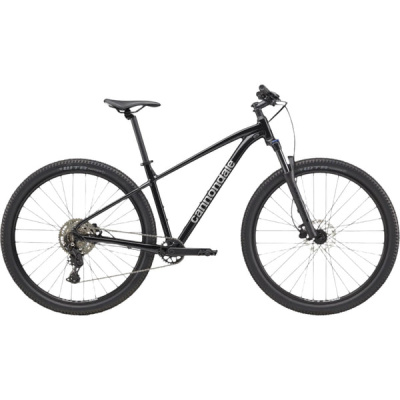
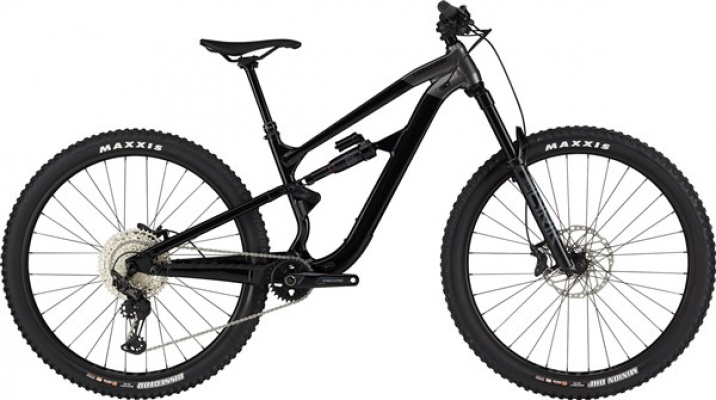
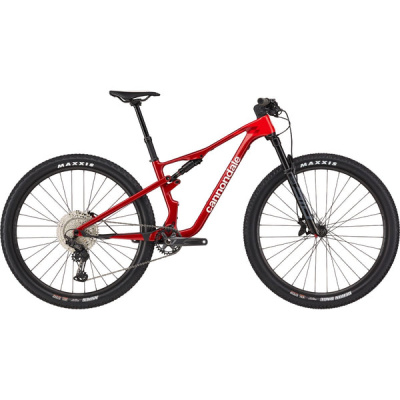
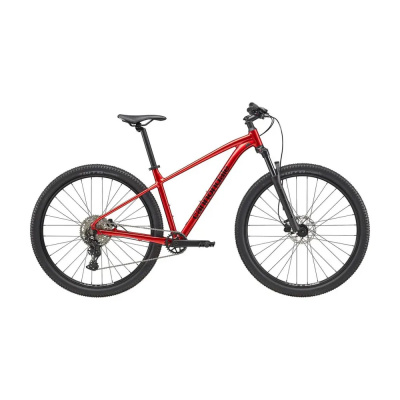
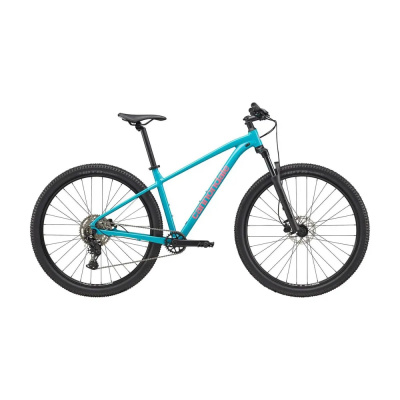
Prices and availability can change quickly. Delivery charges are not always included in listed prices.
Final price, stock status and delivery terms are set by retailer. We may receive a commission on purchases made.
Decoding the Cannondale Mountain Bike Lineup
Four core families. That's the Cannondale mountain bike range in a sentence, though what sits inside each one is worth unpacking before you start comparing specs sheets.
The Scalpel is the XC and downcountry end of the range - short travel, carbon options, and geometry tuned for covering ground fast. It suits riders who want to race or ride long XC loops where climbing efficiency is as important as the descent. Step across to the Habit and you're into proper trail territory: more travel, slacker angles, and a geometry that wants to play rather than just point-to-point. If you ride UK trail centres regularly or you're starting to push your descending, the Habit is where most people land.
The Jekyll is the outlier - long travel, aggressive intent, and built for riders who spend most of their time looking for steeper lines. Think Innerleithen or BikePark Wales rather than a Sunday Chilterns loop.
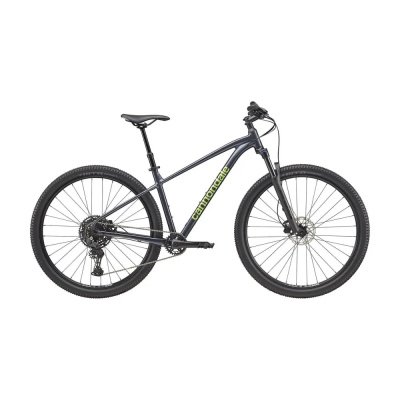
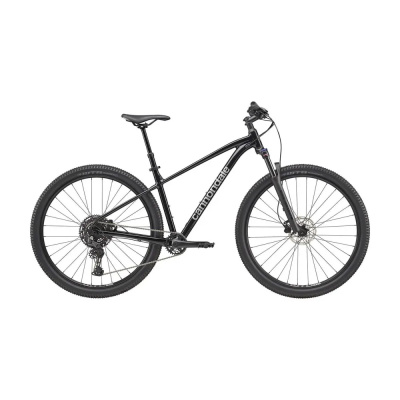
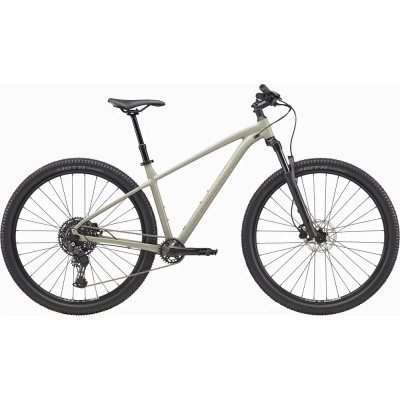
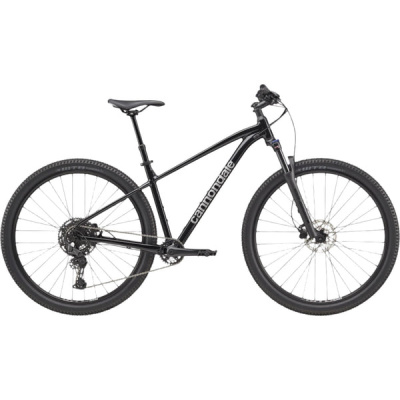
The Trail series is Cannondale's hardtail range and the sensible starting point for anyone new to off-road riding. Alloy frames, reliable componentry, and a price point that doesn't sting. Worth knowing: across all these families, Cannondale uses a numerical trim convention where a lower number means a higher spec. A Habit Carbon 1 is the flagship; a Habit 4 is the entry-level alloy build. It sounds backwards at first, but once it clicks, navigating the range becomes straightforward.
One thing this page doesn't cover: Cannondale's electric mountain bikes. Those live on the dedicated Cannondale e-bikes page and are worth a separate look if a motor is part of your plan.
The Tech Behind the Bikes: Lefty, FlexPivot and Proportional Response
Cannondale's engineering is the reason people choose these bikes over something more conventional - and there are three pieces of proprietary tech worth understanding properly before you buy.
The Lefty Ocho fork is the obvious one. One leg, not two. It uses needle bearings instead of the bushings you'd find in a standard fork, which means it tracks the ground with very little friction and stays stiff under load - hard braking, off-camber corners, the kind of input that has a conventional fork flexing and losing its composure. It's also lighter than most dual-crown equivalents. The engineering logic is sound, even if it still raises an eyebrow from riders seeing one for the first time.
Proportional Response is less visible but arguably more impactful across the range. The idea is straightforward: if you scale a frame up from a size Small to an XL, the suspension kinematics change with it. Chainstay lengths, leverage ratios, and geometry figures are all adjusted per frame size so that a smaller rider gets the same handling feel as a taller one. Without it, a size Small effectively rides like a compressed version of the XL - slightly different balance, slightly different sensitivity. Proportional Response closes that gap. It's particularly relevant on technical descents like the rocky chutes you'd find in the Peak District, where traction and predictability matter regardless of how tall you are.
FlexPivot works differently again. Rather than adding a physical Horst link pivot at the chainstay, Cannondale engineers specific flex zones into the carbon chainstays themselves. The chainstay acts as a virtual pivot, giving the rear suspension proper anti-squat and sensitivity without the extra bearing. Less hardware, less weight, and - as we'll get to - a real practical advantage for UK riding conditions.
If you're building around any of these models and want to go further, Cannondale handlebars and stems are worth matching to keep the contact points consistent.
Riding a Cannondale MTB in the UK: What to Know Before You Buy
British conditions ask specific questions of any mountain bike, and Cannondale's engineering answers a couple of them directly - though there are trade-offs to factor in too.
The FlexPivot system's biggest real-world advantage isn't its weight saving. It's the bearing it doesn't have. A conventional Horst link pivot sits right in the firing line for grit, water, and Welsh winter mud - the kind of slop that works its way into bearings and turns a smooth pivot into something that creaks and drags within a season. FlexPivot eliminates that bearing entirely. Fewer seals to pack with muck, fewer workshops visits, and a rear end that stays consistent through months of grim riding. If you're out in the Brecon Beacons or the Pennines from October to March, that's not a minor detail.
Ai Offset - Cannondale's Asymmetric Integration system - is the other piece of UK-relevant tech. It shifts the entire drivetrain slightly outboard, which opens up more clearance between the tyre and the frame. On a muddy trail where a standard bike would pack solid, an Ai-offset frame keeps the wheel spinning. The clearance gain is meaningful.
The trade-off worth flagging: Ai Offset uses a non-standard rear wheel dish. If you upgrade your wheelset later, you'll need a wheel specifically dished for Cannondale's offset - an off-the-shelf rear wheel won't drop straight in. It's not a dealbreaker, but it's something to budget for if a wheel upgrade is on your list.
On fit and setup, a dropper seatpost makes a genuine difference on any trail or enduro model - if your chosen build doesn't include one, it's usually the first upgrade worth making. And if you're weighing up how Cannondale's trail bikes sit against the broader market, Cube mountain bikes and Giant mountain bikes offer a useful point of comparison - both cover similar ground, but neither quite matches the engineering specificity Cannondale brings to kinematics and frame construction.
If gravel is also on your radar, the Cannondale gravel bike range shares some of the same SmartForm Alloy and geometry thinking, and it's worth a look if your riding mixes surfaces.
One final practical note: Cannondale helmets are worth considering alongside any new bike purchase - they're designed with the same fit philosophy as the rest of the brand, and matching your helmet to your riding style is easy within the range.
Related searches:
Cannondale Mountain Bikes FAQs
Are Cannondale mountain bikes good?
Cannondale has a long track record in mountain biking, particularly around lightweight aluminium construction and suspension innovation. Their bikes are respected across XC racing and trail riding alike. The Lefty fork, Proportional Response geometry, and FlexPivot chainstays are genuine engineering advances - not just marketing terminology - and they translate to measurable differences on the trail.
What is the difference between the Cannondale Trail and Habit?
The Trail is a hardtail - no rear suspension - aimed at riders starting out on dirt roads, gravel paths, and gentle singletrack. The Habit is a full-suspension trail bike with progressive geometry built for technical descents and rougher singletrack. They're aimed at different riders: the Trail is a starting point; the Habit is for someone ready to push harder terrain.
Why do some Cannondale mountain bikes only have one fork leg?
The Lefty Ocho fork uses a single-sided design with needle bearings rather than standard bushings. That makes it stiffer under lateral load, lighter overall, and more sensitive to small bumps than a conventional dual-leg fork. It looks unconventional, but the engineering rationale is well-documented and the performance benefit is real - particularly noticeable under hard braking and through fast corners.