
Scott Kids Bikes
Scott kids bikes aren't watered-down versions of adult bikes - they're genuinely scaled-down machines built with the same intent as Scott's World Cup-winning mountain bikes. Every frame in the junior range carries Scott's Smart Junior Geometry, which means proportional reach, low standover heights, and handling that actually makes sense for a smaller rider rather than just being a shrunken adult fit. The result? Less wobbling, more confidence, and far fewer frustrating moments on the first climb.
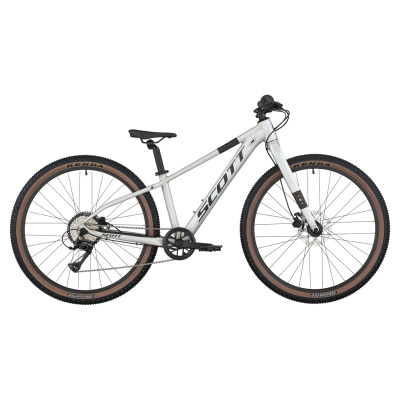
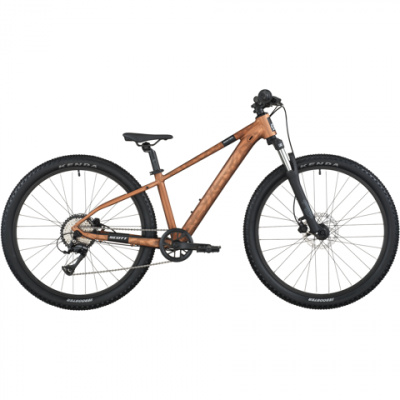
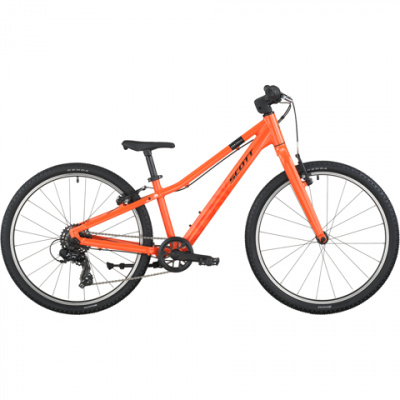
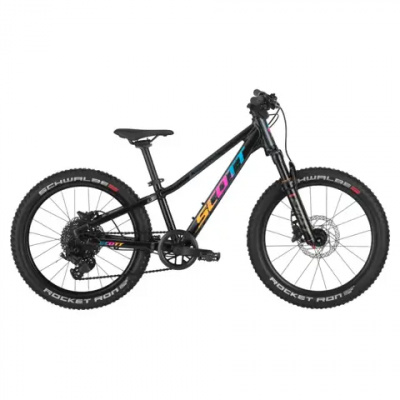
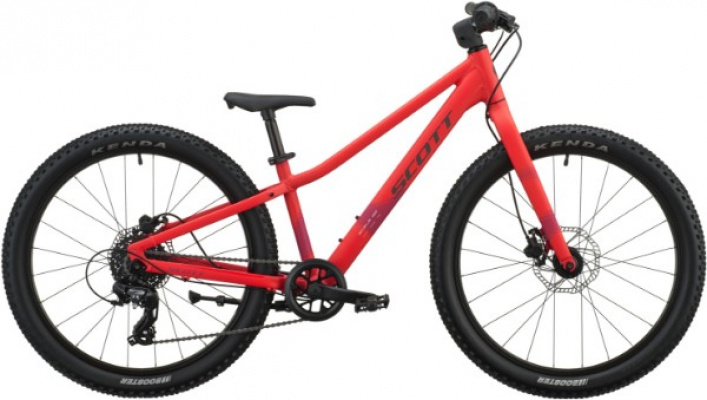
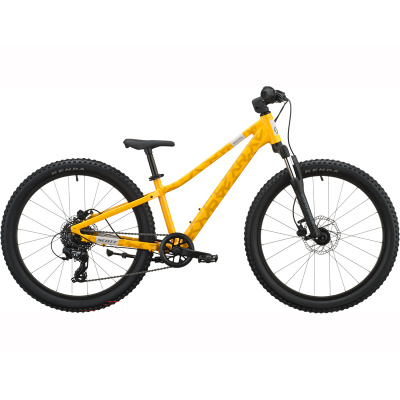
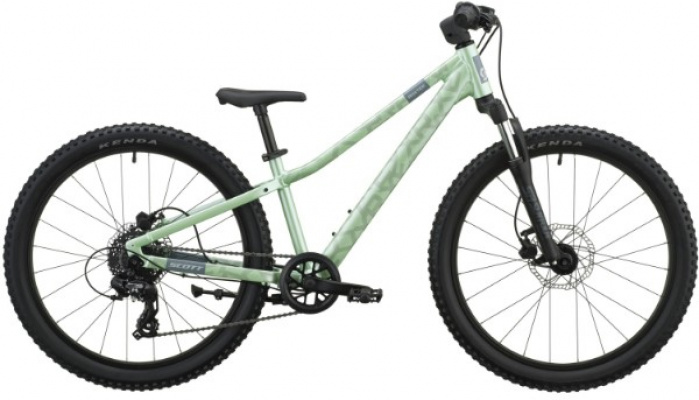
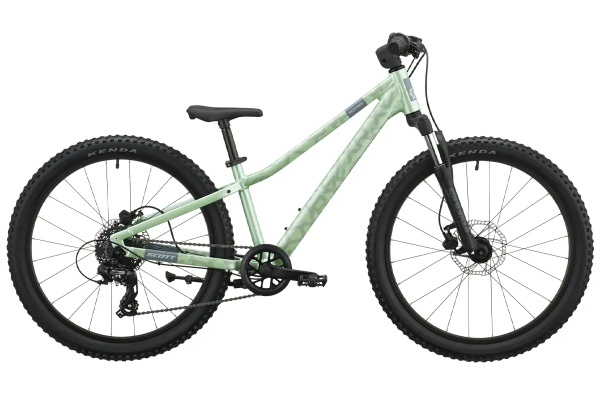
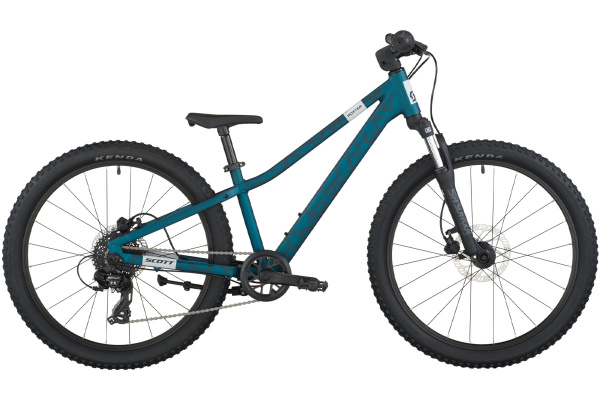
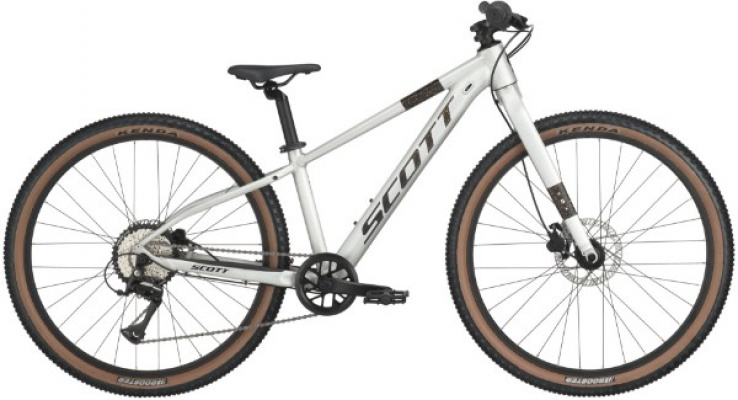
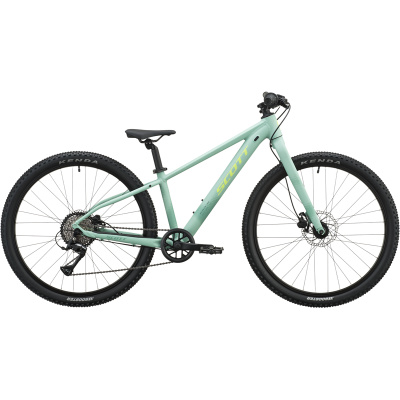
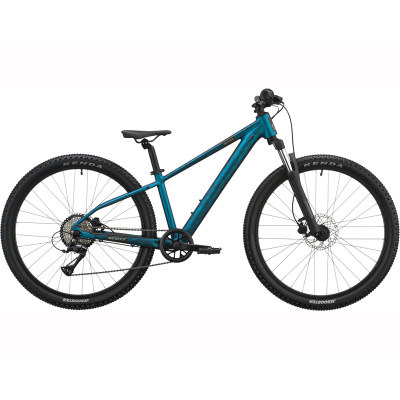
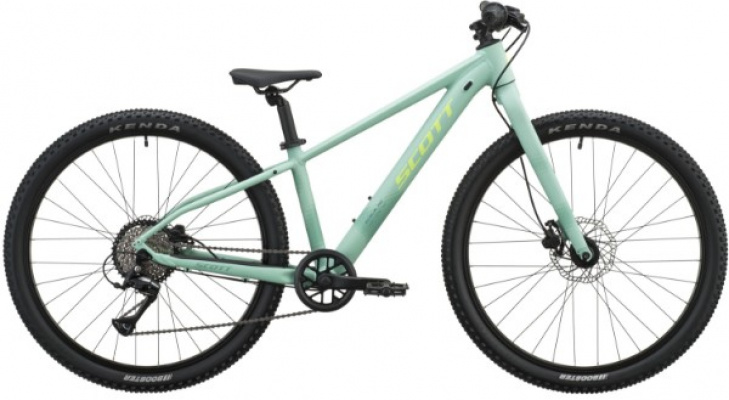
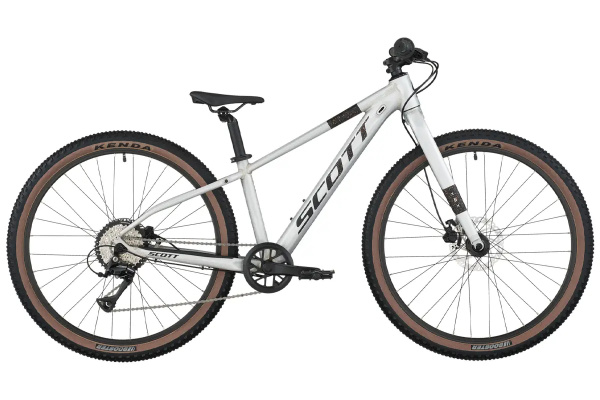
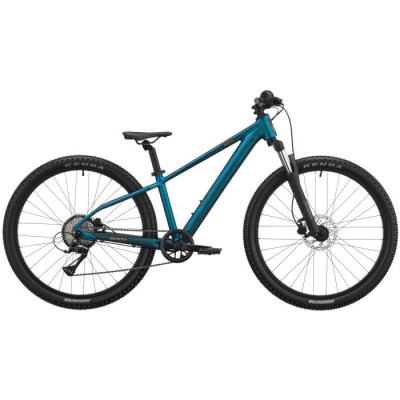
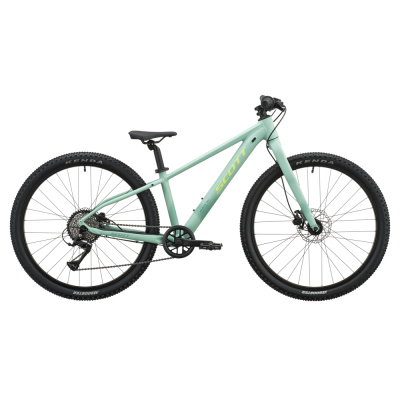
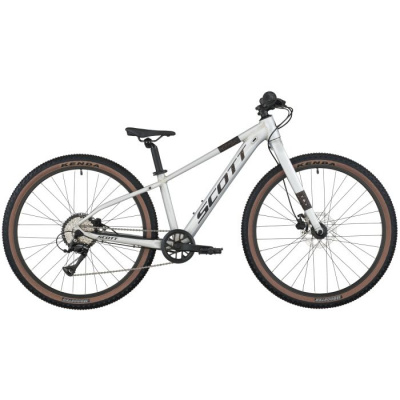
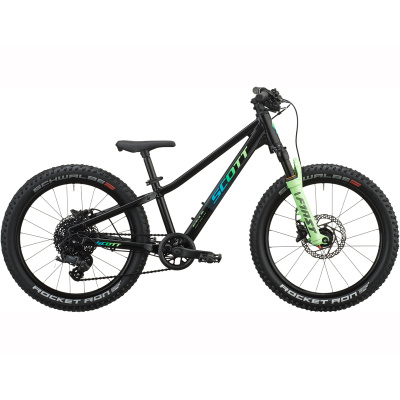
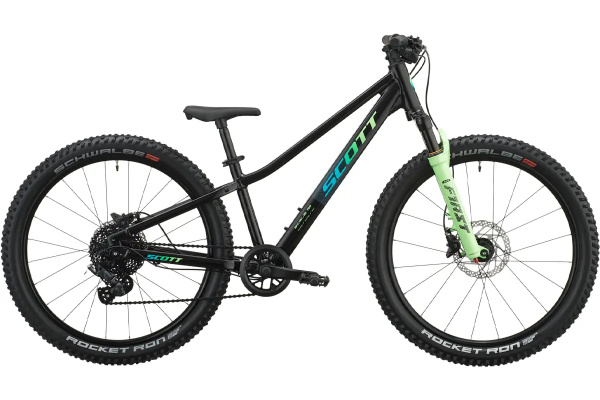
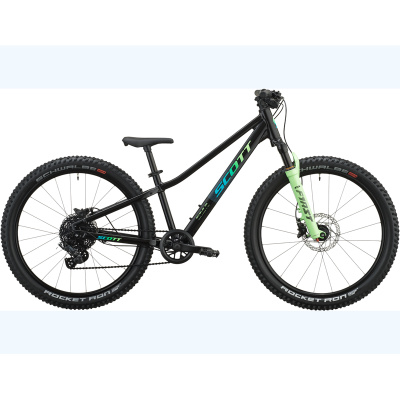
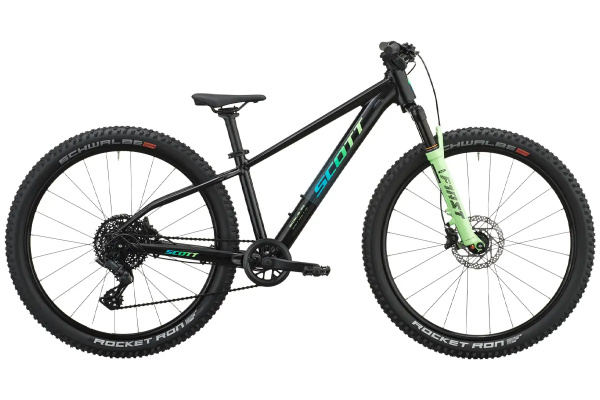
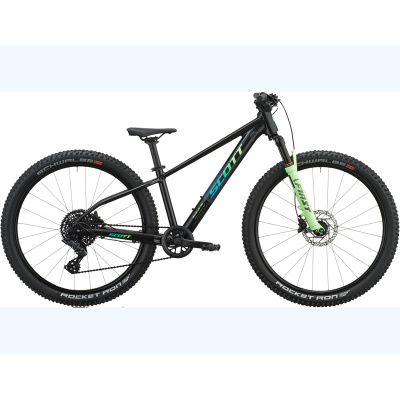
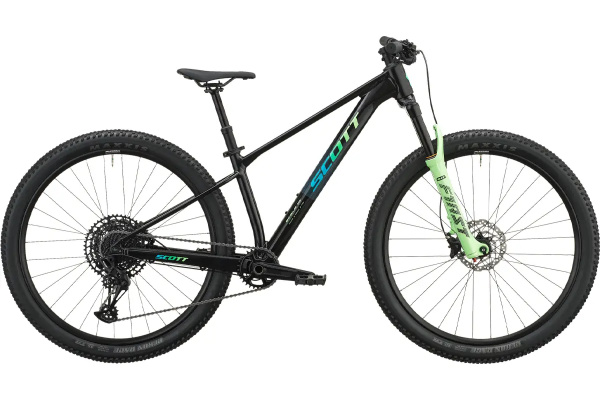
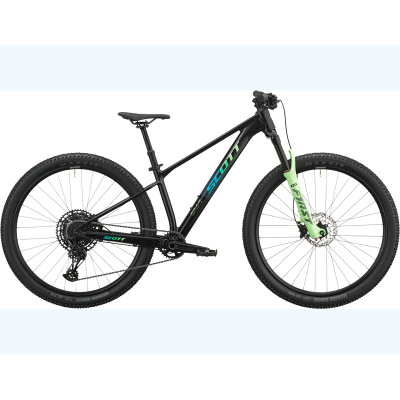
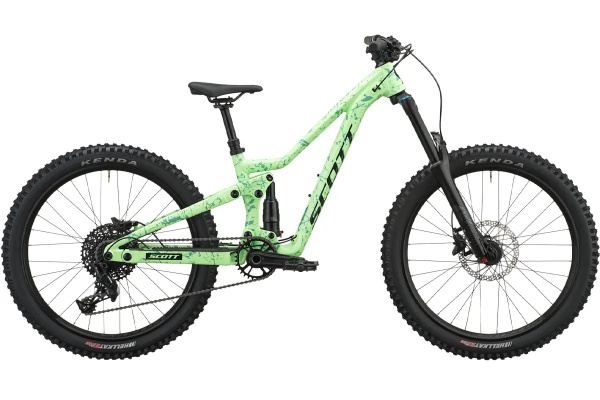
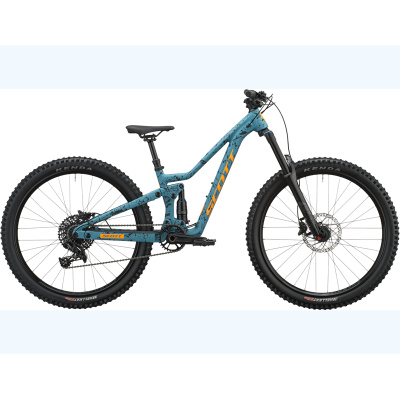
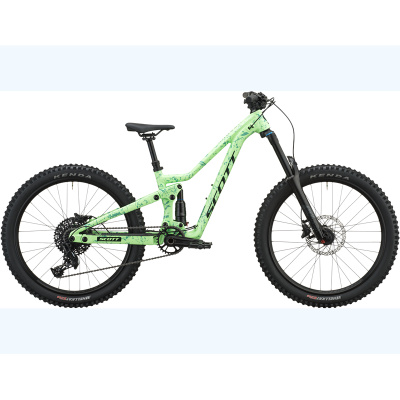
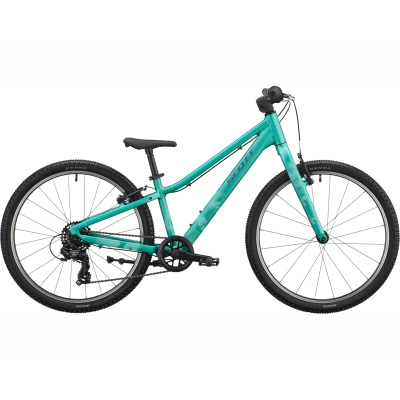
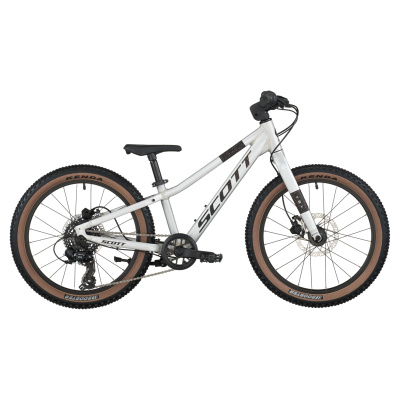
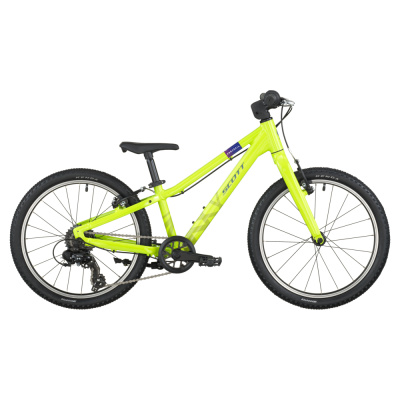
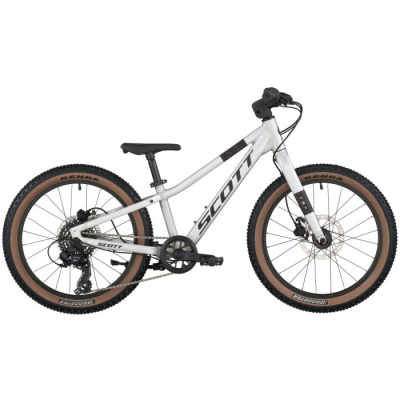
The lineup covers three distinct families. The Scott Scale is the cross-country option - lightweight alloy frame, efficient geometry, suspension forks on the bigger sizes. The Scott Roxter goes the rigid fork route with plus-size Kenda Booster tyres for natural cushioning and a simpler ownership experience. Then there's the Scott Contessa, the girls-specific line with tailored colourways and touchpoints. Wheel sizes run from 12-inch balance bikes right up to 26-inch junior MTBs, so there's a natural progression path as your child grows.
Across the range, Syncros youth-specific saddles, grips, and pedals come as standard - components sized for small hands and short legs rather than bolted on as an afterthought. If longer, happier family rides at the trail centre are the goal, Scott's junior range is a serious starting point.
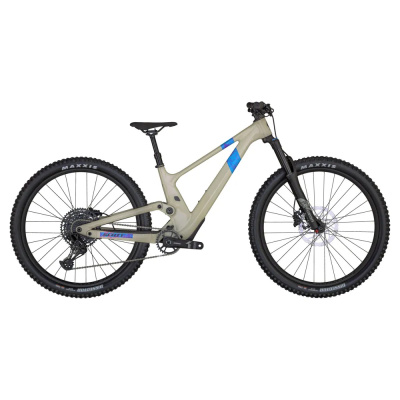
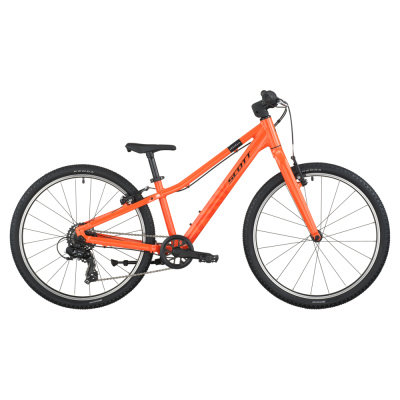
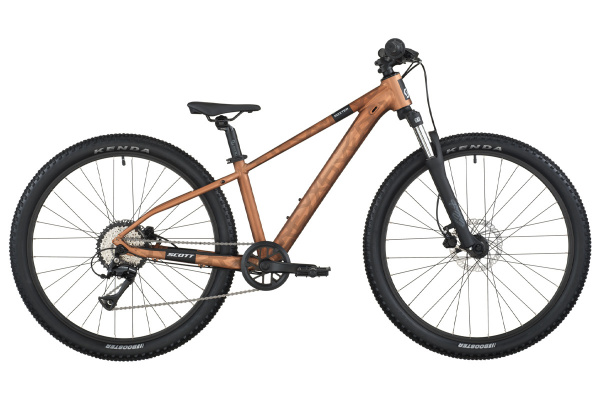
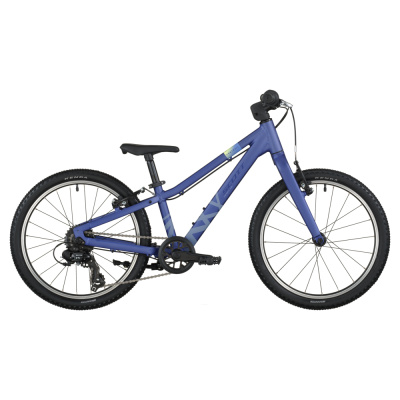
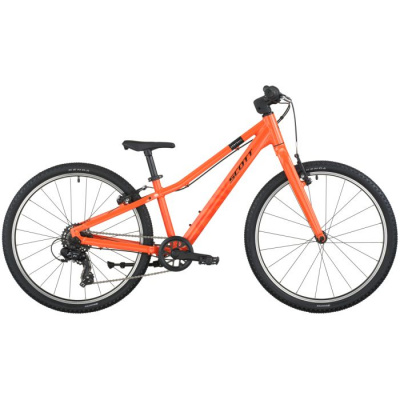
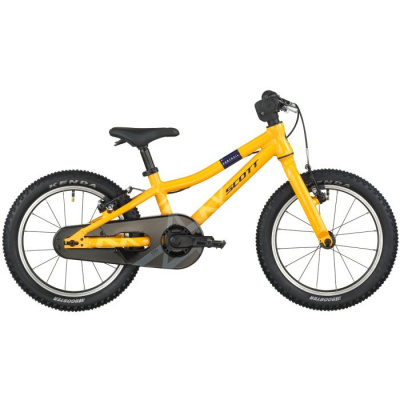
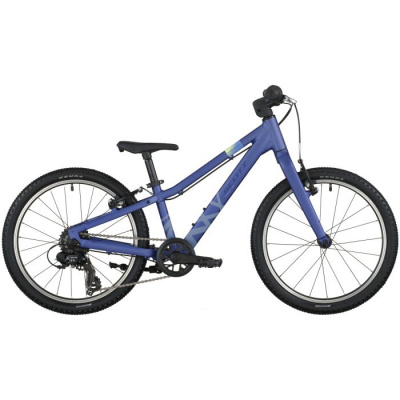
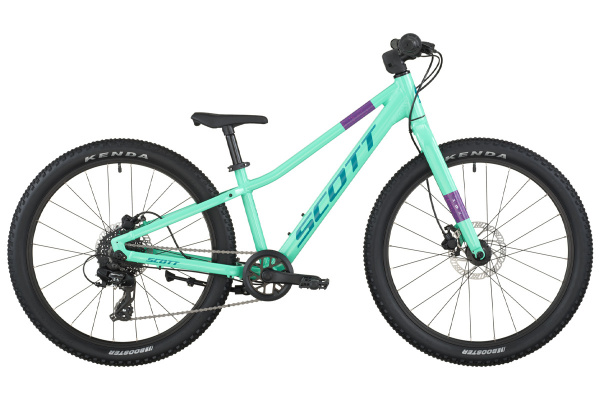
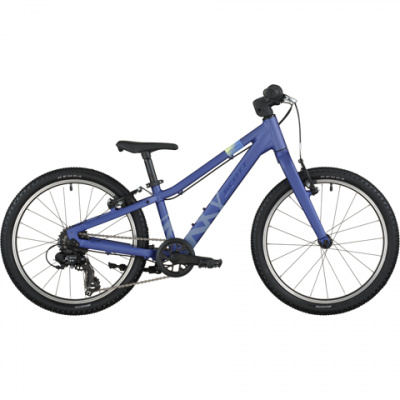
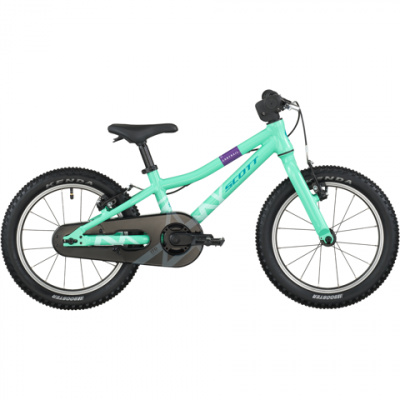
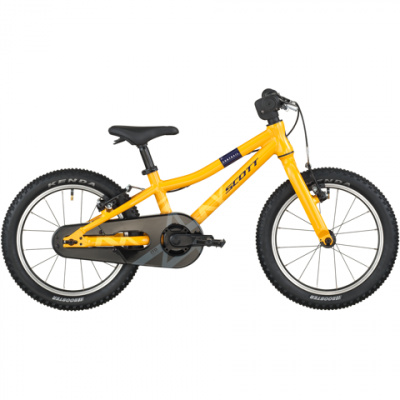
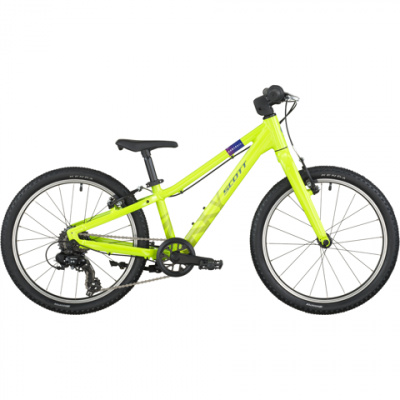
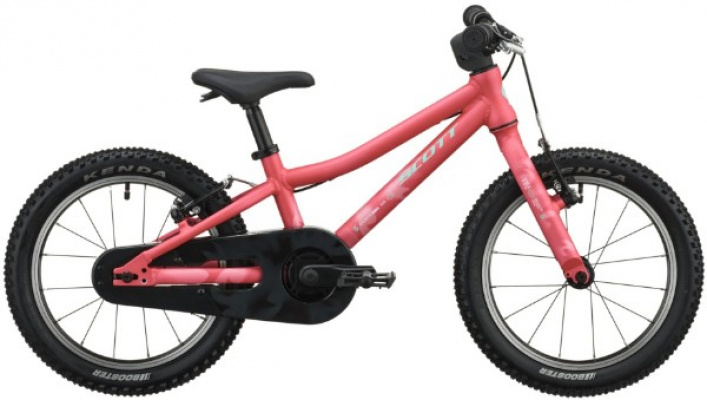
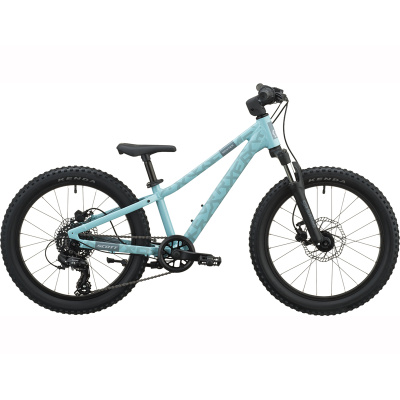
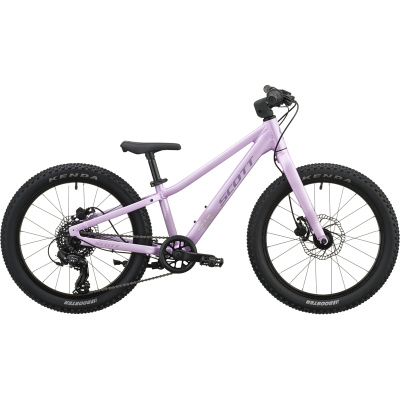
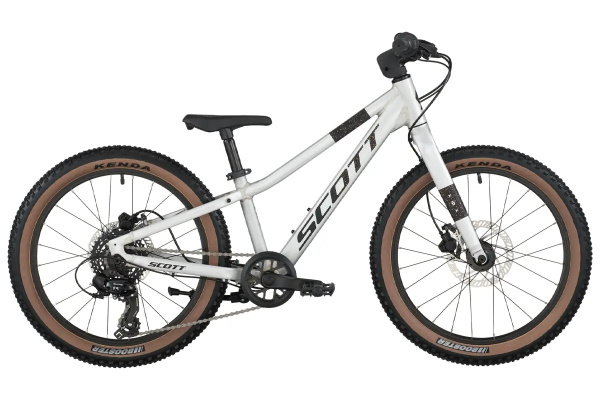
Prices and availability can change quickly. Delivery charges are not always included in listed prices.
Final price, stock status and delivery terms are set by retailer. We may receive a commission on purchases made.
Decoding the Scott Kids Lineup
Three families, one clear progression path. The Scott Scale kids bike is built for speed-focused riding - think cross-country geometry, narrower tyres, and a focus on pedalling efficiency. On the 24-inch and 26-inch models you'll typically find a suspension fork up front, which adds a layer of trail capability without dramatically increasing weight. These are the bikes for kids who want to keep up on blue and red trail centre routes and aren't put off by a bit of climbing.
The Scott Roxter takes a different approach. Rigid fork, wider plus-size Kenda Booster tyres, and a geometry that prioritises stability and grip over outright pace. The fat rubber does the work a suspension fork would normally handle - soaking up roots, smoothing out loose gravel, giving a junior rider enough confidence to actually enjoy a woodland trail rather than white-knuckle it. Maintenance is simpler too, which matters when bikes take a battering over school term after school term.
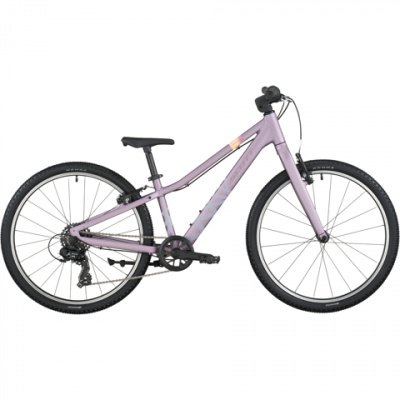
For the Scott Contessa kids range, the focus is on fit and finish tailored to girls - specific colourways, saddle shapes, and ergonomic touchpoints that aren't just a pink respray of the standard model. It's the same structural quality underneath, just dialled for a different rider profile.
Wheel size is where the fit conversation really starts. The 12-inch and 14-inch bikes are balance and early pedal territory - ideal for under-fives getting to grips with steering. The 16-inch wheel sits comfortably for most four-to-six-year-olds, the 20-inch wheel opens up trail access for the six-to-nine bracket, and from 24 inches upwards you're into bikes that can genuinely handle UK trail centre riding with some degree of seriousness. Always cross-reference wheel size with standover height and your child's inside leg - age brackets are a guide, not a guarantee. If you're looking at alternatives while you compare, Frog Bikes and Cube kids bikes are worth a look in the same segment.
The Tech Behind the Junior Range
Scott's Smart Junior Geometry is the detail that separates these bikes from supermarket fodder. Proportional reach means a smaller rider isn't overreaching to the bars, which keeps handling predictable rather than twitchy. Standover height is kept genuinely low so a child can get a foot down quickly without drama - critical for building confidence on unfamiliar ground. It sounds simple, but plenty of junior bikes get this badly wrong.
Crank length and Q-factor are less visible but equally important. Too wide a Q-factor - the lateral distance between the pedals - puts a child's knees in an awkward tracking position, which creates fatigue and, over time, discomfort. Scott's Syncros youth-specific touchpoints (saddles, grips, pedals) are sized to match the geometry rather than adapted from adult stock. Narrower grips mean smaller hands can actually operate the brakes properly. A correctly sized saddle means a kid sits in the right position rather than perching on the nose.
The rigid fork vs suspension fork debate is worth settling early. Rigid forks, as found on the Roxter range, are lighter, require zero maintenance, and suit younger riders who aren't generating enough speed for suspension to activate meaningfully anyway. The plus-size Kenda Booster tyres compensate with volume and compliance. On larger Scale models, a suspension fork starts to make practical sense once a child is riding technical enough ground to use it properly - but it adds weight and servicing requirements. For most kids under ten, rigid plus good rubber is the more sensible package.
Don't overlook the complete kit when setting a child up. Scott kids helmets and Scott kids clothing are worth pairing with the bike to keep sizing and protection consistent - and stabilisers are available for the earliest stages if needed.
Living with a Scott Kids Bike Through a British Winter
UK riding conditions are a proper test for any junior bike. The Roxter's plus-size Kenda Booster tyres handle muddy woodland trails well - the volume clears gloop rather than packing up, and the footprint keeps a younger rider upright on wet roots where a narrower tyre would slip away. British winters don't give much quarter, and the Roxter's wider contact patch is genuinely useful rather than just a marketing angle.
Braking is where the Scott Roxter vs Scale comparison gets practical. Smaller wheel sizes typically run V-brakes, which are light and easy to set up but need reasonably dry rims to perform. In persistent rain or heavy mud - standard Pennine or Forest of Dean conditions from October through March - V-brake performance drops off. The step up to disc brakes on 24-inch and larger models makes a real difference in those conditions; stopping power stays consistent regardless of what's caked on the wheel. Keep the rotors clean and swap brake pads before they're completely spent, and they'll see out a full winter without drama.
One thing UK parents often overlook: premium kids' bikes like Scott hold their resale value well in the secondhand market, provided the frame is looked after. A bit of Scott frame protection applied early - particularly around the chainstay and down tube where contact points take the most abuse - keeps the frame in sellable condition when your child outgrows it. At the price point these bikes sit, that matters. The wider Scott mountain bike range is also worth knowing about if you're thinking ahead to an adult bike down the line - you can see the full Scott mountain bikes range at Bikesy.
One practical note on lightweight kids mountain bikes UK-wide: Scott's alloy frames are competitive on weight, but always lift the bike before you buy. A child should be able to pick their own bike up off the floor. If they can't manage that, trail confidence takes a hit before they've even started.
Related searches:
Scott Kids Bikes FAQs
What age is a 20-inch Scott bike for?
A 20-inch Scott bike typically suits children aged five to eight, but height and inside leg measurement matter more than age. Check the standover height against your child's inseam - they need to get a foot flat to the ground comfortably. Some tall six-year-olds will fit a 20-inch; some smaller eight-year-olds won't.
Are Scott kids bikes lightweight?
Yes, Scott uses lightweight alloy frames and size-appropriate Syncros components throughout the junior range to keep weights manageable. That said, always lift the specific model before buying - suspension forks and disc brakes on larger sizes add some grams. A child should be able to pick their own bike up unaided; if they can't, it'll knock their confidence on the trail.
What is the difference between Scott Scale and Roxter kids bikes?
The Scott Scale is cross-country focused - lighter build, traditional tyre widths, and suspension forks on the bigger sizes for trail capability. The Scott Roxter runs a rigid fork paired with wider plus-size Kenda Booster tyres, which provide natural cushioning and grip without the added weight or maintenance of suspension. Roxter suits younger riders and muddier, looser conditions; Scale suits kids who want to push the pace on harder-packed routes.