
Cube Mountain Bikes
Cube mountain bikes sit in an interesting place in the UK market - German-engineered frames, genuinely progressive geometry, and component specs that regularly make rivals at the same price look underdressed. Whether you're planning a muddy winter blast around the Tweed Valley or clipping into pedals for a fast XC loop on the South Downs, there's a Cube that fits the brief without asking you to compromise.
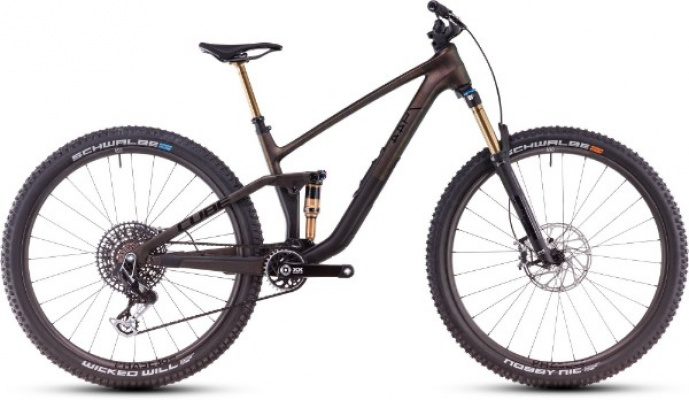
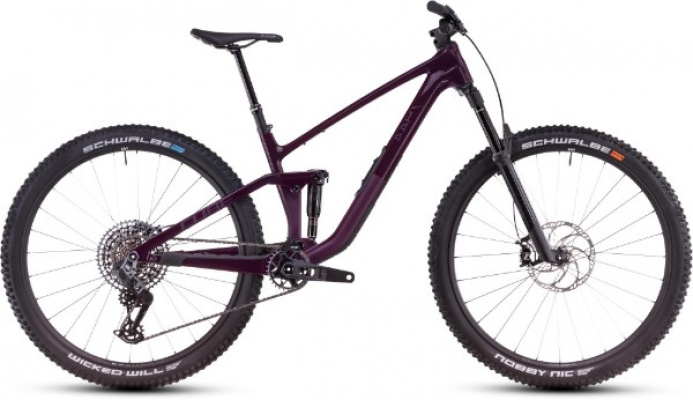
The range runs from the Reaction hardtail - a lean, efficient cross-country machine - through to the full-suspension Stereo family, which covers everything from downcountry nipping to proper enduro abuse. Cube's Agile Ride Geometry (ARG) runs through the whole lineup, keeping handling sharp without making the bike feel twitchy on longer days in the saddle. Frames come in either High Performance Aluminium (HPA) or Cube's own carbon layups, depending on how deep your pockets go.
Not after a purely human-powered ride? Our Cube E-Bikes page has the motor-assisted options covered. Shopping for younger riders? Head to Cube Kids Bikes instead.
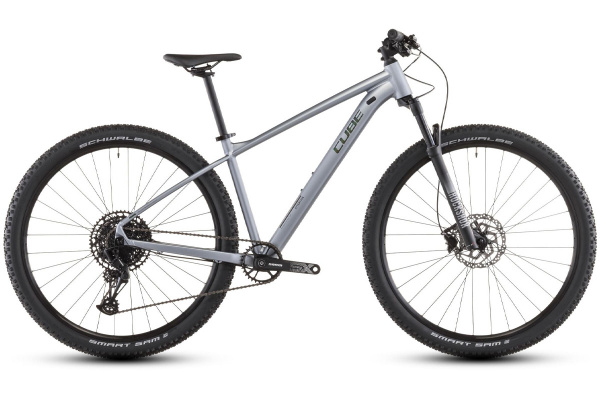
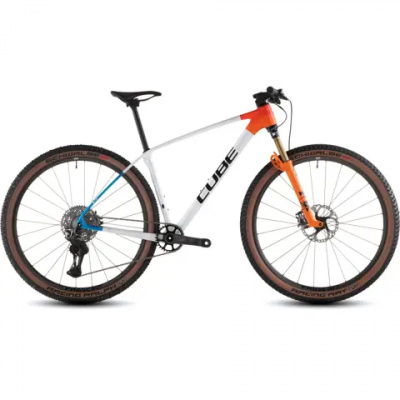
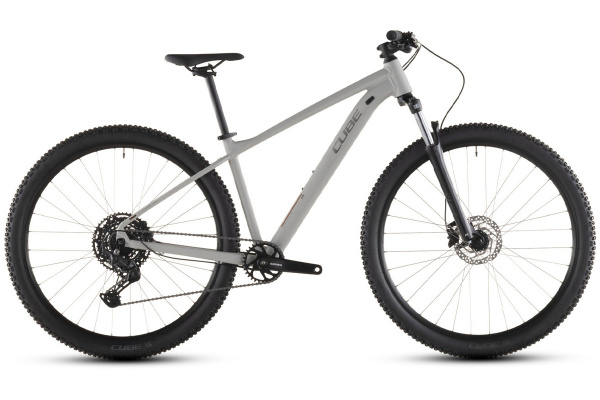
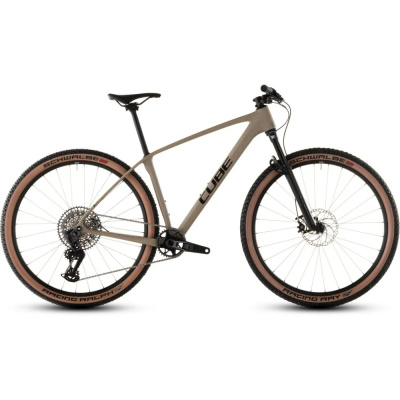
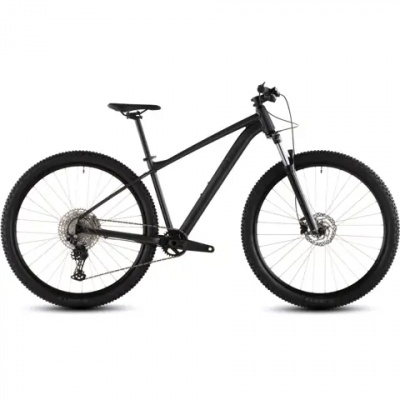
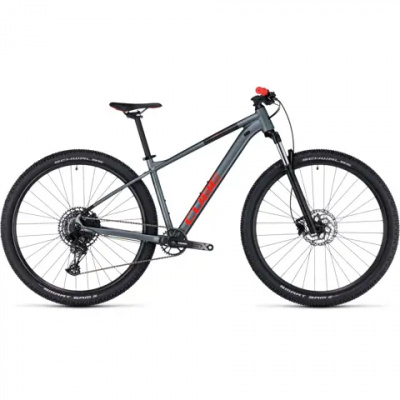
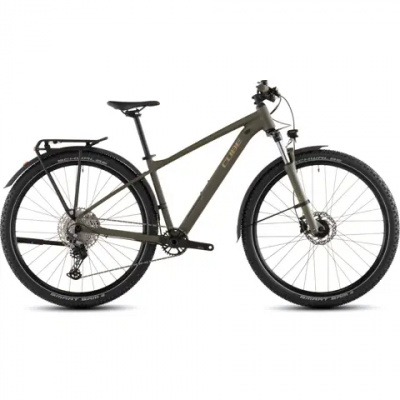
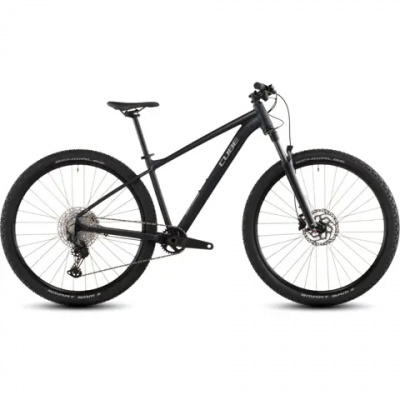
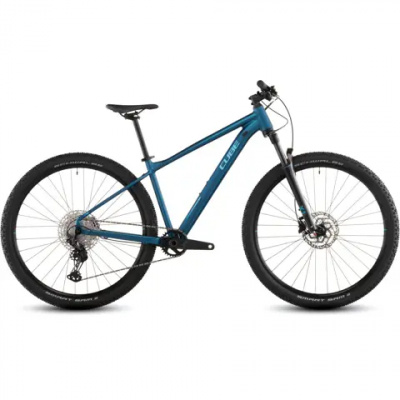
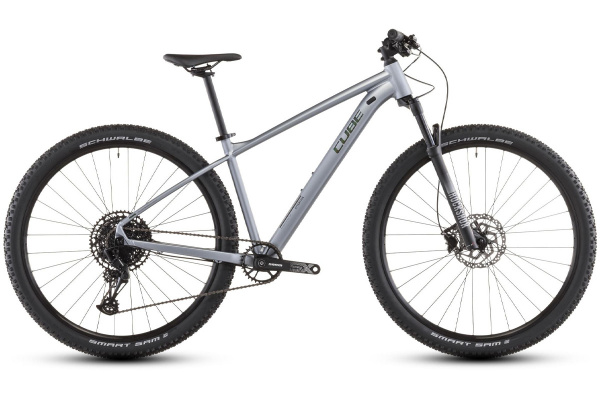
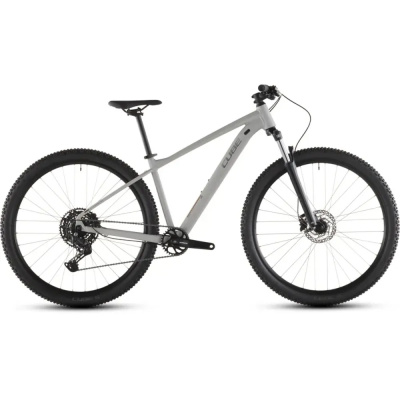
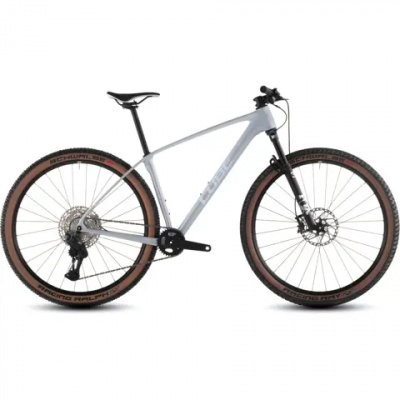
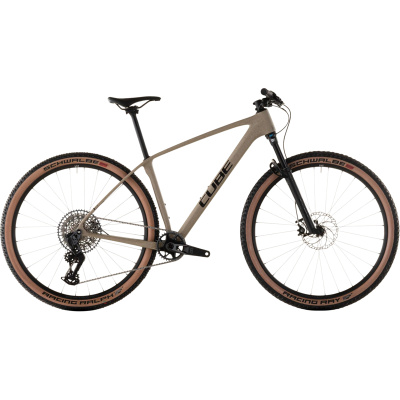
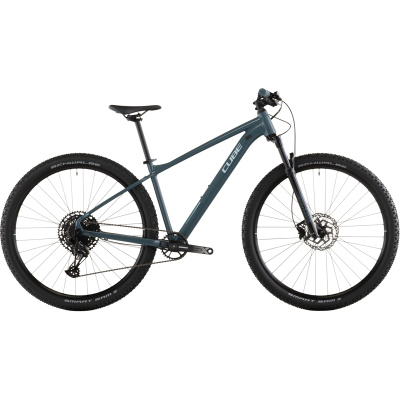
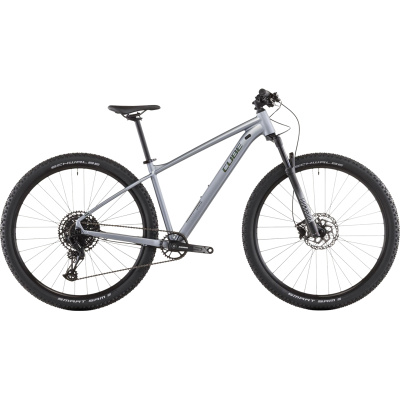
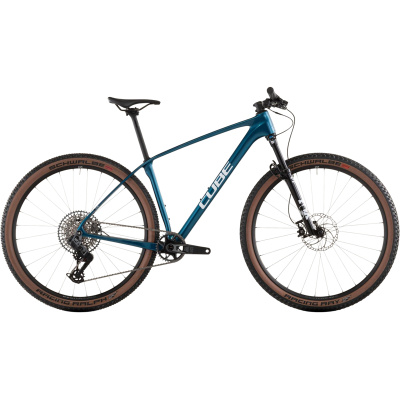
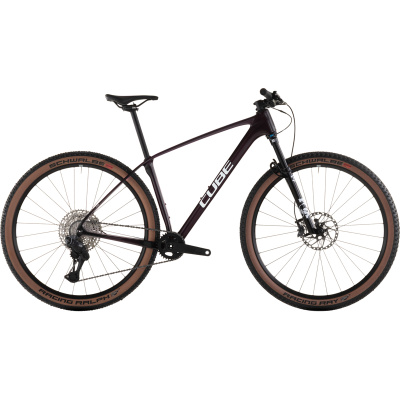
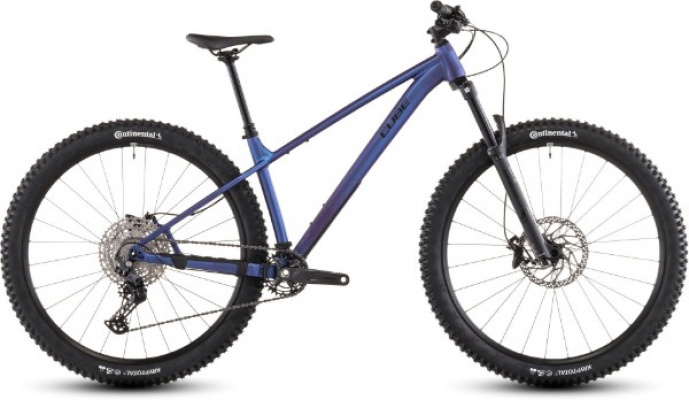
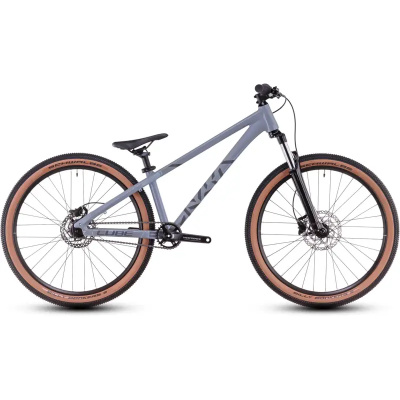
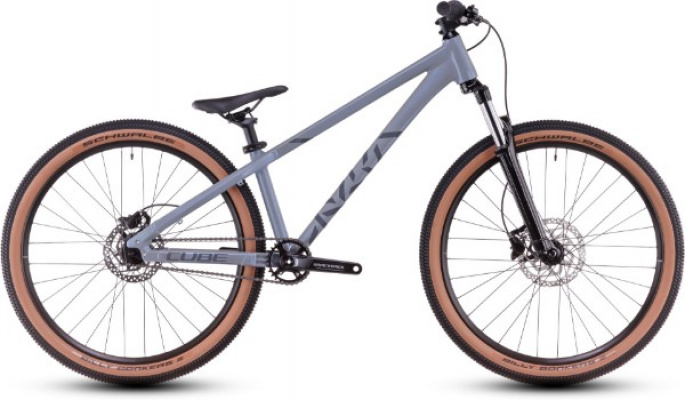
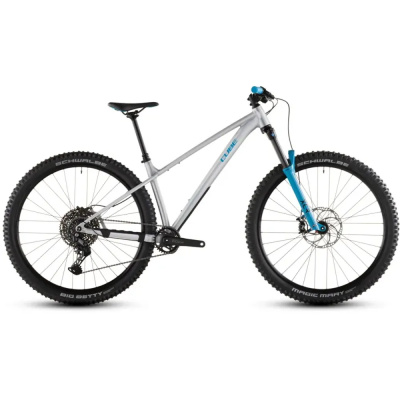
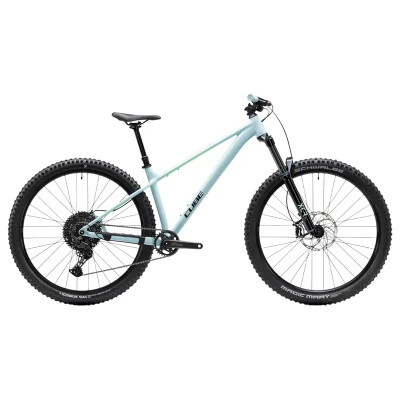
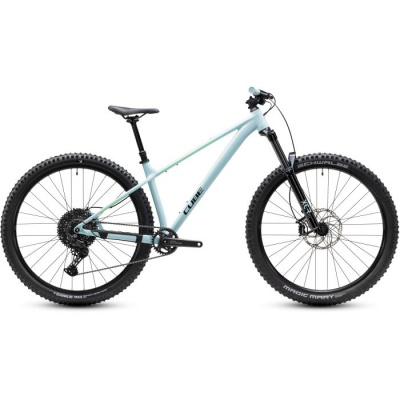
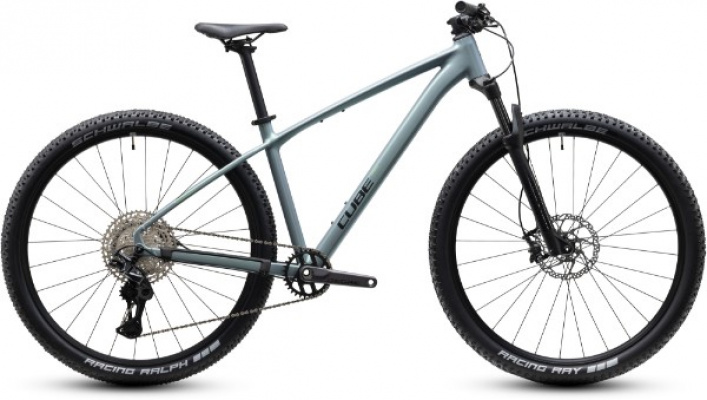
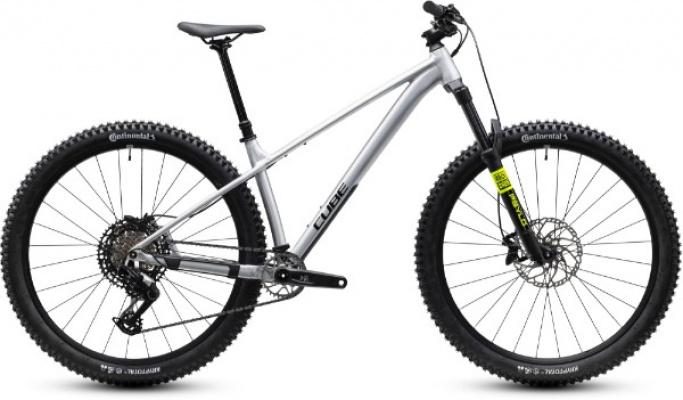
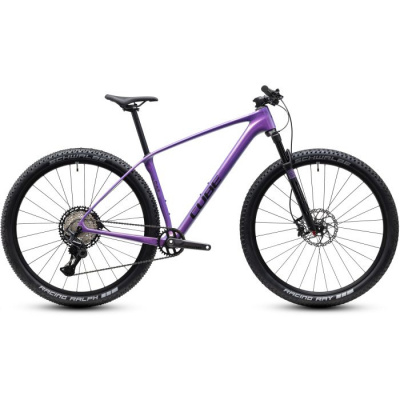
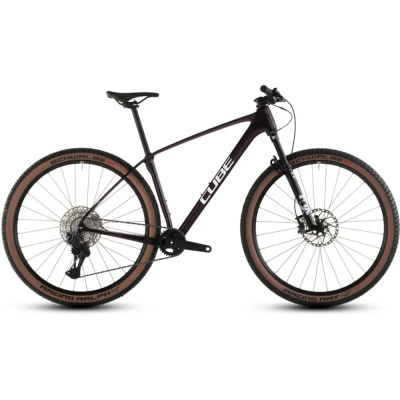
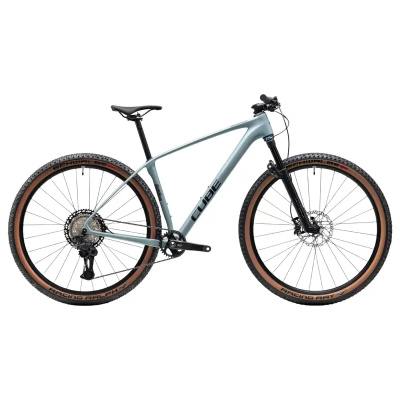
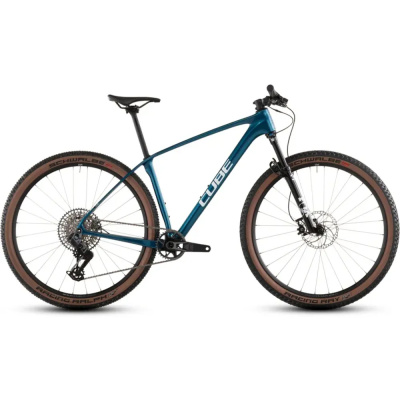
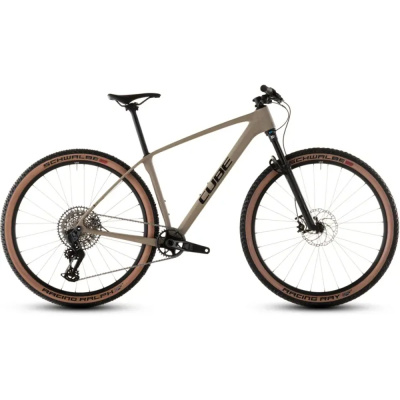
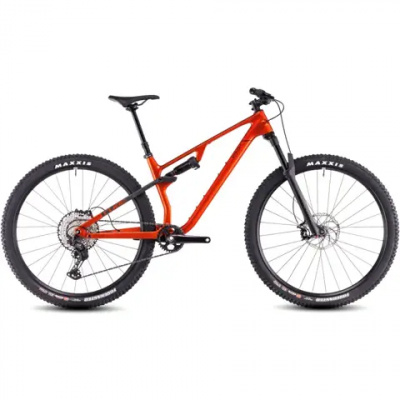
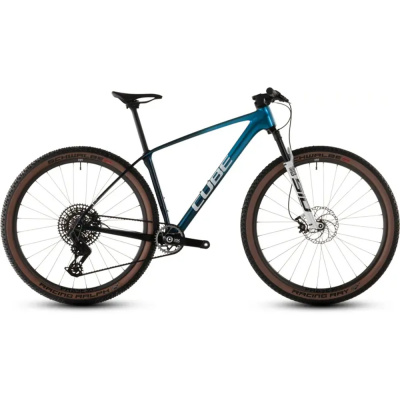
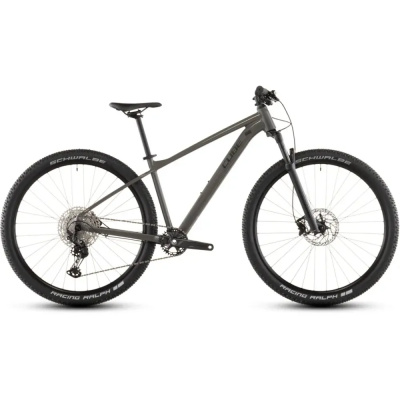
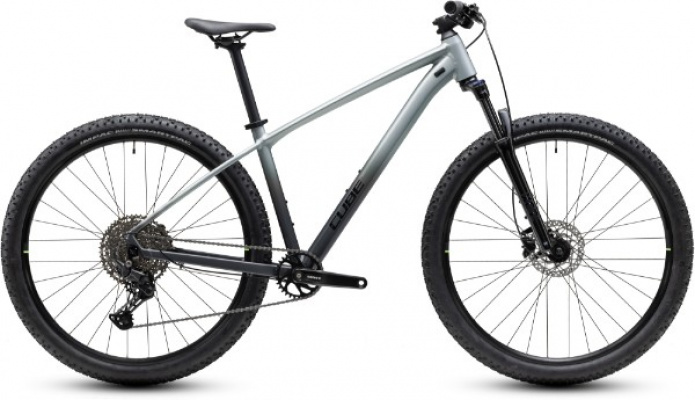
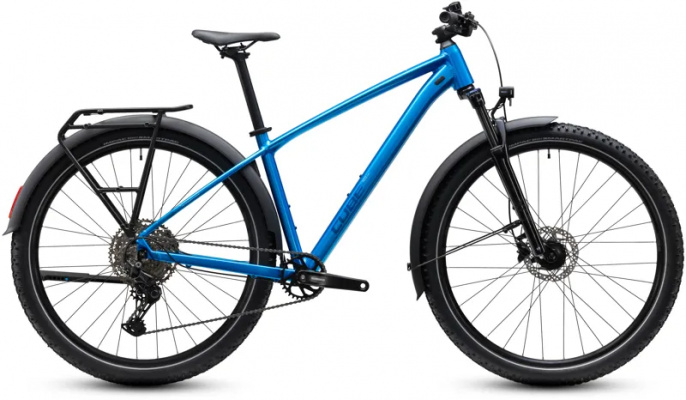
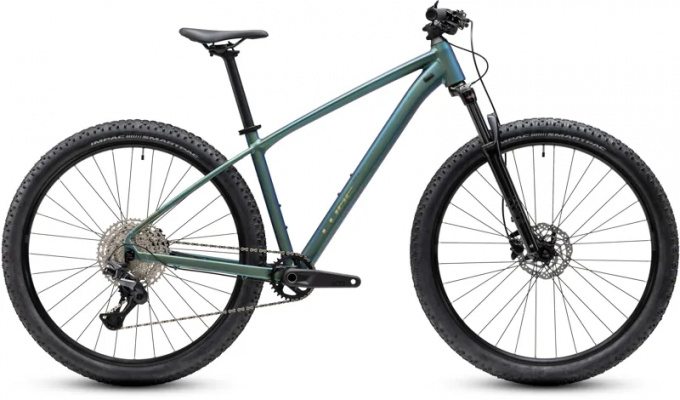
Prices and availability can change quickly. Delivery charges are not always included in listed prices.
Final price, stock status and delivery terms are set by retailer. We may receive a commission on purchases made.
Decoding the Cube Mountain Bike Lineup
Cube's naming logic is more straightforward than most once you know the code. The Stereo family is where all the full-suspension action happens, and the number after it tells you the travel - so the Stereo ONE22 is a 120mm downcountry bike, the Stereo ONE44 sits in trail territory at 140mm, the Stereo ONE55 pushes into aggressive trail and light enduro use, and the Stereo ONE77 is the full 170mm enduro weapon. Think of the numbers as a rough map of how gnarly your riding actually is.
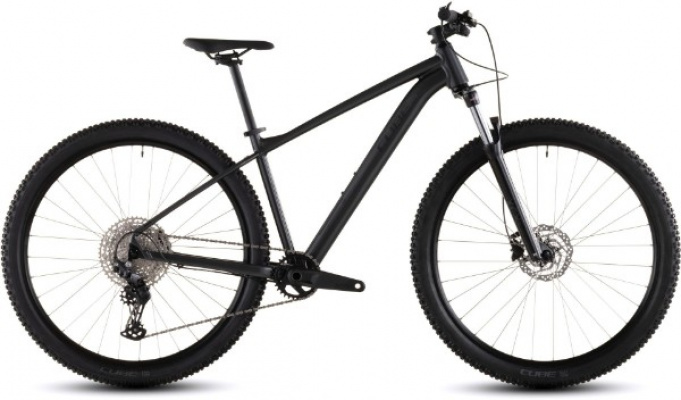
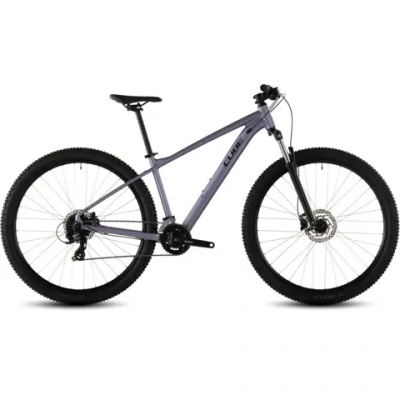
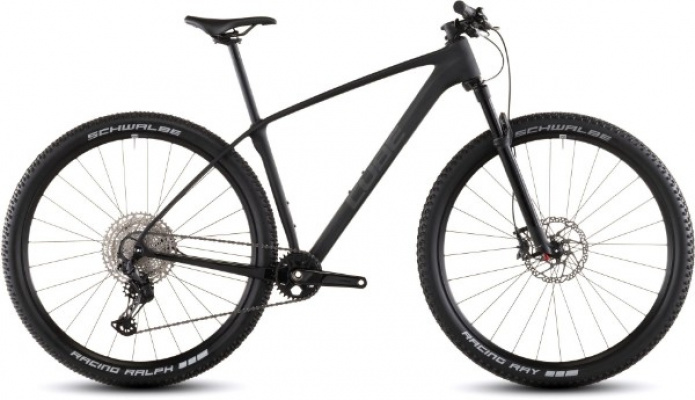
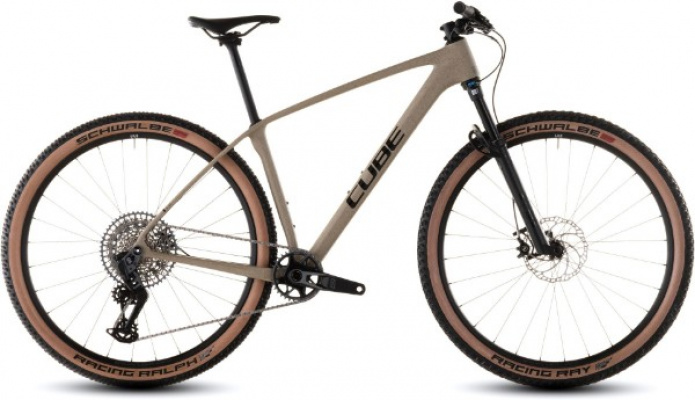
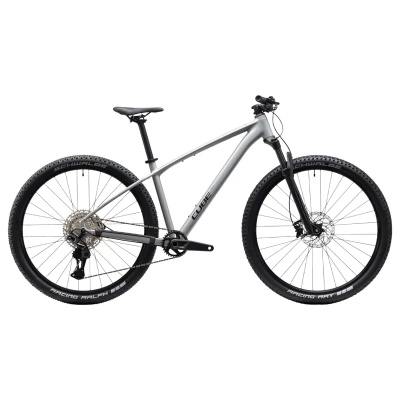
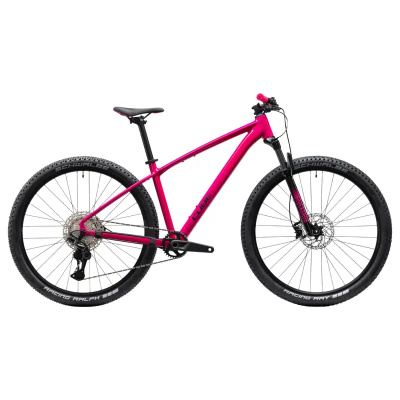
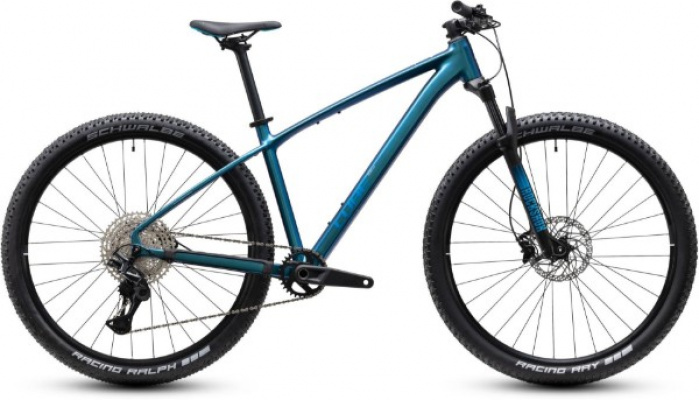
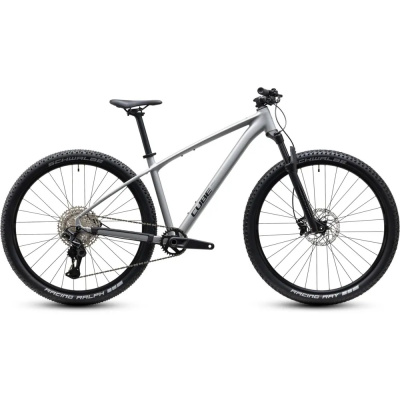
On the hardtail side, the Reaction is Cube's XC and fast-trail machine - stiff, light, and built around pedalling efficiency on long fire road climbs or tight XC loops. The Aim and Analog sit below it as more relaxed, entry-level options for riders who want something solid for weekend trail centres without the racing-focused geometry. Good starting points if you're getting back into riding or buying a second bike for a partner.
Trim levels follow a clear ladder. Pro spec is the entry enthusiast tier - sensible componentry, nothing fancy, but decent enough to get stuck in. Race is the mid-range workhorse where most riders will find the spec-to-cost balance tips in their favour. SLX mixes high-end alloy or carbon frames with quality groupsets, and TM (Trail Motion) adds beefier rubber and sturdier suspension setup for riders who want an out-of-the-box aggressive build rather than needing to swap tyres on day one.
What Makes a Cube Feel Like a Cube
The tech underneath the paint is worth understanding before you buy. Cube's FSP 4-Link (Four Spoke Pivot) suspension is a true four-bar linkage design, and the key thing it does differently is stay active under hard braking. On steep, rooty descents - the sort of thing you encounter constantly in the Tweed Valley or on the steeper lines in Afan - a lot of cheaper suspension designs lock up or go into a dive as you grab a fistful of brake. The FSP 4-Link keeps working through all of that, which means the rear wheel tracks the ground rather than skipping over it.
Carbon frames come in two flavours. C:62 means the layup is 62% carbon fibre to 38% resin - that ratio gives you a frame that's genuinely light and stiff, but also more forgiving of the occasional rock strike than ultra-premium carbon that's been chased purely for weight. C:68X pushes that further, delivering a stiffer, lighter result that you'd notice on long climbs or in a race context, though it comes at a cost. For most trail riders, C:62 is the more sensible call - it's not a consolation prize.
Agile Ride Geometry (ARG) is Cube's frame design philosophy, and it centres on keeping the rider's centre of gravity low while maintaining snappy steering on tighter singletrack. In practice, it means the bikes don't feel wallowy or slow to respond on switchbacks, which matters a lot on UK trails that rarely give you space to build momentum. The High Performance Aluminium (HPA) hydroformed frames use shaped tubing to get stiffness where it's needed without piling on weight - the result is an alloy frame that doesn't feel like a compromise next to the carbon options.
If you're also drawn to drop-bar dirt riding, the Cube gravel range shares some of the same frame engineering thinking, which is worth knowing if you're split between disciplines.
Owning a Cube on UK Trails - What to Expect
Sizing is the first thing worth flagging. Cube's older frames ran on the shorter side for reach compared to brands like Cannondale or Giant at equivalent sizes - comfortable enough for all-day riding, but not the stretched-out enduro position some riders prefer. The newer Stereo ONE44 and ONE55 have addressed this with more modern numbers, so if you're comparing a recent model against an older spec sheet, they're not the same bike. If in doubt, size up and run a shorter stem rather than fighting a cramped cockpit.
British winters are hard on pivot bearings. After a gritty Peak District season - the kind of riding where gritstone dust works into everything - check your FSP pivot bearings before they become an expensive problem. It's a ten-minute job with the right tools and far cheaper than a full bearing service at a shop. Mud clearance on the HPA alloy frames is genuinely good; the rear triangle on the 29er models handles Welsh winter conditions without the wheel packing up, which isn't something you can say about every frame in this category.
Keep a shock pump in the car boot - Cube's recommended pressures are a starting point, not gospel, and getting the sag dialled for your weight makes a bigger difference to how the FSP 4-Link behaves than most riders expect. A decent mudguard on the fork leg will also save your lower legs on the longer wet rides, and swapping to fresh grips at the start of the season costs almost nothing but changes the feel of the whole cockpit.
Trail-centre riders won't need to swap much on the TM-spec bikes straight away, but if you buy a Race or Pro trim and find the stock rubber a bit thin for your local trails, a tyre change is the single highest-return upgrade you can make - the frame and suspension will do their job properly once the rubber underneath them is up to it.
Cube Mountain Bikes FAQs
Are Cube mountain bikes any good?
Cube consistently puts strong components on well-engineered frames at prices that make the competition look ropey. They're a genuine choice for UK riders at every level, not just a budget fallback - the FSP suspension design and ARG geometry hold up against brands charging significantly more.
What is the difference between Cube Stereo and Reaction?
The Stereo is Cube's full-suspension platform, available in travel options from 120mm to 170mm depending on how aggressive your riding is. The Reaction is a hardtail built around pedalling efficiency and cross-country speed - less plush over rough ground, but lighter and sharper when you're pushing the pace on climbs.
What does C:62 mean on a Cube bike?
It refers to Cube's carbon layup specification - 62% carbon fibre to 38% resin. That ratio produces a frame that's light and stiff while remaining durable enough to handle trail impacts without being fragile. The higher-grade C:68X pushes further toward weight reduction and stiffness for riders where those margins matter.