
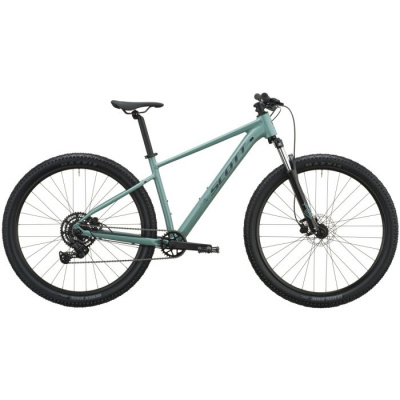
Scott Contrail 30
Trail-confident geometry meets reliable components for proper mountain bike adventures without the complexity.
- Trail-inspired geometry for confident descending and climbing
- Shimano CUES 1x9 drivetrain with 11-46T range
- Tektro hydraulic disc brakes for reliable stopping
- Suntour XCE28 fork with 100mm travel
- Maxxis Rekon Race 2.4" tyres for versatile grip
- Internal cable routing keeps things tidy
Scott Contrail 30 Deals
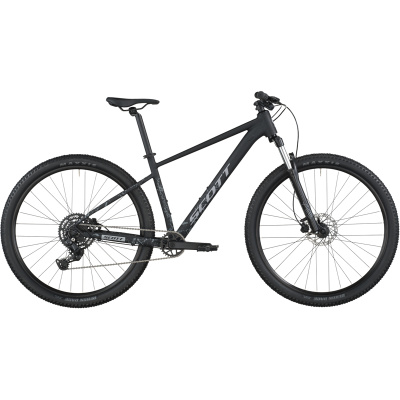
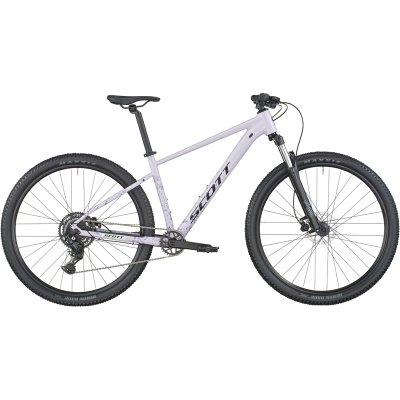
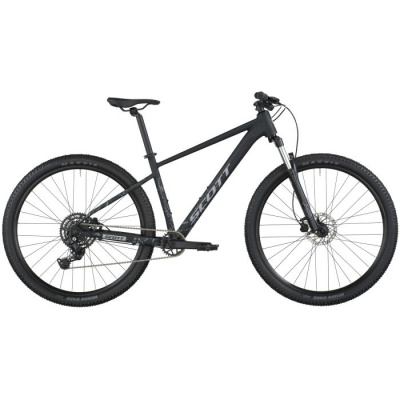
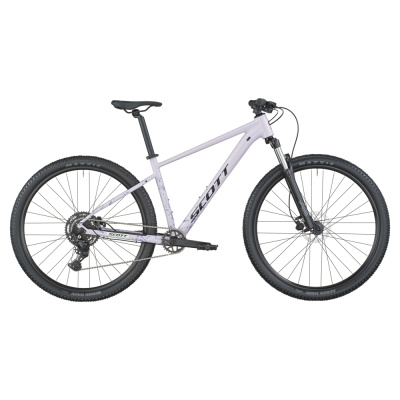
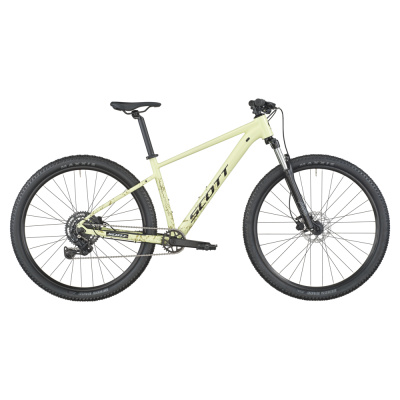
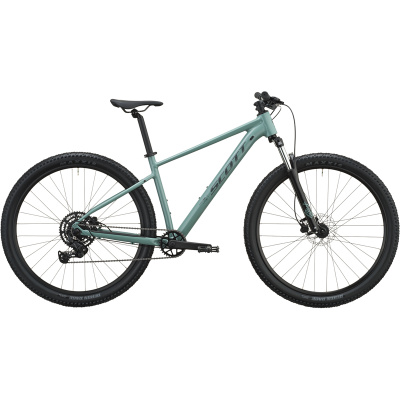
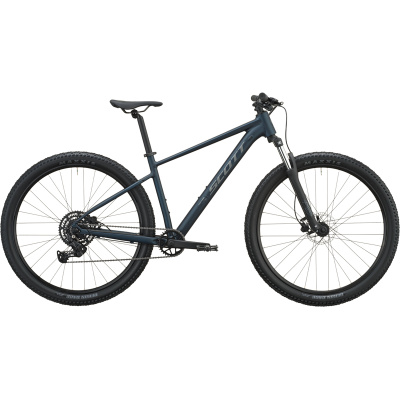
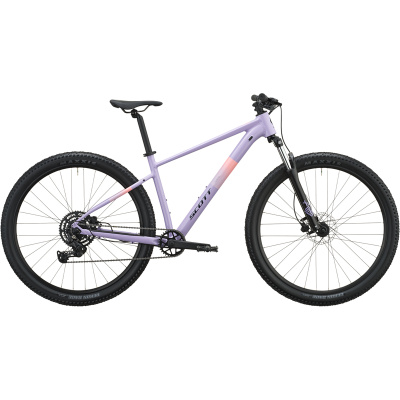
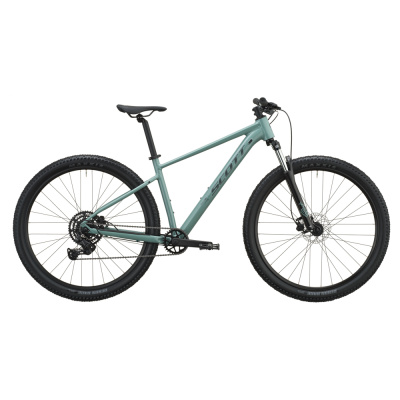
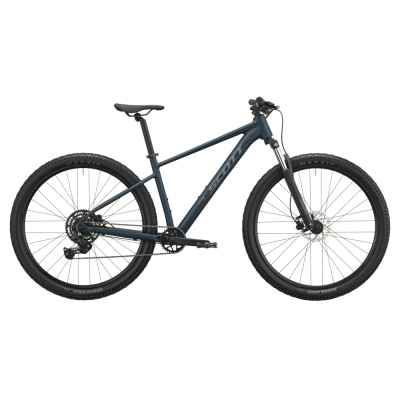
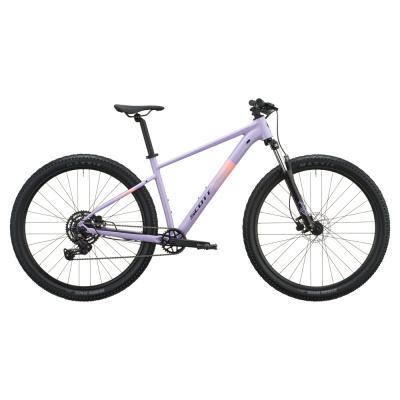

Prices and availability can change quickly. Delivery charges are not always included in listed prices.
Final price, stock status and delivery terms are set by retailer. We may receive a commission on purchases made.
Bikesy's Verdict
The Scott Contrail 30 nails the brief for confident trail exploration without breaking the bank. This is what happens when a major manufacturer applies proper mountain bike geometry to an accessible hardtail - you get a bike that feels bigger than its travel numbers and more capable than its price point suggests.
The trail-inspired geometry is the real star here, transforming what could have been another generic entry-level bike into something that actually works on modern singletrack. Combined with reliable Shimano shifting and consistent hydraulic braking, it's a package that'll serve riders well from their first tentative trail rides through to proper mountain bike adventures.
Pros
- Trail-inspired geometry builds confidence on technical terrain
- Reliable Shimano CUES drivetrain with wide gear range
- Tektro hydraulic disc brakes work consistently in all conditions
- Versatile for cross-country and light trail riding
- Internal cable routing keeps things tidy
Cons
- Basic coil fork if you develop a taste for more demanding riding
- QR rear axle less stiff than modern thru-axle standards
- Moderate weight when chasing personal bests on climbs
About the Scott Contrail 30
The Scott Contrail 30 sits squarely in that sweet spot where proper mountain bike capability meets everyday accessibility. Built around Scott's trail-inspired geometry philosophy, this hardtail delivers the confidence-boosting stance of longer, slacker bikes without sacrificing the pedalling efficiency that makes hardtails so appealing for covering ground quickly.
What sets the Contrail apart from generic entry-level offerings is its thoughtful approach to modern mountain biking. You're getting geometry that actually works on today's trails - not some leftover cross-country race position that leaves you wrestling the front wheel on anything steeper than a fire road. The alloy frame uses Scott's custom-butted tubing for a blend of durability and reasonable weight, while internal cable routing keeps things looking clean and protects your gear cables from trail debris.
This isn't a bike that's trying to be everything to everyone, and that focus shows. It's designed for riders who want to explore proper singletrack without needing a second mortgage, yet still demand components that'll work reliably when the going gets interesting.
Scott Contrail 30 geometry
The trail-inspired geometry is where the Contrail 30 really earns its keep. Scott has borrowed lessons from their longer-travel bikes to create a riding position that feels stable and planted rather than twitchy and nervous. The slacker head angle (compared to traditional XC hardtails) means the front wheel tracks more predictably through rough sections and over roots, while the longer reach puts you in a more centred position over the bike.
This translates to a hardtail that doesn't punish you for pointing it down something steep. You'll find yourself carrying more speed through technical sections because the bike feels composed rather than skittish. The climbing position remains efficient - you're not fighting an overly slack seat angle that dumps weight onto your hands - but there's enough length in the cockpit to prevent that cramped, over-the-bars feeling when the trail tilts upward.
The result is a bike that feels bigger than its travel numbers suggest. While you're still on a 100mm hardtail, the geometry gives you the confidence to tackle terrain that might have felt intimidating on more traditional designs.
Component choices & upgrades
The stock build on the Contrail 30 is well-judged for its intended role. The Shimano CUES 1x9 drivetrain offers the simplicity that makes hardtails so appealing - no front derailleur to fuss with, just clean shifting across a sensible 11-46T range that covers everything from steep climbs to flowing descents. The Tektro hydraulic disc brakes provide consistent stopping power that works in all weather, while those Maxxis Rekon Race tyres strike a nice balance between rolling speed and trail grip.
The Suntour XCE28 fork is honest about what it is - a basic coil unit that does the job without pretension. For most riders exploring local trails and building skills, it provides adequate bump absorption and steering precision. If you find yourself pushing harder or tackling more demanding terrain regularly, an air fork upgrade would transform the bike's front-end feel and adjustability.
Similarly, while the QR rear axle and basic wheelset are perfectly functional, riders who develop a taste for more aggressive riding might eventually appreciate the stiffness benefits of a thru-axle setup and lighter wheels. But these are future considerations - the stock build will serve most riders well for years of trail exploration.
Where the Scott Contrail 30 excels
This bike absolutely nails the brief for confident trail exploration and skill development. The geometry gives new riders the stability to tackle features they might shy away from on more traditional hardtails, while the component spec is reliable enough to handle regular abuse without constant maintenance.
It's particularly strong as a do-everything bike for riders who want one machine for local trails, weekend adventures, and the occasional longer ride. The efficient hardtail platform means you can cover ground quickly on fire roads and smoother singletrack, while the trail geometry keeps things manageable when the terrain gets interesting.
The Contrail 30 also works brilliantly for riders transitioning from hybrid or entry-level bikes who want proper mountain bike capability without the complexity of full suspension. It's forgiving enough to build confidence but capable enough that you won't outgrow it quickly.
Where it's less ideal is for riders who know they want to focus on technical descending or all-day epic adventures. The basic fork and moderate travel mean it's not the tool for charging down rock gardens, while the weight and geometry aren't optimised for racing or ultra-long distances.
Scott Contrail 30 FAQs
What type of riding is the Scott Contrail 30 suitable for? The Contrail 30 excels at cross-country riding, trail exploration, and general mountain biking adventures. Its trail-inspired geometry makes it confident on singletrack descents while remaining efficient for climbing and covering distance.
What is the weight of the Scott Contrail 30? The complete bike weighs approximately 14.33kg without pedals. This is reasonable for an alloy hardtail at this spec level, though not particularly light by modern standards.
What are the main components on the Scott Contrail 30? Key components include a Shimano CUES 1x9 drivetrain with 11-46T cassette, Tektro hydraulic disc brakes, Suntour XCE28 100mm coil fork, and Maxxis Rekon Race 2.4" tyres on Alexrims wheels.
Is the Scott Contrail 30 a good beginner mountain bike? Yes, it's an excellent choice for beginners who want proper mountain bike capability. The stable geometry builds confidence while the reliable components require minimal maintenance. The 1x9 drivetrain is simple to operate and the hydraulic brakes work consistently in all conditions.
What is the fork travel on the Scott Contrail 30? The Suntour XCE28 fork provides 100mm of travel. While this is a basic coil fork, the travel amount is appropriate for cross-country and light trail riding.
What size tyres does the Scott Contrail 30 use? It comes fitted with Maxxis Rekon Race tyres in 2.4" width. These provide a good balance of rolling efficiency and trail grip for varied terrain.
What are the pros and cons of the Scott Contrail 30? Pros include modern trail geometry for confidence, reliable Shimano drivetrain, effective hydraulic brakes, and good versatility. Cons include the basic coil fork if you want more performance, older QR rear axle standard, and moderate weight for the category.
Key Features & Benefits
- Trail-inspired geometry: Stable, confident handling on descents while maintaining climbing efficiency
- Shimano CUES 1x9 drivetrain: Simple operation with wide 11-46T gear range for varied terrain
- Tektro hydraulic disc brakes: Consistent stopping power in all weather conditions
- 100mm Suntour XCE28 fork: Adequate bump absorption for trail comfort and control
- Maxxis Rekon Race 2.4" tyres: Versatile grip and rolling efficiency across different surfaces
Alternatives to Consider
Within Scott's range, the Contrail 20 offers a step up with an upgraded Suntour XCT30-HLO fork and potentially higher-tier components, while the Scale 965 provides a more race-focused geometry and lighter build for serious cross-country riding. The Scale 970 sits between them with modern XC race geometry but more accessible pricing.
Cross-brand alternatives include the Trek Marlin 7 with its similar trail-ready geometry and component spec, the Giant Talon 2 offering comparable capability with slightly different geometry emphasis, the Specialized Rockhopper Expert providing modern trail geometry with upgraded components, and the Vitus Nucleus 27 VR delivering excellent value with progressive geometry. The Marin Bobcat Trail 4 also competes directly with similar trail-inspired hardtail design and reliable component choices.
Reviews
Trail manners with proper mountain bike capability. Geometry that actually works on today's singletrack sets this apart from generic entry-level offerings, delivering stability where you need it without sacrificing pedalling efficiency. The Shimano CUES drivetrain shifts cleanly across its wide range, while those Tektro hydraulic brakes inspire confidence when the trail points downward.
Maxxis Rekon Race rubber strikes the right balance between rolling speed and trail grip, letting you carry momentum through varied terrain. When technical sections appear, the longer reach and calmer head angle keep things composed rather than nervous. The basic Suntour fork does its job without fuss, though it's clearly the component most likely to benefit from future upgrading.
Build quality feels solid throughout, with Scott's custom-butted alloy frame providing the right blend of durability and reasonable weight. Internal cable routing keeps things looking tidy while protecting gear cables from trail debris. We find the riding position hits that sweet spot between efficiency and control - you can pedal hard when needed but won't feel out of sorts when the trail gets interesting.
Full Specification
| Frame | Contrail Alloy 6061 Custom Butted Tubing |
| Frame Features | Internal cable routing, replaceable hanger |
| Fork | Suntour XCE28 |
| Fork Travel | 100mm |
| Drivetrain | 1x9 Speed |
| Shifters | Shimano CUES SL-U4000-9, 2-way release |
| Rear Derailleur | Shimano CUES RD-U4000-GS Shadow Type, 9 Speed |
| Crankset | Prowheel C10Y-NW Steel |
| Chainring | 30T |
| Bottom Bracket | Feimin FP.B908N, BB73, square taper |
| Cassette | Shimano CUES CS-LG400-9, 11-46T |
| Chain | KMC Xglide |
| Brakes | Hydraulic Disc Brakes |
| Brake Levers | Tektro HDM275 |
| Calipers | Tektro HDM275 |
| Rotors (Front) | 160mm |
| Rotors (Rear) | 160mm |
| Rims | Alexrims X-20 Disc 32H, black |
| Spokes | 14 G, stainless, black |
| Hubs (Front) | Formula DC-19 FQR Disc |
| Hubs (Rear) | Formula DC-25 8s RQR Disc |
| Axles (Rear) | QR Axle 5x135mm |
| Tyres (Front) | Maxxis Rekon Race, 2.4", DUAL, 60 TPI |
| Tyres (Rear) | Maxxis Rekon Race, 2.4", DUAL, 60 TPI |
| Handlebar | HL MTB-AL-312BT, 720mm, black, 12mm rise |
| Stem | HL TDS-C342-8FOV, 10°, 31.8, Black |
| Headset | Syncros OE Press Fit, 1 1/8", ZS56-62mm |
| Seatpost | HL SP C212, 31.6mm, 350mm, Black |
| Saddle | DDK Saddle |
| Weight (Approx) | 14.33 kg (31.59 lbs) without pedals |