
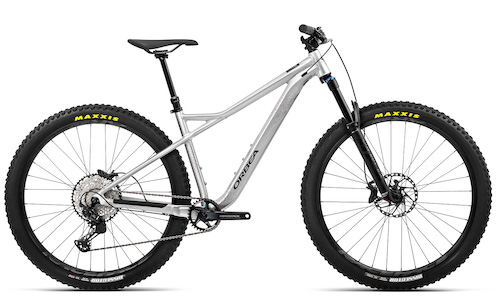
Orbea Laufey H-Ltd
Descend steep, rough trails with genuine confidence, climb efficiently, and ride all day without compromise.
- Fox 36 Float SL Performance fork: 140mm of trail-taming travel
- Slack 64.5° head angle for stable, confident descending
- Lockr downtube storage bay keeps tools and spares hidden
- Steep seat tube angle puts you over the pedals for climbing
- Clears 2.6" tyres for grip and comfort on rough ground
- Long-travel dropper posts fit every frame size
Orbea Laufey H-Ltd Deals
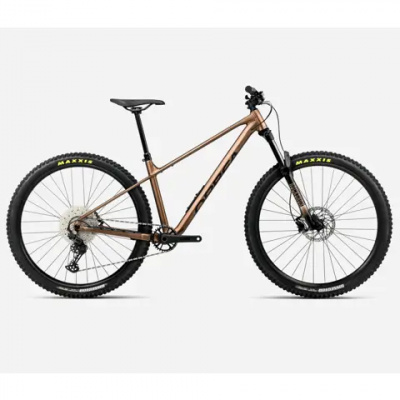
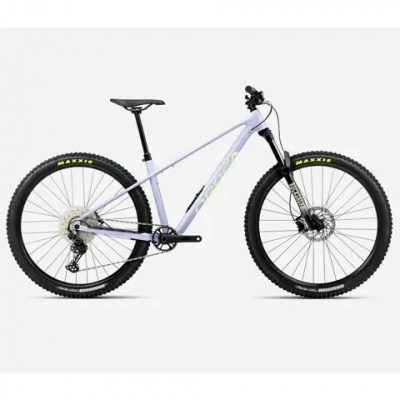
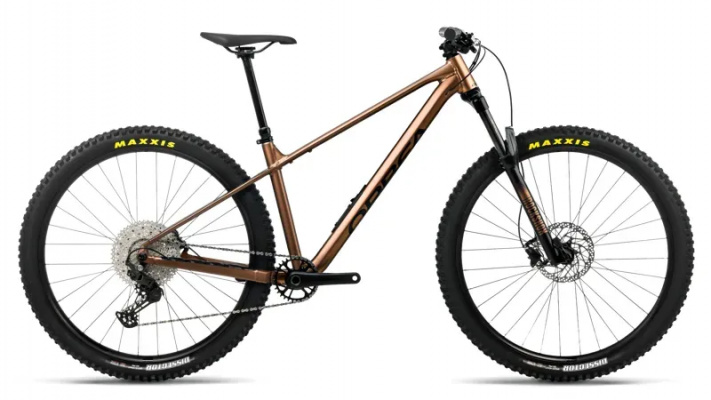
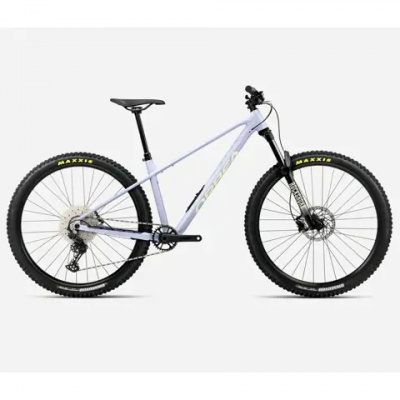
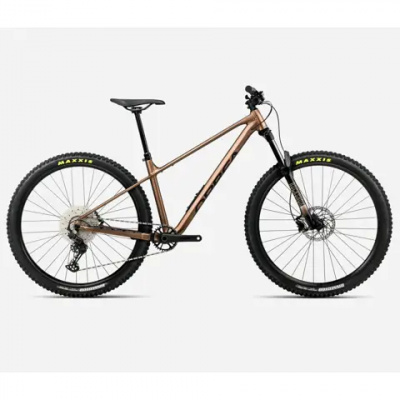
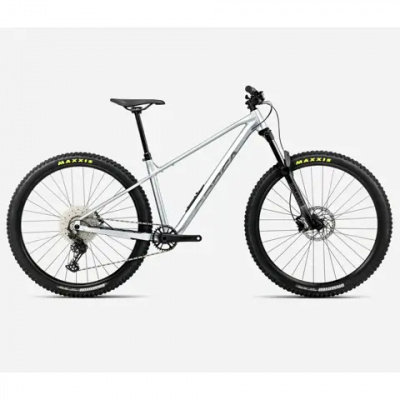
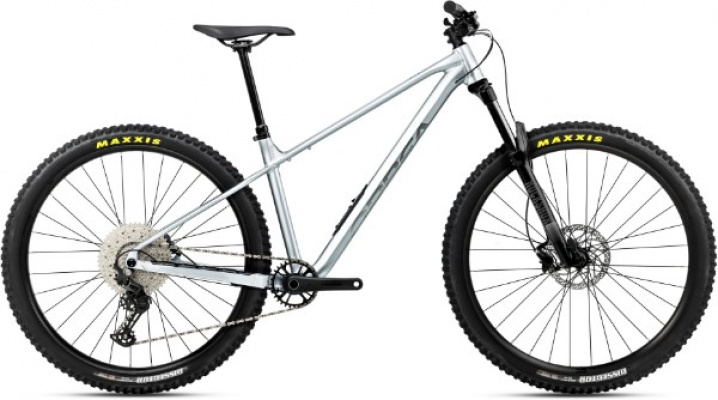
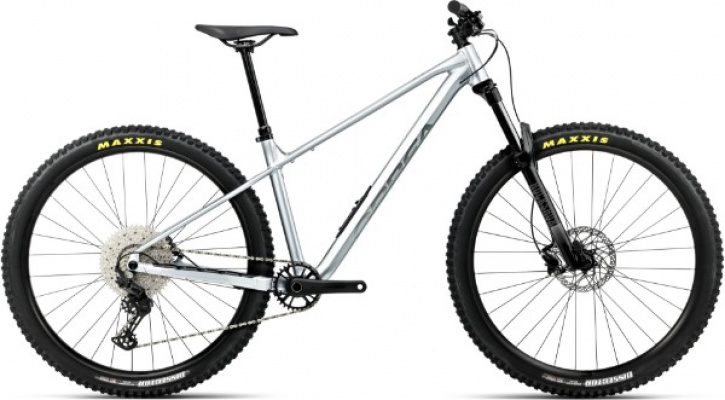
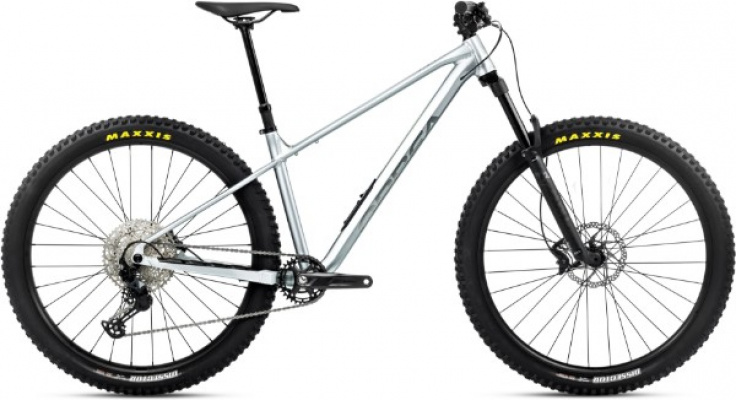
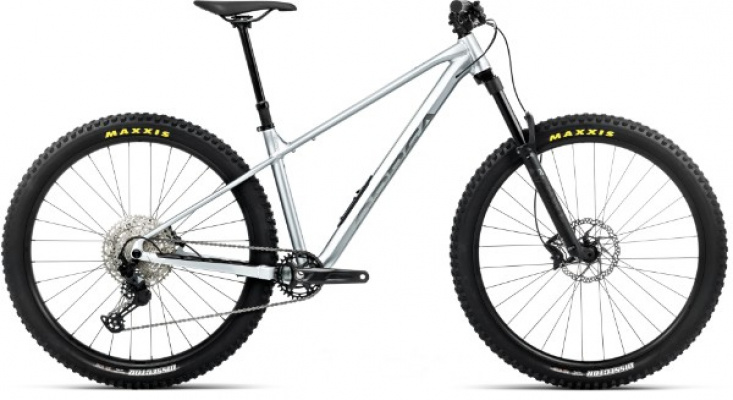
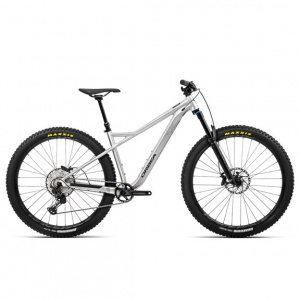
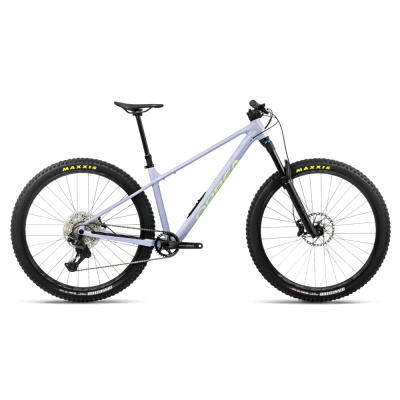
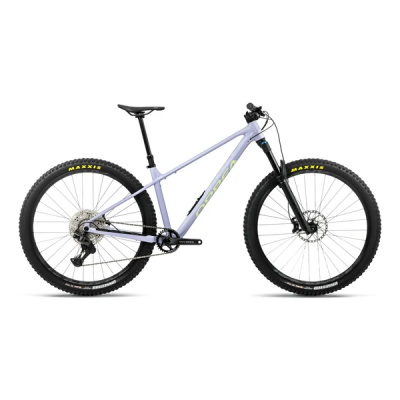
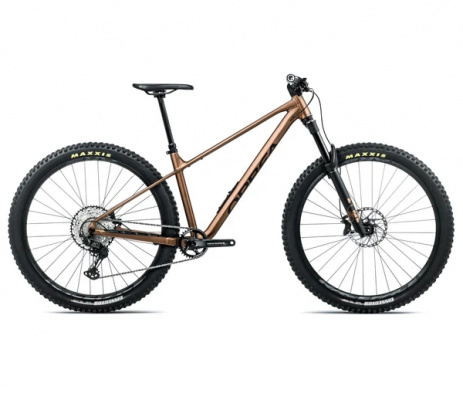
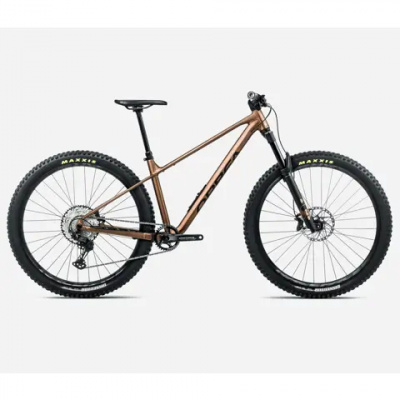
Prices and availability can change quickly. Delivery charges are not always included in listed prices.
Final price, stock status and delivery terms are set by retailer. We may receive a commission on purchases made.
Bikesy's Verdict
The Orbea Laufey H-LTD is a trail hardtail that doesn't apologise for what it is. It's built to descend with confidence, climb without complaint, and handle the rough, technical trails that make you grin when you're riding them and wince when you're walking them. The Fox 36 fork and slack geometry give you the platform to ride aggressively, while the steep seat angle and efficient frame design mean you're not suffering on the way back up.
It's not the lightest or the most playful hardtail out there, and the value proposition can feel a bit stretched compared to some competitors. But if you want a durable, capable machine that's ready to ride hard straight out of the box - and you appreciate thoughtful touches like internal storage and generous tyre clearance - the Laufey H-LTD is a compelling choice. It's a bike that rewards commitment and confidence, and it'll keep you smiling on the trails that matter most.
Pros
- Slack geometry and Fox 36 fork inspire confidence on steep, rough descents
- Steep seat angle and short chainstays make climbing efficient and manageable
- Lockr internal storage bay keeps tools and spares hidden and secure
- Clears 2.6" tyres for increased grip, comfort, and capability on varied terrain
- Durable hydroformed aluminium frame with long-travel dropper compatibility across all sizes
Cons
- Less playful or flickable than some competitors if you prioritise agility over stability
- Heavier than dedicated XC hardtails if you're chasing Strava times or racing
- Stock Maxxis Dissector tyres can be overwhelmed in very soft or muddy conditions; a grippier front tyre is worth considering for wet trails
About the Orbea Laufey H-LTD
Orbea's Laufey H-LTD lands squarely in the modern trail hardtail sweet spot, blending aggressive geometry with the simplicity and directness that only an aluminium frame without rear suspension can deliver. The hydroformed alloy chassis is shaped to balance stiffness where you need it - around the bottom bracket and head tube - with enough give in the rear triangle to take the sting out of repeated hits. It's a bike that doesn't apologise for being a hardtail; instead, it leans into the format's strengths: low weight, immediate power transfer, and a ride feel that keeps you connected to every root and rock beneath your tyres.
The H-LTD sits at the sharper end of the Laufey range, pairing that capable frame with a Fox 36 Float SL Performance fork - a step up from the Fox 34 you'll find on more budget-conscious builds - and a Shimano XT rear mech driving an SLX 12-speed cassette. Race Face AR 30c rims wear Maxxis Dissector rubber in a generous 2.6" width, and there's a dropper post with travel that scales sensibly across frame sizes. Orbea calls this the "Master of Fun," and while that's marketing speak, the intent is clear: this is a hardtail designed to be ridden hard, not just pedalled efficiently.
What sets the Laufey apart from the crowd of trail hardtails is its willingness to prioritise descending prowess without sacrificing all-day ridability. The geometry is slack enough to inspire confidence when the trail pitches down, yet the steep seat angle and relatively short chainstays mean you're not fighting the bike on the way back up. Add in thoughtful touches like the Lockr internal storage bay and clearance for proper trail rubber, and you've got a machine that's as practical as it is playful.
Orbea Laufey H-LTD geometry
The Laufey's geometry is where Orbea's trail hardtail philosophy comes into sharpest focus. That 64.5-degree head angle is slack enough to plant the front wheel with authority when the trail gets steep or loose, yet it's not so extreme that you're wrestling the bars through tight switchbacks or feeling vague at lower speeds. Paired with a 77-degree seat tube angle, the bike puts you in a powerful, forward-leaning position for climbing - your weight is over the bottom bracket, not behind it, so traction stays glued to the rear tyre even when the gradient ramps up.
Reach figures stretch from 427 mm in the small to 500 mm in the extra-large, giving taller riders the room to move without feeling cramped, while shorter riders aren't left perched over the front wheel. Stack grows proportionally, so the cockpit doesn't feel too low or too high regardless of size. The 440 mm chainstays are short enough to keep the bike feeling nimble and responsive - you can flick the rear end around tight corners or manual over obstacles - but they're not so stubby that the front wheel lifts off the ground every time you stomp on the pedals.
Bottom bracket drop is set at 65 mm, which translates to a relatively low centre of gravity. You'll feel planted and stable through rough sections, and the bike corners with a reassuring sense of weight distribution. The trade-off? You'll need to be mindful of pedal strikes on technical climbs or rocky traverses, though that's a compromise most trail riders accept in exchange for the handling benefits. Wheelbase stretches to over 1,240 mm in the large, long enough to smooth out high-speed chatter and inspire confidence on fast, open descents, yet the bike doesn't feel like a freight train when you need to change direction quickly.
Orbea's "Steep 'n' Deep" design philosophy ensures generous standover clearance across all sizes, so you can drop the saddle low and move freely behind it when the trail gets rowdy. The frame accommodates dropper posts with 125 mm of travel in the small, 150 mm in the medium, and 170 mm in the large and extra-large - enough to get properly low and centred when you're committed to a descent. It's a geometry package that doesn't try to be all things to all riders; instead, it's tuned for those who want a hardtail that descends like it means it, climbs without complaint, and handles the in-between bits with composure.
Component choices & upgrades
The H-LTD arrives with a well-considered spec that's already trail-ready. The Fox 36 Float SL Performance fork is a genuine upgrade over the Fox 34 you'll find on more affordable Laufey builds, offering stiffer lowers and more controlled damping when you're charging through rough sections. The Grip damper provides three-position compression adjustment - open for descending, a middle setting for general trail use, and firm for climbing or smooth fire roads - so you can tune the fork's character to match the terrain without stopping to fiddle with dials.
Shimano's XT rear mech and SLX shifter deliver crisp, reliable shifts across the 10-51t cassette, giving you a low enough gear for steep technical climbs and a tall enough ratio to keep the pedals turning on fast descents or flat sections. The Race Face Aeffect crankset with a 32t chainring is a sensible middle ground - small enough to spin up climbs, large enough to avoid that frantic, high-cadence feeling when you're moving quickly. Shimano M6120 brakes offer solid stopping power with good modulation, though the rotors are relatively modest in size; if you're a heavier rider or you're tackling long, steep descents regularly, upgrading to 200 mm rotors front and rear will give you more heat capacity and consistent bite.
The Race Face AR 30c rims are tubeless-ready and wide enough to support the 2.6" Maxxis Dissectors without the tyre profile squirming or folding under hard cornering. The Dissector is a capable all-rounder - fast-rolling enough for climbs, with enough side knob support for confident cornering - but it's not the grippiest option in soft, muddy conditions or loose, blown-out corners. If your local trails are wet or loamy, swapping to a Maxxis Assegai or DHR II on the front will give you more bite and predictability when you're leaning the bike over. The rear Dissector works well as a rear tyre, so you might leave that as is and just upgrade the front.
The OC Mountain Control cockpit - Orbea's own-brand bar, stem, and dropper post - is functional and well-made, though it's not flashy. The 800 mm bar width with 20 mm of rise suits most riders, but if you prefer a narrower or wider setup, swapping the bar is straightforward. The dropper post is reliable and offers good travel for the frame size, though if you're chasing the absolute smoothest action or the longest drop, an aftermarket post from OneUp, PNW, or Fox is an option. The Ergon saddle and grips are comfortable for most riders, but contact points are always personal - if you're not getting on with them after a few rides, don't hesitate to swap them out.
The key takeaway is that the stock build is already well-sorted for the majority of trail riders. Upgrades should be driven by your specific needs - more braking power, grippier tyres, or a different cockpit feel - rather than a sense that the stock kit is inadequate. This isn't a bike that demands immediate investment to make it trail-worthy; it's ready to ride hard straight out of the box.
Where the Orbea Laufey H-LTD excels
The Laufey H-LTD is at its absolute best when the trail points downwards and the terrain gets rough. That slack head angle and long wheelbase give you the stability and confidence to carry speed through rock gardens, rutted corners, and steep chutes - places where a steeper, more XC-oriented hardtail would have you gripping the bars and hoping for the best. The Fox 36 fork soaks up the big hits and tracks smoothly through the small stuff, and the low bottom bracket keeps your weight centred and planted. You'll find yourself riding sections you'd normally walk, not because the bike is doing the work for you, but because it's giving you the platform to commit.
It's also a surprisingly capable climber for a bike with this much descending prowess. The steep seat angle and relatively short chainstays mean you're not fighting a slack, stretched-out position when the gradient kicks up. You can stay seated and spin, or stand and power, without the front wheel wandering or lifting. The rigid rear end means every watt you put through the pedals goes straight into forward motion - there's no suspension bob or energy loss, just immediate, direct acceleration. It's not as light or as race-focused as a dedicated XC hardtail, but it's more than capable of handling long climbs and all-day rides without leaving you exhausted.
The Laufey also shines as a do-it-all trail bike for riders who want one machine that can handle varied terrain and riding styles. The Lockr internal storage is genuinely useful for carrying a spare tube, a multi-tool, and a few essentials without strapping a bag to your frame or wearing a pack. The tyre clearance means you can run wider, grippier rubber for technical trails, or swap to something faster-rolling for smoother routes. The durable aluminium frame and simple, reliable components mean it's a bike you can ride hard, crash occasionally, and maintain without specialist tools or a degree in suspension tuning.
Where it's less ideal is for riders who prioritise agility and playfulness above all else. The Laufey's geometry is stable and confidence-inspiring, but it's not the most flickable or nimble hardtail on the market. If you love whipping the bike around tight corners, manualling over every obstacle, or riding with a more dynamic, reactive style, you might find the Laufey feels a touch planted and deliberate. It's also not the lightest option out there - that aluminium frame and capable spec add up - so if you're chasing Strava times on long climbs or you're racing XC, there are faster, lighter machines available. And while the H-LTD spec is solid, the value proposition can feel a bit stretched compared to some competitors; you're paying for the Orbea name and the thoughtful design, but you might find similar performance for less money elsewhere.
Orbea Laufey H-LTD FAQs
What is the Orbea Laufey H-LTD best suited for?
The Laufey H-LTD is designed for all-around trail riding, with a particular emphasis on confident, capable descending. It handles technical climbs well thanks to its steep seat angle and efficient power transfer, but it truly excels when the trail gets rough and steep. If your rides mix long climbs with rowdy descents, and you want a hardtail that doesn't feel like a compromise on the way down, this is the bike for you.
How does the Orbea Laufey H-LTD compare to full-suspension trail bikes?
The Laufey offers a more direct, connected ride feel than a full-suspension bike - you'll feel every bump and root, which some riders love for the feedback and control it provides. It's lighter, simpler to maintain, and more efficient on climbs, but it won't absorb repeated hits or big drops with the same composure as a bike with rear suspension. If your trails are rough and technical, a full-suspension bike will be more forgiving; if you value simplicity, directness, and a playful ride feel, the Laufey is a compelling choice.
What is the tyre clearance on the Orbea Laufey H-LTD?
The frame clears tyres up to 2.6 inches wide, which is generous for a hardtail and allows you to run proper trail rubber with good volume and grip. That extra width adds comfort, traction, and confidence on rough terrain, and it gives you flexibility to experiment with different tyre choices depending on the conditions.
Is the Orbea Laufey H-LTD good for climbing?
Yes, the Laufey climbs well for a bike with this much descending capability. The steep 77-degree seat angle puts your weight over the bottom bracket, keeping traction on the rear tyre and making it easier to maintain a powerful, efficient pedalling position. The rigid rear end means no energy is lost to suspension bob, and the relatively short chainstays keep the bike feeling responsive and nimble on technical climbs. It's not a lightweight XC race machine, but it's more than capable of handling long, steep ascents without complaint.
What is the geometry of the Orbea Laufey H-LTD?
The Laufey features a slack 64.5-degree head angle for stable, confident descending, paired with a steep 77-degree seat angle for efficient climbing. Reach ranges from 427 mm in the small to 500 mm in the extra-large, and chainstays are a consistent 440 mm across all sizes. The bottom bracket drop is 65 mm, giving a low centre of gravity and planted feel, and the wheelbase stretches to over 1,240 mm in the large for high-speed stability. It's a geometry package tuned for aggressive trail riding, not XC racing.
What are the pros and cons of the Orbea Laufey H-LTD?
The Laufey's biggest strengths are its stable, confidence-inspiring geometry for descending, its durable and well-designed aluminium frame with internal storage, and its generous tyre clearance for increased grip and comfort. It's versatile enough to handle a wide range of trail riding, and it accommodates long-travel dropper posts across all sizes. On the downside, it can feel less playful or agile than some competitors if you prioritise flickability over stability, and the value for money can be a concern when compared to similarly specced bikes from other brands. The stock Maxxis Dissector tyres are capable all-rounders, but they might be overwhelmed in very soft or muddy conditions if you're riding aggressively.
How does the 2026 Orbea Laufey H-LTD differ from previous models?
The most notable change for the 2026 model is the upgrade to a Fox 36 Float SL Performance fork, replacing the Fox 34 Float Performance found on 2024 and 2025 builds. The Fox 36 offers stiffer lowers and more controlled damping, making it better suited to the Laufey's aggressive trail character. The overall frame design, geometry, and core component choices remain consistent with recent years, so if you're familiar with the 2024 or 2025 Laufey, the 2026 model will feel very similar - just with a more capable fork up front.
Key Features & Benefits
- Fox 36 Float SL Performance fork with 140 mm travel: Stiffer lowers and controlled damping give you confidence and control on rough, technical descents
- Slack 64.5° head angle and steep 77° seat angle: Stable and planted when descending, efficient and powerful when climbing - no compromise on either end
- Lockr internal downtube storage bay: Carry tools, spares, and essentials hidden inside the frame, no need for a pack or frame bag
- Clears up to 2.6" tyres: Run wider, grippier rubber for increased traction, comfort, and confidence on rough, technical trails
- Hydroformed triple-butted aluminium frame: Durable, stiff where it matters, and compliant enough to take the sting out of repeated hits - built to last
Orbea Laufey H-LTD 2025 and 2024 differences
The most significant change for the 2026 model is the upgrade to a Fox 36 Float SL Performance fork, replacing the Fox 34 Float Performance found on 2024 and 2025 builds. The Fox 36 offers stiffer lowers and more controlled damping, making it better suited to the Laufey's aggressive trail character and providing more confidence on rough, technical descents.
The overall frame design, geometry, and core component choices remain consistent across the 2024, 2025, and 2026 model years. The hydroformed aluminium frame, Lockr internal storage, and trail-focused geometry - 64.5-degree head angle, 77-degree seat angle, and 440 mm chainstays - are unchanged. Drivetrain components (Shimano XT rear mech, SLX shifter, 10-51t cassette) and brakes (Shimano M6120) are also carried over, as are the Race Face AR 30c rims and Maxxis Dissector tyres in 2.6" width.
If you're considering a 2024 or 2025 Laufey H-LTD, you'll get a very similar ride experience to the 2026 model, with the main difference being the Fox 34 fork instead of the Fox 36. The Fox 34 is still a capable trail fork, but the Fox 36 offers a noticeable step up in stiffness and control for aggressive riding. Frame geometry, component spec, and overall capability are otherwise identical, so earlier model years represent solid value if you can find them at a discount.
Alternatives to Consider
Within Orbea's own range, the Laufey H30 offers a more budget-conscious entry point with a similar frame and geometry but a less expensive fork and drivetrain - ideal if you're new to trail riding or you're not ready to invest in the H-LTD's higher-spec components. If you're drawn to the Laufey's trail-hardtail philosophy but want more capability, the Orbea Rallon or Occam full-suspension models add rear travel and descending composure, though you'll sacrifice some of the hardtail's directness and simplicity.
Cross-brand, the Santa Cruz Chameleon is a direct competitor, offering similarly slack geometry and a reputation for playful, capable trail riding; it's often praised for feeling more agile and flickable than the Laufey, though it can be pricier depending on the build. The Specialized Fuse is another strong contender, with a slightly more XC-leaning geometry and a reputation for being lighter and more efficient on climbs, though it gives up some descending stability in exchange. The Trek Roscoe 8 sits in a similar price bracket and offers a capable spec with a RockShox fork and Shimano drivetrain, though its geometry is a touch less aggressive than the Laufey's. For riders who want something more aggressive still, the Evil Calling pushes the trail-hardtail envelope with even slacker angles and a more enduro-focused character, while the Commencal Meta HT AM offers a similar ethos with a reputation for being bombproof and ready to race downhill.
Reviews
Geometry and frame design deliver exactly what Orbea promises: a hardtail that descends with genuine confidence and climbs without complaint. The slack head angle and long wheelbase plant the front wheel through rough sections, and the Fox 36 fork tracks smoothly even when you're carrying speed over repeated hits. Stability is the defining characteristic - you can commit to steep, loose descents and trust the bike to hold its line, rather than feeling like you're wrestling it through every corner.
When the trail points upwards, the steep seat angle and short chainstays keep you centred and efficient. Traction stays glued to the rear tyre, and the rigid rear end means every pedal stroke translates directly into forward motion. It's not the lightest hardtail on the market, but it climbs with enough composure that you won't feel like you're dragging extra weight up every climb.
Where the Laufey feels less lively is in tight, technical sections that demand quick direction changes or a more playful riding style. The geometry prioritises stability over agility, so if you love whipping the bike around tight switchbacks or manualling over every obstacle, you might find it feels a touch planted and deliberate. That's not a flaw - it's a deliberate design choice - but it's worth knowing if your riding style leans towards dynamic, reactive handling.
Component choices are solid and trail-ready, though the value proposition can feel stretched when compared to some competitors. The Fox 36 fork is a genuine upgrade over the Fox 34 found on cheaper builds, and the Shimano XT/SLX drivetrain is reliable and precise. Brakes offer good modulation and stopping power, though heavier riders or those tackling long descents might want to upgrade to larger rotors. Stock Maxxis Dissector tyres are capable all-rounders, but they can be overwhelmed in soft or muddy conditions - swapping to a grippier front tyre is a sensible upgrade if your local trails are wet or loamy.
Full Specification
| Spec | Value |
|---|---|
| Frame Material | Orbea Laufey Hydro Triple Butted Aluminum Alloy |
| Frame Construction | Hydroformed |
| Frame Features | Internal cable routing, ISCG 05 mount, chainguide ready, downtube protector, rubber chainstay protector, Lockr internal storage bay |
| Tyre Clearance | Up to 2.6 inches |
| Rear Axle | Boost 12x148mm |
| Available Sizes | S, M, L, XL |
| Fork | Fox 36 Float SL Performance |
| Fork Travel | 140mm |
| Fork Adjustments | Grip damper, 3-position compression adjustment |
| Drivetrain | 1x12 speed |
| Shifters | Shimano SLX M7100 I-Spec EV |
| Rear Derailleur | Shimano XT M8100 SGS Shadow Plus |
| Crankset | Race Face Aeffect, 32T |
| Cassette | Shimano CS-M7100 10-51t 12-speed |
| Chain | Shimano M7100 |
| Brakes | Hydraulic Disc |
| Brake Levers & Calipers | Shimano M6120 |
| Rims | Race Face AR 30c Tubeless Ready |
| Tyres (Front) | Maxxis Dissector 29x2.60 inch 60 TPI Exo TLR |
| Tyres (Rear) | Maxxis Dissector 29x2.60 inch 60 TPI Exo TLR |
| Tubeless Ready | Yes |
| Handlebar | OC Mountain Control MC20 Alu SL, 800mm width, 20mm rise |
| Stem | OC Mountain Control MC20, 0° angle |
| Headset | Acros Alloy 1-1/8 inch - 1-1/2 inch Integrated |
| Grips | Ergon GE10 |
| Seatpost | OC Mountain Control MC22 Dropper, 31.6mm diameter |
| Saddle | Ergon SM Enduro |
| Approximate Weight | 13.25 kg (2024 model; 2026 weight not yet available) |