
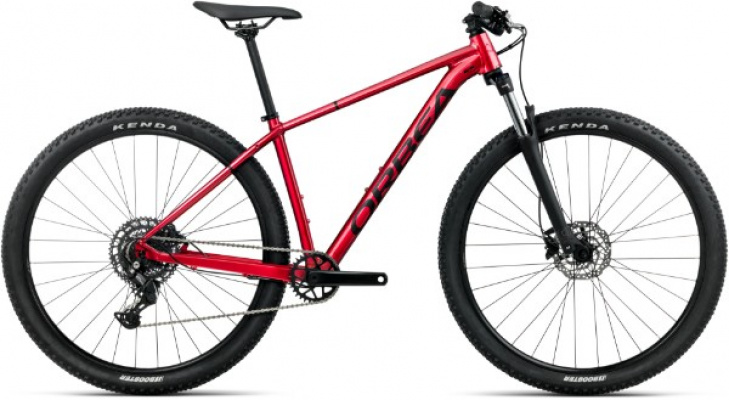
Orbea Onna 40
Balanced hardtail that makes trail riding accessible, with modern geometry and hydraulic discs that inspire confidence.
- Hydroformed aluminium frame balances stiffness and comfort
- Tapered headtube sharpens steering precision
- Shimano hydraulic discs: confident stopping in all conditions
- Internal dropper routing ready for upgrade
- 27.5" or 29" wheels matched to frame size
- Lifetime frame warranty backs build quality
Orbea Onna 40 Deals

Prices and availability can change quickly. Delivery charges are not always included in listed prices.
Final price, stock status and delivery terms are set by retailer. We may receive a commission on purchases made.
Bikesy's Verdict
The Onna 40 nails the brief: it's a hardtail that makes trail riding accessible without feeling compromised or apologetic. Orbea's hydroformed aluminium frame balances stiffness and comfort, the tapered headtube sharpens handling, and the hydraulic discs inspire confidence on descents. The geometry sits in that sweet spot - stable enough to feel composed, responsive enough to stay playful - and the internal dropper routing and lifetime warranty signal a bike that's built to grow with you.
The SR Suntour fork is the weak link, but it's not a deal-breaker if you're learning or exploring smoother trails. Upgrade it when your skills or terrain demand more, and you'll unlock the frame's full potential. Rack and kickstand mounts add versatility, and the matched wheel sizes across the size range show Orbea's thought through the details. If you want a hardtail that's fun, capable, and ready to evolve as you do, the Onna 40 delivers exactly that.
Pros
- Hydraulic discs and tapered headtube bring modern control at an accessible price
- Balanced geometry inspires confidence on climbs and descents alike
- Internal dropper routing and lifetime frame warranty future-proof your investment
- Rack and kickstand mounts add versatility for commuting or light touring
Cons
- SR Suntour coil fork feels basic on rougher trails; air-sprung upgrade worthwhile if you're progressing
- Quick-release axles less secure than thru-axles when riding gets rowdy
- Weight sits average for the class; lighter options exist if you're chasing speed
About the Orbea Onna 40
The Onna 40 lands squarely in that sweet spot where capability meets approachability. Orbea's built a hardtail that doesn't ask you to choose between fun and function - it delivers both with a hydroformed aluminium frame that's been shaped to absorb trail chatter without going soft under power, a tapered headtube that keeps the front end honest, and enough modern touches (internal cable routing, dropper compatibility, hydraulic discs) to make it feel current rather than compromised. This isn't a bike that apologises for its price point; it's one that makes the most of it.
You're looking at a 2x9 Shimano drivetrain, a hundred millimetres of SR Suntour coil fork travel, and Kenda rubber that's wide enough to grip and cushion without feeling sluggish. The geometry sits in that balanced middle ground - not twitchy, not sleepy - so whether you're threading singletrack or rolling fire roads, the Onna 40 feels composed rather than caught out. Orbea's matched wheel sizes to frame sizes (27.5-inch for XS and S, 29-inch for M and up), which means smaller riders aren't wrestling oversized hoops and taller folk aren't cramped on wheels that feel too playful.
It's a bike that invites exploration. Rack and kickstand mounts hint at utility beyond the trail, and the lifetime frame warranty suggests Orbea's confident you'll be riding this for years, not months. The Onna 40 doesn't pretend to be a race weapon, but it's not a plodder either - it's the kind of hardtail that grows with you as your skills sharpen and your ambitions expand.
Orbea Onna 40 geometry
The Onna 40's geometry speaks in a calm, measured voice. Head and seat angles hold steady across the size run - 67.5 degrees up front, 74.5 degrees at the saddle - so you're sitting upright enough to see what's coming but not so bolt-upright that you're fighting the bike on steeper climbs. Reach stretches from 380 millimetres in XS to 465 in XL, a progression that keeps the cockpit roomy without feeling stretched, and stack climbs gently so you're not folded over the bars or perched too high.
Chainstays are locked at 440 millimetres regardless of size, which keeps the rear end snappy and responsive - you'll feel that when you're punching out of corners or hopping roots. The wheelbase grows as the frame size increases, adding stability without dulling the bike's willingness to change direction. It's a geometry that prioritises confidence over aggression: you won't feel like you're wrestling the bike through tight turns, but neither will it feel nervous when the trail opens up and speed builds.
That tapered headtube is doing more work than you might expect. It stiffens the front triangle just enough to sharpen steering inputs without making the ride feel harsh, and it opens the door to fork upgrades down the line if you decide the stock Suntour isn't cutting it. The result is a bike that feels planted when you need it and playful when you want it, with a posture that keeps you centred and in control whether you're climbing technical switchbacks or letting it run on descents.
Component choices & upgrades
The Onna 40 arrives with a sensible build that won't embarrass you on the trail. Shimano's Alivio and Altus components form the 2x9 drivetrain - reliable, easy to service, and offering a 536 per cent gear range that covers most terrain without leaving you spinning out or grinding to a halt. The Shimano MT200 hydraulic disc brakes are a genuine highlight at this price: they bite cleanly, modulate well, and won't fade when you're descending hard. Kenda tyres in 2.35 or 2.40-inch widths provide decent grip and cushioning, and the Orbea alloy wheels are sturdy enough to handle rough treatment.
That said, the SR Suntour XCT 30 coil fork is the obvious weak link. It's functional - it'll absorb the worst of the bumps - but it's not particularly supple, and heavier riders or those tackling rougher trails will notice it packing down or feeling harsh. If you're serious about progressing, a fork upgrade to something like a RockShox Judy or Recon (air-sprung, with proper damping) will transform the bike's front-end feel and open up more technical terrain. It's not a cheap swap, but it's the single most impactful change you can make.
Beyond that, consider a dropper post if you're riding anything with proper descents - the internal routing is already there, so installation is straightforward, and the ability to drop your saddle on the fly changes how confidently you can tackle steep or technical sections. Grips and saddle are personal, so swap them if they don't suit your hands or sit bones. The quick-release axles are less secure than thru-axles, but unless you're racing or riding extremely rough terrain, they're adequate. The stock build is well-sorted for learning and exploring; upgrades should follow your skills and ambitions, not a checklist.
Where the Orbea Onna 40 excels
The Onna 40 is outstanding at making trail riding accessible and enjoyable. It's the bike for riders who want to explore singletrack, fire roads, and gravel byways without needing a PhD in suspension setup or a second mortgage for the privilege. The balanced geometry and stable handling inspire confidence on descents and technical sections, while the efficient frame and decent gearing mean you won't be left gasping on climbs. It's a bike that rewards curiosity - point it down a new trail and it'll handle the challenge with composure.
It also does well as a versatile all-rounder. Those rack and kickstand mounts mean you can press it into commuting or light touring duty, and the durable aluminium frame and hydraulic discs cope with wet roads and stop-start traffic without complaint. The internal cable routing keeps things tidy, and the lifetime frame warranty means you're not worrying about longevity. If your riding mixes trail exploration with practical transport, the Onna 40 bridges that gap neatly.
Where it's not ideal: serious XC racing or extremely rough, technical terrain. The coil fork and entry-level drivetrain aren't built for sustained high-speed hammering or the kind of rock gardens that demand plush, controlled suspension. Heavier riders may find the fork bottoming out too easily, and the quick-release axles aren't as secure or quick to service as thru-axles. It's also not the lightest hardtail in its class, so if you're chasing KOMs or racing against the clock, you'll want something more specialised. But for learning, exploring, and having fun on varied terrain, the Onna 40 delivers exactly what it promises.
Orbea Onna 40 FAQs
What is the best beginner mountain bike for under £1000?
The Onna 40 sits comfortably in that conversation, offering modern geometry, hydraulic discs, and a frame that's built to last. It's not the only option - bikes like the Specialized Fuse or Trek Roscoe compete here - but Orbea's combination of balanced handling, upgrade potential, and lifetime warranty makes it a strong contender. Look for a bike with hydraulic brakes, a tapered headtube, and dropper compatibility; the Onna 40 ticks all three.
Is the Orbea Onna 40 a good bike for trails?
Yes, it's designed for exactly that. The geometry is stable without being sluggish, the hydraulic discs inspire confidence, and the frame absorbs enough trail chatter to keep you comfortable over a few hours. The fork is the limiting factor on rougher trails, but for general singletrack, fire roads, and gravel, the Onna 40 handles it with composure. It's not a downhill weapon, but it's more than capable for trail exploration and progression.
What size Orbea Onna 40 should I get for my height?
Orbea's size chart is a good starting point: XS for 145 - 160 cm, S for 155 - 170 cm, M for 165 - 180 cm, L for 175 - 190 cm, and XL for 185 - 198 cm. If you're between sizes, consider your riding style - smaller for more manoeuvrability, larger for stability and a roomier cockpit. The wheel size changes with frame size (27.5-inch for XS and S, 29-inch for M and up), so factor that into your decision if you have a strong preference.
Can I fit wider tyres on the Orbea Onna 40?
The frame accommodates up to 2.40-inch tyres, which is what it ships with in most configurations. You could potentially squeeze slightly wider rubber in there, but you'd be pushing clearance limits, especially in muddy conditions. For most riders, 2.40-inch is plenty - it offers good grip and cushioning without feeling sluggish or adding unnecessary weight.
What upgrades are recommended for the Orbea Onna 40?
Start with the fork if you're riding rougher trails or want better front-end control - an air-sprung RockShox or similar will make a noticeable difference. A dropper post is the next logical step, especially if you're tackling descents where body positioning matters. Beyond that, grips and saddle are personal comfort items, and if you're pushing hard, consider lighter wheels or tubeless tyres to reduce rolling resistance and improve grip.
How does the Orbea Onna 40 compare to the Trek Marlin?
Both are entry-level hardtails aimed at similar riders, but the Onna 40 edges ahead with hydraulic discs (the Marlin often ships with mechanical), internal dropper routing, and a tapered headtube. The Marlin has a strong dealer network and Trek's reputation, but the Onna 40 offers more modern features at a comparable price. If you value upgrade potential and refined handling, the Orbea is the stronger choice.
Is the Orbea Onna 40 suitable for bike commuting?
Absolutely. The rack and kickstand mounts make it practical for carrying cargo, the hydraulic discs handle wet roads confidently, and the durable aluminium frame shrugs off daily use. The upright geometry gives you good visibility in traffic, and the internal cable routing keeps things tidy. It's not as fast as a dedicated commuter or gravel bike, but if you want one bike that does trails and transport, the Onna 40 fits the brief.
What is the weight of the Orbea Onna 40?
Orbea doesn't publish a complete bike weight for the Onna 40, but expect it to land somewhere around 13 - 14 kilograms based on the frame weight (approximately 1.8 kg) and component spec. The coil fork and entry-level drivetrain add a bit of heft, but it's not unreasonably heavy for a bike at this price. If weight is a priority, a fork upgrade and tubeless setup will shave off some grams.
Key Features & Benefits
- Hydroformed aluminium frame with tapered headtube: Balances stiffness for responsive handling with compliance for all-day comfort, while sharpening steering precision on technical trails
- Shimano MT200 hydraulic disc brakes with 160mm rotors: Confident, fade-free stopping power in all conditions, with easy modulation for controlled descents
- Internal dropper post routing and cable routing: Clean cockpit and simple upgrade path to a dropper for better body positioning on descents
- Wheel size matched to frame size (27.5" or 29"): Optimises handling and fit across the size range - smaller riders get nimble wheels, taller riders get stability
- Rack and kickstand mounts with lifetime frame warranty: Versatility for commuting or touring, backed by Orbea's confidence in long-term durability
Orbea Onna 40 2023 and 2022 differences
The 2024 Onna 40 carries over the core specification from 2023 with minimal changes - Shimano Alivio and Altus 2x9 drivetrain, SR Suntour XCT 30 coil fork, and Shimano MT200 hydraulic discs remain consistent. Some regional listings show Shimano Cues components appearing on newer 2024 builds, suggesting minor running changes rather than a full model-year refresh. Tyre spec varies slightly between Kenda K1153 and Kenda Booster models, likely reflecting supply or regional preferences, but both are 2.35 to 2.40-inch widths.
The 2022 model shares the same frame design and geometry, with the tapered headtube, internal cable routing, and dropper compatibility already in place. Component spec is largely identical, confirming that Orbea's approach to the Onna 40 has been evolutionary rather than revolutionary - refining a proven formula rather than chasing annual overhauls. If you're considering a previous model year, expect the same ride character and upgrade potential, with only minor component variations to account for.
Alternatives to Consider
Within Orbea's own range, the Onna 30 steps up with a RockShox Judy Silver air fork and a 1x12 Shimano Deore drivetrain, offering simpler shifting and better suspension for riders ready to tackle rougher trails. If budget is tighter, the Onna 50 drops to mechanical disc brakes and a more basic fork, but retains the same frame and geometry - a sensible entry point if you're planning to upgrade components over time.
Cross-brand, the Specialized Rockhopper Comp brings a similar aluminium hardtail ethos with a RockShox fork and wider tyre clearance, while the Trek Roscoe 7 leans into plus-sized tyres and a slacker geometry for more aggressive trail riding. The Giant Fathom 2 offers a 1x12 drivetrain and air fork at a competitive price, prioritising simplicity and modern spec. For a more XC-focused feel, the Scott Aspect 940 delivers lighter weight and racier geometry, though it sacrifices some of the Onna's versatility. The Cube Attention SL matches the Onna's balanced approach with Shimano components and a similar price point, making it a close peer if Orbea's availability or sizing doesn't suit.
Reviews
Balanced geometry and stable handling make technical sections feel manageable rather than intimidating. The tapered headtube sharpens steering inputs without introducing nervousness, and the 440-millimetre chainstays keep the rear end responsive when you're punching out of corners or hopping obstacles. Climbs feel efficient - the upright position and 2x9 gearing offer enough range to tackle varied terrain without spinning out or grinding to a halt.
Hydraulic discs are a genuine highlight, delivering confident stopping power and smooth modulation that inspires trust on descents. The hydroformed aluminium frame absorbs trail chatter well enough to keep you comfortable over a few hours, and the wider Kenda tyres add grip and cushioning without feeling sluggish. When the trail opens up, the Onna 40 holds its line and builds speed predictably, rewarding commitment rather than punishing it.
That SR Suntour coil fork is the obvious limitation. It's functional on smoother trails and fire roads, but it packs down under hard braking or rough sections, and heavier riders will notice it bottoming out more easily. Upgrade to an air-sprung fork and the bike's front-end composure improves dramatically, opening up more technical terrain. Quick-release axles feel adequate for general trail riding but lack the security and convenience of thru-axles when you're pushing harder or changing wheels frequently. Because the frame and geometry are sound, the Onna 40 responds well to upgrades - drop in a better fork and a dropper post, and you've got a bike that punches well above its original spec.
Full Specification
| Spec | Value |
|---|---|
| Frame Material | Hydroformed Aluminum |
| Frame Features | Tapered headtube; internal cable routing; internal dropper post routing compatibility; threaded bottom bracket; rack and kickstand mounts |
| Frame Weight | Approximately 1.8 kg |
| Tyre Clearance | Up to 2.40 inches |
| Bottom Bracket | BSA threaded, 73 mm |
| Rear Axle | 9×135 mm Quick Release |
| Fork | SR Suntour XCT 30 Coil |
| Fork Travel | 100 mm |
| Shifters | Shimano Alivio SL-M3100, 2×9-speed |
| Rear Derailleur | Shimano Altus M2000 SGS Shadow, 9-speed |
| Front Derailleur | Shimano M2020, 31.8 mm |
| Crankset | Forged alloy, 22×36T |
| Cassette | Sun Race CSM989, 11 - 36T, 9-speed |
| Chain | KMC X9 |
| Brakes | Shimano MT200 Hydraulic Disc |
| Rotors | 160 mm post mount |
| Rims | Orbea Black Rock 23c Disc alloy |
| Hubs | Orbea, Quick Release |
| Tyres (Front) | Kenda Booster 2.40 inches, 30 TPI |
| Tyres (Rear) | Kenda Booster 2.40 inches, 30 TPI |
| Wheel Size | XS: 27.5 inches; S: 27.5 or 29 inches; M, L, XL: 29 inches |
| Handlebar | Alloy flat, 31.8 mm clamp, 720 mm width |
| Stem | Alloy, 31.8 mm clamp, 7° rise |
| Headset | 1 - 1/8 inch semi-integrated |
| Seatpost | Alloy, 27.2 mm diameter |
| Saddle | Selle Royal 2058 DRN |
| Pedals | Platform |