
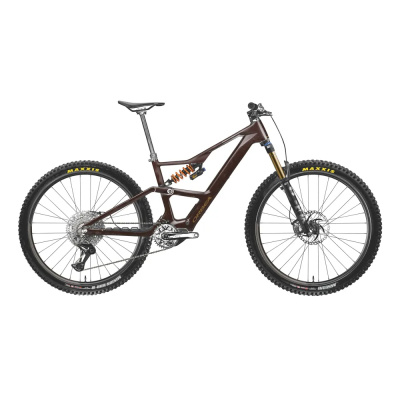
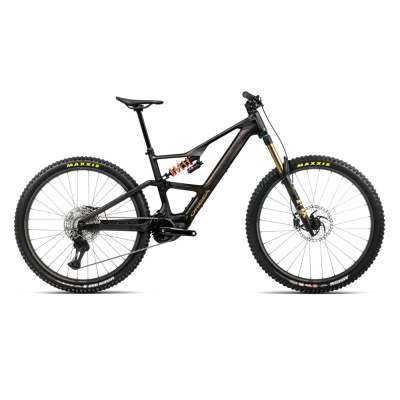
Orbea Rise LT M-Team
Lightweight e-MTB that climbs technical trails with authority and descends with nimble, engaging precision.
- Shimano EP801 RS motor: 85 Nm torque, custom tuning
- Fox Factory suspension: 160mm front, 150mm rear
- Shimano XTR Di2: crisp electronic shifting
- OMR carbon frame: 2.2 kg claimed weight
- 240mm dropper post: freedom on steep descents
- MyO configurator: tailor components and colour
Orbea Rise LT M-Team Deals
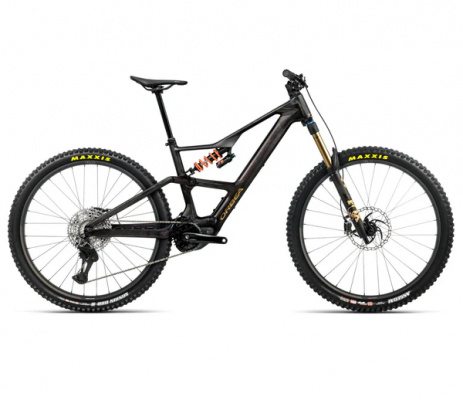
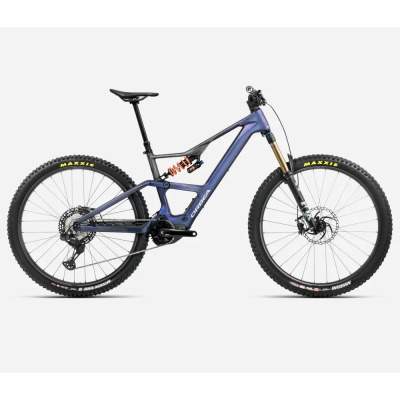
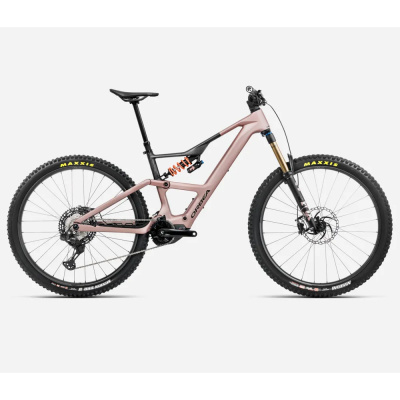

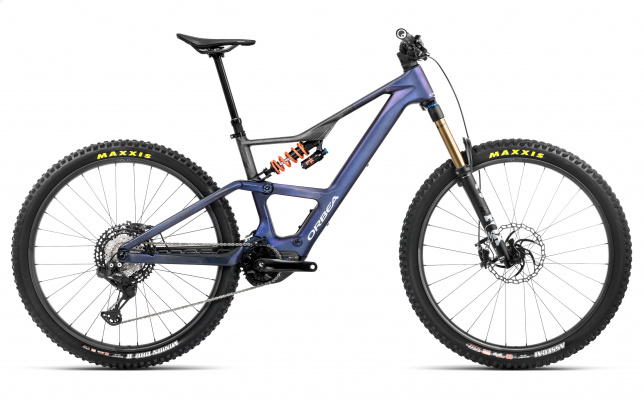
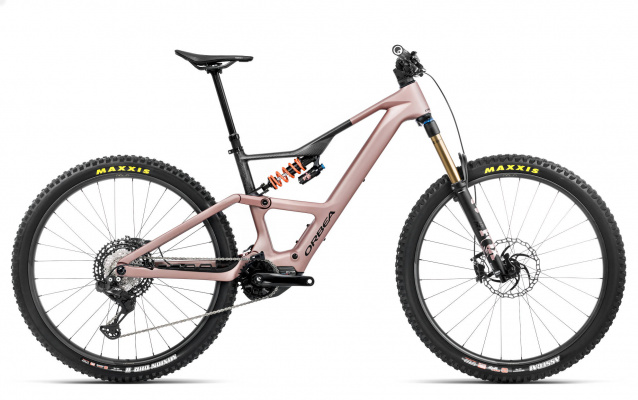
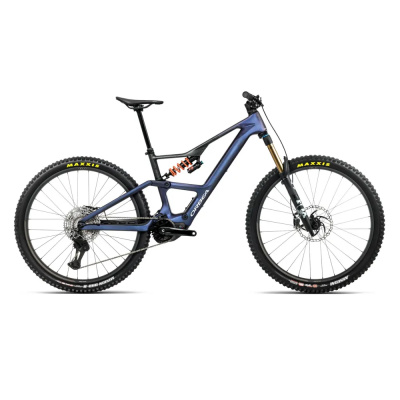
Prices and availability can change quickly. Delivery charges are not always included in listed prices.
Final price, stock status and delivery terms are set by retailer. We may receive a commission on purchases made.
Bikesy's Verdict
The Orbea Rise LT M-Team nails the brief for riders who want e-MTB assistance without sacrificing the nimble, engaging feel of a proper trail bike. It's light enough to flick through tight sections and manual over obstacles, yet the Shimano motor delivers enough torque to flatten technical climbs that used to grind you down. Fox Factory suspension, XTR Di2 shifting, and a tidy carbon chassis mean the ride quality and precision match the frame's ambition, and the MyO configurator lets you tailor the spec to your exact preferences.
If you've been chasing a lightweight e-MTB that rewards skill and line choice as much as motor power, and you want enough travel to handle rough, fast descents without feeling like you're wrestling a tank, the Rise LT M-Team sits right at the top of the shortlist. It's not the cheapest option, and the standard battery won't suit all-day epics without the extender, but the ride quality, component spec, and sheer fun factor justify the investment for riders who value agility and engagement above all else.
Pros
- Lightweight for an e-MTB - nimble handling and easy to manoeuvre
- Fox Factory suspension with wide-ranging adjustability
- Shimano XTR Di2 shifting: fast, precise, reliable
- Powerful Shimano EP801 RS motor with custom tuning
- MyO configurator lets you tailor spec and aesthetics
- Excellent climbing traction and descending composure
Cons
- Only four frame sizes if you're at the edges of the range
- Standard 420 Wh battery may feel limiting on very long rides without the extender
- Suspension can feel firmer than some competitors if you prefer maximum plushness
About the Orbea Rise LT M-Team
Orbea's 'less E, more bike' mantra finds its fullest expression in the Rise LT M-Team. This isn't a heavyweight enduro sled with a motor bolted on; it's a carbon trail bike that happens to carry a Shimano EP801 RS unit and a battery, yet still tips the scales closer to twenty kilos than thirty. The LT stretches travel to 160 millimetres up front and 150 at the rear - enough headroom for proper descending commitment - while keeping the chassis light enough that you can flick it through tight switchbacks and manual over roots without wrestling inertia. The M-Team spec layers on Fox Factory Kashima suspension, Shimano XTR Di2 shifting, and Oquo carbon hoops, so the ride quality and precision match the frame's ambition.
Where many e-MTBs feel like they're doing the work for you, the Rise LT asks you to stay engaged. The motor's custom tune delivers its eighty-five newton-metres smoothly, filling in the gaps rather than shoving you up every climb, and the linkage-driven single-pivot rear end translates pedal effort cleanly without wallowing or bobbing. It's a bike that rewards an active riding style - weight shifts, line choice, and timing all matter - yet the assistance means technical climbs that used to grind you down now feel achievable, even playful. If you've been chasing a lightweight e-MTB that doesn't sacrifice trail manners for battery capacity, the Rise LT M-Team sits right at the top of that shortlist.
The frame itself is Orbea's OMR carbon lay-up, shaped around an asymmetric centre strut that houses the non-removable main battery and keeps the silhouette tidy. Cable routing disappears inside the tubes, and there's even a multitool tucked into the suspension linkage - a neat touch when you're miles from the van. The rear pivot is concentric with the axle, which helps keep the chainstay length consistent through travel and sharpens the bike's responsiveness. You can spec a larger six-hundred-and-thirty-watt-hour battery if range matters more than the last few hundred grams, or slot a two-hundred-and-ten-watt-hour extender into the bottle-cage mount for all-day epics. The RS Control System on this M-Team build integrates motor, controller, display, and dropper remote into a single cohesive cockpit, clearing away the usual clutter of e-bike buttons and screens.
Orbea Rise LT M-Team geometry
The Rise LT sits you in a confident, slightly forward stance that balances climbing traction with descending poise. Reach stretches out enough to weight the front wheel on steep pitches without tipping you over the bars, and the stack keeps your torso upright enough that you're not gasping for air halfway up a fire road. The head angle is relaxed enough to inspire confidence when the trail gets rough and fast, yet not so slack that tight hairpins become a wrestling match. Paired with a short rear centre, the bike pivots around you rather than ploughing straight on, so you can thread through rock gardens and adjust your line mid-corner without drama.
The effective seat angle plants you over the bottom bracket, keeping weight centred when you're grinding up technical climbs or punching through short, sharp rises. When you drop the post - and you've got two hundred and forty millimetres of travel to play with - the bike shrinks beneath you, freeing up room to shift your hips back and load the rear tyre on descents. The bottom-bracket drop is modest, so pedal strikes are rare unless you're really committed to dragging cranks through rock slabs, and the wheelbase grows just enough with frame size that taller riders get stability without losing the bike's inherent nimbleness. It's a geometry that works across a wide range of trails, from rooty singletrack to open alpine descents, without feeling like a compromise in either direction.
Component choices & upgrades
The M-Team arrives with a build that's already sorted for serious riding. Fox's thirty-six-millimetre Factory fork wears the GRIP X damper, giving you high- and low-speed compression adjustments plus low-speed rebound control, so you can tune the front end to match your weight, riding style, and the day's terrain. Out back, the DHX Factory coil shock delivers a supple, consistent feel that tracks the ground faithfully, and its two-position adjust lets you firm things up for climbs or smooth fire roads. Shimano's XTR Di2 drivetrain shifts crisply and reliably, even under load, and the ten-to-fifty-one cassette range covers everything from lung-busting climbs to flat-out descents. XTR brakes haul you down with power and modulation, and the two-hundred-and-three-millimetre front rotor gives you plenty of bite when the trail tilts downward.
Maxxis rubber - Assegai up front in MaxxGrip compound, Minion DHR II at the rear in MaxxTerra with EXO+ casing - offers a sensible balance of grip, rolling speed, and durability. If you're riding wetter, muddier trails or want even more cornering security, swapping the rear to a grippier compound or the front to a wider casing is straightforward. The Oquo carbon rims are light and stiff, though if you're regularly smashing through rock gardens or landing hard off drops, a burlier aluminium wheelset might save you grief in the long run. The Orbea carbon bar and alloy stem are well-made and appropriately stiff, but riders chasing the last bit of comfort or a specific rise might consider a different bar shape. The Fizik saddle works for many, though saddles are always personal - if it doesn't suit you after a few rides, swap it. The stock build is genuinely capable; upgrades should be driven by your specific needs or preferences, not a sense that the bike is under-specced.
Where the Orbea Rise LT M-Team excels
This bike is outstanding on technical trail riding where agility and engagement matter as much as assistance. If your local loops mix rooty climbs, tight switchbacks, and rocky descents - the kind of terrain where a heavy e-MTB feels like a liability - the Rise LT's lightweight chassis and nimble handling let you ride with precision and flow. It climbs steep, technical pitches with authority, the motor filling in just enough torque that you can focus on line choice and balance rather than brute force, and the geometry keeps your weight planted over the rear wheel even when the gradient kicks up. On descents, the bike feels composed and controlled, tracking through rough sections without deflecting or chattering, and the dropper post gives you the freedom to move your weight around and commit to steeper lines.
It also does well on longer, mixed rides where you want trail-bike capability without the fatigue penalty of a full-power e-MTB. The lightweight build means you can still manual, pump transitions, and throw the bike around when the trail opens up, and the motor's efficiency stretches battery life further than you'd expect from a four-hundred-and-twenty-watt-hour pack (or much further if you've opted for the larger battery). It's less ideal for riders who want maximum travel and full enduro aggression - if you're regularly hitting bike-park jump lines or charging flat-out down long, rough descents, a burlier, longer-travel e-MTB will give you more confidence and control. Similarly, if you're after the lightest possible weight for XC racing or prefer a more traditional, unassisted ride feel, the shorter-travel Rise SL or a non-electric trail bike might suit you better. But for riders who want a lightweight e-MTB that handles like a proper mountain bike and rewards skill as much as motor power, the Rise LT M-Team is hard to beat.
Orbea Rise LT M-Team FAQs
What is the weight of the 2026 Orbea Rise LT M-Team?
The claimed weight sits around nineteen to twenty kilos, depending on battery size and final component choices. A four-hundred-and-twenty-watt-hour battery keeps weight closer to nineteen kilos, while the larger six-hundred-and-thirty-watt-hour option adds a bit more heft. That's still impressively light for a full-suspension e-MTB with this much travel and capability.
What is the battery capacity of the Orbea Rise LT M-Team?
The standard battery is four hundred and twenty watt-hours, which balances weight and range for most trail rides. Orbea also offers a six-hundred-and-thirty-watt-hour option if you're planning longer days or more sustained climbing, and you can add a two-hundred-and-ten-watt-hour range extender in the bottle-cage mount for all-day epics.
How does the Orbea Rise LT M-Team compare to the Specialized Levo SL?
Both bikes sit in the lightweight e-MTB category and prioritise natural handling over brute power. The Rise LT offers more travel - one hundred and sixty millimetres front, one hundred and fifty rear - so it's better suited to rougher, more aggressive trails, while the Levo SL typically runs shorter travel and leans more toward all-round trail riding. The Rise LT's Shimano motor delivers eighty-five newton-metres in its highest mode, a bit more punch than the Levo SL's unit, and Orbea's MyO customisation programme gives you more control over spec and aesthetics.
Can I upgrade the battery on the Orbea Rise LT M-Team?
The main battery is integrated into the frame and non-removable, so you can't swap it out yourself. However, you can choose a larger six-hundred-and-thirty-watt-hour battery at the point of purchase, or add a two-hundred-and-ten-watt-hour range extender that slots into the bottle-cage mount. The extender connects to the main battery system and extends your range without requiring a full battery swap.
What is the range of the Orbea Rise LT M-Team?
Range depends on terrain, rider weight, assist mode, and battery size, but you can expect roughly two to three hours of mixed trail riding on the standard four-hundred-and-twenty-watt-hour battery. The larger six-hundred-and-thirty-watt-hour option stretches that significantly, and adding the range extender can push you well into all-day territory. The motor's efficiency and the bike's lightweight build help maximise every watt-hour.
Is the Orbea Rise LT M-Team suitable for enduro riding?
It's capable on enduro-style trails, especially technical, twisty descents where agility and precision matter more than outright travel. The one-hundred-and-sixty-millimetre fork and one-hundred-and-fifty-millimetre rear shock give you enough cushion for rough, fast descents, and the geometry is confident at speed. If you're racing enduro or regularly hitting the gnarliest, fastest tracks, a longer-travel, burlier e-MTB might offer more margin, but for most riders tackling enduro-style terrain, the Rise LT delivers the goods.
What are the key differences between the Orbea Rise LT and Rise SL models?
The LT runs one hundred and sixty millimetres of front travel and one hundred and fifty at the rear, while the SL offers one hundred and forty millimetres front and rear. That extra travel makes the LT better suited to rougher, more aggressive trails and steeper descents, while the SL is lighter and more nimble, leaning toward all-round trail riding and XC-influenced terrain. Both share the same lightweight philosophy and Shimano EP801 RS motor, so the choice comes down to how much travel and descending capability you need.
Key Features & Benefits
- Shimano EP801 RS motor with 85 Nm torque: Smooth, powerful assistance on steep climbs without overwhelming the natural ride feel
- OMR carbon frame with integrated battery: Lightweight, stiff chassis that keeps the bike agile and responsive on technical trails
- Fox 36 Factory fork with GRIP X damper: Fine-tune compression and rebound to match your weight and terrain for precise, controlled handling
- Shimano XTR Di2 12-speed drivetrain: Crisp, reliable shifts under load, even on steep climbs or rough descents
- 240 mm dropper post with RS Control System: Ample room to shift your weight back on descents, integrated remote keeps the cockpit tidy
Orbea Rise LT M-Team 2025 differences
The 2025 model year introduced the LT (Long Travel) variant alongside the existing SL, stretching travel to one hundred and sixty millimetres front and one hundred and fifty rear, and unlocking the Shimano EP801 RS motor's full eighty-five newton-metres of torque via the new RS+ mode. Orbea also offered a larger six-hundred-and-thirty-watt-hour battery option and a two-hundred-and-ten-watt-hour range extender, addressing range concerns from earlier models. Geometry was updated with a sixty-four-degree head angle and a seventy-seven-degree effective seat angle in the low position, sharpening the bike's descending confidence while maintaining climbing traction. The M-Team spec in 2025 featured Shimano XT Di2 rather than the 2026 model's XTR Di2, and the RS Control System - which integrates motor, controller, display, and dropper remote - was not yet available. Claimed weight for a size large with the six-hundred-and-thirty-watt-hour battery was around 20.3 kilos, slightly heavier than the 2026 four-hundred-and-twenty-watt-hour configuration.
Prior to 2025, the Rise was available primarily in the shorter-travel SL configuration (one hundred and forty millimetres front and rear) and used a de-tuned Shimano EP8 motor limited to sixty newton-metres of torque. The introduction of the LT and the unlocked motor tune in 2025 marked a significant shift toward more aggressive trail and enduro capability, while the 2026 updates refined the cockpit integration and component spec to match.
Alternatives to Consider
Within Orbea's own range, the Orbea Rise SL M-Team offers a lighter, more XC-leaning option with one hundred and forty millimetres of travel front and rear, ideal if your trails are smoother or you value outright weight savings over descending cushion. At the other end, the Orbea Wild M-Team steps up to full-power e-MTB territory with longer travel and a burlier build, better suited to bike-park laps or the most aggressive enduro terrain.
Cross-brand, the Specialized Turbo Levo SL Expert is a direct lightweight e-MTB rival, typically running shorter travel and a slightly less powerful motor, but with Specialized's polished integration and user-friendly Mission Control app. The Trek Fuel EXe 9.8 XT uses a Fazua motor for an even more natural pedalling feel and sub-twenty-kilo weight, though with less outright torque than the Rise LT's Shimano unit. The Scott Lumen eRIDE 910 also targets the lightweight e-MTB niche, often with a similar travel range and a focus on agility, while the Giant Trance X Advanced E+ Elite 1 pairs a Yamaha motor with robust componentry, leaning toward a more traditional e-MTB feel with slightly more heft. The Pivot Shuttle SL Team XTR offers a premium carbon build and DW-Link suspension, appealing if you want a different suspension platform and are willing to pay for Pivot's refinement. Each of these bikes balances weight, power, and travel differently, so your choice hinges on whether you prioritise outright lightness, motor character, or descending capability.
Reviews
Fox Factory suspension front and rear delivers a composed, controlled ride through rough, rocky sections, the GRIP X damper offering enough adjustment range to dial in your preferred balance of support and suppleness. When the trail tilts upward, the Shimano motor's custom tune fills in torque smoothly, letting you focus on line choice rather than brute effort, and the geometry keeps your weight planted over the rear wheel even on steep, technical pitches. Descending, the bike tracks faithfully through chatter and holds its line in loose corners, the dropper post giving you the freedom to shift your hips back and commit to steeper sections.
Handling is nimble and precise, the lightweight chassis responding instantly to weight shifts and steering inputs, so tight switchbacks and rooty singletrack feel engaging rather than laboured. Because the motor doesn't dominate the ride, you stay active - pumping transitions, choosing lines, timing your pedal strokes - and the bike rewards that engagement with a natural, flowing feel. The XTR Di2 drivetrain shifts crisply under load, and the brakes offer strong, progressive power, so you can modulate speed confidently on long descents.
The suspension platform is firm enough that you feel the trail beneath you, which some riders love for its feedback and efficiency, though others might prefer a plusher initial stroke if maximum comfort is the priority. Range on the standard battery is adequate for most trail rides, but longer days or sustained climbing will have you thinking about the larger battery or range extender. The motor can be audible on descents, a faint mechanical hum that's noticeable if you're used to silent drivetrains, though it's rarely intrusive. Overall, the Rise LT M-Team delivers a ride that feels more like a lightweight trail bike with assistance than a heavy e-MTB that happens to handle well, and that distinction matters if you value agility and engagement as much as motor power.
Full Specification
| Frame Material | Orbea OMR Carbon Fibre |
| Motor | Shimano EP801 RS, 85 Nm torque |
| Battery | 420 Wh or 630 Wh (non-removable main battery) |
| Fork | Fox 36 Float Factory, 160 mm travel, GRIP X damper, Kashima coating |
| Rear Shock | Fox DHX Factory coil, 150 mm travel, 2-position adjust custom tune |
| Drivetrain | Shimano XTR Di2 M9250/M9260, 1×12-speed |
| Cassette | Shimano CS-M9200, 10-51t, 12-speed |
| Chain | Shimano CN-9100, 12-speed |
| Chainring | e*thirteen Helix Race e*spec Direct Mount, 32T, 55 mm chainline |
| Brakes | Shimano XTR M9120 hydraulic disc, 203 mm front / 180 mm rear rotors |
| Rims | Oquo Mountain Control MC32LTD |
| Front Tyre | Maxxis Assegai 2.50" TR MaxxGrip |
| Rear Tyre | Maxxis Minion DHR II 2.40" WT FB 120 TPI 3C MaxxTerra Exo+ TR |
| Handlebar | OC Mountain Control MC10 Carbon, 20 mm rise, 800 mm width |
| Stem | OC Mountain Control MC11 Alu SL, 0° |
| Headset | Alloy 1-1/2", black oxidated bearing |
| Seatpost | Orbea electric dropper post, 240 mm travel, System Controller eDropper Remote |
| Saddle | Fizik Terra Aidon or Fizik Terra Ridon X1, 145 mm |
| Rear Axle | Concentric Boost 12×148 mm |
| Suspension Design | Linkage-driven single pivot with concentric rear axle |
| Approximate Weight | 19 kg (420 Wh model) to 20.3 kg (630 Wh model), size dependent |