
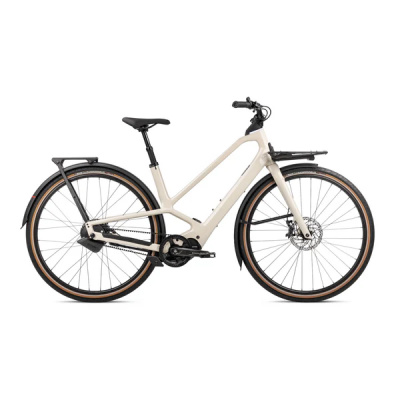
Orbea Diem 10
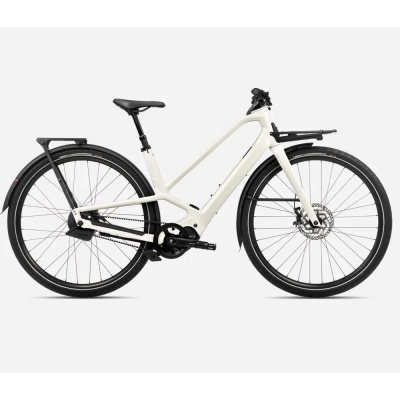
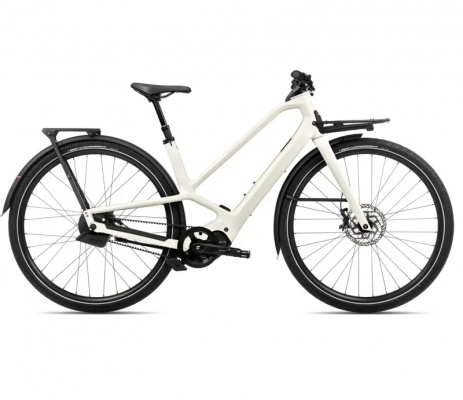
Automatic shifting, silent belt drive, and striking looks turn urban commutes into the highlight of your day.
- Shimano EP801 motor: 85 Nm of smooth urban thrust
- Enviolo Automatiq hub shifts itself, Gates belt stays silent
- 630Wh battery hides inside the Diamond Glide frame
- Integrated lights run off main battery, USB-C top-up option
- 50mm Vittoria tyres cushion cobbles, MIK racks carry the load
- Dropper post drops for traffic lights, rises for cruising
Orbea Diem 10 Deals
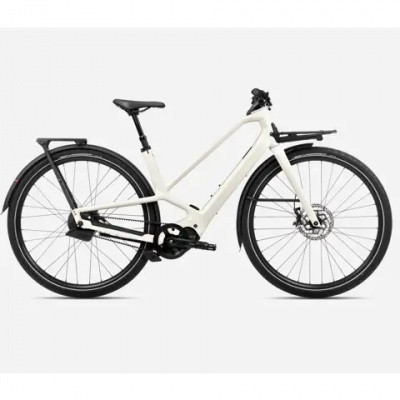
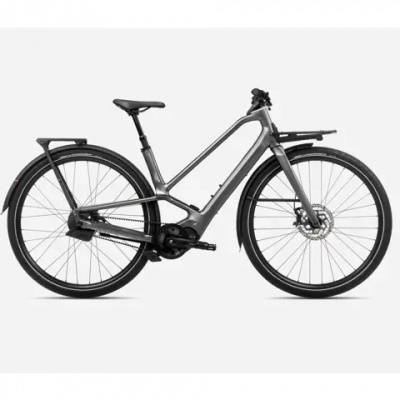

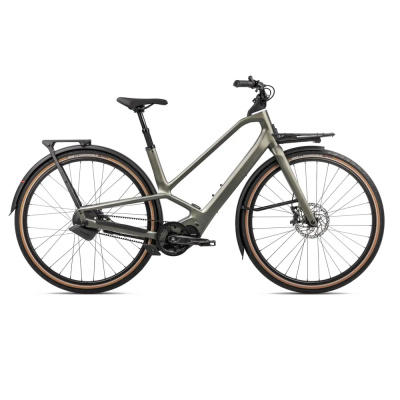
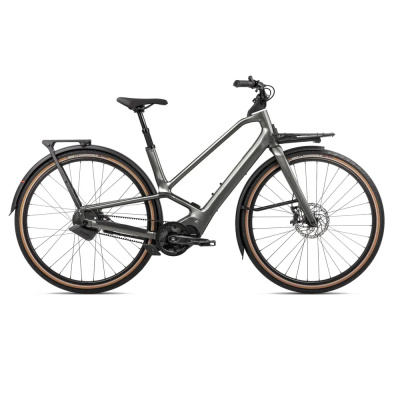
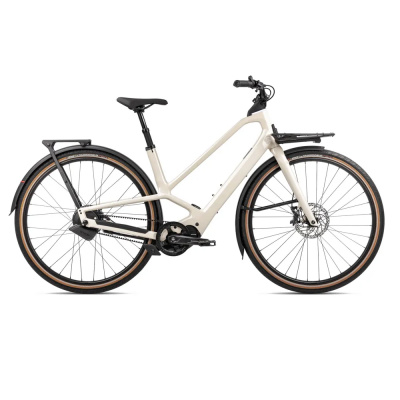
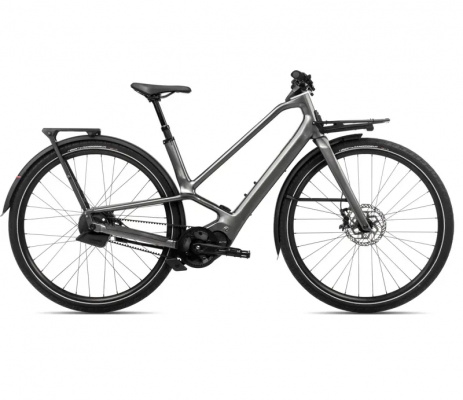
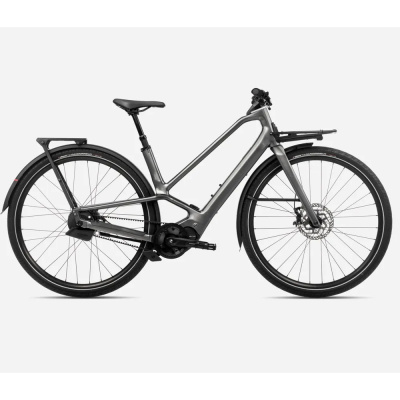
Prices and availability can change quickly. Delivery charges are not always included in listed prices.
Final price, stock status and delivery terms are set by retailer. We may receive a commission on purchases made.
Bikesy's Verdict
The Diem 10 is what happens when a brand takes urban e-bikes seriously - not as an afterthought to their mountain bike range, but as a category deserving of genuine innovation and craft. Orbea's wrapped a powerful, refined drivetrain in a frame that looks like sculpture and rides like it was designed by someone who actually commutes. The automatic gearing and silent belt mean you're never distracted by mechanical noise or clunky shifts, just smooth forward motion that makes every ride feel easier than it should. Add in the integrated lights, racks, and dropper post, and you've got a bike that's ready for daily life without compromise.
It's not cheap, and it's not light, but those are the only real concessions. If you're serious about replacing car journeys with bike journeys - and you want to arrive looking composed rather than frazzled - this is one of the most compelling urban e-bikes you can buy. The Diem 10 doesn't just get you from A to B; it makes you look forward to the journey.
Pros
- Shimano EP801 motor delivers 85 Nm of smooth, powerful assist for hills and headwinds
- Enviolo Automatiq hub and Gates belt create a silent, maintenance-free drivetrain
- 630Wh battery offers genuine all-day range for commuting and leisure rides
- Integrated lighting, racks, and mudguards turn it into a true daily workhorse
- Distinctive Diamond Glide frame looks striking and drops standover for easy stops
Cons
- 23 kg weight becomes noticeable if you're hauling it up stairs or onto trains regularly
- Automatic gearing feels hands-off if you prefer the engagement of manual shifting
- Premium price reflects the high-end spec and integrated features, not for tight budgets
About the Orbea Diem 10
Urban e-bikes often split into two camps: the practical workhorses that look like they've escaped from a courier depot, and the sleek café-racers that can't carry a bag of shopping without an existential crisis. The Diem 10 refuses that binary. Orbea's hydroformed alloy frame - polished to a mirror sheen and shaped into their patented Diamond Glide silhouette - catches eyes at every junction, yet it'll haul panniers, mudguards, and a front rack without breaking a sweat. This is the rare city bike that treats aesthetics and utility as allies, not adversaries.
Underneath that distinctive profile sits a 630-watt-hour battery feeding Shimano's EP801 motor, the same mid-drive unit you'll find pushing trail bikes up Alpine switchbacks. Here it delivers 85 newton-metres through an Enviolo Automatiq hub - a continuously variable transmission that adjusts ratios on the fly, no input required - and out to a Gates carbon belt instead of a chain. The result? You think about where you're going, not how you're getting there. No clunky shifts interrupting your flow through traffic, no chain slap echoing off shopfronts, no oily trouser cuffs. Just smooth, relentless forward motion that makes the commute feel less like a chore and more like the best part of your day.
It's aimed squarely at riders who've outgrown the idea that urban cycling means compromise. You want the effortless glide of electric assist, but you're not willing to ride something that looks like a mobility scooter with pedals. You need carrying capacity for the weekly shop or a laptop bag, yet you'd rather not bolt an aftermarket rack onto a frame that wasn't designed for it. The Diem 10 answers those demands with integrated mounts, bespoke accessories, and a level of finish that wouldn't look out of place in a design museum. It's premium, no question - but it's premium with a purpose.
Orbea Diem 10 geometry
Orbea hasn't published granular reach and stack figures for the Diem range, but the frame's posture is unmistakable the moment you swing a leg over. The Diamond Glide design drops the top tube into a graceful arc, lowering the standover height and making it easy to plant both feet at lights - crucial when you're balancing 23 kilograms of bike and battery. The head angle sits on the relaxed side of neutral, lending stability when you're threading through bus lanes or carrying a week's groceries on the rear rack. It's not twitchy, but it's not sluggish either; think composed rather than racy.
The upright riding position - courtesy of a riser bar that sweeps back thirty degrees - puts your weight over the saddle and keeps your spine happy during longer rides. You're not hunched into a tuck, but you're not bolt-upright like a Dutch omafiets either. It's a sweet spot that balances visibility in traffic with enough forward bias to let the motor's power translate into speed. The carbon fork up front adds a layer of compliance that the alloy frame - stiff by design to handle the motor's torque - can't quite deliver on its own. Over tram tracks and potholes, that fork takes the sting out of impacts before they reach your wrists.
Four sizes span riders from 158 centimetres to 189 centimetres, and the dropper post (yes, a dropper on a city bike) gives you another thirty millimetres of adjustment on the fly. Drop it at a red light for a confident foot-down, pop it back up when the road opens and you want to stretch your legs. It's a detail borrowed from mountain biking that makes surprising sense in stop-start urban riding, and once you've used it, you'll wonder why every commuter bike doesn't come with one.
Component choices & upgrades
The Diem 10 arrives with a spec sheet that's already been curated with care. Shimano's Cues U8020 hydraulic brakes - four-piston stoppers borrowed from their mountain bike lineup - haul the bike down from speed with authority, even when you've loaded the racks. The Enviolo Automatiq hub and Gates belt drive form a sealed, maintenance-free drivetrain that'll shrug off winter slush and summer dust alike. Vittoria's e-Randonneur tyres, fifty millimetres wide with reflective sidewalls, roll fast on tarmac yet cushion the ride enough to make cobbled side streets tolerable. Out of the box, this is a bike that works.
That said, if your commute involves steeper hills or you're carrying heavier loads, you might consider swapping the Selle Royal Vivo Ergo saddle for something with a touch more padding - comfort is subjective, and a few riders have found the stock perch firm over longer distances. The tyres, too, offer room for personalisation: if you're venturing onto canal towpaths or gravel tracks at the weekend, a set of Schwalbe Marathon Mondial or Continental Contact Urban tyres with a bit more tread will add grip without sacrificing much speed. The MIK-compatible racks open the door to Ortlieb panniers or Basil bags that click on and off in seconds, turning the Diem into a proper cargo hauler when you need it.
Upgrading beyond that feels unnecessary unless you're chasing marginal gains. The EP801 motor is already Shimano's flagship unit, the battery capacity is generous, and the integrated lighting system - powered by the main battery and featuring an optional high beam - means you're not fiddling with rechargeable blinkers every other day. This is a bike that's been specced to a purpose, and that purpose is daily use without fuss. Save your money for a good lock instead.
Where the Orbea Diem 10 excels
The Diem 10 is built for one thing above all: making urban miles feel effortless. Commutes that used to leave you sweaty and irritable become a chance to clear your head, the motor smoothing out hills and headwinds while the automatic gearing keeps your cadence steady. Errands that once required a car - picking up a parcel, grabbing groceries, meeting a friend across town - turn into excuses to ride. The integrated racks and mudguards mean you're never caught out by a sudden shower or an impulse purchase, and the silent belt drive lets you glide through residential streets without waking the neighbourhood.
It's also brilliant for longer leisure rides on paved paths or quiet roads. The 630-watt-hour battery will see you through sixty to a hundred kilometres depending on how much you lean on the motor, and the comfortable geometry means you'll arrive at your destination fresh rather than fatigued. Weekend rides along riverside trails, exploring new neighbourhoods, or linking up café stops - this is where the Diem 10 shines. The motor's power delivery is smooth enough that you can dial in just enough assist to keep pace with faster friends without feeling like you're cheating, and the bike's stability inspires confidence even when you're carrying a full load.
Where it's less ideal: proper off-road riding. Those fifty-millimetre tyres and the rigid carbon fork will handle light gravel and packed dirt, but rocky singletrack or muddy bridleways will expose the bike's urban DNA. It's also not a lightweight - 23 kilograms is manageable when the motor's doing the work, but if you live up several flights of stairs or need to hoist it onto a train regularly, that heft becomes a factor. And while the automatic gearing is liberating for most riders, enthusiasts who enjoy the tactile feedback of manual shifting might find it a touch too hands-off. This is a bike that prioritises ease over engagement, and that's a deliberate choice.
Orbea Diem 10 FAQs
What is the range of the Orbea Diem 10?
Expect sixty to a hundred kilometres from the 630-watt-hour battery, depending on terrain, rider weight, and how much you lean on the motor. Eco mode stretches range for flat commutes; Boost mode devours battery on steep climbs but gets you there faster. The Shimano display gives you a live range estimate that adjusts as you ride, so you're rarely caught short.
Is the Orbea Diem 10 suitable for long distances?
Absolutely, provided those distances are on tarmac or smooth gravel. The upright position and vibration-damping frame keep you comfortable over extended rides, and the generous battery capacity means you won't be range-anxious. Pack a picnic in the panniers, drop the saddle at scenic viewpoints, and enjoy the ride - just don't expect it to tackle technical mountain bike trails.
How does the Enviolo automatic shifting work on the Orbea Diem 10?
The Automatiq hub monitors your cadence and adjusts the gear ratio continuously to keep your pedalling smooth and efficient. You can tweak the target cadence via a smartphone app if you prefer spinning faster or grinding harder, but most riders set it once and forget it. There's no clunky shift, no chain jump - just seamless adaptation as the road tilts up or down.
What are the maintenance requirements for the Orbea Diem 10?
Minimal. The Gates belt never needs lubrication, the Enviolo hub is sealed and maintenance-free, and the hydraulic brakes only require occasional pad replacement and a bleed every couple of years. Keep the tyres inflated, wipe down the frame after wet rides, and check the battery contacts stay clean - that's about it. This is a bike designed to survive daily use without constant fettling.
Can I fit panniers and other accessories to the Orbea Diem 10?
Yes, and easily. The rear rack is MIK, MIK Side, and Ortlieb QL3.1 compatible, so quality panniers click on and off in seconds. The front rack takes MIK-compatible bags, and there are mounts for a custom kickstand and mudguards. You can even add a trailer if you're hauling kids or cargo. Orbea's designed this bike to carry your life, not just your body.
How heavy is the Orbea Diem 10?
Around 23 kilograms for a medium frame, which is typical for a well-equipped urban e-bike with a large battery and robust components. The motor does the heavy lifting when you're riding, but if you need to carry the bike up stairs or load it onto a rack, that weight becomes noticeable. It's a trade-off for the range, power, and integrated features.
What is the difference between the Orbea Diem 10, 20, and 30?
The Diem 10 sits at the top with the EP801 motor, Enviolo Automatiq hub, and Gates belt. The Diem 20 steps down to the EP600 motor but keeps the Enviolo and belt, swapping the Automatiq for a manual Enviolo hub. The Diem 30 drops to a Shimano Cues nine-speed derailleur and chain drive, with the EP600 motor and a smaller 540-watt-hour battery. If you want the smoothest, most maintenance-free experience, the 10 is worth the premium.
Is the Orbea Diem 10 a comfortable bike for commuting?
Very. The upright position, carbon fork, and Flex Tech frame design absorb road buzz, and the dropper post lets you adjust saddle height on the move. Some riders find the saddle firm over longer distances, but that's an easy swap. The automatic gearing and silent belt mean you can focus on traffic and navigation rather than fiddling with shifters, which makes the ride feel calmer and less fatiguing.
Key Features & Benefits
- Shimano EP801 motor with 85 Nm torque: Effortless acceleration and hill-climbing power that makes urban miles feel flat, even with a full load on the racks
- Enviolo Automatiq hub with Gates carbon belt drive: Silent, seamless shifting that adjusts itself to terrain, with zero chain maintenance or oily mess
- 630Wh integrated battery: Genuine all-day range for commuting and weekend rides, with enough capacity to skip daily charging
- Diamond Glide hydroformed frame with Flex Tech: Distinctive looks paired with vibration-damping comfort that takes the sting out of rough city streets
- Integrated lighting system powered by main battery: Always-ready front and rear lights with optional high beam, no more dead rechargeable blinkers mid-commute
Orbea Diem 10 2024 differences
The 2024 Diem 10 shares the same core DNA as the 2025 model: hydroformed alloy Diamond Glide frame with Flex Tech, Shimano EP801 motor, Enviolo Automatiq hub, Gates CDX belt drive, and 630-watt-hour internal battery. Component specifications - Shimano Cues U8020 hydraulic brakes, carbon fork, integrated lighting, dropper post, and Vittoria e-Randonneur tyres - remain consistent across both years. Orbea appears to have carried the 2024 spec forward into 2025 with minimal changes, suggesting the platform was already well-resolved. Any differences are likely limited to paint finishes or minor accessory updates rather than meaningful performance or capability shifts.
Alternatives to Consider
Within Orbea's own Diem lineup, the Diem 20 offers a more accessible entry point with the same Enviolo hub and Gates belt but swaps the Automatiq for a manual Enviolo and steps down to the EP600 motor - still smooth and quiet, just with slightly less punch and no automatic shifting. If you're happy to shift manually and can live with a touch less power, it's a sensible saving. The Diem 30 drops further to a Shimano Cues nine-speed derailleur and chain drive, paired with the EP600 motor and a smaller 540-watt-hour battery. It's the budget-conscious option, though you'll trade the belt's silence and low maintenance for traditional chain upkeep.
Cross-brand, the Specialized Turbo Vado 5.0 is a direct rival: it pairs a Specialized SL 1.2 motor with a ten-speed Shimano Deore drivetrain and offers similar urban capability with a more conventional frame design. The Riese & Müller Roadster Vario matches the Diem's Enviolo hub and Gates belt but wraps them in a more upright, Dutch-inspired frame - ideal if you prioritise comfort over style. The Moustache Lundi 27.3 brings front suspension into the mix alongside an Enviolo hub, smoothing out rougher city streets at the cost of a bit more weight. For a sportier take, the Cannondale Tesoro Neo X 2 blends urban practicality with light gravel capability, using a Bosch Performance Line motor and a traditional derailleur setup. Each offers a different balance of power, comfort, and maintenance, but the Diem 10's combination of automatic shifting, belt drive, and striking design remains hard to match.
Reviews
Striking design meets seamless function in a way that makes most urban e-bikes look like afterthoughts. The Diamond Glide frame turns heads at every junction, yet the integrated racks and mudguards prove it's built for real-world use, not just showroom admiration. Shimano's EP801 motor delivers thrust that feels natural rather than robotic, smoothing out hills and headwinds without the lurching power delivery that plagues cheaper systems. Pair that with the Enviolo Automatiq hub and you've got a drivetrain that thinks for itself - cadence stays steady, shifts happen invisibly, and the Gates belt runs silent enough that you'll hear traffic and birdsong instead of mechanical clatter.
Comfort over longer rides impresses, the carbon fork and Flex Tech frame soaking up road buzz that would rattle through a stiffer alloy setup. When the surface turns rough - cobbles, tram tracks, patched tarmac - the fifty-millimetre Vittoria tyres cushion impacts without feeling sluggish on smooth stretches. That said, a few riders note the saddle can feel firm after an hour in the saddle, and the frame's stiffness (necessary to handle the motor's torque) means bigger hits still punch through. The dropper post is a revelation in stop-start traffic, letting you plant both feet confidently at lights then rise back up for cruising - once you've used it, you'll wonder why every city bike doesn't come with one.
Range anxiety? Not here. The 630-watt-hour battery delivers genuine all-day capability, and the Shimano display's live range estimate adjusts as you ride, so you're never guessing. We appreciate the integrated lighting system - powered by the main battery, always ready, with an optional high beam for unlit lanes - and the MIK-compatible racks that turn the bike into a proper cargo hauler when you need it. Automatic gearing won't suit everyone; enthusiasts who enjoy the tactile feedback of manual shifting might find it too hands-off. But for riders who want to focus on the destination rather than the mechanics of getting there, it's liberating. This is a bike that makes urban cycling feel effortless, and that's worth the premium.
Full Specification
| Spec | Value |
|---|---|
| Frame Material | Hydroformed Alloy 6061, High Polished |
| Frame Design | Diamond Glide with Flex Tech |
| Frame Features | Internal cable routing, integrated mounts for MIK rack/carrier systems, Ortlieb QL3.1 compatible, custom kickstand, trailer compatible |
| Tyre Clearance | Up to 50mm |
| Fork | Orbea Diem carbon fork, rigid |
| Rear Axle | 135x9 / 142x12 thru-axle |
| Front Axle | Thru-axle 12x100mm |
| Drivetrain | Enviolo Automatiq CVT hub with automatic gear adjustment |
| Crankset | Gates CDX 46t with chainguard |
| Rear Cog | Gates CDX 34t |
| Chain | Gates CDX Belt (e-Version) |
| Brakes | Shimano Cues U8020 Hydraulic Disc |
| Motor | Shimano EP801 mid-drive, 85 Nm |
| Battery | 630Wh internal |
| Assist Limit | 25 km/h (15.5 mph) |
| Rims | Alloy, tubeless ready, 25c, 32H |
| Tyres | Vittoria e-Randonneur 50-622, reflective band |
| Handlebar | Orbea Urban, integrated light, width 700 - 720mm, rise 0 - 54mm, backsweep 30° |
| Headset | FSA 1-1/2" Integrated Aluminium Cup |
| Seatpost | OC Mountain Control MC21, 31.6mm dropper with 30mm travel |
| Saddle | Selle Royal Vivo Ergo |
| Pedals | VP-537 Black or VP-836 Black with reflectors |
| Lighting | Integrated front and rear lights powered by main battery, USB-C charging for front light |
| Mounts | Integrated rear rack (MIK, MIK Side, Ortlieb QL3.1 compatible), front carrier (MIK compatible), mudguard compatible |
| Approximate Weight | Approximately 23 kg (size M) |