
Orbea Road Bikes
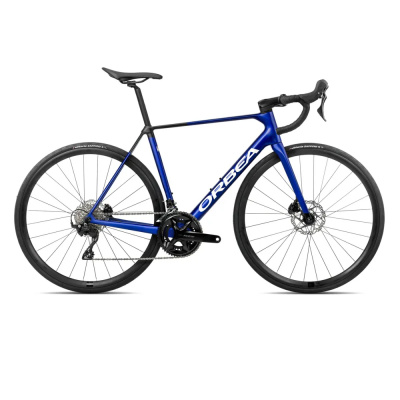
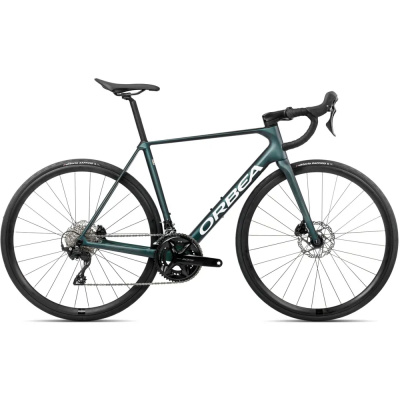
Orbea road bikes occupy a distinctive corner of the market - Grand Tour pedigree, obsessive carbon engineering, and a custom paint programme that makes every other production bike look a bit anonymous. The Spanish brand has been building bikes in the Basque Country since 1930, and that manufacturing confidence shows in every layup schedule and tube profile they produce today.
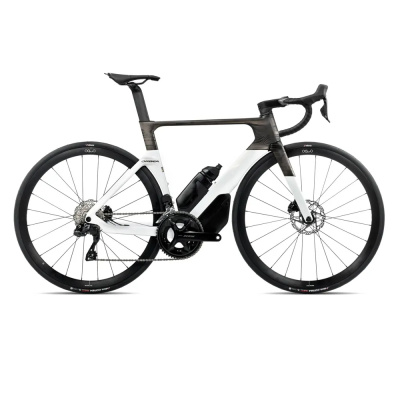
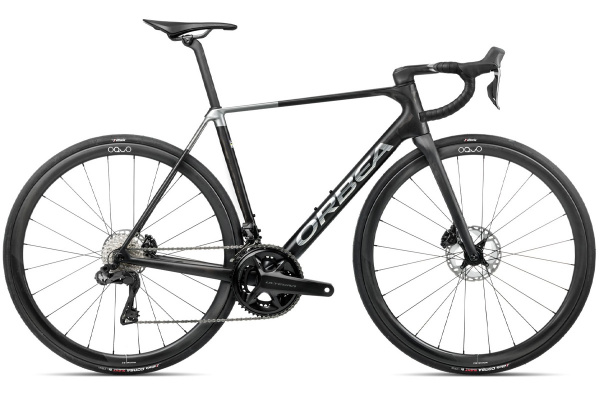
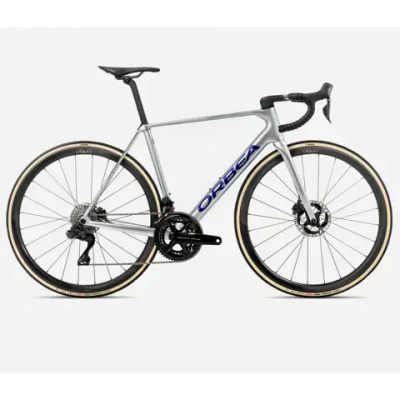
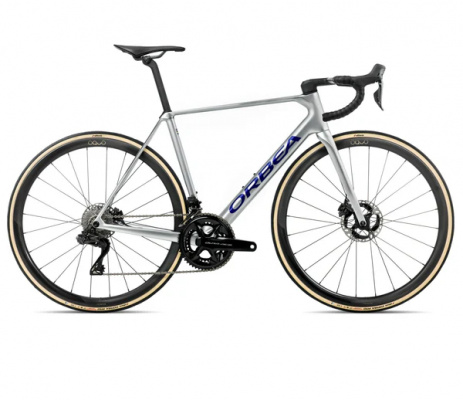
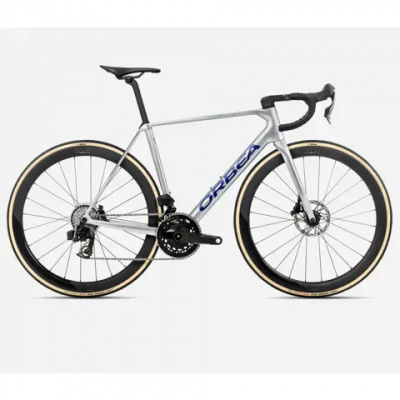
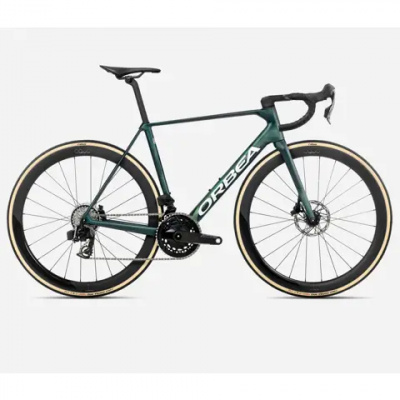
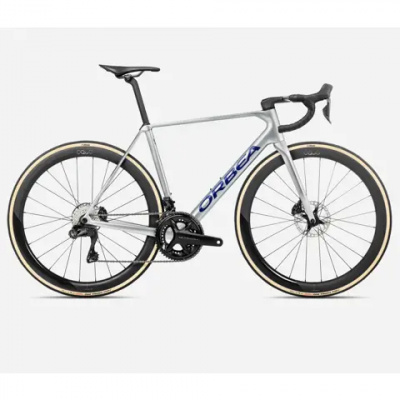
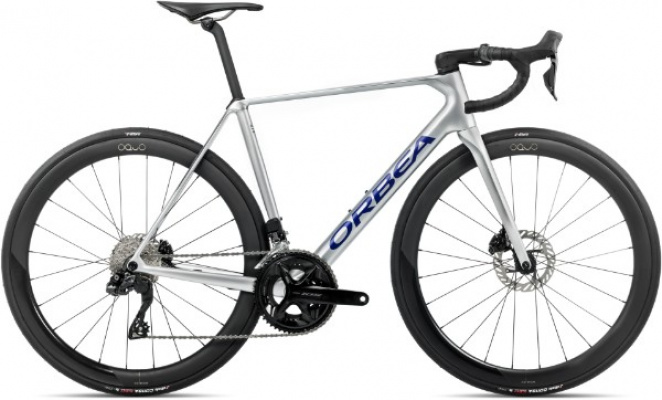
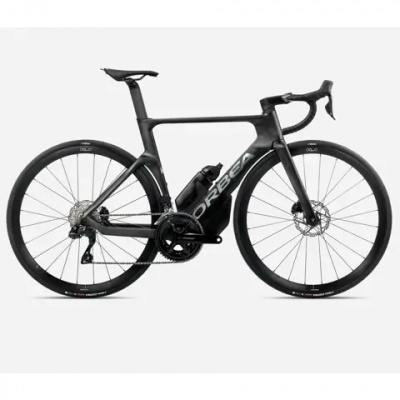
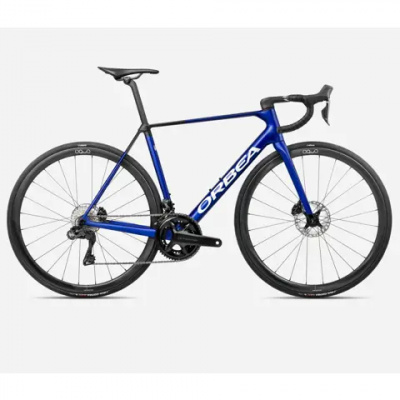
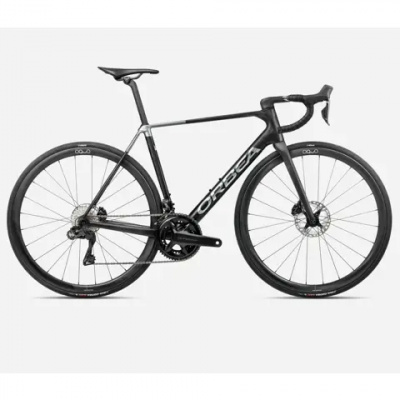
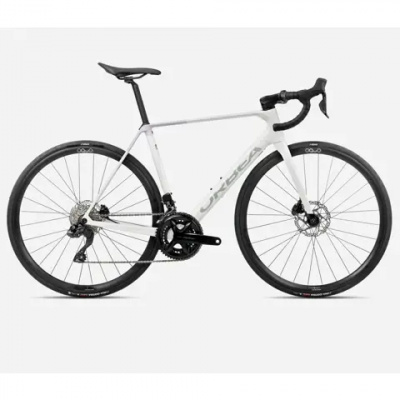
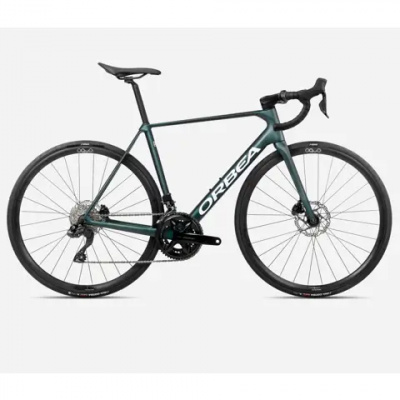
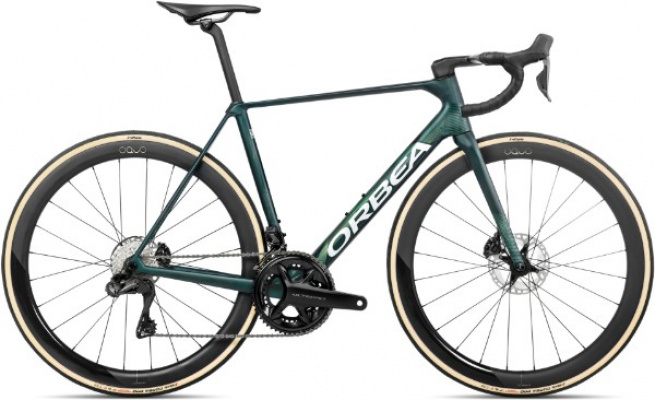
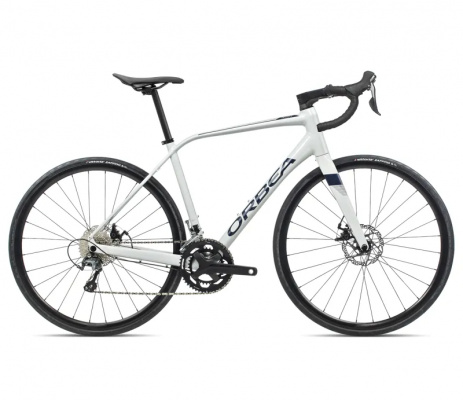
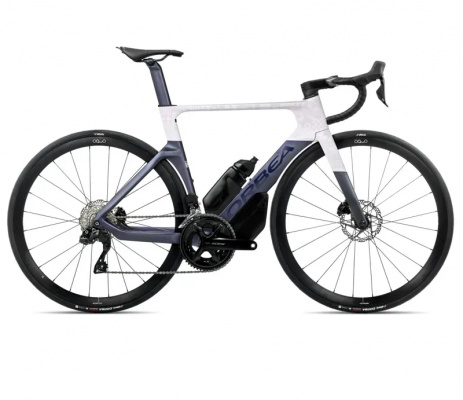
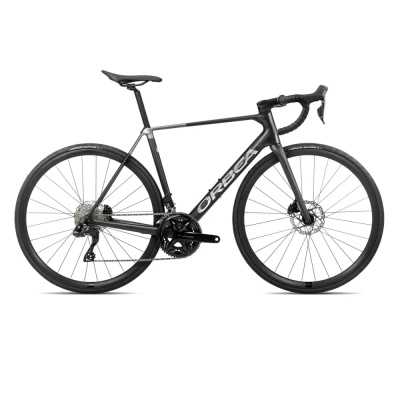
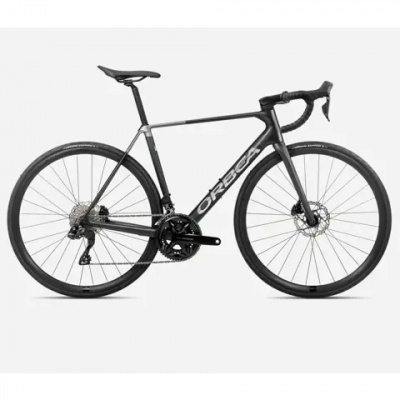
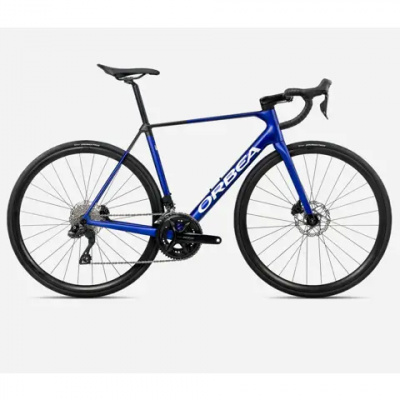
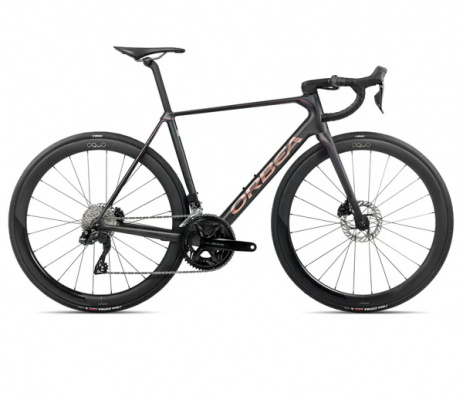
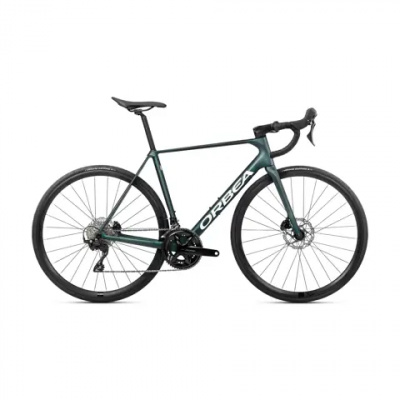
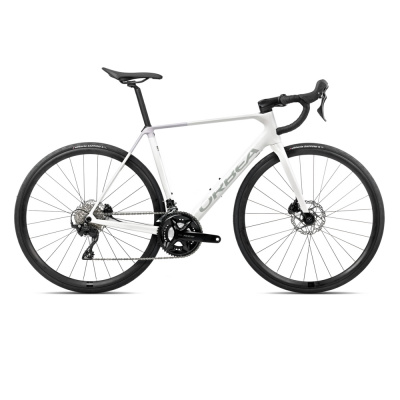
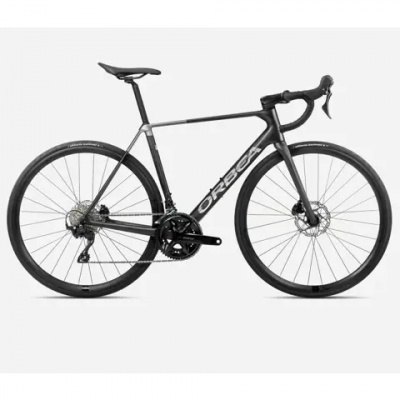
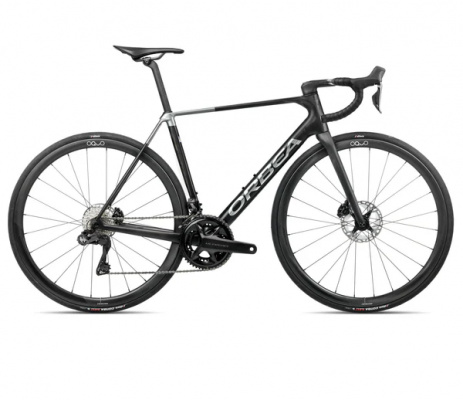
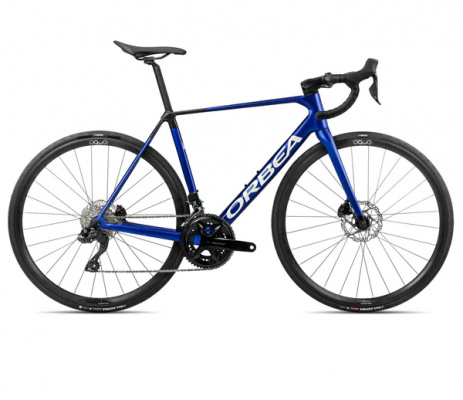
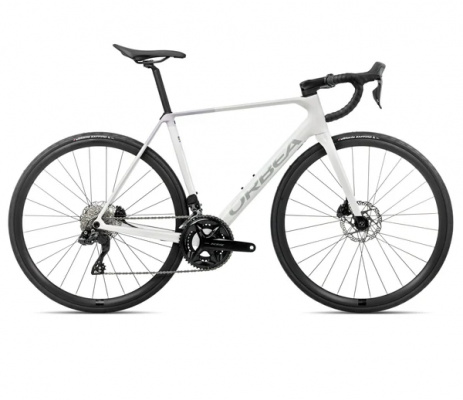
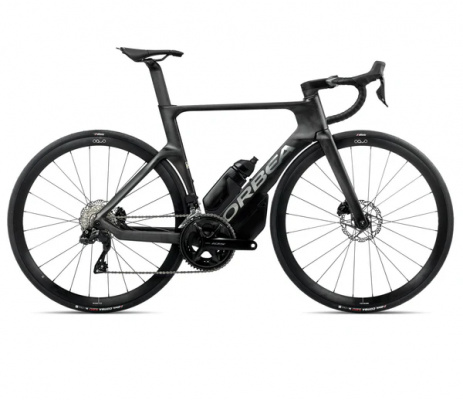
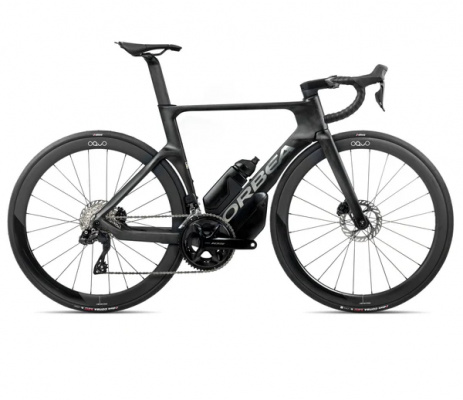
Three road families do most of the talking. The Orca is the pure climber - featherlight, stiff, built around a brutal stiffness-to-weight ratio. The Orca Aero trades a few grams for deep, drag-slashing tube profiles and integrated storage; this is the bike for flat-out speed days. The Avant takes a longer view - endurance geometry, genuine tyre clearance, and aluminium options that make it the most accessible of the three. Whatever your pick, the MyO custom paint and component configuration programme means you can spec the colour scheme and groupset without going anywhere near a boutique builder. For most riders, that alone is a compelling reason to look at Orbea first.
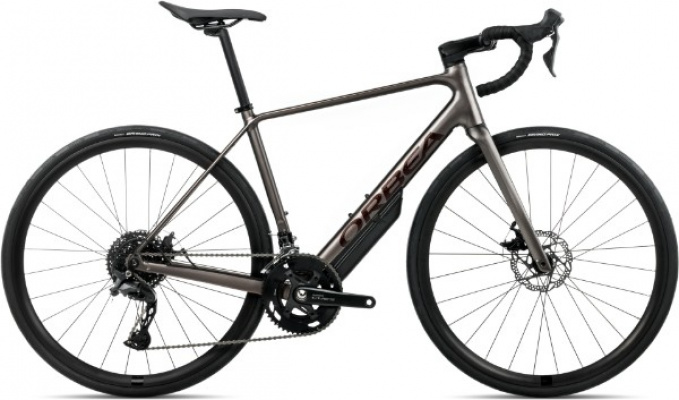
Looking for electric assistance or off-road capability? Explore our dedicated Orbea E-Bikes and Orbea Gravel Bikes collections.
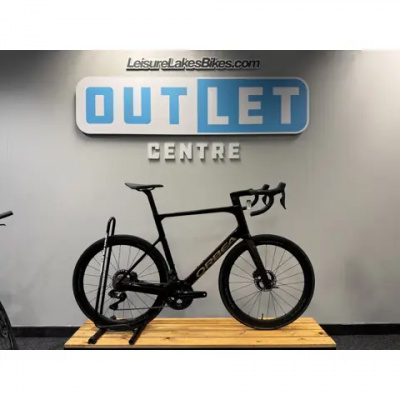
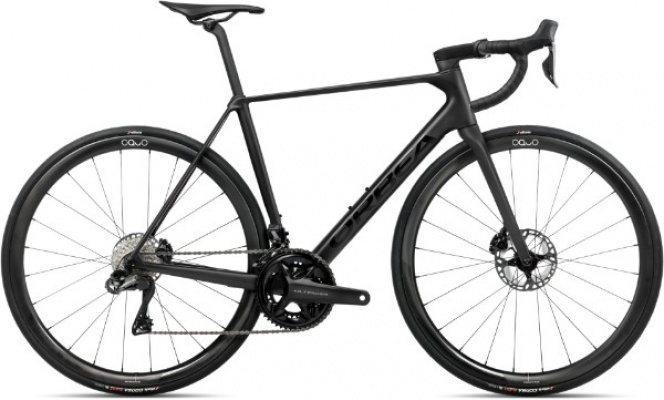
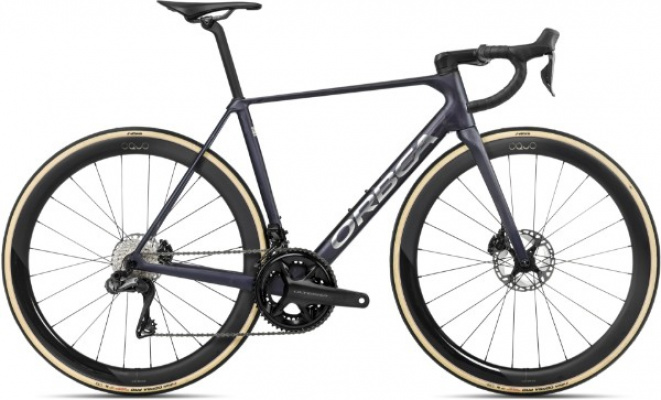
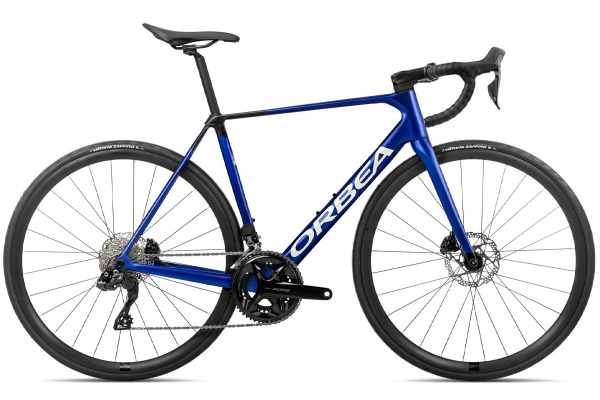
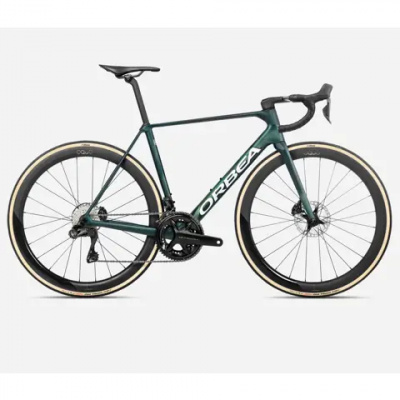
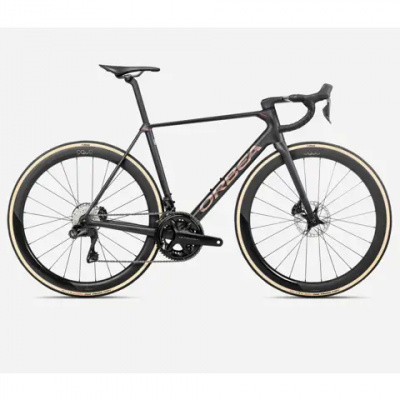
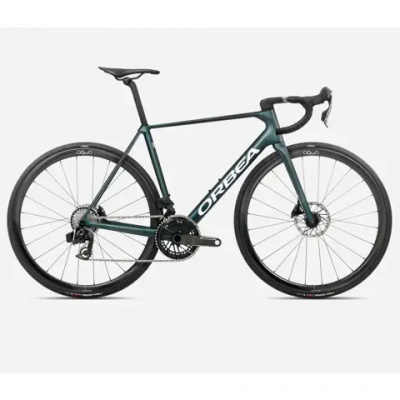
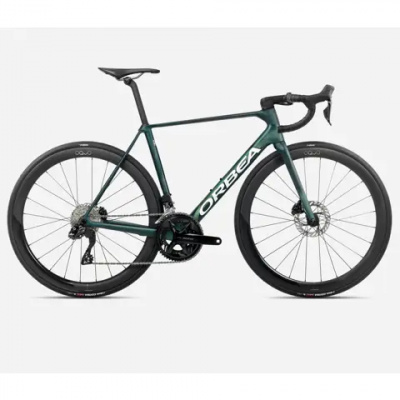
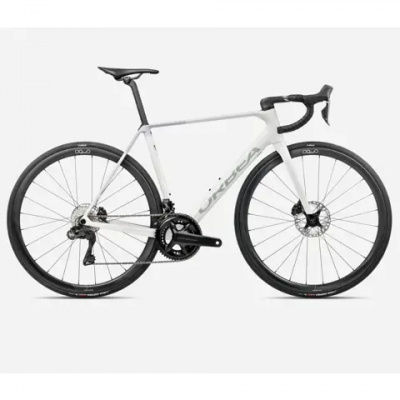
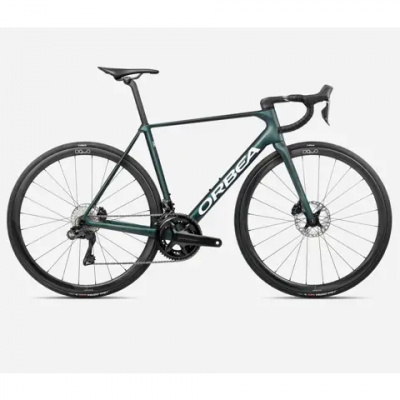
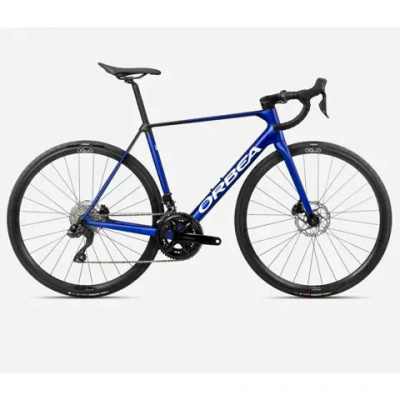
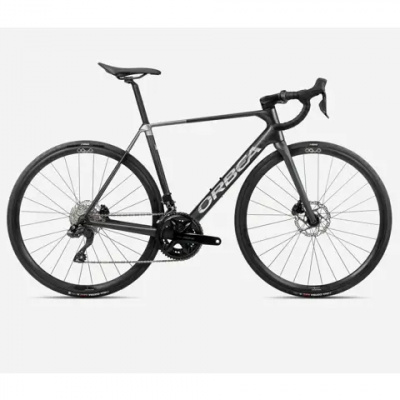
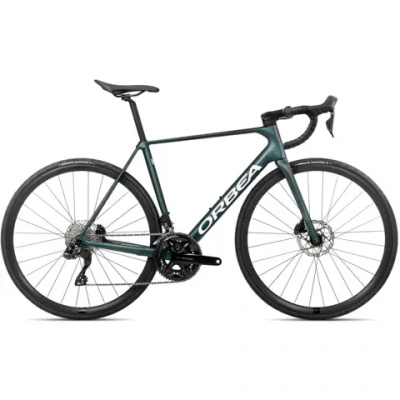
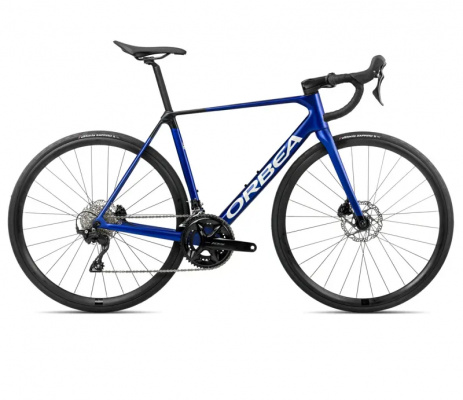
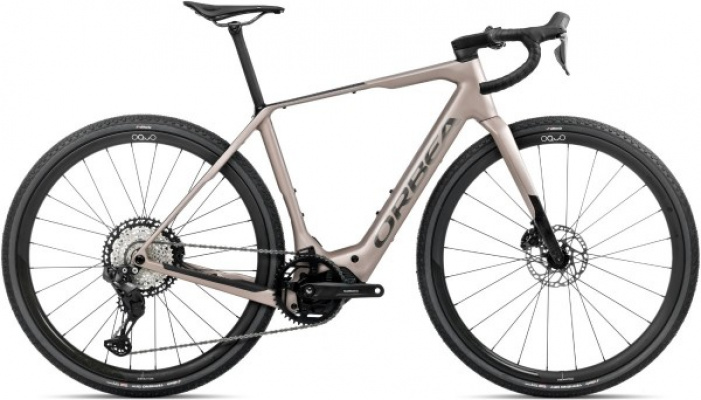
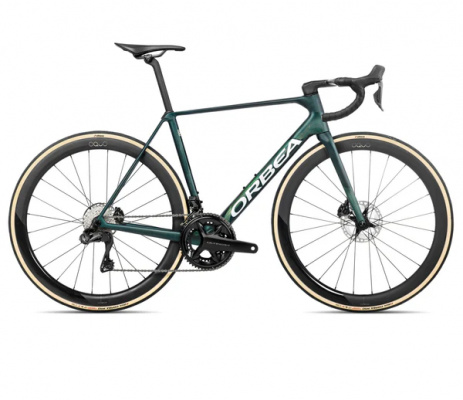
Prices and availability can change quickly. Delivery charges are not always included in listed prices.
Final price, stock status and delivery terms are set by retailer. We may receive a commission on purchases made.
Decoding the Orbea Road Lineup
The naming logic is worth getting your head around before you start comparing models. The letter M in a model name denotes carbon - short for Material - so an Orca M20 is a carbon Orca at a mid-tier spec level. Trim grades run from the top down: LTD sits at the summit, usually paired with Shimano Dura-Ace or SRAM Red; Team steps down to Ultegra or Force territory; Pro, M20, and M30 cover the mid-range where most buyers actually land. It's a clean system once you see it - a bit like reading a gear ratio chart, logical after two minutes of attention.
The Orca is Orbea's climbing weapon. Think cols, KOM attempts, and every occasion where you're staring down a steep gradient and want the bike to feel like it barely exists beneath you. Stiffness-to-weight is the governing principle, and the OMX carbon frames take that to its logical conclusion. The Orca Aero is a different animal - deep tube profiles, an integrated top-tube storage solution, and aerodynamic integration throughout. You pay a modest weight penalty, but on a fast sportive or a rolling course where momentum matters, you'll feel where those watts are going. The Avant is the one to consider if you're covering big miles on imperfect roads - endurance geometry puts you in a less aggressive position, tyre clearance is generous, and there are aluminium builds for riders who want Orbea quality without carbon Orbea pricing. It's the most versatile of the three. Comparing across the broader market, Canyon road bikes and Cervélo road bikes compete at similar price points, but neither offers anything quite like the MyO configuration depth.
The Carbon and Technology Behind the Frames
Two carbon grades run through the Orbea road range, and the difference is real rather than marketing noise. OMX is the pro-level layup - high-modulus fibres, aggressive fibre orientation, and a frame weight that genuinely turns heads on a set of scales. It's the material of choice for the flagship Orca and Orca Aero builds. The trade-off is that high-modulus carbon is less forgiving of impacts than lower-grade materials; it's stiffer and lighter, but you'd want to avoid kerb strikes and treat it with appropriate care. OMR is Orbea's standard carbon, slightly heavier but noticeably better at absorbing road chatter and high-frequency vibration. For most riders doing long days on rougher roads, OMR is actually the more comfortable choice - and the weight difference is academic unless you're racing at a serious level.
The Freeflow Fork on the Orca Aero deserves a specific mention. The wider fork legs are positioned to reduce aerodynamic turbulence generated by the spinning spokes - essentially moving the fork blades out of the dirty air that a rotating wheel kicks up. It's a subtle detail, but it reflects how seriously Orbea's engineers take marginal aero gains at this level. ICR Plus - Integrated Cable Routing - runs cables fully internally through the frame and bar junction, which keeps things visually clean and protects the housing from road grime. Worth knowing: it also means a bit more faff during a full cable change, something to factor in if you're doing your own workshop work. Finally, the MyO programme is genuinely unusual at this scale. You choose paint colours, finish types, and component builds from an online configurator. Giant road bikes and others simply don't offer this level of personalisation on production frames - it's the closest thing to a custom build without the custom build wait time or price.
Running an Orbea on British Roads
UK riding puts specific demands on any road bike, and the Orbea carbon road bikes handle most of them well. Modern Orca and Avant frames clear 32c tyres without drama. On the potholed B-roads that connect most UK market towns and villages, that extra volume makes a tangible difference - less hand fatigue, more confidence over surprise surface changes, and a genuine reduction in puncture frequency if you're running a quality tyre. If you're currently on 25c and wondering why longer rides leave your hands numb, a tyre swap to 28c or 30c on a compatible frame is the first thing worth trying.
The ICR Plus routing earns its keep in wet, gritty conditions. British winters are hard on exposed cable housing - salt, mud, and standing water accelerate wear on any external routing system. Keeping it all internal means the shift quality holds up longer through the colder months, which matters when you're grinding through November and December. The flip side: headset bearing access requires a bit more care than on a traditionally routed bike. If you're not comfortable with that, your local bike shop will have seen it before - it's a known quantity, not an unknown risk. For those looking to sharpen up the cockpit fit after purchase, browsing compatible Orbea handlebars and Orbea stems is a sensible next step once you've dialled in your position.
One practical note on the Orbea Orca vs Orca Aero choice for UK riders: if your regular routes are hilly and you rarely encounter long flat stretches, the standard Orca's weight advantage is the more useful asset. If you're doing sportives with mixed profiles or chasing fast group rides on rolling roads, the Orca Aero's integrated storage and aero efficiency tip the balance. Neither is a wrong answer - it depends entirely on where you actually ride.
Related searches:
Orbea Road Bikes FAQs
Are Orbea road bikes any good?
Orbea is a well-regarded Basque manufacturer with genuine Grand Tour pedigree and in-house carbon production that gives them real control over frame quality. The MyO custom programme adds strong value on premium models, letting you configure paint and components in a way very few production brands can match.
What is the difference between Orbea Orca and Orca Aero?
The Orca is a lightweight climbing bike focused on the best possible stiffness-to-weight ratio - it's the one to pick if your rides are hilly. The Orca Aero uses deeper tube profiles and integrated storage to prioritise aerodynamic efficiency, carrying a small weight penalty in exchange for outright speed on flatter or rolling courses.
What do OMX and OMR mean on Orbea bikes?
OMX is Orbea's top-tier carbon layup - high-modulus fibres that produce the lightest, stiffest frames in the range, used on pro-level builds. OMR is the standard carbon grade: marginally heavier, but it damps road vibration more effectively, making it the more comfortable choice for everyday riding and longer distances.