
Orbea Dropper Posts
Orbea dropper posts sit at the sharper end of what a brand-owned component programme can deliver - and if you're running an Orbea mountain bike, fitting one of these is the path of least resistance. Built under the OC (Orbea Components) banner, the Mountain Control (MC) series is engineered specifically around Orbea's own frame geometries, internal routing paths, and stack height constraints. That last point matters more than you'd think - get a post that's even a few millimetres too tall at the collar and you're losing travel before you've even left the car park.
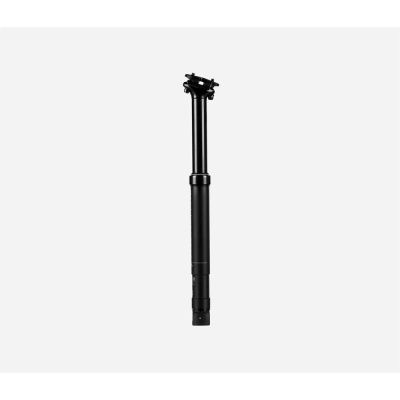
The range covers the Rise, Occam, and Rallon, with travel options stretching from 125mm up to 230mm and a consistent 31.6mm diameter across modern frames. Whether you're chasing a longer-travel upgrade for steeper days out in the Tweed Valley or replacing a post that's finally given up after too many Peak District winters, the OC lineup is worth understanding properly before you buy. It integrates cleanly with Orbea's own Squidlock remote system, keeps cable routing tidy on frames designed for it, and the MC20 tier brings tool-free travel adjustment shims into the mix - a genuinely useful feature. Compare the current Orbea dropper posts below to find the right spec for your frame.
Prices and availability can change quickly. Delivery charges are not always included in listed prices.
Final price, stock status and delivery terms are set by retailer. We may receive a commission on purchases made.
Fitment, Diameters, and What the Rise's Motor Actually Costs You
Every current Orbea mountain frame - Rise, Occam, Rallon, Wild - runs a 31.6mm diameter seat tube. That's your starting point. But diameter is only half the story; insertion depth is where riders get caught out. On a standard Occam or Rallon, you've got a generous amount of post that can drop into the frame, so fitting a 200mm or even 230mm travel post on a medium frame is usually straightforward. The Rise is a different matter. Because the Bosch motor sits high in the downtube and the battery occupies significant space, the effective depth available inside the seat tube is considerably shorter than on an equivalent acoustic frame. Fit too long a post and you'll bottom it out on the motor housing before it's fully seated - which means you're running less travel than you paid for, and potentially stressing the collar interface.
Always pull the maximum insertion depth figure from your specific frame's geometry chart before ordering. Orbea publish these per model year, and they do change between generations. Internal routing is standard across the range, so you'll need a post with a cable port positioned correctly for Orbea's routing channels - OC posts are obviously matched for this, but if you're considering a third-party option like RockShox droppers or OneUp droppers, verify the cable exit angle lines up with your frame's entry port before you commit.
If you're servicing an existing post or need to secure a new one properly, you'll need the correct small parts. Head over to our dedicated Orbea Seatpost Spares and Orbea Seat Clamps pages for replacement cartridges, actuators, and collars.
MC20 vs MC21: Where the Money Goes
Orbea's OC dropper lineup splits into two clear tiers. The MC21 is the workhorse - you'll find it spec'd on mid-range builds, and it does the job without drama. Travel options typically run from 125mm through to 170mm depending on frame compatibility, the actuation is mechanical cable, and the construction is solid rather than fussy. Nothing wrong with it. But it's not the post you'd choose if you were speccing from scratch with a free hand.
That'd be the MC20. It's lighter, the stanchion finish is noticeably better, and - most usefully - select MC20 models include tool-free travel adjustment shims. That means you can dial the travel down in 5mm or 10mm increments without touching a single bolt, which is handy if you're fitting a longer post to a smaller frame and need to find the sweet spot between maximum drop and minimum saddle height. Both tiers share Orbea's low-stack collar design, which is the detail that lets riders on size small and medium frames run posts they'd otherwise have to rule out. A low collar height means the post sits further into the frame before the saddle clamp begins, recovering usable travel that a bulkier collar would otherwise eat.
The Squidlock remote integration is worth flagging here. Orbea's multi-function remote is designed to operate the dropper actuator alongside gear functions from a single lever body - it mounts cleanly to Orbea's own bar and stem setup, and if you're already running Orbea's levers and shifters, it all clicks together without the usual cable-routing faff. If you prefer a dedicated remote, standard mechanical cable droppers from Fox or PNW Components will work with appropriate adapters, but you lose the integrated tidiness.
Travel on the MC20 ranges up to 230mm on longer frames. For context, a 200mm post on a large Rallon gives you a meaningful saddle drop - the kind that transforms steep, technical descending rather than just tidying it up a bit. If you're riding anything in that ballpark and currently on a 150mm post, it's worth checking your frame's insertion depth and seriously considering the step up.
Keeping an OC Post Running Through a British Winter
UK winters are genuinely unkind to dropper posts. The combination of liquid mud, fine grit, and persistent damp is a slow assault on every moving part, and the OC posts aren't immune - no dropper is. The main wiper seal at the top of the stanchion is your first line of defence, and it's also the first thing to degrade. Grit works under the rubber lip, scores the stanchion surface, and then you've got a post that weeps air or oil and loses return speed. The fix isn't complicated: every 50 hours of wet riding, unscrew the main collar, slide it up the stanchion, and clean the bushing area thoroughly before applying a thin coat of suspension grease. It takes ten minutes and it's the single most effective thing you can do to extend post life.
The other failure point is the actuator at the base of the post - specifically the cable where it enters the actuator body. On Orbea frames, internal cable routing means the cable runs down through the frame and often exits near the bottom bracket shell. Water tracks down the cable housing and pools there. In cold, wet conditions, that means accelerated corrosion at exactly the point where precise cable movement matters most. Check this joint every season: if the outer cable looks swollen or the inner is starting to show rust bloom, replace it before it seizes. A corroded cable causes the same symptoms as a failing cartridge - sluggish or sticky actuation - and it's a fraction of the cost to fix.
On that note: cold weather thickens the factory cartridge oil, which is why posts that feel crisp in September feel sluggish in January. This isn't a fault - it's physics. If the return speed bothers you in freezing conditions, a cartridge service with a lighter-weight oil will resolve it. Worth knowing before you assume the post is broken.
If you're weighing up whether to service an OC post or move to a third-party option, Orbea e-bike riders should factor in that aftermarket posts on the Rise need especially careful insertion-depth checking - the motor clearance issue doesn't go away just because you've switched brands. If you're purely on an acoustic Orbea and want to explore alternatives, Brand-X droppers offer a cost-effective entry point worth comparing.
Orbea Dropper Posts FAQs
How do I adjust the travel on my Orbea OC dropper post?
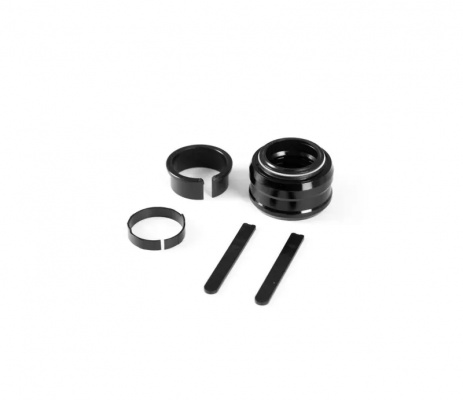
On compatible MC20 models, travel adjustment uses internal shims - no tools needed. Unscrew the main collar, slide it up the stanchion to expose the internal shaft, and clip the supplied shims onto the shaft below the bushing. Each shim reduces travel in 5mm or 10mm increments depending on which shim set your post came with. Not all MC21 posts support this - check your model's spec sheet first.
What diameter is the Orbea Occam dropper post?
Modern Occam frames take a 31.6mm diameter dropper post. That covers current alloy and carbon versions. Beyond diameter, always check the maximum insertion depth for your specific model year before fitting a longer-travel post - Orbea publish this per frame, and it varies between generations. Getting this wrong means losing travel, not gaining it.
Why is my Orbea dropper post sticking?
Two likely culprits. First, an overtightened seat clamp - if it's above 4-5Nm it can pinch the stanchion and bind the post mid-stroke. Back it off to the recommended torque and retest. Second, grit ingress under the wiper seal scoring the stanchion surface. Clean the seal collar, apply suspension grease to the bushing, and check whether the stanchion itself has picked up any scoring. In winter, thick cartridge oil from cold temperatures can also cause sluggish return, which is a service issue rather than a mechanical fault.