
Oneup Dropper Posts
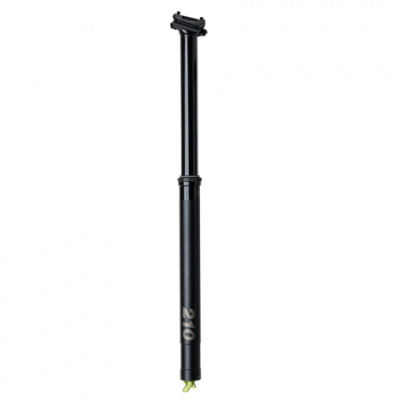
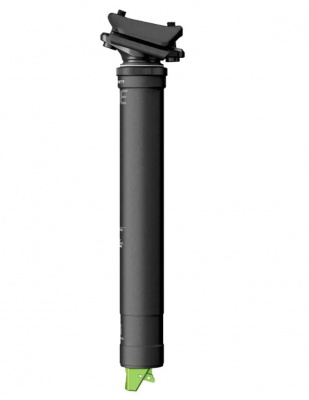
OneUp Dropper Posts have built a serious reputation for one thing above all else: fitting more travel into less post than almost anything else on the market. That class-leading ultra-low stack height and short total length means riders who've always struggled to fit a longer-travel post - shorter riders especially - suddenly have options they didn't before. Whether your frame is tight on insertion depth or you've been making do with 100mm of drop when you really need 150mm, OneUp's design removes the usual compromise.
Both the cable-actuated V2 and the premium V3 are internal-routing posts, built around a replaceable sealed cartridge system that keeps servicing straightforward. The V3 pushes things further with SKF wiper seals, IGUS bushings, and a fully recyclable cartridge - smoother, lighter, and better equipped for the sort of grim conditions UK riding throws at a dropper post year-round.
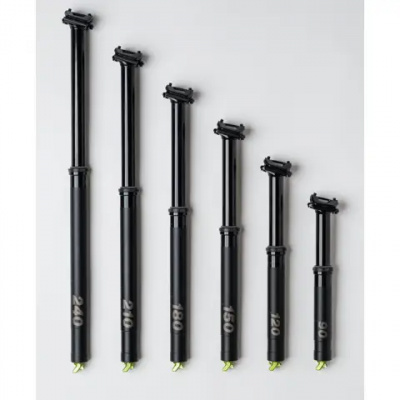
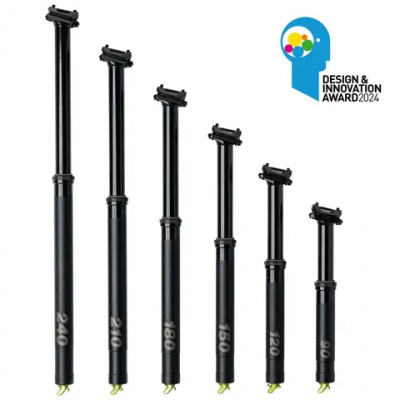
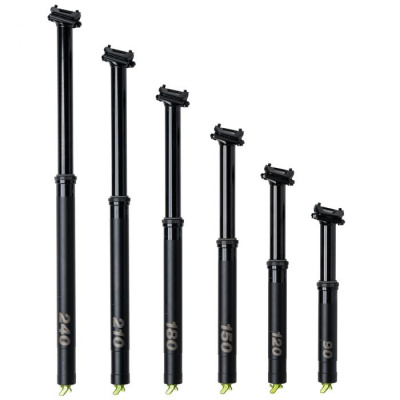
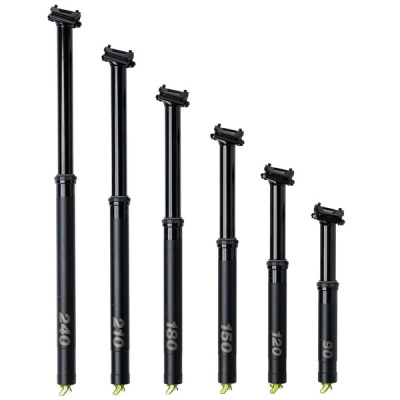
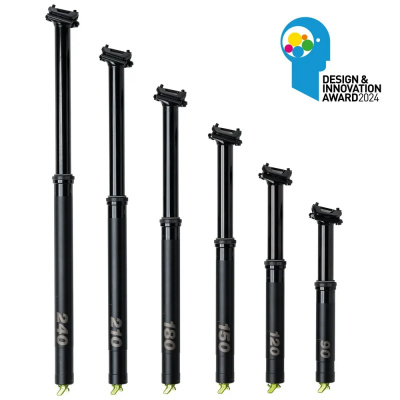
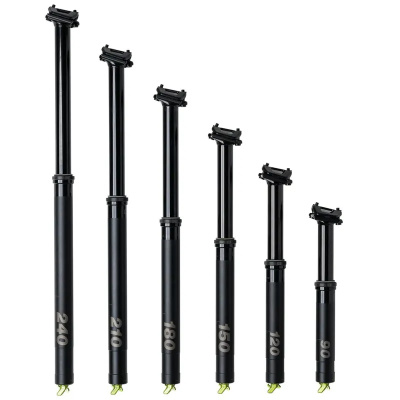
Travel adjustment is handled without tools, using custom brass shims to dial back drop by 10mm or 20mm if your frame demands it. It's a neat, practical solution. Use our price comparison to find the best UK deals across the OneUp dropper range, from 30.9mm to 34.9mm diameter and up to 240mm of travel.
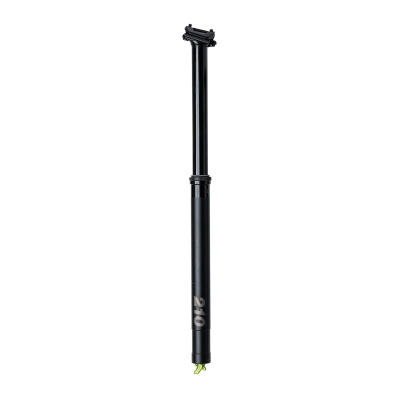
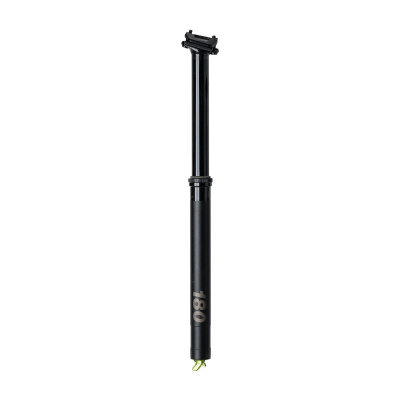
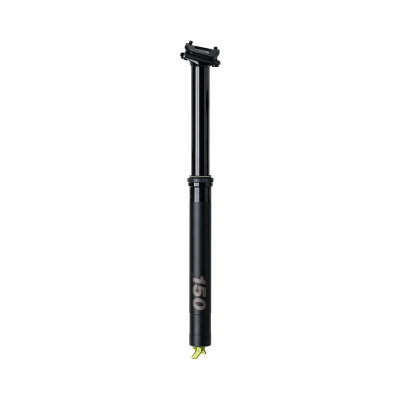
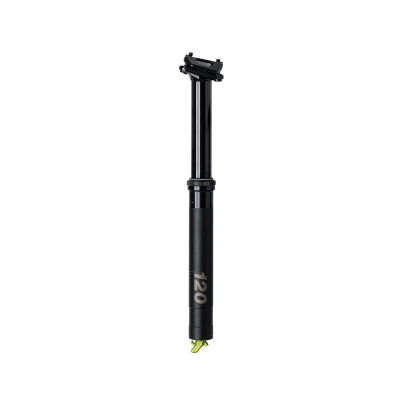
Prices and availability can change quickly. Delivery charges are not always included in listed prices.
Final price, stock status and delivery terms are set by retailer. We may receive a commission on purchases made.
Measuring Up: Diameters, Travel, and Routing
Getting the right OneUp dropper starts with two measurements: your frame's seat tube internal diameter and its maximum insertion depth. OneUp posts come in 30.9mm, 31.6mm, and 34.9mm - covering the vast majority of modern mountain bikes - with travel options running all the way up to 240mm. That upper end puts OneUp among the longest-travel cable-actuated posts available anywhere.
One firm requirement: these are internal cable routing posts only. If your frame runs external cable routing, OneUp won't work without a conversion, so check your frame's port arrangement before you buy. For insertion depth, measure from your seat collar clamp down to the top of your bottom bracket shell - that figure, combined with your preferred saddle ride height, tells you the maximum travel you can actually use. OneUp's own sizing calculator does the arithmetic cleanly; feed in your numbers and it'll tell you which post length to order.
The custom travel adjust shims - brass pins that slot into the guide channels inside the collar - let you reduce travel by 10mm or 20mm without any tools. Unscrew the mid-cap collar by hand, drop the pins in, and reassemble. Useful if your frame sits right on the cusp of a longer post fitting, or if you're running a particularly aggressive saddle setback. It's a considered feature that makes OneUp a genuinely flexible choice for awkward frame geometries.
Actuation is via a cable-pull remote lever, sold separately. Most standard remote levers - including OneUp's own - are cross-compatible, so if you're already running a quality lever from another setup, there's a good chance it'll work straight away.
V2 or V3: Knowing Which One You Actually Need
The OneUp V2 is the post that earned the brand its reputation. It's proven, reliable, and built around a sealed cartridge that can be replaced in the car park with basic tools when it eventually wears out - no sending the whole post away, no long wait. For most riders on a sensible budget, it's still an excellent choice. Slightly heavier than the V3, but not by enough to matter on a typical trail bike.
The OneUp V3 is where the engineering moved on. The headline changes are SKF wiper seals replacing the standard wipers, and IGUS bushings taking over from conventional bearings. In practice, this means noticeably smoother actuation - less of that subtle friction you feel on a post that's seen a few wet rides - and better resistance to the fine grit that works its way into a dropper during a muddy Welsh autumn. The V3 also shaves weight and drops the stack height even further, which matters if you're right on the edge of fitting your preferred travel. The cartridge is fully sealed and recyclable, a genuine improvement over the V2 in terms of both longevity and environmental credentials.
The honest trade-off? The V3 costs more. If you're riding a hardtail on mixed surfaces and your dropper spends most of its life dry, the V2 does the job well. If you're descending Peak District grit roads in October, or your bike lives in a muddy van from November through February, the V3's sealing pays for itself in reduced maintenance. Compare both against alternatives like RockShox Dropper Posts or Fox Dropper Posts and you'll find OneUp sits at a competitive price point for the level of adjustability and stack height on offer.
If you need replacement cartridges, brass pins, or rebuild kits to keep your post running smoothly, visit our OneUp Seatpost Spares page - we stock the full range of service parts to keep things moving.
Keeping It Running Through a UK Winter
A dropper post in the UK earns its keep the hard way. Liquid mud, fine grit, and persistent damp are the real enemies of a smooth-operating post, and they don't let up from October to April. The V3's SKF wiper seals do a solid job of keeping the worst of it out, but no wiper seal is completely immune to the kind of clay-heavy slop you get on a Surrey Hills ride after a week of rain.
The practical fix is simple: every few rides in proper winter conditions, unscrew the collar, wipe out any accumulated grit from around the stanchion and seal, and apply a thin coat of suspension grease - something like Slick Honey works well - before reassembly. It takes two minutes and makes a meaningful difference to how the post feels. Ignore it for a full season and you'll be chasing a scratchy, sticky action that no amount of cable tension adjustment will fix.
The other thing worth attending to is your cable. UK wet conditions corrode standard steel inner cables faster than most riders expect, and a corroded inner cable dragging through its outer housing is one of the most common reasons a dropper feels sluggish or won't fully extend. Use sealed outer cable housing and consider a stainless or coated inner cable - the upfront cost is minor compared to diagnosing a sticky post mid-ride on the North York Moors. Pair this with OneUp's own tools for installation and you've got a clean, reliable setup from the start.
For riders also looking at budget-friendly dropper options, Brand X Dropper Posts and PNW Components Dropper Posts are worth a look as alternatives, though neither matches OneUp's combination of stack height and travel range. And if you're refreshing your cockpit while you're at it, OneUp Handlebars are engineered to the same practical-first standard as the dropper range.
Oneup Dropper Posts FAQs
How do I adjust the travel on a OneUp dropper post?
You can reduce travel by 10mm or 20mm using the custom brass pins (shims) included with the post. Unscrew the mid-cap collar by hand, slide the pins into the guide slots inside the collar, and re-tighten. No tools needed. It's worth doing this before final installation if your frame is borderline on insertion depth.
What is the difference between OneUp V2 and V3 dropper?
The V3 is lighter, has an even shorter stack height, and uses SKF wiper seals plus IGUS bushings for smoother, more consistent actuation. The V2 is a proven, slightly heavier post with a standard replaceable sealed cartridge - still a strong choice if you're not chasing the lightest possible build or riding in heavy mud regularly.
What size OneUp dropper post do I need?
Match your frame's seat tube internal diameter - typically 30.9mm, 31.6mm, or 34.9mm. For travel, measure your frame's maximum insertion depth and your preferred saddle ride height, then run those numbers through OneUp's sizing calculator. It'll confirm the longest travel post that'll actually fit your bike properly.