
PNW Components Dropper Posts
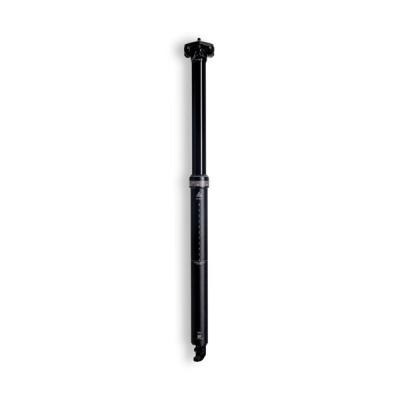
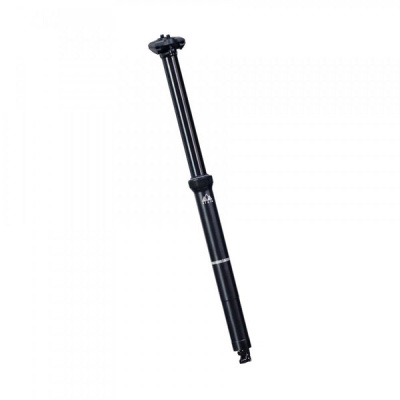
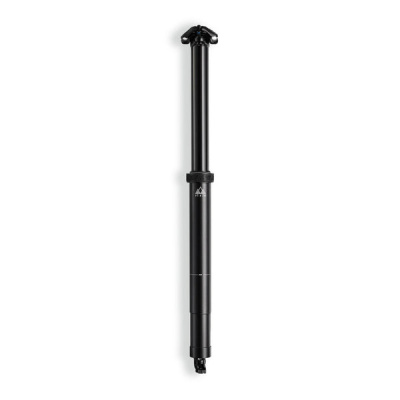
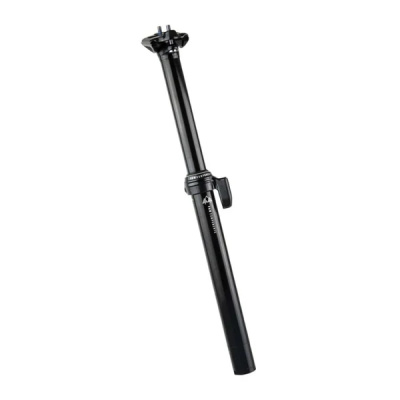
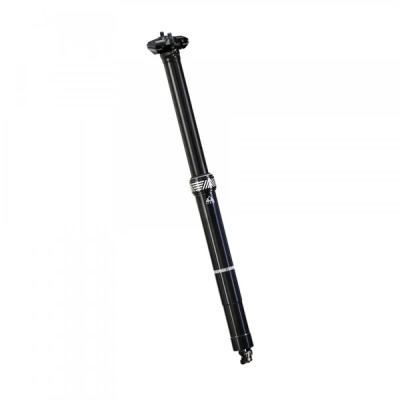
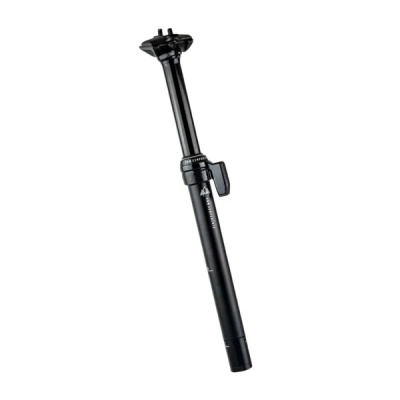
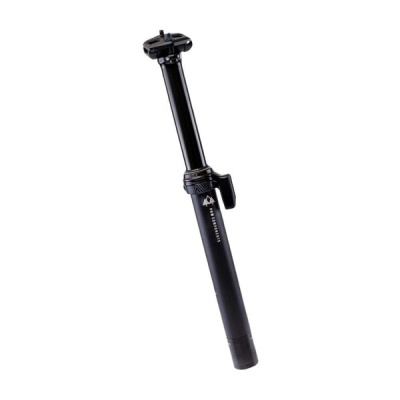
PNW dropper posts have built a serious reputation among trail riders who want reliable, no-fuss performance without chasing down a warranty claim every winter. These are cable-actuated seatposts engineered with fully sealed alloy air cartridges, meaning grit-laden water from a soggy Peak District descent isn't quietly destroying your internals between rides. The standout feature across the range is tool-less travel adjustment - no allen keys, no spacer kits from a separate bag you've definitely lost. You simply unscrew the mid-cap collar by hand and dial in your drop to suit your frame.
The range splits cleanly by rider priority. Want adjustable return speed and machined-finish detail? The Loam is your post. Need a workhorse that just works, every ride, in every condition? The Rainier delivers that without compromise. Gravel or XC riders on 27.2mm frames have the Pine, and the Coast brings integrated suspension into the mix for those wanting more from a single post. PNW backs the lot with a lifetime warranty - which tells you something about how much confidence they have in the build quality. Whether you're running 30.9mm, 31.6mm, or 34.9mm, there's a size here for most modern trail and enduro frames.
Prices and availability can change quickly. Delivery charges are not always included in listed prices.
Final price, stock status and delivery terms are set by retailer. We may receive a commission on purchases made.
Getting the Fit Right: Diameter, Insertion Depth and Routing
Before you click buy, you need three numbers: your seat tube internal diameter, your minimum insertion depth, and your available stack height. PNW posts come in the four most common standards - 27.2mm, 30.9mm, 31.6mm, and 34.9mm - so measure your seat tube carefully rather than assuming. A set of digital calipers on the seat tube opening takes thirty seconds and saves a return.
Insertion depth matters more than most riders realise. Measure from the bottom of your seat clamp to the nearest obstruction inside the frame - a pivot bolt, a bottle cage boss, whatever stops the post travelling down. That figure is your maximum insertion depth. Stack height is the collapsed height of the post itself; if your stack height exceeds your available insertion depth, you'll bottom out on hardware rather than getting full drop. PNW publish both figures for each model and travel option, so cross-reference before ordering.
Routing is the other variable. Internal routing frames need the cable fed through the frame before installation - straightforward on most modern trail bikes but worth checking your frame's port size matches the cable housing outer diameter. External routing is simpler: the cable runs outside the frame and clamps at the post's base. PNW posts work with both setups, but confirm your frame's routing style before you order.
One thing worth flagging: PNW posts are cable-actuated and sold without a remote lever. For actuation options that pair with these posts, head to the PNW dropper levers category - there's a range of PNW-matched remotes there worth looking at before you complete your build.
Breaking Down the Range: Loam, Rainier, Pine and Coast
The Loam is PNW's flagship. What separates it from the rest of the range is adjustable air pressure return rate - you can tune how snappily the post returns to full extension. Riders who prefer a slow, controlled rise on technical climbs will appreciate this; those who want instant pop have that option too. Travel runs up to 200mm, the finish is machined alloy rather than painted, and the overall package is aimed at riders who want the best PNW dropper post experience and are willing to pay for it. If you're comparing against Fox dropper posts at a similar price point, the Loam's adjustable return rate is a genuine differentiator rather than a spec-sheet novelty.
The Rainier is the one we'd point most UK riders towards for day-to-day use. The sealed cartridge isn't adjustable for return speed, but it's arguably more resilient for it - fewer moving variables means fewer things to go wrong after a winter of Welsh trail centre mud. It still carries the tool-less travel adjustment system, letting you reduce travel by up to 30mm in 5mm increments without touching a tool. Useful if you're fitting it to a shorter-reach frame or want to trim the drop for a specific riding style. Compared to something like OneUp dropper posts at a similar price, the Rainier holds its own on build quality and warranty confidence.
The Pine is the 27.2mm option, built for gravel bikes and XC frames where the narrower seatpost diameter is a given. Travel options are more modest than the Loam or Rainier, but for a gravel rider who wants the benefit of a drop post on mixed-surface days in the Chilterns or the Cairngorms, it's a considered rather than compromised option. The Coast is a different proposition entirely - oversized stanchions with integrated air suspension built in, aimed at riders who want active compliance from the post itself rather than just vertical drop. It's niche, but genuinely useful on rough, rowdy descents where small bump compliance from the saddle area makes a tangible difference.
If you're building out a full PNW cockpit alongside your post, the PNW handlebars range is worth a look for compatible sizing and aesthetics.
Keeping It Running Through a UK Winter
The sealed alloy cartridge design is a deliberate choice, not a cost-cutting measure. Fully rebuildable hydraulic dropper posts can perform brilliantly when fresh, but they're also more vulnerable to water and grit ingress through wiper seals worn down by repeated washing and abrasive liquid mud - exactly the conditions you'll encounter on a ride in the Forest of Dean in November. PNW's approach keeps the internals protected and the maintenance burden low. That's a sensible trade-off for riders who aren't rebuilding their post on a workshop bench every few months.
That said, the external stanchion still needs attention. Every 50 hours of riding is a reasonable interval to clean the exposed stanchion thoroughly, then work a light coat of suspension grease - Slick Honey works well for this - under the wiper seal with a clean cloth. It takes five minutes and stops the inevitable grinding paste of fine grit from scoring the stanchion surface. A scored stanchion accelerates seal wear and shortens cartridge life, so this one simple habit keeps the post feeling smooth for far longer. Rinse the post after every muddy ride, avoid directing a pressure washer jet directly at the wiper seal, and you're most of the way there.
The sealed cartridge itself is maintenance-free in normal use. If the post starts sagging mid-ride or loses its return pressure, that's the signal the cartridge needs replacing - typically after one to two years of regular use. It's a straightforward swap rather than a full rebuild, which keeps the servicing accessible. For riders comparing long-term running costs, this is worth factoring in alongside the initial price difference versus something like RockShox dropper posts or Brand-X dropper posts at the budget end of the market.
If you're rounding out your contact points at the same time, PNW pedals are worth adding to the comparison list alongside the post.
PNW Components Dropper Posts FAQs
How do you adjust the travel on a PNW dropper post?
No tools needed. Unscrew the mid-cap collar by hand, slide the white nylon bushing to your chosen travel reduction - up to 25mm on some models, 30mm on others - in 5mm increments, then retighten the collar. The whole process takes under a minute and doesn't require removing the post from the frame.
Are PNW dropper posts compatible with any lever?
Yes. PNW posts use a standard cable-actuated system with a barrel clamp at the base of the post, which means they'll work with almost any cable-actuated remote lever on the market. You're not locked into a proprietary actuation system, which is useful if you're upgrading an existing build.
How often should I service my PNW dropper post?
Clean the stanchion and apply a light suspension grease under the wiper seal roughly every 50 hours of riding - more frequently if you're riding in consistently wet, gritty conditions. The sealed internal cartridge needs no regular maintenance; if the post starts to sag or loses return pressure, that's the sign the cartridge needs replacing, usually after one to two years of regular use.