
Cannondale E-Bikes
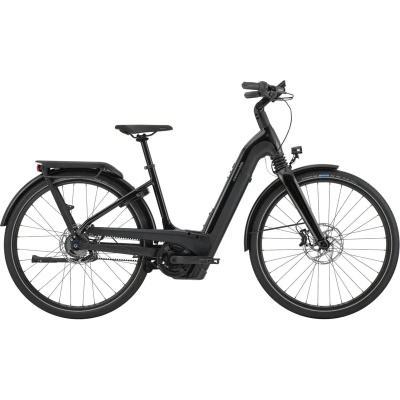
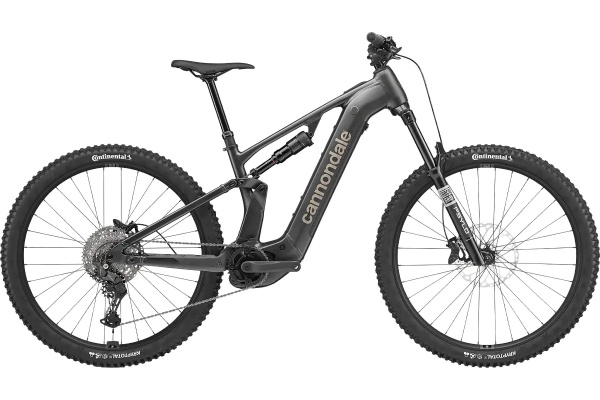
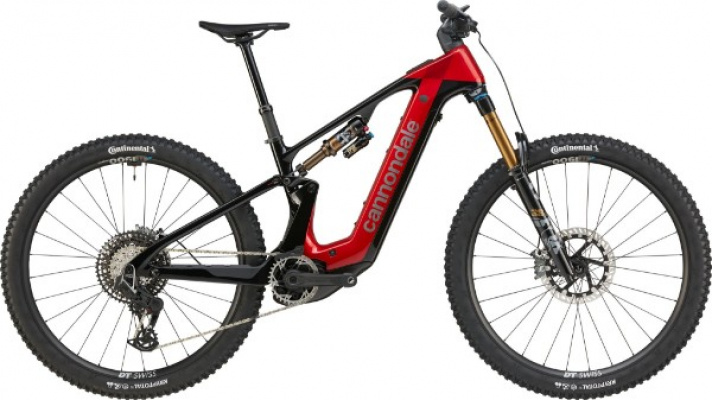
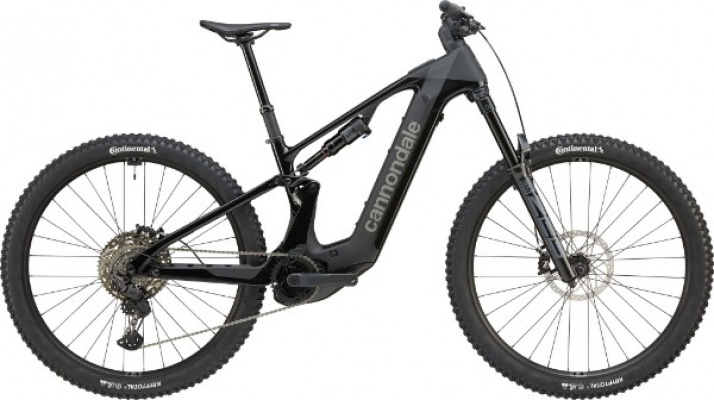
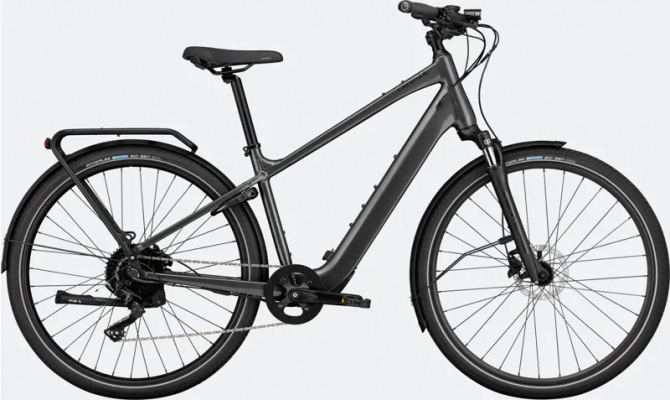
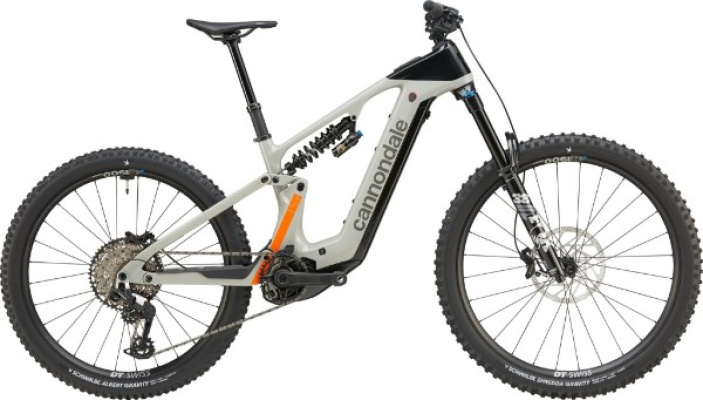
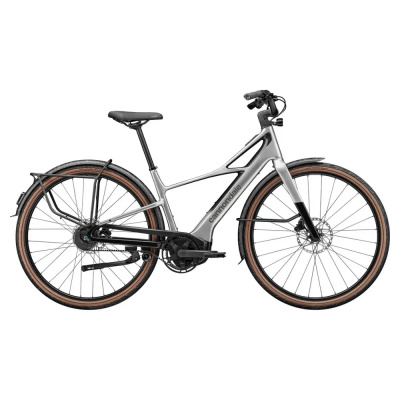
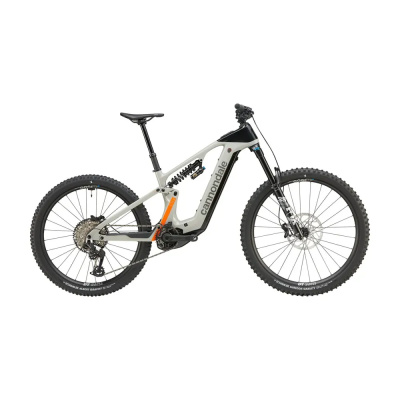
Cannondale E-Bikes sit at the sharper end of the market - every model in the range carries that Neo suffix as a badge of genuinely integrated electric design, not a motor bolted onto an existing frame as an afterthought. Cannondale has spent decades refining aluminium and carbon layups for acoustic bikes, and that same engineering discipline runs straight through the electric lineup. Whether you're winching up a loose, rocky climb at BikePark Wales on a Moterra Neo or punching through a headwind on a dark November commute aboard a Treadwell Neo, the pedal-assist feel is natural rather than intrusive. A big part of that comes down to Proportional Response - Cannondale's system of tuning suspension kinematics and centre-of-gravity positioning for every individual frame size. On a 24kg e-MTB that's not a small detail; geometry that works on a large can feel agricultural on a small, and Cannondale addresses that directly. Motor choice is split between Bosch Performance Line CX for trail and urban work and the featherweight Mahle ebikemotion hub system for road and gravel. If you're after unassisted Cannondale bikes, head over to our Cannondale Mountain Bikes, Road Bikes, or Hybrid Bikes pages.
Prices and availability can change quickly. Delivery charges are not always included in listed prices.
Final price, stock status and delivery terms are set by retailer. We may receive a commission on purchases made.
Decoding the Cannondale E-Bike Lineup
Every Cannondale electric model carries the Neo name - it's the brand's universal identifier for the electric range, and once you understand the logic, picking the right bike becomes straightforward. The family breaks into five clear disciplines, each with its own frame architecture and motor pairing. At the aggressive end sits the Moterra Neo, a long-travel e-MTB built around the Bosch Performance Line CX motor and designed for the kind of sustained, technical climbing you'd find on the black runs at trail centres in the Highlands or the Forest of Dean. A step down in travel, the Habit Neo targets trail riding - think Peak District singletrack or the Quantocks - where you want e-assist without the full heft of an enduro rig.
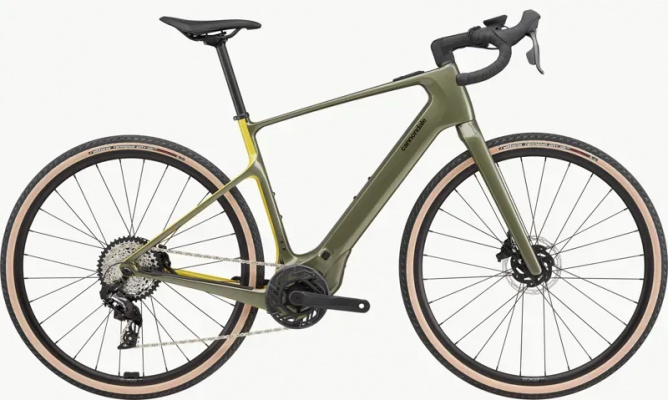
For mixed-surface riding, the Topstone Neo is Cannondale's e-gravel answer, running a Mahle hub motor to keep the silhouette clean and the weight honest. On tarmac, the Synapse Neo and SuperSix EVO Neo handle endurance and performance road duties respectively, both using the discreet Mahle X35 system to the point where you'd barely clock the motor at a glance. Rounding things off, the Treadwell Neo and Adventure Neo cover urban and hybrid use - practical, upright, and spec'd with Bosch motors suited to loaded commuting.
Trim levels run numerically, and the convention is consistent: lower numbers mean higher spec. A Moterra Neo 1 sits at the top with top-shelf suspension and drivetrain components; a Moterra Neo 4 gets you into the platform at a more accessible level with spec that suits riders building into the category. It's worth being clear on that before you start comparing models side by side - the number tells you where in the range you are.
The Cannondale Tech Philosophy
Proportional Response is the piece of Cannondale's engineering that deserves the most attention, particularly on full-suspension e-bikes. The premise is that a size small and a size extra-large shouldn't just be the same bike scaled up or down - the suspension kinematics, leverage curves, and centre-of-gravity positions are all adjusted per frame size so that the bike handles consistently regardless of what size you're on. On an acoustic 10kg trail bike that's a refinement. On a 24kg Moterra Neo, where mass distribution has a much bigger say in how the bike corners and climbs, it shifts from refinement to necessity.
Motor choice is deliberate and discipline-led. The Bosch Performance Line CX delivers high torque - the kind you need when you're hauling yourself and a heavy bike up a loose, rooty choke point - and it integrates cleanly into the Moterra and Habit Neo frames. The Mahle ebikemotion X35 and X20 rear-hub motors take a fundamentally different approach on the road and gravel side: they're light, nearly silent, and keep the Synapse Neo and Topstone Neo looking much closer to their acoustic siblings. The trade-off is peak torque - you won't muscle through technical climbs the way a CX motor would, but for headwind-busting on a sportive or a long gravel route, the Mahle system is the more natural companion. If you're weighing up the Cannondale approach against alternatives, Cube E-Bikes and Boardman E-Bikes both offer strong Bosch-powered options worth comparing.
The Topstone Neo deserves a specific mention for its Kingpin suspension system - a 30mm leaf-spring arrangement built into the seat tube that takes the edge off rough gravel and broken lanes without adding the complexity of a full rear linkage. It's a clever solution for a bike that needs to stay light and stiff under power while still being liveable on the rougher stuff. On the material side, Cannondale uses SmartForm C1 Alloy across the mid-range Neo models - a high-grade aluminium that they've refined over years of frame production - while the top-tier road and gravel builds move into BallisTec Carbon, a layup developed to deliver stiffness-to-weight that punches well above the price bracket. Explore the Cannondale frames range if you're thinking about a custom build around one of these layups.
Living with a Cannondale E-Bike in the UK
UK winters are hard on batteries. Bosch's own guidance flags that lithium cells lose meaningful capacity below around 5°C, so if your Moterra Neo or Treadwell Neo is sitting in a cold garage between rides, the removable battery should come inside. Store it somewhere between 10°C and 20°C, ideally at around 60 - 80% charge for longer-term storage. It won't extend the battery's life dramatically, but it will keep you from losing a quarter of your range on a January ride before you've even turned a pedal.
Full-suspension models like the Moterra Neo need a bit more pivot attention than a hardtail, particularly if you're riding the sort of gritty, wet conditions you get through a Welsh winter or on Scottish forest tracks. Grit works into bearings faster than most riders expect. A quick rinse after muddy rides and a seasonal bearing check - or a dealer service if you're not confident pulling the pivots yourself - keeps the rear end moving the way it should. Sealed bearings help, but they're not invincible.
For the urban Neo models, the Treadwell Neo and Adventure Neo are both set up well for year-round commuting with mounts for mudguards and pannier racks. A decent set of mudguards makes a genuine difference on UK roads - you'll stay dry and so will the drivetrain. If you're loading the bike up for daily use, pair it with a proper Cannondale pannier rack rated for the weight you're carrying; aftermarket racks vary considerably in quality and fit. A good-fitting lid matters too - take a look at Cannondale helmets if you're spec'ing up a commuter build. Don't underestimate tyre choice either: the stock rubber on trail-oriented Neo models can be on the slower side for road use, and a tyre swap to a faster-rolling compound makes a noticeable difference to range and feel on tarmac.
Related searches:
Cannondale E-Bikes FAQs
Are Cannondale e-bikes any good?
Cannondale e-bikes are well-regarded across the industry for their frame quality and how cleanly the motor systems are integrated. They use proven drive units from Bosch and Mahle, and the Proportional Response geometry tuning means the bikes handle consistently across all sizes - not just on paper.
What motor does Cannondale use in their e-bikes?
It depends on the model. Trail and urban bikes in the Neo range - including the Moterra Neo and Treadwell Neo - use Bosch Performance Line CX motors for high torque output. The road and gravel models, such as the Synapse Neo and Topstone Neo, use Mahle ebikemotion rear-hub motors, which are significantly lighter and far less visible.
How much does a Cannondale e-bike weigh?
Weight varies considerably by discipline. Lightweight e-road models like the SuperSix EVO Neo come in around 11 - 12kg thanks to BallisTec Carbon frames and the compact Mahle hub motor. Full-suspension e-MTBs like the Moterra Neo typically sit between 23 - 25kg, where the larger Bosch battery and robust frame construction account for the bulk of the additional mass.