
Specialized Frame Bags
Specialized frame bags cover the full range of bikepacking ambition, from a quick-access top tube pack stuffed with gels for a long gravel day to a structured half-frame bag loaded up for a multi-day Scottish route. The main triangle is some of the most valuable real estate on your bike - low, central, and stable - and Specialized makes the most of it with bags built to sit flush rather than flap and bounce. That matters more than it sounds when you're grinding up a long drag in a crosswind.
The range splits broadly into two camps. You've got the standard Specialized packs, which use hook and loop straps and suit most riders doing occasional bikepacking or gravel events. Then there's the premium Specialized/Fjällräven collaboration - the S/F series - which uses Vinylon F material, a highly durable canvas-like fibre that resists water absorption and wears exceptionally well on rough routes. Both lineups include water-resistant options, but the S/F bags take weatherproofing noticeably further. For Diverge, Roubaix, and Epic owners, Specialized also offers direct-mount bolt-on top tube bags that lock onto frame-specific mounts, removing strap rattle entirely. Whichever route you go, capacity litres, frame size, and bottle cage clearance all need checking before you buy - and we'll walk you through exactly that below.
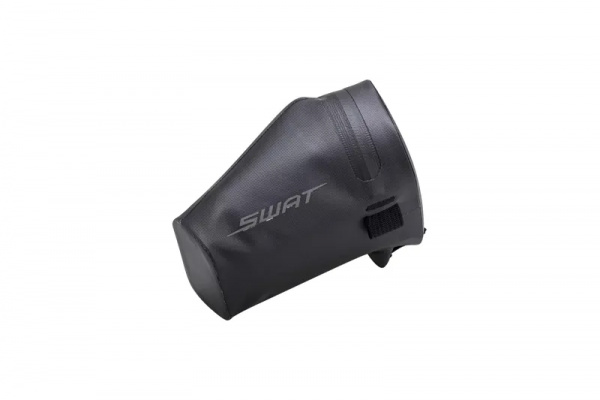
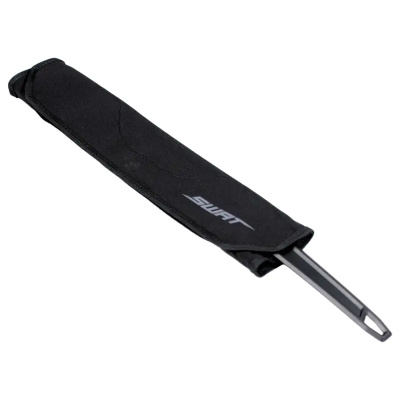
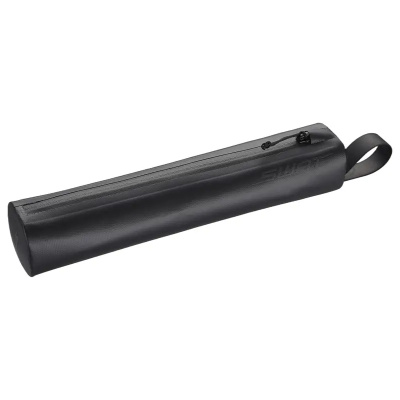
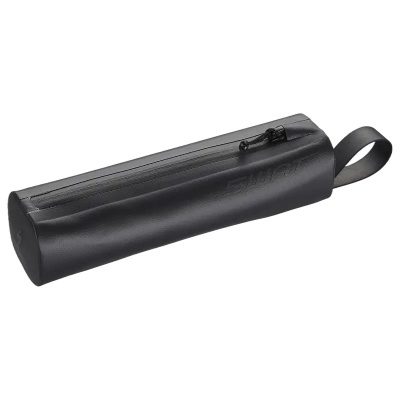
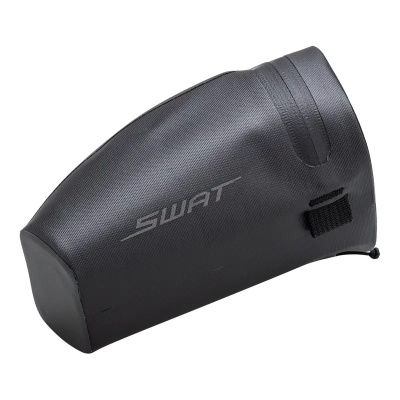
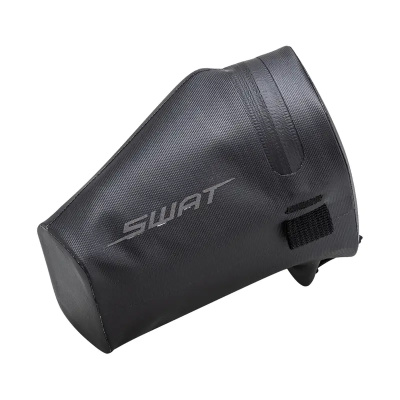
Prices and availability can change quickly. Delivery charges are not always included in listed prices.
Final price, stock status and delivery terms are set by retailer. We may receive a commission on purchases made.
Sizing, Mounting Systems, and What Fits Your Frame
Getting the right Specialized frame bag starts with measuring your main triangle - specifically the distance from the bottom bracket shell to the head tube along the down tube, and the seat tube length to the top tube junction. Most manufacturers give minimum and maximum frame sizes for each bag, and going too large means the bag sags and rubs; too small and you're leaving usable space behind. If you're between sizes, go smaller. A bag that fits snugly rattles less and handles better on rough tracks.
Mounting falls into two distinct systems. The majority of Specialized frame bags use hook and loop straps that wrap around the tubes and tension against themselves. These work on almost any diamond-frame bike and are straightforward to fit. The trade-off is that straps can migrate slightly on smooth tubes over long distances, especially on carbon frames where there's less friction to grip against. The alternative - and the neater solution if your frame supports it - is Specialized's proprietary top tube mount bolt-on system, designed specifically for the Diverge, Roubaix, and Epic. These bags locate onto dedicated frame bosses and don't move. Zero rattle, cleaner presentation, and faster removal at a café stop. The catch is obvious: you need a frame with the right mounts, which currently means staying within the Specialized family.
Bottle cage clearance is the question most people forget until they're standing in the car park with a half-assembled bike. Half-frame bags typically leave enough space for at least one bottle cage, but you'll need to switch to side-entry cages - standard forward-entry cages foul the bag's base on most setups. Full-frame bags remove that option entirely, so think about hydration strategy before committing. A frame-mounted hydration bladder or relying on your jersey pockets becomes the plan.
Looking to expand your bikepacking setup beyond the main triangle? Check out our dedicated ranges of Specialized Bar Bags and Specialized Saddle Bags.
Breaking Down the Specialized Bag Lineup
The standard Specialized frame and top tube packs are the workhorses of the range. They're lighter on the wallet, simpler in construction, and perfectly capable for a day out on the South Downs Way or a gravel sportive in the Peaks. Water resistance is solid rather than exceptional - fine for British drizzle, less convincing in a sustained Welsh downpour. If your riding is mostly fair-weather or you're not carrying anything that can't get slightly damp, they do the job without overcomplicating things.
The S/F series - the Specialized/Fjällräven collaboration - is a different conversation. Vinylon F is the material that sets these apart: it's a synthetic fibre that absorbs virtually no water, stays dimensionally stable when wet, and has a toughness that synthetic-coated fabrics struggle to match over time. The bags look more considered too, with a structured rigidity that keeps the sides from bulging outward into your pedal stroke. That's not a small thing. A bag that bellies out as it loads up can clip your knee on longer cranks or on bikes with tighter frame geometry, and it's an annoying problem to diagnose mid-ride.
The S/F bags also feature YKK Aquaguard zippers with welded seam construction. YKK Aquaguard is the zipper standard that serious gear brands use when they mean it - the zipper tape itself is bonded to the fabric rather than stitched, so water has no stitch holes to sneak through. For UK riders carrying a phone, GPS unit, or spare tube that needs to stay dry, this is a meaningful upgrade over standard zip construction. Compare that level of build to what you'd find on Apidura frame bags or Ortlieb frame bags at similar price points, and the S/F series holds its own on weatherproofing while adding a distinctly different aesthetic.
The best Specialized frame bag for gravel riding specifically tends to be whichever S/F half-frame option fits your triangle, since the structured sides and Aquaguard zippers handle mixed-surface days and the inevitable British weather far better than the standard packs. For road-focused riders doing audax or sportives where you want bolt-on simplicity, the Specialized bolt-on top tube bag for the Diverge and Roubaix is the tidiest solution going.
Paint Protection and Keeping Things Clean
This is the bit that doesn't make it into many buying guides, but UK riders ignore it at their peril. Winter grit - particularly the silica-rich stuff that coats roads and bridleways from October through March - gets trapped under frame bag straps and acts like sandpaper every time the bag shifts slightly. On a painted aluminium frame it dulls the clearcoat. On carbon, it's worse: the grit works into the weave layer if the clearcoat is breached, and that's an expensive repair.
Before fitting any strap-on frame bag, apply clear Specialized frame protection tape to every tube the straps contact - top tube, down tube, and seat tube. It takes ten minutes and saves the finish. This applies even to the S/F bags, which use good quality straps but aren't magic.
Zipper maintenance matters more after muddy gravel rides than most people realise. YKK Aquaguard zippers are robust, but mud that dries in the zip teeth eventually causes the slider to bind and then crack the zipper tape when forced. After a dirty ride, rinse the zips with clean water, let them dry fully, then run a proper zipper wax or lubricant along the teeth. It takes thirty seconds and keeps the zip running freely for years. Neglect it and you're replacing bags prematurely. While you're at it, a Specialized mini pump clipped to the frame alongside your bag rounds out a practical bikepacking setup without adding unnecessary bulk.
If you're weighing up alternatives to Specialized's strap-on options, Altura frame bags offer a more budget-friendly entry point for riders new to bikepacking who want to try the format before committing to premium materials. The Specialized Fjällräven frame bag UK range and the Specialized Diverge frame bag ecosystem sit at the other end - gear for riders who've worked out exactly what they need and want it to last.
Specialized Frame Bags FAQs
Do Specialized frame bags fit non-Specialized bikes?
Most of them, yes. The strap-on models - including the S/F Fjällräven series - use hook and loop straps and will fit any standard diamond frame. The bolt-on top tube bags are the exception: they need dedicated frame mounts, which are built into specific Specialized models like the Diverge, Roubaix, and Epic but won't be present on most other brands' frames.
How do I stop a frame bag from scratching my bike?
Apply clear frame protection tape to every tube the bag contacts before mounting - top tube, down tube, and seat tube. UK grit gets trapped under straps and grinds against the finish every time the bag moves slightly. It's the same principle as helicopter tape on a mountain bike; two minutes of prep avoids months of regret.
Can I still use water bottles with a frame bag?
Usually, with a half-frame bag. You'll need to swap to side-entry bottle cages since standard forward-entry cages foul the base of the bag. Full-frame bags remove that option entirely - plan on using jersey pockets, a handlebar-mounted bottle, or a hydration bladder instead. Always check the specific bag's dimensions against your frame size before buying.