
Altura Frame Bags
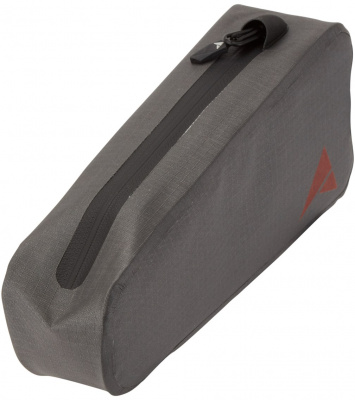
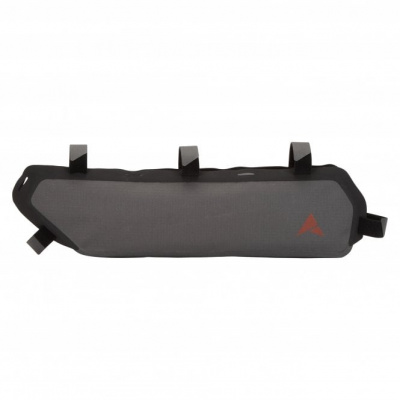
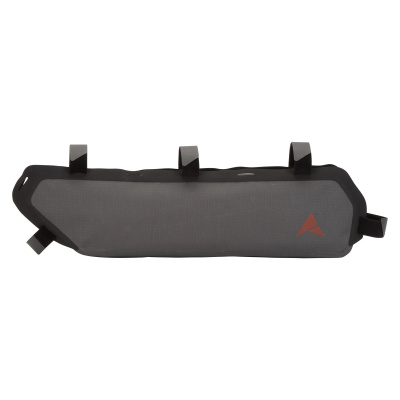
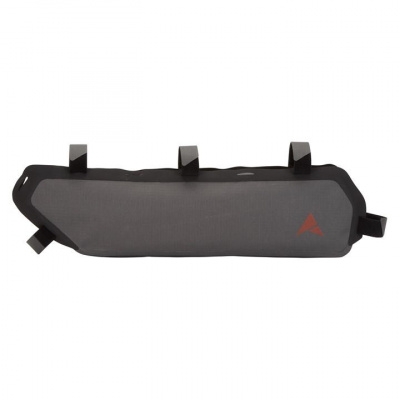
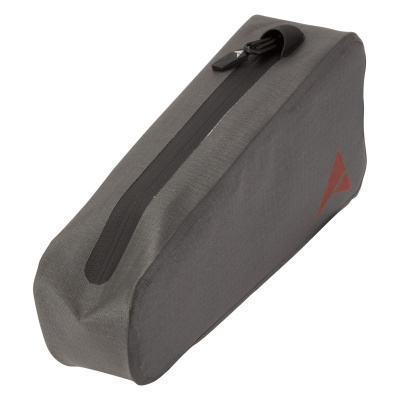
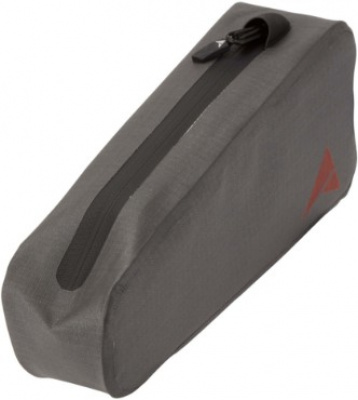
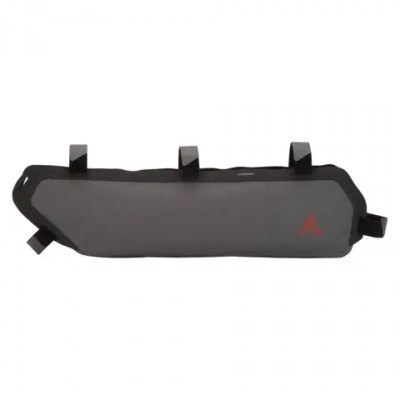
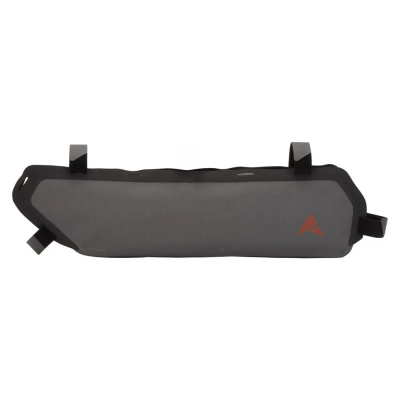
Altura frame bags are one of the most practical ways to carry kit on a bike without turning your ride into a struggle against shifting weight. Strap a pannier to the back and everything wobbles; stuff a frame bag into your front triangle and the load sits low and centred, close to the bike's middle mass. That matters whether you're grinding up a Welsh pass or threading a morning commute through city traffic.
The range covers proper bikepacking trips right through to daily urban use, with waterproofing levels to match. The Vortex line uses welded seams and IPX6-rated closures - built for the kind of persistent, sideways British rain that laughs at a basic DWR coating. Other lines trade a little weather resistance for aesthetics or visibility, so there's a considered fit for most use cases.
Before you buy, measure your frame's internal triangle - top tube, down tube, and seat tube. A bag that looks about right on a geometry chart can still foul your water bottle cage or clamp down on an exposed gear cable. Get those numbers first, then match them to Altura's sizing guides. It takes two minutes and saves a lot of frustration at the trailhead.
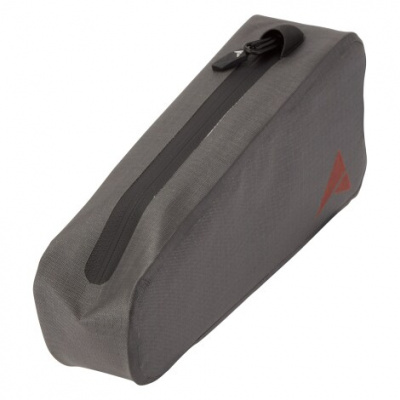
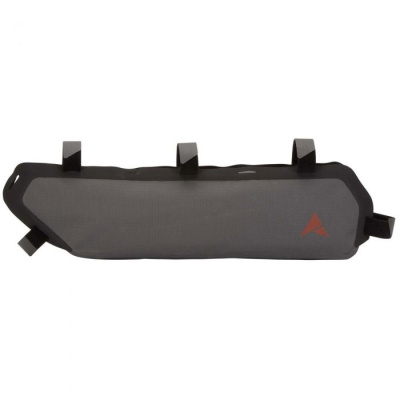
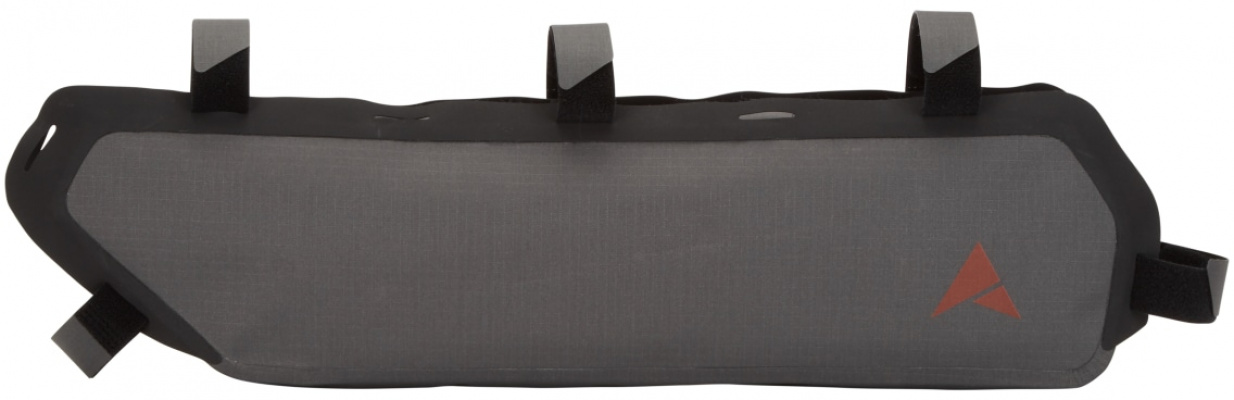
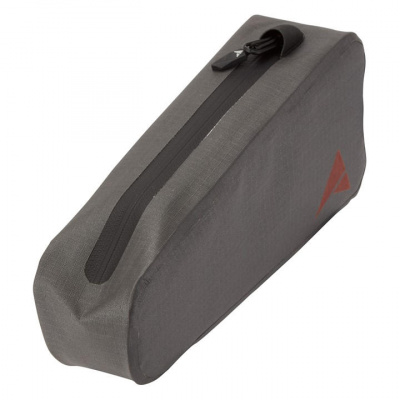
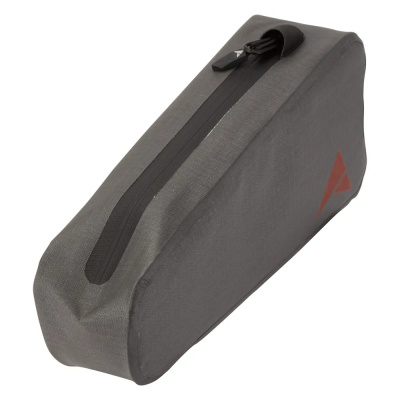
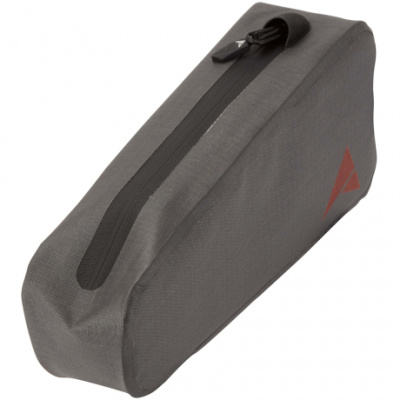
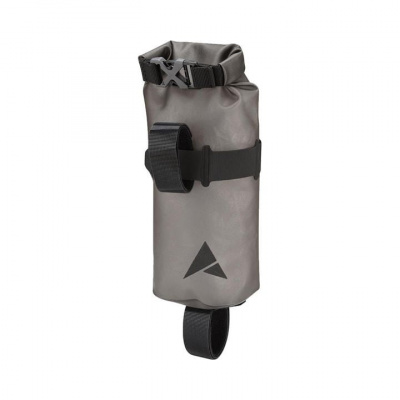
Prices and availability can change quickly. Delivery charges are not always included in listed prices.
Final price, stock status and delivery terms are set by retailer. We may receive a commission on purchases made.
Frame Fitment and Cable Routing: Getting Compatibility Right
Measuring for a frame bag is straightforward once you know what you're looking at. Run a tape along the inside of your top tube, down tube, and seat tube - those three lengths define your frame triangle dimensions and tell you which size bag will actually fit. Cross-reference those numbers with Altura's sizing charts before you add anything to your basket.
The less obvious check is cable routing. On older frames with external gear cables running along the down tube, velcro strap mounting can clamp directly onto the housing. Under load and vibration, that causes fraying and, eventually, a gear cable failure mid-ride - not a scenario you want on the Cairngorm plateau or a long gravel loop. If your frame has external routing, identify exactly where the cables run before you tighten anything down, and adjust strap placement accordingly.
Water bottle clearance is the other friction point. A frame bag that fills the triangle fully will often block standard centre-pull bottle cages, making extraction a two-handed wrestle on the move. Side-pull cages solve this neatly - they let you pull a bottle out sideways without clearing the bag. Worth picking up a set if you're running a full-size frame bag and still want access to a bottle. Altura overshoes pair well for longer bikepacking days where you're carrying the bag across varying conditions, but that's a separate call.
Vortex, Heritage, and Grid: Which Tier Fits Your Riding
Altura structures its frame bag range into three distinct tiers, and picking the wrong one for your riding is a genuine mistake worth avoiding.
The Vortex range is the one to reach for if you're bikepacking or riding through anything the British sky throws at you. Welded seams mean there's no stitching for water to wick through - seam tape alone won't cut it in a three-hour Scottish downpour, and Altura know that. IPX6 waterproof rating covers sustained, high-pressure rain, and the ripstop fabric resists abrasion from the grit and bracken that come with off-road use. The Nightvision reflective detailing is a practical addition for low-light visibility on early starts or late finishes, not a cosmetic touch. If you're doing serious multi-day riding, the Vortex is the tier that earns its place.
Heritage models use waxed canvas, which gives them a clean, classic touring look that suits steel and titanium builds well. Water-resistant rather than waterproof - fine for dry days and light showers, but if your route regularly takes you into heavy rain, you'll want dry bags inside for anything electronic or critical. The aesthetic trade-off is real and some riders actively choose it.
Grid bags are leaner, lighter, and oriented towards commuting. High-vis panelling and reflective elements prioritise visibility on urban roads, and the abrasion resistance holds up well against daily use. They're not designed for days out on exposed gravel roads, but for the rider doing five days a week in town, they make more sense than hauling a fully welded waterproof bag that's overkill for the school run.
We're focused on frame bags here. If you want to complete a full luggage setup, Altura bar bags, Altura saddle bags, and Altura pannier bags each have their own dedicated collections worth browsing separately.
Protecting Your Frame: What UK Grit Actually Does
Any frame bag will damage your paintwork if you fit it straight onto bare tubes. That's not a Altura-specific issue - it's physics. Winter grit and dried mud get trapped between the Hyperlon mounting straps and the frame, and as the bag flexes and moves under pedalling load, that grit works like very fine sandpaper against your clearcoat. On carbon frames, where the clearcoat sits directly over structural material, that's a problem worth taking seriously.
The fix is straightforward: apply strips of clear 3M helicopter tape to your top tube and down tube before fitting the Hyperlon straps. The tape takes the abrasion instead of the frame, and it's invisible under the bag. Peel and replace it periodically - after a particularly gritty winter, or if you notice it lifting at the edges. Costs almost nothing and protects a frame that cost considerably more.
Maintenance on the bags themselves is minimal but worth doing regularly. Welded seams on the Vortex range are robust, but dried mud around zip tracks will eventually jam a waterproof closure. A soft brush and clean water after muddy rides keeps the zip teeth clear and the seals moving freely. Don't use detergents near welded seam areas - they can degrade the bonding over time. If you're also running an Altura jacket on the same kit wash cycle, keep the bag separate and hand-clean it instead.
The Hyperlon straps themselves don't need much beyond rinsing off grit. They're designed for high-friction grip without slipping, so they hold position well even on carbon tubes where smooth surfaces can cause cheaper straps to creep. Check the strap tension every few rides early on - they bed in slightly once the bag is loaded and ridden a few times.
Altura Frame Bags FAQs
How do I measure my bike for an Altura frame bag?
Measure the inside length of your top tube, down tube, and seat tube - those three figures define your internal frame triangle. Match them against Altura's sizing charts before buying. A bag that's even slightly oversized can block your water bottle cage or interfere with cable routing, so it's worth checking precisely rather than guessing by eye.
Are Altura frame bags fully waterproof?
The Vortex range is fully waterproof, with welded seams and IPX6-rated closures that handle sustained heavy rain without leaking. The Heritage line is water-resistant thanks to waxed canvas but isn't rated for prolonged downpours - pack a dry bag inside for electronics on longer rides. Grid bags sit closer to the Heritage level in terms of weather protection.
Will a frame bag scratch my bike's paint?
It will if you fit it straight onto bare tubes. Grit trapped under the mounting straps acts like fine sandpaper as the bag moves under load. Apply clear 3M helicopter tape to your top tube and down tube before installing any frame bag - it takes the abrasion instead of your frame. Replace the tape when it starts lifting at the edges.