
Apidura Frame Bags
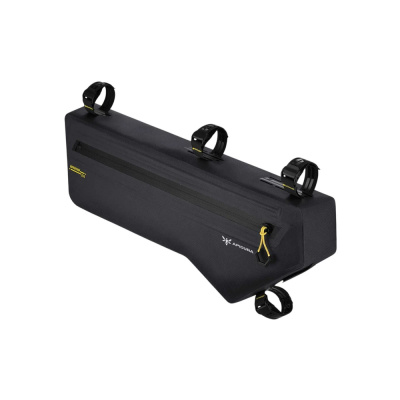
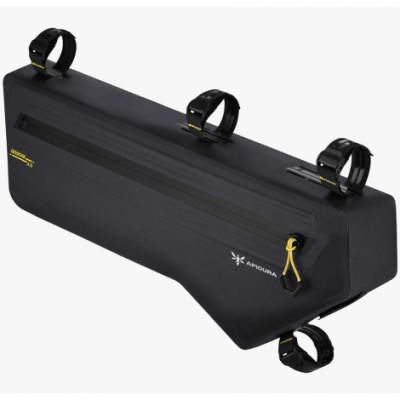
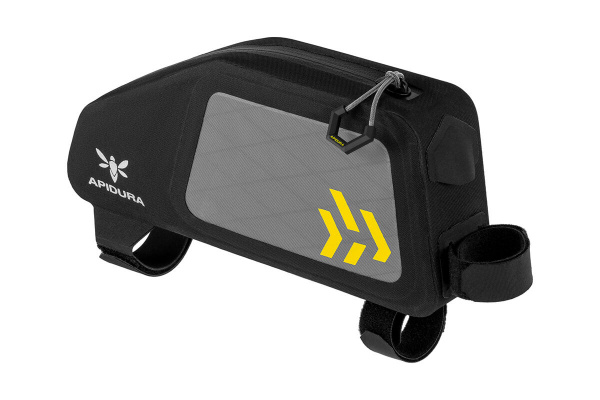
Apidura frame bags sit at the serious end of bikepacking kit - the sort of thing you reach for when a weekend bimble turns into a multi-day Scottish Highlands epic and you need your gear to stay dry without exception. Apidura largely pioneered the rackless packing approach, and their bags reflect years of refining what actually works when you're deep into a route and the weather turns nasty.
The core of that reliability is material and construction. Apidura uses its proprietary Hexalon laminated fabric across the Expedition and Racing lines, paired with high-frequency welded seams that remove every needle hole a stitched bag would leave behind. The Backcountry series switches to Dimension-Polyant VX21 - a fabric borrowed from offshore sailing and technical outdoor use - where abrasion resistance matters more than absolute waterproofing. Across all three ranges, Hypalon reinforced velcro straps keep profiles tight against the frame without creeping under load.
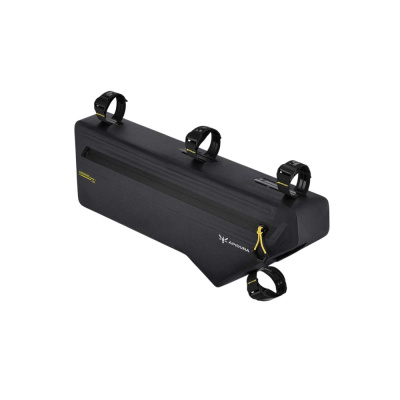
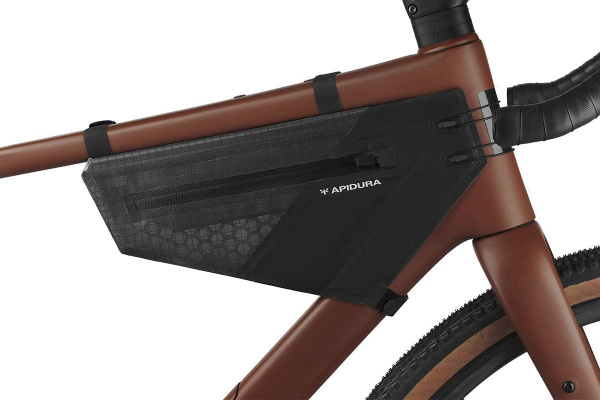
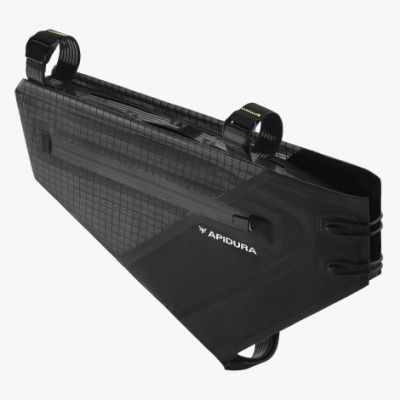
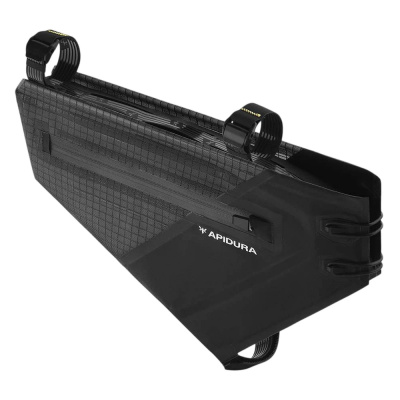
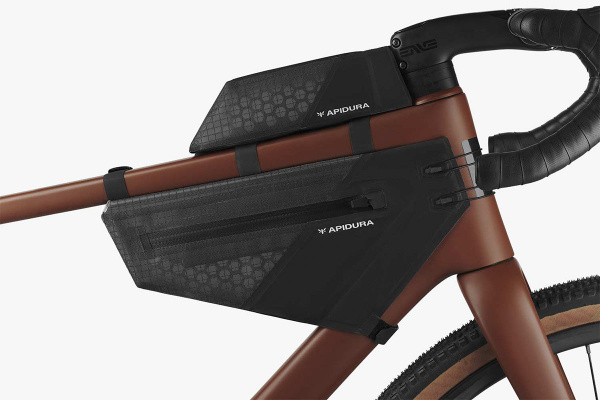
Whether you're after a full frame pack that swallows a hydration bladder for a week in the saddle, or a compact half-frame bag that leaves your bottle cages free for the Peak District day rides you actually do most of the time, there's a fit here. Compare the Expedition, Racing, and Backcountry series below to find the right capacity and geometry for your frame.
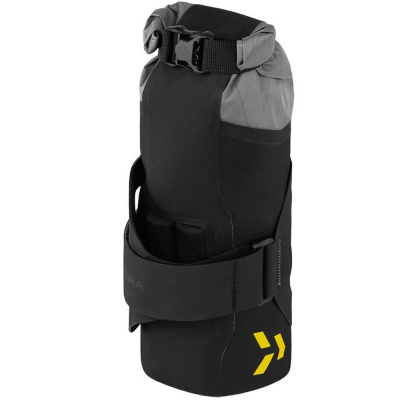
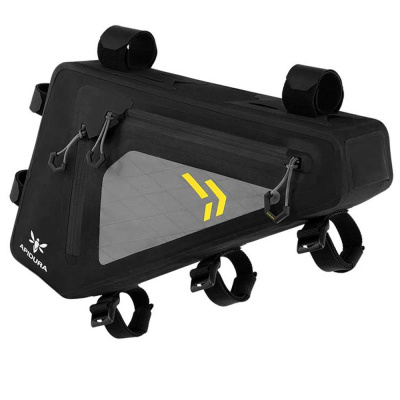
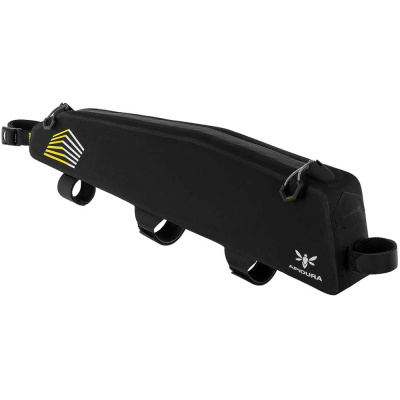
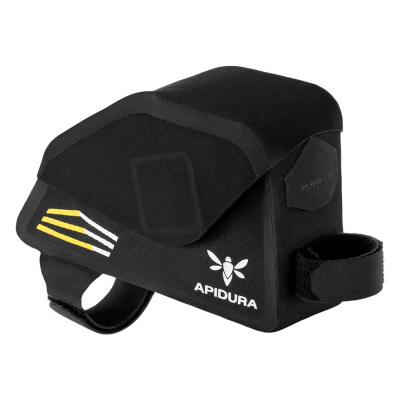
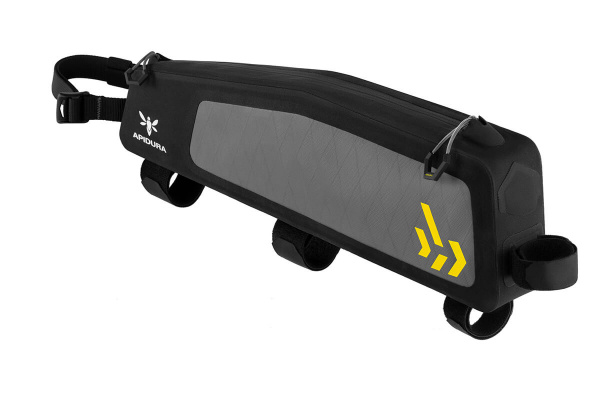
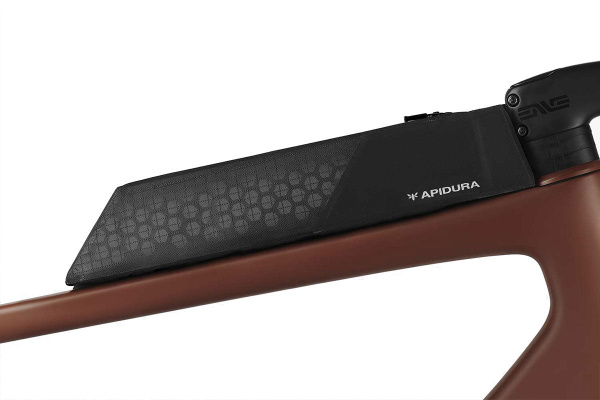
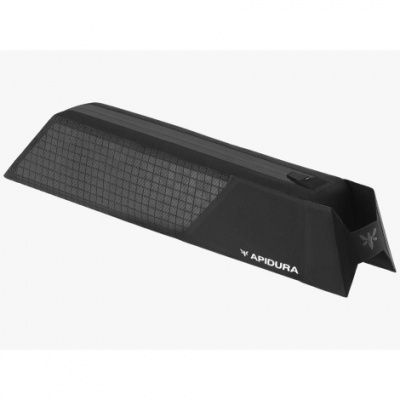
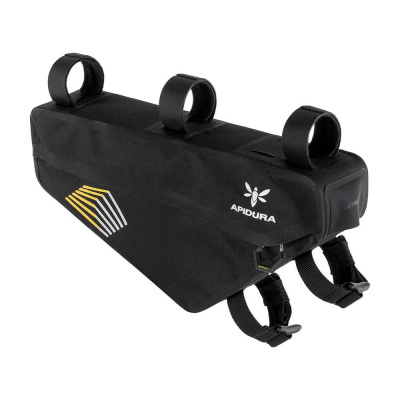
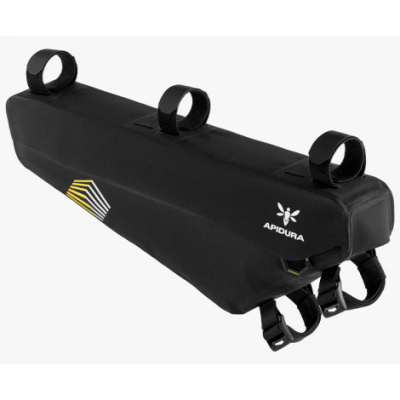
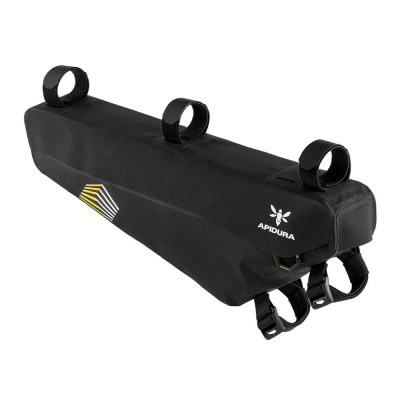
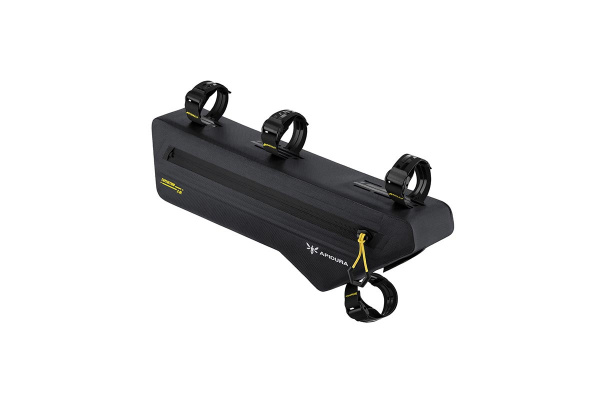
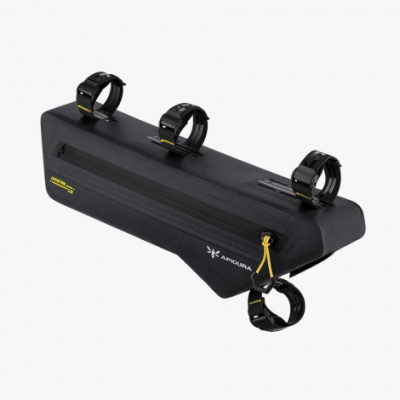
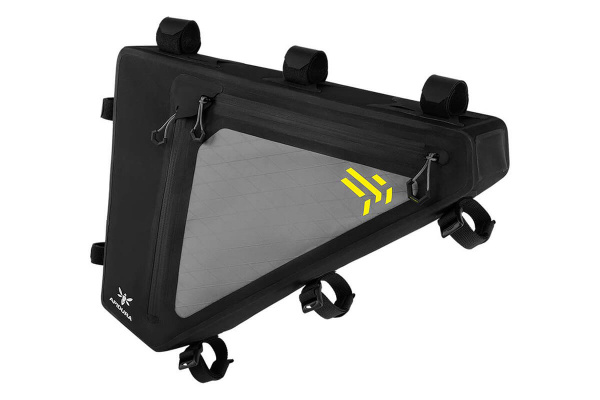
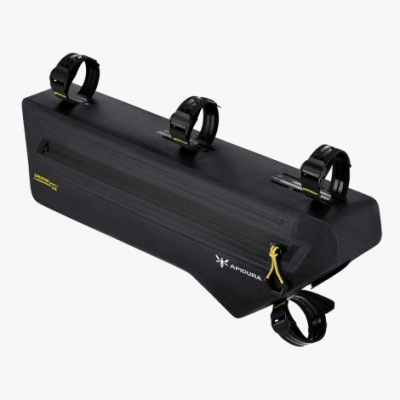
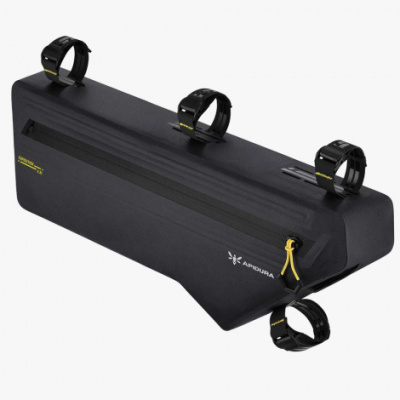
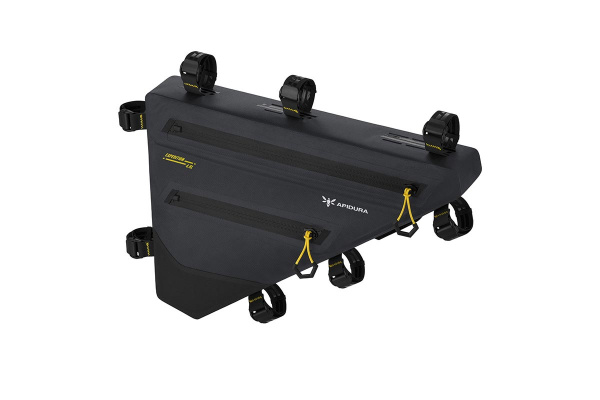
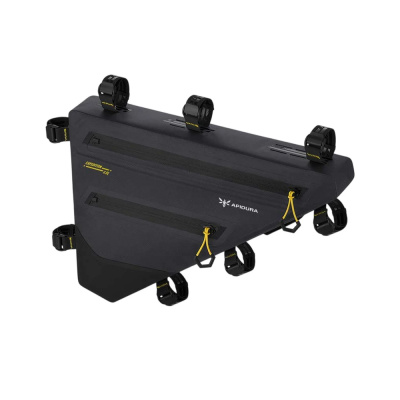
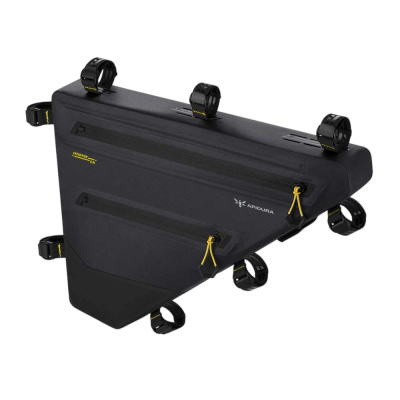
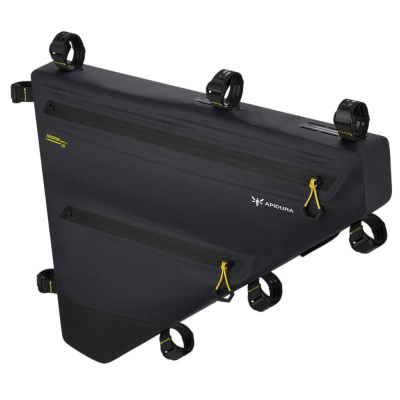
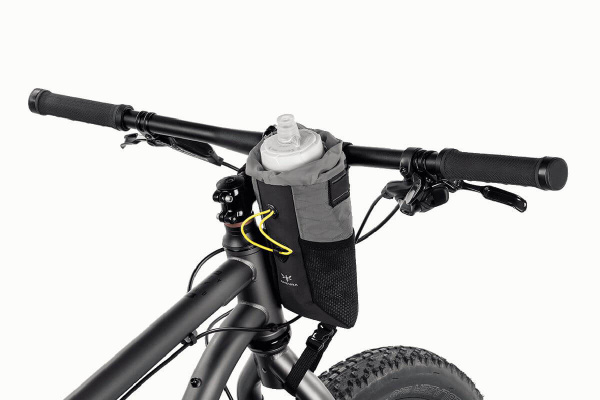
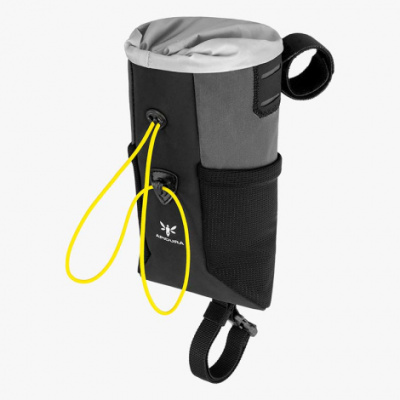
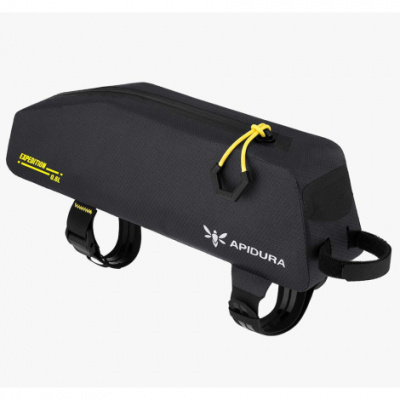
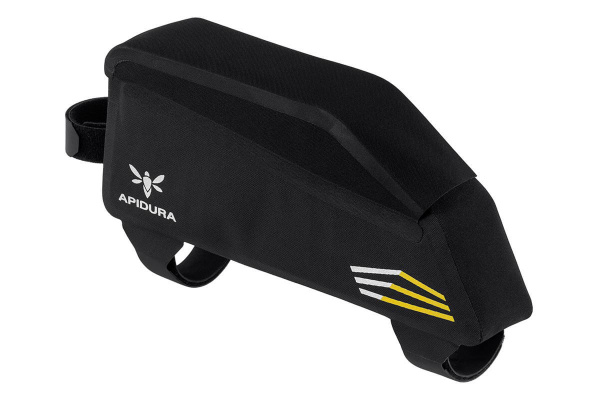
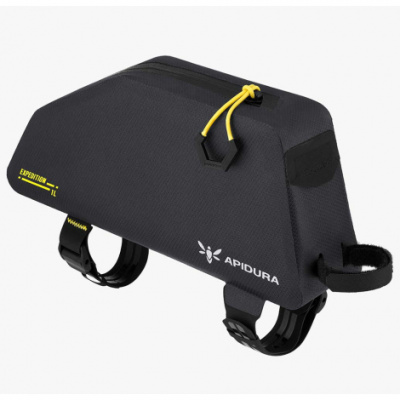
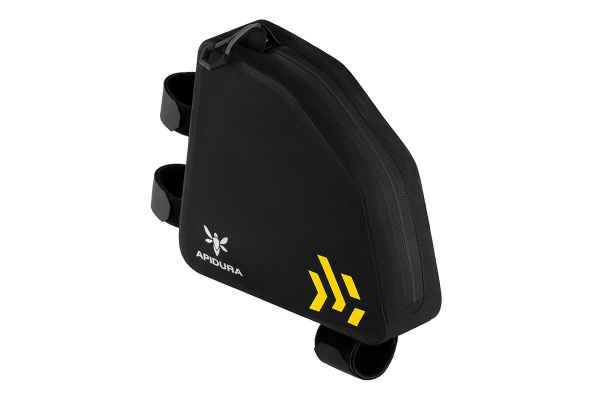
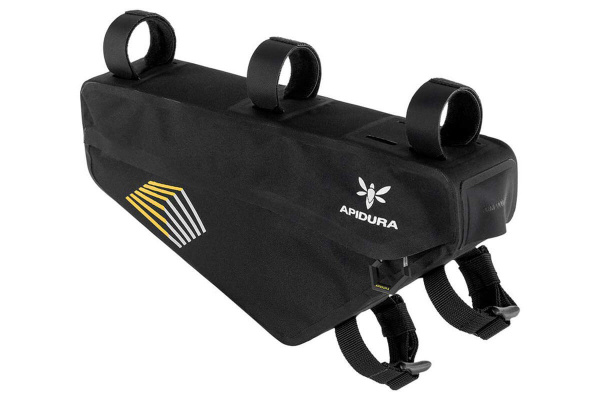
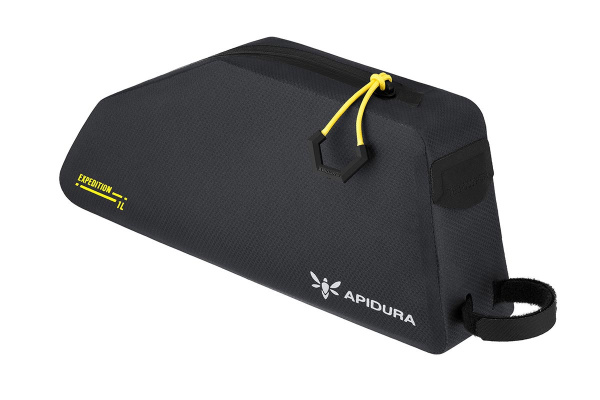
Prices and availability can change quickly. Delivery charges are not always included in listed prices.
Final price, stock status and delivery terms are set by retailer. We may receive a commission on purchases made.
Measuring Your Frame and Getting the Fit Right
Getting the sizing right before you buy is the most important step - and it's straightforward once you know what to measure. You need the internal lengths of three sides of your front triangle: the top tube (measured along the underside), the seat tube (from bottom bracket to where the top tube meets it), and the down tube (from head tube junction to bottom bracket). Apidura provides printable sizing templates for most of their bags, and cross-referencing your three measurements against those templates is far more reliable than guessing by frame size.
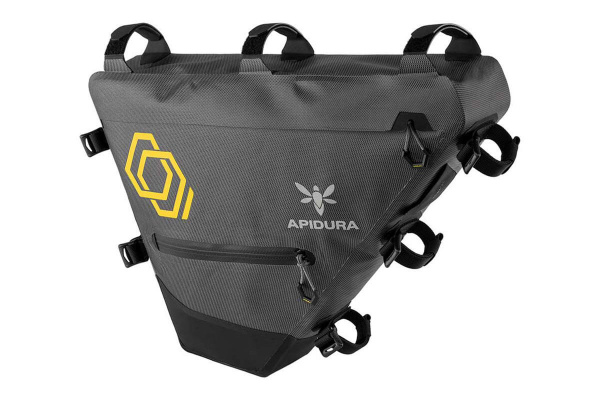
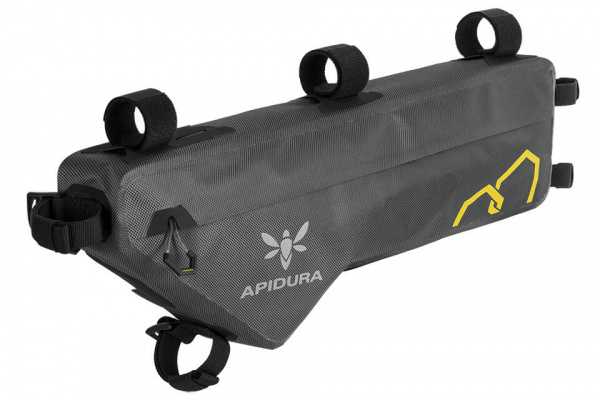
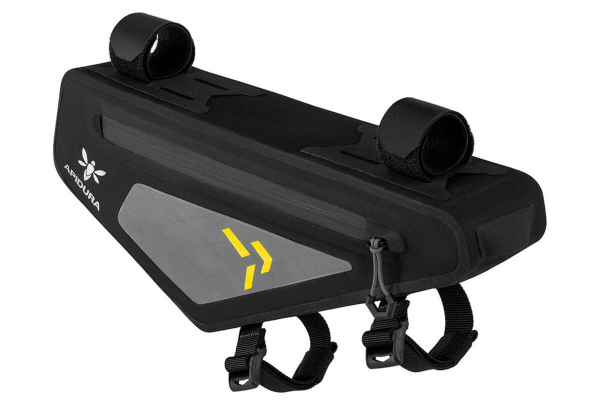
The choice between a half-frame bag and a full frame pack shapes your whole hydration and packing strategy. A half-frame bag sits in the upper portion of the triangle, leaving the lower section free so side-entry bottle cages can still be used - practical for gravel days where you want bottles accessible without stopping. A full frame pack takes the entire triangle, so you're committing to a hydration bladder. Apidura builds a hydration hose port into their full packs to route the drinking tube cleanly, which matters more than it sounds when you're trying to thread it past a dynamo hub cable on a loaded tourer.
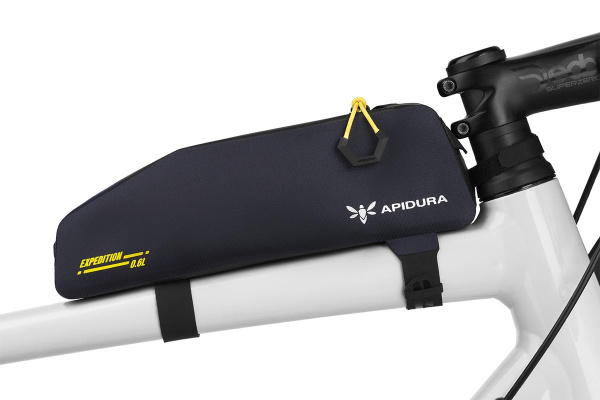
Speaking of cables - check where your frame's external cable stops sit before you strap anything down. Apidura's bags include a cable routing port for dynamo or dropper post wiring, but you want the Hypalon straps to clear any housing that exits through the top tube. A strap sitting directly on a cable stop will wear through the housing within a few hundred miles. A quick dry-fit before you load up saves that headache entirely. Also worth checking: if you're running a top tube bag alongside your frame pack, make sure the strap positions don't stack on top of each other - top tube clearance gets tight on smaller frames.
Expedition, Racing, and Backcountry: What You're Actually Choosing Between
Apidura organises their frame bags into three distinct lines, and the differences go deeper than just weight. Understanding the material trade-offs tells you which one belongs on your bike.
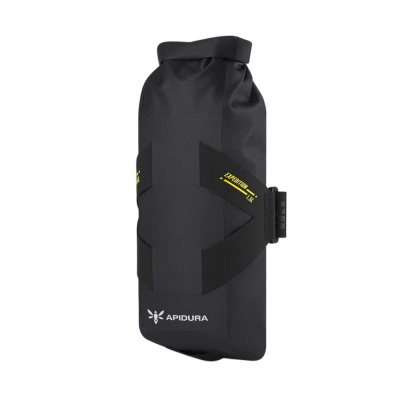
The Expedition series is the all-weather workhorse. Built from Apidura's proprietary Hexalon - a custom laminated fabric developed in-house - and sealed with high-frequency welded seams, these bags are genuinely 100% waterproof, not just water-resistant. That distinction matters on a week-long route through the Welsh Marches where your bag might be soaked for three consecutive days. The Expedition bags tend to run slightly heavier than the Racing line, but the construction is more forgiving of rough handling and repeated packing cycles. This is the series most road tourers and gravel adventurers will want.
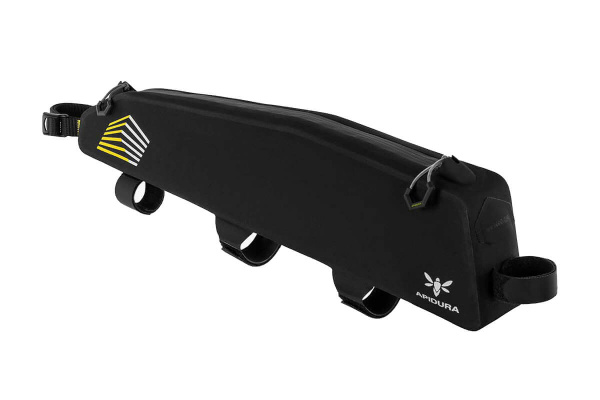
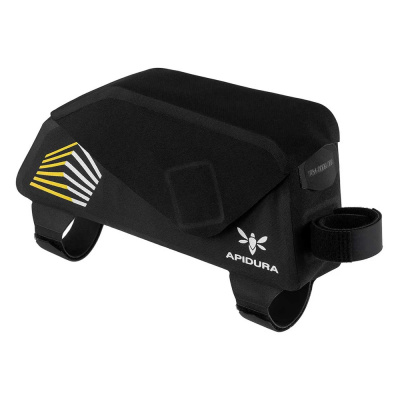
The Racing series uses the same Hexalon fabric and welded construction, so waterproofing is identical - but the profiles are slimmer and the overall weight is cut. The geometry is shaped with audax and ultra-racing in mind, where aerodynamic drag and gram counting both register. If you're running Paris-Brest-Paris or a multi-day ultra like the Transcontinental and you need every advantage, the Racing bags are the right call. The trade-off is that the more structured Expedition bags are slightly easier to pack and unpack in a hurry - something to weigh up if you're making frequent roadside stops.
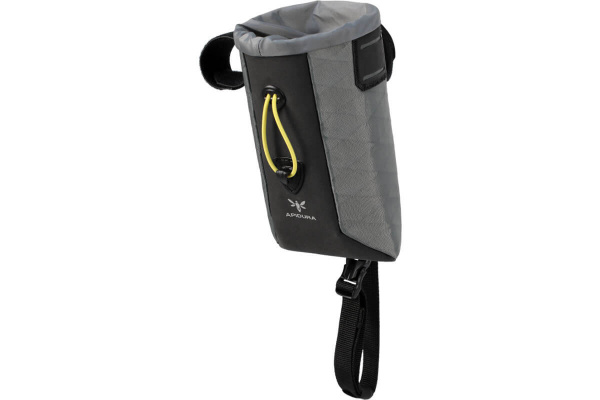
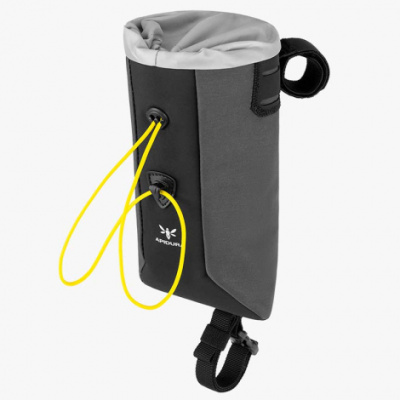
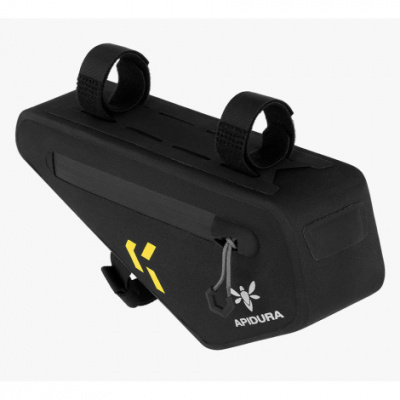
The Backcountry series is a different animal. Dimension-Polyant VX21 is a composite fabric used in high-load sailing applications, and it brings exceptional abrasion resistance to the party. That matters when you're riding slacked-out modern geometry - longer chainstays, steeper angles, frames that flex differently under load - across rough ground where the bag is constantly in contact with the frame under vibration. The Backcountry bags are built to handle that without degrading. The construction is stitched rather than welded, making them highly water-resistant rather than fully waterproof, which is a genuine trade-off. For mountain biking or aggressive gravel riding, it's the right call. For multi-day road touring in persistent UK rain, the Expedition series keeps your kit drier. If you're weighing up alternatives, Ortlieb frame bags take a similarly waterproof-first approach with their roll-top construction, while Miss Grape frame bags offer interesting competition at the lighter, more minimal end.
A complete bikepacking setup pairs your frame bag with matching kit from the same system. Apidura's own bar bags and saddle bags are designed to work around the same fit logic, and if you're going bladder-free with a half-frame bag, their hydration packs bridge the gap neatly. Brands like Altura frame bags and Blackburn frame bags are worth a look if you want options at different price points, though neither matches the Expedition or Racing series on waterproofing construction.
Keeping Your Frame - and Your Bag - In Good Shape
This is the bit most people skip, then regret. UK riding means grit. It means that brown paste that clings to everything from October through March - the stuff that's basically wet sandpaper. When that gets trapped between a frame bag strap and your top tube, it will grind through paint or carbon clear coat within a few rides. It's not a question of if; it's a question of when.
Before you mount any frame bag - Apidura or otherwise - apply clear protective helicopter tape (3M or a similar brand) to every contact point on the top tube, down tube, and seat tube. It takes twenty minutes and it's genuinely the most effective frame protection measure you can take. The Hypalon straps on Apidura bags are low-profile and grip well, but no strap design eliminates the abrasion risk from grit paste. Tape first, bag second.
Zips deserve attention too, particularly the abrasion-resistant waterproof zips on the Expedition and Racing series. These are not standard coil zips - they rely on a tight interference fit to seal, which means they need to be kept clean and lubricated to function properly. After muddy rides, brush out any dried grit from the zip teeth with a stiff brush before it sets hard. A silicone-based zipper lubricant applied to the teeth every few weeks keeps things running smoothly and prevents the zip from splitting under tension when you're trying to open it with cold hands. One other detail worth flagging: the zip pulls on Apidura bags are sized generously enough to work with thick neoprene gloves - a small thing, but a sensible one for winter riding in the UK.
Check the Hypalon velcro straps after every few rides in heavy conditions. Mud and debris clog the velcro pile quickly, and once that grip goes, the bag starts to move. A quick clean with a firm brush keeps the fastening working as it should.
Apidura Frame Bags FAQs
How do I choose the right size Apidura frame bag?
Measure the internal lengths of your top tube (along the underside), seat tube, and down tube, then check those figures against Apidura's printable sizing templates. If you're going for a half-frame bag and want to keep your bottle cages, factor in enough clearance for the bottles - side-entry cages work best here and give you the most room to play with.
Are Apidura frame bags completely waterproof?
The Expedition and Racing series are fully waterproof. Apidura's proprietary Hexalon fabric is bonded with high-frequency welded seams, which means no needle holes and no water ingress - not just a water-resistant coating. The Backcountry series uses stitched construction for maximum abrasion resistance, making it highly water-resistant rather than fully waterproof. For persistent UK rain, Expedition or Racing is the safer choice.
Will an Apidura frame bag scratch my carbon frame?
The bag itself won't - but grit trapped under the straps will. UK road and trail grit forms an abrasive paste that works like sandpaper against paint or carbon under any strap under tension. Apply clear protective helicopter tape to all contact points before you mount the bag. It's not optional if you care about your frame.