
Ortlieb Frame Bags
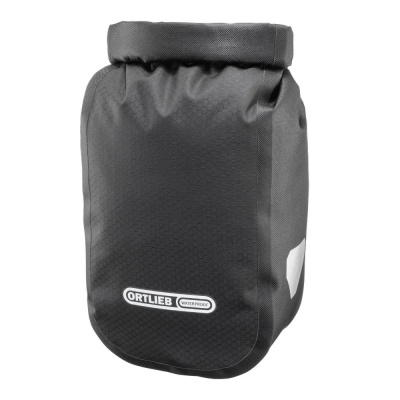
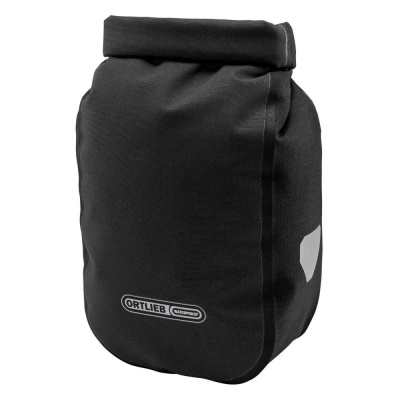
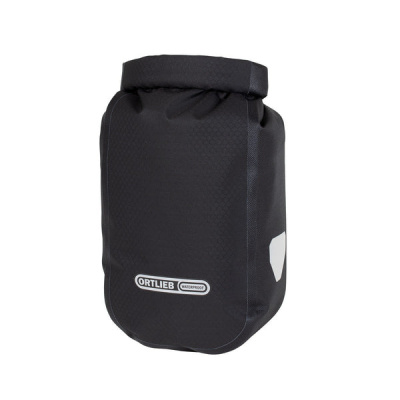
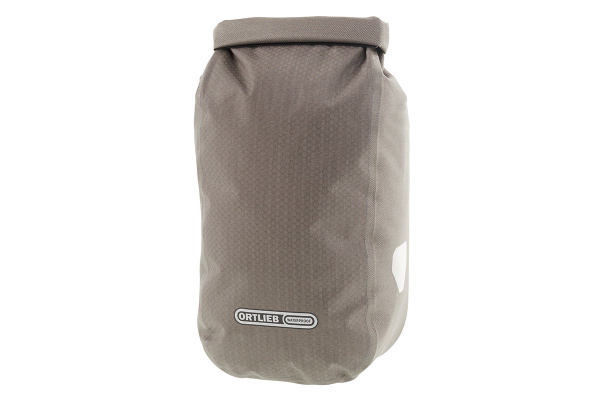
When it comes to keeping your kit genuinely dry on UK roads and trails, Ortlieb frame bags are the benchmark that most other bikepacking luggage gets measured against. Not water-resistant. Not shower-proof. Actually waterproof - thanks to high-frequency welded seams and PS21R or PS33 PU-coated nylon that together achieve a true IP64 waterproof rating. That means torrential Lakeland rain, relentless Welsh wheel spray, and the kind of Scottish mud that looks semi-solid - none of it gets in.
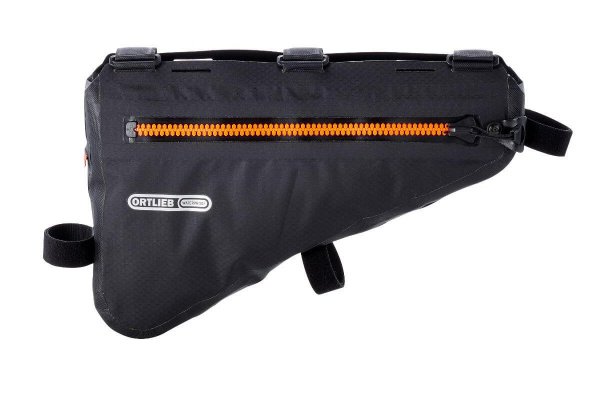
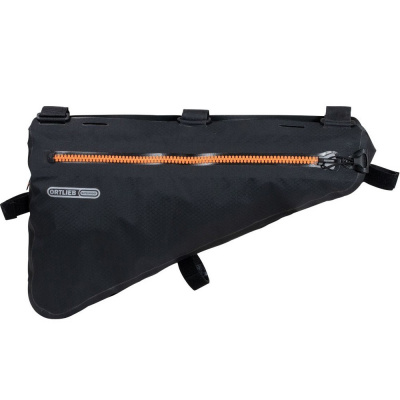
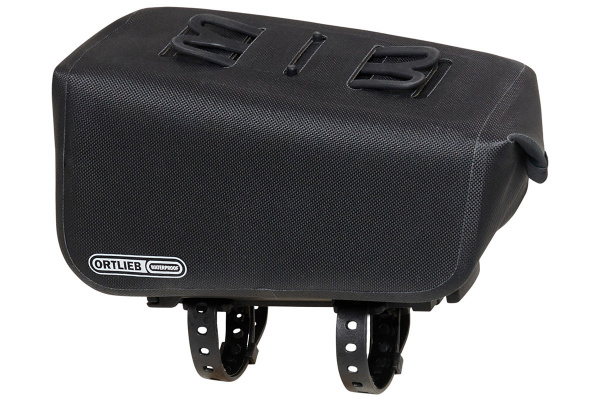
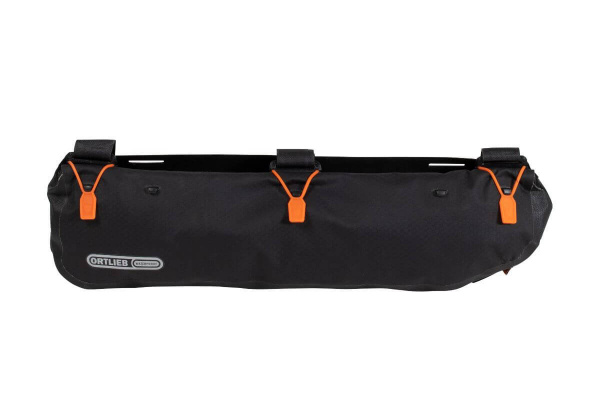
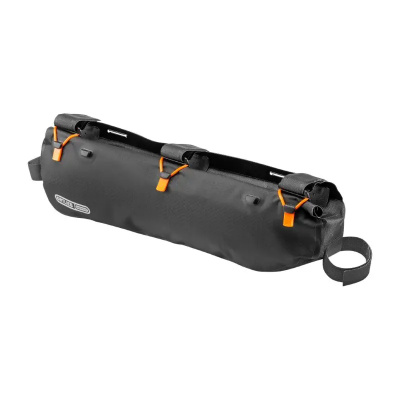
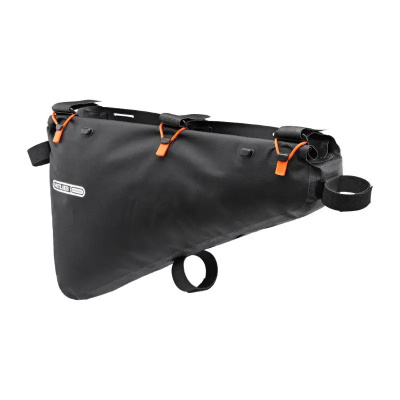
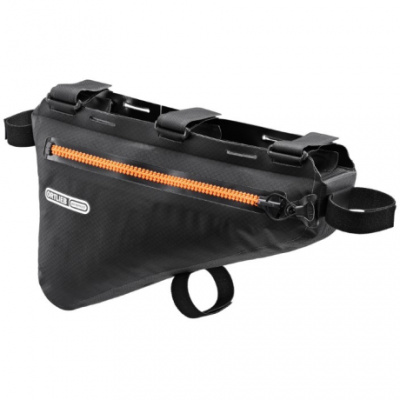
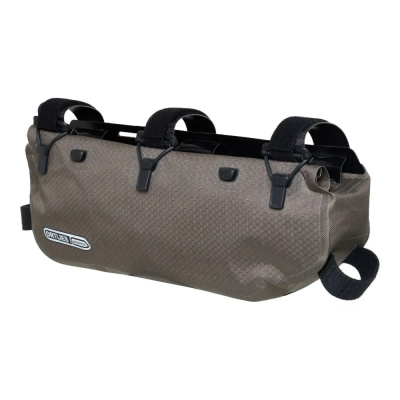
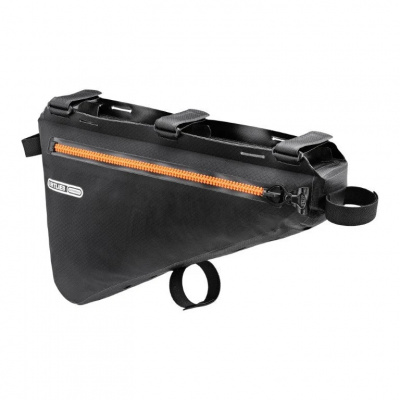
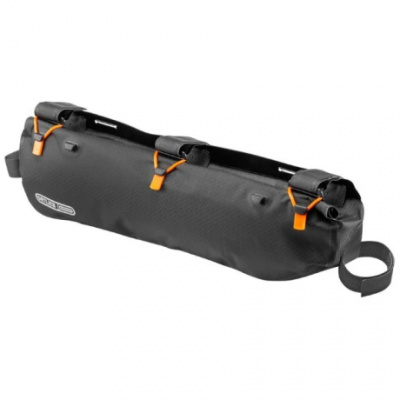
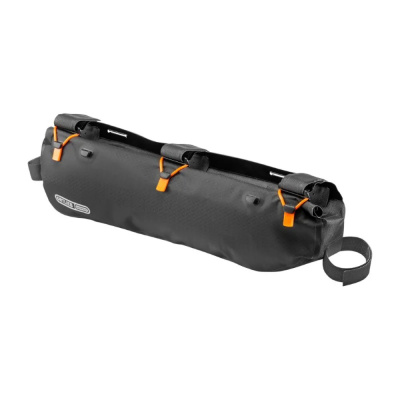
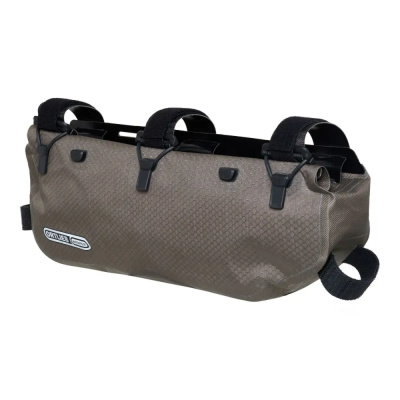
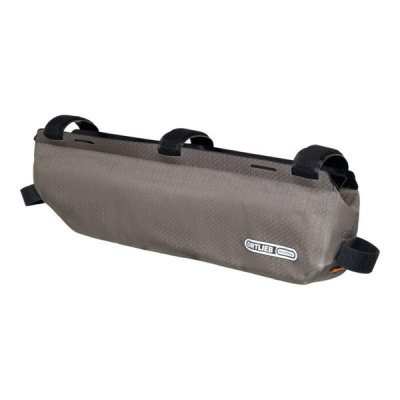
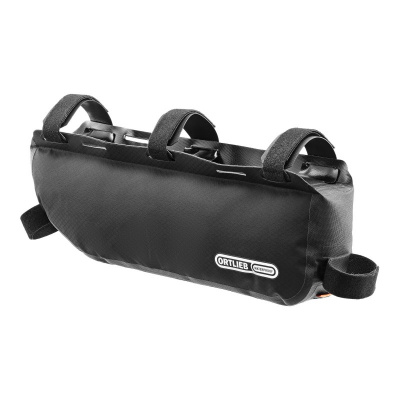
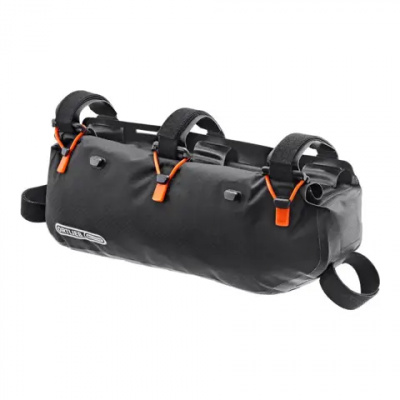
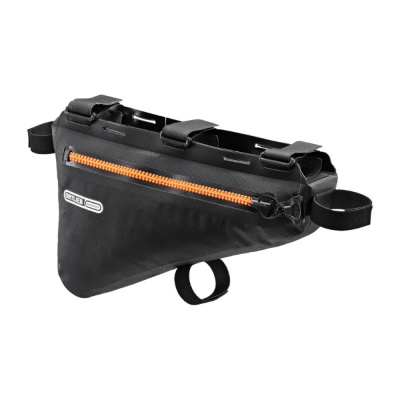
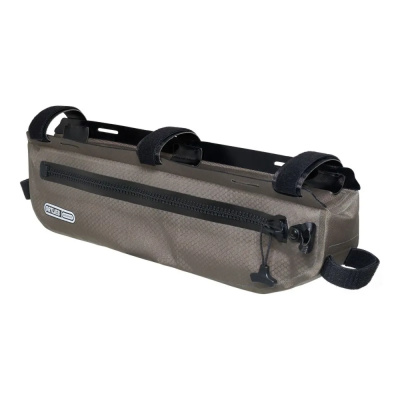
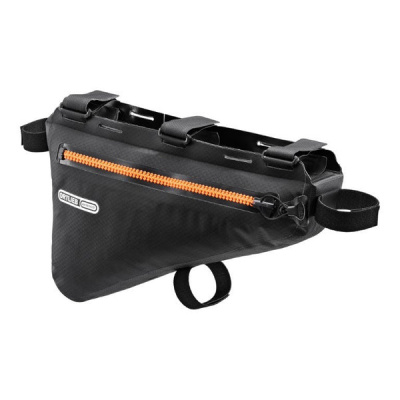
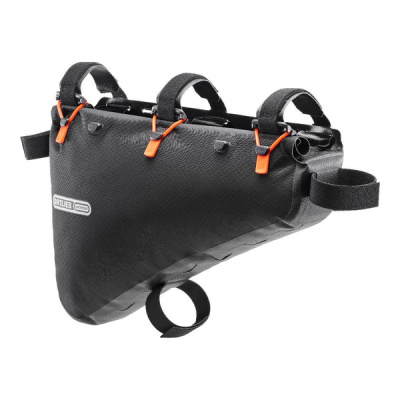
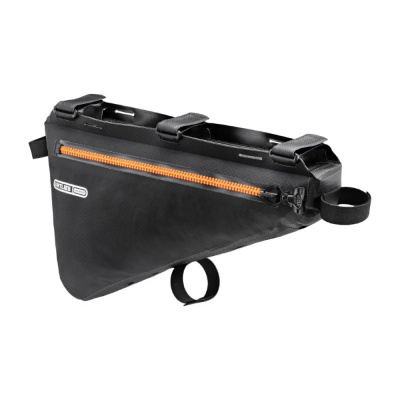
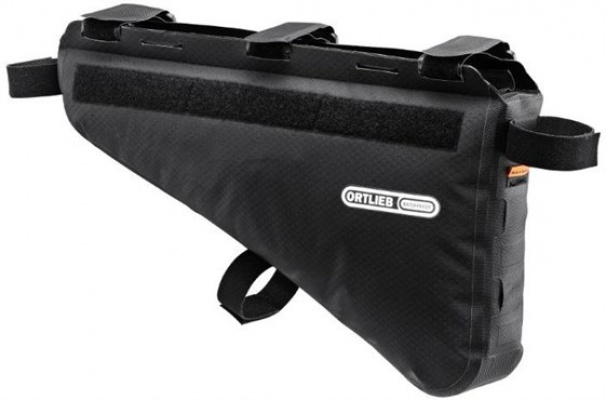
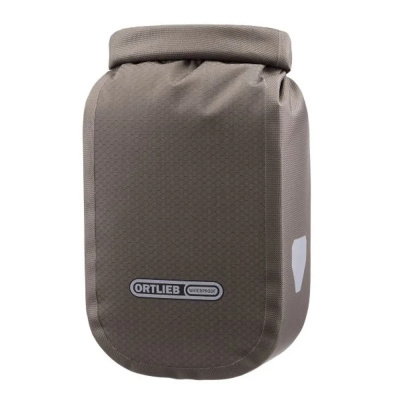
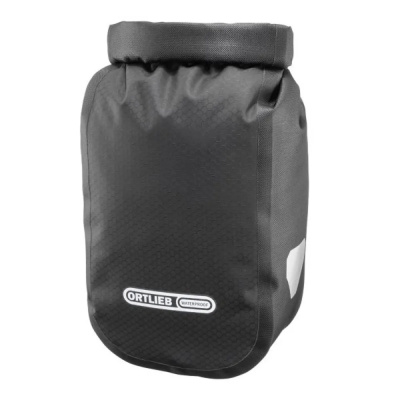
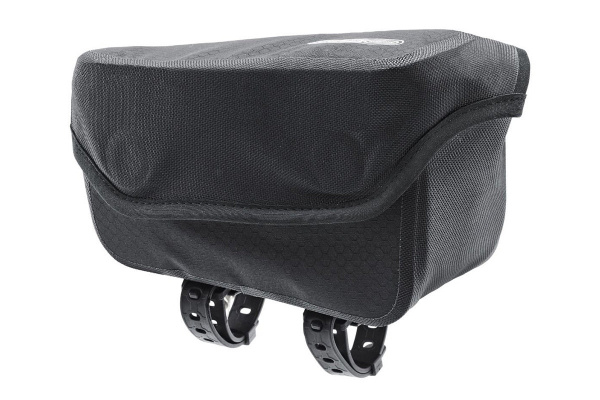
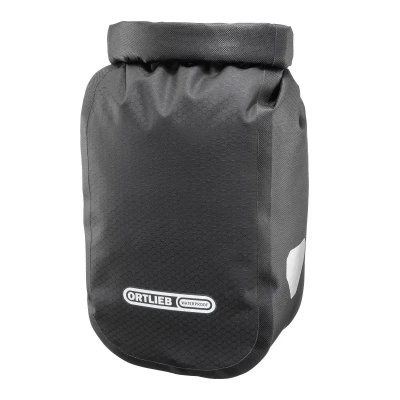
The range covers full front-triangle bags in 4L and 6L versions, a roll-closure RC variant for riders who want zero zipper faff, and a Toptube option that keeps your bottle cages free. Whatever your setup - carbon gravel bike, hardtail, or a full-suspension trail rig - the customisable hook-and-loop strap system lets you work around cable routing, derailleur clamps, and shock linkages without compromising fit. Centralising heavy items like tools, spare tubes, and food in the front triangle also keeps your centre of gravity low, which you'll feel on loose descents. These bags aren't cheap, but they're the kind of thing you buy once.
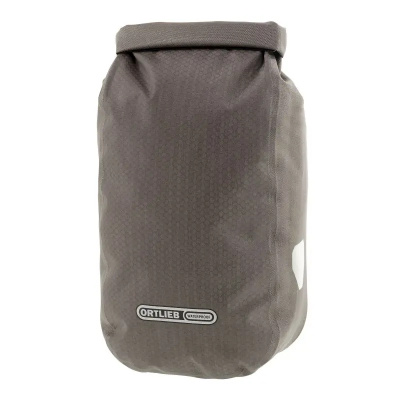
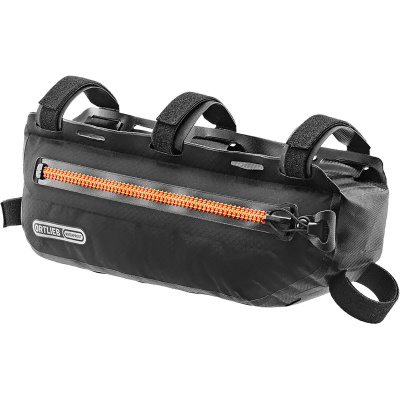
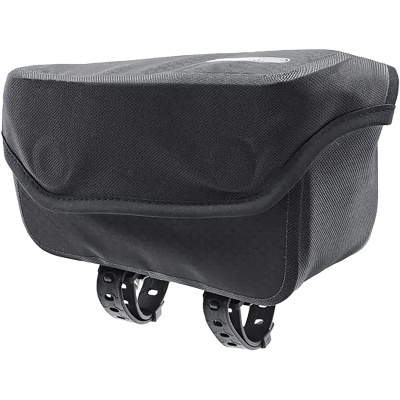
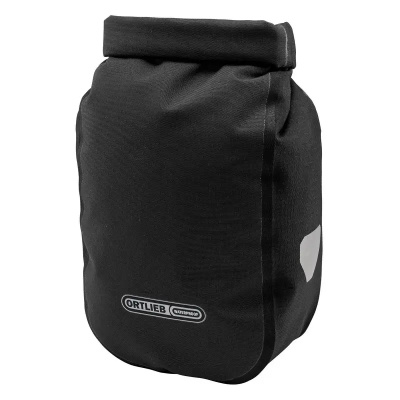
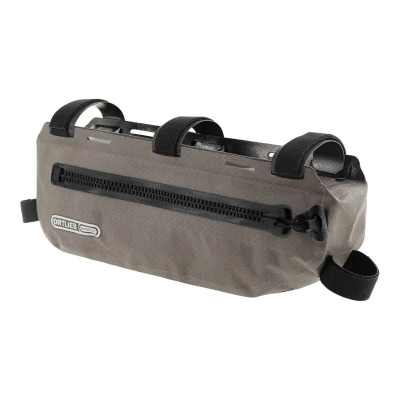
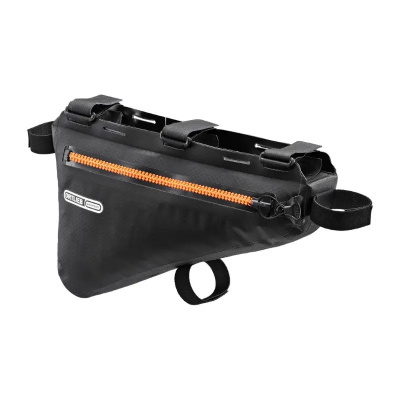
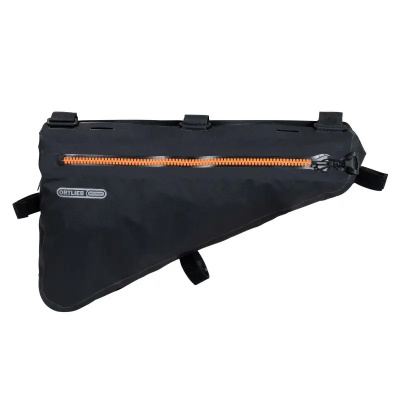
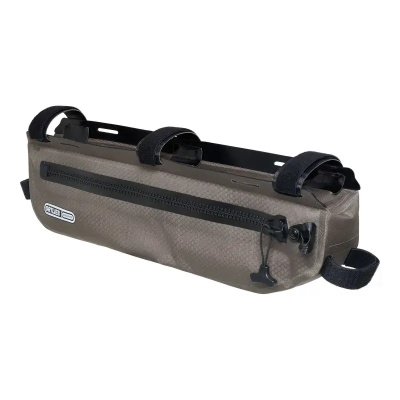
Prices and availability can change quickly. Delivery charges are not always included in listed prices.
Final price, stock status and delivery terms are set by retailer. We may receive a commission on purchases made.
Sizing Your Frame Triangle: Compatibility and Clearance
Getting the right Ortlieb frame bag starts with three measurements: the internal length of your top tube, seat tube, and down tube. You're mapping the usable space inside the front triangle, not the frame's stated size. Ortlieb publish sizing templates for both their 4L and 6L bags, and it's worth cross-referencing carefully - a 6L bag that looks fine on paper can foul a rear shock linkage or sit too close to a front mech clamp on certain geometries.
The 4L option suits compact or sloping frames, smaller XS-S road and gravel bikes, and full-suspension setups where the rear shock eats into the triangle. The 6L is the go-to for larger hardtail and gravel frames with generous frame triangle clearance, but check the depth at the bottom bracket end - stubby chainstays on some modern trail bikes leave less room than you'd expect. Either way, if you need to retain two bottle cages, a full frame bag almost certainly rules that out. Side-loading cages can work on the down tube, or you shift to a hydration pack. Worth deciding before you buy.
Routing the velcro straps around external cable guides, dropper post hoses, and front derailleur mounts takes a few minutes to get right. The customisable hook-and-loop positioning means the attachment points aren't fixed, which genuinely helps on cluttered frames. On full-suspension bikes, watch that the bag body doesn't contact the shock or linkage during compression - a short test with the rear end unweighted before your first ride saves a damaged bag or worse.
Frame-Pack vs Frame-Pack RC vs Toptube: Picking Your Closure
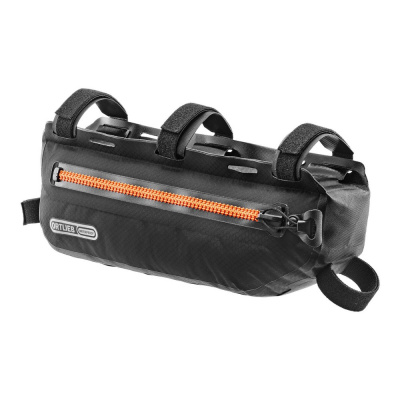
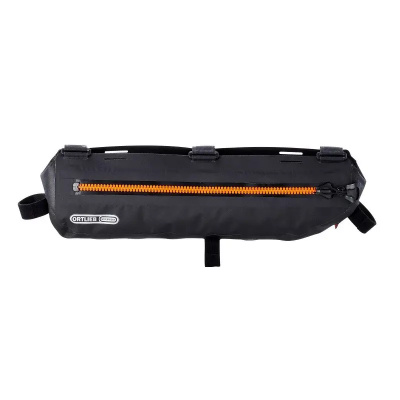
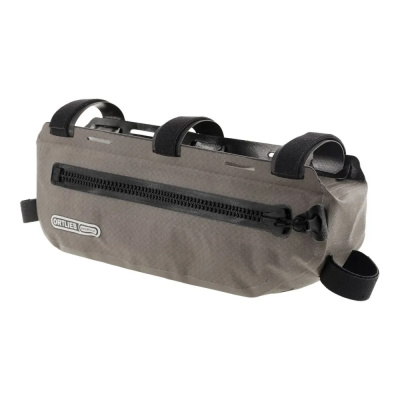
Ortlieb's frame bag lineup splits mainly into three: the standard Frame-Pack with its TIZIP waterproof zipper, the Frame-Pack RC with a roll closure, and the Toptube bag designed to sit along the top tube rather than fill the whole triangle.
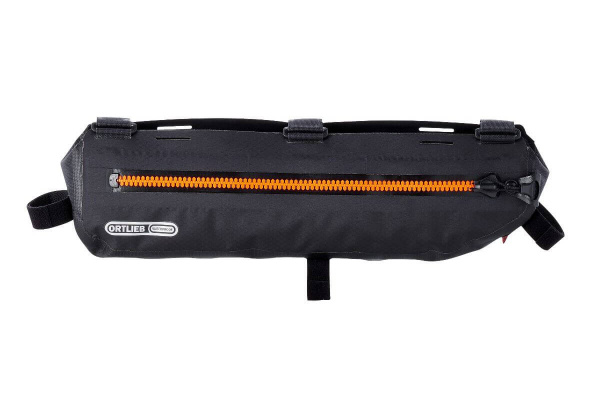
The TIZIP zipper is the serious piece of kit here - it's the same submersible zipper technology used in dry suits, and it's why the Frame-Pack sits at a higher waterproofing level than most competitors. Access is quick and the zipper runs almost the full length of the bag face. The trade-off is maintenance: TIZIP teeth need regular cleaning and a wipe of the included silicone lubricant, especially in winter when freezing mud can cause the mechanism to stiffen. Ignore that and the zipper becomes frustrating. Stay on top of it and it lasts years.
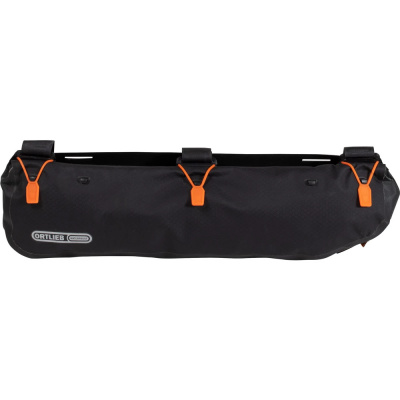
The Frame-Pack RC drops the zipper entirely in favour of a mechanical roll closure - the same principle as an Ortlieb dry bag. It's slightly more faff to open mid-ride, but it handles overstuffing better (no zipper to strain), requires almost zero maintenance, and is arguably more forgiving on longer bikepacking trips where the bag gets opened and repacked repeatedly. If you're doing multi-day routes through the Peak District or heading up into the Cairngorms and you want one less thing to think about, the RC makes a strong case. It's also a natural entry point for riders crossing over from Apidura frame bags, many of which also use roll-style closures.
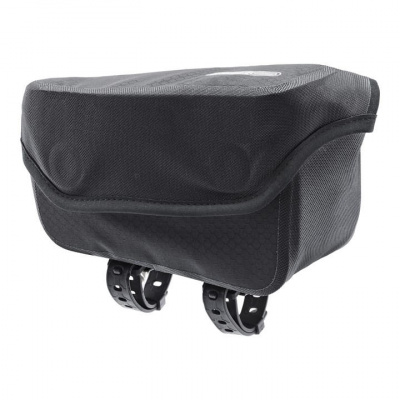
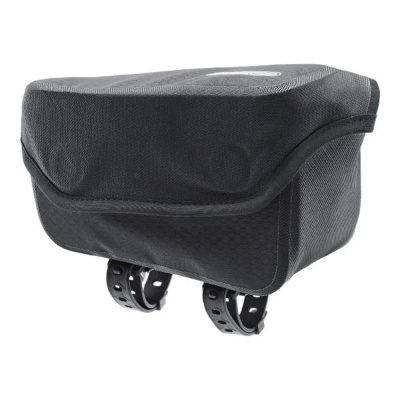
The Toptube bag is a different animal. It sits on the top tube, typically accessed from the cockpit, and leaves the main triangle free - so your bottle cages stay put. It's the practical choice for riders on aggressive or compact frames where a full bag simply won't fit, and it works well paired with a smaller saddle pack. Compared to rival options from Altura frame bags or Miss Grape frame bags, the Ortlieb Toptube's fully welded construction holds a clear waterproofing edge, though it offers less internal volume for the size. For a complete waterproof bikepacking setup, it pairs cleanly with Ortlieb bar bags and Ortlieb saddle bags - you end up with a system where everything is rated to the same standard.
UK Grit, Abrasion, and Keeping Your Frame in One Piece
Here's something that doesn't make the product page: grit trapped under velcro mounting straps is abrasive enough to sand through frame protection on carbon and anodised alloy alike. UK riding - particularly anything involving Peak District moorland, Surrey Hills chalk, or post-winter road grime - throws a lot of particulate at your frame. The straps flex against the tube with every pedal stroke, and if there's grit underneath, that movement is doing damage you won't notice until it's too late.
The fix is simple but non-negotiable: apply helicopter tape or dedicated frame protection film to every contact point before the bag goes on. Cover more area than you think you need. This is especially important on raw carbon, where a ground-through clear coat isn't just cosmetic. Re-check the contact zones every few months and replace the tape when it starts lifting at the edges.
For the TIZIP zipper models specifically, zipper care matters more than most riders expect. Clean the teeth with a damp cloth after muddy rides, and work the included silicone lubricant into the seal before winter sets in. A seized TIZIP on a February morning in the Brecon Beacons is a frustrating problem that a five-minute maintenance habit prevents entirely. The PS21R nylon fabric itself is tough and doesn't need special treatment, but worth checking the welded seams periodically if the bag is being used hard - any delamination at the seam edge is best caught early.
If you're running Ortlieb pannier bags alongside your frame bag on a touring or commuting setup, the same frame-protection logic applies at rack contact points. It's an easy habit to build across your whole luggage system.
Ortlieb Frame Bags FAQs
How do I measure my bike for an Ortlieb frame bag?
Measure the internal length of the top tube, seat tube, and down tube - that's the usable space inside your front triangle. Cross-reference those figures against Ortlieb's published sizing templates for the 4L or 6L bags. Also check for clearance around bottle cage bosses, rear shock linkages, and any front derailleur mounts before committing to a size.
Are Ortlieb frame bags completely waterproof?
Yes, genuinely. High-frequency welded seams and either a TIZIP submersible zipper or roll closure give Ortlieb frame bags an IP64 waterproof rating. That's not a marketing claim - it means they hold up to heavy rain and continuous wheel spray. The TIZIP models need regular lubrication to maintain that seal, particularly in cold and muddy UK conditions.
Will an Ortlieb frame bag scratch my carbon frame?
The bag itself won't, but grit caught under the velcro mounting straps will act like sandpaper against the tube with every pedal stroke. Apply helicopter tape or frame protection film to all contact points before fitting the bag. Check and replace the tape periodically, especially after wet or muddy rides where grit builds up faster.