
Miss Grape Frame Bags
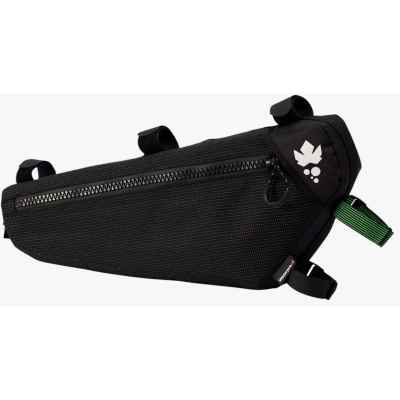
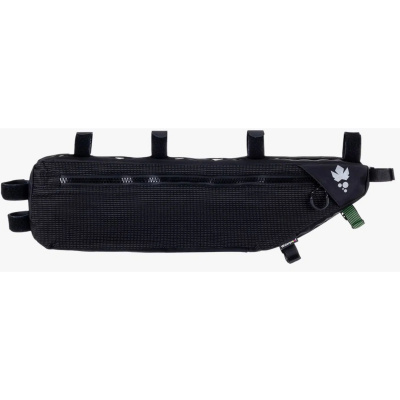
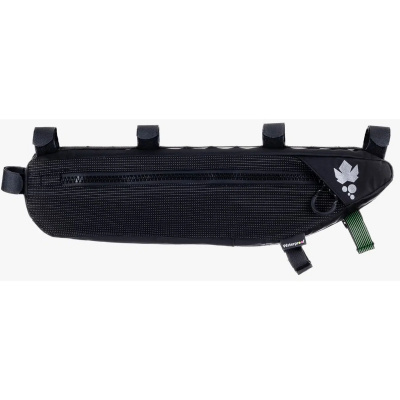
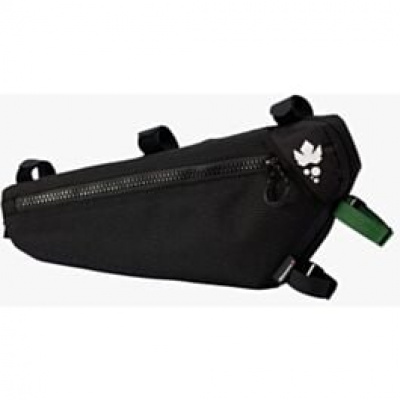
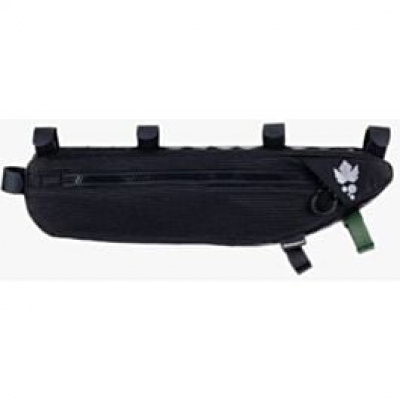
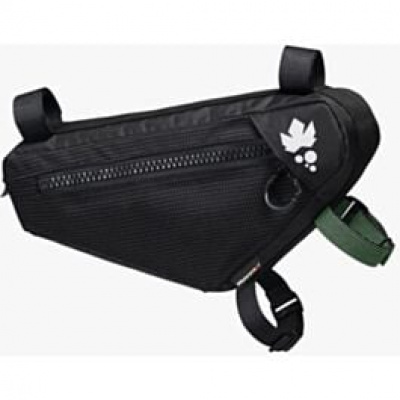
Miss Grape frame bags are handmade in Italy and have become a genuine benchmark for riders who want lightweight, durable bikepacking storage without cutting corners. The construction starts with tear-resistant Dotted Nylon 420 and Polyester 300 fabrics, then adds a polyurethane resin coating rated to a 10,000mm water column - so a proper Welsh weekend soaking is well within its comfort zone. Riri Aquazip water-resistant zippers and anti-slip rubberised velcro straps finish the picture. These aren't bags bolted together on a production line; the Italian handmade process shows in the panel cuts and strap placement, which matter more than you'd think when you're trying to keep bottle cage access and cable routing intact on a real bike.
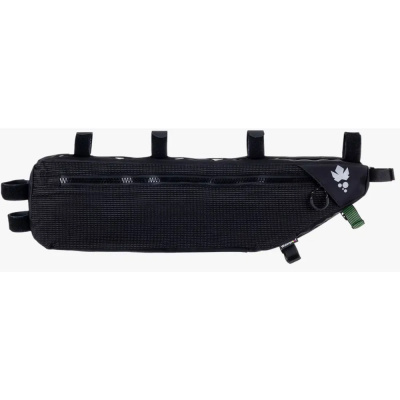
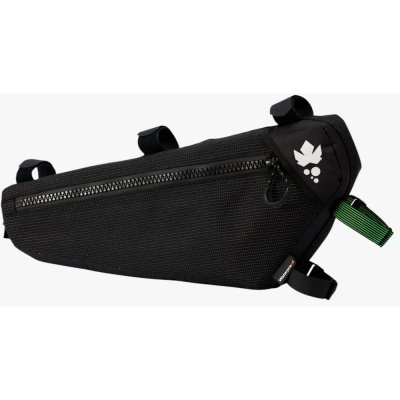
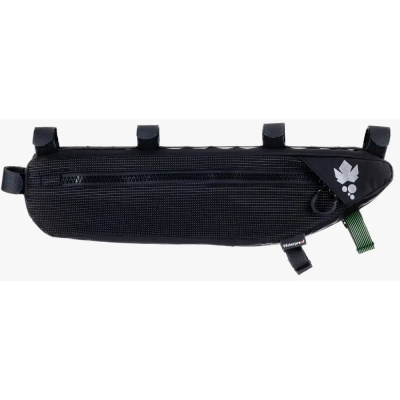
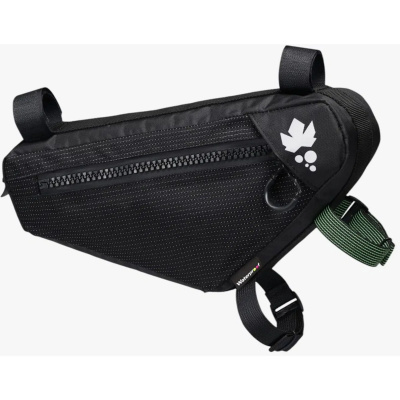
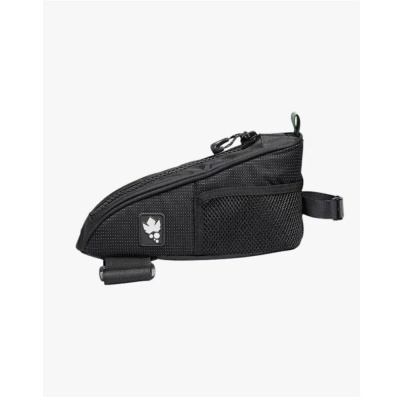
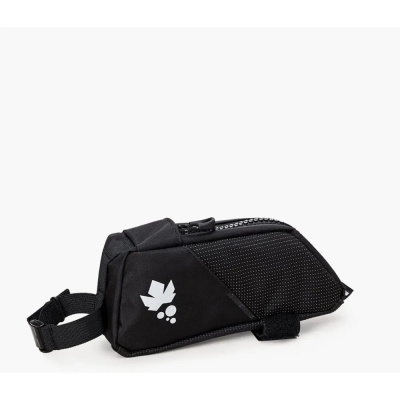
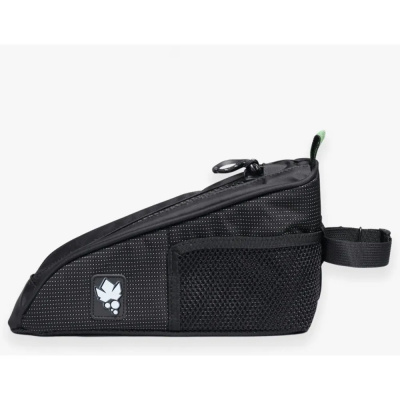
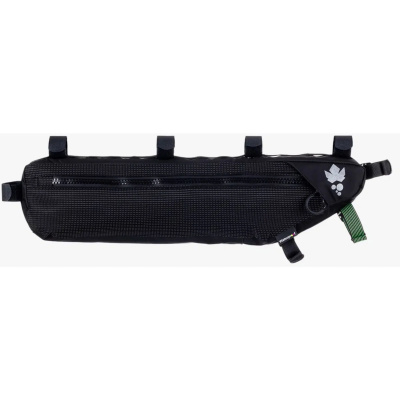
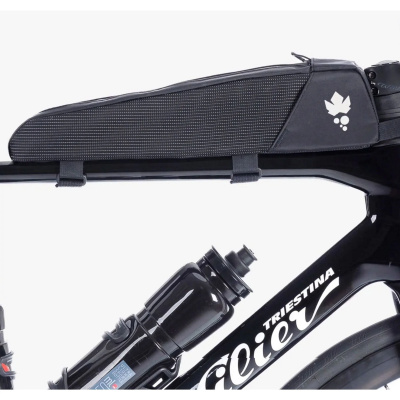
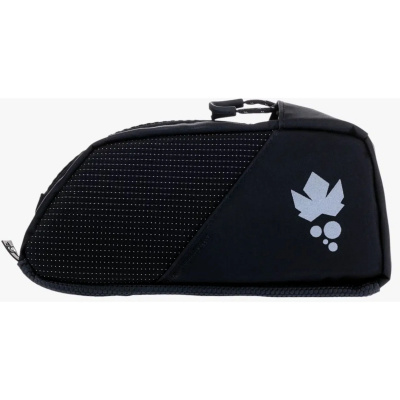
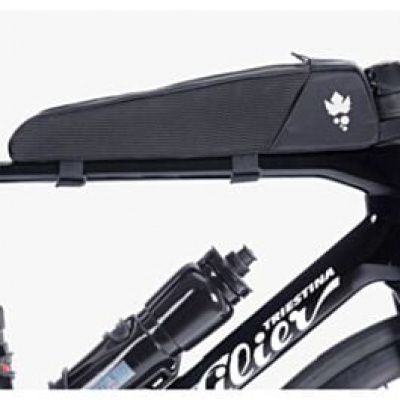
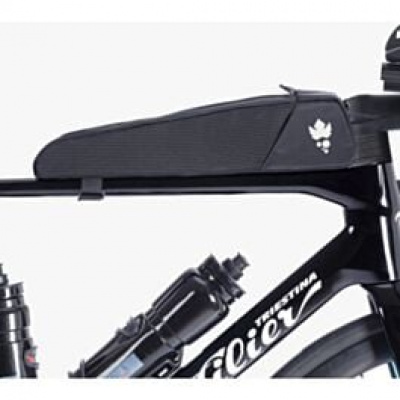
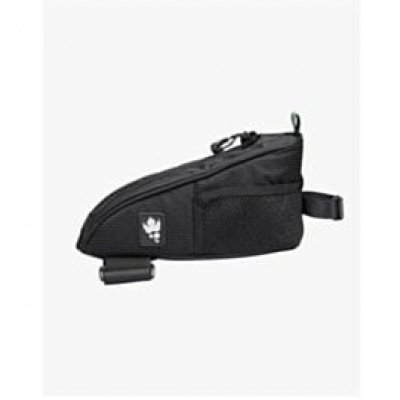
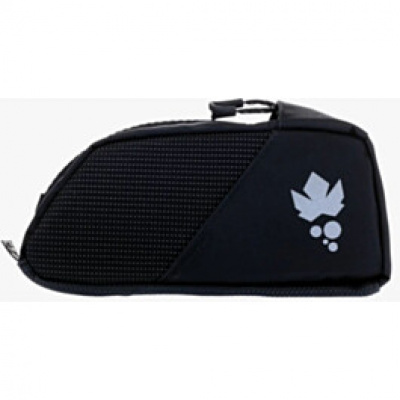
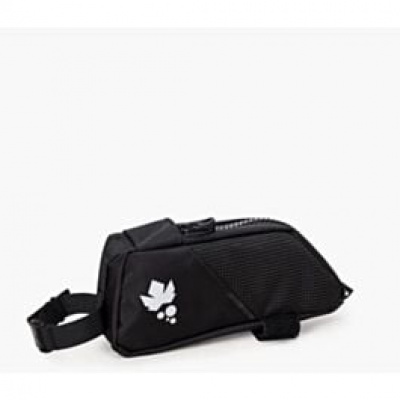
The range splits neatly into the Internode half-frame series - available from 2L up to 5L, with road, gravel, and MTB geometry variants - and the Node top tube bags, covering both road and adventure riding. Whether you're piecing together a rig for the Highland Trail 550 or just want smarter storage for weekend gravel loops in the Dales, there's a configuration here that fits. Explore the full range below and use the sizing and compatibility guidance to nail the right choice first time.
Prices and availability can change quickly. Delivery charges are not always included in listed prices.
Final price, stock status and delivery terms are set by retailer. We may receive a commission on purchases made.
Getting the Fit Right: Sizing Your Miss Grape Frame Bag
Sizing a half-frame bag isn't guesswork - get it wrong and you'll have a bag that bunches at the bottom bracket junction, fouls your water bottles, or puts stress on the strap anchors. Start by measuring the internal length of your top tube and the usable depth of your front triangle, running from the underside of the top tube down toward the bottom bracket shell. Miss Grape's Internode sizing charts map directly to these two figures, so a tape measure and ten minutes saves a lot of faff.
Bottle cage clearance is the detail most riders miss. If you're running a standard side-loader cage on the down tube, a 3L or 4L Internode will typically coexist without drama. Step up to the 5L on a compact frame geometry, though, and you may need to switch to a side-loading cage or accept losing that bottle position entirely - worth knowing before the bag arrives. The anti-slip rubberised velcro straps on Miss Grape bags are cut to work with external cable routing, but double-check that the strap anchor points don't land directly over a housing stop or barrel adjuster. Move them a centimetre if needed; the straps have enough adjustment range to accommodate.
Frame geometry shapes which Internode volume suits you best. Road and gravel frames with longer, slacker front triangles can run the larger volumes comfortably. Shorter MTB front triangles often work better with the 2L or 3L, where the bag panel doesn't fight the frame angles. Miss Grape does offer custom geometry options, which is worth knowing if your frame is particularly unusual.
Internode vs Node: Picking the Right Model
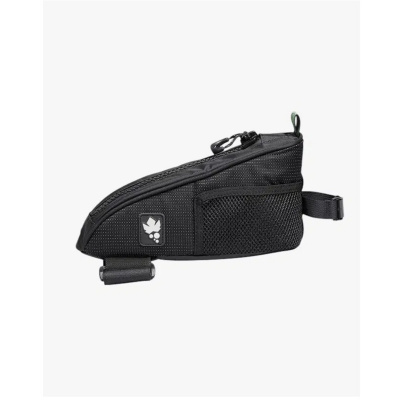
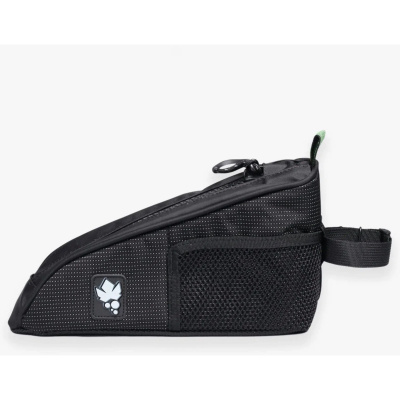
The Internode is the main event - a half-frame bag occupying the front triangle, available in five volume steps (2L, 3L, 4L, 5L) and tailored variants for road/gravel versus MTB geometry. It's where you stow the heavier, bulkier kit: tools, spares, a layers bag, a bivvy in a dry sack. Keep weight low and central in the triangle and your bike's handling stays predictable, which matters on a loaded descent in the Peak District as much as it does on a smooth gravel road.
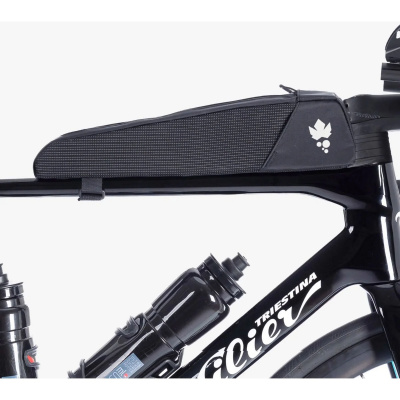
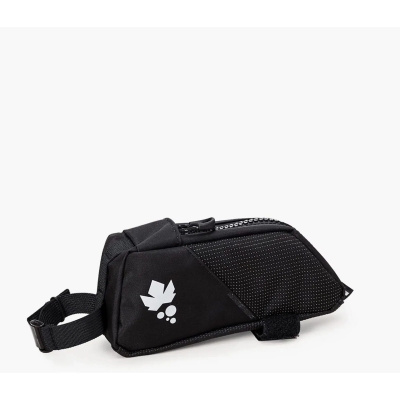
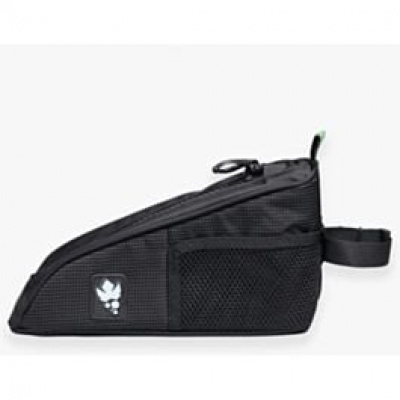
The Node series handles the top tube. Node Road is trimmed slim for drop-bar bikes, keeping knee clearance and giving you a flat platform for a phone or nutrition right where you can reach it on the move. Node Adventure broadens that brief - more volume, more versatility, suited to mixed-surface riding where you want quick access to snacks, a rain jacket, or navigation kit without stopping. Both use the same core fabric and coating spec as the Internode, so water resistance is consistent across the system.
Building a complete bikepacking setup? Pairing your frame bag with Miss Grape Bar Bags and Miss Grape Saddle Bags distributes weight across the bike properly - heavy items low and central in the frame, lighter kit split front and rear. That balance keeps the steering from going vague and the rear from wallowing on loose surfaces. If you're comparing options across brands, Apidura frame bags and Ortlieb frame bags offer welded waterproofing as an alternative approach, while Altura frame bags sit at a more accessible price point for commuter-focused riders. The trade-off with welded construction is typically more weight and less refined panel shaping; Miss Grape's stitched approach saves grams but asks a little more of you in terms of protecting the seams from sustained heavy rain - more on that below.
Surviving UK Conditions: Durability and Keeping the Bag in Good Shape
The polyurethane resin coating with its 10,000mm water column rating handles drizzle, spray, and light downpours without drama. The Riri Aquazip water-resistant zippers add another line of defence. What the spec sheet doesn't flag is the effect of UK winter grit - the fine, abrasive slurry that coats roads and trails from October onwards and gets trapped between the velcro straps and your frame. Left to work over hundreds of kilometres, it acts like wet sandpaper on your top tube and down tube. On a carbon frame, that's a cosmetic problem at minimum and potentially something worse if the clear coat goes.
The fix is simple and costs very little: apply clear helicopter tape - frame protection film - to every contact point before you mount the bag. Cover the full strap width plus a centimetre either side. It takes twenty minutes once and saves your frame finish across the life of the bag. Worth doing on any frame material, but non-negotiable on carbon.
Zipper maintenance is the other thing riders neglect until a zip jams mid-tour. The Riri Aquazips are quality components, but dried mud and mineral deposits from road spray will gum them up over time. After a muddy or wet ride, run a soft toothbrush along the zip teeth to clear debris, then work a small amount of silicone lubricant along the length. Avoid oil-based lubricants - they attract grit and make the problem worse. Do this every few rides through winter and the zippers will run smoothly for years. Because these bags are stitched rather than welded, prolonged exposure to very heavy rain - think a full day in Scottish highland weather with no shelter - can allow trace moisture through the seams. Pack electronics and anything that can't get damp in a lightweight dry bag inside the Internode. It's a small concession for a bag that's otherwise significantly lighter than welded alternatives.
Miss Grape Frame Bags FAQs
How do I choose the right size Miss Grape Internode frame bag?
Measure the internal length of your top tube and the usable depth of your front triangle from top tube underside toward the bottom bracket. Match those figures to Miss Grape's sizing chart. Leave enough clearance to reach your water bottles comfortably - if it's tight, consider a side-loading cage or drop to a smaller Internode volume.
Are Miss Grape frame bags fully waterproof?
Highly water-resistant, yes - fully waterproof, not quite. The 10,000mm polyurethane coating and Riri Aquazip zippers handle most UK conditions well, but stitched seams can allow trace moisture in during prolonged heavy downpours. Pack electronics and anything sensitive inside a lightweight dry bag as standard practice.
Will a frame bag scratch my carbon bike frame?
It can, especially in UK winter conditions where grit gets trapped under the velcro straps and works like an abrasive against the frame surface. Apply clear helicopter protection tape to every contact point before mounting the bag. This applies to all frame materials, but it's especially worth doing on carbon.