
Miss Grape Saddle Bags
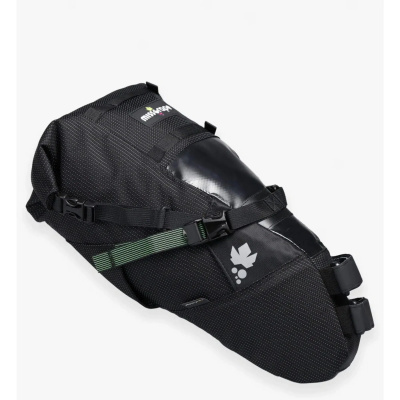
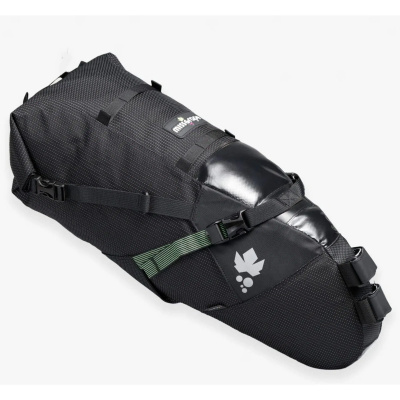
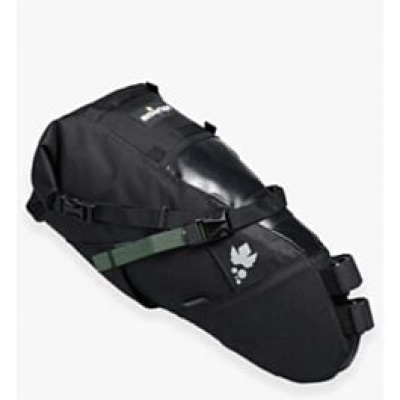
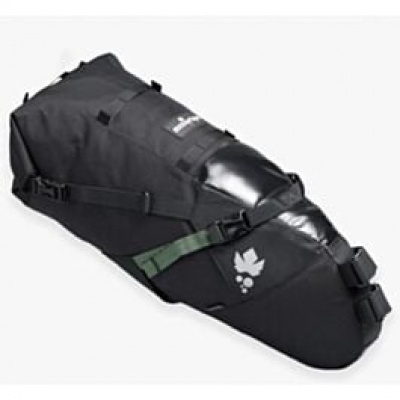
Miss Grape saddle bags are handmade in Italy and engineered around one specific problem: keeping your kit stable and dry when the road - or track - does its worst. The Cluster series has built a strong following among UK gravel and bikepacking riders, and it's not hard to see why. These seat packs use a polyurethane-resin-coated fabric that sheds wheel spray and persistent drizzle effectively, backed by a roll-top closure that, when rolled properly, keeps moisture out through hours of riding in genuinely grim conditions.
What separates Miss Grape from a lot of the competition is the attention to contact points. Anti-slip rubberised fabric at the seatpost interface reduces the bag shuffling sideways on hard efforts - something cheaper packs do constantly and annoyingly. A reinforced double-layer bottom resists abrasion from road debris, which matters when you're riding winter lanes with grit everywhere. The internal structure keeps the bag's shape under load, so it doesn't pendulum behind you when you're out of the saddle on a climb.
Whether you're planning a Coast to Coast overnighter or just need reliable gravel bike saddle bag storage for longer day rides, Miss Grape gives you a well-sorted, anti-sway bikepacking seat pack without unnecessary bulk. Compare UK prices across the range below.
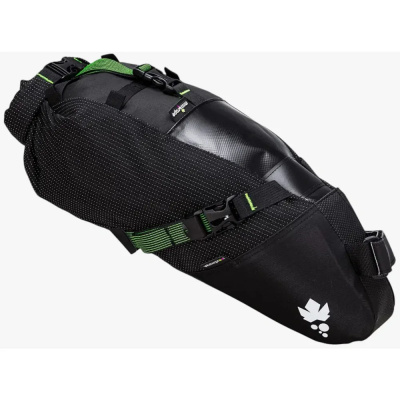
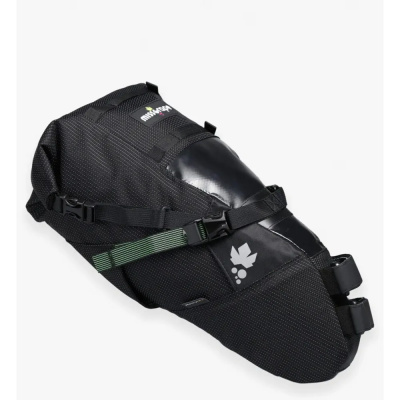
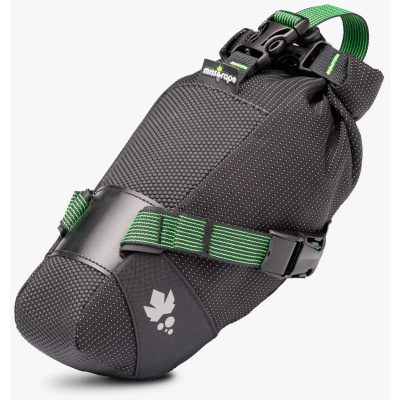
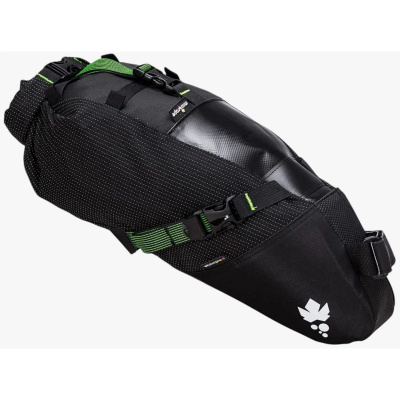
Prices and availability can change quickly. Delivery charges are not always included in listed prices.
Final price, stock status and delivery terms are set by retailer. We may receive a commission on purchases made.
Will It Actually Fit Your Bike? Clearances and Compatibility
Before you buy, get a tape measure out. Miss Grape saddle bags require a minimum of 15cm to 18cm of exposed seatpost depending on which Cluster volume you're fitting - the larger the bag, the more post you need to anchor the straps without the bag sitting too low and fouling your rear wheel. Saddle rail clearance to the tyre is equally important: you want at least 20cm of gap there under normal conditions.
On a full-suspension bike, that measurement changes. Check it with your suspension fully compressed - at bottom-out - not just with the bike sitting at sag. A gap that looks fine in the car park can vanish on a big hit, and tyre rub on a loaded bikepacking seat pack is a bad situation quickly. Most hardtails and gravel bikes won't have this issue, but it's worth confirming on anything with rear travel.
Saddle rail compatibility is another thing to sort before fitting. Standard 7x7mm alloy rails work with the included straps without drama. Carbon rails at 7x9mm need care - the anti-slip rubberised fabric at the contact points helps protect them, but applying a strip of 3M helicopter tape to the rails before fitting is a sensible precaution. If you're running a dropper post, a Wolf Tooth Valais or similar rigid adapter is essentially mandatory; you can't strap a loaded bag to a dropper and expect it to behave. The dropper will try to compress and the bag will shift. Sort the adapter first.
Cluster 7, 13, or 20: Choosing the Right Volume
Miss Grape's Cluster lineup runs in three volumes, and each one genuinely suits a different type of riding rather than just being a size-up of the same bag. The Cluster 7 sits at the lighter, more nimble end - 7 litres is enough for a fast gravel day ride where you're carrying a waterproof, tools, food and not much else. It's a compact, tidy pack that doesn't interfere with your bike's handling and keeps weight low. If you ride fast, hate faff, and want the bag to disappear beneath you, this is the one.
The Cluster 13 is where most riders land for the best Miss Grape saddle bag for bikepacking on weekend trips. Two or three days out, bivvy or lightweight shelter, enough clothes for variable weather - 13 litres handles that without feeling overstuffed. The structural reinforcement in the bag's body keeps it stable even when loaded, which matters more as weight increases. Droop and sway become real problems with heavier packs on cheaper bags; Miss Grape's internal architecture resists that noticeably.
The Cluster 20 is for multi-day, remote routes where you're carrying everything. Scotland's rougher long-distance routes, loaded touring, or anything where resupply is unpredictable. At this volume, the double-layer reinforced bottom becomes especially relevant - dragging that much weight over abrasive road surfaces puts real stress on the base fabric. The structural reinforcement scales up accordingly, keeping the bag rigid rather than flopping around behind you. If you're looking at Apidura saddle bags in this volume bracket, Miss Grape is a credible rival with comparable weatherproofing and arguably more considered contact-point protection. Carradice saddle bags offer a more traditional approach if you prefer cotton duck canvas over technical synthetics.
A loaded Cluster 20 also pairs well with a Miss Grape bar bag or a Miss Grape frame bag if you're distributing weight across the whole bike - rear-heavy setups handle noticeably worse, so splitting the load front-to-back is worth planning before you pack.
UK Conditions and Keeping the Bag - and Your Bike - in Good Shape
UK winter riding throws a specific combination at seat packs: persistent rain, wheel spray, and road grit that gets into every strap interface and acts like fine sandpaper. On a carbon seatpost, that's not just cosmetic damage over time. Before fitting any Miss Grape saddle bag, wrap the contact zones on your seatpost and saddle rails with 3M helicopter tape. It's cheap, invisible once fitted, and takes the abrasion so the carbon doesn't. The anti-slip rubberised fabric on the bag's contact points helps reduce movement, but it won't stop grit grinding if you skip the tape and ride through winter.
The Nylon 420 and Polyester 300 dotted fabric with its polyurethane resin coating handles rain well in use, but the resin degrades if you pressure-wash it repeatedly. Clean the bag with mild soap and a soft cloth, rinse gently, and let it air dry. That keeps the water-repellent properties intact for longer. The roll-top closure needs a minimum of three full rolls to seal properly against heavy spray - rolling it twice and clipping it looks fine but won't keep water out in a downpour. Worth knowing before your first wet ride.
Anti-sway performance, which is one of the main reasons riders choose these bags over cheaper options like Blackburn saddle bags, depends on the straps being tight and the bag being packed sensibly. Dense, heavy items at the base; lighter, compressible kit on top. A bag packed with a heavy item sitting high will move more regardless of how good the mounting system is. Get the weight distribution right and the Cluster series stays planted.
Miss Grape Saddle Bags FAQs
How much seatpost clearance is needed for a Miss Grape saddle bag?
You need between 15cm and 18cm of exposed seatpost depending on the Cluster volume, and at least 20cm of clearance between your saddle rails and the rear tyre. If you're on a full-suspension bike, measure that tyre clearance at full suspension compression - not at ride sag - to make sure you won't get tyre rub under load.
Are Miss Grape saddle bags completely waterproof?
The Cluster series uses polyurethane-coated nylon with an internal waterproof lining, which handles UK rain and wheel spray well. To get proper water tightness, roll the closure a minimum of three full times before clipping it. Two rolls looks sealed but isn't enough in heavy rain. The coating is durable but avoid pressure washing - mild soap and a cloth keeps it performing longer.
Can I use a Miss Grape saddle bag with a dropper post?
Not directly. A dropper post will try to compress under the bag's weight and straps, causing the bag to shift and potentially contact your tyre. You need a rigid seatpost adapter - a Wolf Tooth Valais is the most commonly used option - to create a fixed mounting point above the dropper mechanism. Once that's fitted, the bag mounts normally.