
Carradice Saddle Bags
Carradice saddle bags are the reference point against which everything else gets measured - handcrafted in Nelson, Lancashire, from their proprietary Cotton Duck fabric and built to outlast the bikes they're fitted to. That's not brand loyalty talking; it's the reality you'll notice the moment you handle one. The hardware is cast metal, the straps are thick leather, and every bag leaves the workshop signed by the person who made it. These aren't fashion accessories dressed up as luggage.
What makes Cotton Duck genuinely different from the DWR-coated synthetics used by most competitors is that the fibres swell when wet, physically sealing the weave from the inside. A coating washes out over time. Cotton Duck doesn't - which matters a great deal when you're grinding through a February audax or commuting into a Leeds headwind with rain coming sideways off the Pennines.
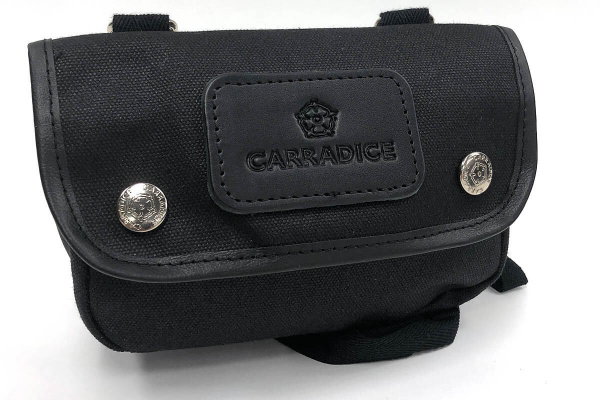
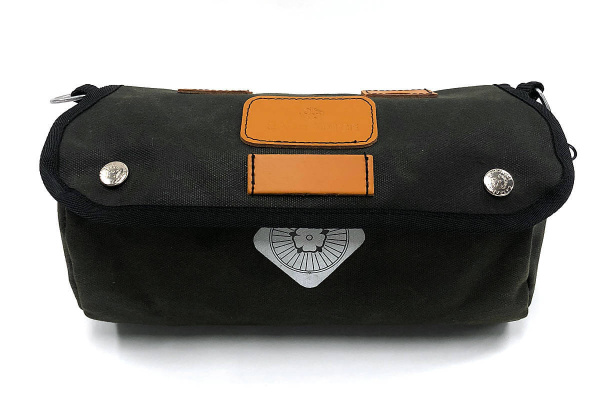
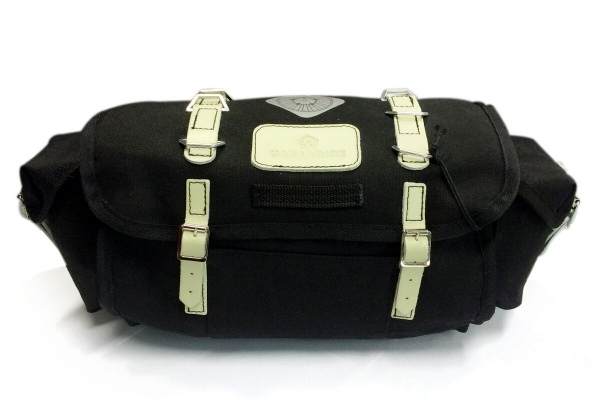
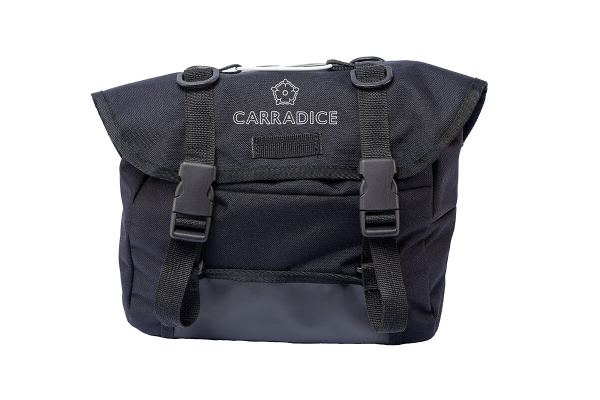
The range runs from the compact 9-litre Barley, suited to a Sunday club run with just the essentials, up to the vast 23-litre Camper Longflap for fully loaded touring. Pair the right bag with the right Bagman support and you get a sway-free setup that won't try to eat your rear tyre. Compare the best UK prices on Carradice saddle bags below.
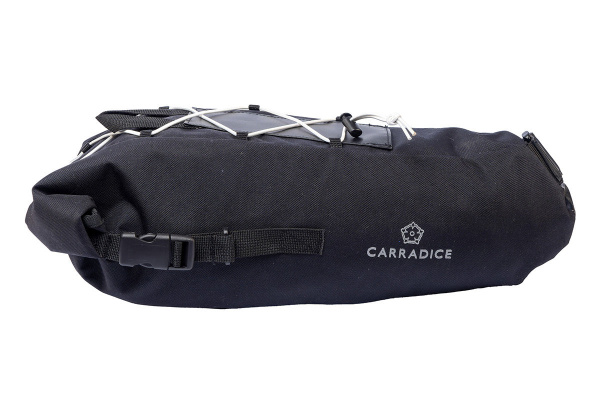
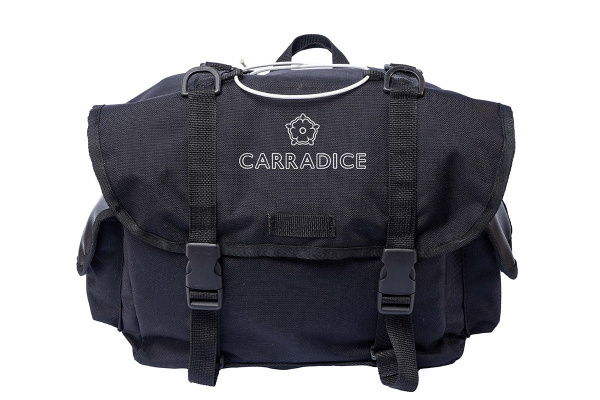
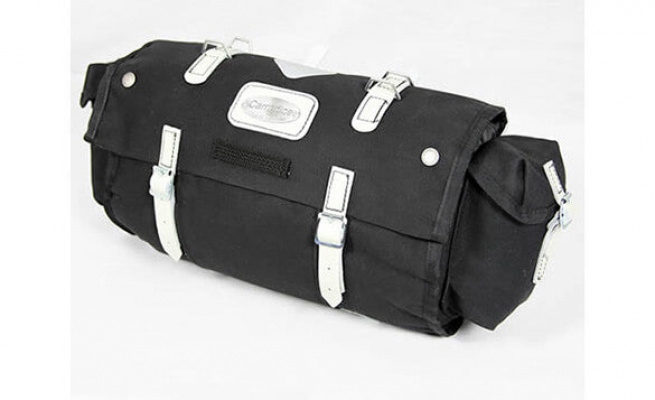
Prices and availability can change quickly. Delivery charges are not always included in listed prices.
Final price, stock status and delivery terms are set by retailer. We may receive a commission on purchases made.
Mounting Your Carradice: Loops, Clamps, and Clearance
There are two ways to attach a Carradice saddle bag, and getting this right matters more than most buyers realise before they're standing in the car park trying to fit one. The traditional method uses saddle loops - the small D-rings stitched into the underside of leather saddles like those from Brooks. If your saddle has them, the bag's leather straps feed straight through and you're done. Clean, simple, no extra parts.
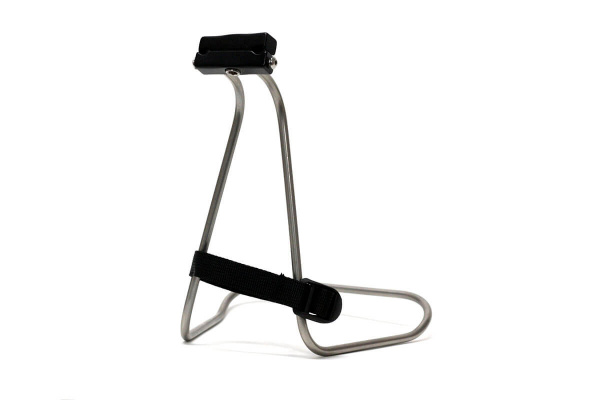
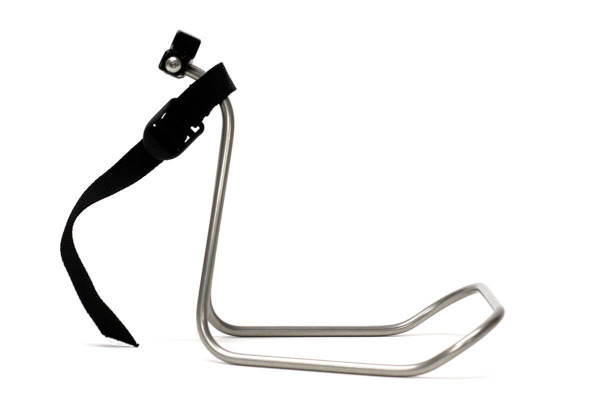
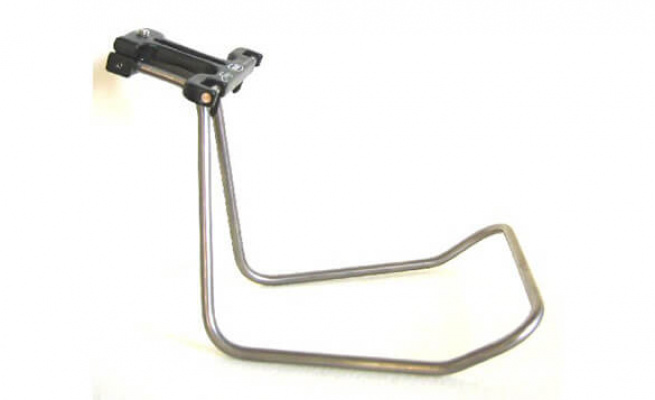
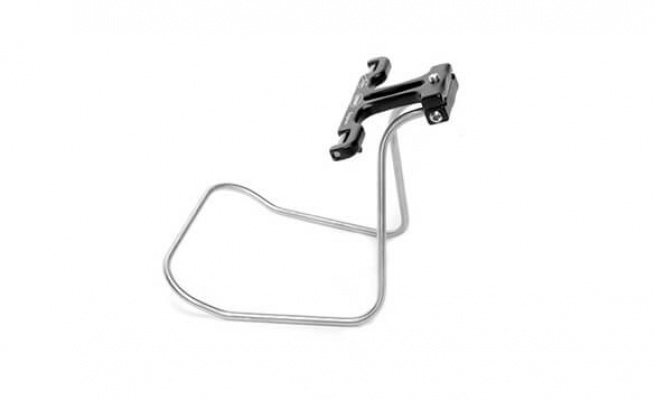
Modern saddles - most carbon-railed or plastic-shelled designs - don't have loops. You've got two options: bolt-on Cyclo loops that clamp to the saddle rails, or the Carradice Bagman Quick Release system, which clamps directly to the rails and doubles as a structural support frame. The Bagman QR is the smarter choice for anything larger than the Barley, because it keeps the bag rigid and positioned rather than just hanging it.
Rear wheel clearance is the bit people miss. You need to measure the gap between your saddle rails and the top of your rear tyre - not the mudguard, the tyre. The Bagman Sport drops the bag less aggressively and suits most full-size frames. The Bagman Expedition drops further and is the one you need on smaller frames, compact geometry, or any setup where the saddle sits close to the wheel. Get this wrong and the bag rubs the tyre on every compression. Worth checking twice before you order.
Originals vs Super C: Choosing the Right Range
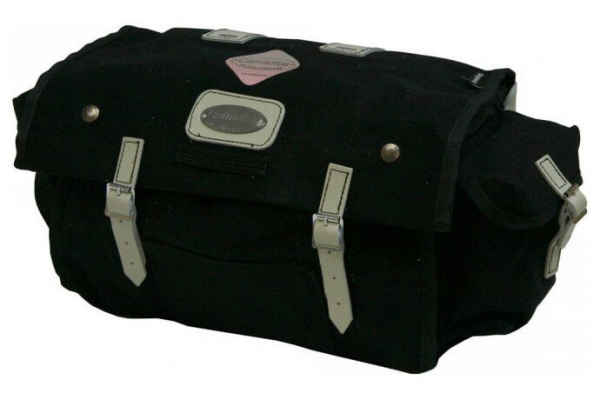
Carradice runs two distinct product lines and they're aimed at genuinely different riders. The Originals - the Barley, Nelson, and Camper Longflap - are traditionally constructed with leather straps, wooden dowel stiffeners, and classic proportions. They're the bags that audax riders have been using for decades, and the aesthetic is unapologetically old-school. That's a feature, not an oversight.
The Barley sits at 9 litres and fits neatly under the saddle of a road or audax bike without intruding on your heel clearance. A spare tube, a rain jacket, a tool roll, and a snack - that's your lot, which is exactly what a club run requires. Step up to the Nelson at around 14 litres and you've got room for a full layer system plus overnight essentials if you're keeping things lean. The Camper Longflap at 23 litres is a different proposition entirely: this is the bag you reach for when you're loading up for a week in the Scottish Highlands or a trans-continental push. It's big enough that you'll want to think carefully about weight distribution alongside a Carradice bar bag up front.
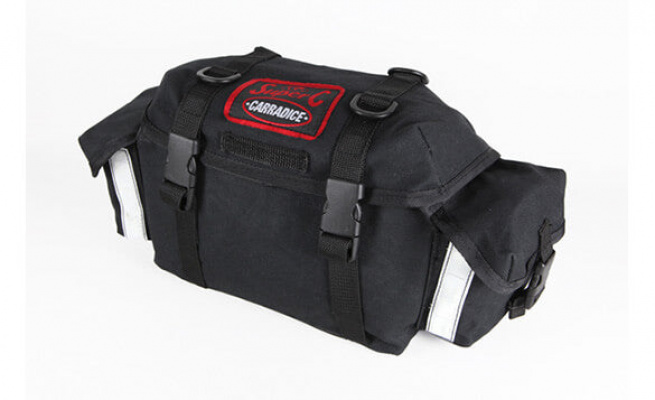
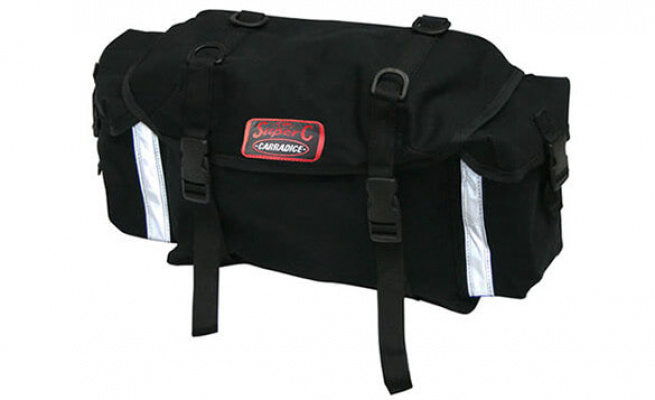
The Super C range swaps leather straps for modern quick-release buckles and adds reflective detailing across the body. If you're commuting through Manchester or Birmingham in the dark, that extra visibility is worth having. The construction is the same Cotton Duck fabric and the same handcrafted quality - just configured for riders who need speed in the morning and don't want to fiddle with traditional straps. Worth comparing alongside Altura saddle bags and Apidura saddle bags if commuting is your primary use - those brands offer lighter, more minimal options, but neither matches Carradice for sheer carrying capacity and weather resistance over the long term.
A note on the best Carradice saddle bag for touring: the Camper Longflap is the standard answer, but the Nelson paired with a frame bag often gives you better weight distribution on longer days. Think about how the load sits on the bike, not just how much you can cram in. Pairing a saddle bag with a Carradice frame bag keeps mass central and low, which makes a real difference over a full day in the saddle.
Caring for Cotton Duck: What to Do and What Not to Do
Cotton Duck is robust, but it does need the right kind of attention - and the wrong kind will strip it of the very properties that make it worth owning. The first rule: if the bag gets muddy, let the mud dry completely before you touch it. Dry mud brushes off the surface without penetrating the weave. Wet mud, wiped with a cloth, gets worked in. Leave it. Come back to it tomorrow with a stiff brush.
Never put a Carradice bag in a washing machine. Detergents break down the natural oils in the cotton fibres and degrade the waterproofing from the inside out. A damp cloth for surface dirt, and that's enough for routine cleaning. For the leather straps and hardware, a light wipe and occasional conditioning with a leather balm keeps them supple and prevents cracking - particularly important if the bag lives outdoors in winter.
Every few years, depending on how hard the bag works, the Cotton Duck benefits from a treatment with Carradice Reproofing Wax. You'll know it's time when water starts to bead less aggressively on the surface rather than running straight off. Work the wax in with a cloth and leave it to absorb - don't heat it unless the instructions say so, as that can cause uneven penetration. This process restores the fabric to its original performance without any of the environmental baggage of synthetic spray coatings.
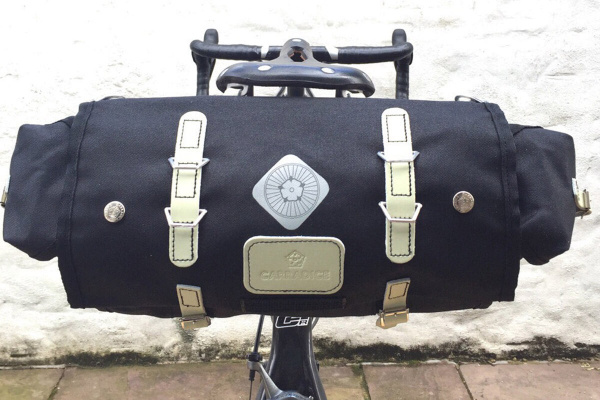
The heavy-duty cast metal hardware and leather strapping are designed to outlast most of what they're attached to, but stitching and wooden dowels can eventually need attention. If you need replacement leather straps, wooden dowels, or Bagman adapters, check out our dedicated Carradice accessories and spares pages for compatible components. You can also pair your saddle setup with a full Carradice bar bag system if you're building out a complete touring rig.
Carradice Saddle Bags FAQs
Do I need a Bagman support for a Carradice saddle bag?
For smaller bags like the Barley, saddle loops are usually sufficient to keep things stable. Once you move up to the Nelson or Camper Longflap, a Bagman support becomes genuinely important - without one, larger bags can sway laterally and potentially contact the rear tyre, especially on rougher roads.
How do you attach a Carradice saddle bag without saddle loops?
Two options: bolt-on Cyclo loops that clamp to the saddle rails, or the Carradice Bagman Quick Release system, which clamps directly to standard saddle rails and provides both a mounting point and a structural support frame. The Bagman QR is the more versatile choice and works on most modern saddles.
Are Carradice saddle bags completely waterproof?
Yes - Cotton Duck waterproofs itself physically. The fibres swell when wet, sealing the weave from inside. Because there's no synthetic DWR coating to wash out, the bags remain highly effective in persistent heavy rain for decades, which is exactly what UK riding demands.