
Miss Grape Bar Bags
Miss Grape bar bags are handmade in Italy and engineered for riders who want luggage that actually holds its position when things get rough. The construction centres on 420D nylon and 300D polyester with a polyurethane resin coating - proper waterproofing, not just a wipe-down finish - paired with anti-slip rubberised retention straps that grip the bars rather than creep and rotate mid-ride. That matters when you're grinding through a wet Welsh valley or rattling down a rocky bridleway and the last thing you need is your sleeping kit swinging into the front wheel.
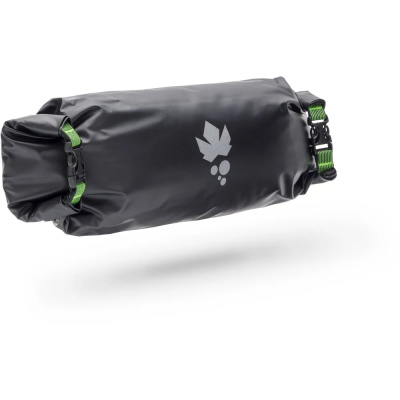
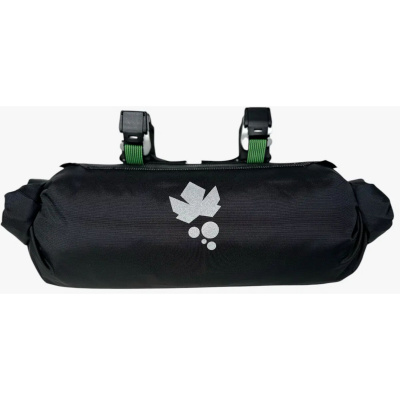
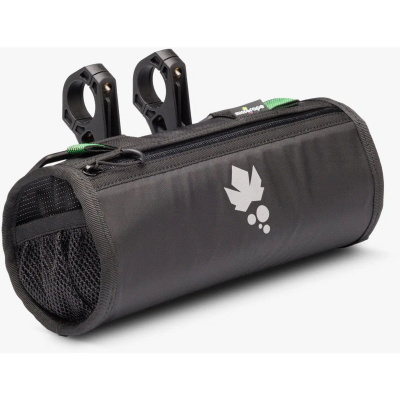
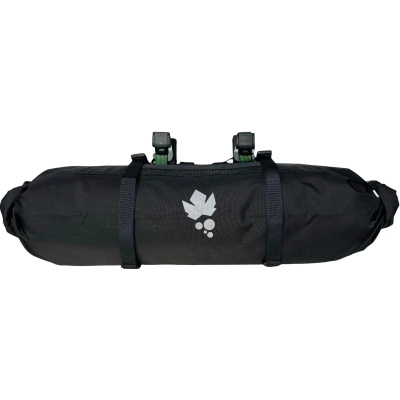
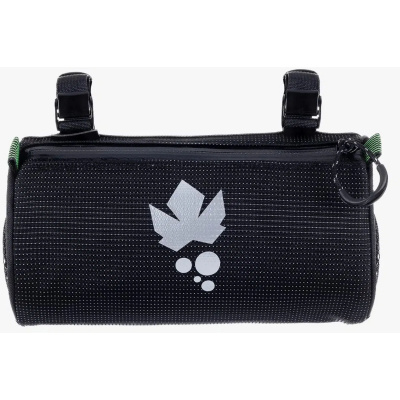
The range splits cleanly between two core products: the Tendril, a dual-roll handlebar roll built for compressible bulky kit, and the Moon, a compact zippered bag for day-ride essentials. Both are designed with drop bar compatibility and cable routing in mind, so you're not bodging the fit around STI levers or cramped cockpits. The tear-resistant handmade construction means these aren't disposable-season bags either - buy once, ride hard, look after them, and they'll cover a lot of winters. If you're comparing options, Apidura bar bags and Ortlieb bar bags occupy similar space, but Miss Grape's Italian handcraft and rubberised strap system set a different standard for fit and finish.
Prices and availability can change quickly. Delivery charges are not always included in listed prices.
Final price, stock status and delivery terms are set by retailer. We may receive a commission on purchases made.
Fitting Your Cockpit: Drop Bars, Flat Bars, and the Clearances That Matter
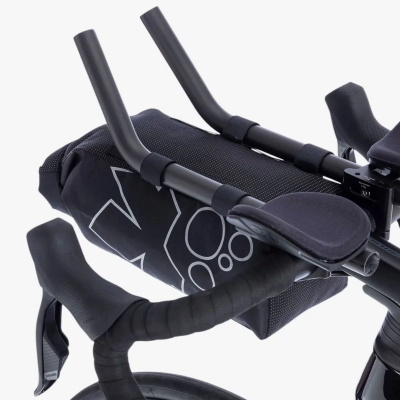
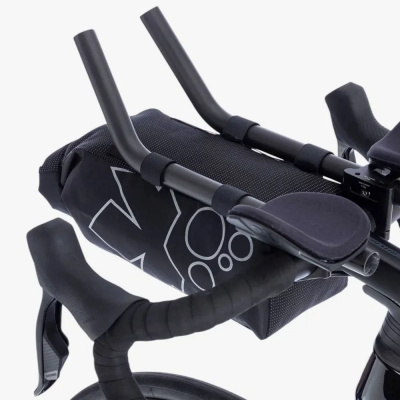
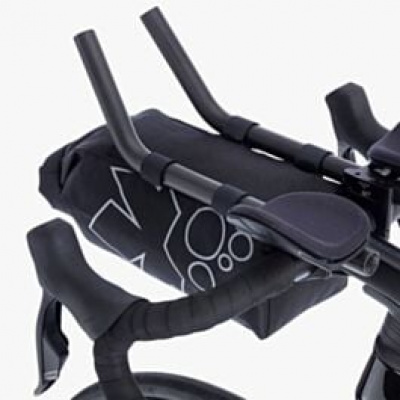
Before you buy, measure. That's not overthinking it - it's the difference between a bag that works and one that fouls your brake cable on the first descent. For drop bar compatibility, the key number is the packed width of the bag versus the internal span between your shifter hoods. STI levers on a road or gravel bike have a finite inward throw, and a bag that's too wide will block that movement. Check the bag's maximum packed width against your handlebar width minus the clamp area, and leave room for the levers to move freely. DoubleTap shifters sit slightly differently again, so if you're running SRAM on a gravel rig, factor in where the lever body sits at rest.
Cable routing is the other pinch point, particularly on older bikes with external gear cables running along the tops. A loaded handlebar roll can compress down onto those cables under braking, which adds friction and degrades shift quality. Route cables underneath the bar tape where possible, or use small adhesive cable guides to keep them clear of the bag's underside. Flat bar bikes are generally more forgiving for width, but shifter clearance still applies - thumb shifters and dropper remotes need room to operate without the bag's strap system fouling them.
The most overlooked measurement is head tube clearance. Load a bag, then compress your fork - either by braking hard on a slope or by physically pushing down on the bars - and watch how close the bag's leading edge gets to the tyre. You want at least 15 - 20cm of clearance unloaded to account for fork compression and bag sag under weight. Use the head tube retention strap every single time; it's what stops the bag rotating nose-down as the miles accumulate.
Tendril vs. Moon: Choosing the Right Miss Grape Model
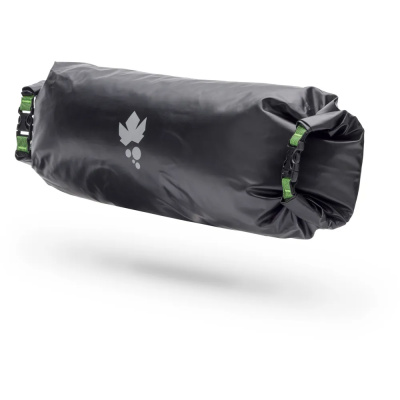
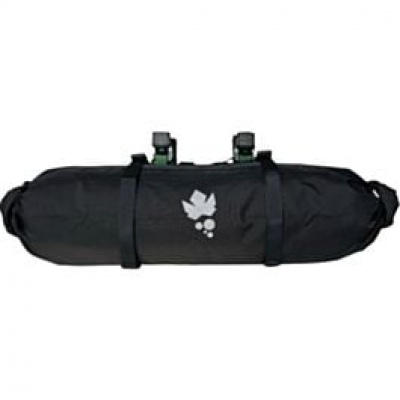
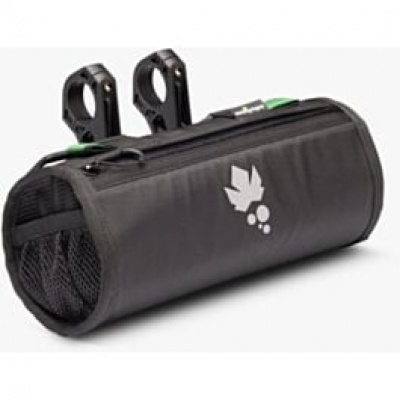
The Tendril is Miss Grape's flagship handlebar roll - a dual-roll dry bag designed around compressible, bulky items like sleeping bags, bivvy sacks, and packable insulation layers. It's the bag you reach for on a multi-day bikepacking route across the Cairngorms or a loaded gravel tour through mid-Wales. The dual-roll closure creates a genuinely water-resistant seal at each end, and the PU-coated nylon construction means persistent drizzle doesn't work its way through. It comes in different widths, which matters: a narrower version suits road and gravel drop bars where cockpit space is tight, while the wider cut works better on flat or riser bar setups with more room to play with.
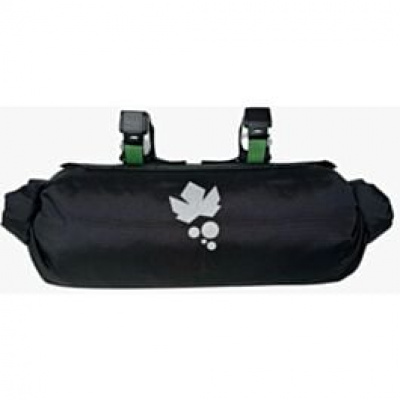
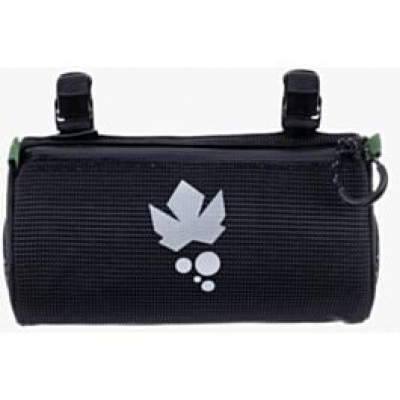
The Moon takes a different approach entirely. It's a smaller, zippered burrito-style bag - think day-ride snacks, a mini tool roll, a spare tube, and your phone. The zip access is quicker than rolling and re-rolling a dry bag every time you want a gel, and the compact profile keeps the front end feeling relatively light on shorter rides. It's the one to reach for on a fast gravel loop rather than a three-day tour. The water-repellent zipper adds a layer of protection, though for anything genuinely sensitive - a phone, GPS unit - a small internal dry bag is worth adding as backup on a properly grim UK day.
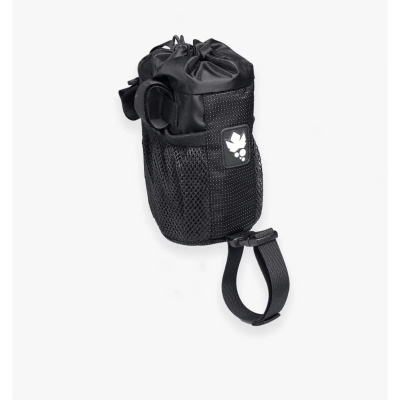
Neither bag is a compromise product. They're built for different trip lengths and load requirements, and the right choice depends on how much you're carrying and how quickly you need to access it. To complete a full bikepacking setup, both bags pair well with Miss Grape frame bags and Miss Grape saddle bags for a consistent system across the bike. If budget or availability pushes you elsewhere, Carradice bar bags are worth a look for the more traditional end of the market.
UK Grit, Wet Winters, and Keeping the Bags in Good Shape
Here's something most product pages skip: UK road grit is genuinely abrasive. Fine stone particles and road salt work their way under mounting straps during a single ride, and on a carbon handlebar, that acts like very fine sandpaper on the clear coat. Over a winter of wet commutes or loaded gravel rides, you can wear through to bare carbon without ever noticing - until you do a proper inspection and find the damage. Before mounting any bar bag, apply a strip of helicopter tape or clear vinyl protection film to the bar surface and head tube where the straps will sit. It adds no meaningful weight, it's invisible under the straps, and it preserves the bar. Worth doing once before the first ride.
The anti-slip rubberised retention straps on Miss Grape bags do grip well, but that grip works both ways - they hold onto grit too. After a muddy ride, loosen the straps and rinse underneath before anything dries in. For the bag itself, mild soap and lukewarm water is all you need to clean the PU-coated nylon. No pressure washing - the high-pressure jet can delaminate the polyurethane coating at seams and stress points, which is exactly what keeps the waterproofing intact over multiple wet seasons. Let the bag air dry fully before rolling or stuffing it for storage. A bag that's been stored damp will start to smell, and in severe cases the coating can begin to degrade from the inside. Treat it like a decent waterproof jacket and it'll last.
The Italian handmade tear-resistant construction means the fabric itself is robust, but the weakest points over time are always the strap attachment points and zipper pulls. Check these periodically and, if a strap anchor shows early fraying, address it before it becomes a failure mid-route. That's not a criticism of the build quality - it's just how loaded bags wear, regardless of brand.
Miss Grape Bar Bags FAQs
Do Miss Grape bar bags fit drop handlebars?
Yes - the Tendril in particular is designed with drop bar geometry in mind. The critical check is packed width versus the distance between your shifter hoods. Your STI or DoubleTap levers need full inward throw clearance once the bag is loaded, so measure before you ride and don't assume it'll be fine.
Are Miss Grape handlebar bags fully waterproof?
They're highly water-resistant thanks to PU-coated 420D nylon and water-repellent zippers, and they'll handle sustained UK rain without issue. For absolute peace of mind with electronics or documents in a proper downpour, pack those items in a secondary internal dry bag - it's a sensible precaution regardless of which bar bag you're running.
How do you stop a bar bag rubbing the front tyre?
Check clearance before loading - you want at least 15 - 20cm between the handlebar and tyre with the fork at rest. Always use the head tube retention strap and cinch it tight; that's what keeps the bag from rotating nose-down under load. Recheck after the first hour of a loaded ride, as straps can settle slightly.