
Apidura Saddle Bags
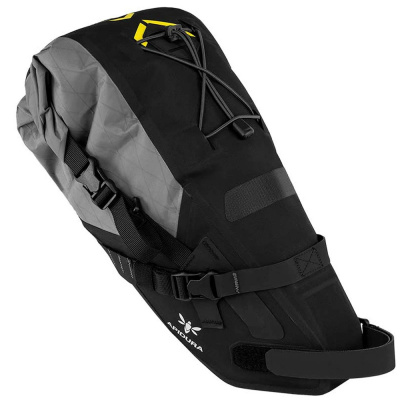
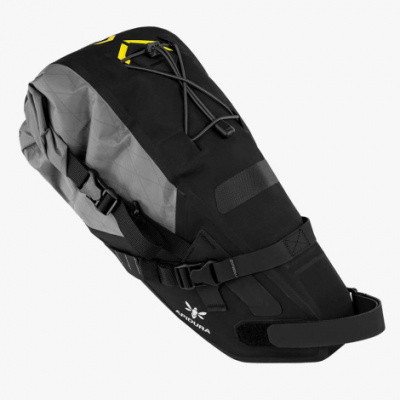
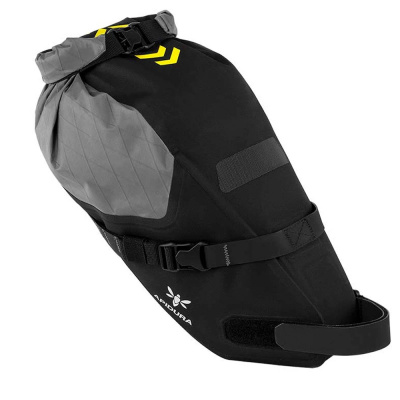
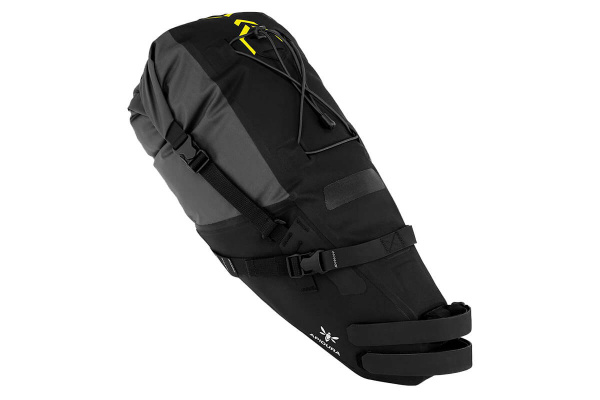
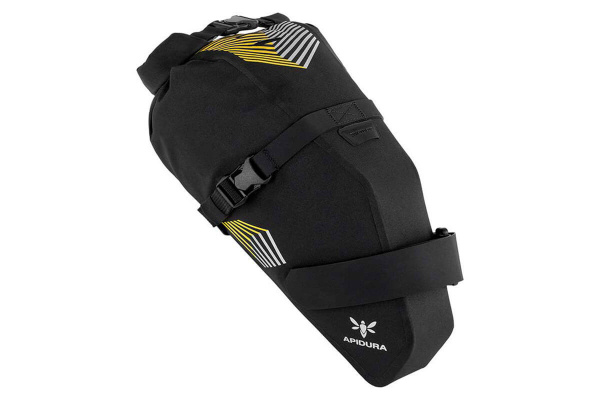
Apidura saddle bags have become the reference point for anyone serious about ultra-endurance racing or multi-day bikepacking - and for good reason. Built around proprietary Hexalon fabric and sealed with high-frequency welded seams rather than stitched joins, these packs deliver genuine waterproofing rather than the optimistic DWR coating you get on lesser bags. That distinction matters when you're grinding through a Welsh valley in November and the rain hasn't let up since Tuesday.
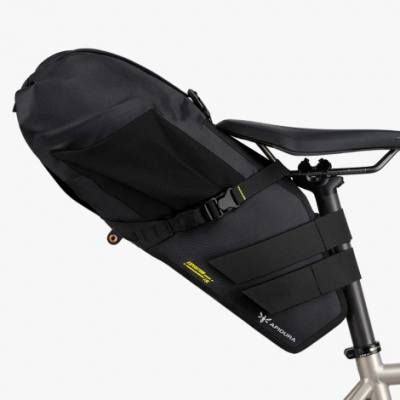
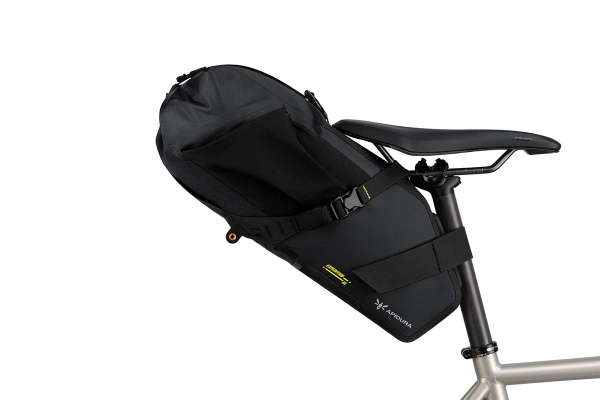
What separates Apidura from the crowd isn't just material spec - it's the obsessive attention to sway reduction and saddle-rail clamping geometry. A poorly fitted saddle bag transforms a bike's handling; you feel it immediately on any kind of descent. Apidura's design keeps the load tight, predictable, and stable whether the bag is half-empty on a day ride or stuffed for a multi-night route across the Cairngorms.
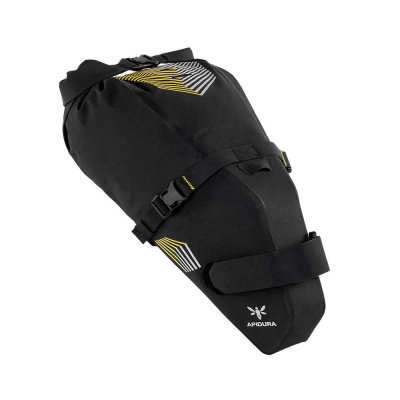
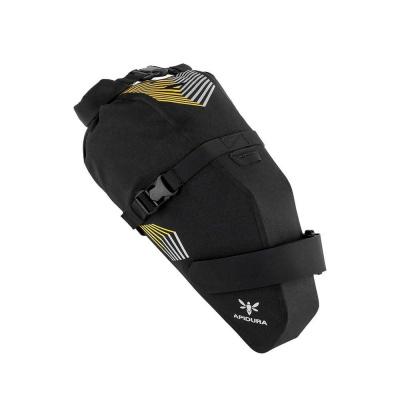
The range covers three distinct tiers - Expedition, Racing, and Backcountry - each tuned for a different type of rider and ride. Capacity runs from compact packs suited to a night's kit up to full multi-day loads. Before you buy, though, seatpost clearance and dropper post compatibility are the two checks you absolutely cannot skip. We'll cover both in detail below.
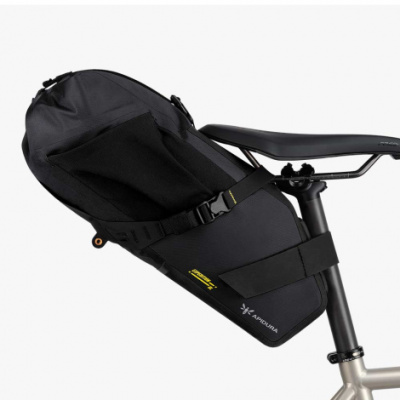
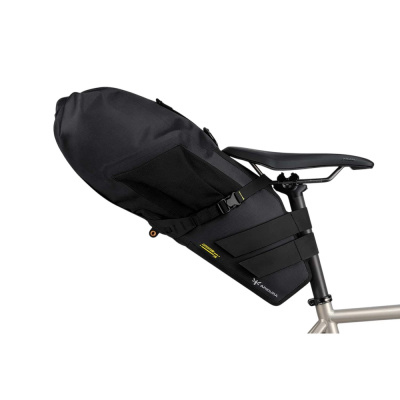
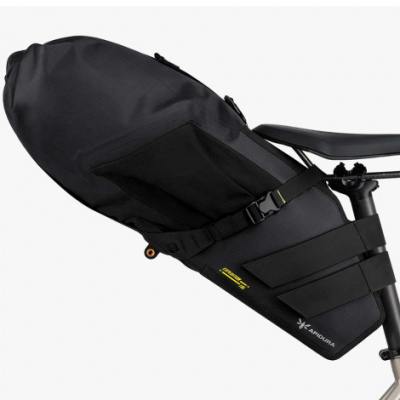
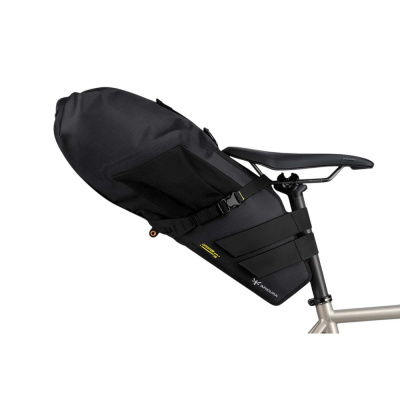
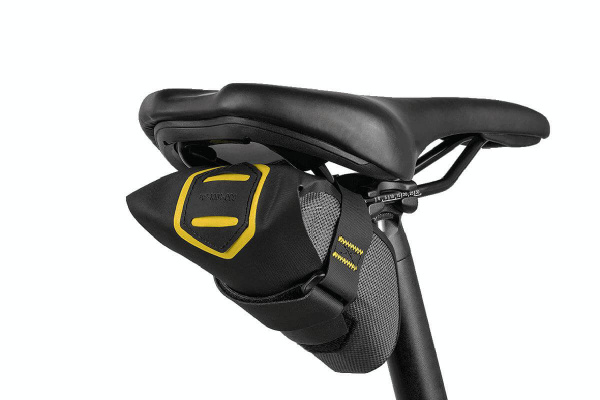
Prices and availability can change quickly. Delivery charges are not always included in listed prices.
Final price, stock status and delivery terms are set by retailer. We may receive a commission on purchases made.
Clearances and Compatibility: Measure Before You Fit
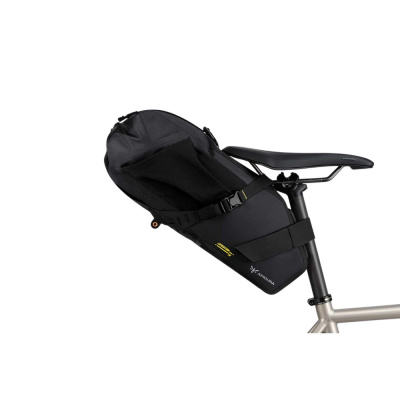
Getting an Apidura saddle bag onto your bike without fouling the rear tyre or destroying your seatpost finish starts with two measurements. First, exposed seatpost length: most Apidura models need between 5 and 8 centimetres of post showing above the seat collar to allow the saddle-rail straps to sit correctly and the bag to hang clear of the tyre. Run less than that and the bag drops too low, risks tyre contact, and the straps won't tension properly.
Second, check the gap between your saddle rails and the top of your rear tyre. Under suspension compression or load on a rough bridleway, the gap closes. If your bike is already tight there - common on short-chainstay gravel bikes - a fully loaded pack can buzz the tread. Measure with your weight on the saddle and the bike over a bump if you can. A couple of centimetres of genuine clearance is the working minimum.
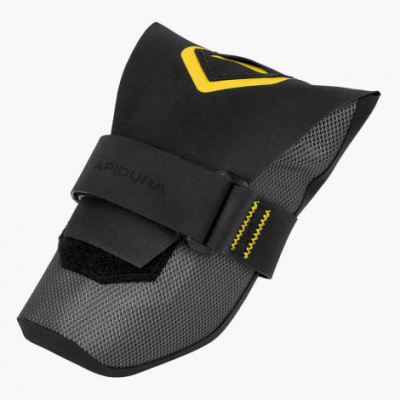
Running a dropper post? Then a dedicated Apidura Dropper Post Adapter isn't optional - it's essential. Without it, the lower seatpost strap sits directly on the stanchion and will score the coating, which then compromises the wiper seal and introduces play over time. The adapter repositions the strap above the stanchion's travel zone and keeps everything clean. Backcountry-series bags are profiled narrower specifically to work with dropper setups, giving more clearance around the post mechanism.
One more practical point: grit trapped between a Hypalon strap and a carbon seatpost acts like grinding paste on a long ride. Before fitting any Apidura bag to a carbon post, apply helicopter tape or a protective film wrap to the contact area. It takes five minutes and saves an expensive repair. Check fit again after your first few rides - straps bed in and may need retensioning.
Expedition, Racing, and Backcountry: Which Tier Suits You
Apidura structures its saddle bag range into three tiers, and the differences go deeper than just capacity or colour. Understanding what each is built for will save you from buying a bag that's overspecified for your rides - or one that lets you down on a long one.
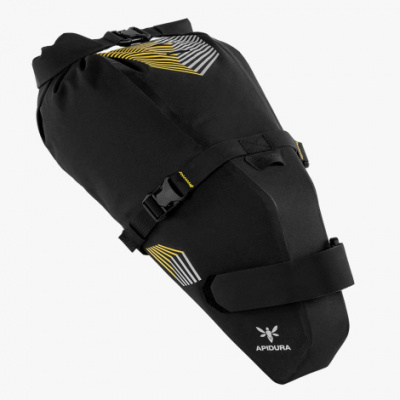
The Expedition series uses heavy-duty Hexalon - Apidura's own bespoke laminated fabric - alongside Hypalon reinforcements at the strap attachment points and any area that sees consistent abrasion. These are maximum-durability packs for multi-day loaded touring, bikepacking routes with rough tracks, and riders who want the bag to outlast several bikes. The waterproofing here is absolute: welded seams, roll-top closure, no stitched puncture points. Think Trans Alba Route or any Scottish adventure where the bag will spend days in driving rain and mud.
The Racing series uses a lighter, bespoke Hexalon construction - the same welded-seam waterproofing, but optimised for ultra-distance events where the weight difference across your full kit compounds quickly. The profile is sleeker, the pack sits closer to the centreline of the bike, and sway reduction remains a priority. If you're riding events like the Transcontinental or planning a long-distance solo push and every gram is a deliberate decision, this is the tier to look at. It doesn't sacrifice waterproofing or structural integrity to get there - it just does it with less material.
The Backcountry series takes a different approach entirely. Rather than Hexalon, it uses Dimension-Polyant VX21 - a fabric well-known in the sail-making world for its puncture resistance and dimensional stability. The bag's profile is narrower and shorter, designed around dropper post compatibility and the reality that trail riding puts the bag in a more dynamic load environment than road or gravel. Where the Expedition and Racing bags prioritise absolute waterproofing, the Backcountry is built for impact resilience and technical compatibility. It's the one to consider if your riding is predominantly singletrack. If you're running EVOC saddle bags for trail riding currently, the Backcountry is worth a direct comparison for dropper-compatible fitment.
Across all three tiers, Woojin buckles handle the tensioning. These are reliable, consistent hardware components - not decorative. Tension your straps properly and they hold. Pair your saddle bag with an Apidura frame bag or bar bag to distribute load more evenly across the bike - a saddle bag alone carrying five-plus kilos will always handle worse than the same weight split across three contact points.
Keeping Your Apidura Pack in Good Shape Through a UK Winter
These bags are built tough, but UK winter riding is genuinely brutal on gear. The combination of grit, standing water, and repeated wet-dry cycles tests every product. A few habits will keep your pack performing for years rather than seasons.
Clean the bag after every muddy ride. A soft brush and mild soapy water is all you need - work into the strap webbing and around the Hypalon reinforcement panels where mud packs in. Avoid pressure washers. The welded seams and roll-top closure on Expedition and Racing bags are genuinely waterproof from outside water, but a pressure washer forces water in from angles and volumes the design doesn't account for. It can also stress the laminated fabric layers at the seam edges over time.
The roll-top closure needs at least three full rolls to form a proper seal. Two rolls looks closed but isn't. After cleaning, leave the bag open and air it out fully before storage - trapped moisture inside a sealed pack eventually breeds mildew in the fabric lining. Check your saddle-rail strap tension after the first wet ride too: wet webbing stretches slightly and may need tightening. If you're comparing pack construction with other British-made options, Carradice saddle bags offer a different philosophy - waxed cotton rather than welded synthetics - worth considering if traditional construction appeals. For lightweight minimalist options, Miss Grape saddle bags are worth a look alongside the Racing series.
Replacement straps and adapters are stocked separately - if a strap shows wear or you've switched to a dropper post mid-ownership, you don't need a new bag. Browse Apidura seatpost spares for the hardware you need.
Apidura Saddle Bags FAQs
Do Apidura saddle bags sway when riding?
Packed correctly, they're remarkably stable. Put the heavier items low and close to the seatpost, then tension the Woojin buckles firmly. The Hypalon reinforcement panels keep the bag's structure rigid under load, and the saddle-rail strap geometry is designed to resist pendulum movement. Sway is almost always a packing or tensioning issue rather than a bag fault.
Can you use an Apidura saddle bag with a dropper post?
Yes - but only with the Apidura Dropper Post Adapter fitted. Without it, the lower strap contacts the stanchion directly, scoring the coating and risking seal damage over time. The Backcountry series is also profiled specifically for dropper compatibility, with a narrower shape that gives the post room to move through its full travel without fouling the bag.
Are Apidura saddle bags completely waterproof?
The Expedition and Racing series are fully waterproof - Hexalon fabric with high-frequency welded seams means there are no stitched holes for water to enter. The roll-top closure must be rolled at least three times and folded down properly to complete the seal. A single roll or a loose tuck will let water in regardless of how good the rest of the construction is.